PawPedia breed guide
Rare dog breeds
Uncommon and low-registration dogs from around the world—what “rare” really means, which breeds people search for, and how to own them responsibly without chasing scarcity hype.
38 breeds · Updated 2026-08-15
Rare dog breeds are not a single club category. People usually mean dogs with few litters, regional working histories, or specialty coats and jobs you rarely see at the dog park—Azawakhs on the Sahara, Xolos from Mexico, Otterhounds bred for rivers, corded Komondors, and Nordic spitzes that never went viral.
This guide covers 38 uncommon breeds with real profiles in our database. “Rare” is not a temperament certificate and not a reason to skip health testing. Breed context: AKC Azawakh, Xoloitzcuintli, AKC Foundation Stock Service. Fit check first? Take the match quiz.
What “rare” actually means
Popularity lists (AKC registration ranks, kennel-club surveys) change yearly. A breed can be common in its homeland and scarce in the U.S.—or the reverse. Color fads on Labs or Frenchies are not rare breeds.
Practical signs of rarity: long waitlists with few ethical breeders, limited rescue inventory, trainers unfamiliar with the breed, and owners who travel for mentors or sports clubs. Scarcity premiums show up on most expensive dog breeds lists—for better and worse.
Ancient and regional rarities
Old landraces and national treasures that stay uncommon in mainstream pet markets:
- Azawakh — Mali; Independent, Loyal
- Thai Ridgeback — Thailand; Protective, Loyal
- Xoloitzcuintli — Mexico; Calm, Alert
- Pharaoh Hound — Malta; Affectionate, Sociable
- Basenji — Central Africa; Alert, Curious
- Chinook — United States; Gentle, Intelligent
- Catahoula Leopard Dog — United States; Energetic, Intelligent
Sighthounds like Azawakhs and Pharaoh Hounds need secure fencing and honest prey-drive management. Browse related hound breeds.
Specialty coats and working niches
Corded coats, felted flocks, and purpose-bred scent or herding jobs keep some breeds scarce—and high-commitment:
- Bergamasco Shepherd — long coat; energy 3/5
- Komondor — short coat; energy 3/5
- Puli — medium coat; energy 5/5
- Pumi — medium coat; energy 5/5
- Lowchen — long coat; energy 3/5
- Otterhound — short coat; energy 3/5
- Lagotto Romagnolo — curly coat; energy 4/5
Komondors, Pulis, and Bergamascos are not “wash-and-go.” Livestock-guardian reserve shows up in Kuvasz and related types—see herding breeds and protection dogs for job framing.
Uncommon sporting and spaniel breeds
Gun-dog and water-work breeds that never hit Labrador-level popularity:
- Sussex Spaniel — medium; 35-45 lbs
- Clumber Spaniel — medium; 55-85 lbs
- Field Spaniel — medium; 35-50 lbs
- Irish Water Spaniel — large; 45-65 lbs
- Spinone Italiano — medium; 61 - 85 lbs
- Bracco Italiano — large; 55-88 lbs
- Curly Coated Retriever — large; 60-95 lbs
More spaniel context: spaniel breeds and types of spaniels.
Nordic spitzes and rare companions
Northern herding and hunting spitzes plus small companions that stay off the top-10 charts:
- Finnish Spitz — energy 3/5; Alert, Intelligent
- Icelandic Sheepdog — energy 4/5; Intelligent, Energetic
- Swedish Vallhund — energy 4/5; Intelligent, Energetic
- Finnish Lapphund — energy 4/5; Intelligent, Energetic
- Norrbottenspets — energy 4/5; Alert, Intelligent
- Coton de Tulear — energy 3/5; Affectionate, Lively
- Bolognese — energy 2/5; Gentle, Affectionate
- Russian Toy — energy 3/5;
Distinctive looks without the “rare = better” myth: distinctive-look dogs. Japan’s rarer Nihon Ken cousins appear on Japanese dog breeds.
Owning a rare breed responsibly
Join the national breed club before you buy. Ask for health clearances appropriate to the breed, meet adults when possible, and plan training for the original job—not Instagram.
Check rescue and breed-specific rehoming lists; uncommon adults sometimes need homes when owners underestimated drive or coat care. Still deciding? Compare two profiles or take the match quiz.
Rare & uncommon breed profiles
Browse 38 profiles. Open any breed for temperament, care, and lifestyle scores.
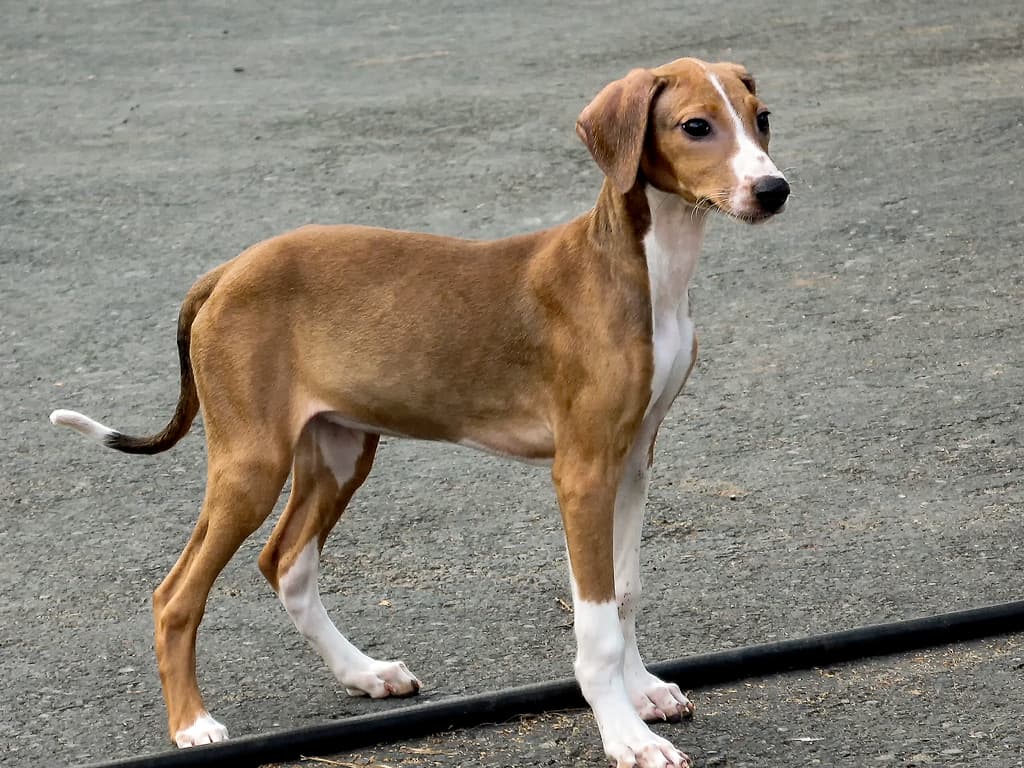
Azawakh
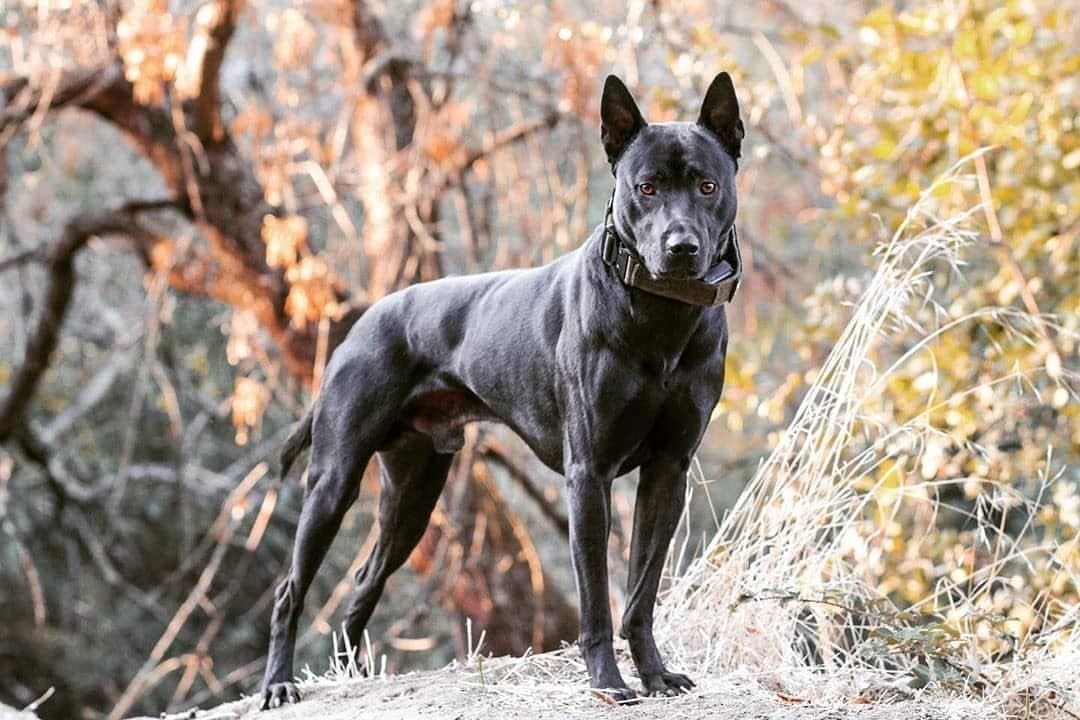
Thai Ridgeback
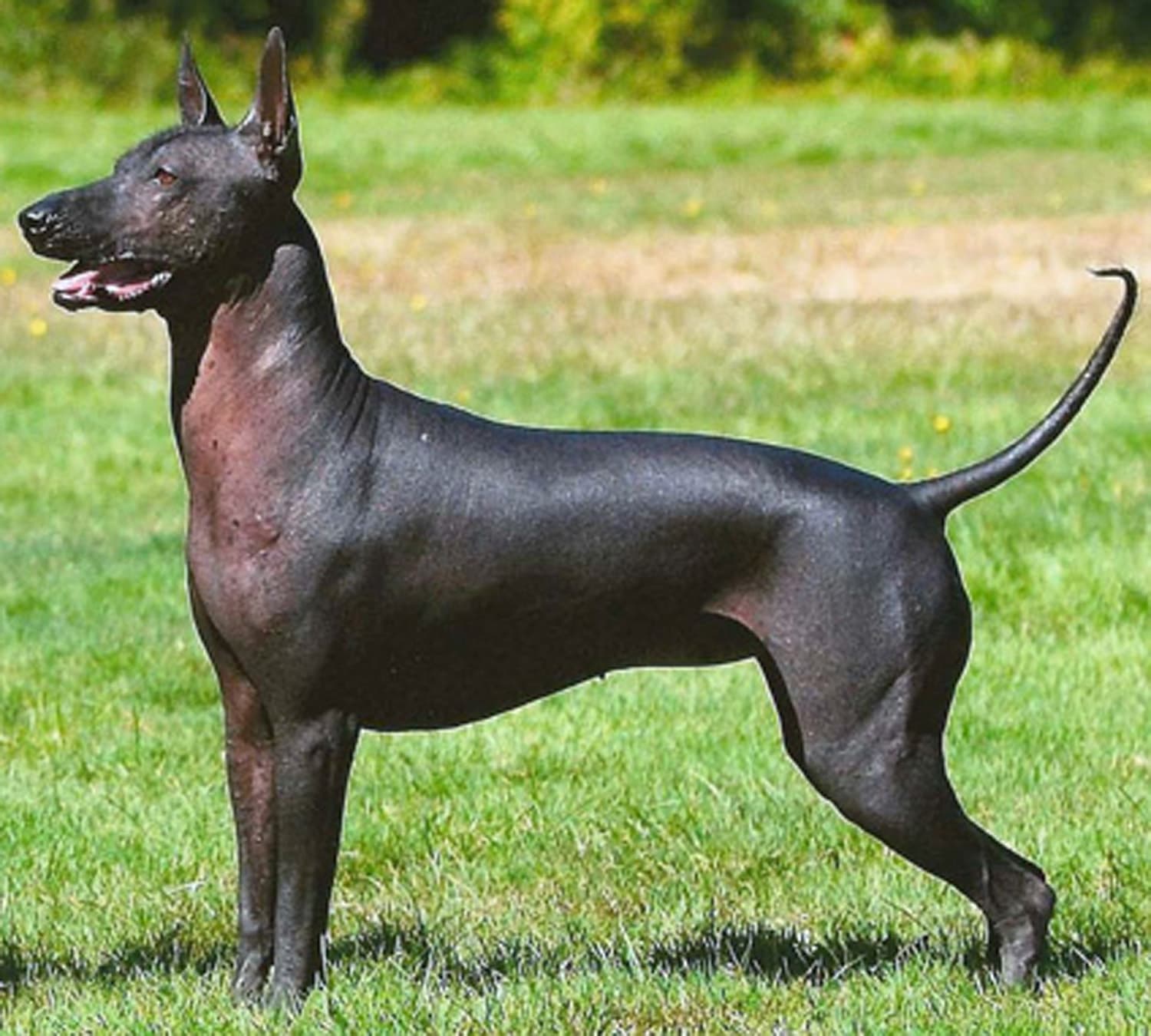
Xoloitzcuintli
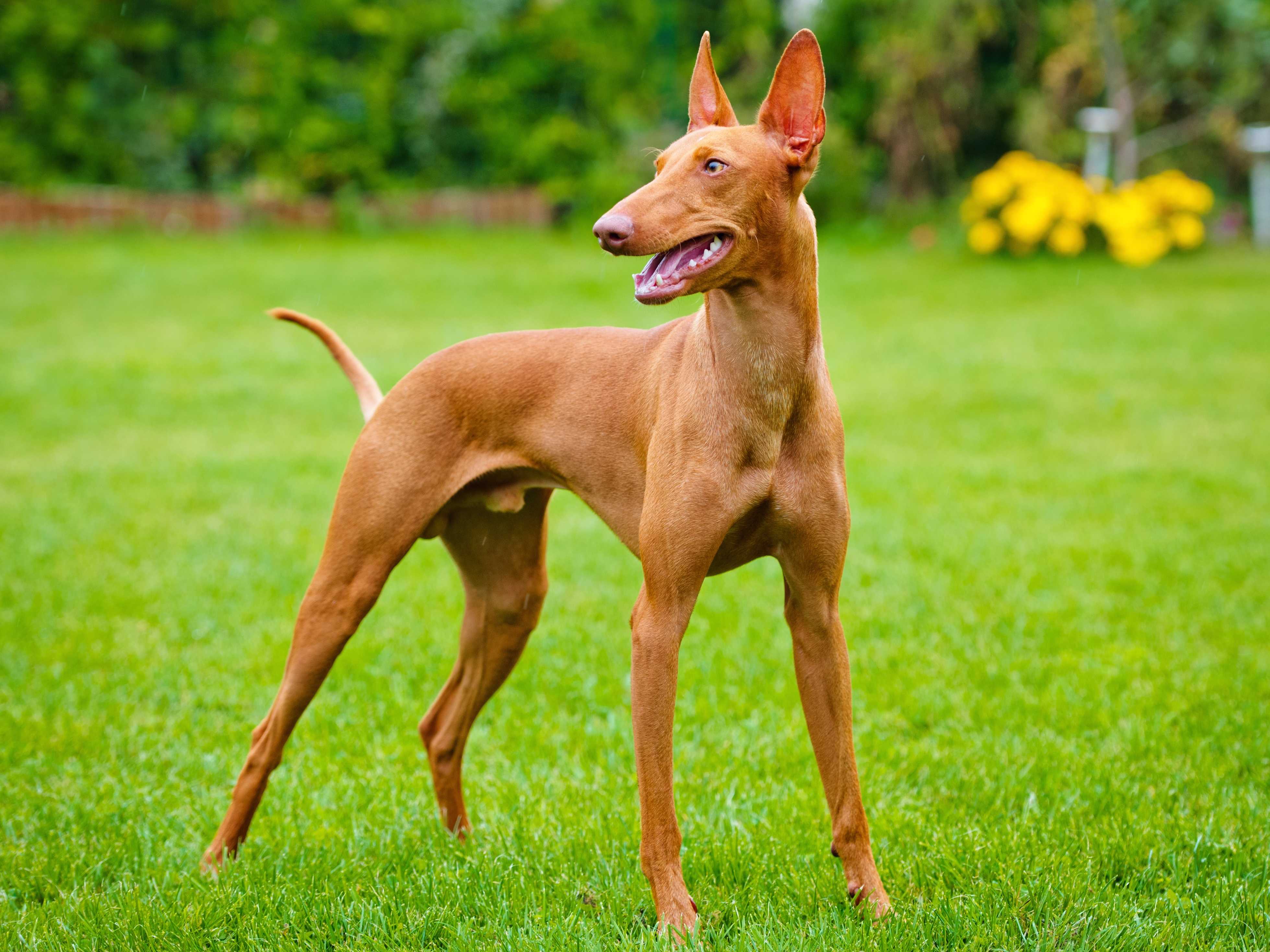
Pharaoh Hound
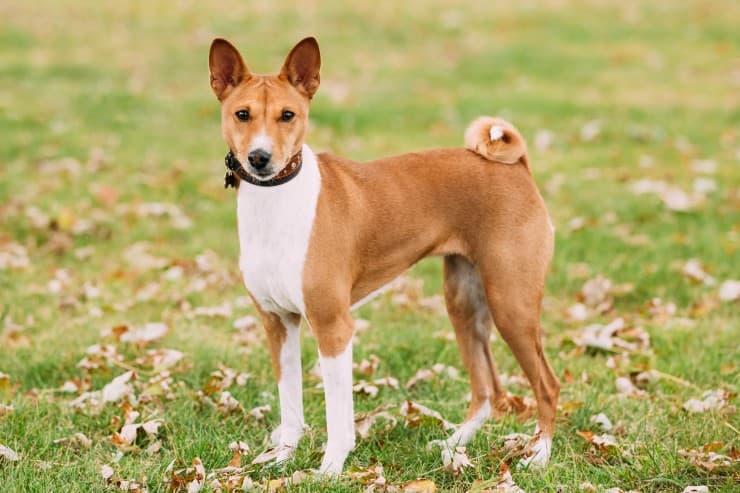
Basenji
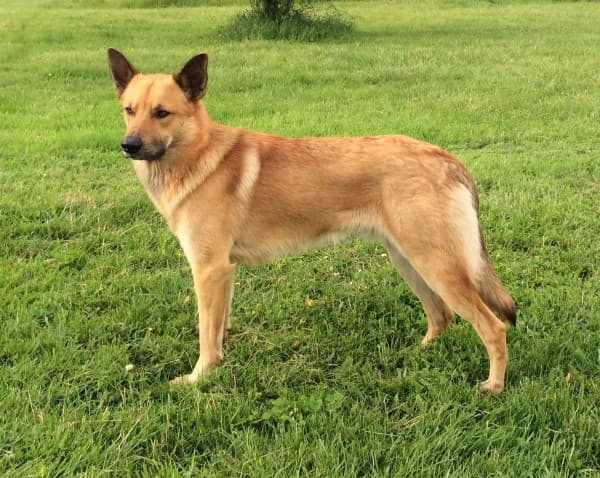
Chinook
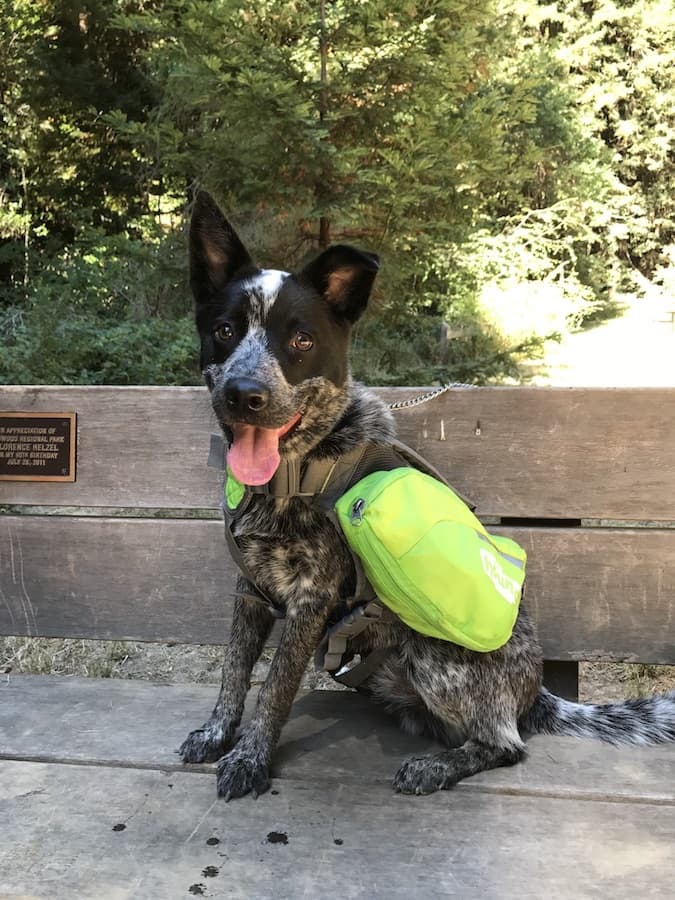
Catahoula Leopard Dog
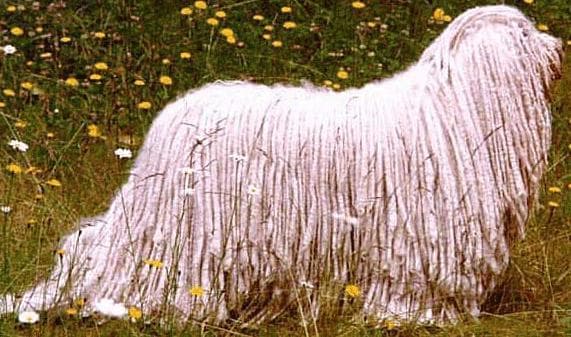
Bergamasco Shepherd
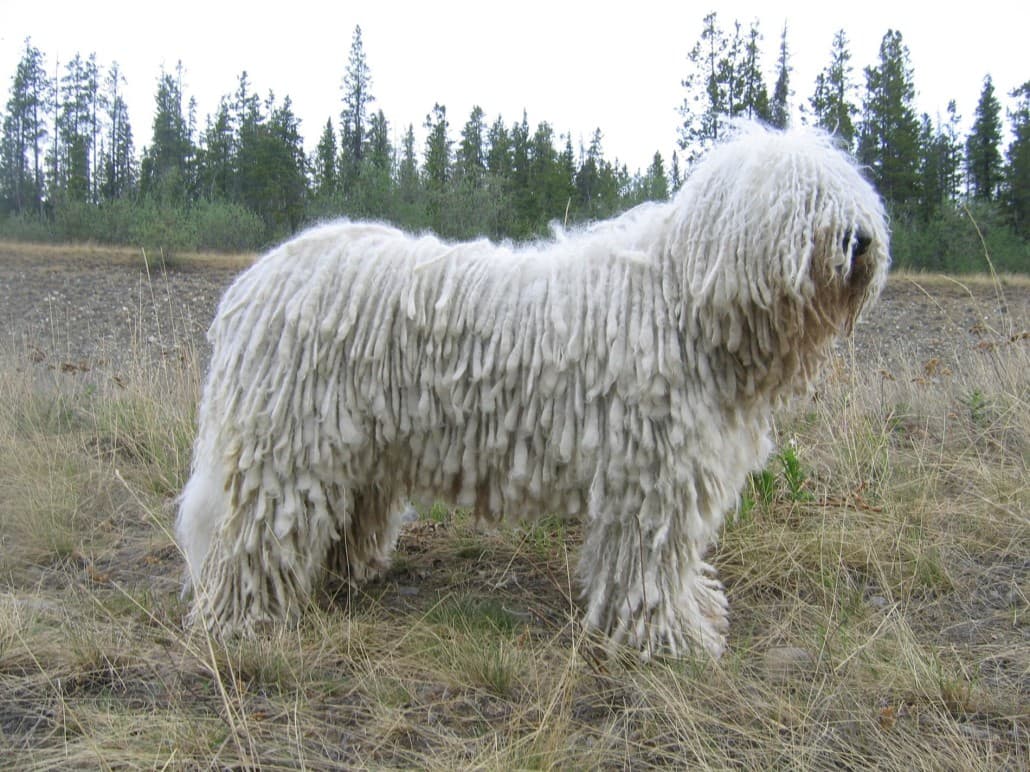
Komondor
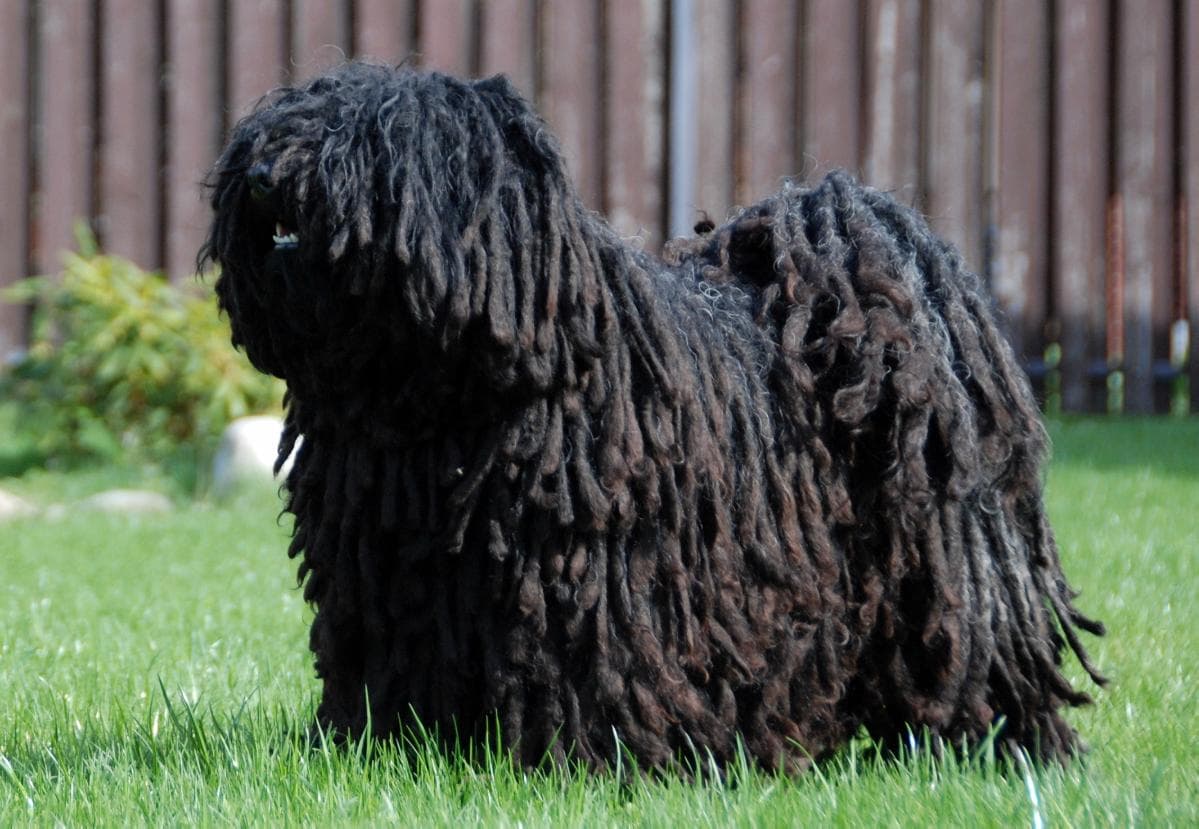
Puli
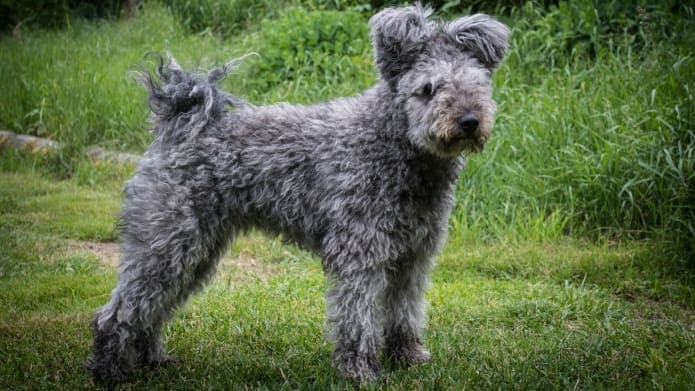
Pumi
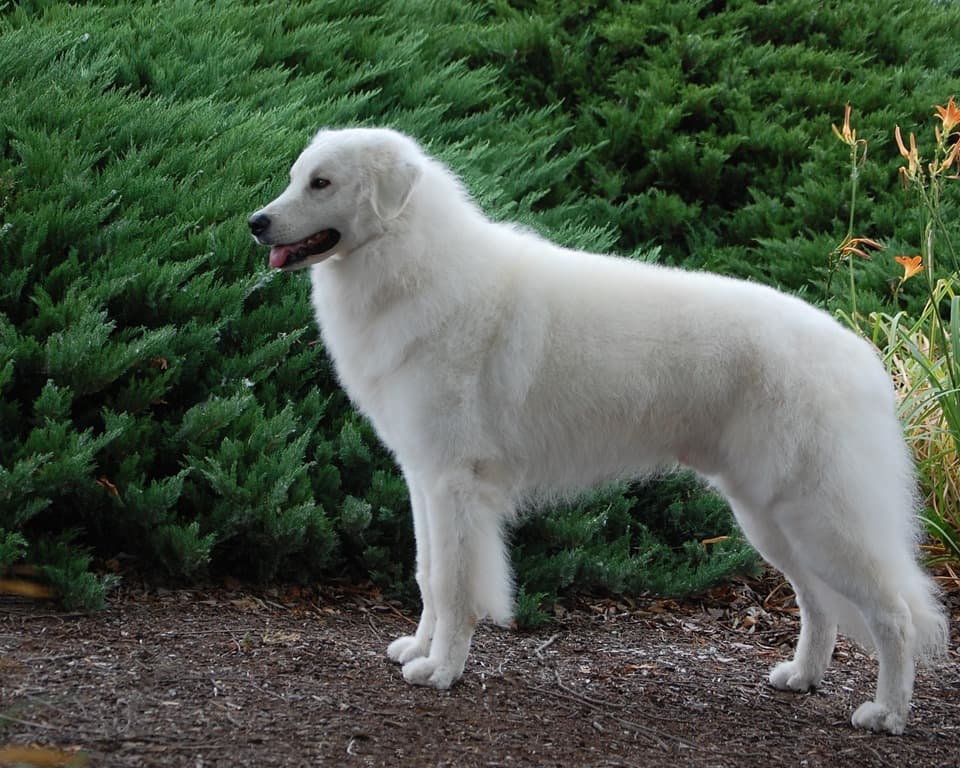
Kuvasz
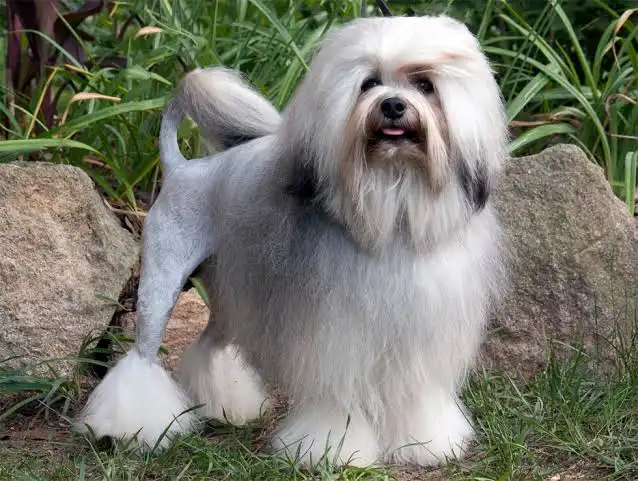
Lowchen
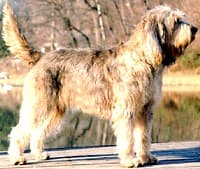
Otterhound
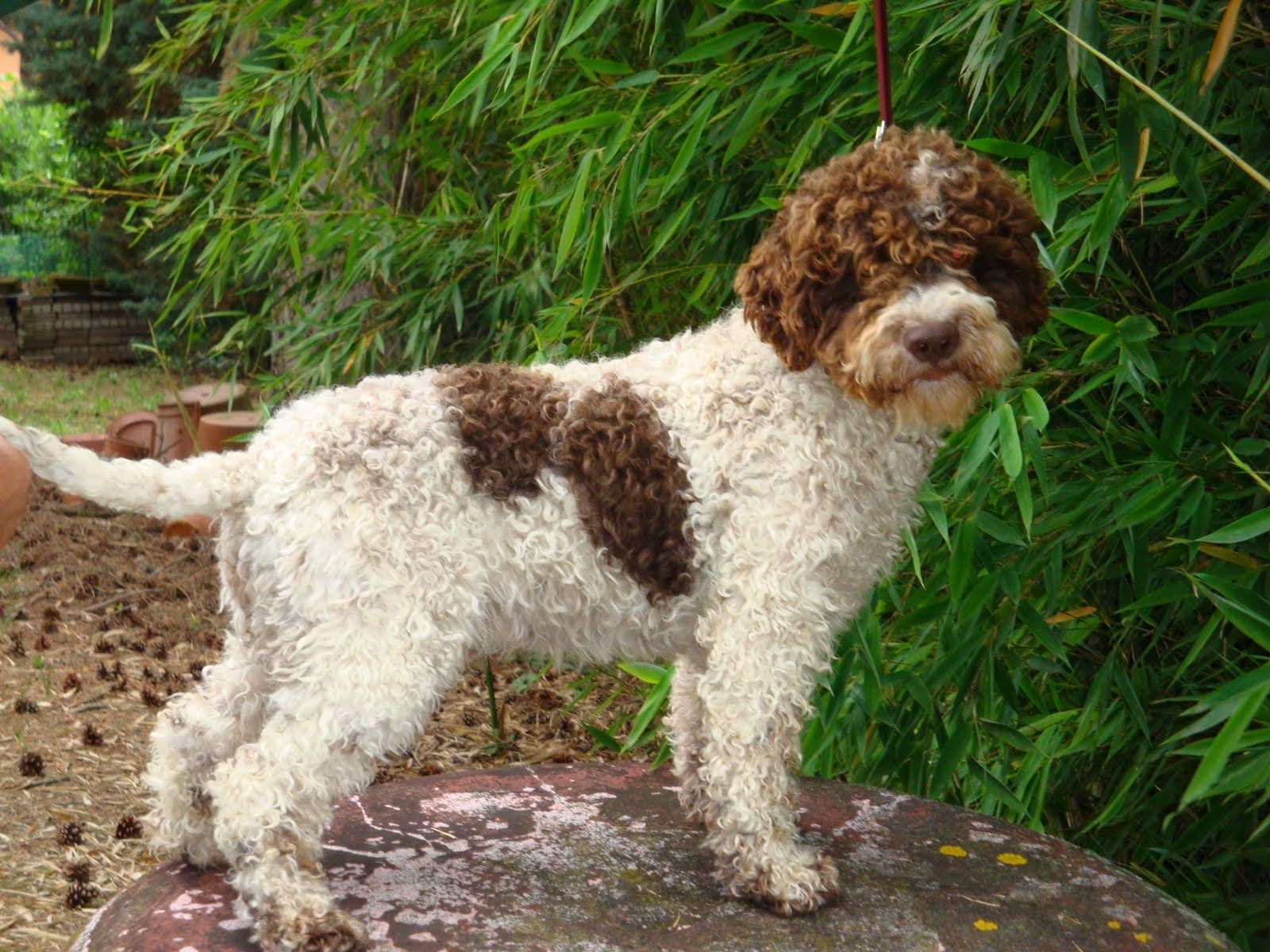
Lagotto Romagnolo
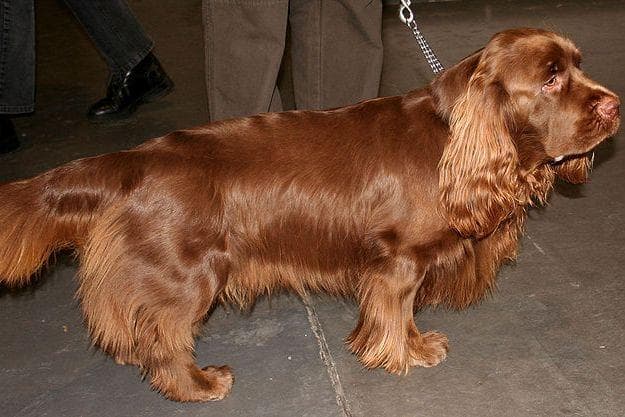
Sussex Spaniel
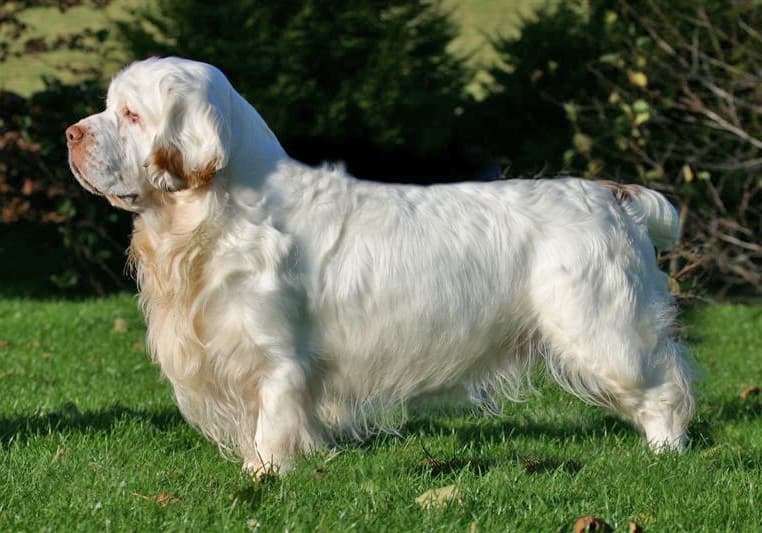
Clumber Spaniel
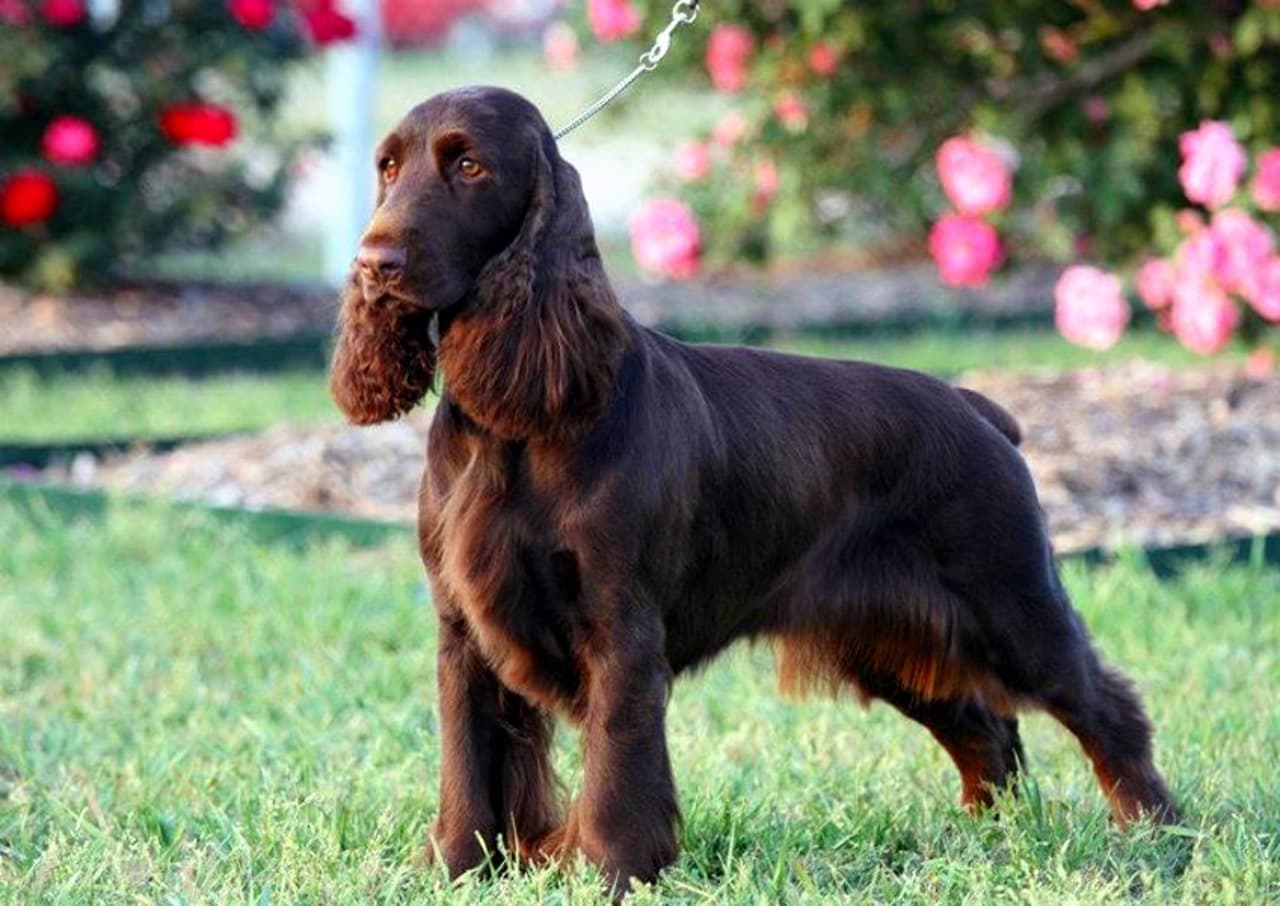
Field Spaniel
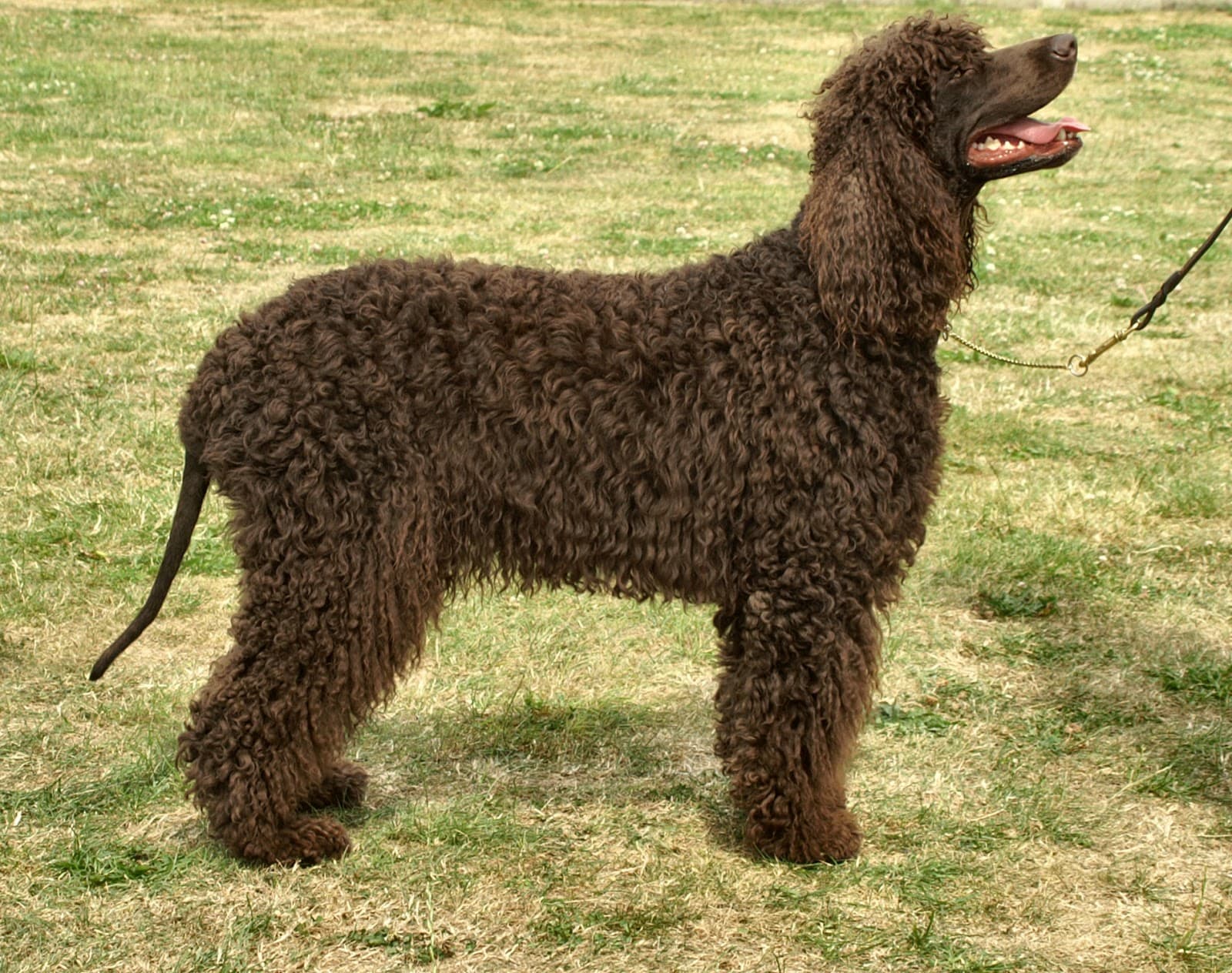
Irish Water Spaniel
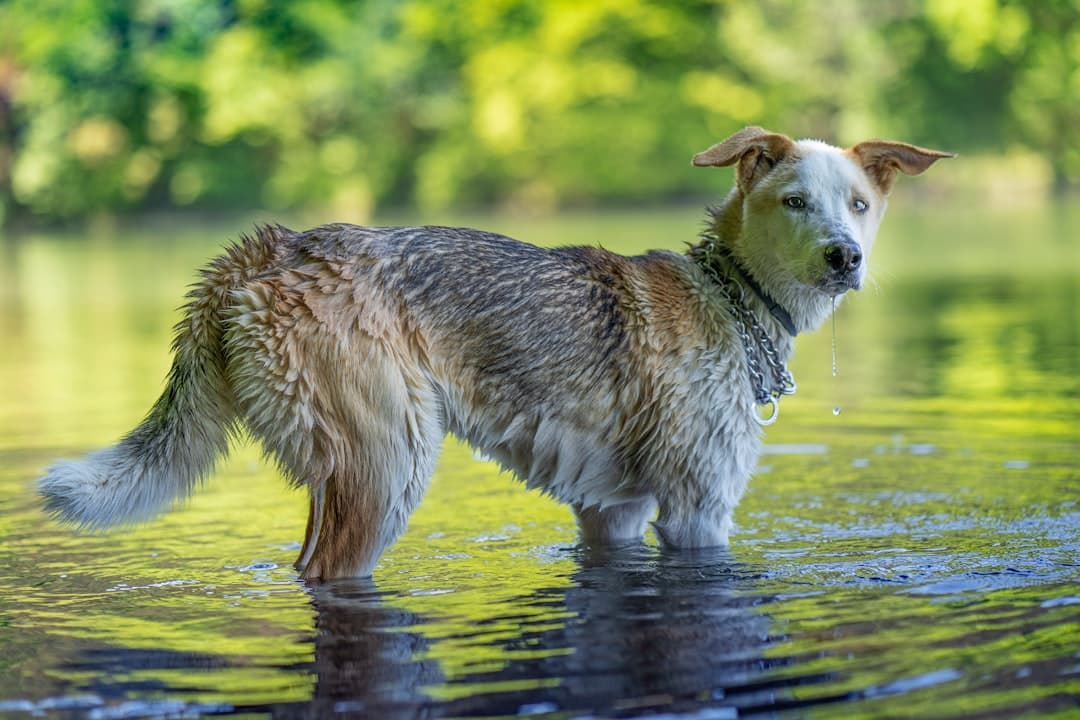
American Water Spaniel
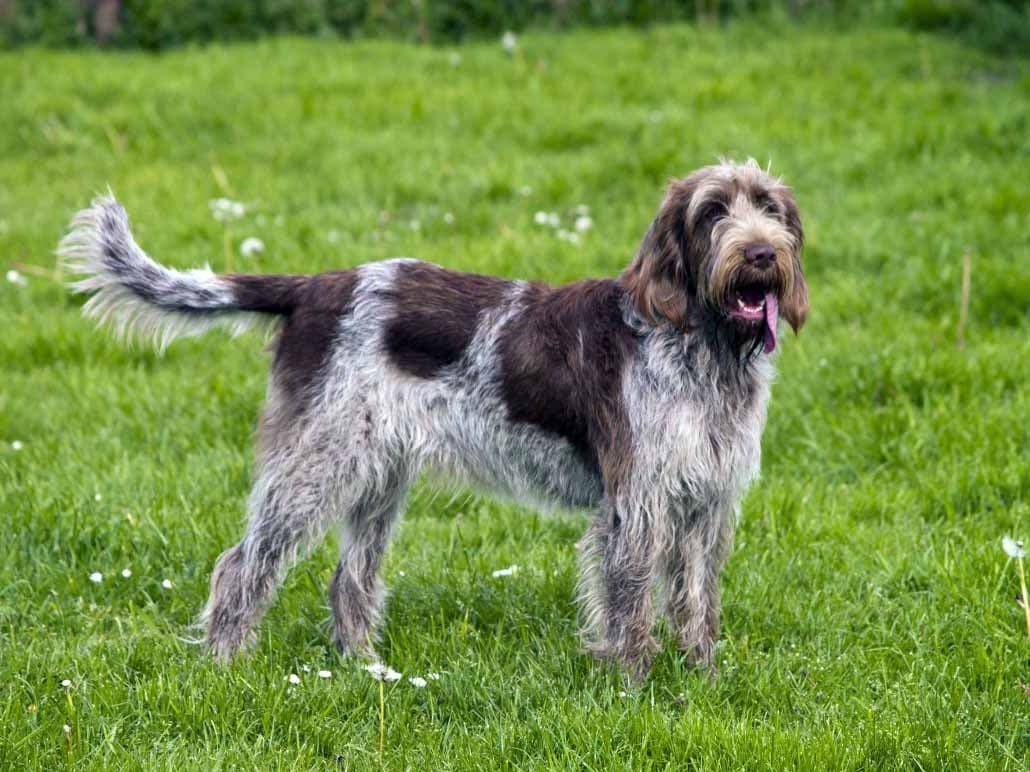
Spinone Italiano
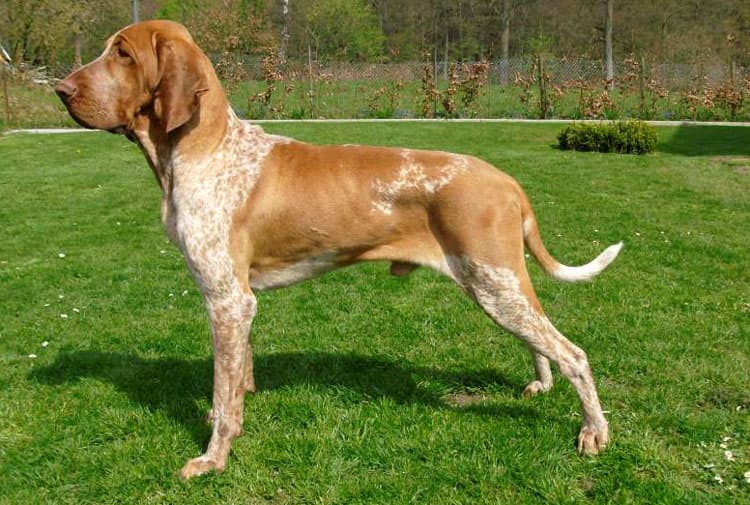
Bracco Italiano
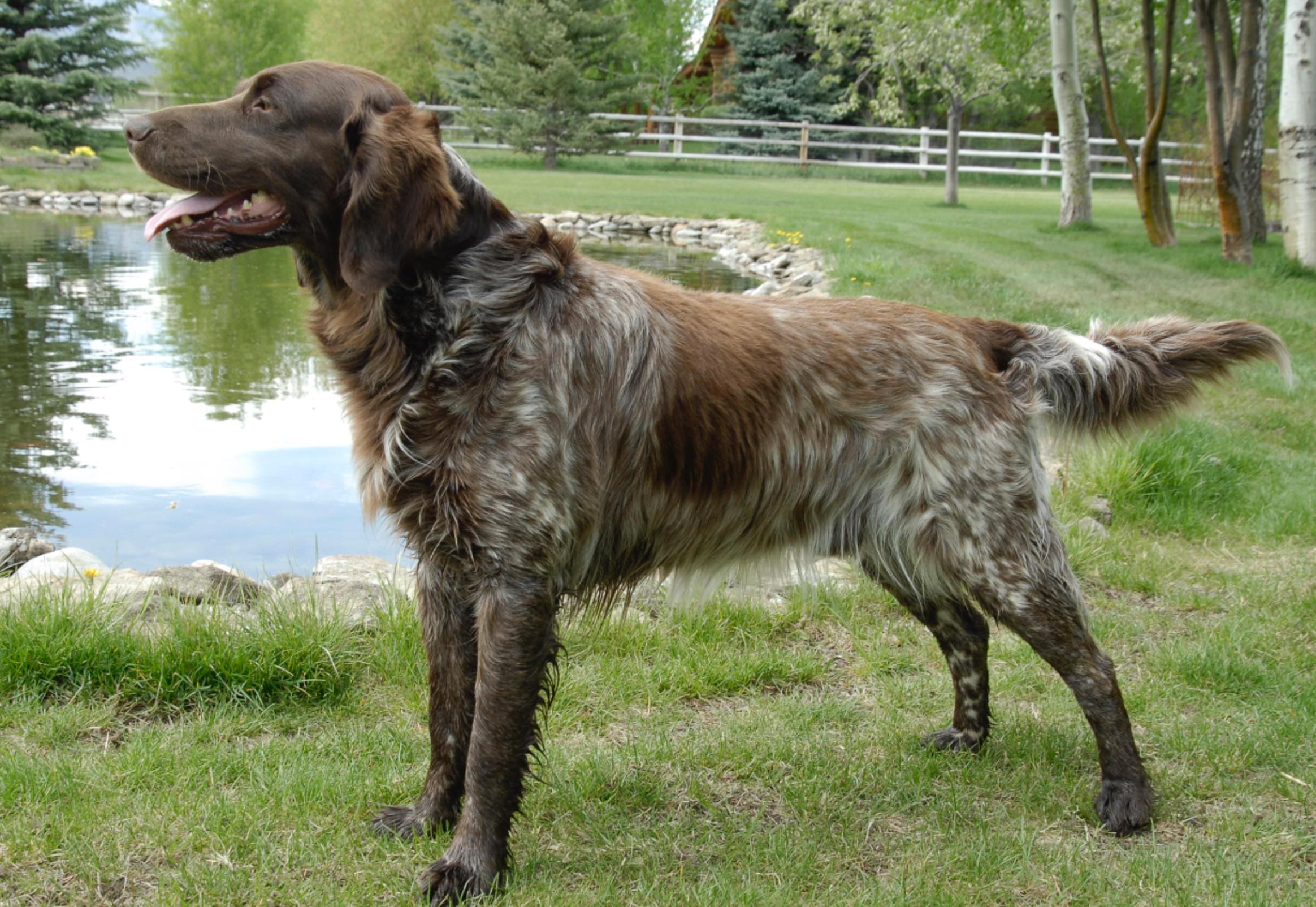
Wirehaired Pointing Griffon
Curly Coated Retriever
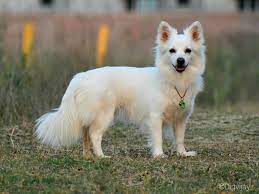
Finnish Spitz
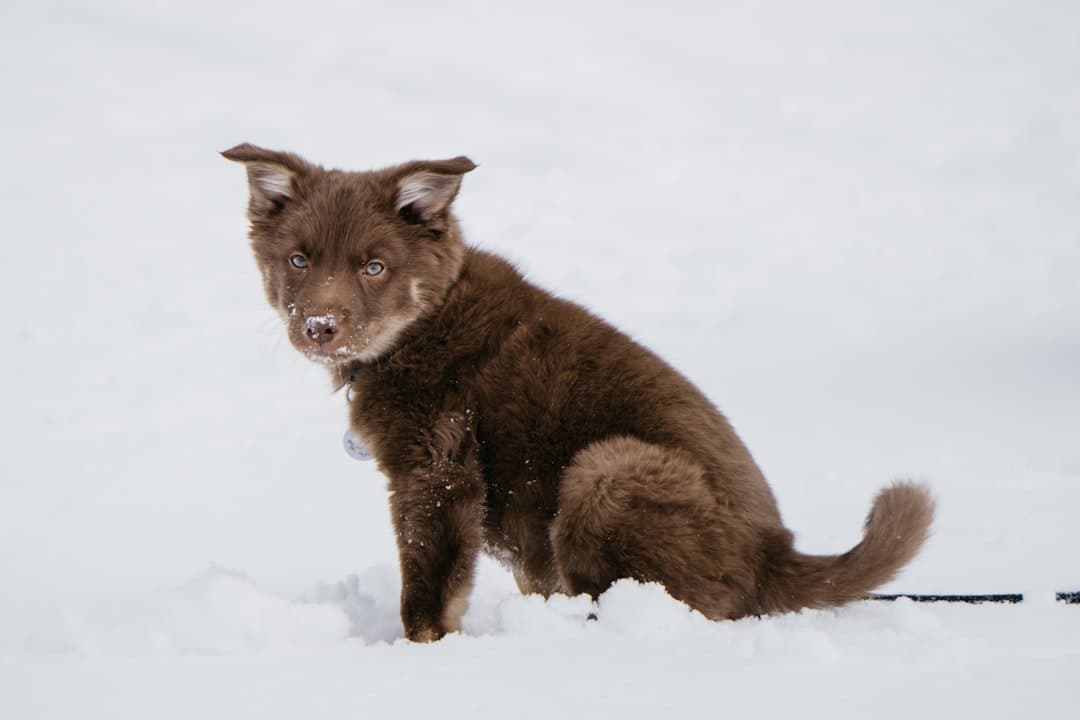
Icelandic Sheepdog
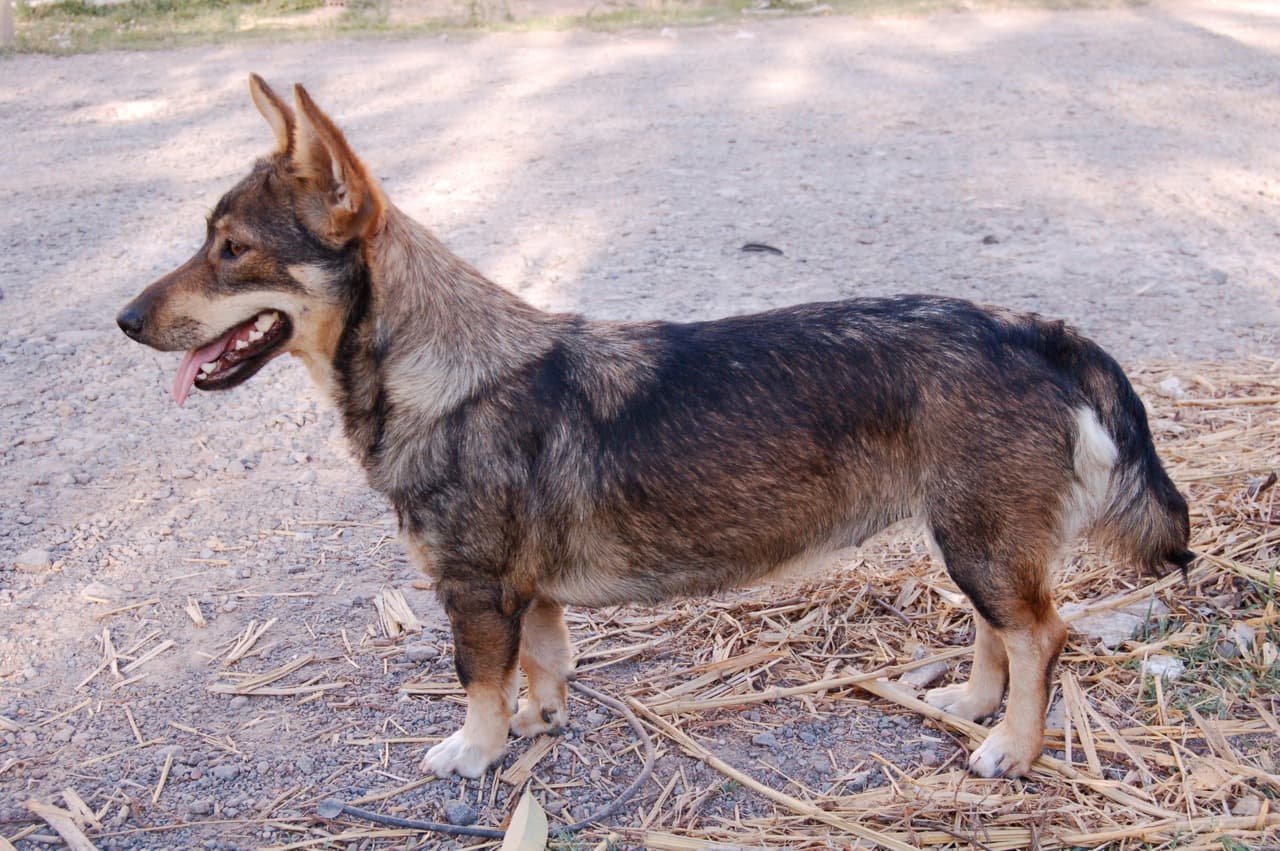
Swedish Vallhund
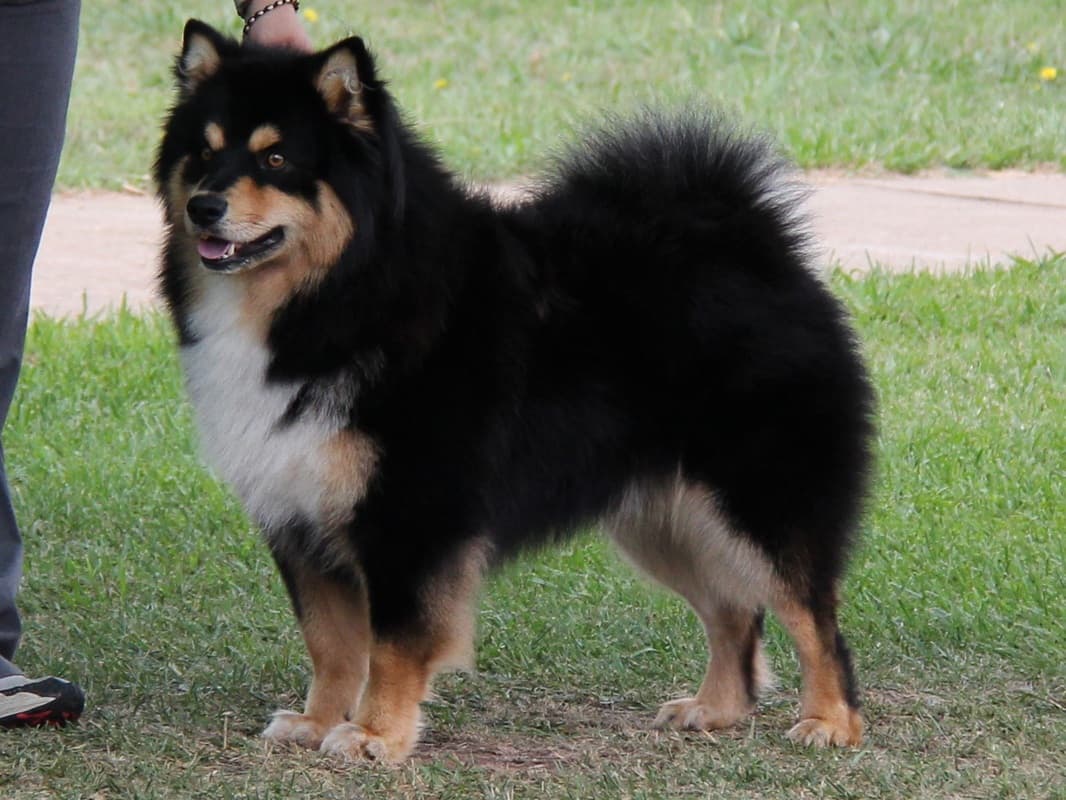
Finnish Lapphund

Norrbottenspets
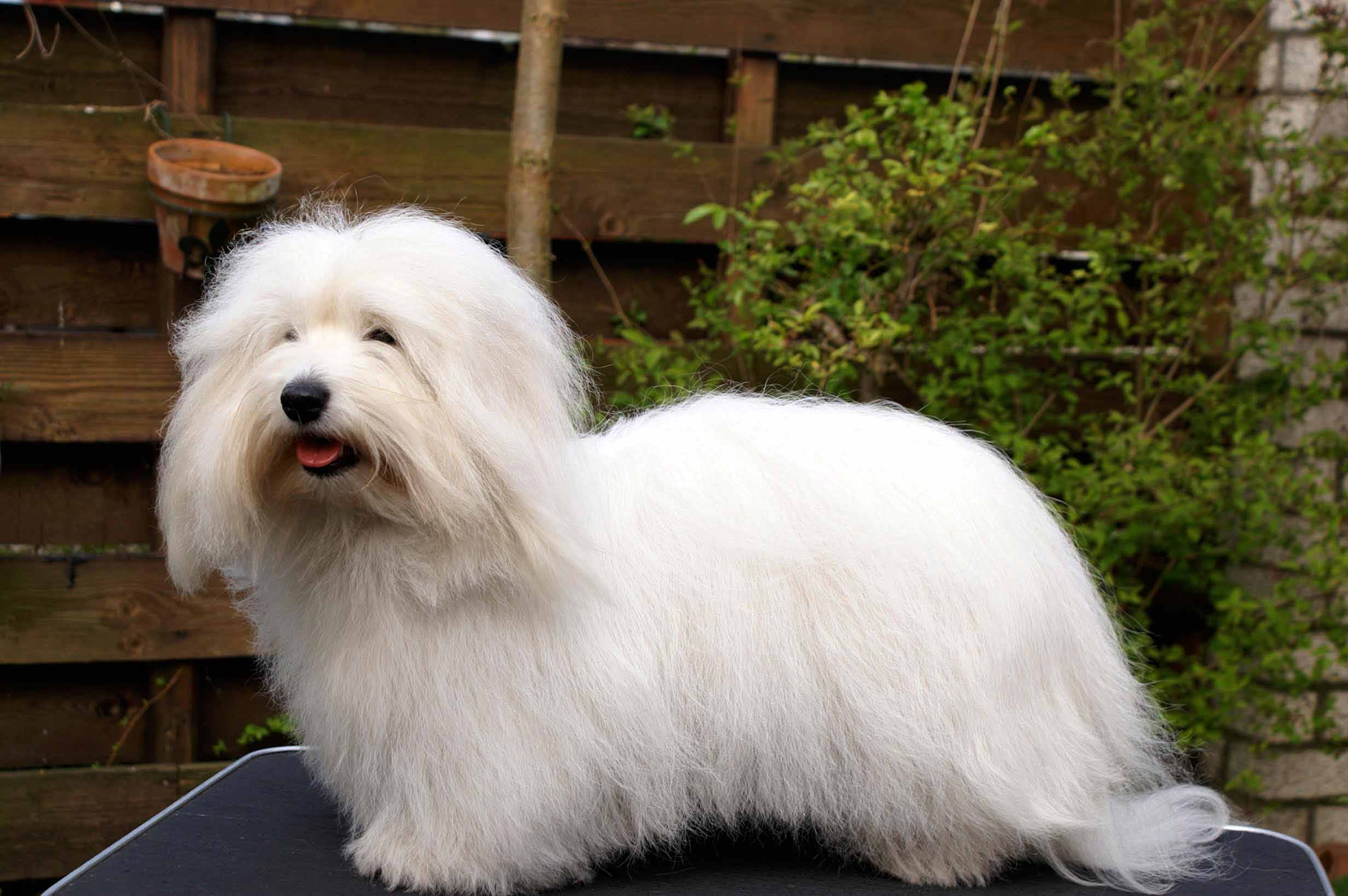
Coton de Tulear

Bolognese
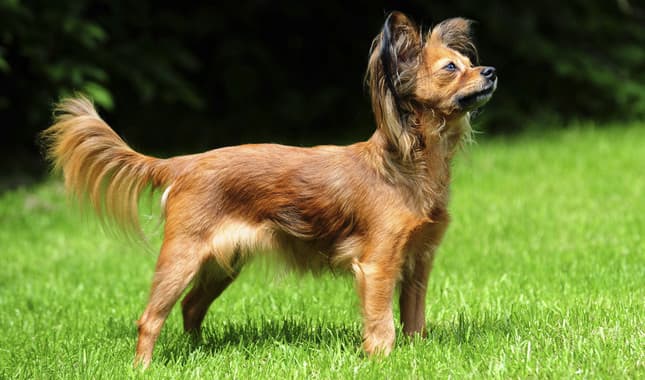
Russian Toy
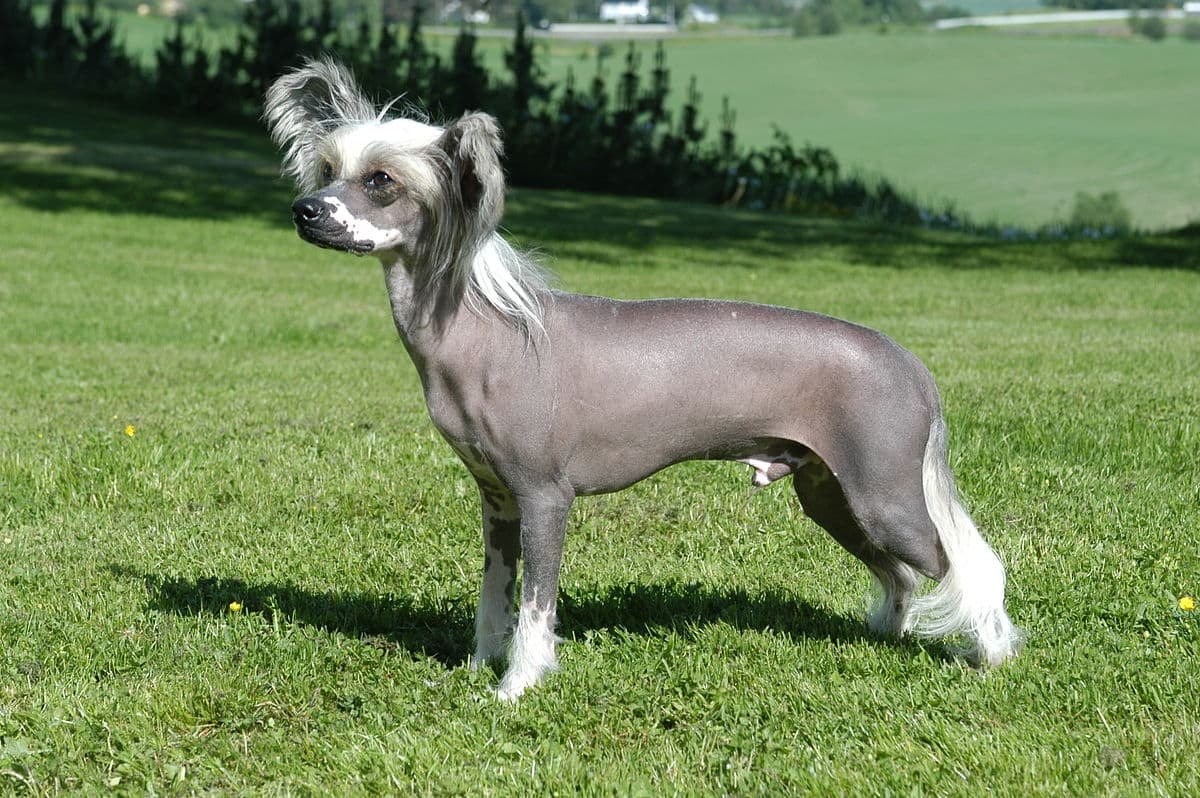
Chinese Crested
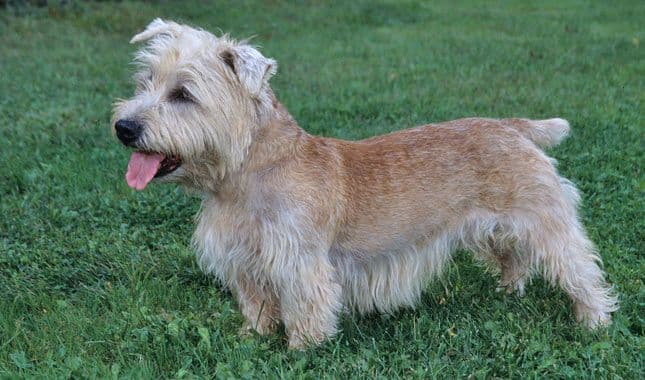
Glen of Imaal Terrier
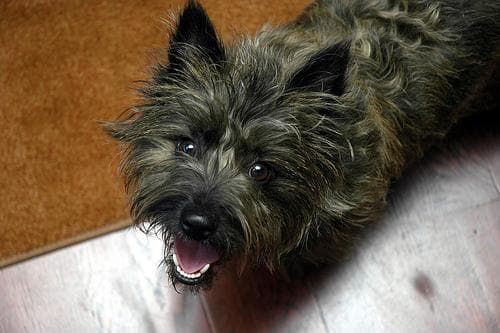
Dandie Dinmont Terrier
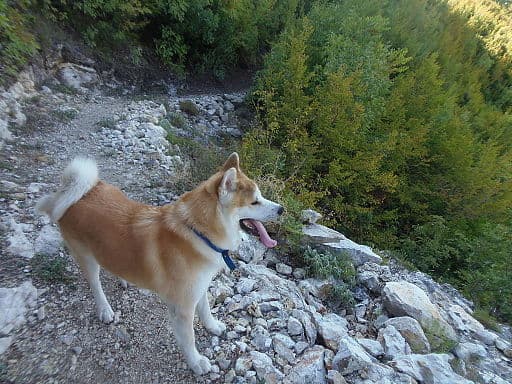
Tosa Inu
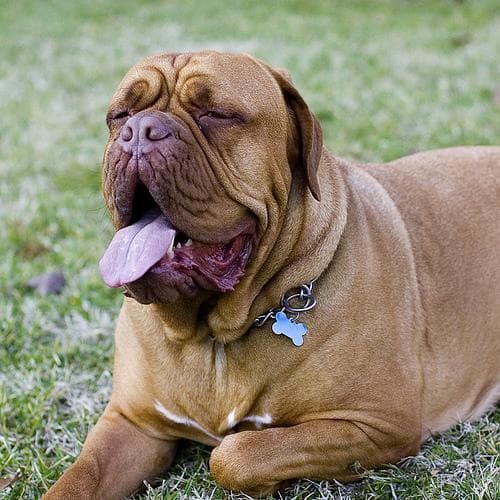
Fila Brasileiro
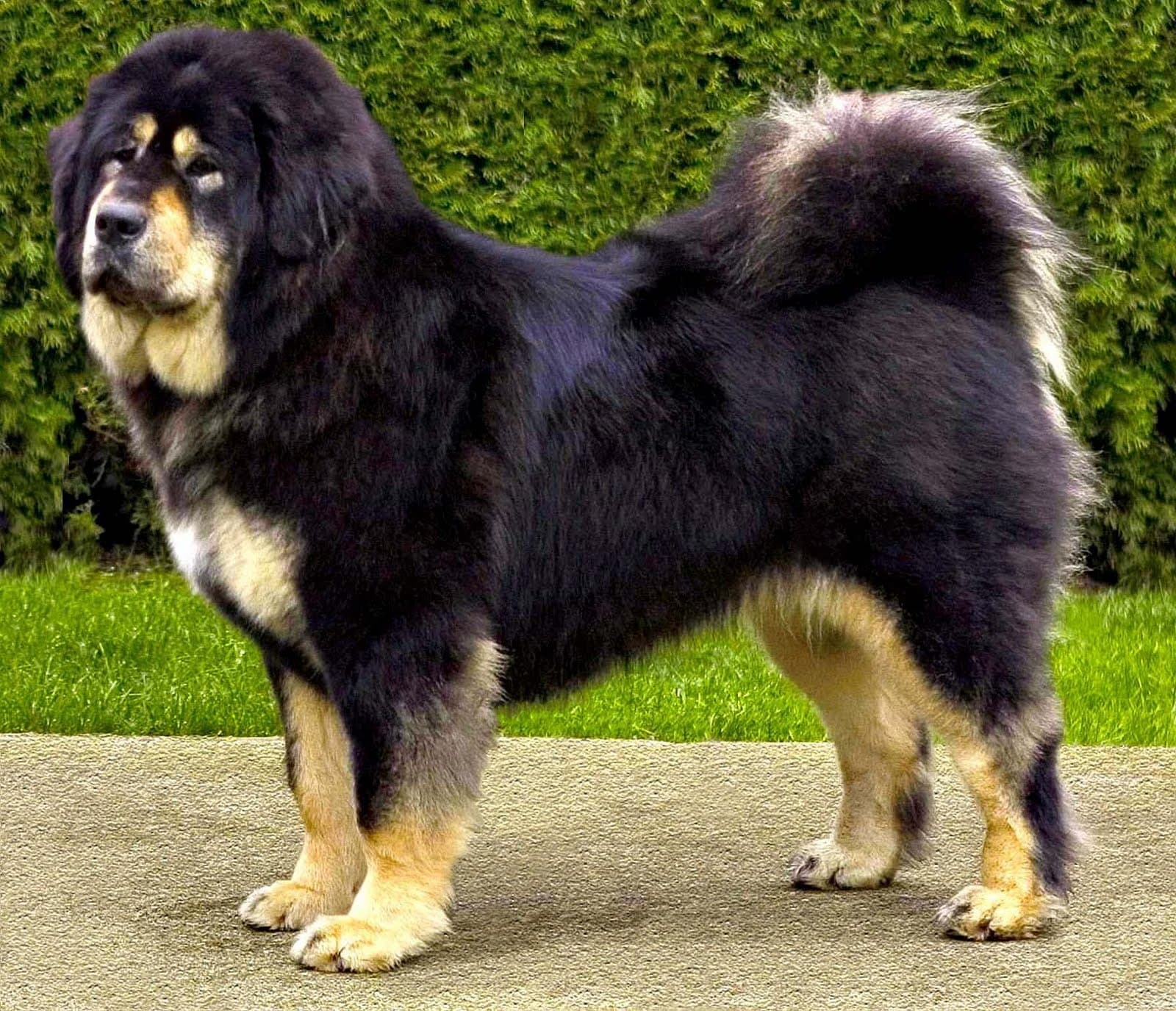
Tibetan Mastiff
Frequently asked questions
What counts as a rare dog breed?
Usually low registration numbers, few ethical breeders, or strong regional roots outside the mainstream pet market—not just an unusual coat color on a popular breed. “Rare” is informal; clubs and countries rank popularity differently.
Are rare dog breeds more expensive?
Often yes for purchase price, because litters are scarce and shipping may be involved. Lifetime cost still depends on size, health, and grooming (corded or hairless coats can be high-maintenance). Pay for health testing—not scarcity hype alone.
Are rare breeds harder to own?
Sometimes. Sparse local mentors, fewer trainers who know the breed, and specialized jobs (sighthound prey drive, livestock guardian reserve, corded-coat care) raise the bar. Match the breed’s original purpose to your real lifestyle.
Should I buy a rare breed as an investment?
No. Dogs are companions with welfare needs, not assets. Status-driven “rare puppy” shopping fuels poor breeding. Prefer transparent health history and breed-club guidance.
Can I adopt a rare breed?
Yes—breed-specific rescues and all-breed shelters occasionally place uncommon dogs. Availability is irregular; patience beats impulse buying from unverified online ads.
What’s the rarest dog breed?
It depends on the country and year. Extremely low-registration breeds (for example some Otterhound populations historically) change over time. Treat “rarest” listicles as snapshots, not official rankings.
References
This guide summarizes publicly available breed-standard and veterinary education sources. Always consult your veterinarian for individual care.
- [1]How to Choose the Right Dog Breed — American Kennel Club (AKC)
- [2]Foundation Stock Service — American Kennel Club (AKC)
- [3]Azawakh Dog Breed Information — American Kennel Club (AKC)
- [4]Xoloitzcuintli Dog Breed Information — American Kennel Club (AKC)
- [5]Otterhound Dog Breed Information — American Kennel Club (AKC)
- [6]Pet Ownership Resources — American Veterinary Medical Association (AVMA)
- [7]General Dog Care — ASPCA