PawPedia breed guide
Fluffy dog breeds
Small puffballs and arctic doubles from AKC—Poms, Sammies, Bichons, Maltese, Chows, and working coats. Fluff is a grooming job. Shaving a double coat usually does not cool a dog.
20 breeds · Updated 2026-08-17
Searching fluffy dog breeds usually means a stand-off double coat (Samoyed, Pomeranian) or a powder-puff / silky companion trim (Bichon, Maltese)—not every long-haired dog in the catalog. This guide starts with AKC’s 10 fluffy dog breeds, adds long and arctic doubles from AKC’s double-coat explainer, and small long coats AKC groups with low-shed companions.
White fluff: white dog breeds. Allergy hopes: best dogs for allergies—no breed is allergen-free.
Fluffy dogs by size
Size bands are our catalog. Coat facts cite AKC.
Small. Lap-scale coats still need brushes or clips.
- American Eskimo Dog (Miniature) — 7 - 10 lbs · energy 3/5
- Bichon Frise — 12-18 lbs · energy 3/5
- Coton de Tulear — 9 - 15 lbs · energy 3/5
- Havanese — 7-13 lbs · energy 3/5
- Maltese — 4-7 lbs · energy 3/5
- Pomeranian — 3-7 lbs · energy 4/5
- Shih Tzu — 9-16 lbs · energy 2/5
Medium. Many of AKC’s fluffy ten sit here (Samoyed, Chow, Keeshond, Husky, Eskie).
- American Eskimo Dog — 20-35 lbs · energy 4/5
- Chow Chow — 45-70 lbs · energy 3/5
- Keeshond — 20-50 lbs · energy 3/5
- Old English Sheepdog — 60 - 100 lbs · energy 3/5
- Samoyed — 35-65 lbs · energy 4/5
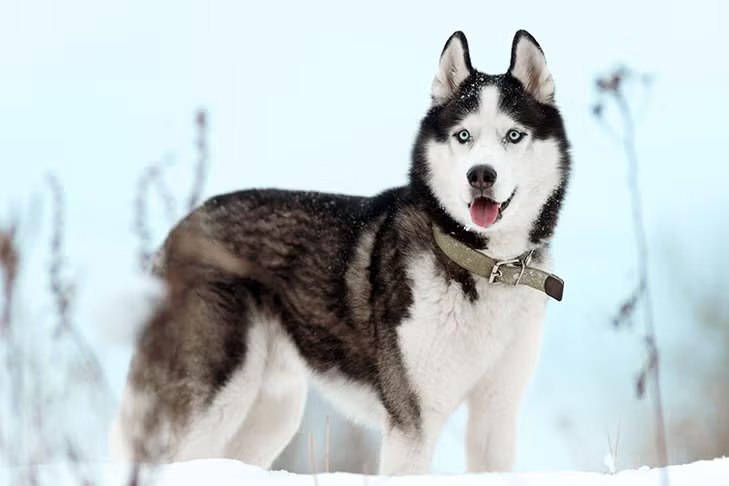
- Siberian Husky — 35-60 lbs · energy 5/5
Large. Working doubles AKC names: Pyrenees, Newfoundland, Bernese, Saint Bernard, plus Collie and Old English Sheepdog. Giants: large white dogs.
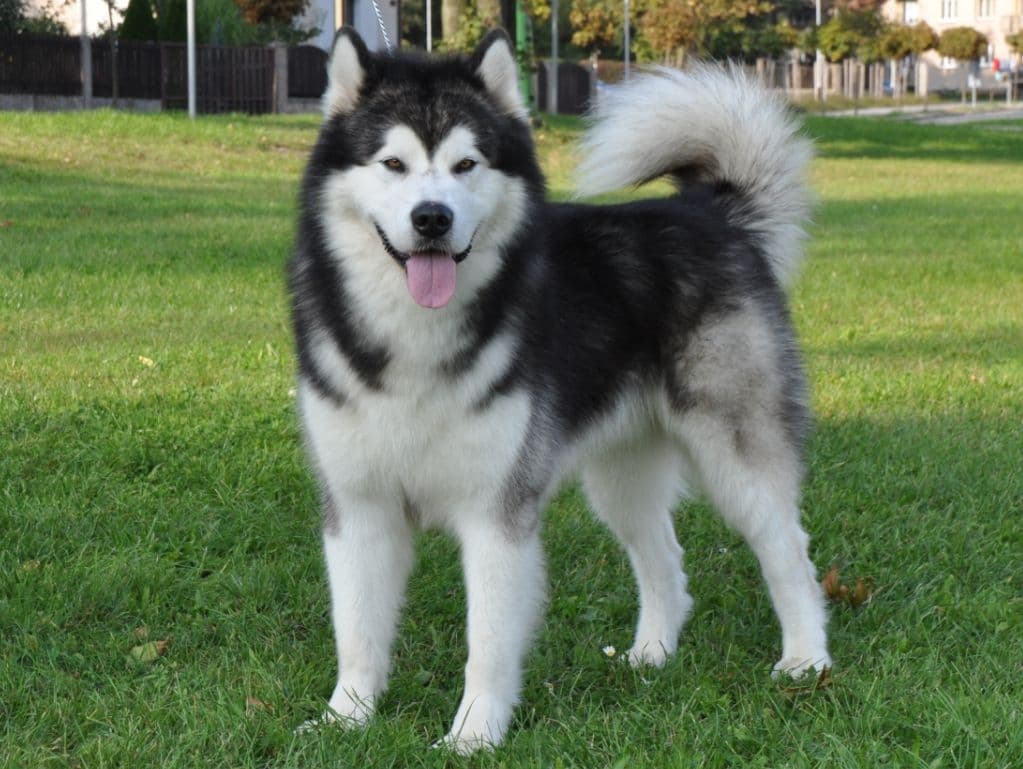
- Alaskan Malamute — 75-85 lbs · energy 4/5
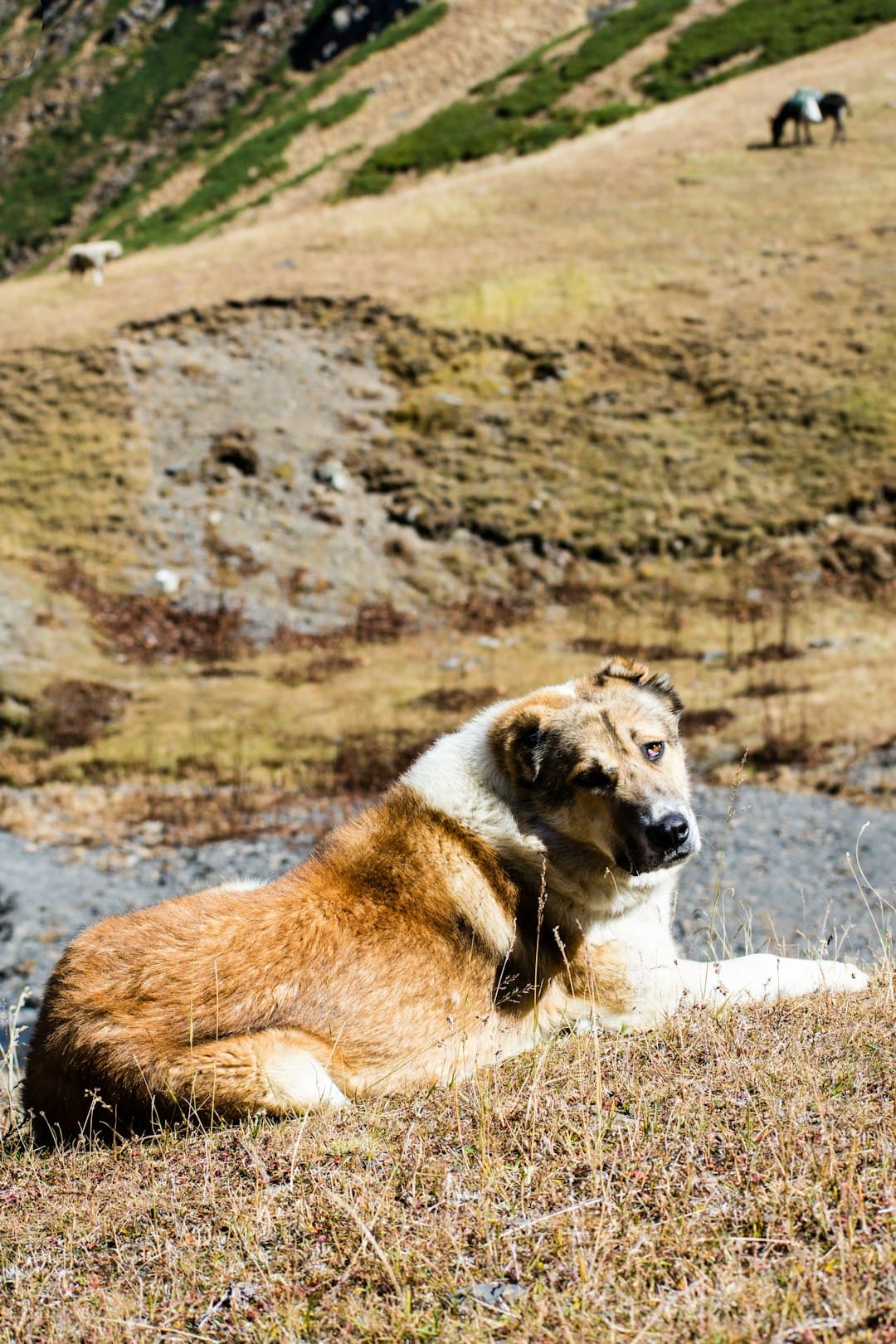
- Bernese Mountain Dog — 70-115 lbs · energy 3/5
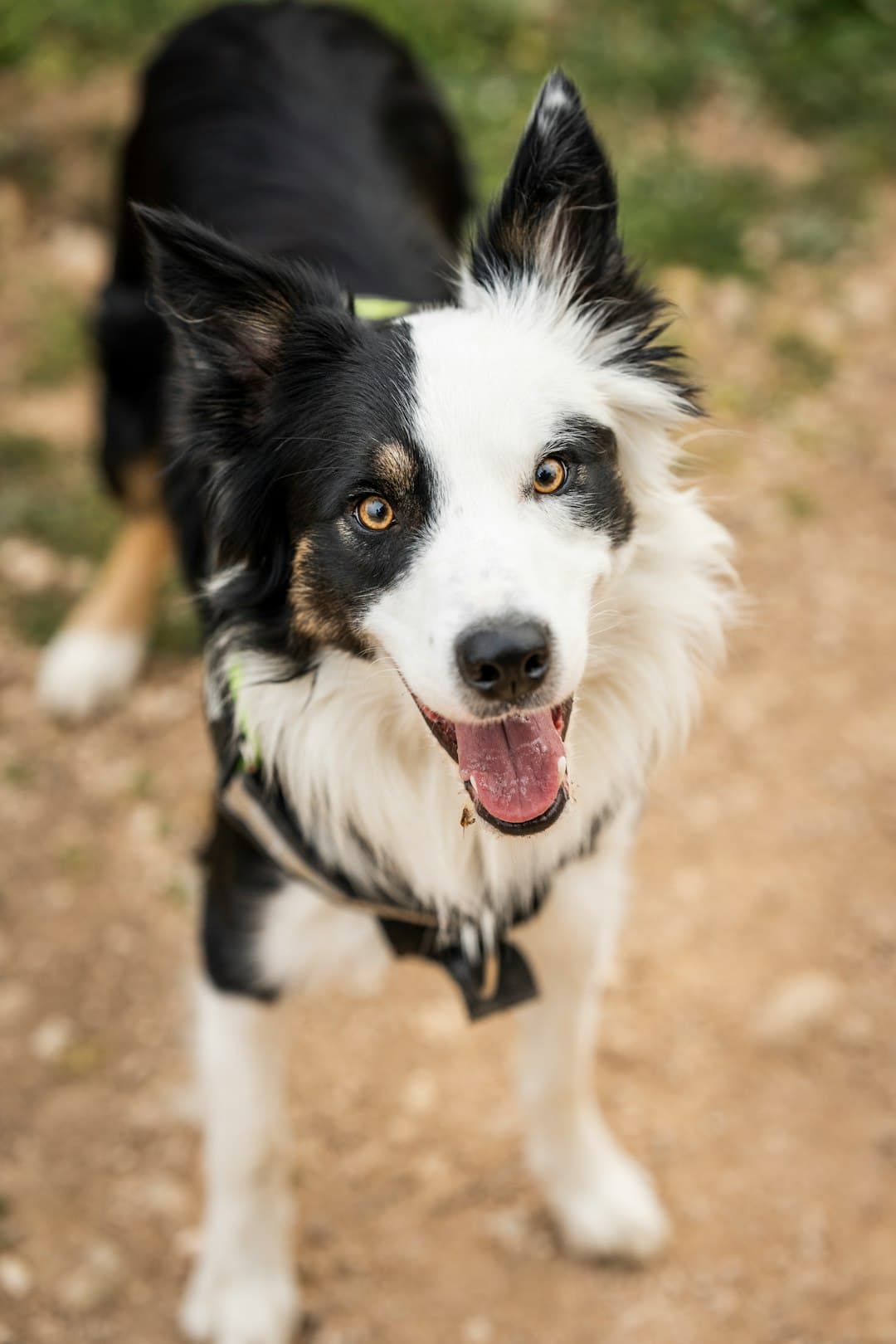
- Collie — 50-75 lbs · energy 3/5
- Great Pyrenees — 85-110 lbs · energy 2/5
- Newfoundland — 100-150 lbs · energy 3/5
- Poodle (Standard) — 45-70 lbs · energy 4/5
- Saint Bernard — 120-180 lbs · energy 2/5
AKC’s ten fluffy breeds
Standard Poodle: curly coat that mats without frequent brushing; AKC breed care notes daily brushing; many owners use a groomer about every four to six weeks. Infrequent shedding ≠ allergen-free. Our card: High maintenance. Requires professional grooming every 4-6 weeks and daily brushing. Poodle profile
Old English Sheepdog: shaggy double coat; groom to the skin; weekly brushing or several grooms a month; AKC about 60–100 lb (our catalog 60 - 100 lbs). The catalog “low to moderate” grooming line is thinner than AKC—follow the coat.
Keeshond: northern stock with Pom and Samoyed; lion-like neck; weekly brushing; bath and blow-dry at least every four to six weeks. Our catalog lists coatType “short”; AKC describes a thick stand-off coat.
Collie: smooth coats don’t mat the same way; rough coats mat behind ears and in the undercoat. Weekly brushing for both. Lassie / famous breeds.
Bichon Frise: infrequent shedding, but shed hair sits under the coat and mats if you skip brushing. Our catalog: 12-18 lbs · High maintenance. Requires professional grooming every 4-6 weeks.
Chow Chow: lion mane; rough or smooth double coat; some owners brush at least twice a week; skip a month and the undercoat knots; cool-air dryer after baths. Our card: independent and dignified—not a guaranteed social teddy. High maintenance. Daily brushing required for their dense coat.
Samoyed: “Sammy smile”; fluffy outer coat and wooly undercoat; sheds constantly and more once or twice a year; daily brushing. Our catalog: 35-65 lbs · energy 4/5 · Bred by the Samoyed people of Siberia for herding reindeer, pulling sleds, and keeping their families warm at night.
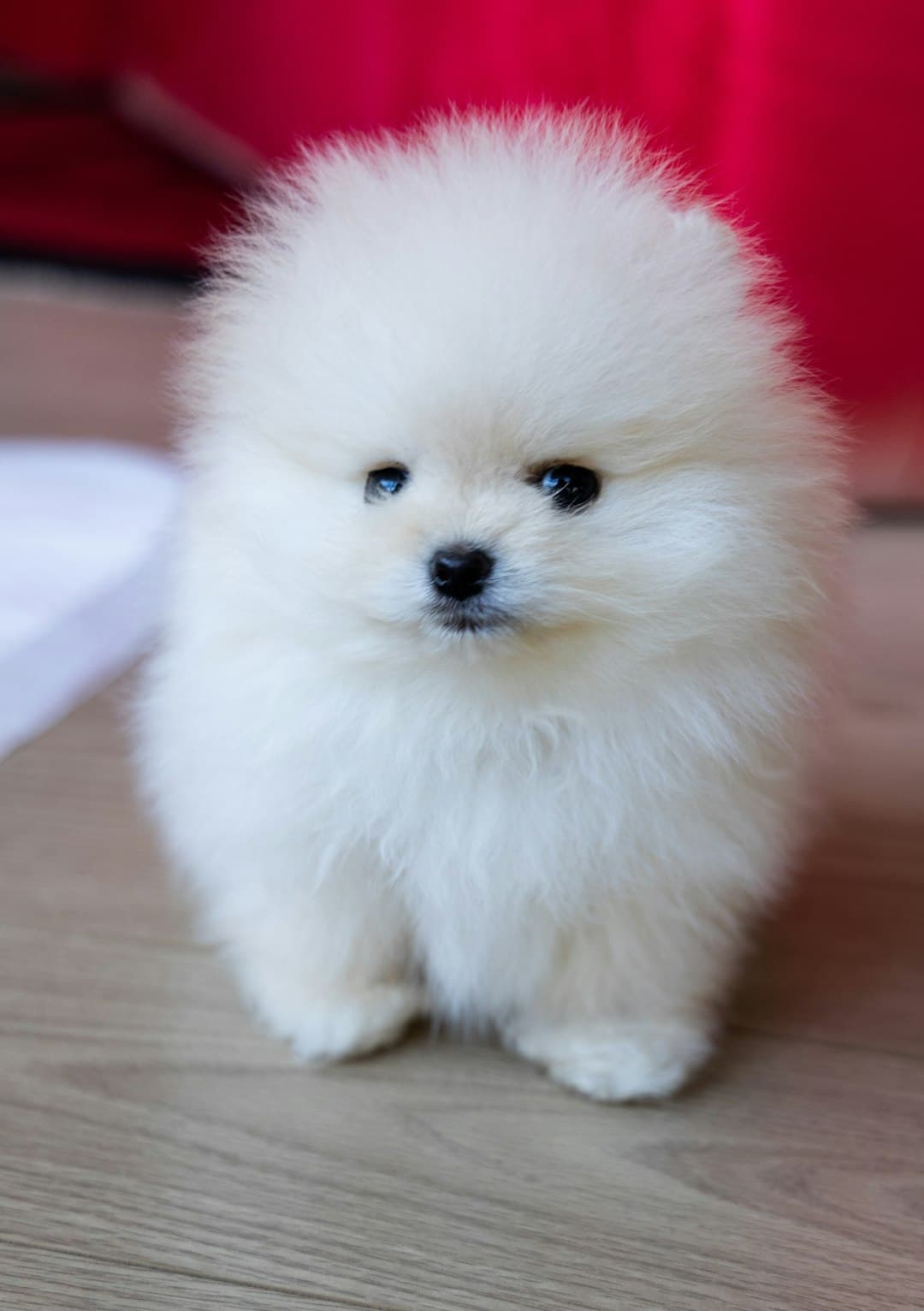
Pomeranian: Toy Group; double coat and chest frill; no more than 7 pounds; 20+ colors, often orange or red; pin brush to the skin about weekly; dental care. Our catalog: 3-7 lbs / 6-7 inches · energy 4/5 · High maintenance. Daily brushing and regular professional grooming required.
Siberian Husky: fluffy double coat; as few as a few baths a year; weekly brushing; two big undercoat sheds a year. Our card: energy 5/5.
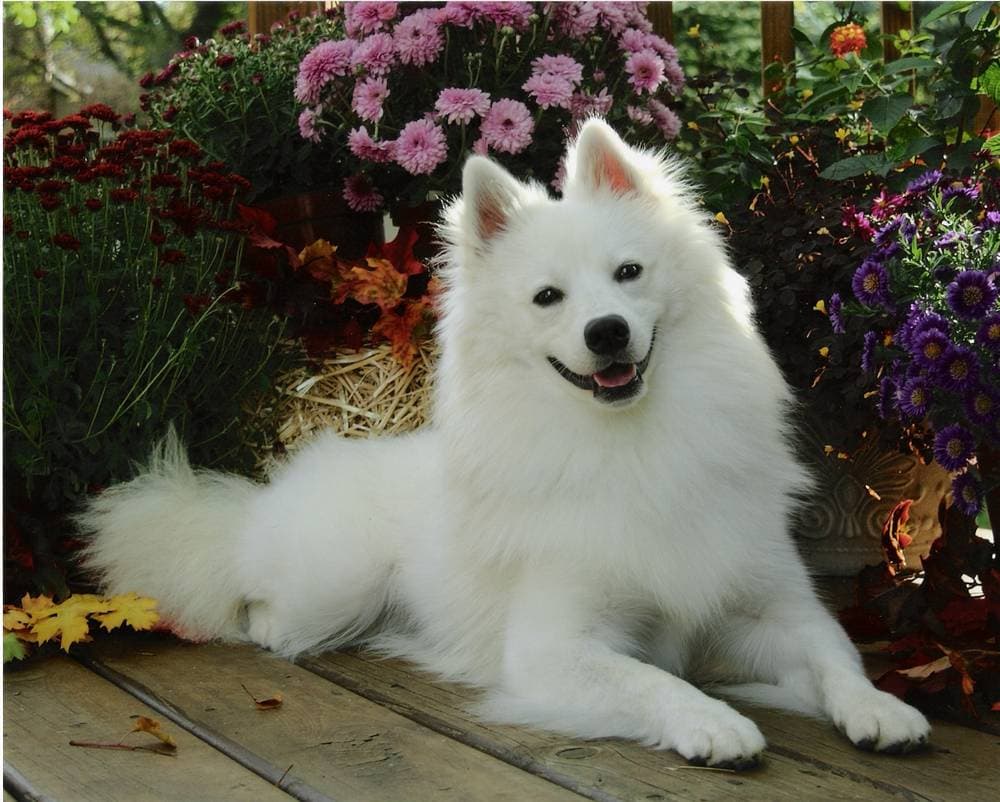
American Eskimo Dog: white double coat and lion-like mane; sheds constantly; brush two to three times a week; bathing more than about once every few months can dry the skin. AKC: give them a job or social problems can show up.
Small long coats (silky or cottony)
These are the “small fluffy dog” searches. Texture is not a Samoyed: AKC describes Maltese as silky and hanging flat; Coton as a unique cotton-like coat.
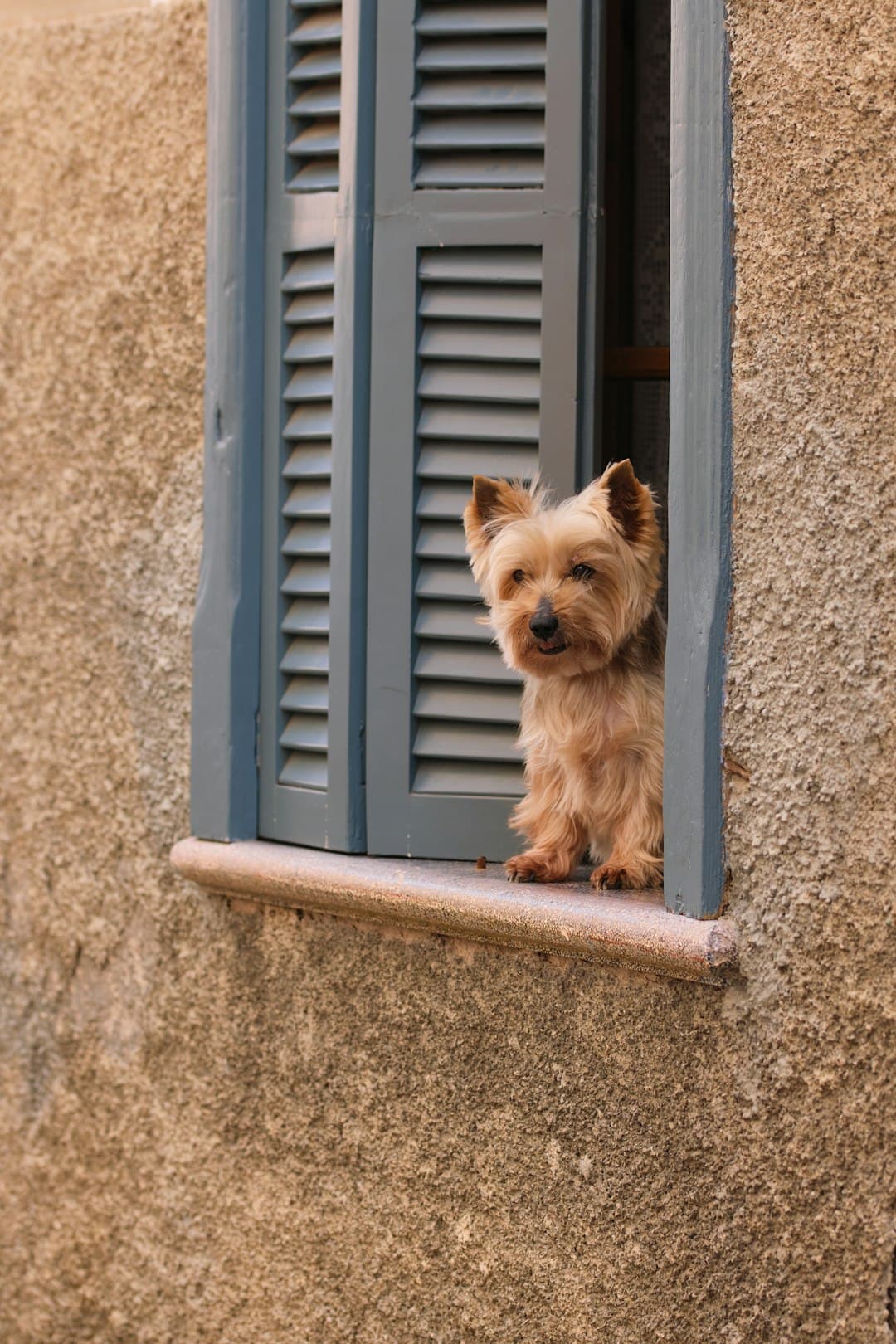
Maltese: Toy Group; AKC lifestyle article: under 7 pounds, 7–9 inches; long white coat that sheds minimally and needs regular brushing so it doesn’t mat. Our catalog: 4-7 lbs · High maintenance. Daily brushing and regular professional grooming required. AKC also lists Maltese among single-coated breeds that may be clipped—leave about an inch, don’t shave to skin.
Coton de Tulear: AKC vs Maltese: males about 9–15 lb and 10–11 in (Maltese smaller). Cotton-like coat; AKC’s low-shed article calls it fluffy and “considered hypoallergenic” and says daily grooming. Allergen-free is still not a medical fact—see AAAAI/AAFA on our allergies hub.
Havanese: AKC: weekly brushing and regular baths; often grouped with lower-shedding small dogs. Cuba’s companion breed on our card: 7-13 lbs.
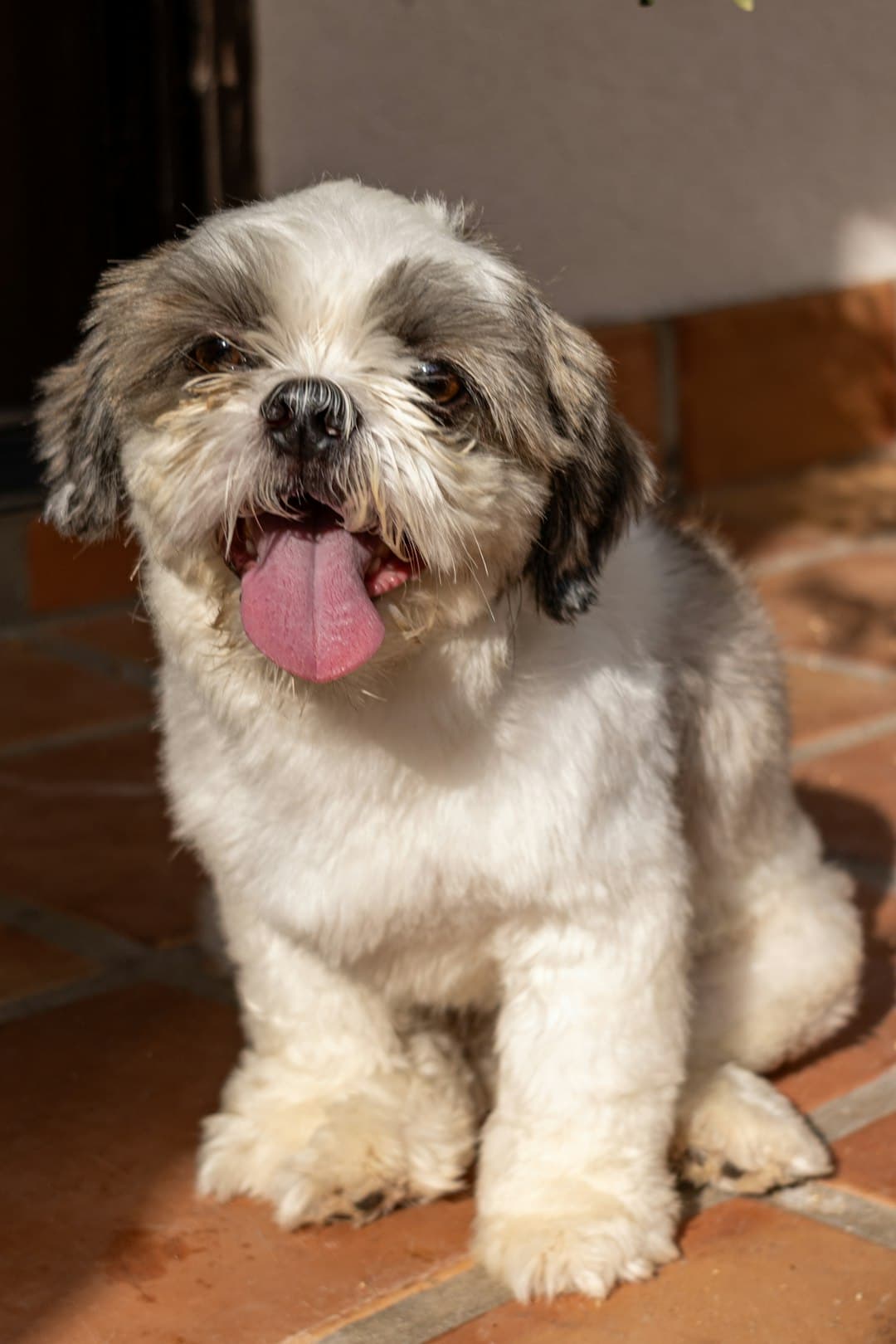
Shih Tzu: AKC lifestyle: 9–16 lb, 8–11 in; long flowing coat; low-shedding when AKC discusses small dogs that “don’t shed”; heavy coats plus short faces mean they don’t tolerate heat well and are not good swimmers. Our catalog: 9-16 lbs.
Double coat vs clip coat
AKC: topcoat (guard hairs) sheds less and carries color; undercoat insulates in winter and traps cooler air in summer. A denser undercoat than topcoat is what reads as “fluffy.” Arctic/triple coats: Pomeranian, Samoyed, American Eskimo Dog, Alaskan Malamute. Long working doubles: Newfoundland, Bernese, Great Pyrenees, Saint Bernard.
Poodles, Maltese, and similar single coats don’t use that insulating undercoat the same way. A groomer may clip them; AKC: do not shave to the skin.
Grooming and the no-shave rule
AKC double-coat tools: rake or quality steel comb; slicker on heavy hair; comb two or three times a week to prevent mats. In humidity, packed undercoat can trap moisture; professional grooming helps.
Dr. Jerry Klein (AKC): shaving a double coat to reduce shedding or “keep the dog cool” removes insulation, can raise heat-stroke risk, and may damage follicles. Dogs cool mainly by panting and limited paw-pad sweating. Shave for surgery or as a last resort when mats cannot be brushed.
Compare shedding in shedding compare.
Is a fluffy breed right for you?
Match size, energy, and coat type—not Instagram. A 7-pound Pom still sheds a double coat. A Bichon clip is a calendar appointment. Arctic coats were built for cold and still overheat if you work them hard in heat. Independent Chows are not the same home as a people-soft Bichon.
Start with the quiz, small breeds, or Compare Pomeranian vs Samoyed.
Fluffy & long-coated breed profiles
Browse 20 profiles. Open any breed for temperament, care, and lifestyle scores.
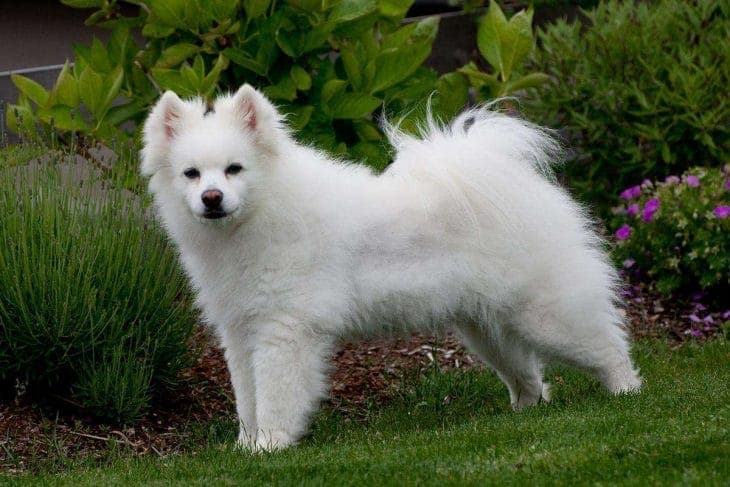
American Eskimo Dog (Miniature)
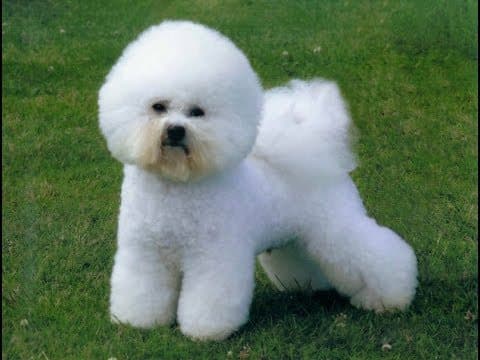
Bichon Frise
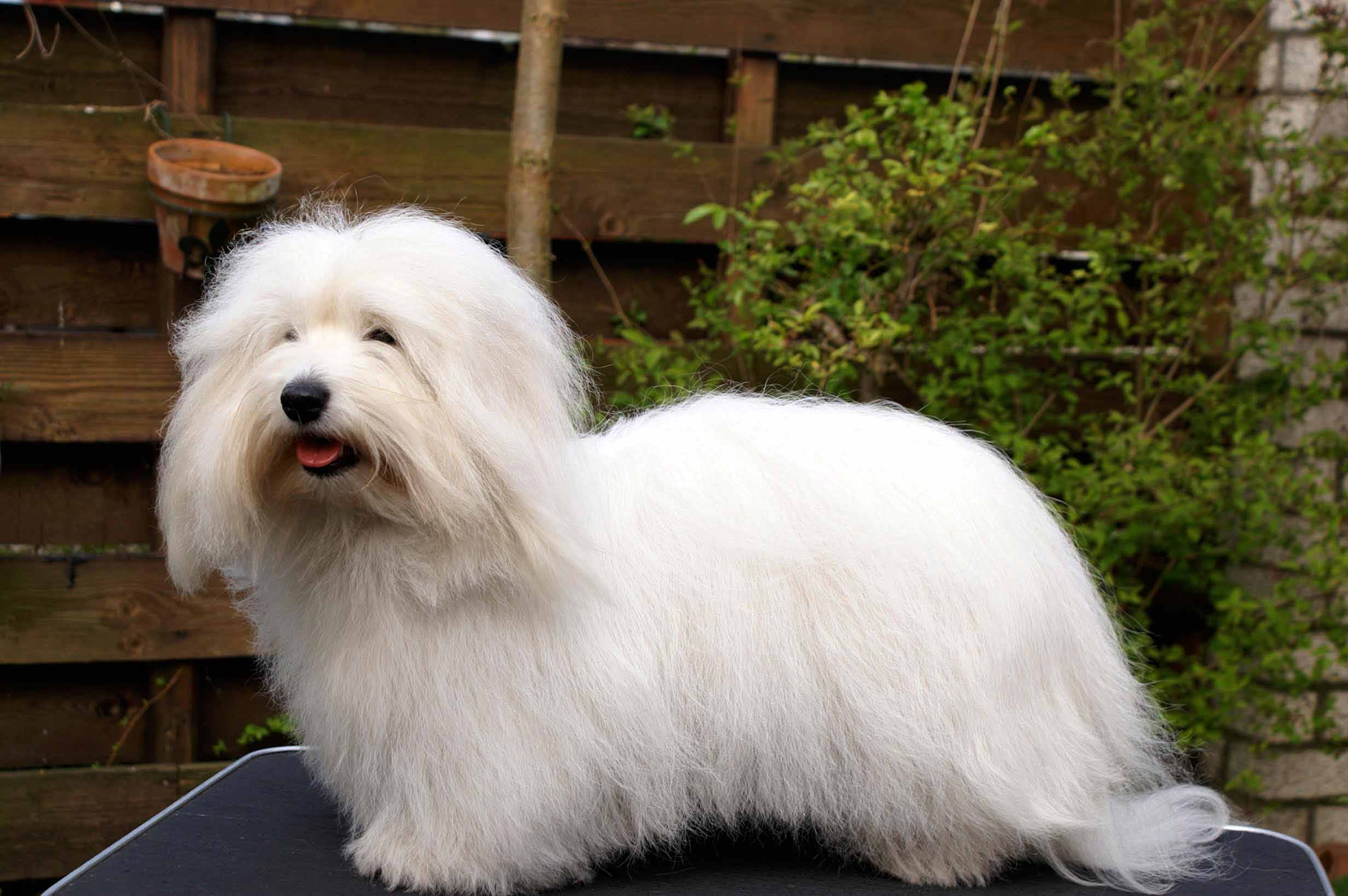
Coton de Tulear
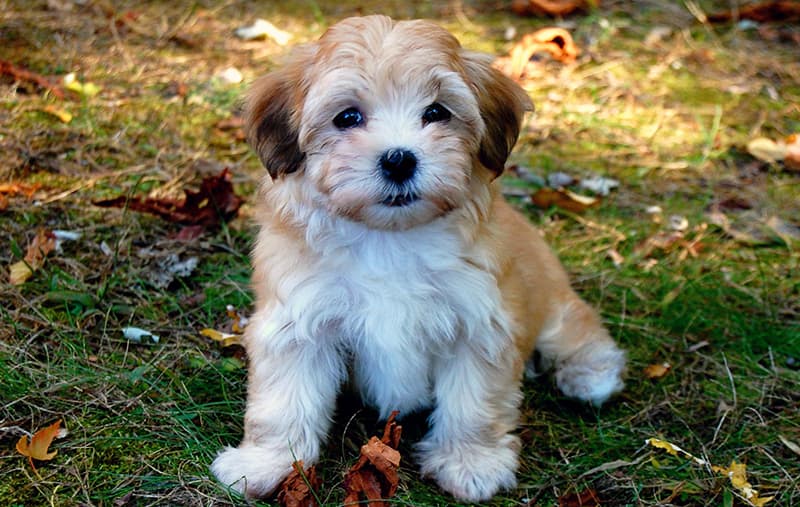
Havanese
Maltese
Pomeranian
Shih Tzu
American Eskimo Dog
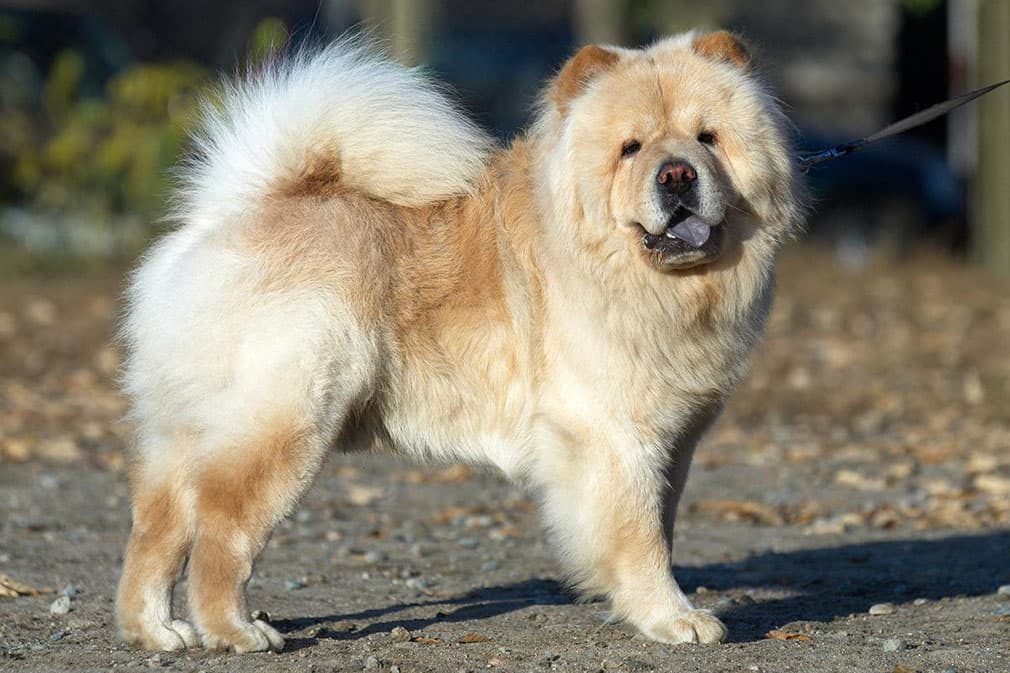
Chow Chow
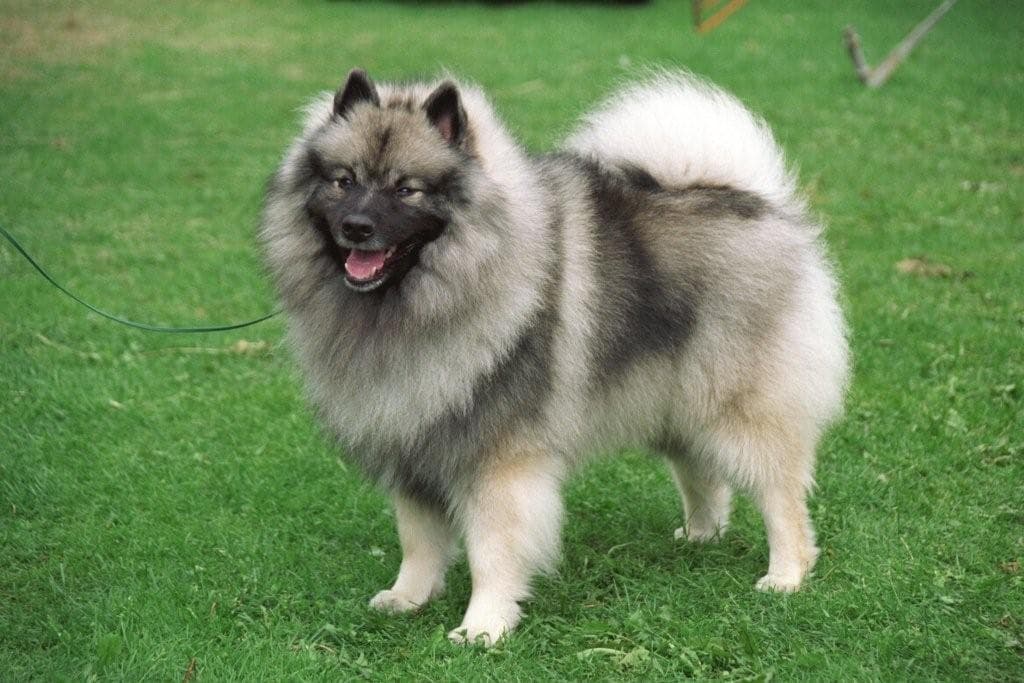
Keeshond
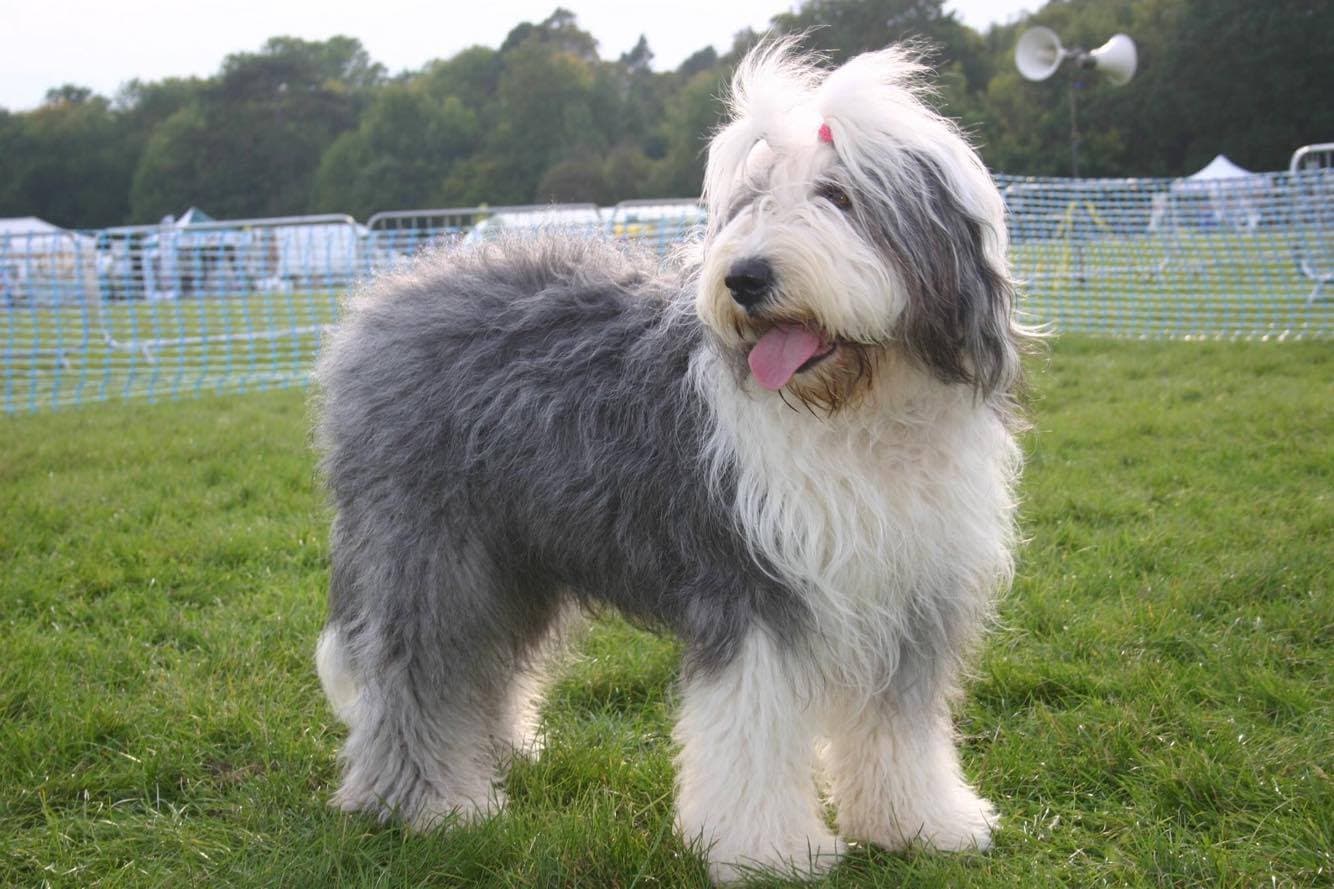
Old English Sheepdog
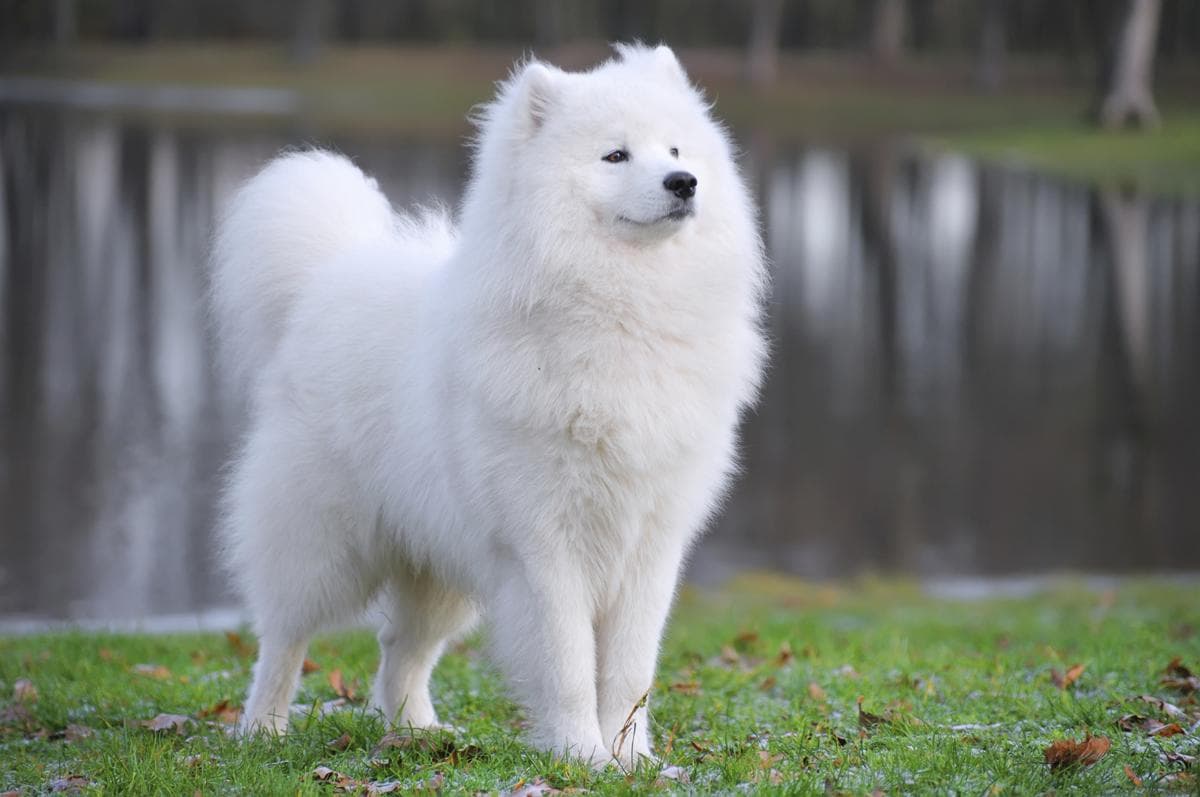
Samoyed
Siberian Husky
Alaskan Malamute
Bernese Mountain Dog
Collie
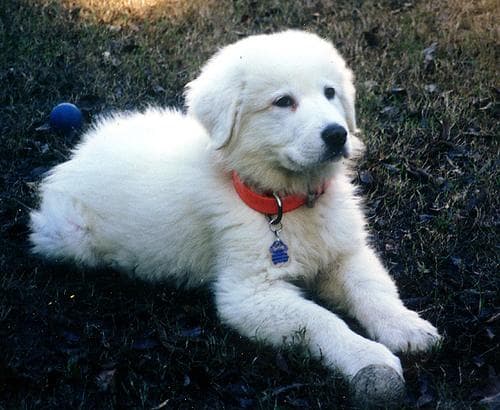
Great Pyrenees
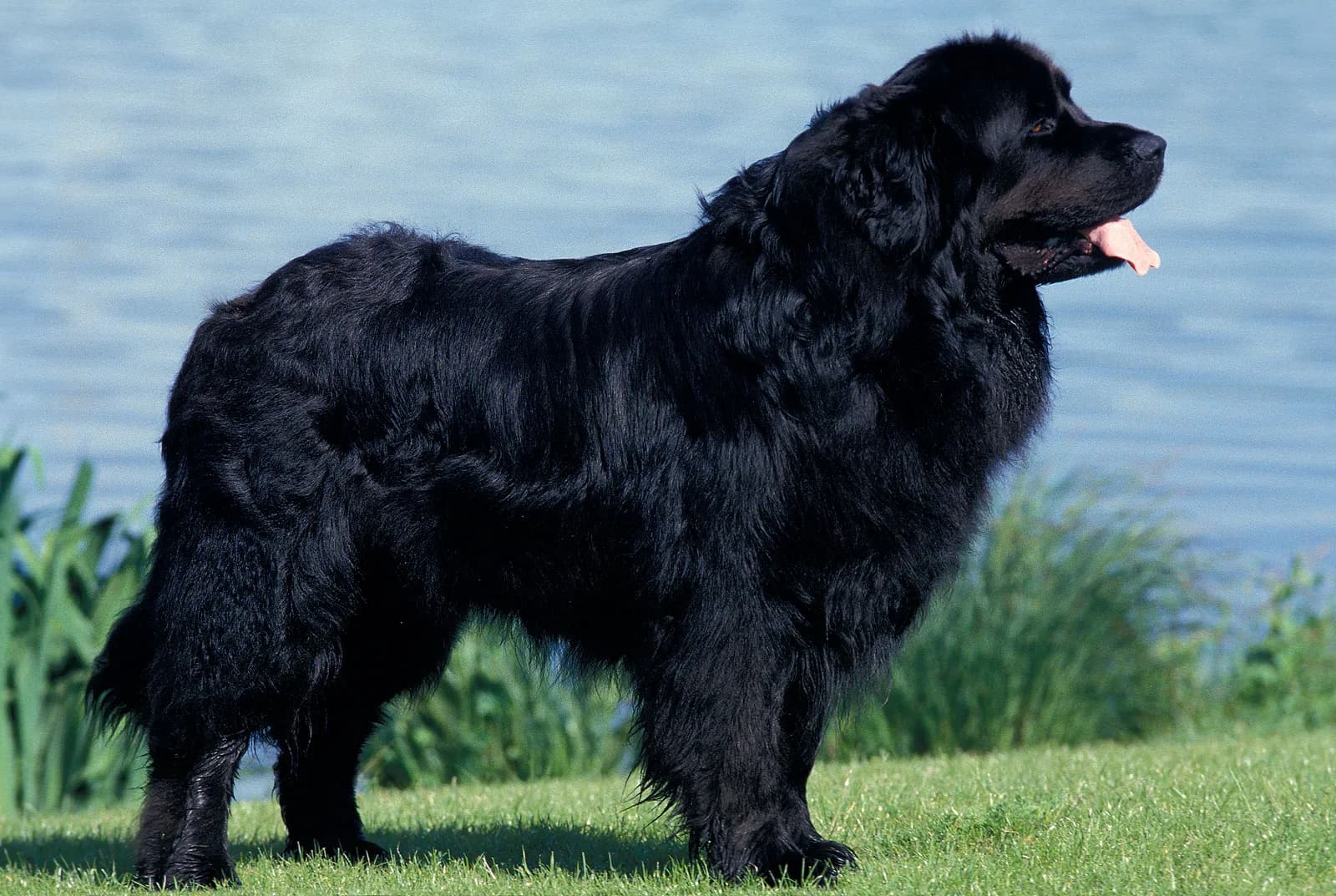
Newfoundland
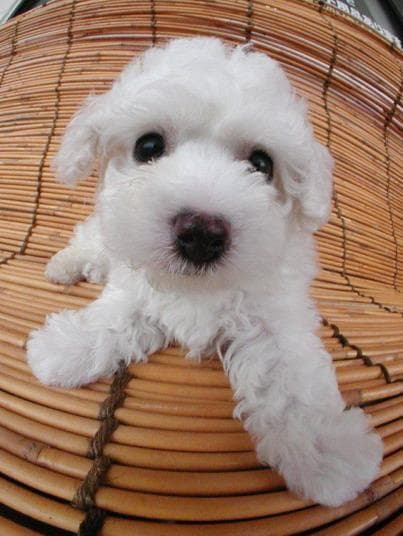
Poodle (Standard)
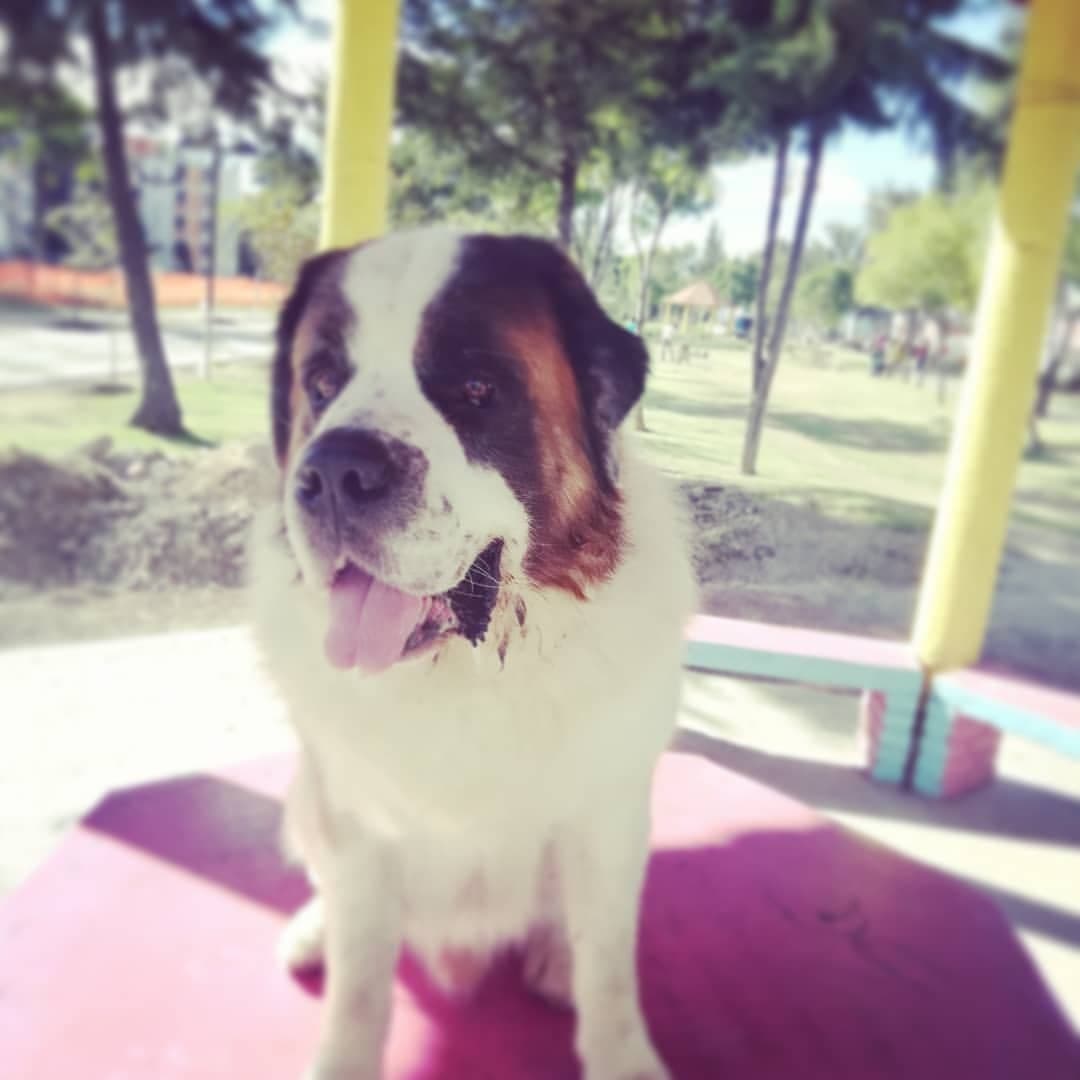
Saint Bernard
Frequently asked questions
What are the fluffiest dog breeds?
AKC’s fluffy-breeds article names Standard Poodle, Old English Sheepdog, Keeshond, Collie, Bichon Frise, Chow Chow, Samoyed, Pomeranian, Siberian Husky, and American Eskimo Dog. Arctic doubles such as Malamutes sit in the same thick-coat family. Small long coats (Maltese, Coton, Havanese, Shih Tzu) are a different texture—silky or cottony, often clipped—not a Samoyed stand-off coat. “Fluffiest” is not a kennel measurement.
What are good small fluffy dogs?
AKC fluffy list: Pomeranian (no more than 7 lb) and Bichon Frise. AKC also describes Maltese (under 7 lb, silky white coat), Coton de Tulear (cotton-like coat, larger than a Maltese), Havanese, and Shih Tzu (9–16 lb). Small ≠ low maintenance: most need frequent brushing or professional clips.
Do fluffy dogs shed a lot?
Double-coated fluffy breeds usually do. AKC: Samoyeds shed all the time and more once or twice a year; Huskies have two big undercoat sheds a year; Eskies shed constantly. Poodles, Bichons, Maltese, Havanese, and Shih Tzu are often discussed as lower-shedding—but hair can mat in the coat, and no breed is allergen-free (AKC, AAAAI, AAFA).
Should I shave a fluffy dog in summer?
Usually no for double coats. AKC’s Chief Veterinary Officer, Dr. Jerry Klein: the coat insulates; shaving to “cool” a dog or stop shedding can raise heat-stroke risk, invite sunburn, and damage follicles. Reasons to shave: surgery, or last-resort mat rescue. Single-coated breeds such as Poodles and Maltese may be clipped—AKC says leave at least about an inch, not a bald shave.
Are Bichons, Poodles, and Cotons hypoallergenic?
No dog is allergen-free. AKC sometimes calls Coton coats “considered hypoallergenic” and notes Poodles/Bichons for infrequent shedding. AAAAI and AAFA: allergens are proteins in dander, saliva, and urine—not just visible hair. Meet the individual dog. See our allergies hub.
How often should I groom a fluffy dog?
Coat type decides. AKC examples: Samoyed daily brushing; Pomeranian weekly pin-brushing to the skin; Keeshond weekly brushing and bath/blow-dry about every 4–6 weeks; Poodle daily brushing and many owners use a groomer about every 4–6 weeks; Havanese weekly brushing and regular baths; Coton daily grooming. Our catalog grooming lines are on each profile.
References
This guide summarizes publicly available breed-standard and veterinary education sources. Always consult your veterinarian for individual care.
- [1]10 Fluffy Dog Breeds: Fuzzy, Long-Coated Canines Worth Cuddling — American Kennel Club (AKC)
- [2]Double-Coated Dogs: What the Double-Coat Does for Breeds — American Kennel Club (AKC)
- [3]How Should You Groom a Double-Coated Dog? — American Kennel Club (AKC)
- [4]Should You Shave Your Dog in the Summer? — American Kennel Club (AKC)
- [5]Small Dogs That Don't Shed — American Kennel Club (AKC)
- [6]Maltese vs. Coton de Tulear: How to Tell the Difference — American Kennel Club (AKC)
- [7]Is the Maltese a Good Fit for Your Lifestyle? — American Kennel Club (AKC)
- [8]Is the Shih Tzu the Right Breed for Your Lifestyle? — American Kennel Club (AKC)
- [9]Best Dog Breeds for Allergies — American Kennel Club (AKC)
- [10]Pet Allergy — American Academy of Allergy, Asthma & Immunology (AAAAI)
- [11]Pet Dog and Cat Allergies — Asthma and Allergy Foundation of America (AAFA)
- [12]Samoyed Dog Breed Information — American Kennel Club (AKC)
- [13]Pomeranian Dog Breed Information — American Kennel Club (AKC)
- [14]How to Choose the Right Dog Breed — American Kennel Club (AKC)
- [15]Pet Ownership Resources — American Veterinary Medical Association (AVMA)
- [16]General Dog Care — ASPCA