PawPedia breed guide
Best family dogs
Kid-friendlier breeds for real households—temperament leanings, size and energy fit, and how to choose a companion that matches your family’s pace.
40 breeds · Updated 2026-08-15
Looking for the best dog breeds for families usually means you want a dog that’s patient with kids, trainable enough for a busy home, and resilient to the chaos of homework, guests, and weekends. This guide highlights 40 breeds often discussed as strong family companions—ordered as a practical shortlist, not a scientific ranking.
Breed averages are not individual warranties. Socialization, training, and always supervising children with dogs matter more than any label. For lifestyle-first picking, take the breed match quiz or open family filters on Browse breeds. Kennel and welfare overviews live in AKC’s family dogs guidance and ASPCA dog-bite prevention tips.
A practical starter shortlist
If you’re early in the search, these eight show up again and again in family conversations—for different reasons. Open any profile below for full owner guides:
- Golden Retriever — large, energy 4/5
- Labrador Retriever — large, energy 5/5
- Beagle — small, energy 4/5
- Bulldog — medium, energy 2/5
- Poodle (Standard) — large, energy 4/5
- Boxer — large, energy 4/5
- Cavalier King Charles Spaniel — small, energy 3/5
- Newfoundland — large, energy 3/5
Goldens and Labs lean active and trainable; Bulldogs and Cavaliers lean calmer; Newfoundlands and Bernese need space and serious grooming/health planning. Pick the lifestyle column first.
What makes a great family dog?
Stable, people-oriented temperament. Dogs that recover well from noise, tolerate handling, and prefer being near the household tend to fit chaotic homes better than highly reactive or solitary types.
Trainability. Families need reliable recalls, calm greetings, and manners around food and doors. Eager-to-please breeds shorten that learning curve—especially when kids help with cues under adult coaching.
Energy match. Under-exercised sporting or herding dogs invent their own entertainment (often involving kids’ toys). Over-energizing a low-drive companion can stress everyone. Match daily walks, play, and alone time honestly.
Size & fragility. Gentle giants can still tip a toddler; toy breeds can break if grabbed or dropped. Teach kids soft hands and give the dog an off-limits retreat bed or crate.
Family dogs by lifestyle
Active outdoors families. Labs, Goldens, Vizslas, Brittanys, Springers, and many Aussies thrive with hiking, fetch, and structured sports—if you can deliver that every day.
Calmer or smaller homes. Cavaliers, Bulldogs, Basset Hounds, Pugs, and many companion breeds suit quieter evenings—still needing walks and enrichment, just fewer “job” miles.
Allergy-aware households. Poodles, Portuguese Water Dogs, and some Schnauzers or Bichons are often discussed for lower shedding—with grooming trade-offs. See hypoallergenic dogs for limits of that label.
Apartments with kids. Size helps, but manners and bathroom logistics matter more. Filter apartment-friendlier breeds then cross-check kids temperament on each profile.
Kids, dogs, and safety
Never leave young children alone with any dog. Teach kids not to hug faces, pull ears/tails, or disturb sleeping or eating dogs. Reward the dog for choosing space when overwhelmed.
Plan for the dog’s needs during homework, sports seasons, and holidays—when routines slip, behavior problems rise. Budget for training classes, vet care, and a quiet zone the kids don’t invade.
Considering two candidates? Put them side by side in Compare, or browse best small dog breeds if space is the constraint.
How to choose (and where to go next)
Shortlist 2–3 breeds from the cards below, read health and cost notes, then meet adult dogs of that breed when you can—breeders, rescues, or friends. Puppies are adorable; adult temperament is clearer.
Still torn? Take the match quiz, play guess the breed, or scan all breeds A–Z. Popularity alone isn’t a kids filter—cross-check popular breeds against this list.
Family-friendly breed profiles
Browse 40 profiles. Open any breed for temperament, care, and lifestyle scores.

Golden Retriever

Labrador Retriever

Beagle
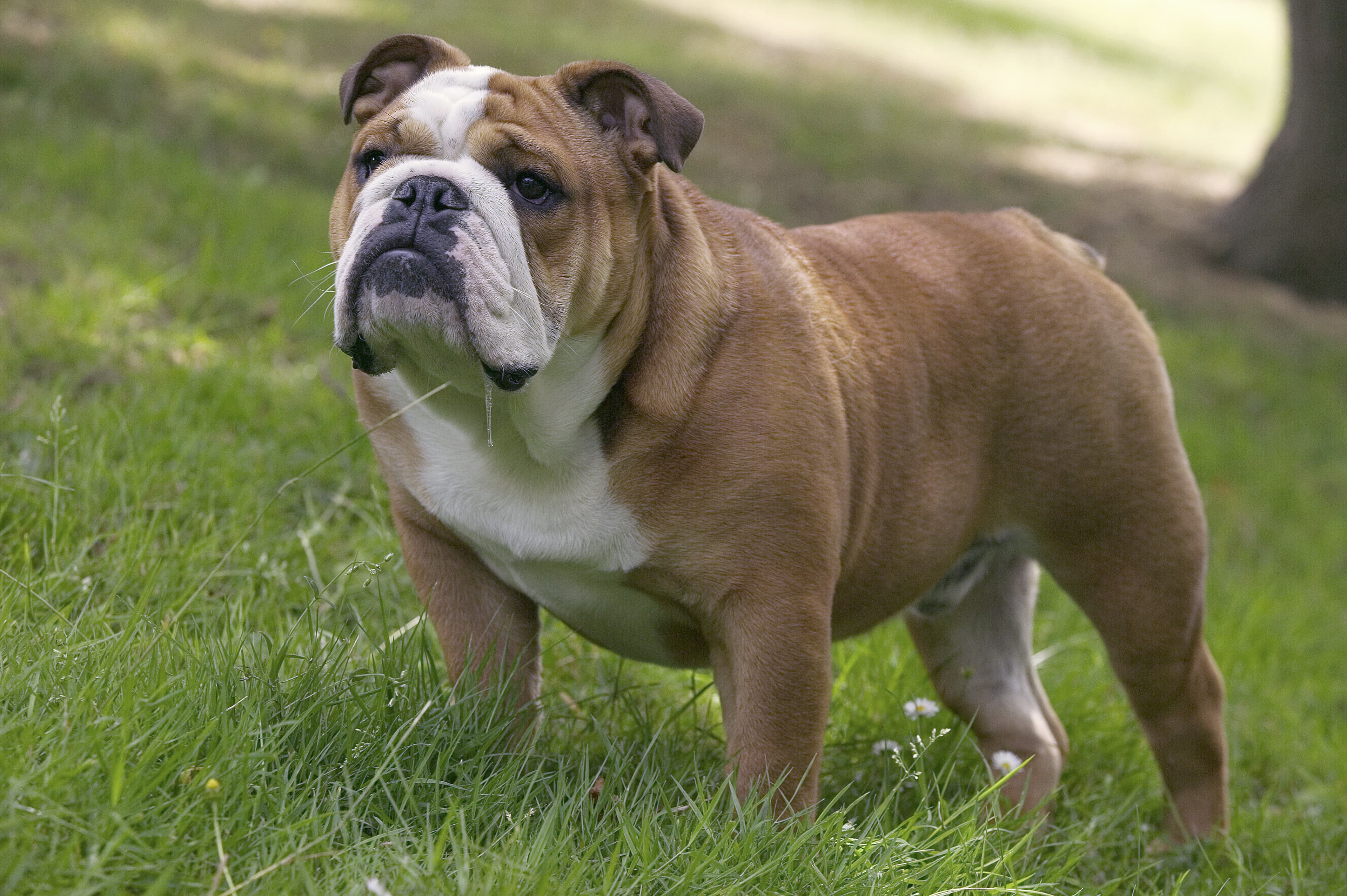
Bulldog

Poodle (Standard)

Boxer

Cavalier King Charles Spaniel
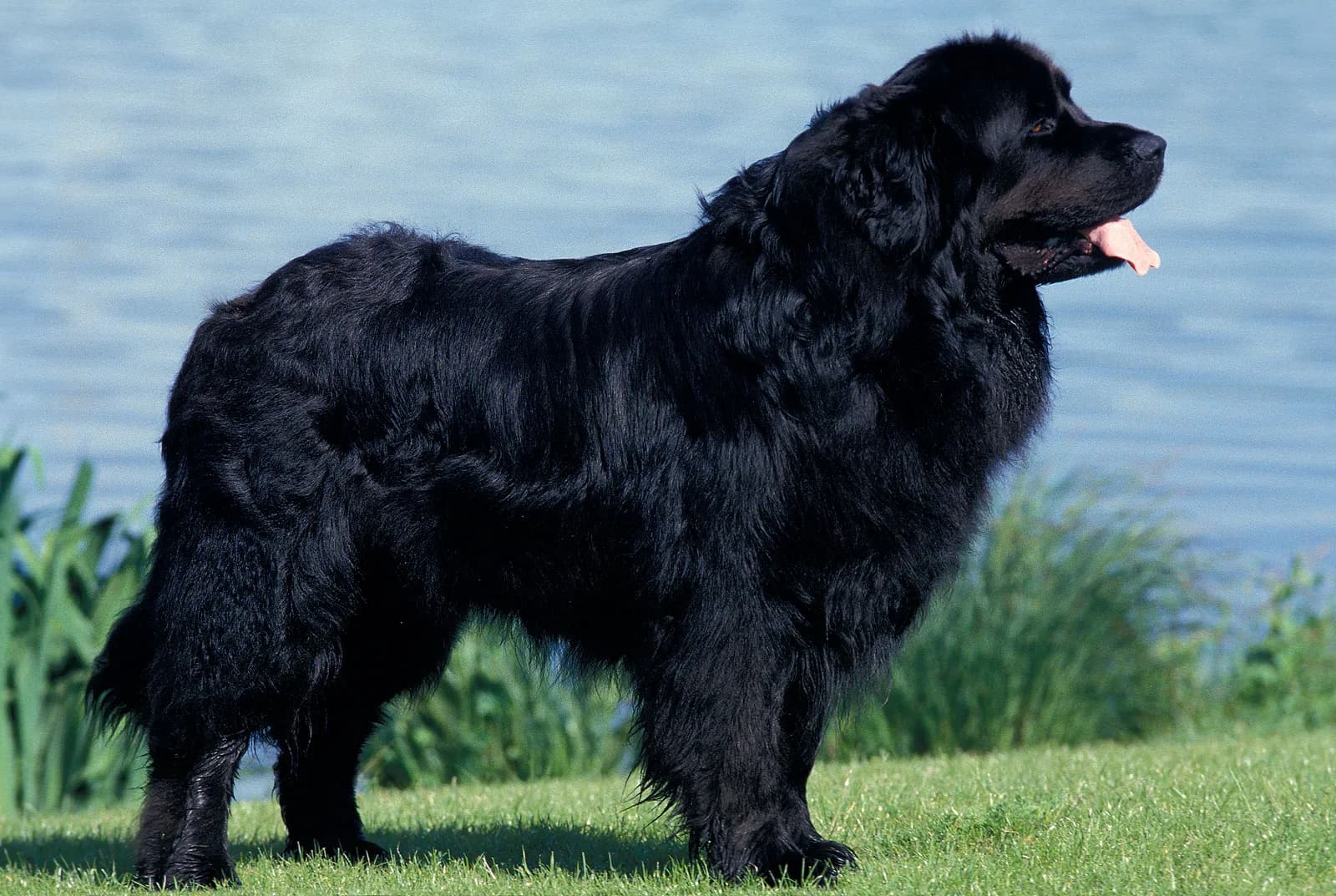
Newfoundland
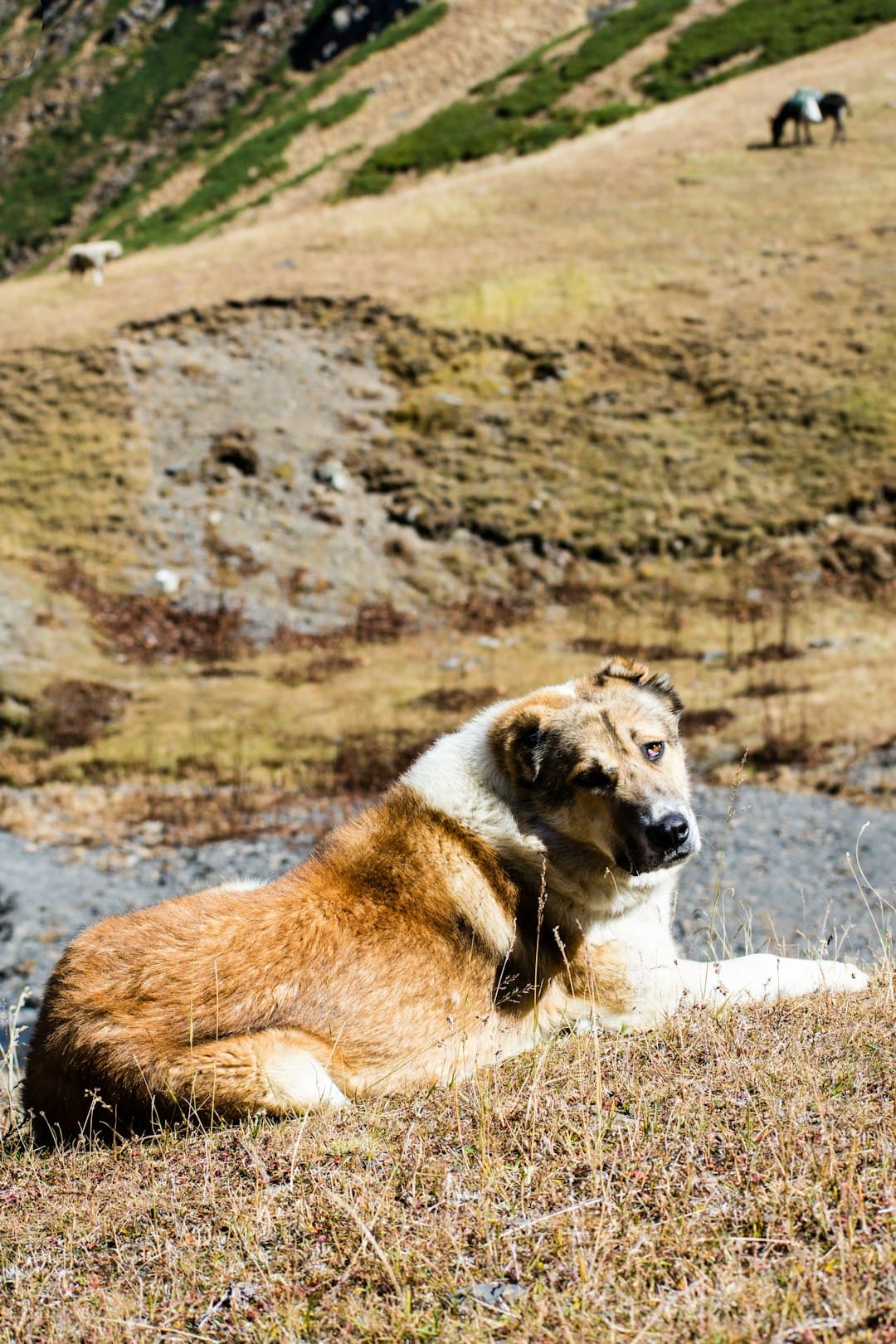
Bernese Mountain Dog
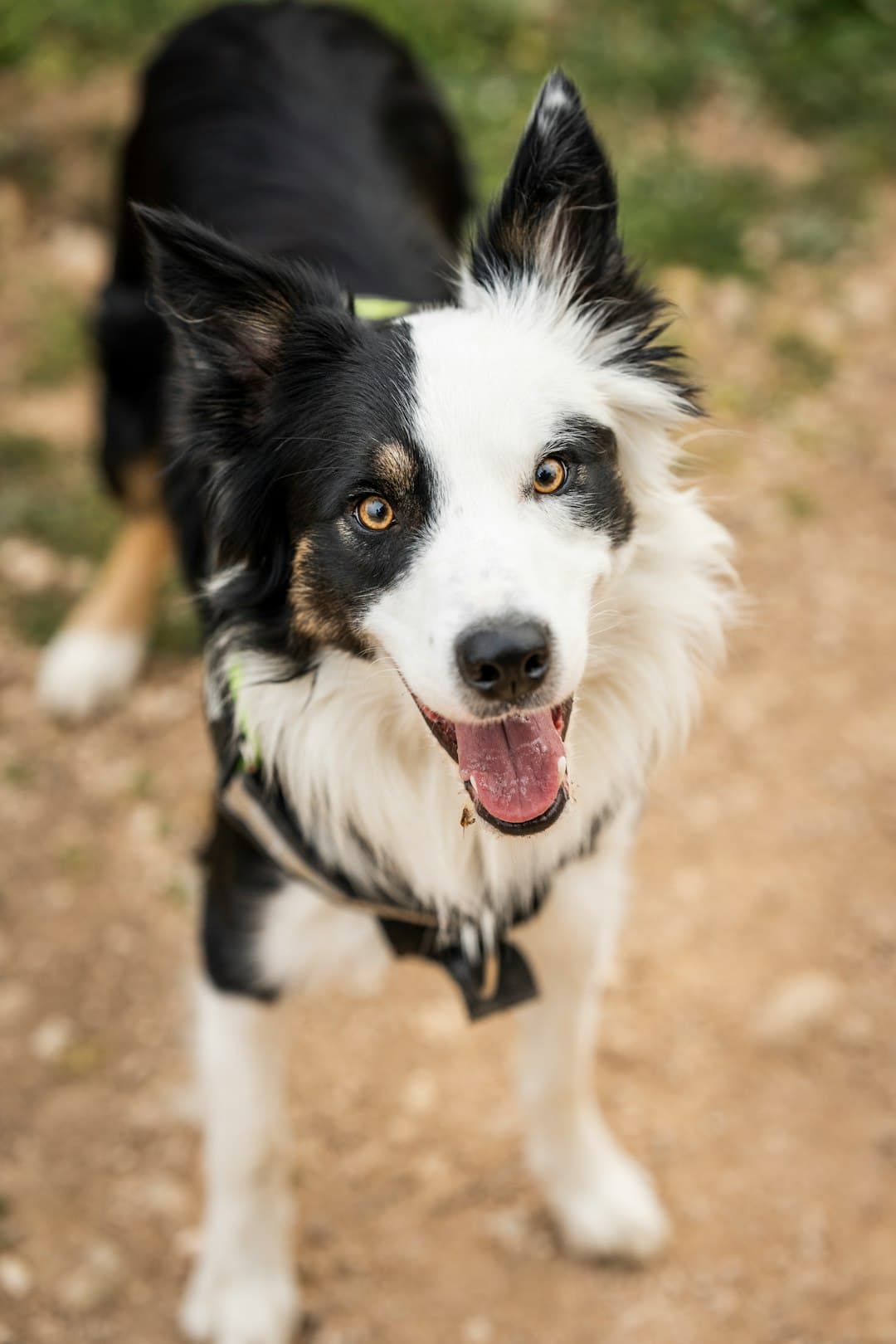
Collie
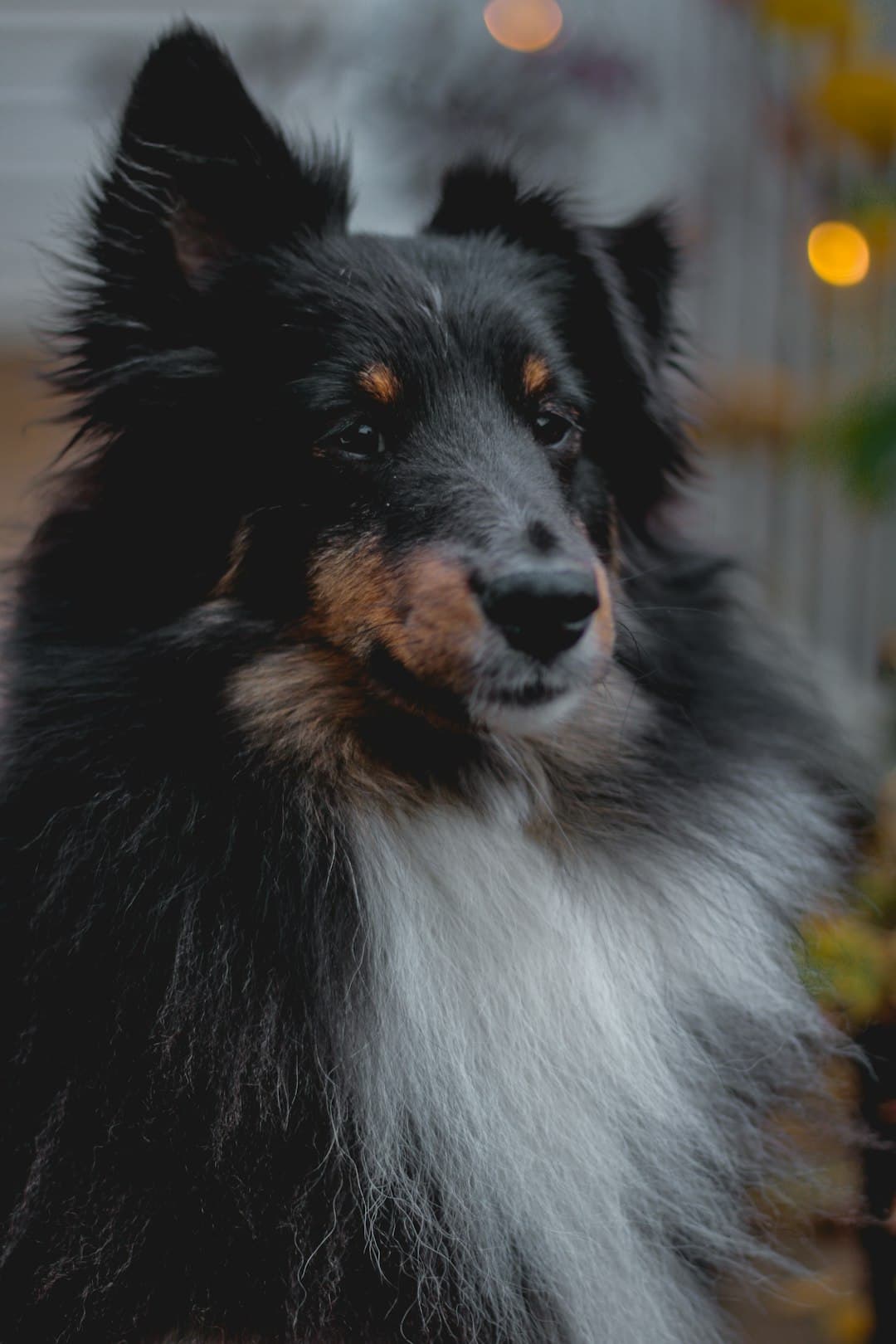
Irish Setter
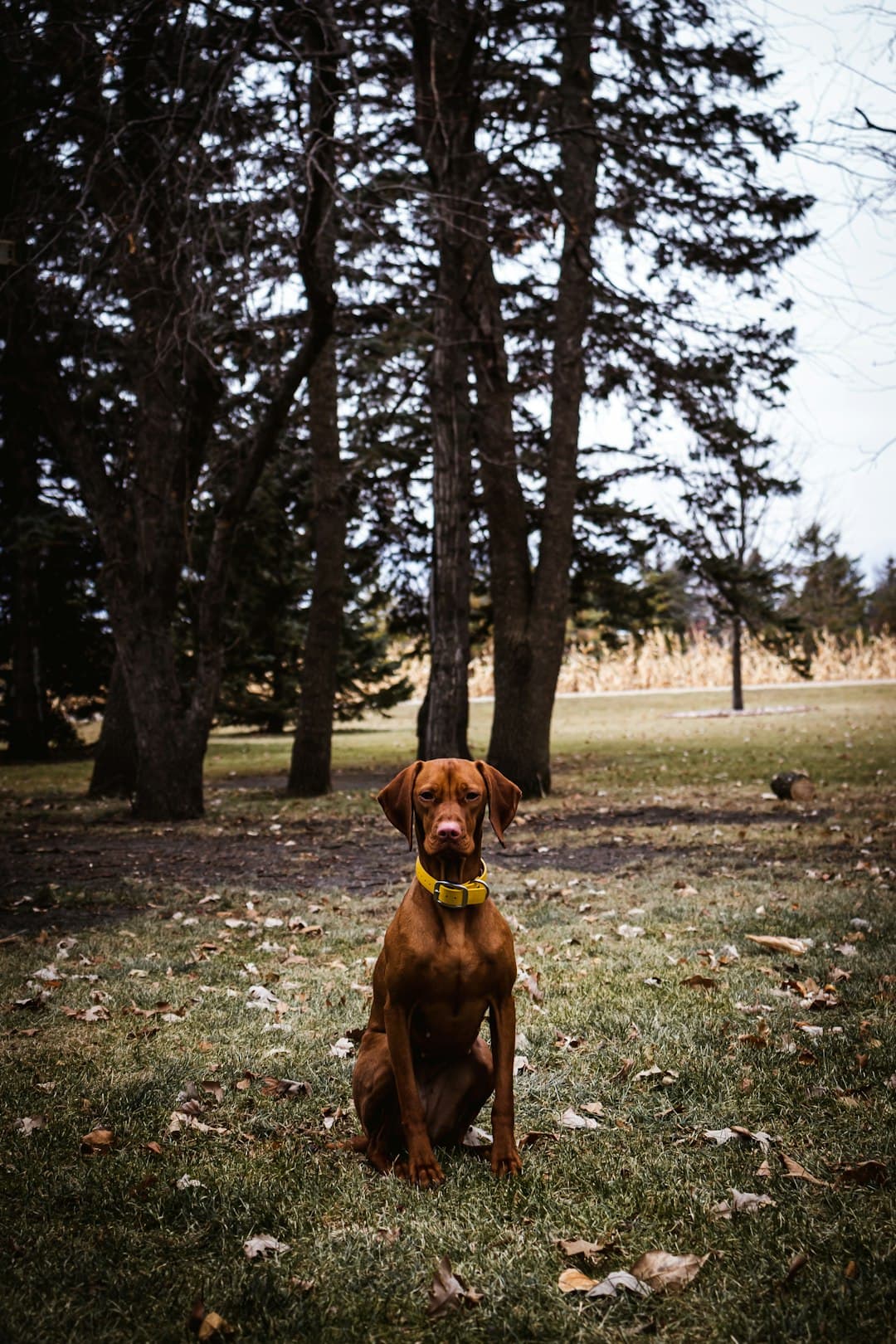
Vizsla
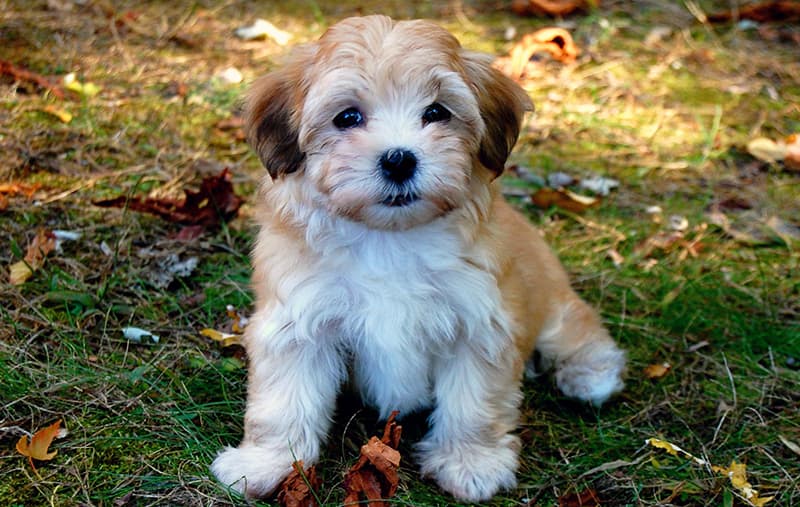
Havanese
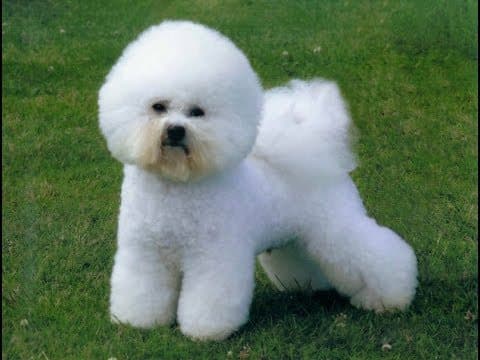
Bichon Frise

Pug

Boston Terrier

Cocker Spaniel
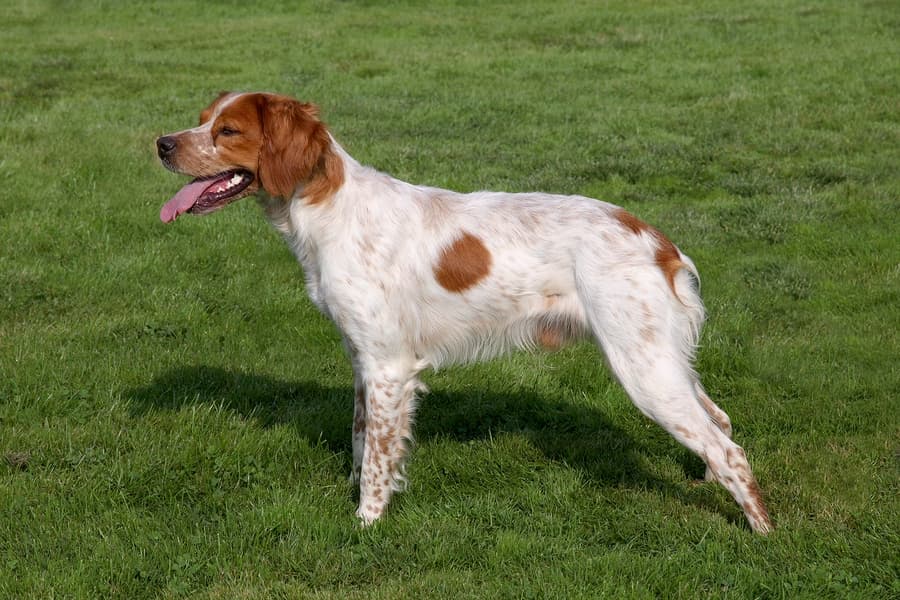
Brittany

English Springer Spaniel
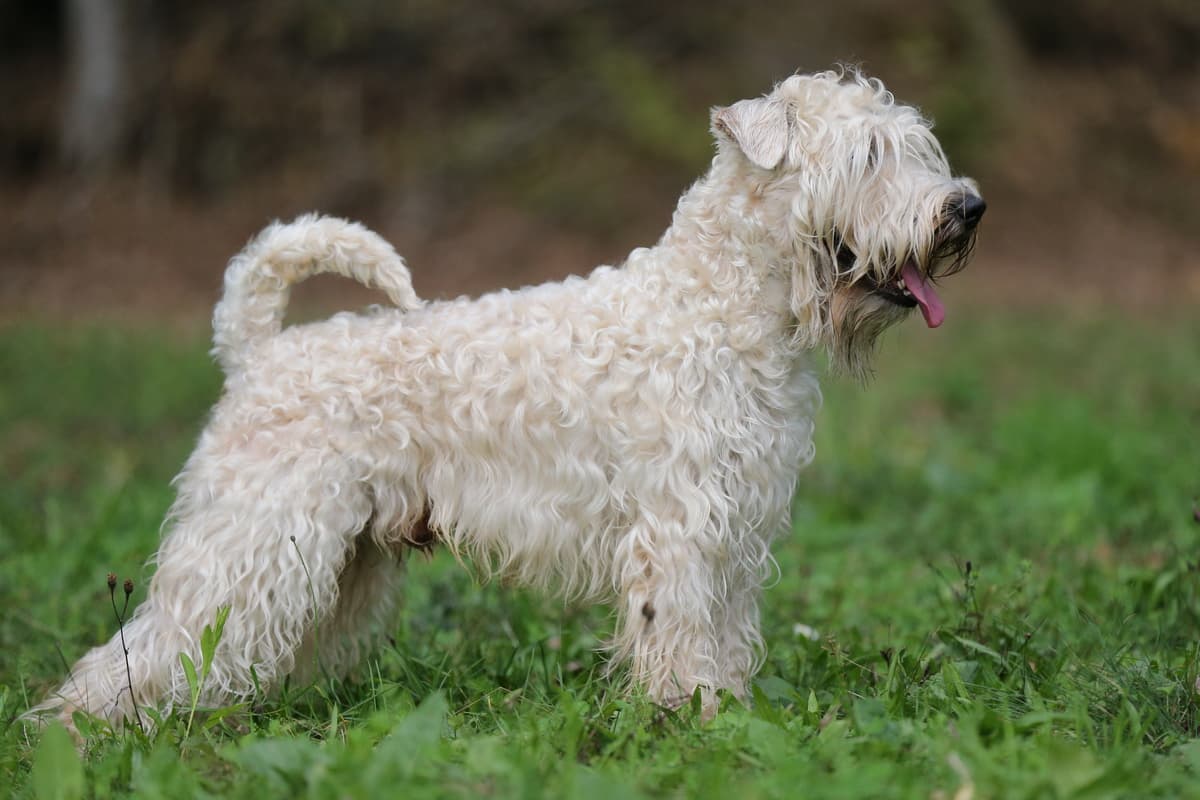
Soft Coated Wheaten Terrier
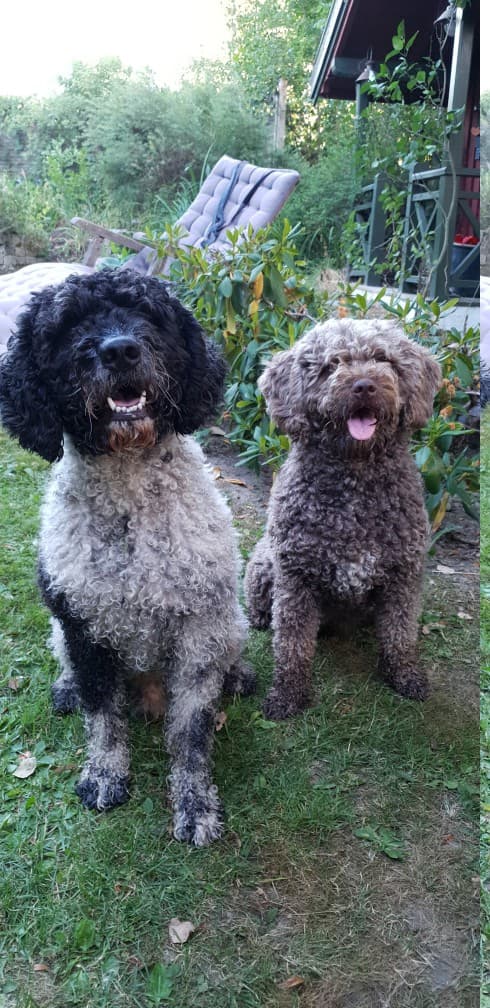
Portuguese Water Dog
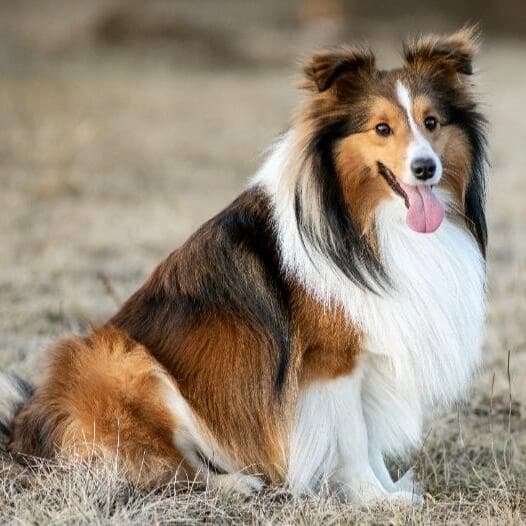
Shetland Sheepdog

Saint Bernard

Basset Hound

Shih Tzu
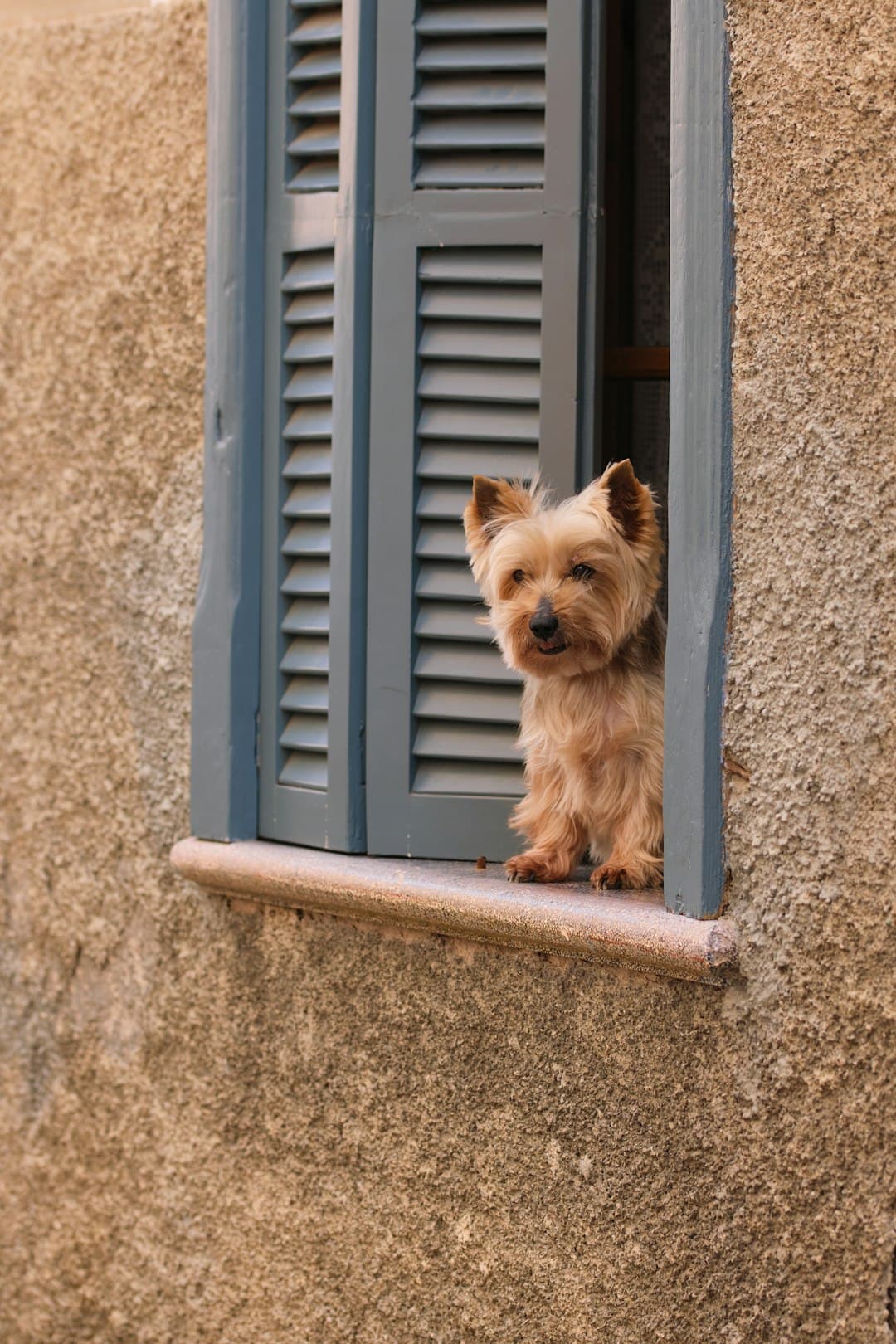
Maltese
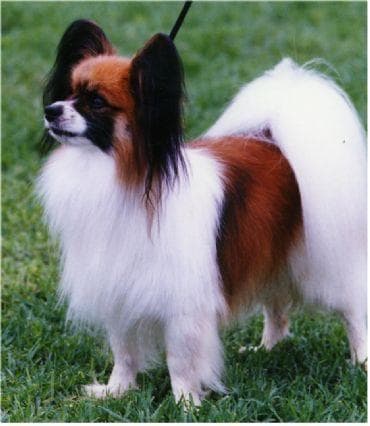
Papillon

French Bulldog
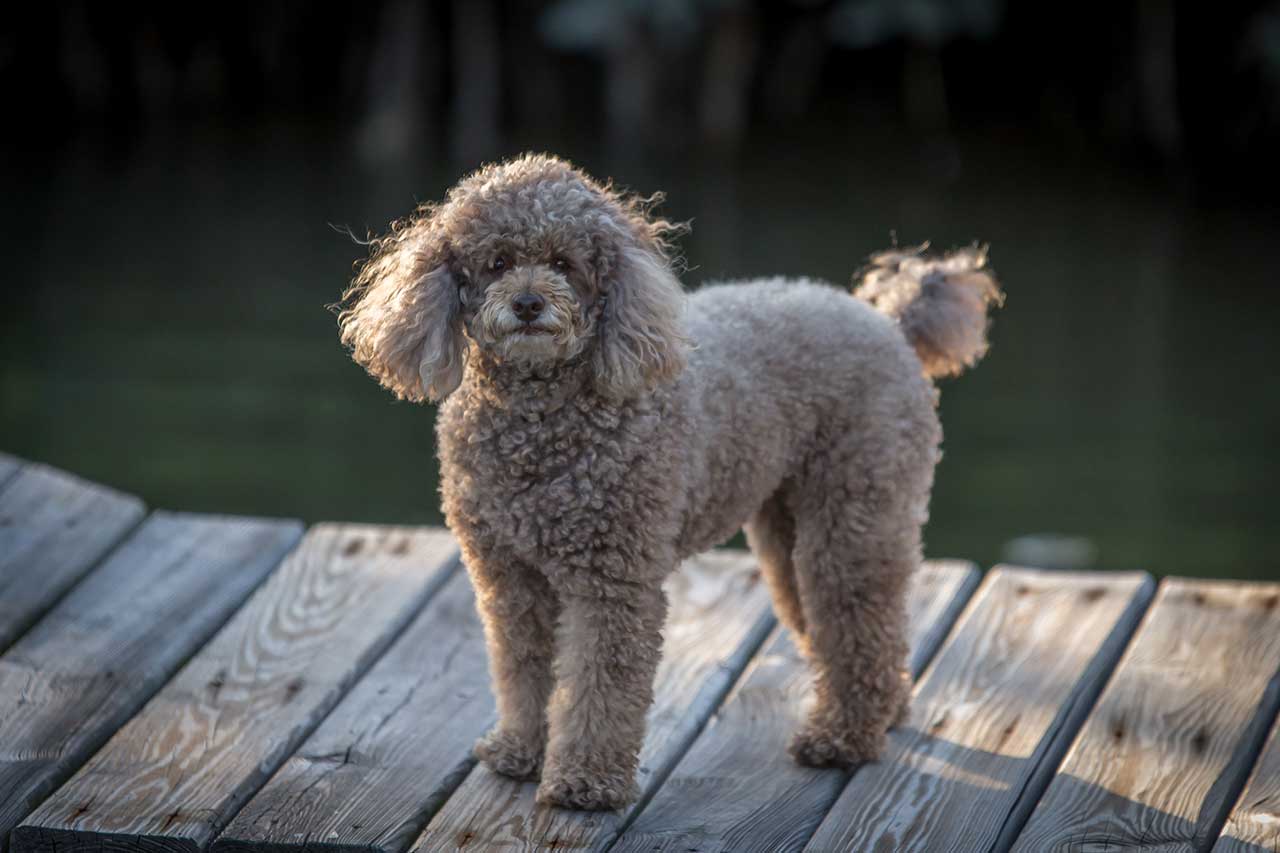
Poodle (Miniature)
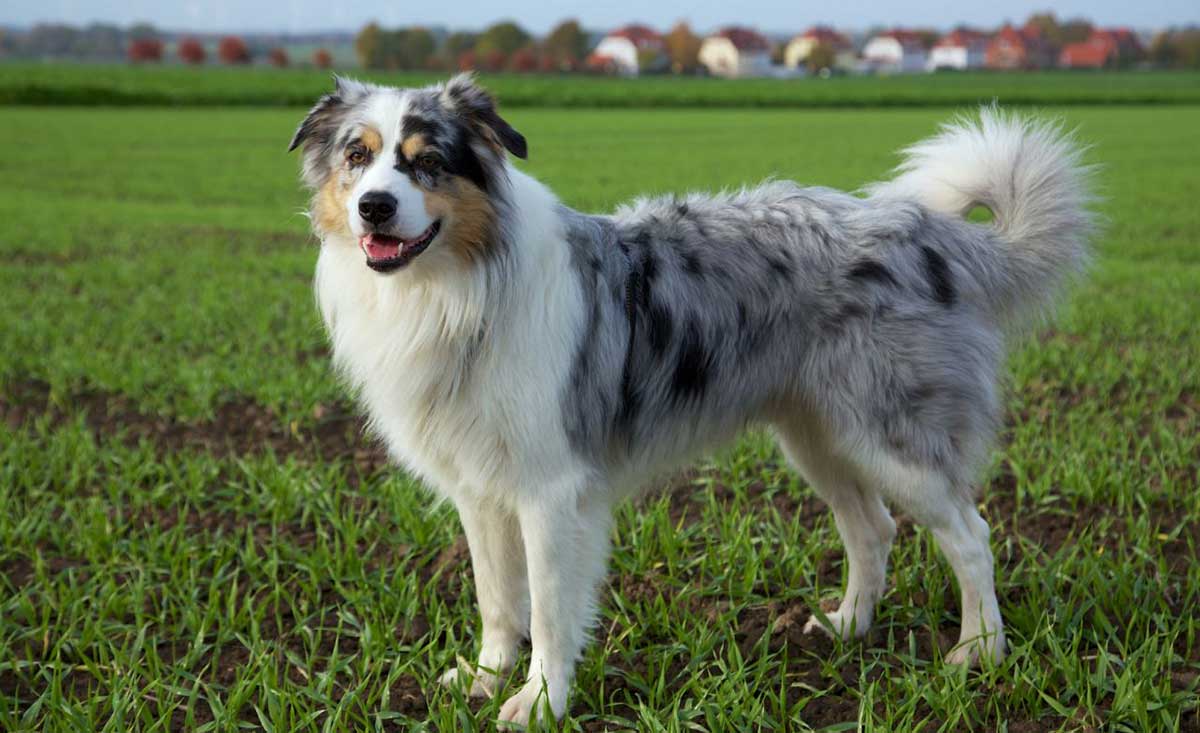
Australian Shepherd
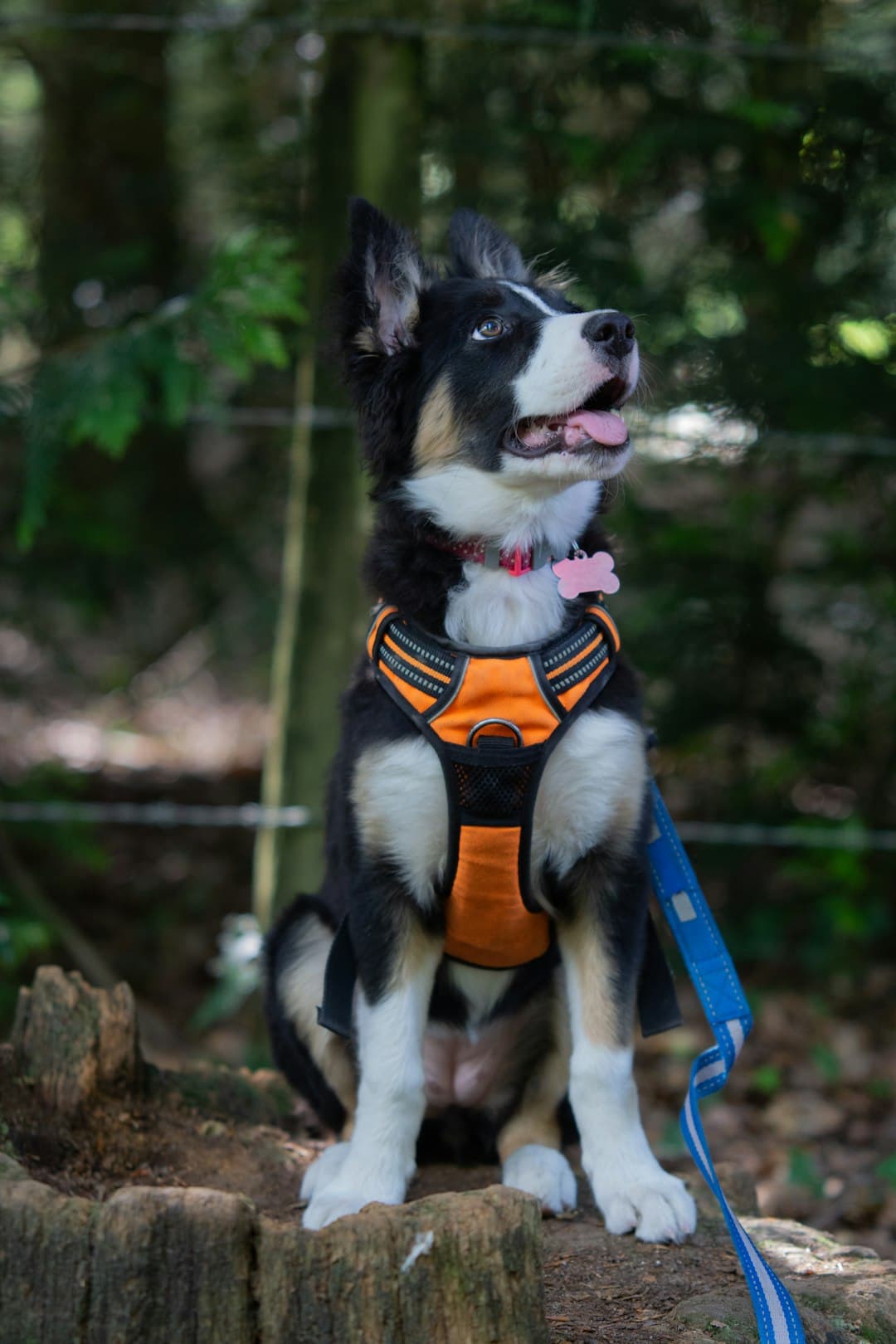
Border Collie

Labradoodle
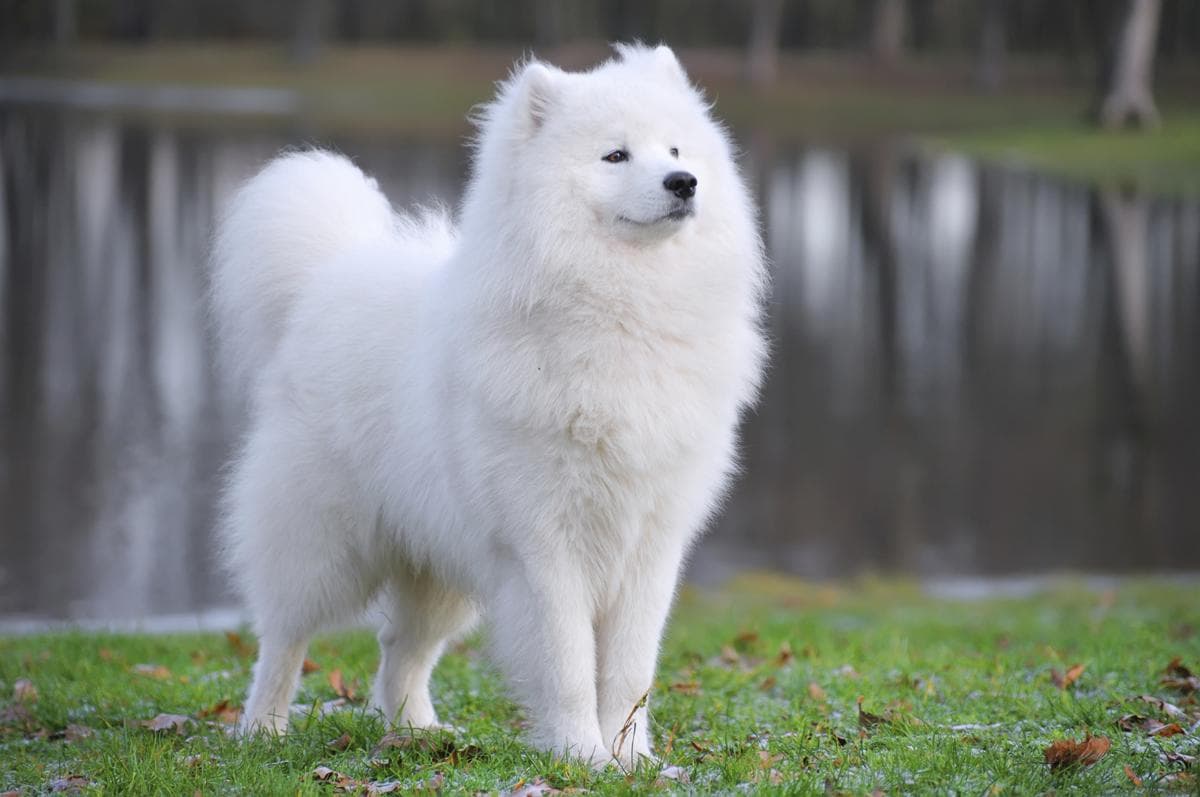
Samoyed

Standard Schnauzer
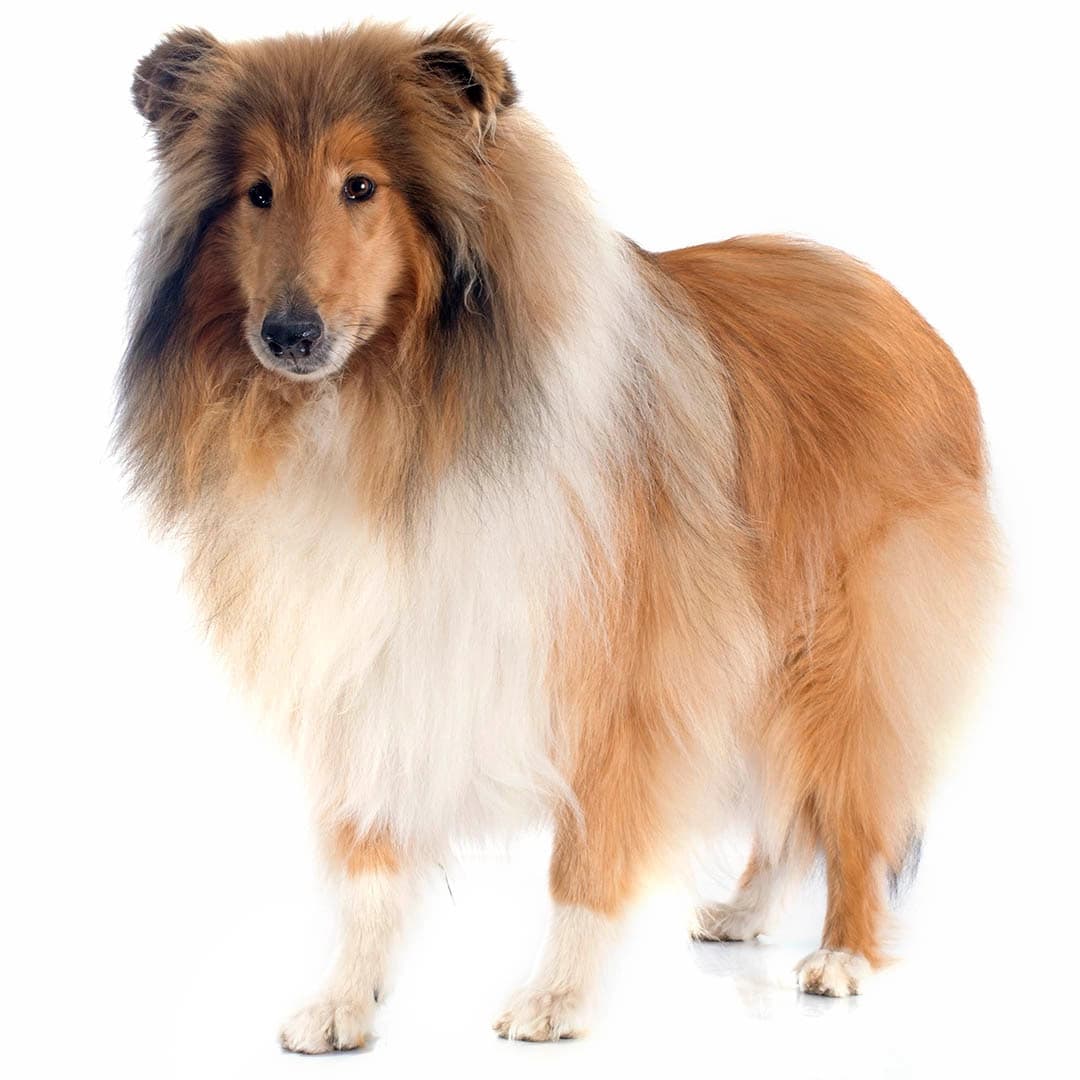
Collie Rough

Bearded Collie

Miniature Schnauzer

Cockapoo

Cavapoo

Great Dane
Frequently asked questions
What is the best dog breed for families with kids?
There’s no single winner. Labs and Goldens are classic picks for trainability and people-focus; Cavaliers and Bulldogs suit calmer homes; Newfoundlands and Bernese are gentle giants when you have space. Match energy, size, and grooming to your household—not a viral “#1 family dog” list.
Are large dogs safer around children than small dogs?
Not automatically. Many large breeds are famously patient, but a startled or under-exercised big dog can knock a toddler over. Tiny dogs can be fragile and less tolerant of rough handling. Supervision and teaching kids calm manners matter more than size alone.
Can herding breeds like Border Collies or Aussies be family dogs?
Yes—for active families who can meet a high mental and physical workload. Without outlets, they may nip at heels, chase kids’ games, or invent their own jobs. Read each profile’s energy and novice-owner notes before deciding.
What’s the best family dog for a first-time owner?
Look for breeds with stronger novice-owner leanings and moderate energy—often Labs, Goldens, Cavaliers, some spaniels, and many companion breeds. Skip extremely high-drive or specialist health-intensive dogs until you know your bandwidth. The match quiz helps shortlist.
Do I still need to supervise kids with a “family” breed?
Always. No breed is a babysitter. Teach children not to disturb sleeping or eating dogs, never leave young kids alone with any dog, and give the dog a quiet retreat space. See ASPCA guidance on children and dogs in References.
References
This guide summarizes publicly available breed-standard and veterinary education sources. Always consult your veterinarian for individual care.
- [1]Best Family Dogs — American Kennel Club (AKC)
- [2]How to Choose the Right Dog Breed — American Kennel Club (AKC)
- [3]Dog Bite Prevention — ASPCA
- [4]Pet Ownership Resources — American Veterinary Medical Association (AVMA)
- [5]General Dog Care — ASPCA