PawPedia breed guide
Hunting dog breeds
Gun dogs, bird dogs, and hounds—how sporting breeds work, what they need at home, and which profiles to read next.
40 breeds · Updated 2026-08-15
Searching for hunting dog breeds usually means you want a partner built for birds, scent, or fieldwork—or an athletic companion with the same drive. Sporting (gun dog) breeds and many hounds share stamina, nose or eye for game, and a need for daily outlets.
This guide covers 40 retrievers, pointers, setters, spaniels, and hounds in our database. Use it to shortlist by job type and lifestyle, then open each profile for energy, training, and care detail. For kennel-club groupings, see the AKC Sporting Group and Hound Group.
Types of hunting dogs
Retrievers (Lab, Golden, Chessie, Toller) were bred to mark falls and bring birds to hand—often water-loving and food-motivated for training.
Pointers & setters (GSP, English Pointer, Vizsla, Weimaraner, Irish/English/Gordon Setters) find and indicate game; expect high mileage and a strong work ethic.
Flushing spaniels (Springer, Cocker, Boykin, Clumber) work closer to the gun, pushing birds into the air. Size and coat care vary widely within the spaniel family.
Hounds trail by scent (Beagle, Basset, Bloodhound, coonhounds, Foxhound) or chase by sight (less the focus of this list). Many are vocal and independent on the trail—plan fencing and neighbors accordingly.
Temperament & energy
Field breeding selects for drive, stamina, and cooperation with a handler—traits that also shine in sports and active family life. Soft-mouthed retrievers often lean people-oriented; some hounds stay more “on task” once a scent appears.
Under-exercised hunting breeds dig, chew, bay, or pace. Match the energy score on each profile honestly. A calm couch photo of a GSP or Walker coonhound is usually a dog that already ran hard.
Living with a hunting breed
Exercise. Plan daily vigorous activity—runs, swims, long retrieves, or structured field training—not only a neighborhood loop. Many need 1–2+ hours of real work when young and fit.
Training. Positive, consistent work pays off. Early bird-intro or scent games channel instinct safely. Recall around wildlife is a lifelong project for nose-driven dogs.
Home & coat. Double-coated retrievers shed; wirehaired pointers need different grooming than silky setters. Apartments can work for a few calmer individuals with elite exercise plans—most thrive with yard access and a job.
How to choose a hunting dog
Start with the job you actually want: waterfowl retrieve, upland birds, trailing, or “active pet with sporting roots.” Then filter by size, shedding, and experience level. Compare finalists in Compare, or take the breed match quiz if you’re still exploring.
Prefer spaniel types? See spaniel breeds. Curious about classic pointers? Read the Pointer breed profile. Ask breeders about field vs show lines—drive and coat can differ—and confirm health screening with your veterinarian.
Hunting & sporting breed profiles
Browse 40 profiles. Open any breed for temperament, care, and lifestyle scores.
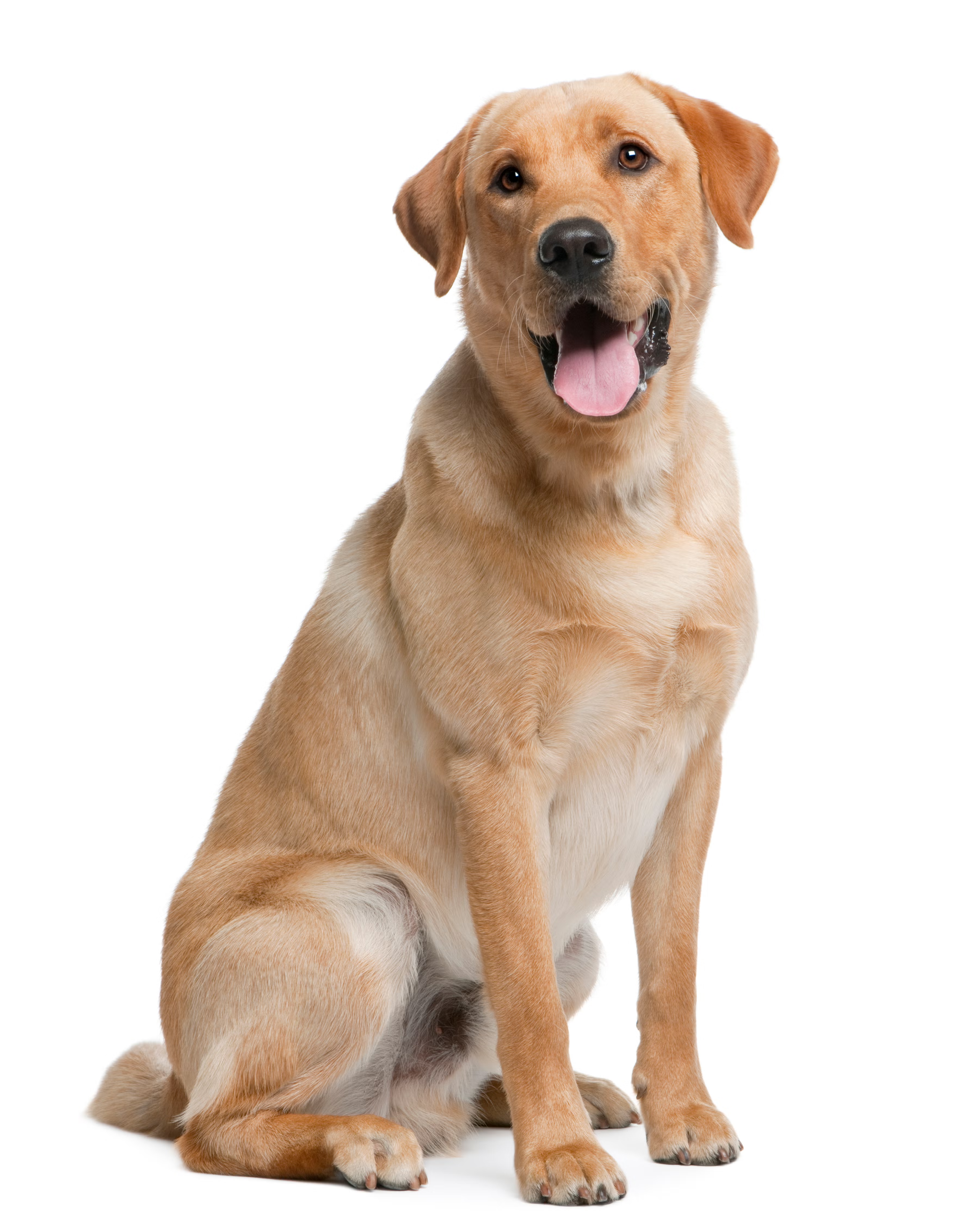
Labrador Retriever
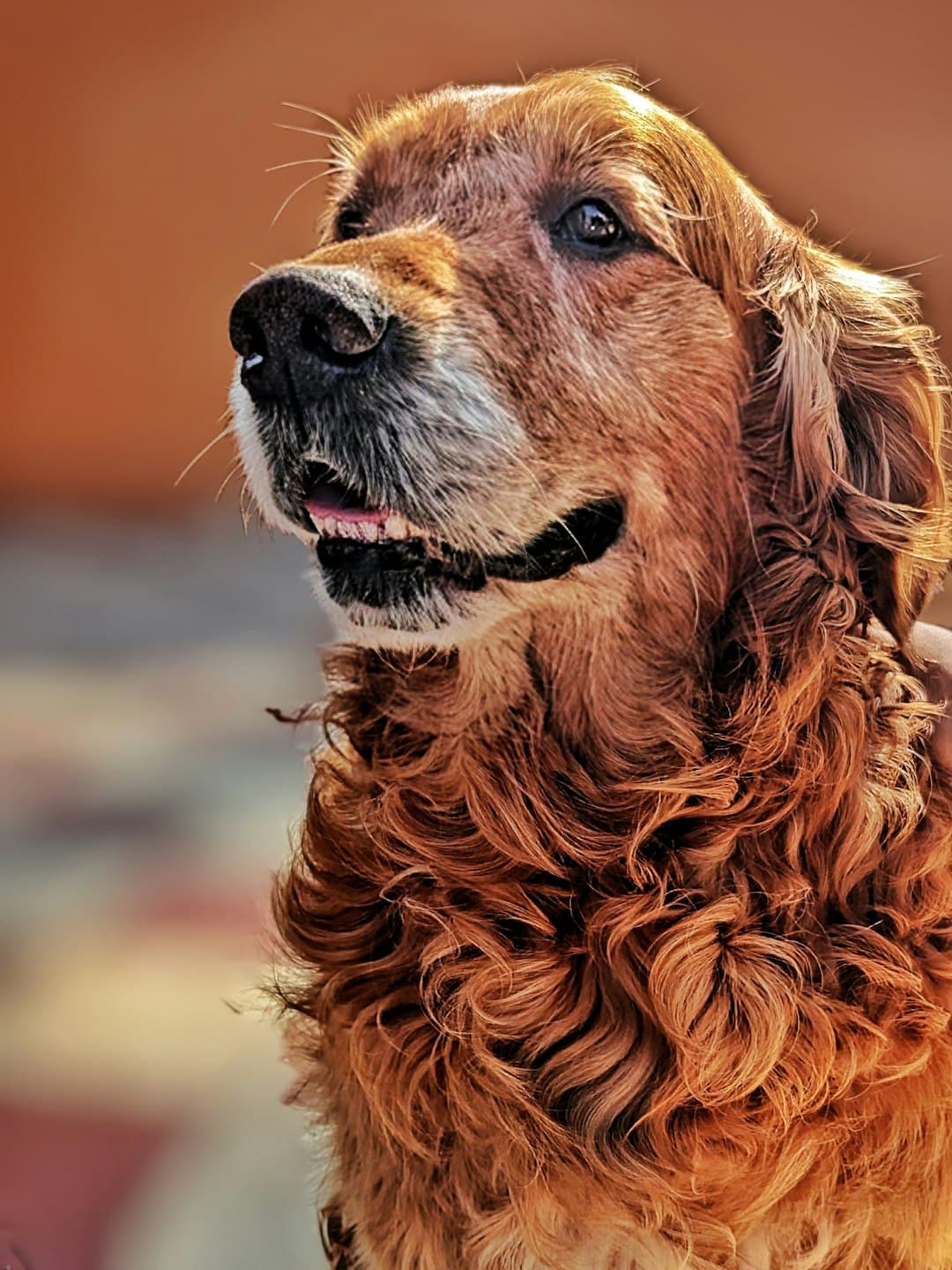
German Shorthaired Pointer
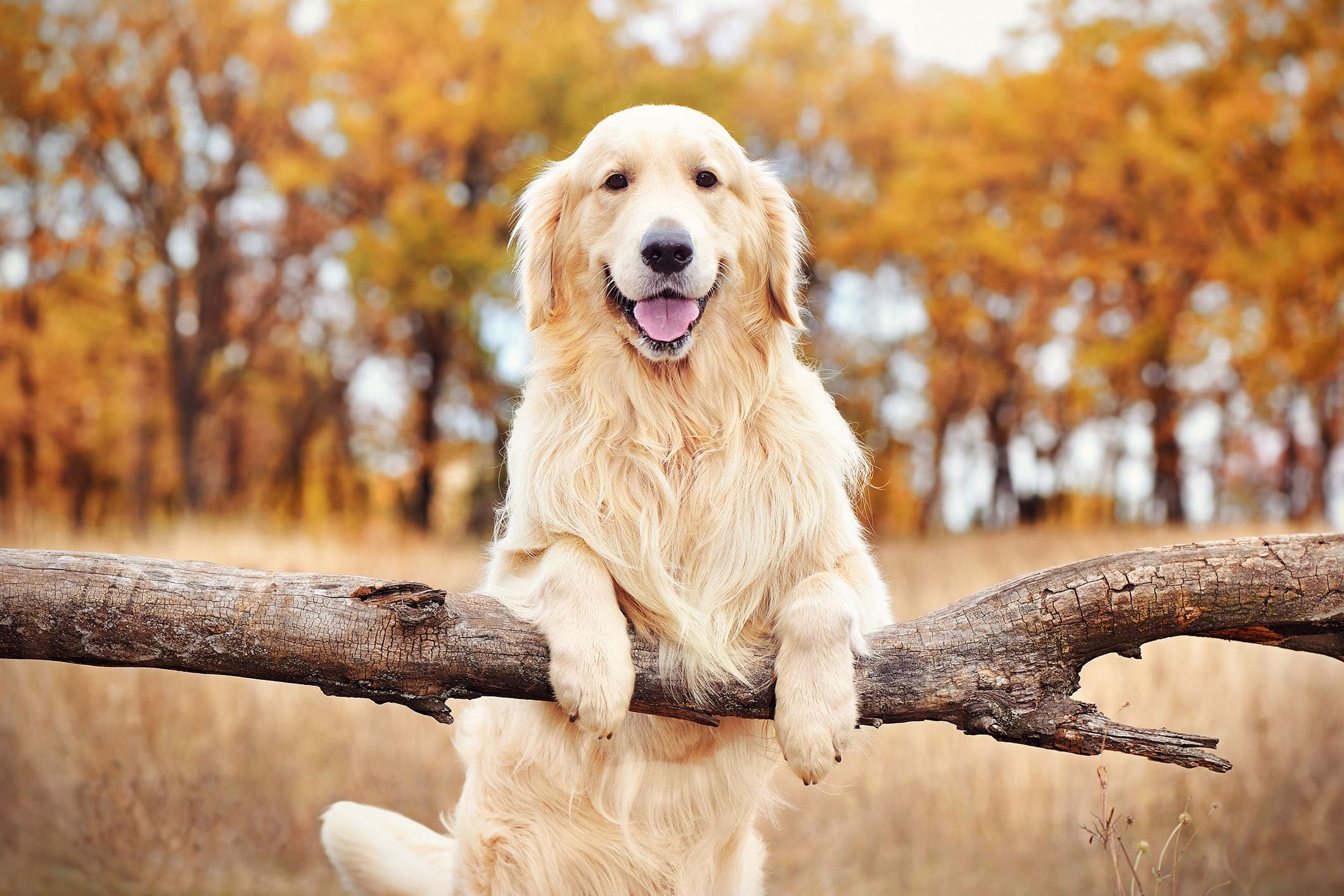
Golden Retriever
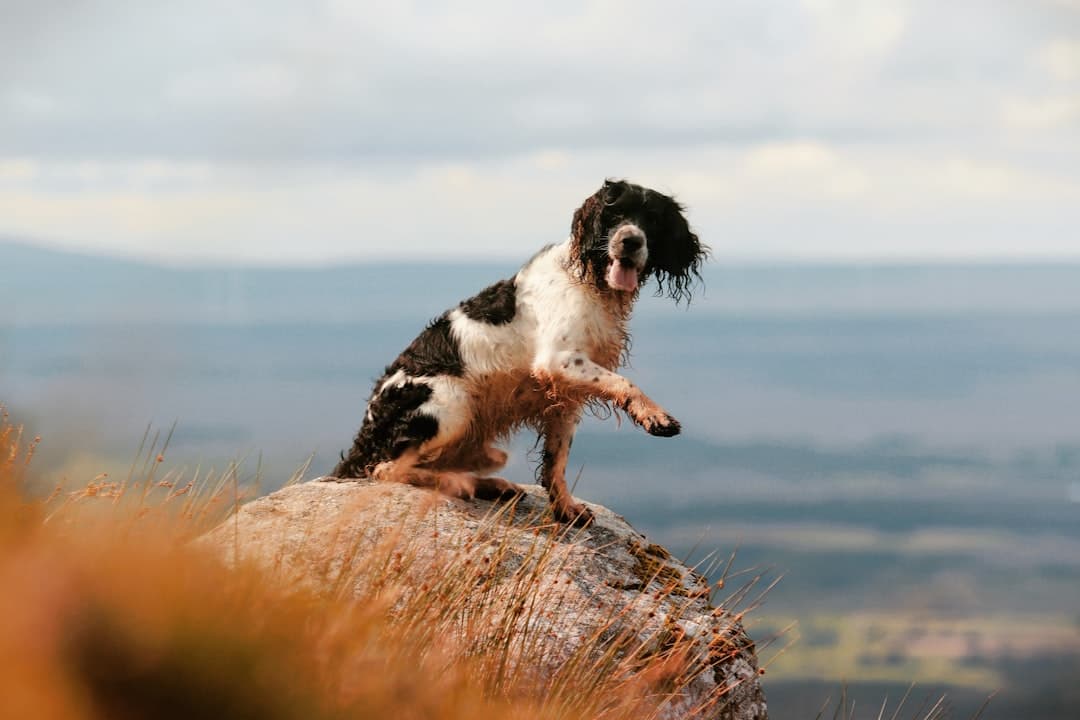
English Springer Spaniel
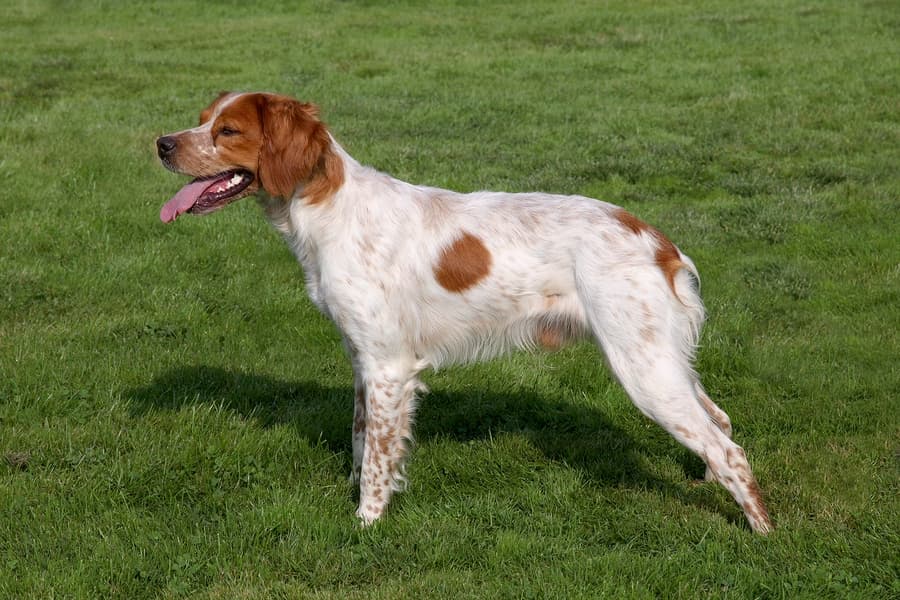
Brittany
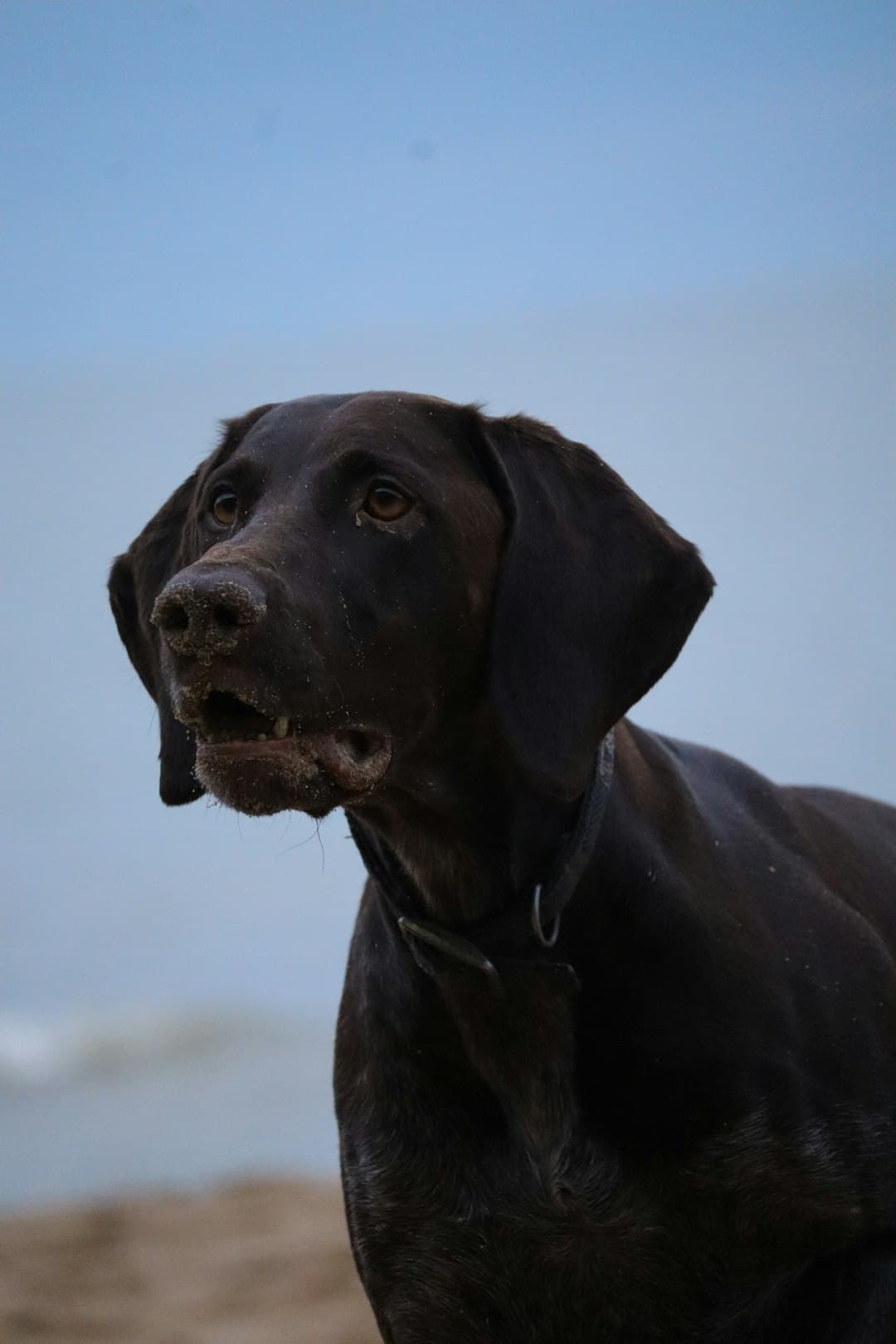
Chesapeake Bay Retriever
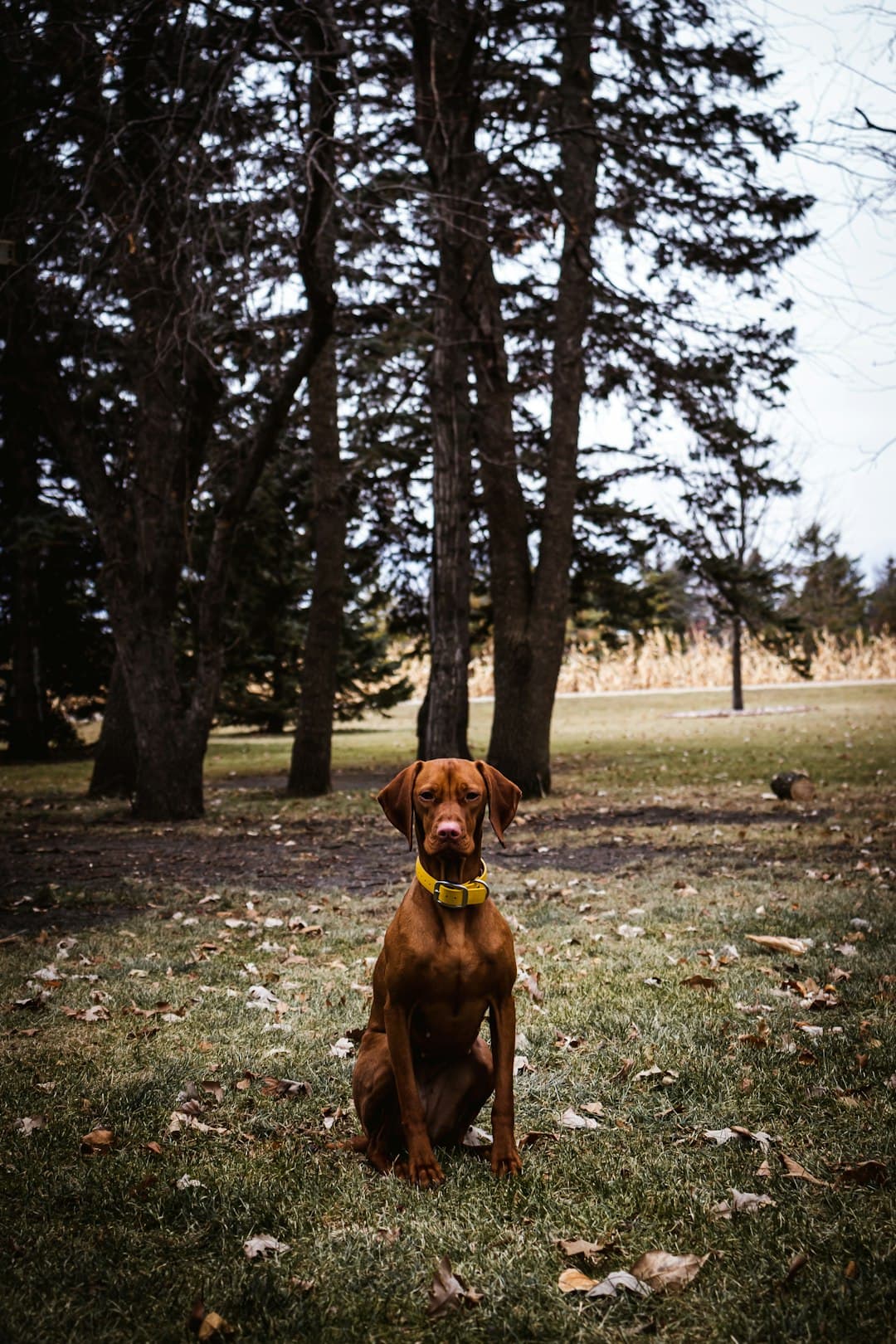
Vizsla
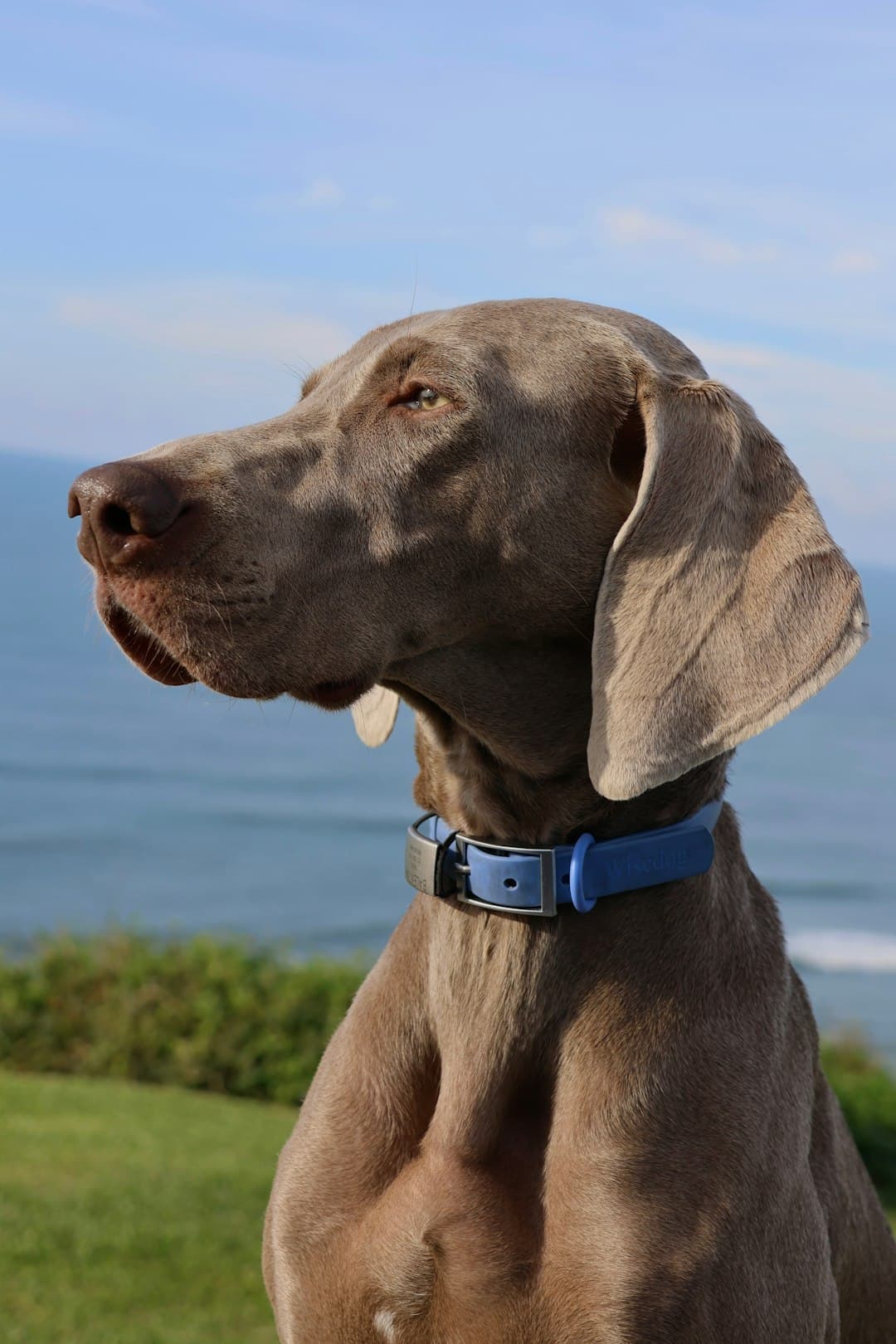
Weimaraner
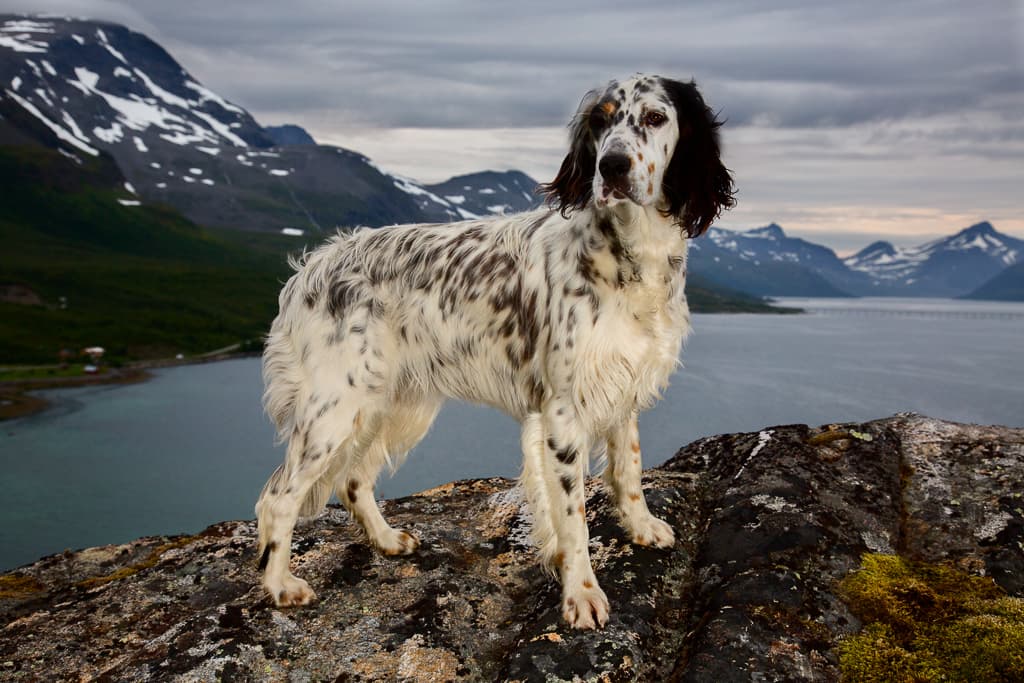
English Setter
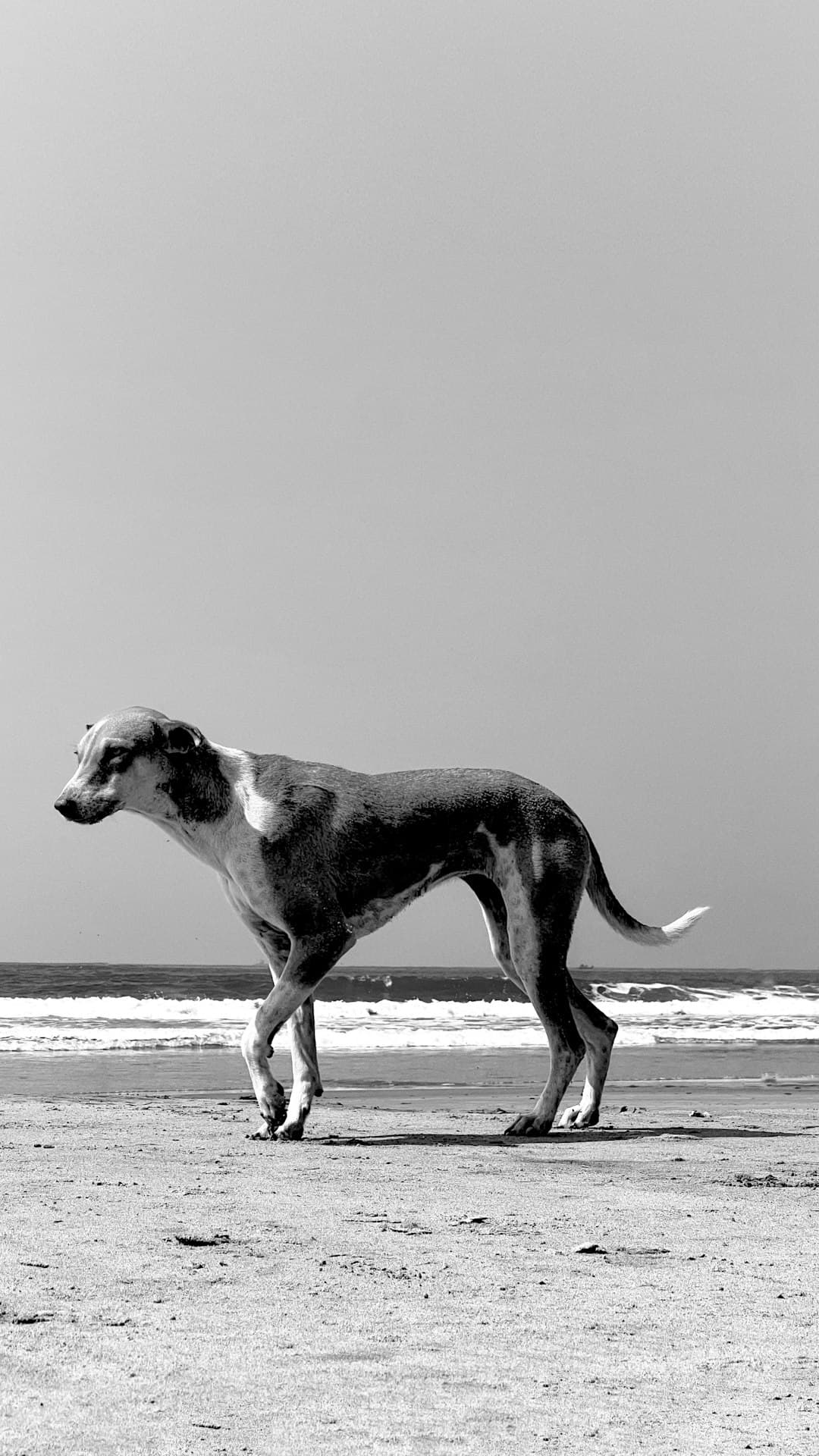
Pointer
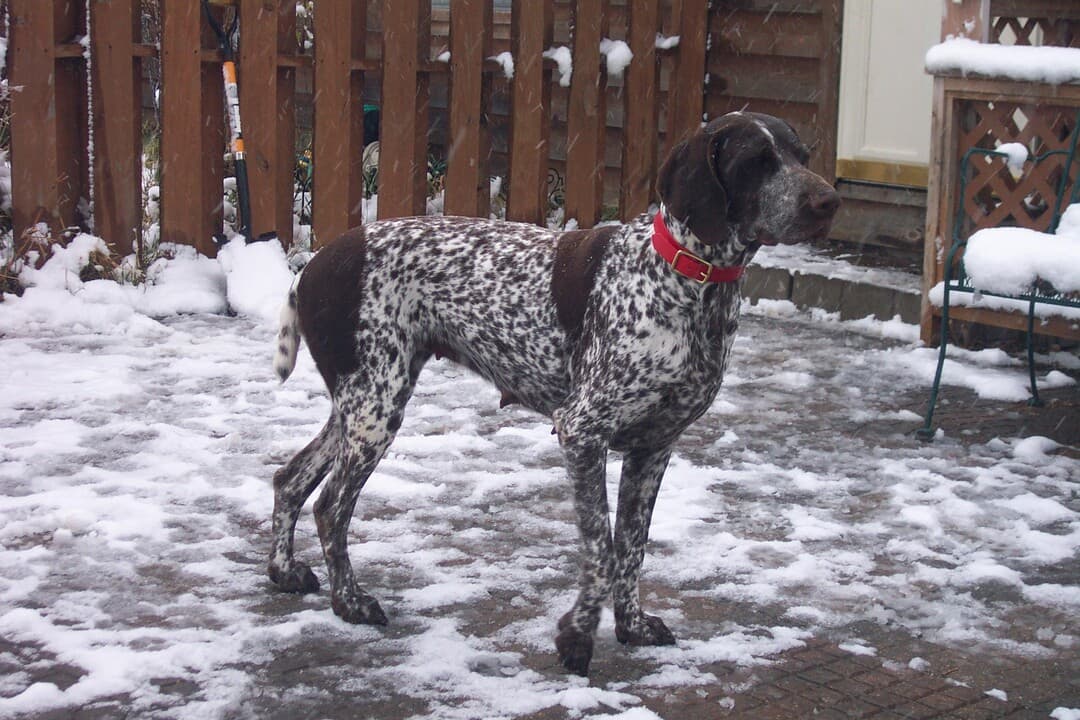
German Wirehaired Pointer
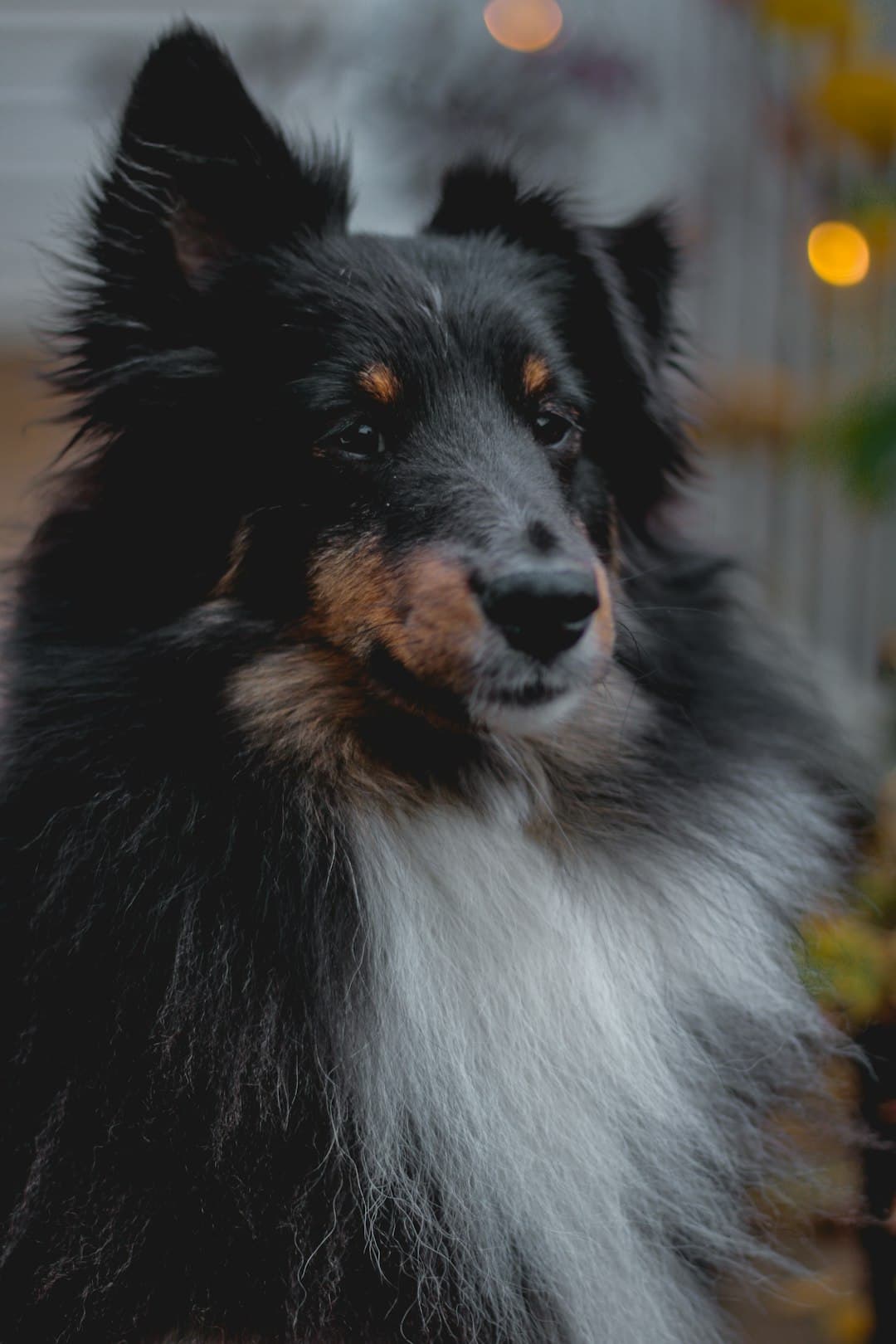
Irish Setter
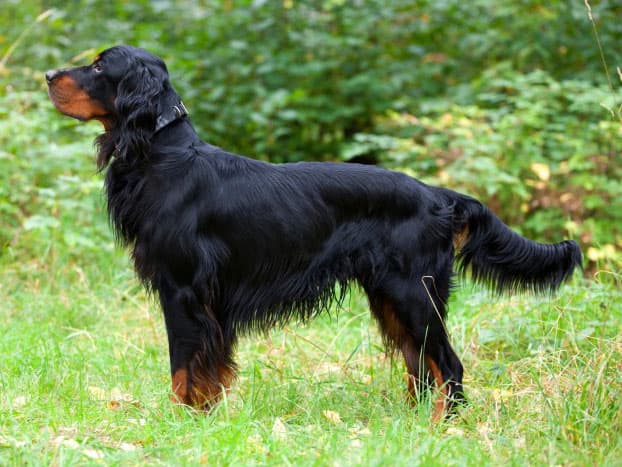
Gordon Setter
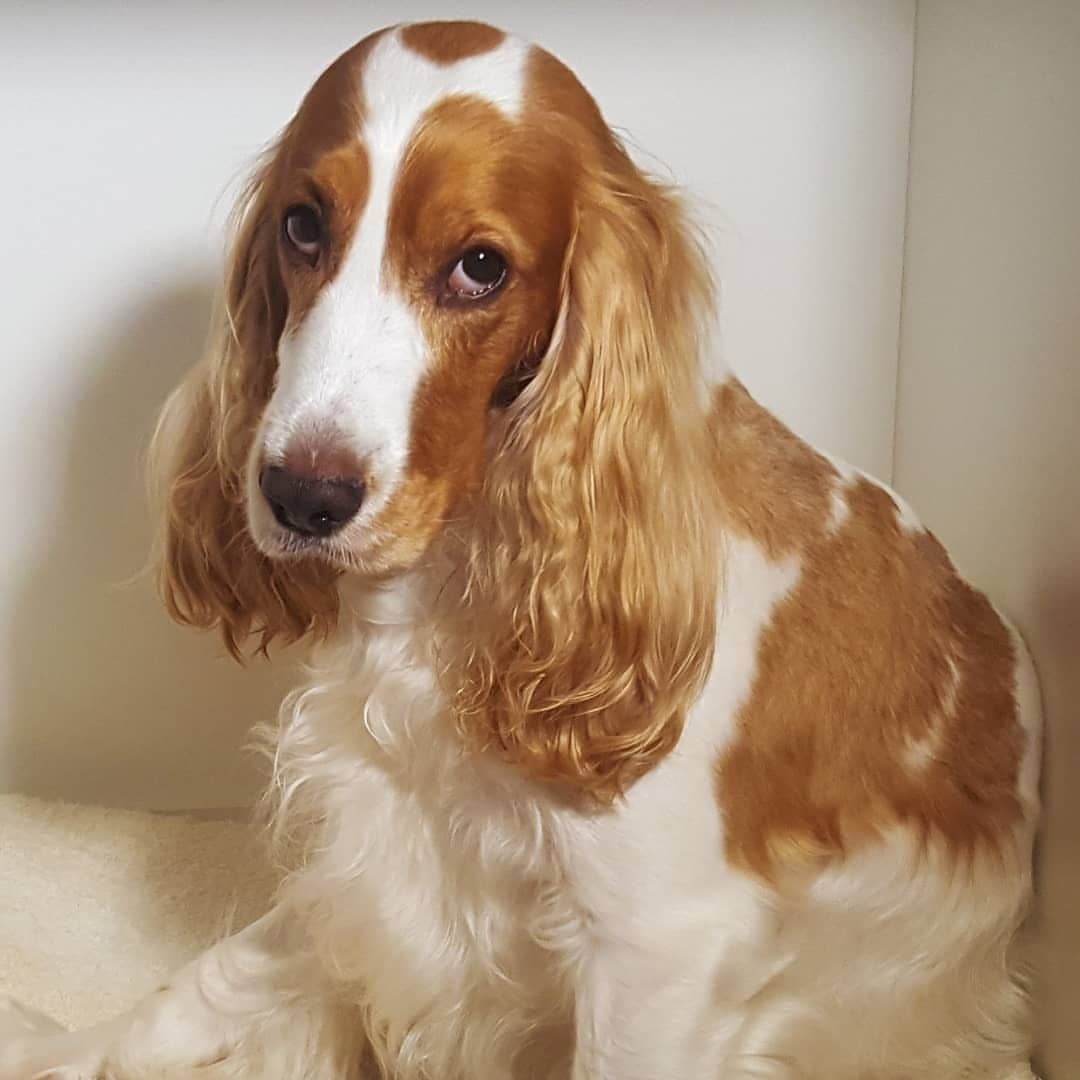
Cocker Spaniel
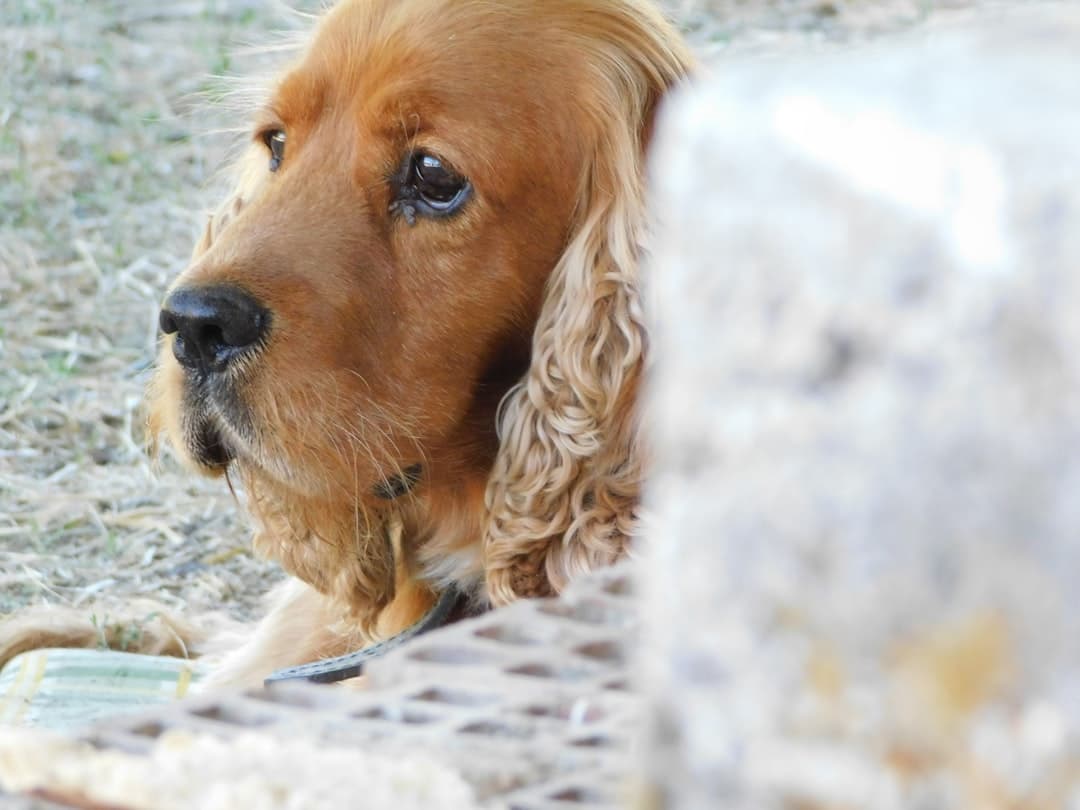
English Cocker Spaniel
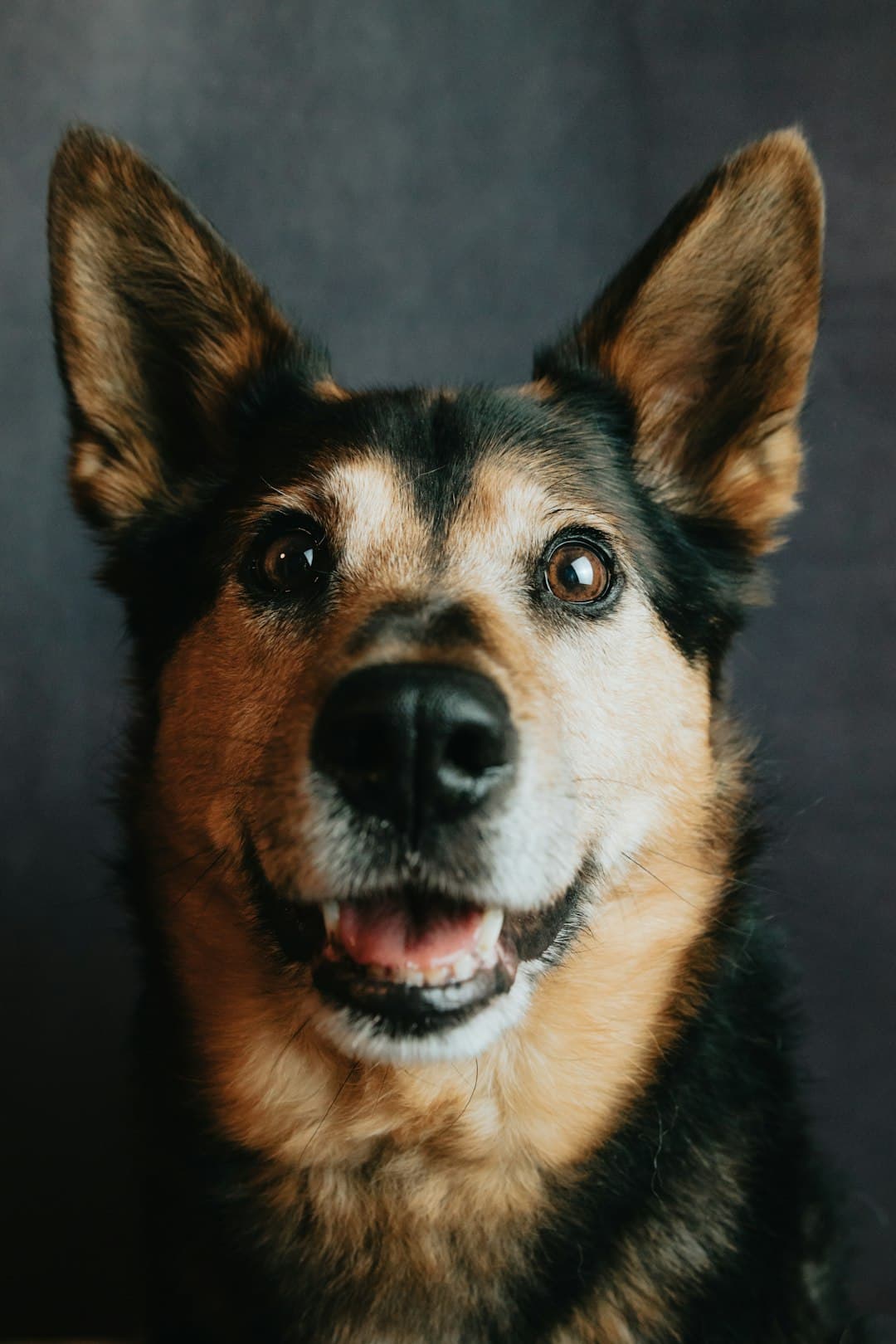
Flat Coated Retriever
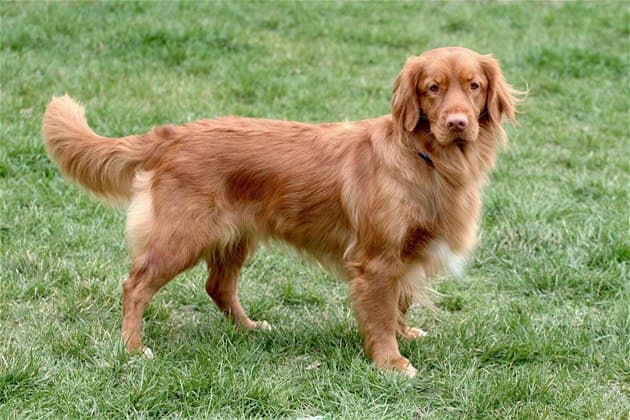
Nova Scotia Duck Tolling Retriever
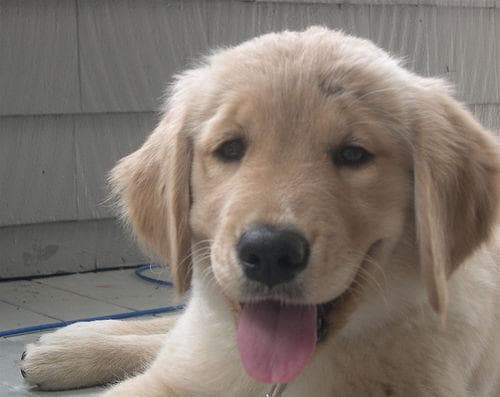
Curly Coated Retriever
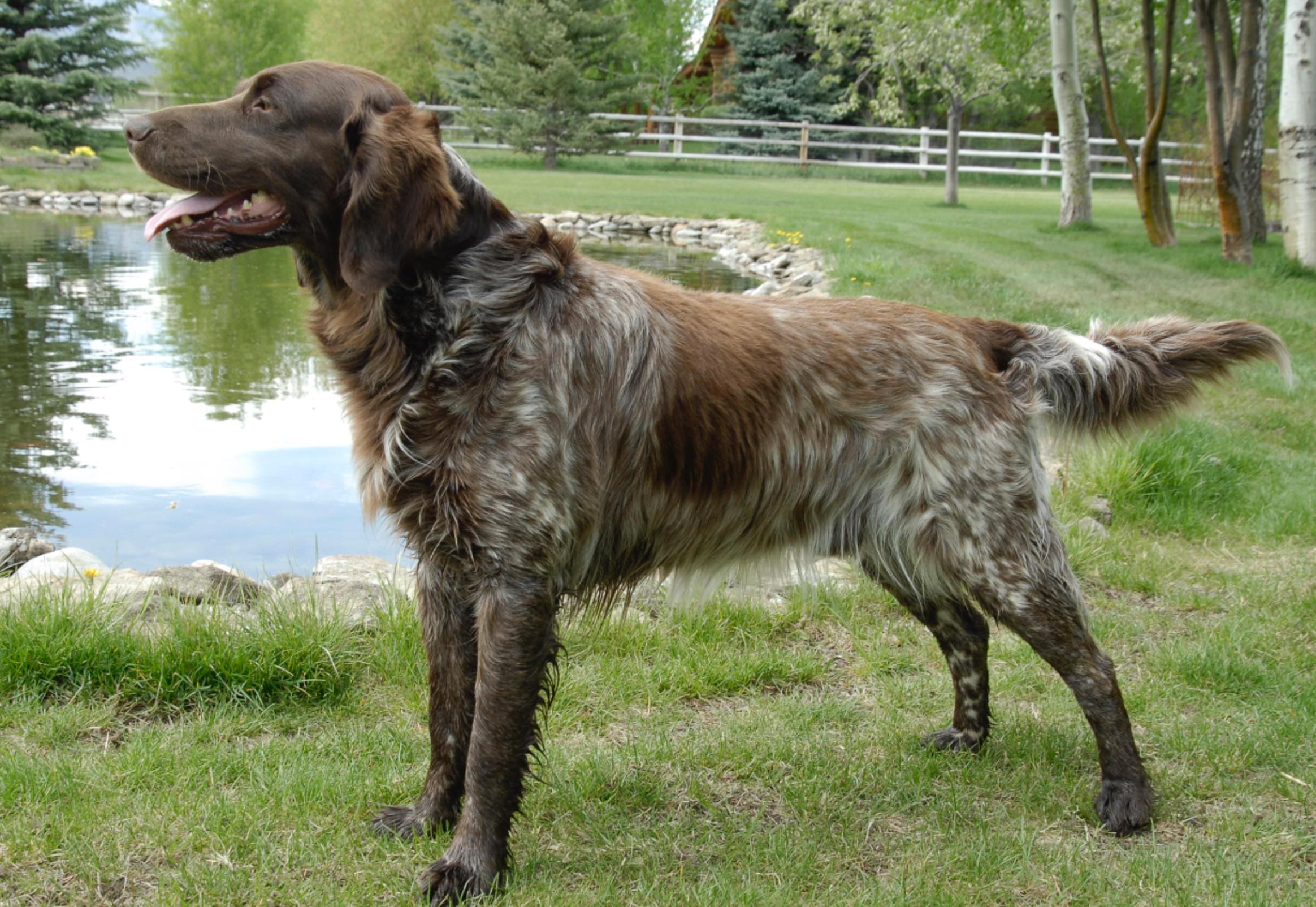
Wirehaired Pointing Griffon
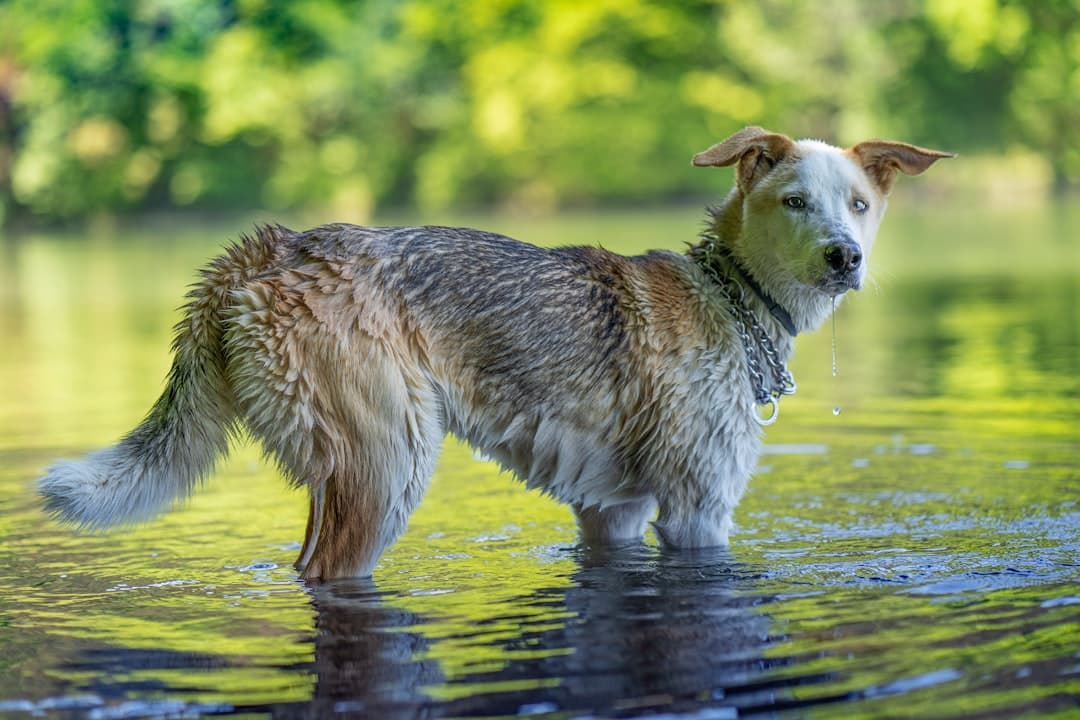
Irish Water Spaniel
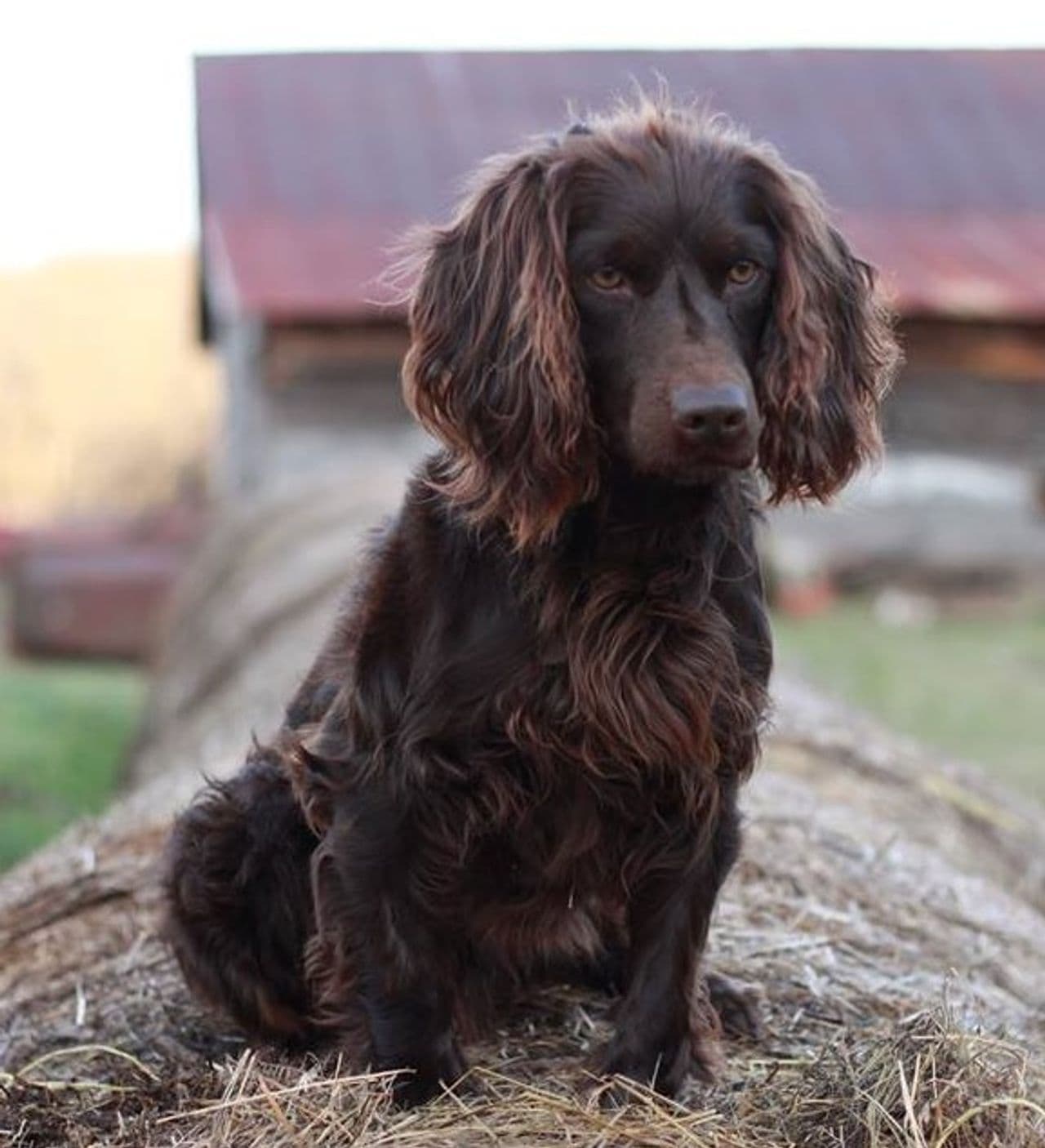
Boykin Spaniel
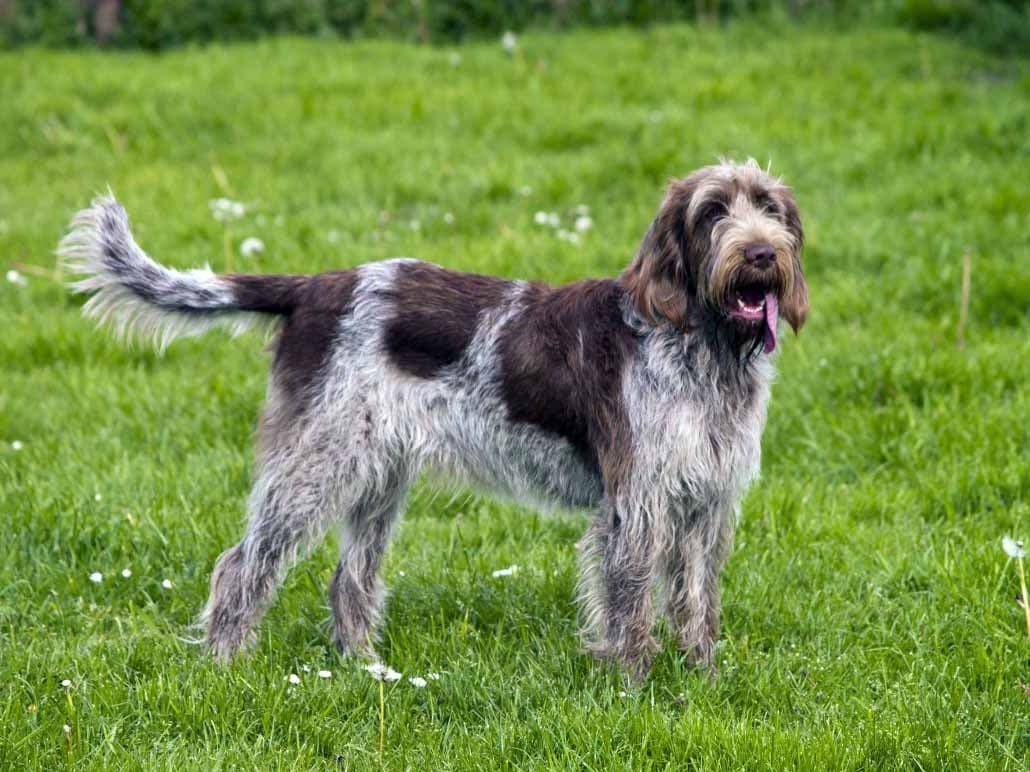
Spinone Italiano
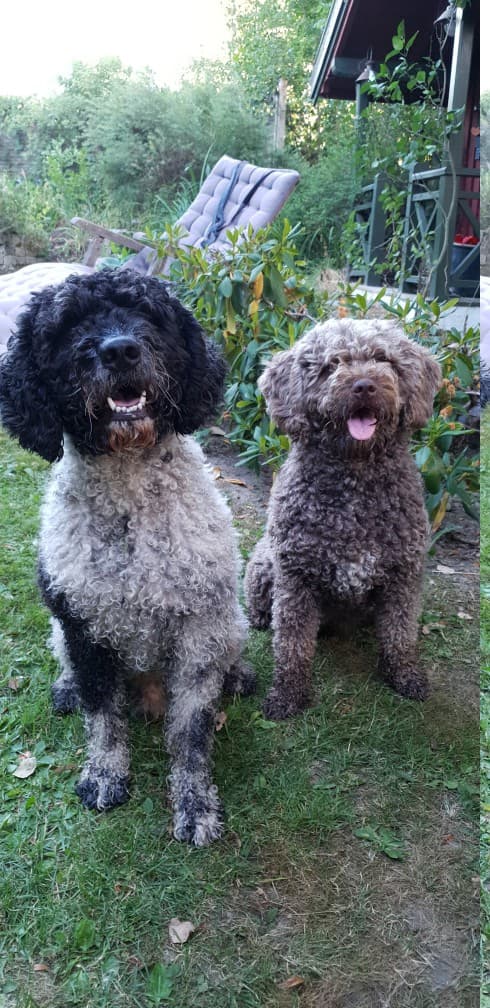
Portuguese Water Dog
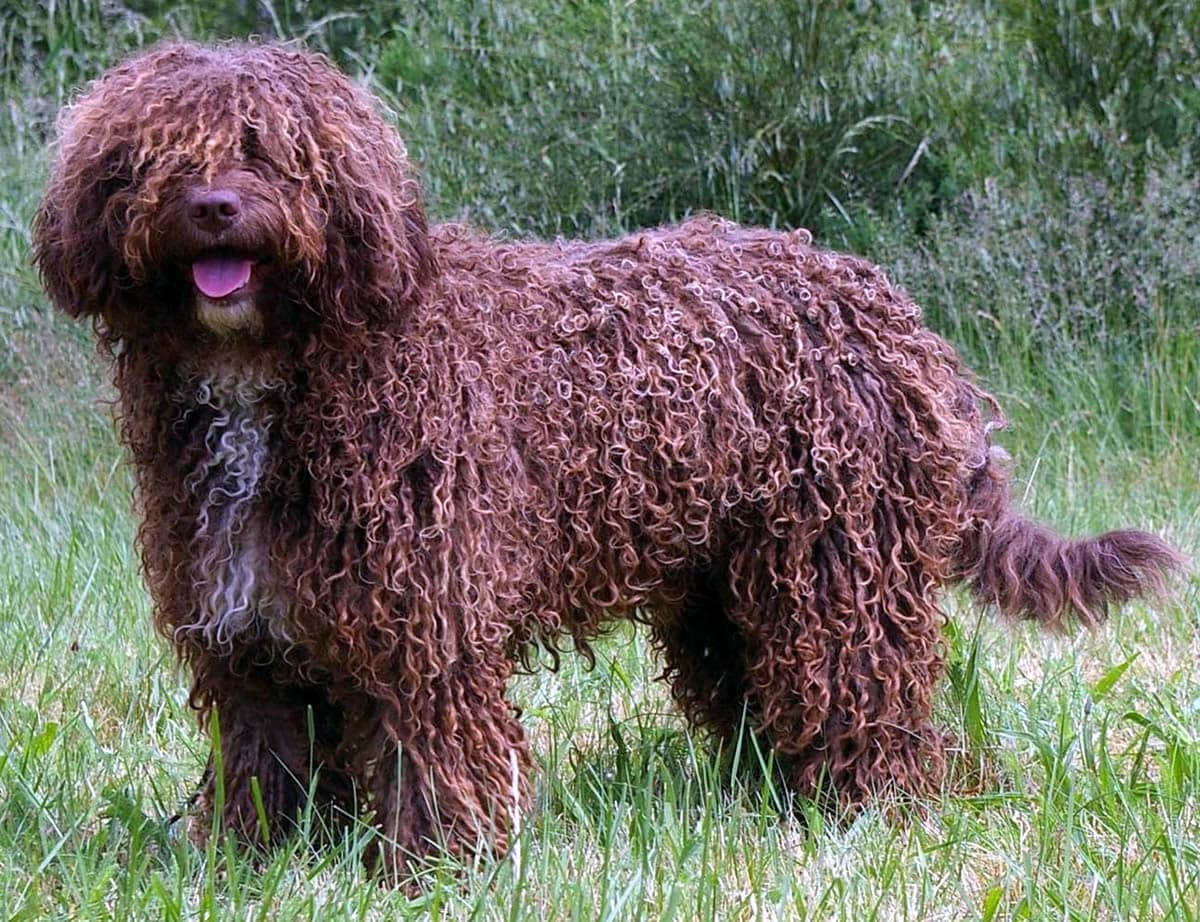
Spanish Water Dog
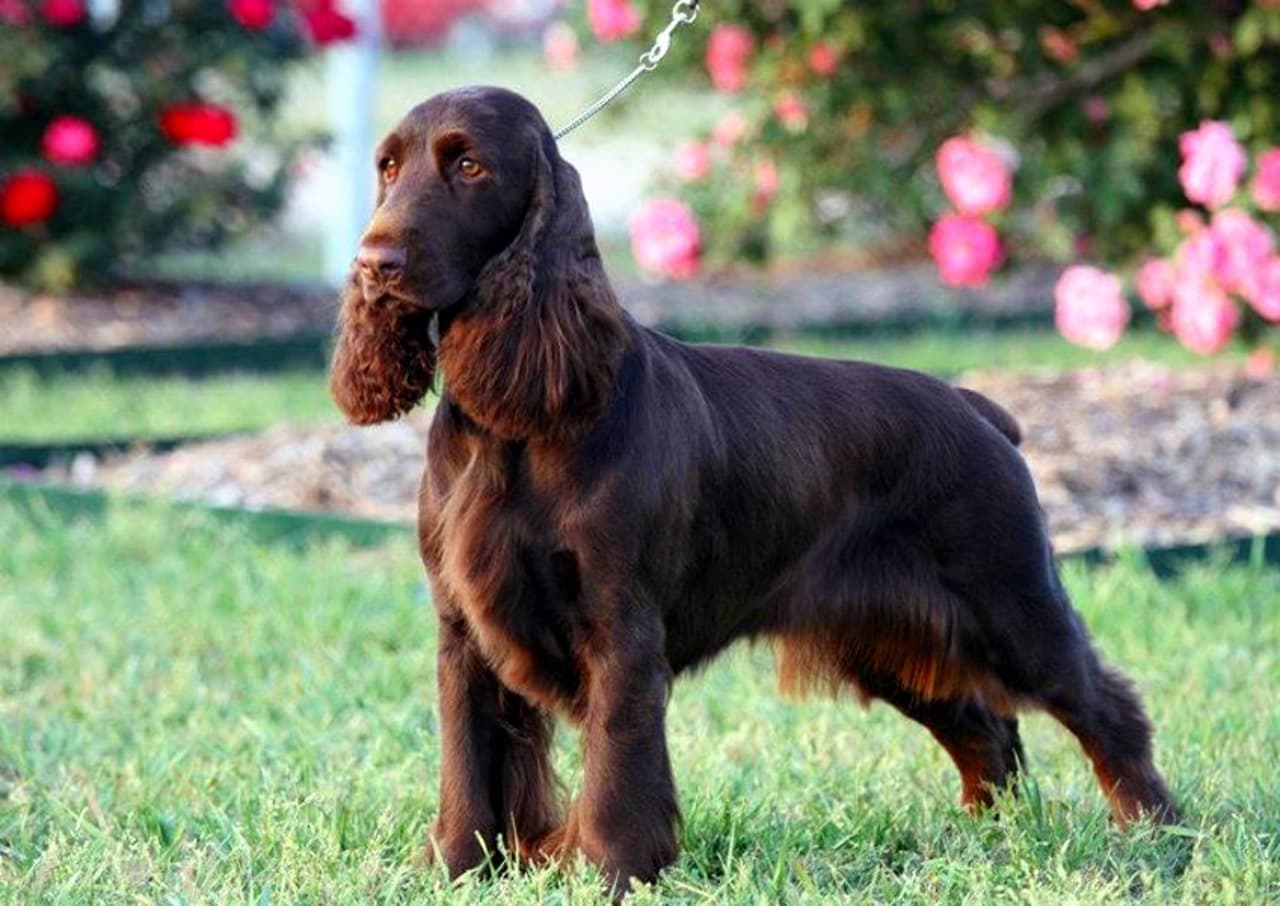
Field Spaniel
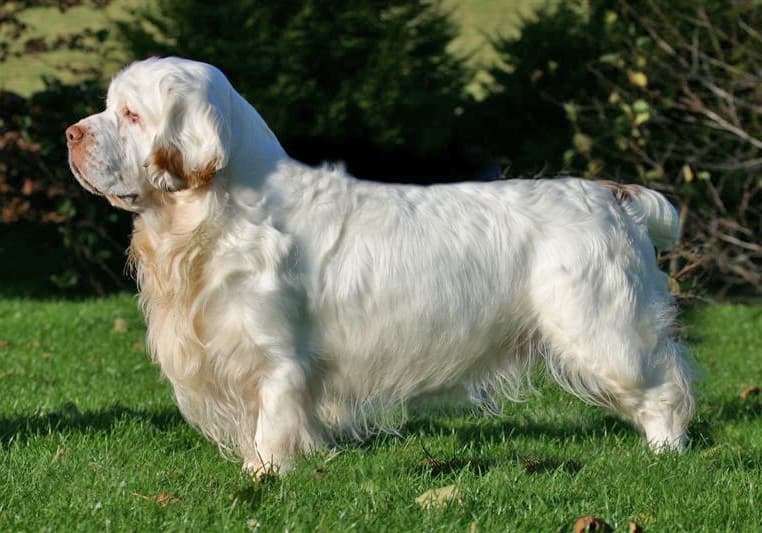
Clumber Spaniel
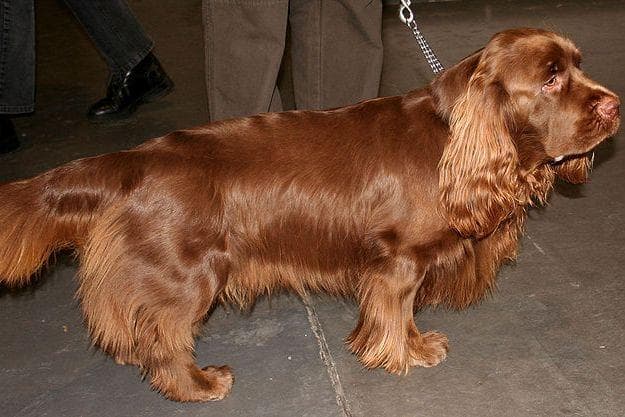
Sussex Spaniel
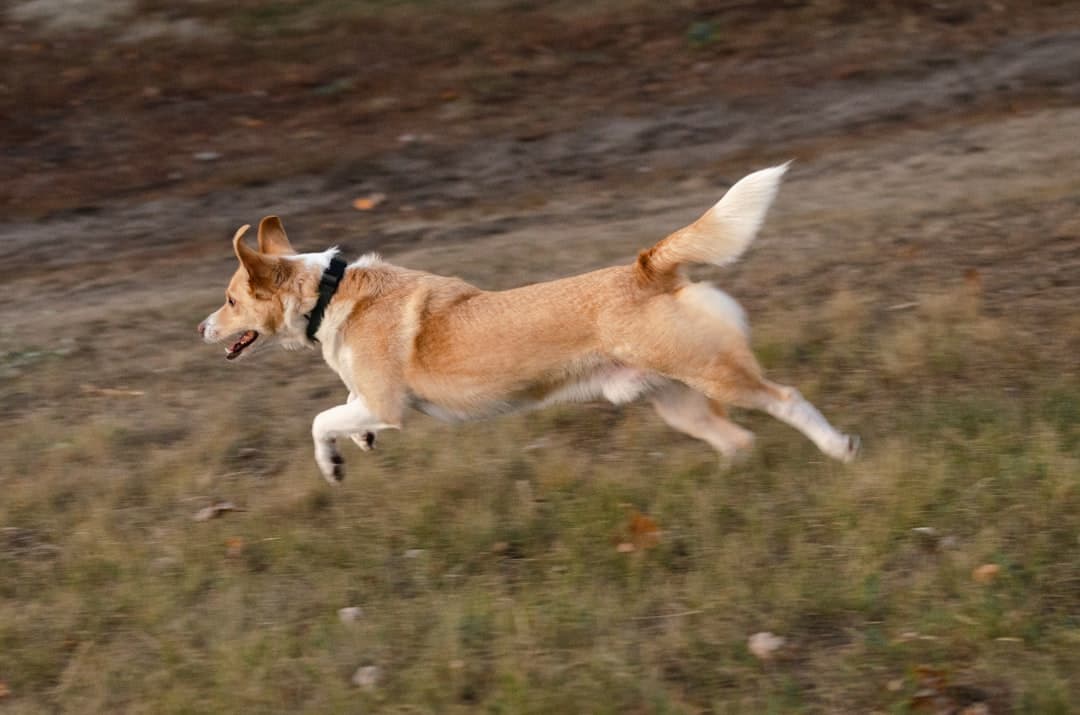
Welsh Springer Spaniel
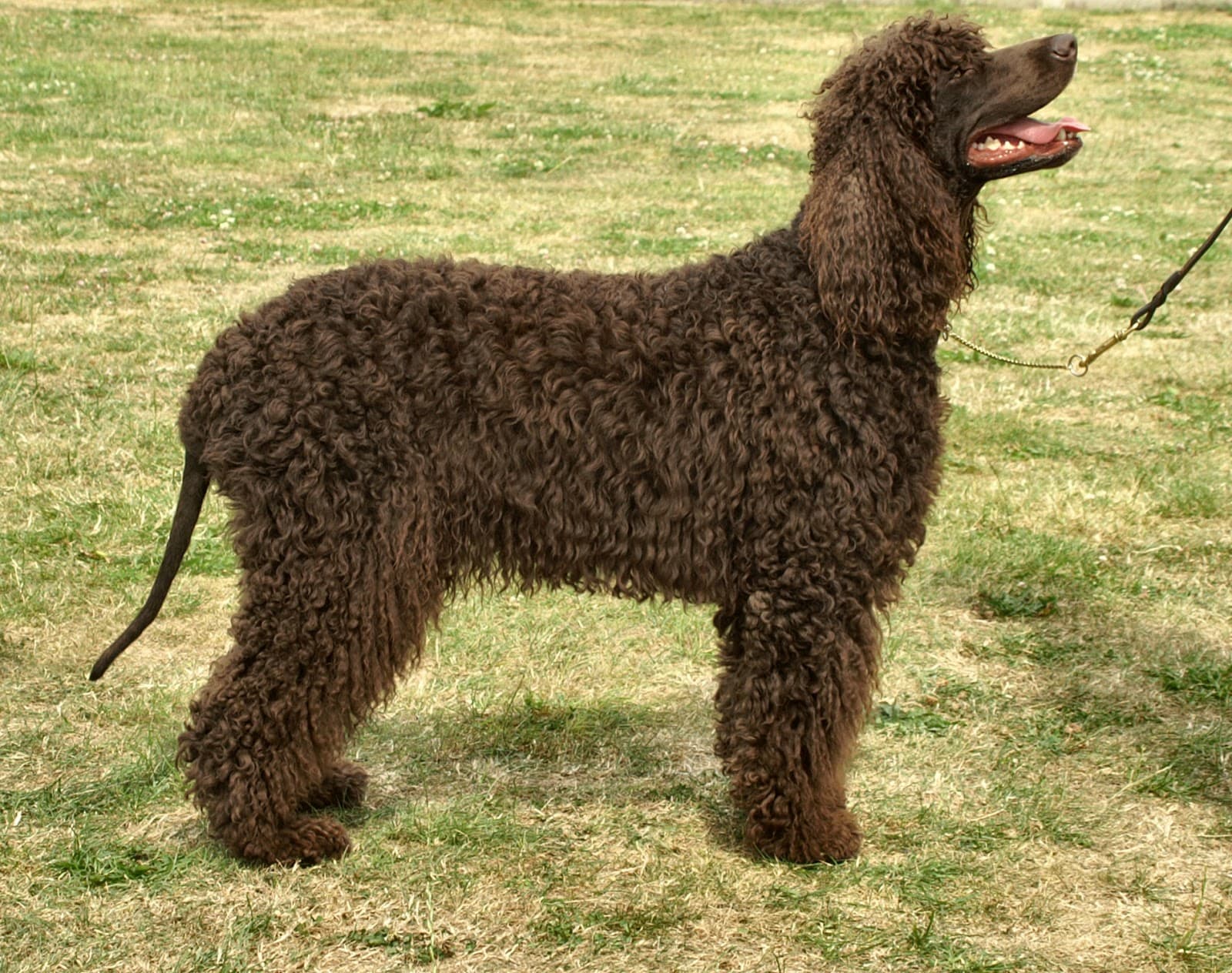
American Water Spaniel
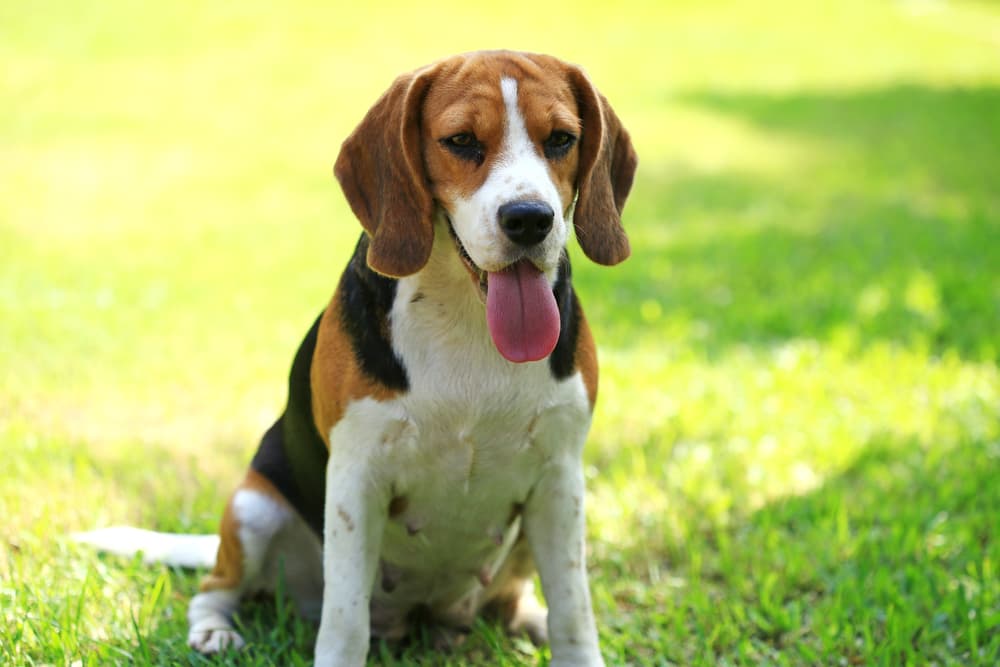
Beagle
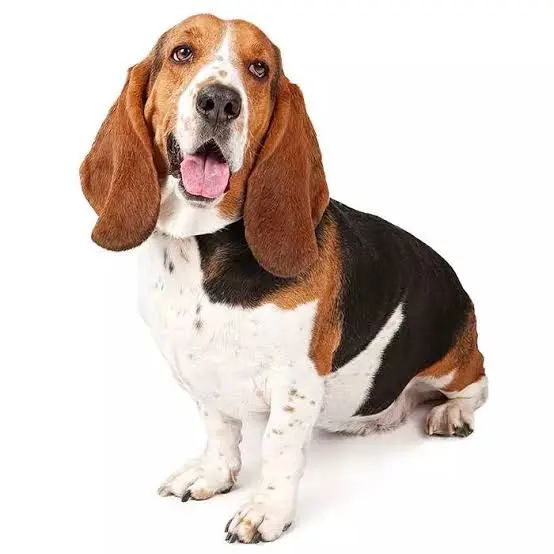
Basset Hound
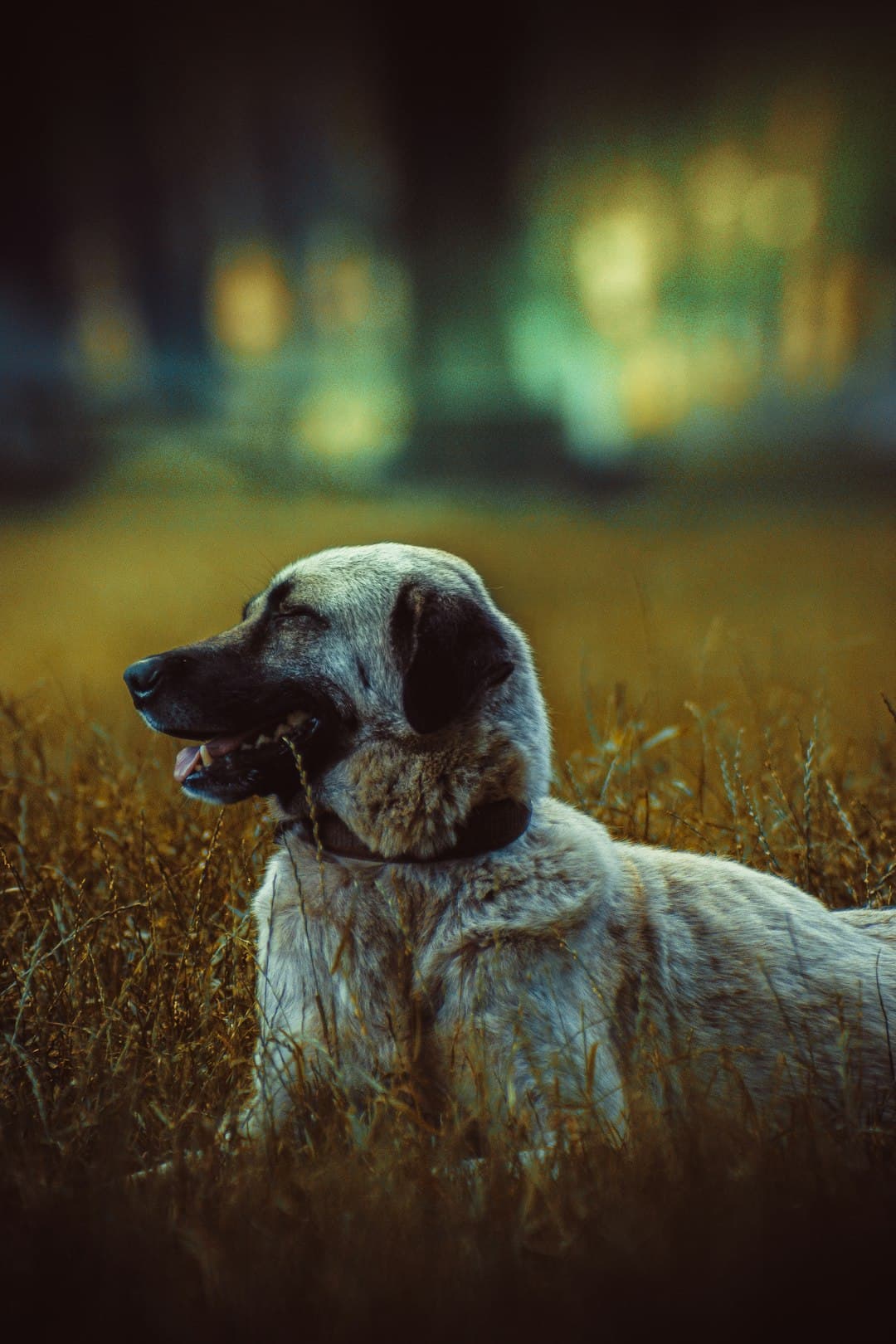
Bloodhound
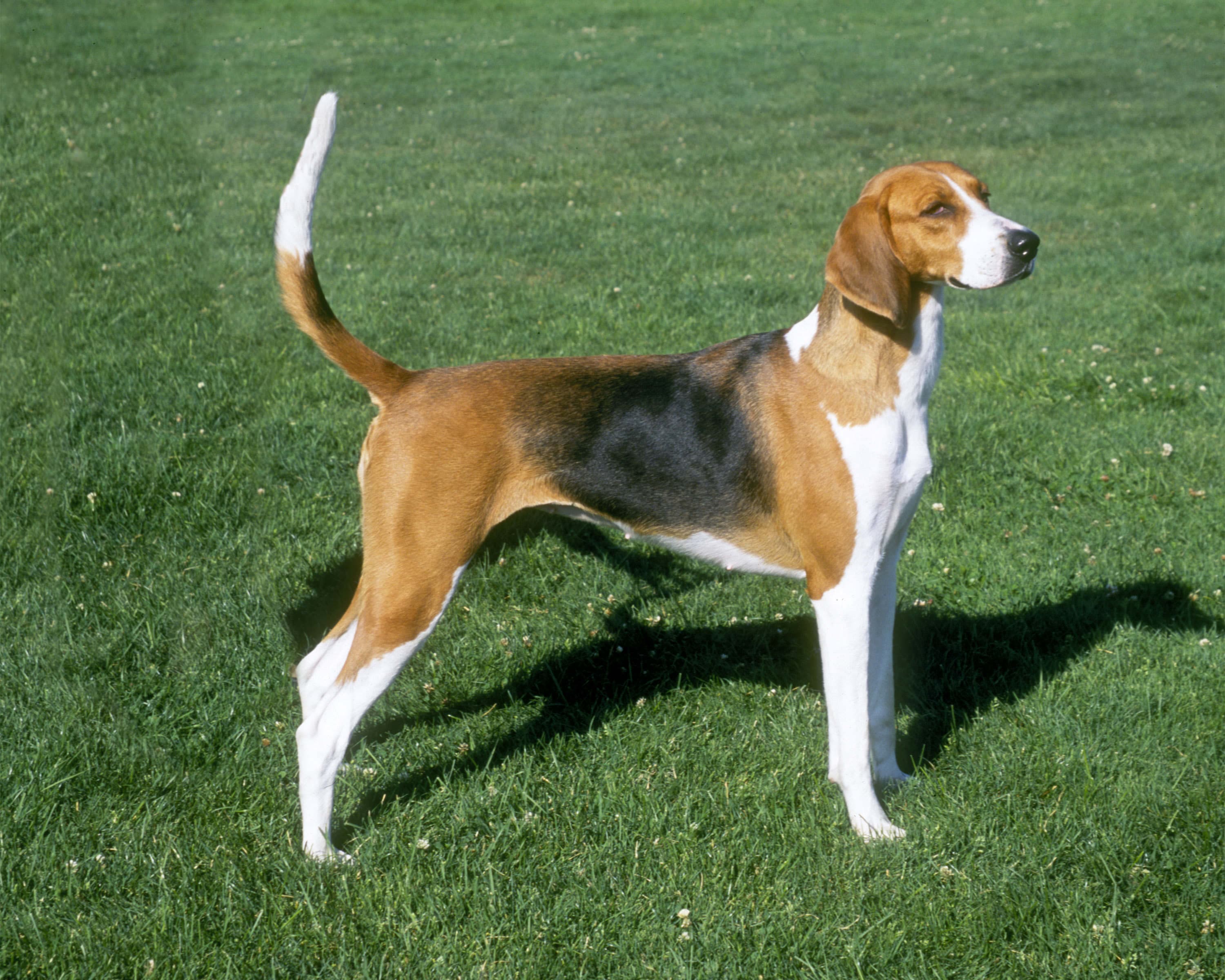
American Foxhound
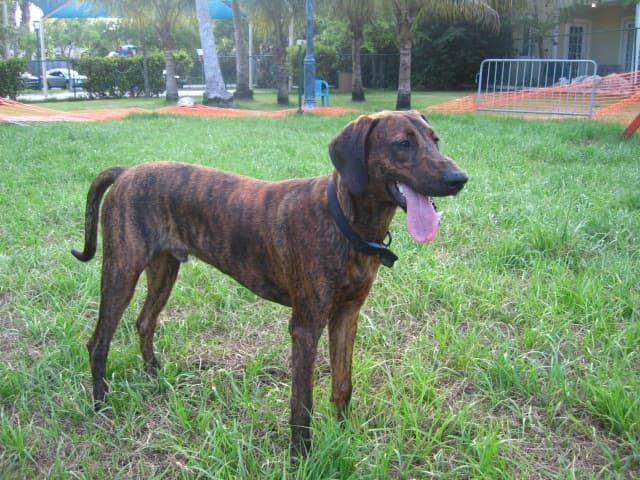
Plott
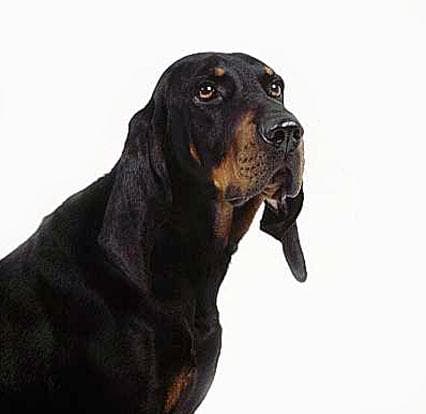
Bluetick Coonhound
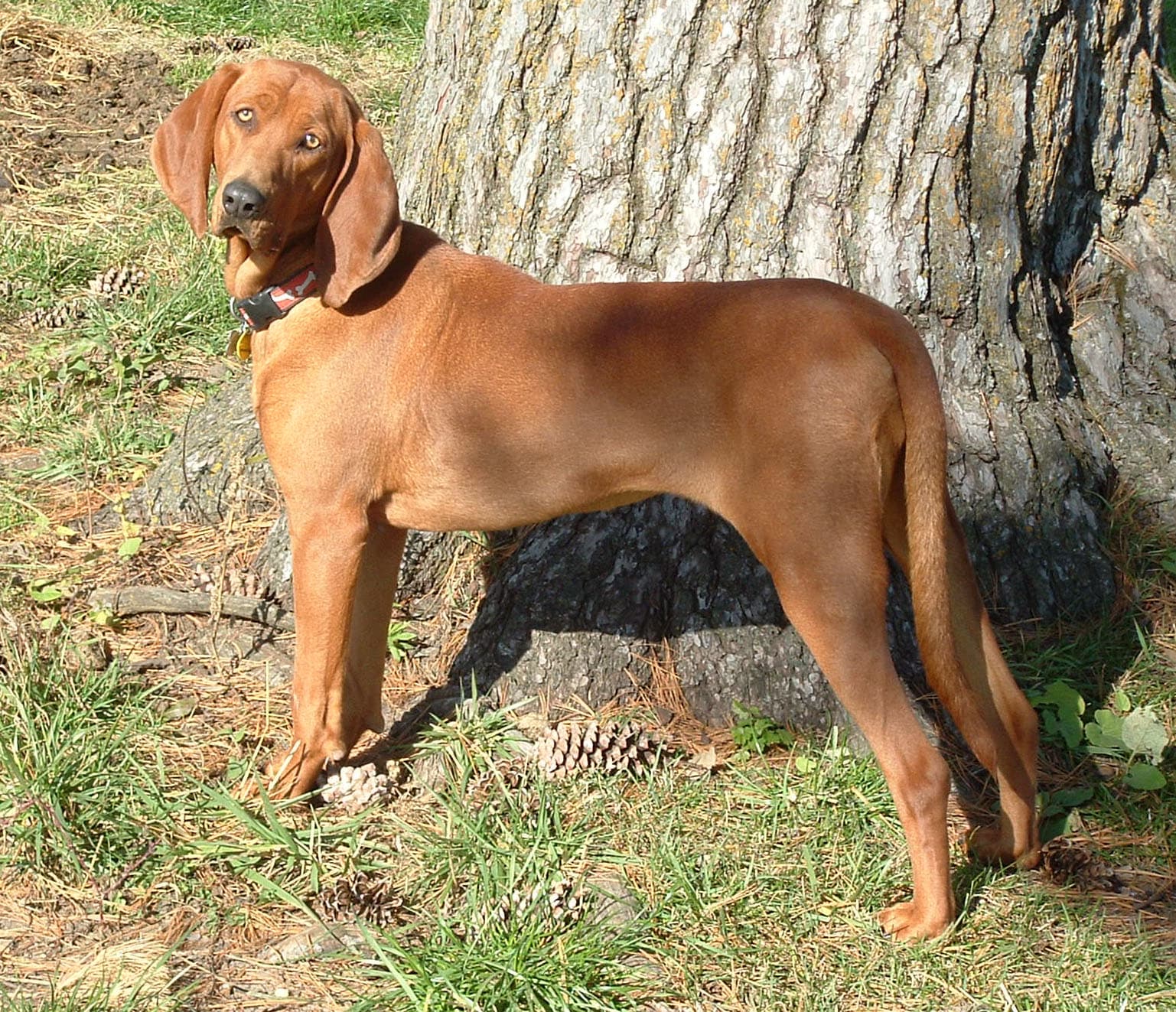
Redbone Coonhound
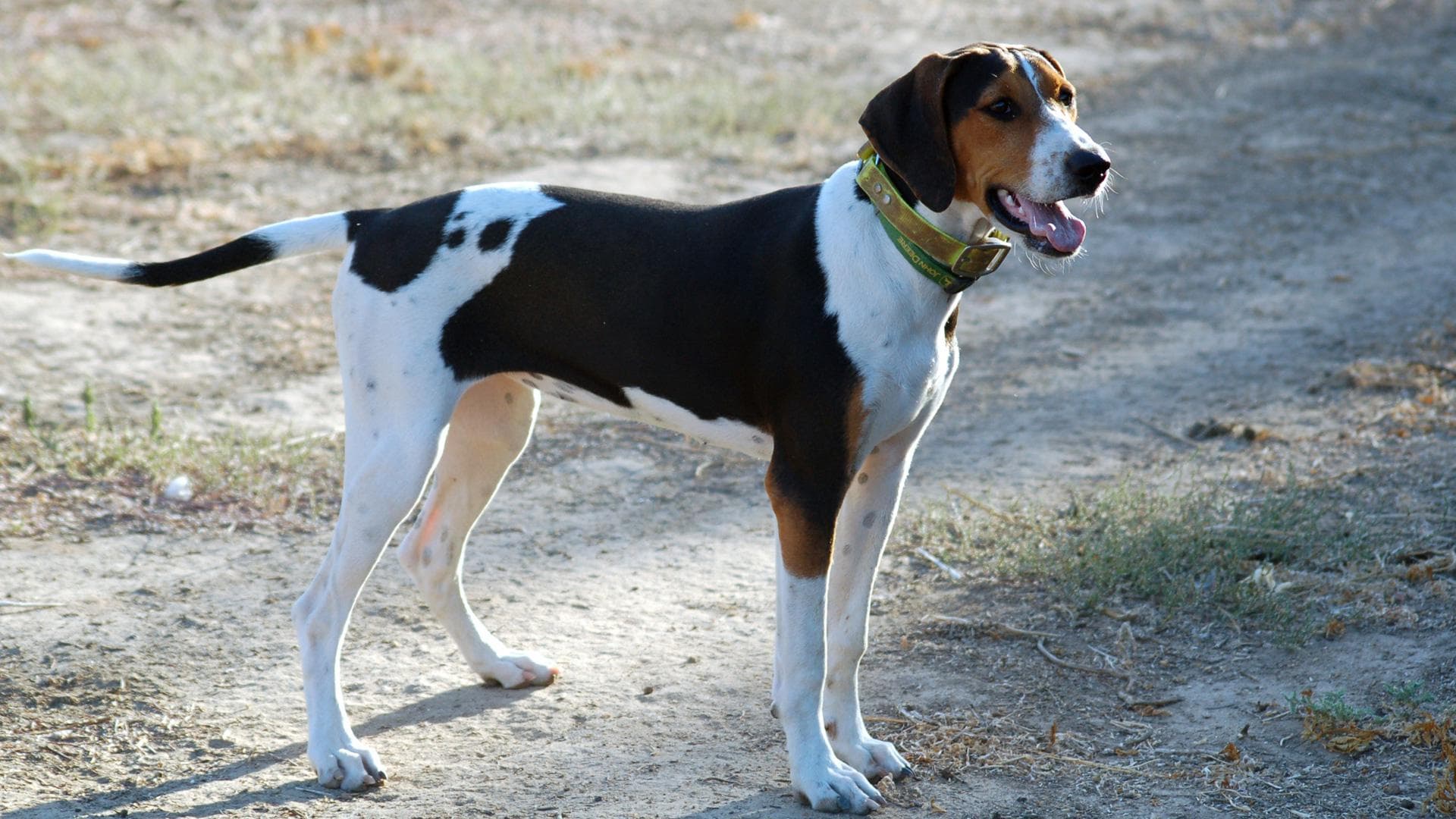
Treeing Walker Coonhound
Black and Tan Coonhound
Coonhound
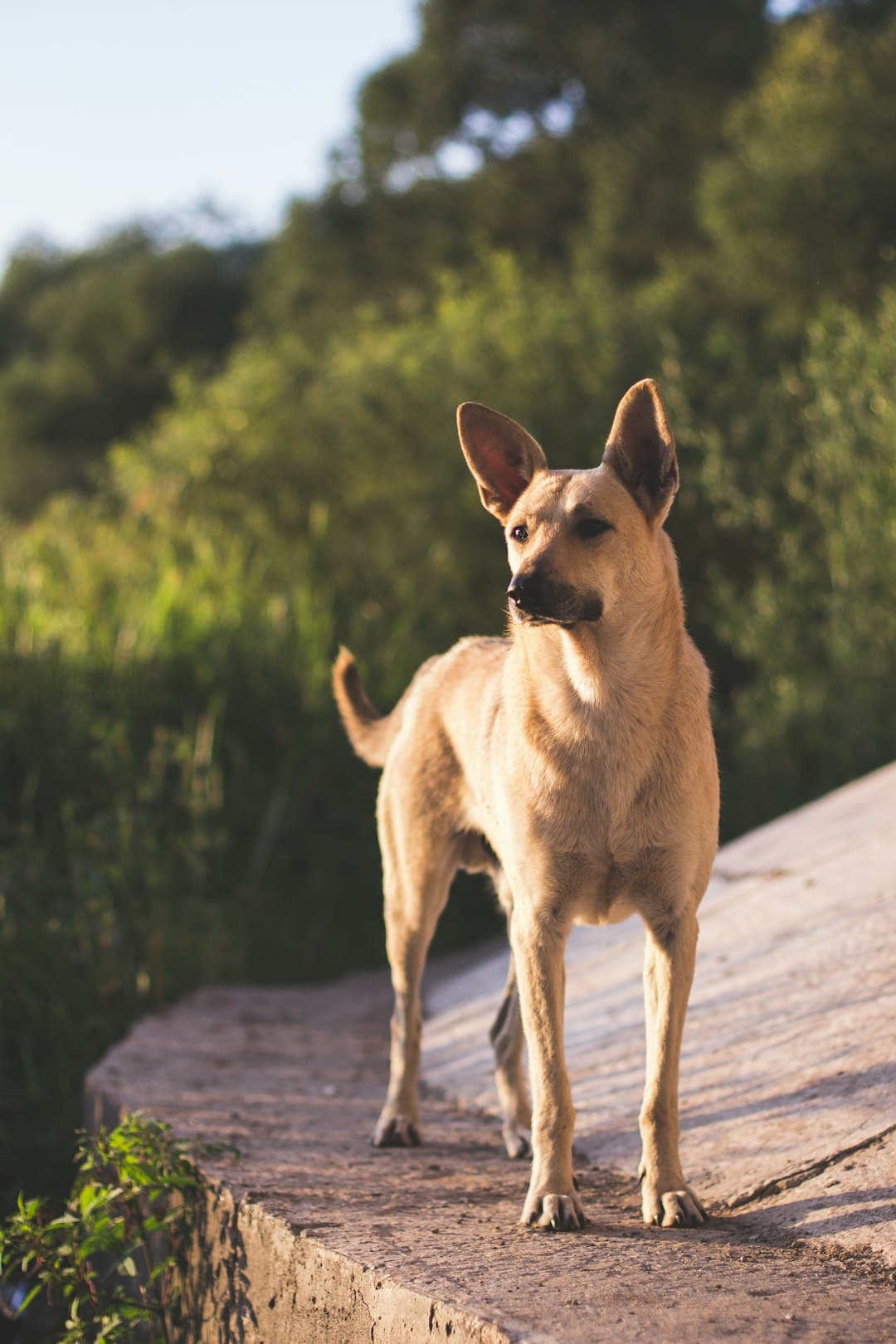
Rhodesian Ridgeback
Frequently asked questions
What are hunting dog breeds?
Hunting dogs were bred to find, flush, point, retrieve, or trail game. Common groups include retrievers, pointers and setters, flushing spaniels, and scent or sight hounds. Many are versatile partners for field sports and active family homes—if their exercise needs are met.
What’s the difference between a gun dog and a hound?
Gun dogs (sporting breeds) typically work with a hunter and firearm—pointing, flushing, or retrieving birds. Hounds follow scent or sight trails, often with more independent, long-distance pursuit. Energy and voice (bay) differ a lot by type.
Are hunting dogs good family pets?
Many are affectionate and trainable, especially retrievers and some spaniels. They still need serious daily exercise and mental work. Under-exercised bird dogs invent their own jobs. Match breed energy to your real schedule, not weekend ambitions alone.
Which hunting dog is best for beginners?
Labs and many Goldens are often recommended for trainability and temperament when you can provide exercise. High-octane pointers, Weimaraners, and coonhounds can overwhelm first-time owners. Read novice-owner scores on each profile and talk with field-oriented breeders or trainers.
Do hunting dogs need to hunt to be happy?
Not always—but they need outlets that mimic the job: retrieves, scent work, long runs, swimming, or structured sports (hunt tests, AKC events, barn hunt for some types). A quiet apartment with short walks is a poor fit for most sporting and hound breeds.
References
This guide summarizes publicly available breed-standard and veterinary education sources. Always consult your veterinarian for individual care.
- [1]Sporting Group — American Kennel Club (AKC)
- [2]Hound Group — American Kennel Club (AKC)
- [3]Dog Breed Groups — American Kennel Club (AKC)
- [4]How to Choose the Right Dog Breed — American Kennel Club (AKC)
- [5]Pet Ownership Resources — American Veterinary Medical Association (AVMA)
- [6]General Dog Care — ASPCA