PawPedia breed guide
Smartest dog breeds
Brilliant, trainable companions—what canine “intelligence” really means, which breeds top working/obedience lists, and how to keep a sharp mind happy.
38 breeds · Updated 2026-08-15
Searching for the smartest dog breeds usually means you want a dog that learns fast, thrives in training, and stays engaged with people. This guide lists 38 breeds often cited for strong working and obedience intelligence—ordered as a practical shortlist, not a lab ranking you can sue over.
Intelligence is multi-sided. A scent hound may ignore a recall while solving a trail; a livestock dog may outthink you at the door. Read AKC’s overview of dog intelligence, then match energy on each profile—or take the breed match quiz.
A practical top 10 to start with
These ten dominate most “most intelligent dogs” conversations. Open any card below for full guides:
- Border Collie — medium, energy 5/5
- Poodle (Standard) — large, energy 4/5
- German Shepherd — large, energy 5/5
- Golden Retriever — large, energy 4/5
- Doberman Pinscher — large, energy 4/5
- Shetland Sheepdog — small, energy 4/5
- Labrador Retriever — large, energy 5/5
- Papillon — small, energy 4/5
- Rottweiler — large, energy 4/5
- Australian Cattle Dog — medium, energy 5/5
Border Collies and Cattle Dogs bring intense drive; Poodles and Labs often channel smarts into more household-friendly jobs. Choose the workload you can deliver.
Kinds of canine intelligence
Working & obedience smarts. How quickly a dog learns cues and how reliably it performs them—what most viral “smartest breed” charts emphasize.
Instinctive intelligence. The job the breed was built for: herding eye, retrieving soft mouths, scent discrimination, guarding. A “stubborn” dog may be prioritizing that job over your cue.
Adaptive intelligence. Solving new problems— opening gates, reading routines, inventing games. Smart adaptive dogs need enrichment or they rewrite your house rules.
Living with a highly trainable dog
Plan daily training snacks, puzzle feeders, sports, or service foundations—not only long walks. Mental fatigue often calms a sharp dog more than another mile of mindless jogging.
Consistency matters: smart dogs spot loopholes. Everyone in the home should use the same rules for furniture, doors, and begging. Early classes pay off for Labs, Goldens, Poodles, and herders alike.
Many of the brightest breeds sit in the herding group—read those energy notes carefully before you commit.
How to choose (beyond the IQ list)
Match size, coat, and alone-time tolerance first. Then compare two favorites in Compare. Families may cross-check best family dogs; trend watchers can peek at popular breeds.
Still undecided? Take the match quiz, play guess the breed, or browse all breeds A–Z.
Intelligent breed profiles
Browse 38 profiles. Open any breed for temperament, care, and lifestyle scores.

Border Collie

Poodle (Standard)
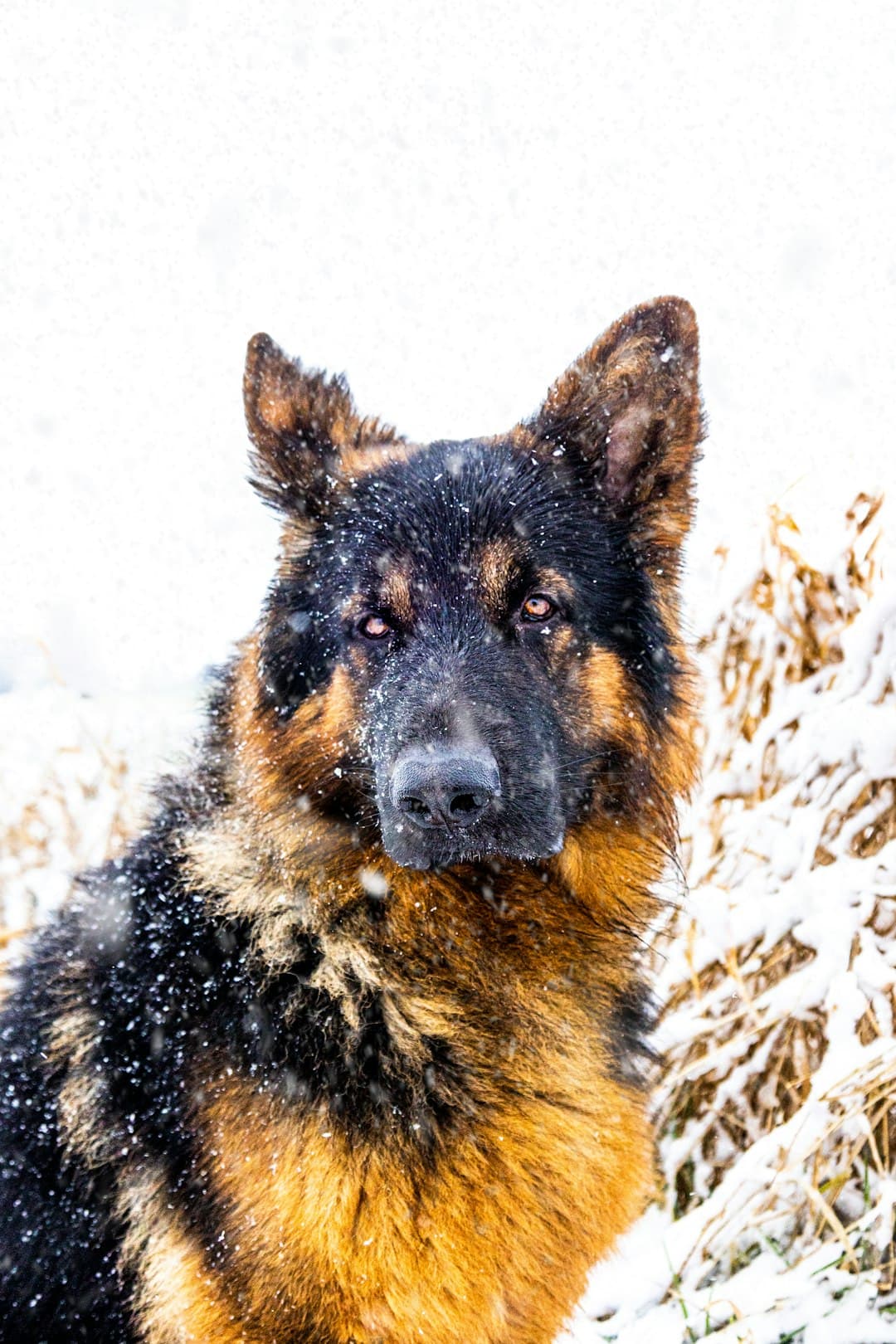
German Shepherd

Golden Retriever
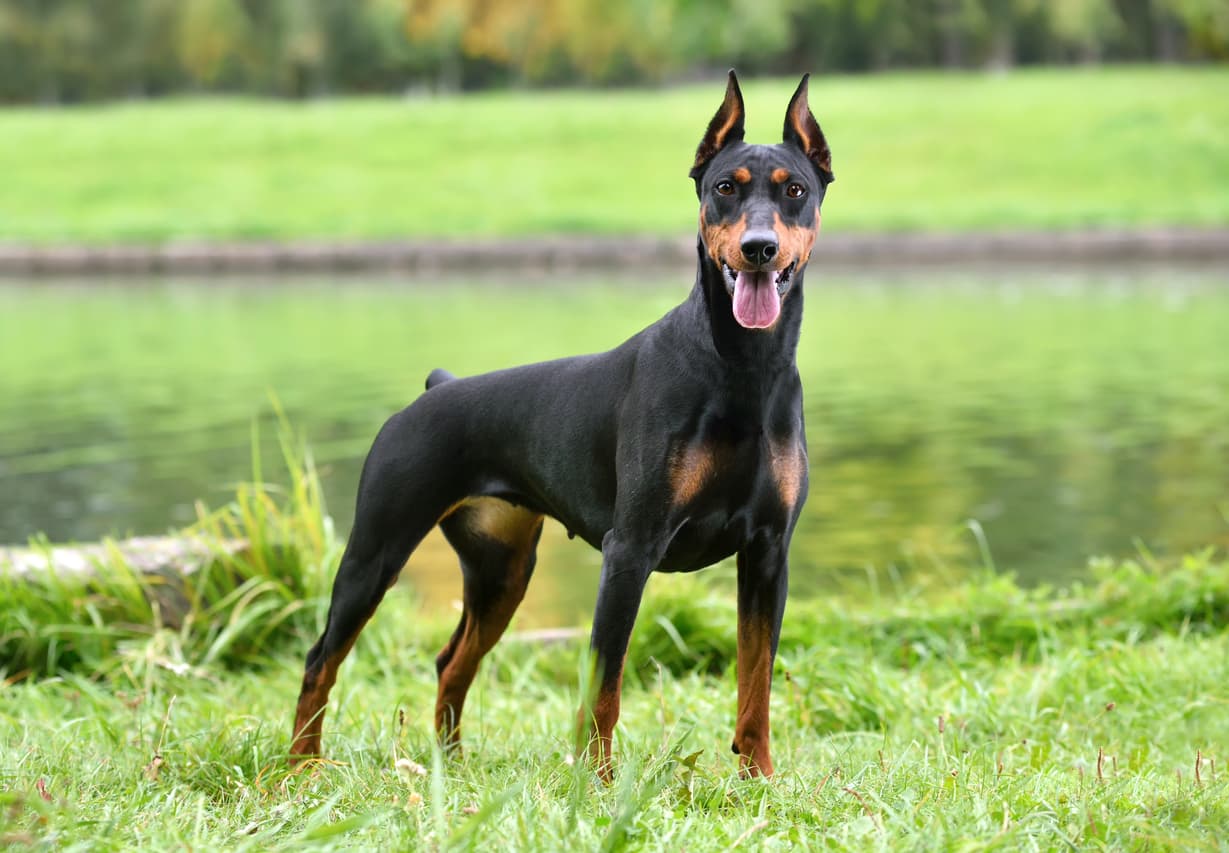
Doberman Pinscher
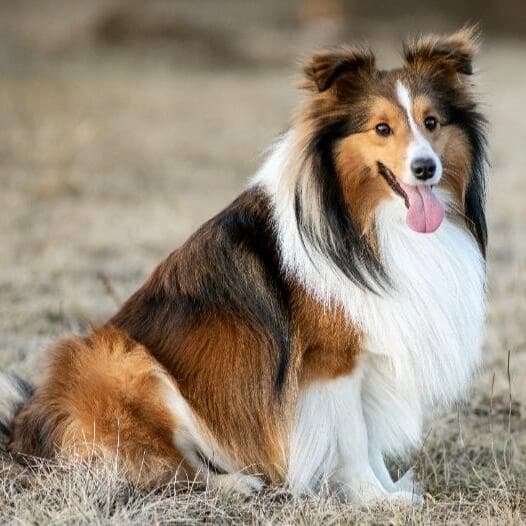
Shetland Sheepdog
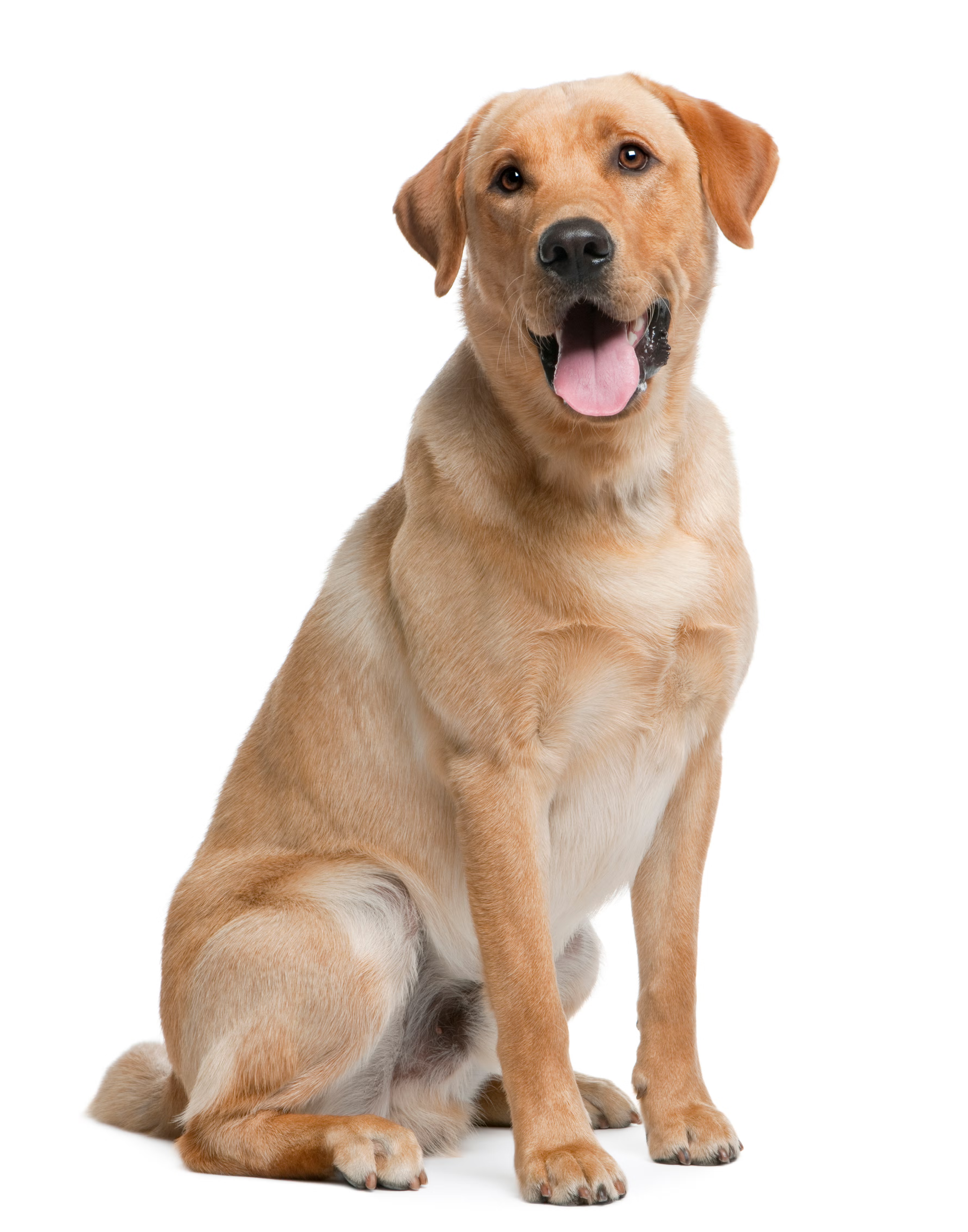
Labrador Retriever
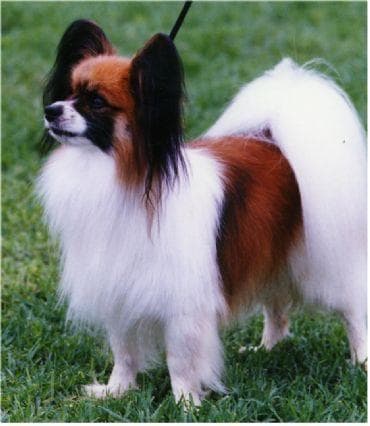
Papillon
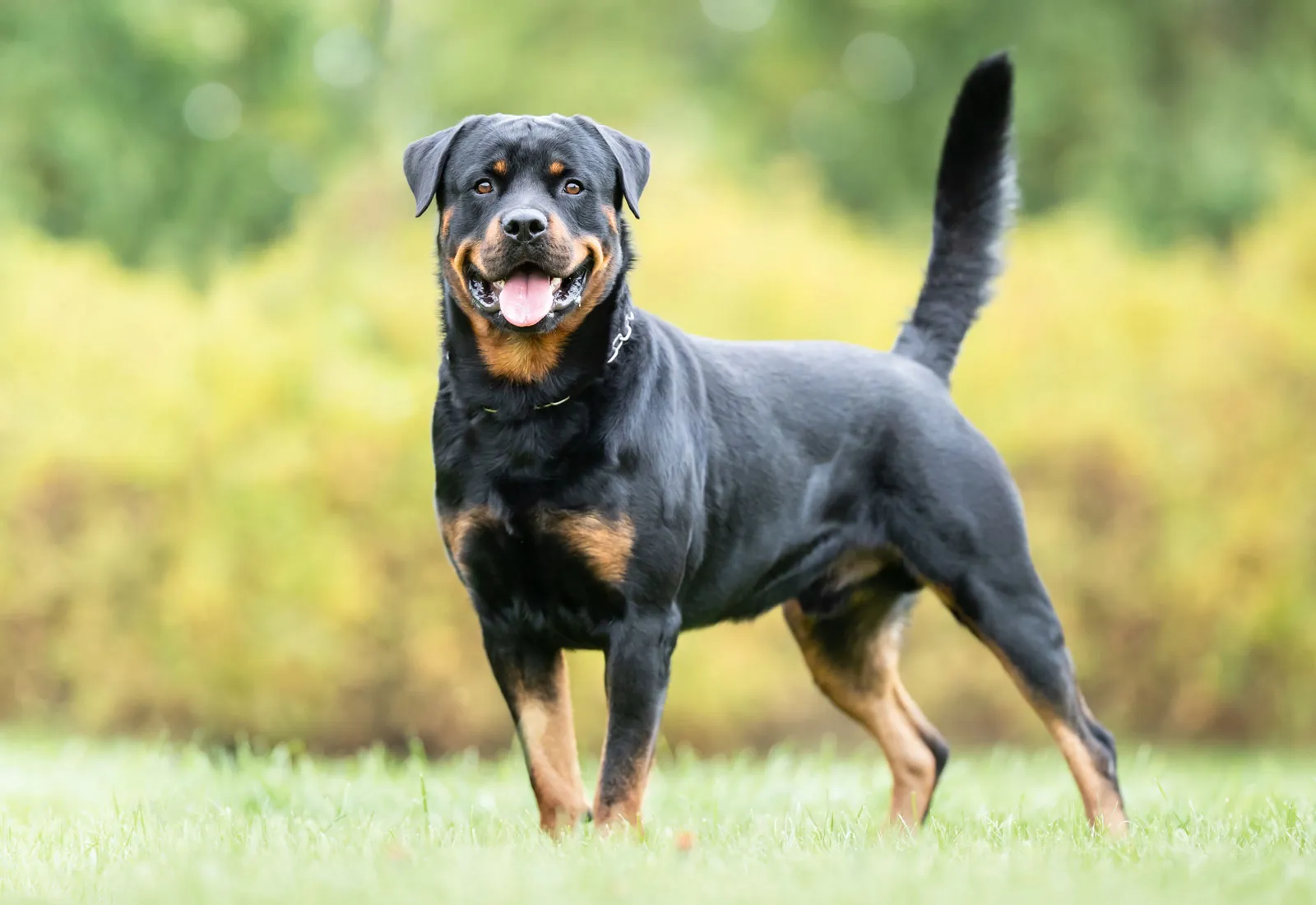
Rottweiler
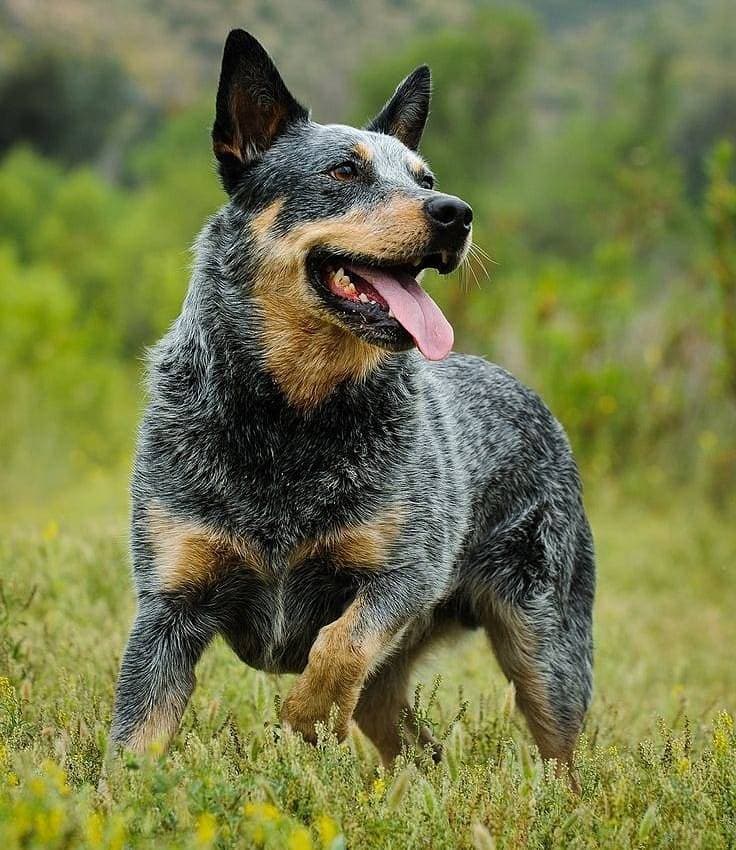
Australian Cattle Dog
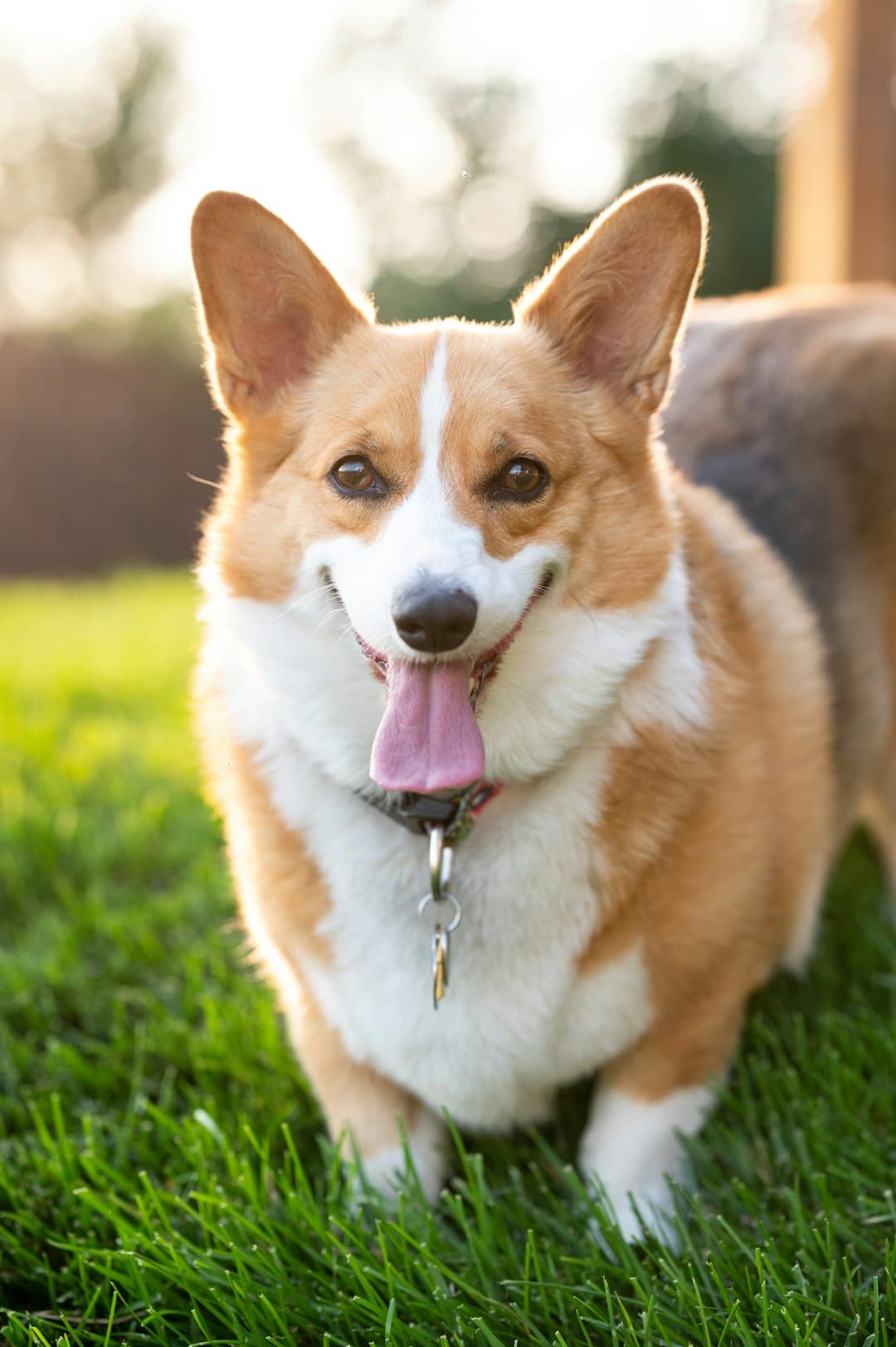
Pembroke Welsh Corgi

Miniature Schnauzer

English Springer Spaniel
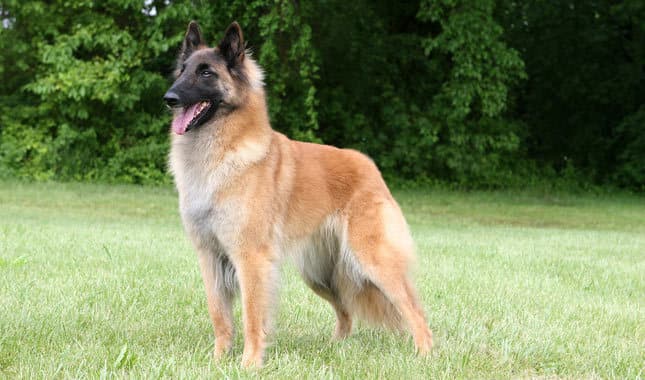
Belgian Tervuren
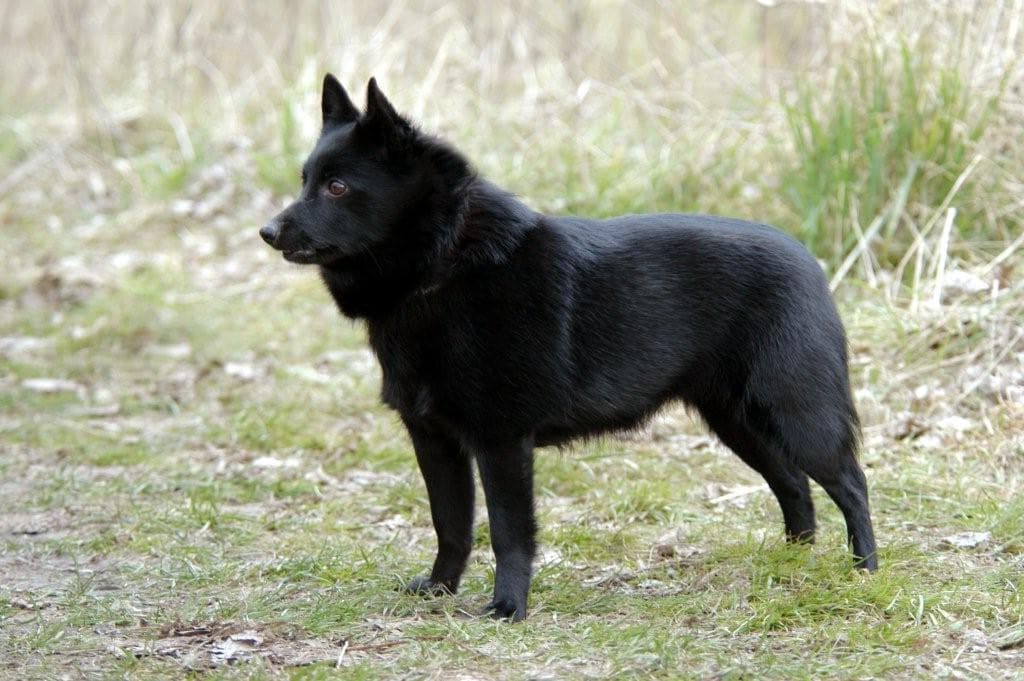
Schipperke
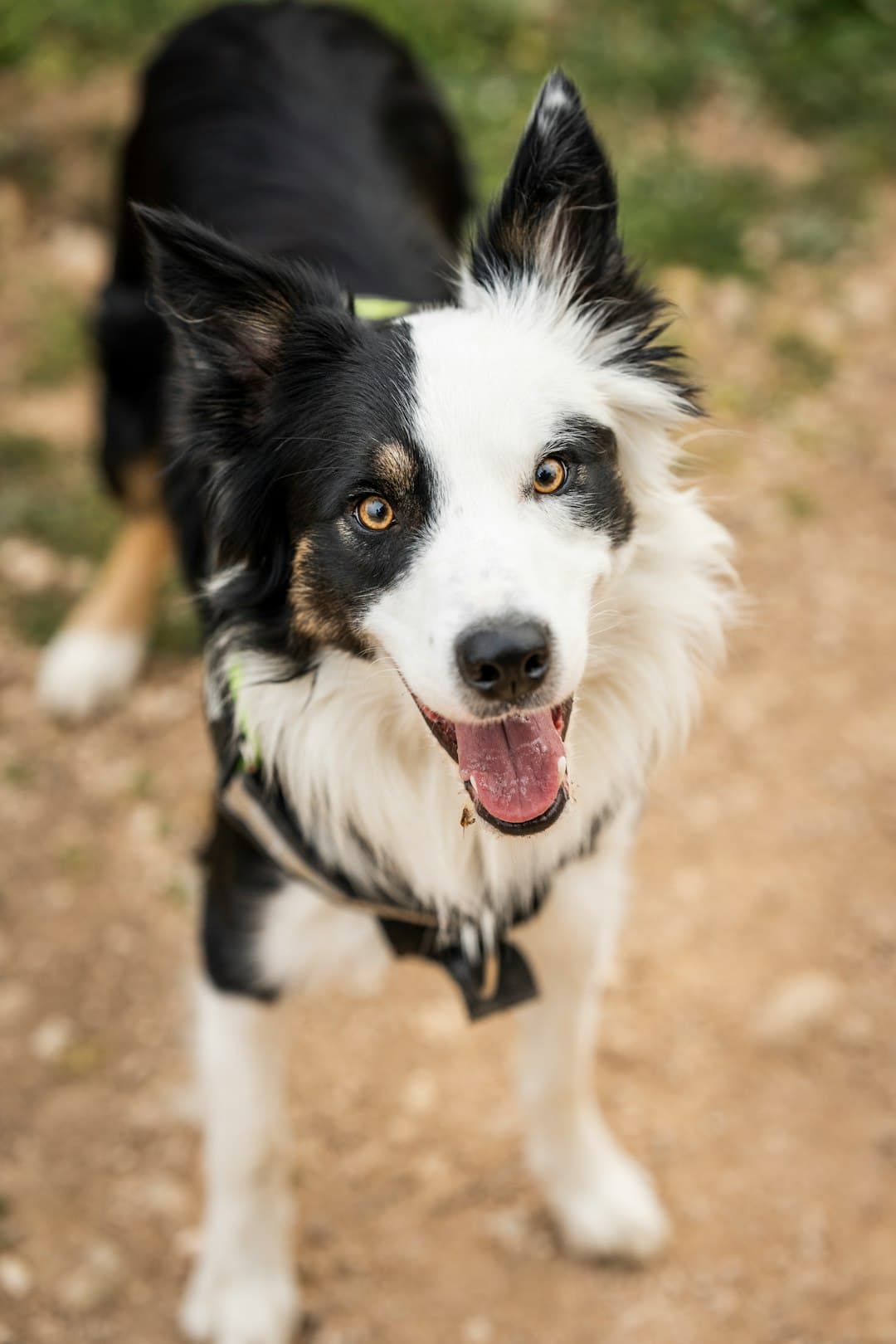
Collie
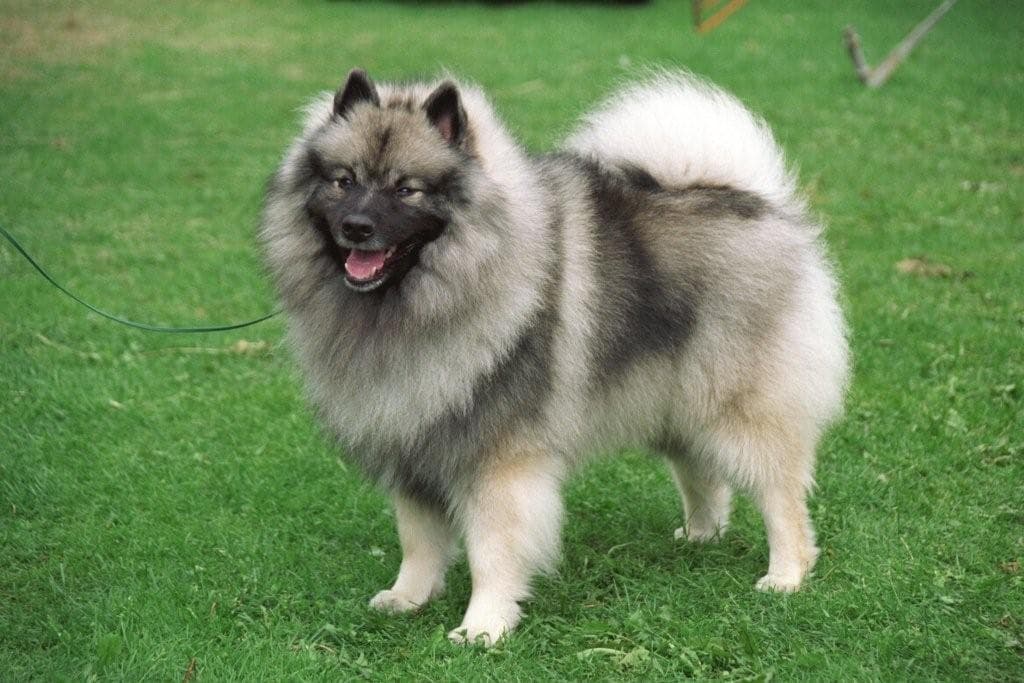
Keeshond

German Shorthaired Pointer

Flat Coated Retriever

English Cocker Spaniel
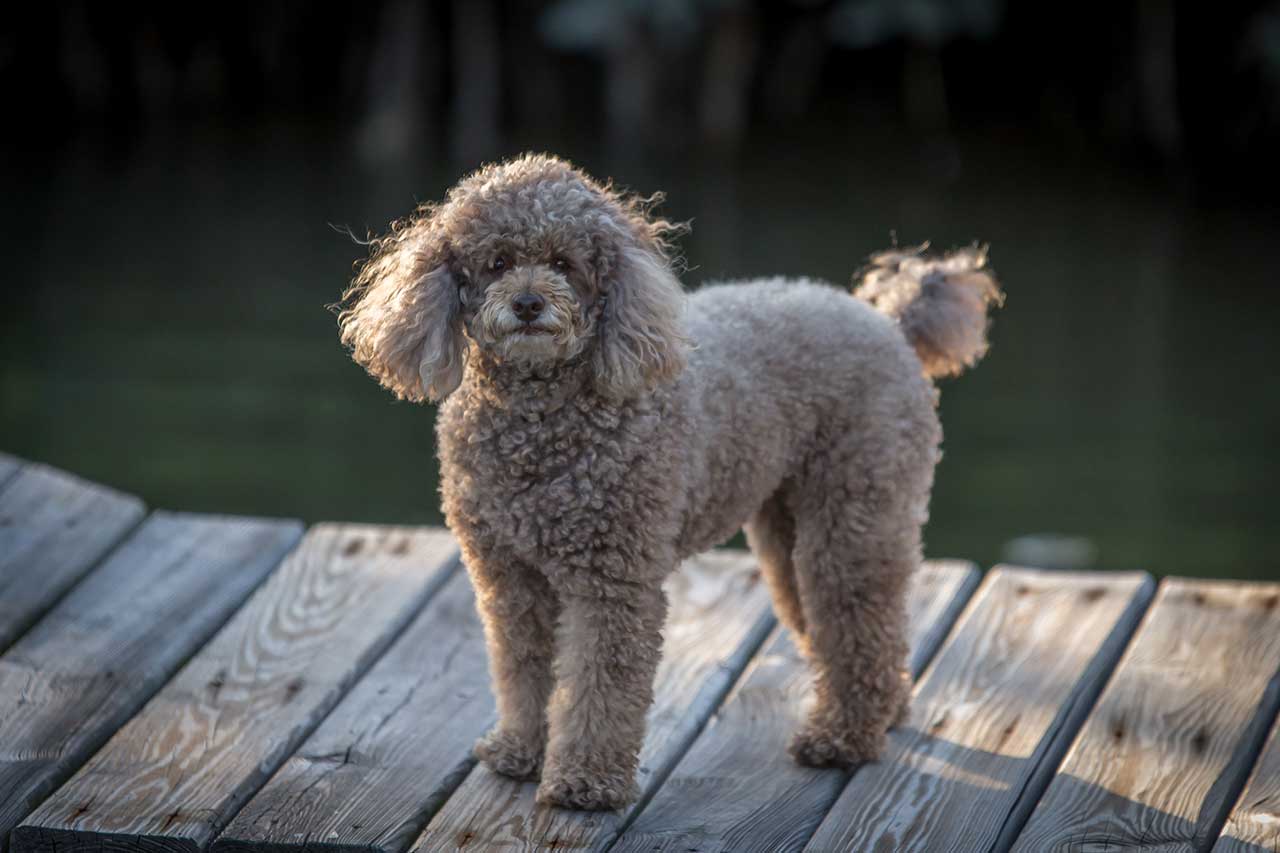
Poodle (Miniature)
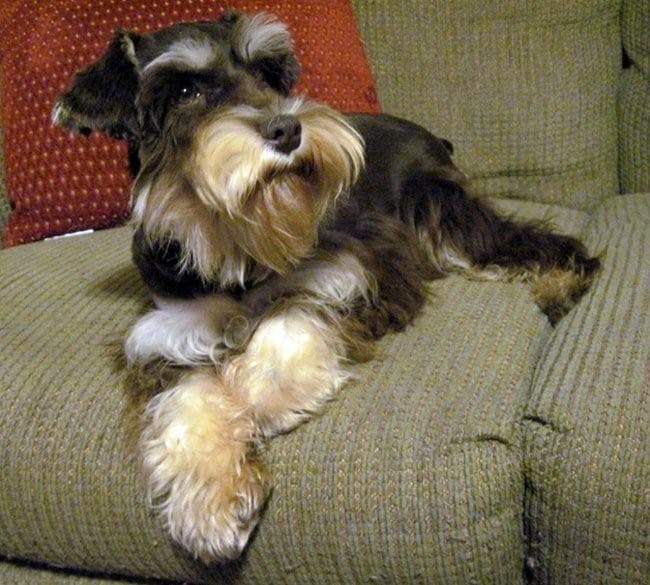
Standard Schnauzer
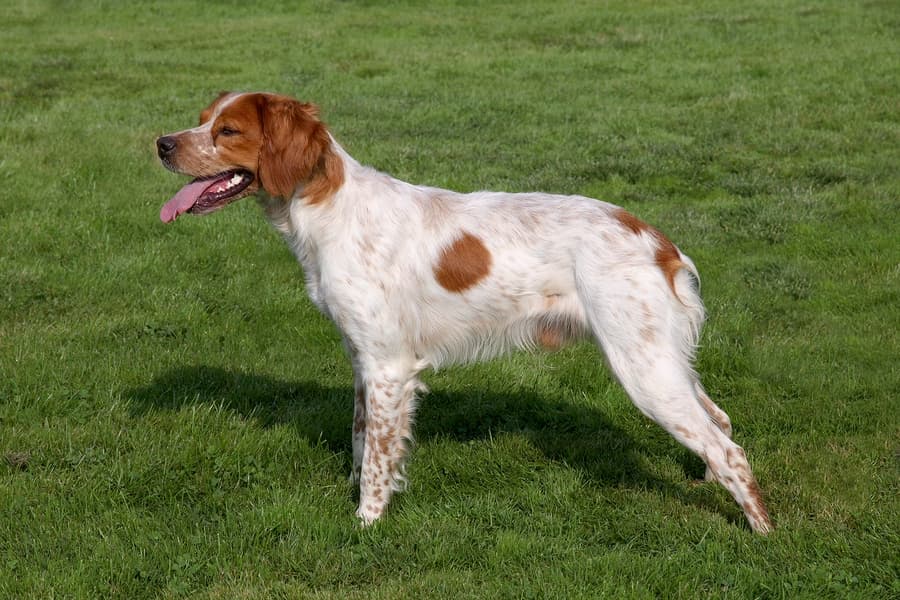
Brittany

Cocker Spaniel

Weimaraner
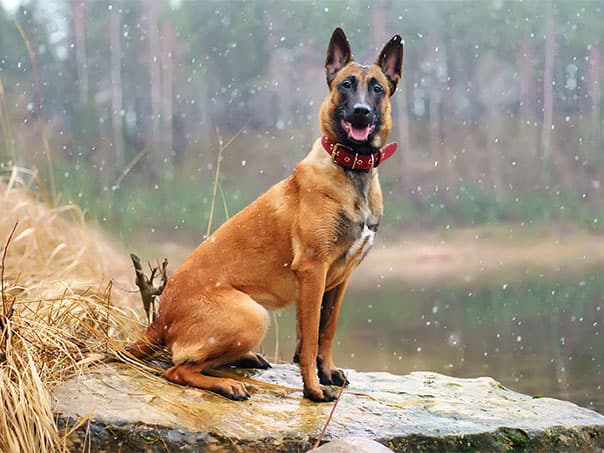
Belgian Malinois
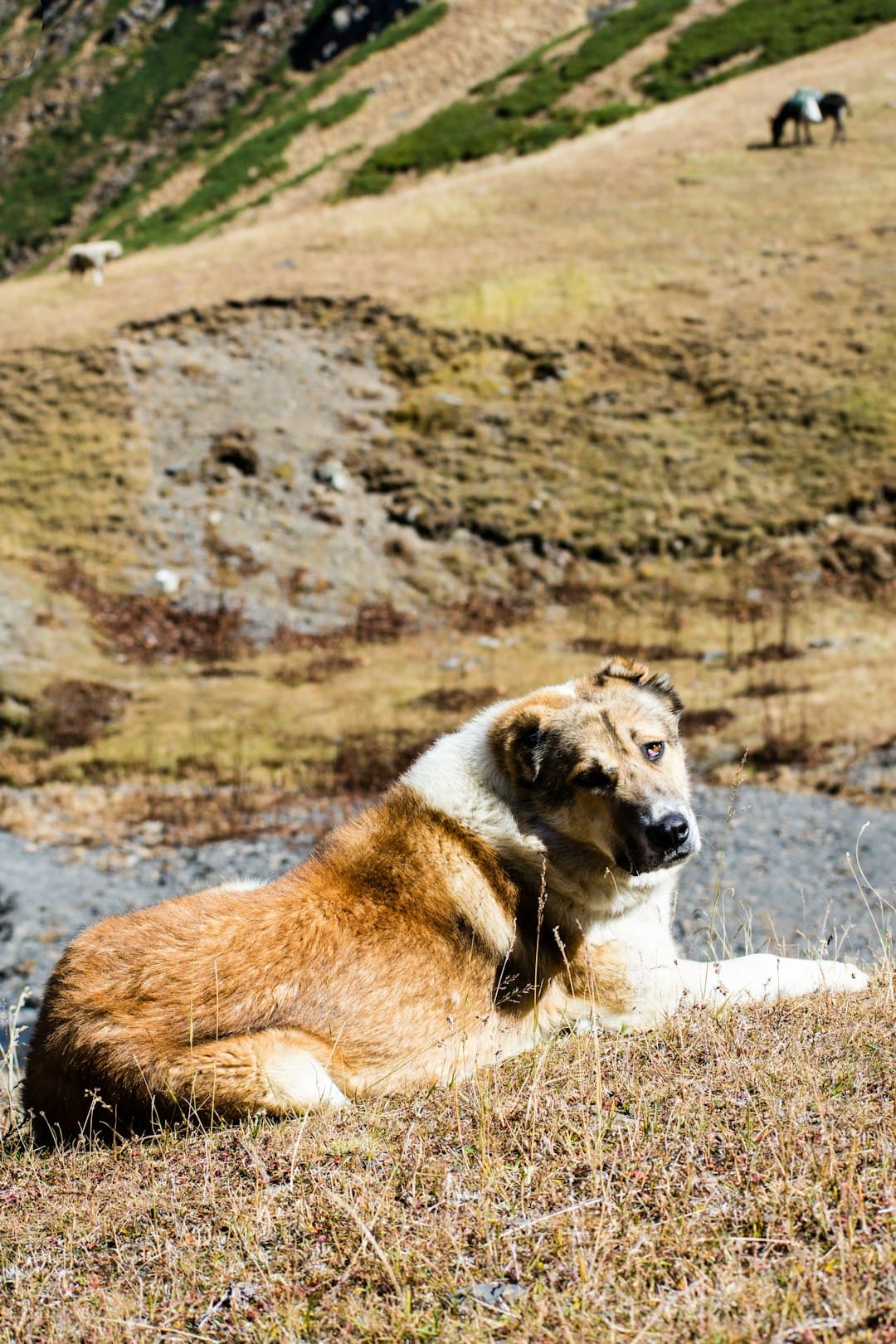
Bernese Mountain Dog
Poodle
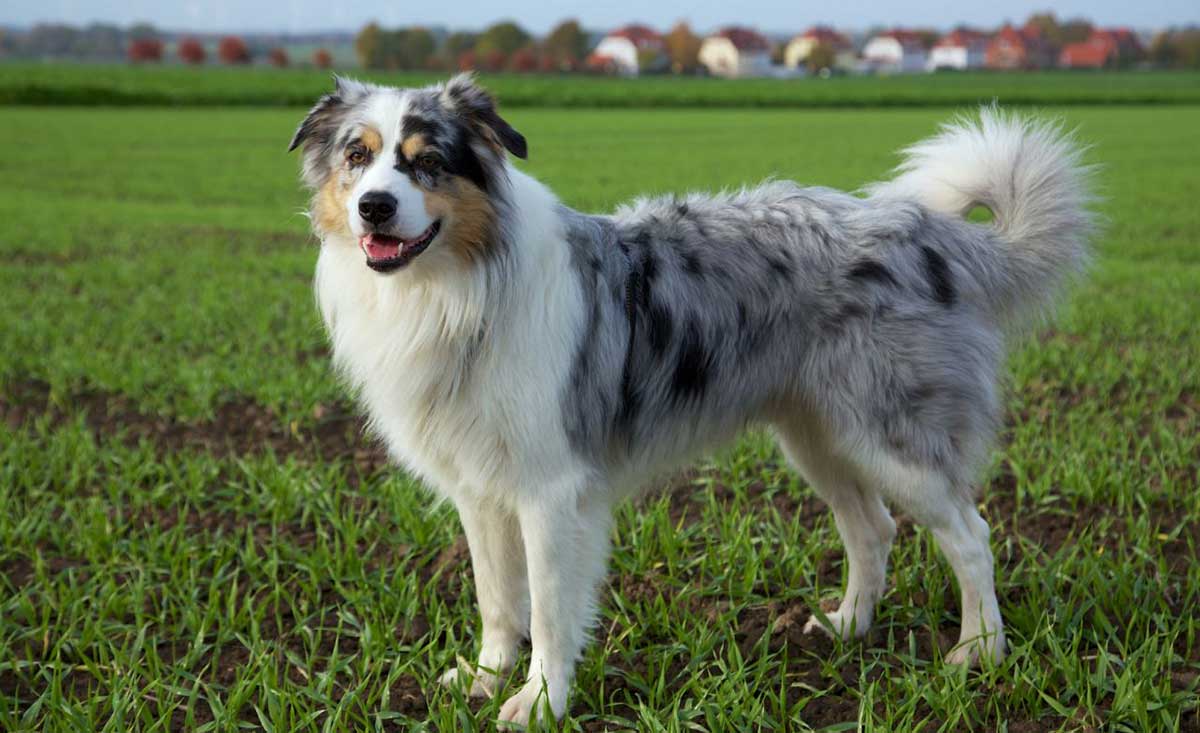
Australian Shepherd
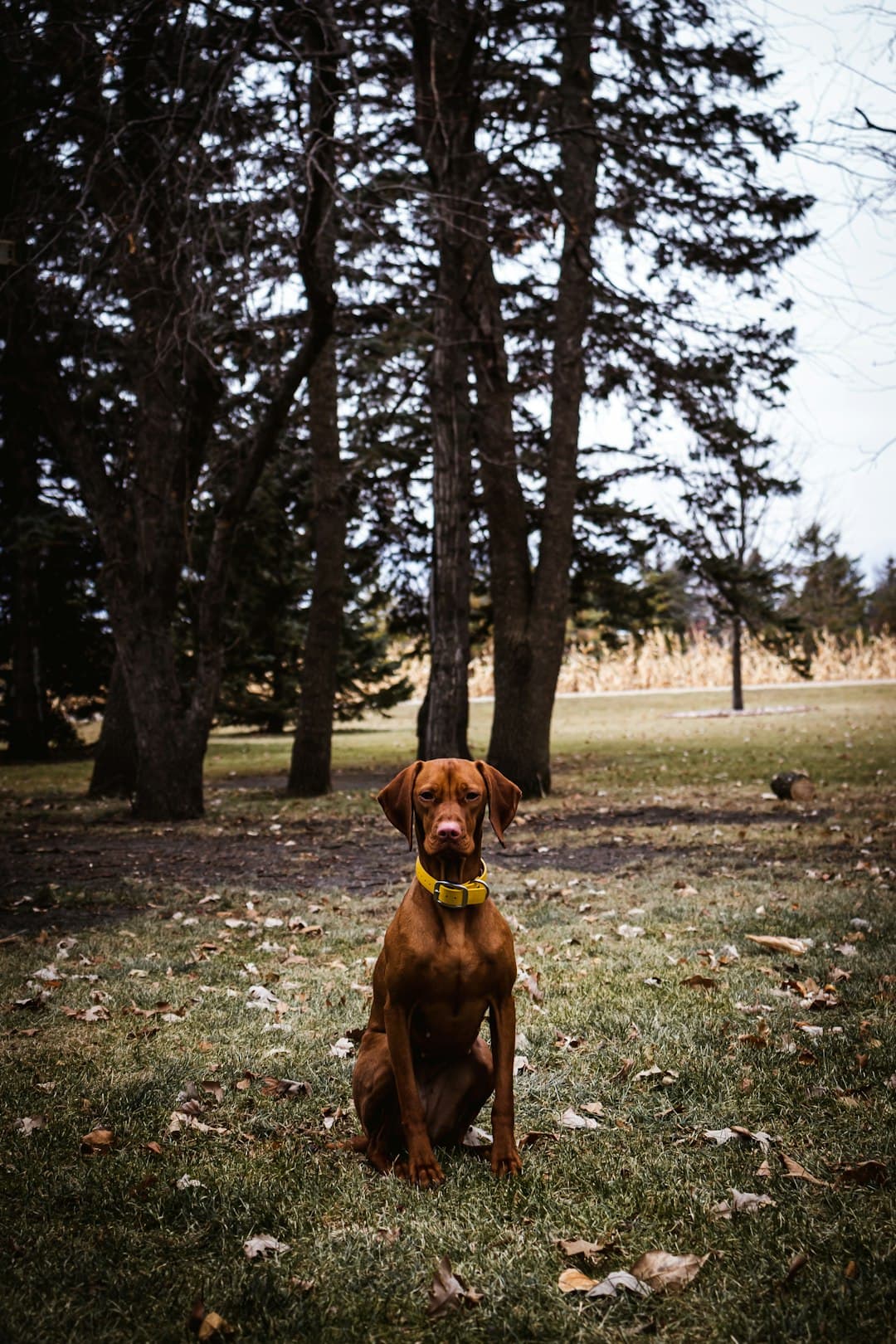
Vizsla
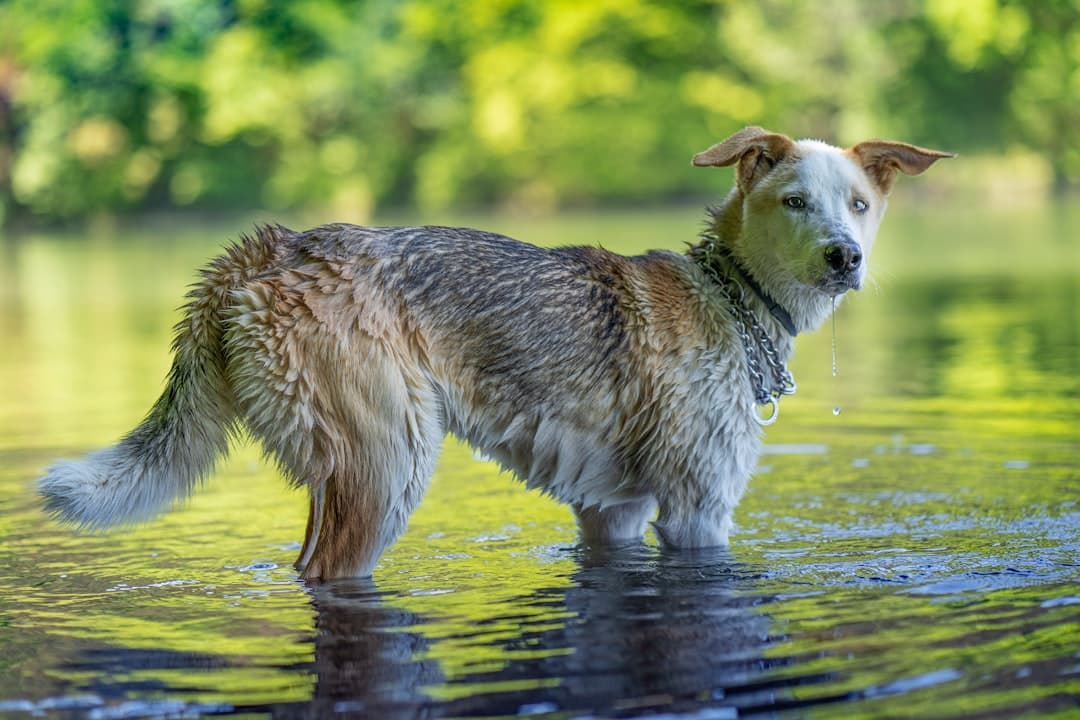
Irish Water Spaniel
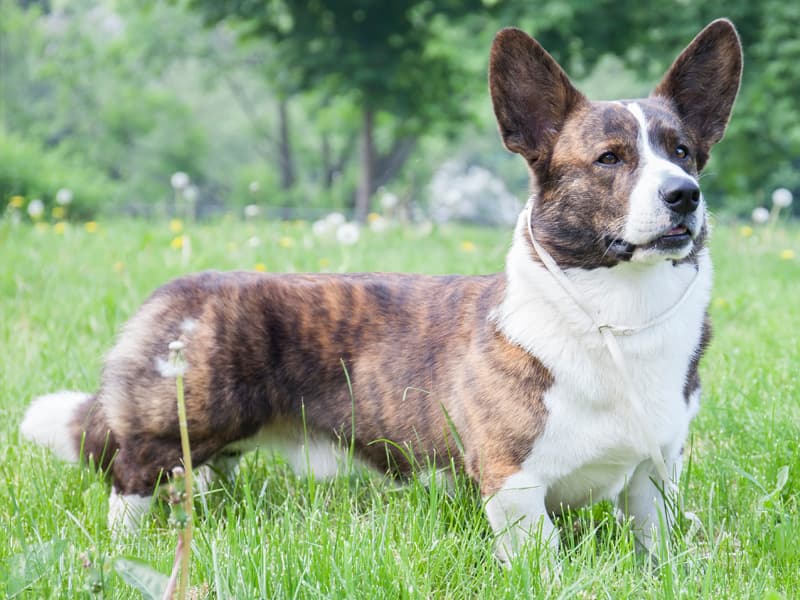
Cardigan Welsh Corgi

Chesapeake Bay Retriever
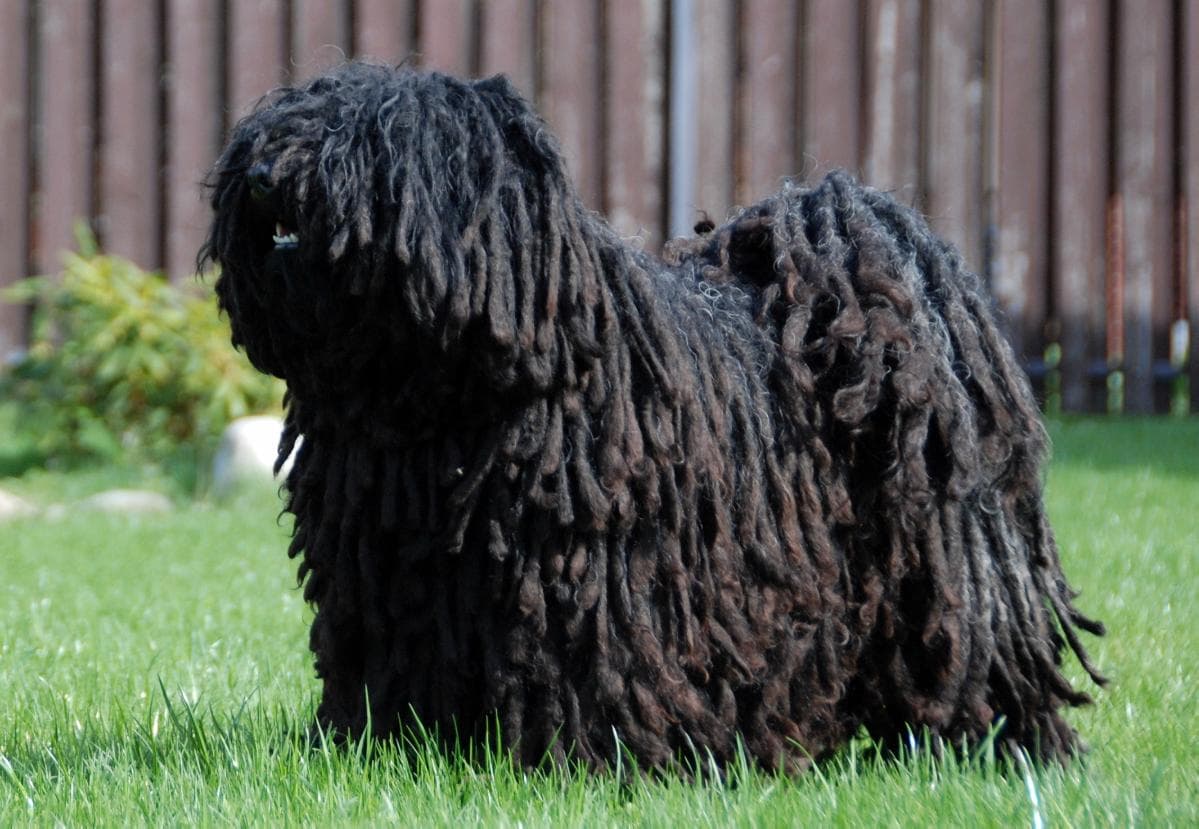
Puli

Yorkshire Terrier
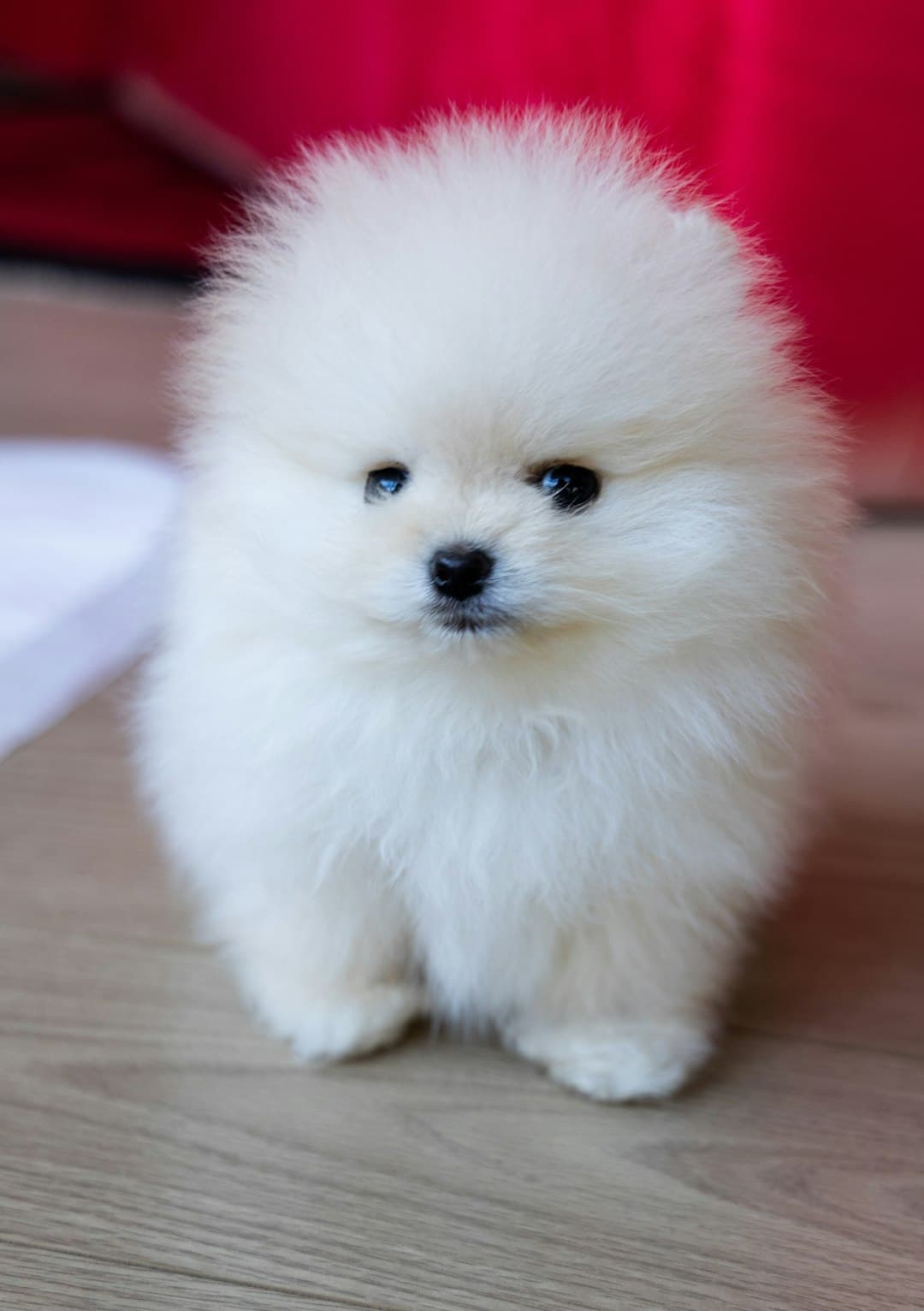
Pomeranian
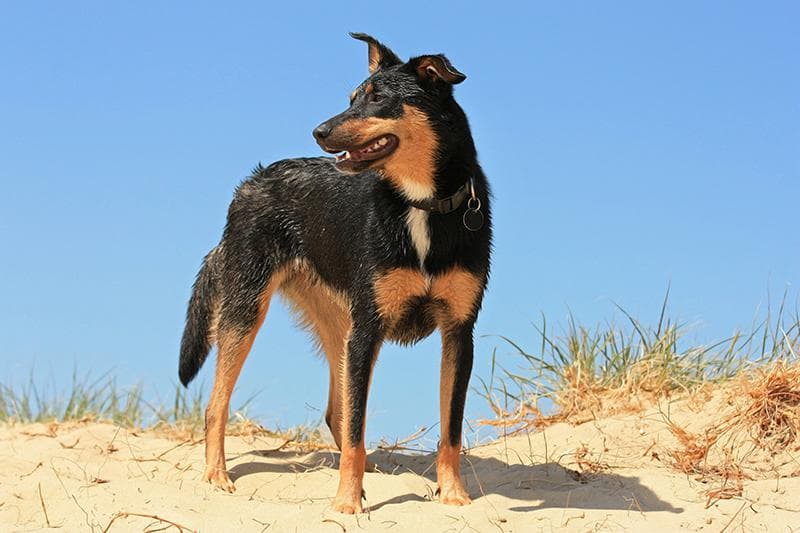
Australian Kelpie

Cavalier King Charles Spaniel
Frequently asked questions
What is the smartest dog breed?
Border Collies usually top working/obedience rankings—learning new cues quickly and working with intense focus. “Smartest” depends on the test: scent hounds can out-problem-solve on a trail, and independent breeds may ignore cues while still being clever.
How is dog intelligence measured?
Popular lists often emphasize how fast a breed learns new commands and how reliably it obeys. Researchers also talk about instinctive intelligence (bred jobs) and adaptive intelligence (solving novel problems). Rankings are averages—individuals vary widely.
Are smart dogs easier to live with?
Not always. Highly trainable dogs also get bored fast. Without training, sports, or jobs, they may invent entertainment—chewing, barking, herding kids, or opening cabinets. Plan enrichment before you chase a “genius” label.
Which smart breeds suit first-time owners?
Many beginners do well with Labs, Goldens, and some Poodles when they commit to classes. Ultra-high-drive herders and working shepherds can overwhelm new owners. Use the match quiz and each profile’s novice-owner notes.
Do small dogs count as smart?
Yes. Papillons, Miniature and Toy Poodles, Shelties, and many terriers score high on trainability and sports. Size doesn’t equal brainpower—or exercise needs.
References
This guide summarizes publicly available breed-standard and veterinary education sources. Always consult your veterinarian for individual care.
- [1]Dog Intelligence — American Kennel Club (AKC)
- [2]Border Collie Dog Breed Information — American Kennel Club (AKC)
- [3]Poodle Dog Breed Information — American Kennel Club (AKC)
- [4]How to Choose the Right Dog Breed — American Kennel Club (AKC)
- [5]Pet Ownership Resources — American Veterinary Medical Association (AVMA)
- [6]General Dog Care — ASPCA