PawPedia breed guide
Most expensive dog breeds
Why some breeds command premium puppy prices—rarity, demand, and specialty care—and why lifetime budgets often matter more than the headline sale.
24 breeds · Updated 2026-08-15
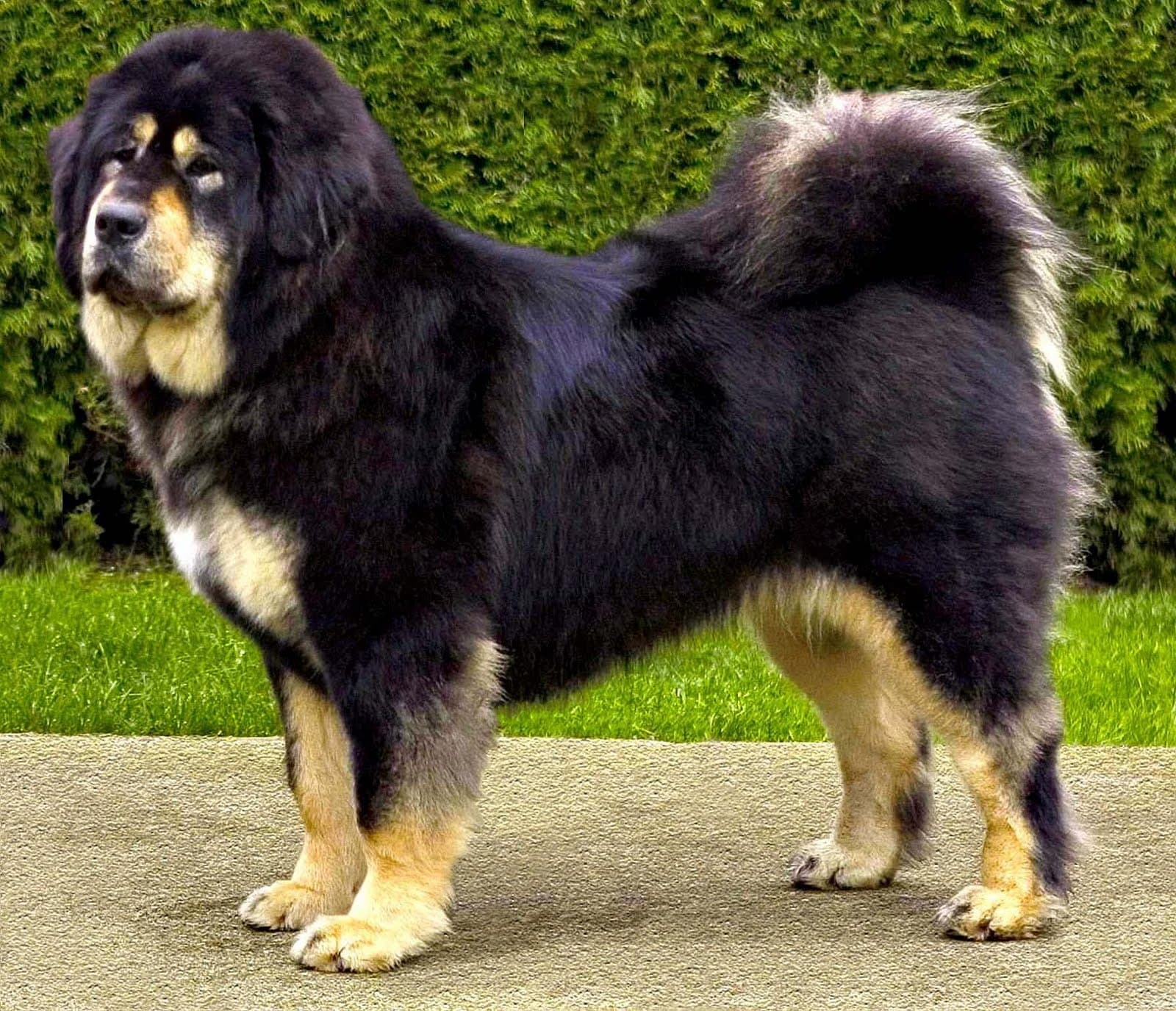
“Most expensive dog breeds” lists mix three different things: one-off viral sales, typical companion puppy asking prices, and lifetime ownership cost. A Tibetan Mastiff can top prestige headlines while a French Bulldog quietly empties wallets in everyday U.S. markets—and a giant or corded-coat dog may cost more over a decade than either sticker suggests.
This guide covers 24 breeds people mean when they search expensive or “luxury” dogs. Ranges move by region, pedigree, and color hype—treat any dollar figure as a ballpark, then verify with local breeders and rescues. Breed context: AKC Tibetan Mastiff, AKC dog cost overview, ASPCA pet care costs. Fit check first? Take the match quiz.
What “expensive” actually means
Purchase price is what a breeder or seller asks for a puppy or adult. It spikes with rarity, show lines, exotic colors, and shipping. It says little about temperament or health.
Ownership cost is food, grooming, preventives, training, boarding, insurance, and veterinary care—often the larger number over 10–15 years. Giants, brachycephalic breeds, and high-maintenance coats amplify that bill. See ASPCA cost tables in References.
Viral outliers (dogs sold for six or seven figures in celebrity or overseas prestige markets) are not typical pet prices. They distort “most expensive breed” rankings and should not set your budget.
When lifetime cost outruns the puppy price
These types often cost more to keep than many “expensive” toys—even if the purchase tag looks moderate:
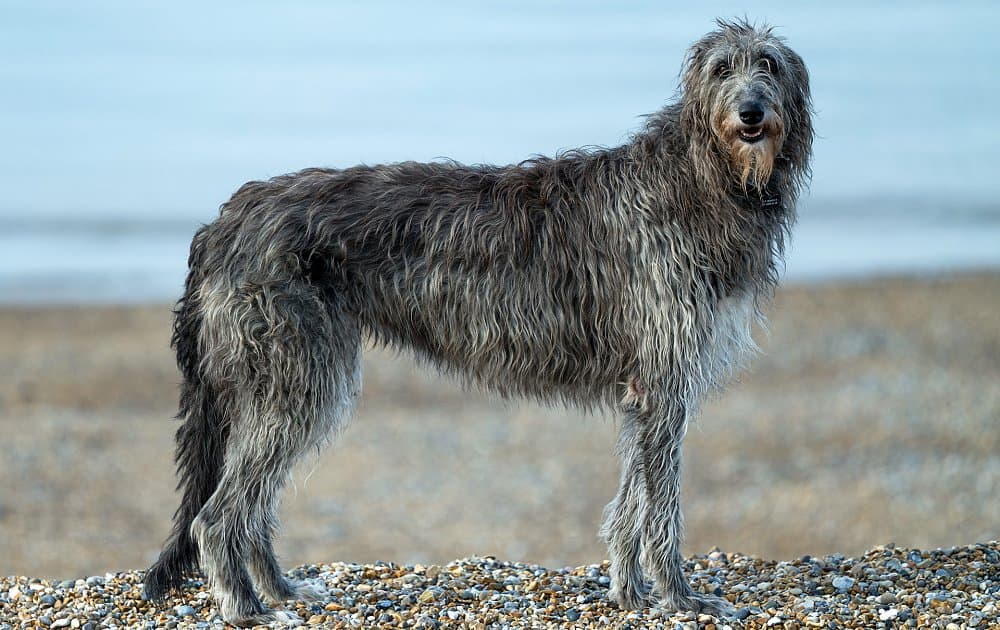
- Irish Wolfhound — 105 - 180 lbs; heavy food, coat, or giant-breed care
- Newfoundland — 100-150 lbs; heavy food, coat, or giant-breed care
- Bernese Mountain Dog — 70-115 lbs; heavy food, coat, or giant-breed care
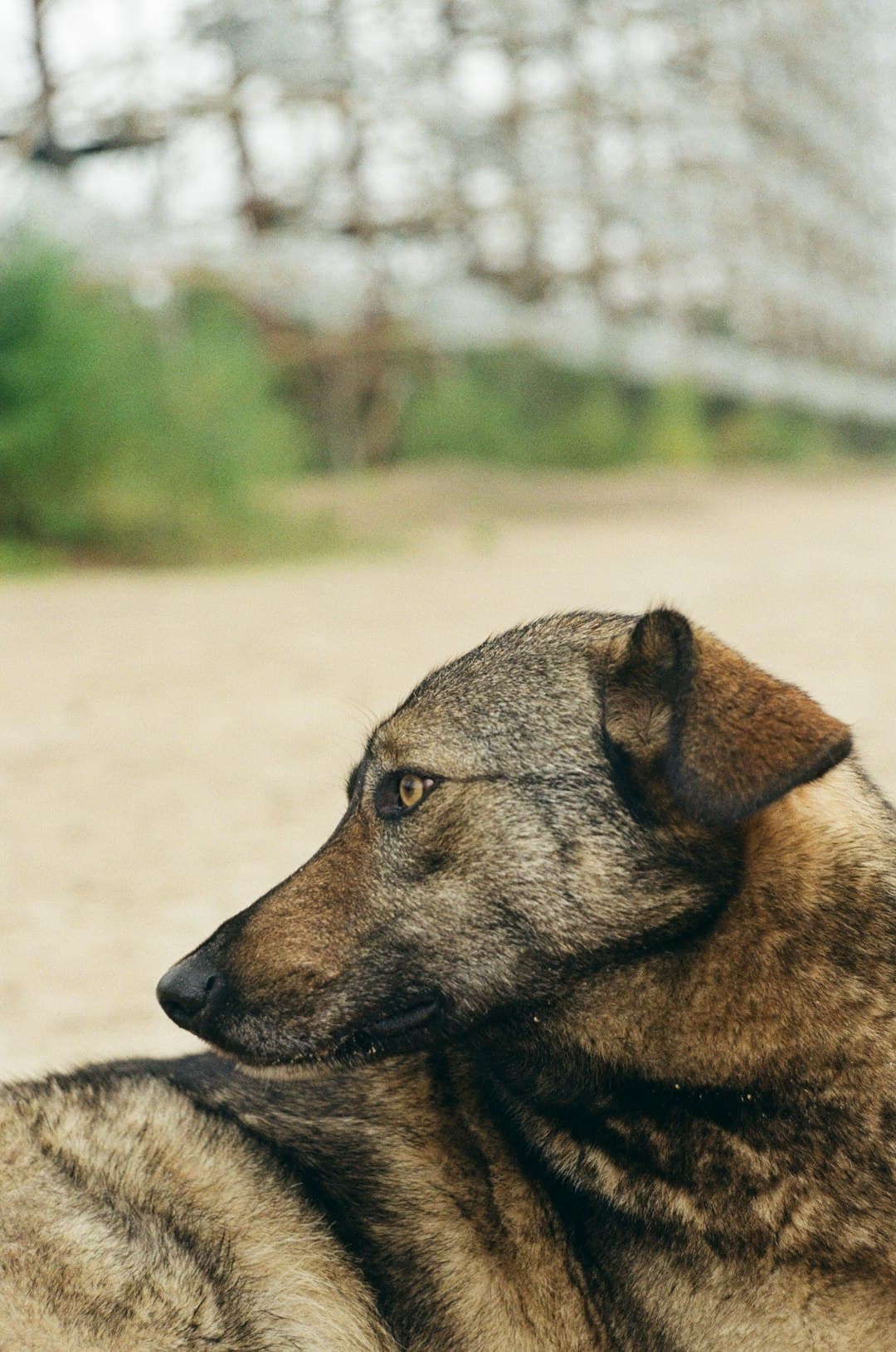
- Afghan Hound — 50-60 lbs; heavy food, coat, or giant-breed care
- Komondor — 20-50 lbs; heavy food, coat, or giant-breed care
- Puli — 25 - 35 lbs; heavy food, coat, or giant-breed care
Irish Wolfhounds and Newfoundlands burn through food and need space; Afghans need skilled grooming; Komondors and Pulis need corded-coat commitment. Budget for hips, hearts, and specialty vets—not just the first invoice.
Ballpark U.S. purchase ranges (not quotes)
Published guides and marketplace snapshots (always verify locally) often group companion asking prices roughly like this:
- Many popular purebreds: roughly $1,000–$3,000 for pet placements from responsible breeders.
- High-demand companions (e.g. many French Bulldogs, some Samoyeds/Cavaliers): commonly discussed from about $2,000–$6,000+, with color or “rare” marketing higher.
- Specialty / rare breeds (Löwchen, Azawakh, some Tibetan Mastiffs): often several thousand dollars, with show or breeding prospects far above companion ranges.
- Adoption / rescue: typically hundreds of dollars in fees—not “free,” but usually far below designer puppy tags.
Deeper single-breed budgets: Labrador cost, Husky cost, American Bully cost. AKC’s “how much does a dog cost” overview (References) covers first-year totals beyond purchase.
Buy (or adopt) without getting burned
Premium price is not proof of quality. Ask for health testing appropriate to the breed (hips, eyes, cardiac, genetic panels), meet parents when possible, read the contract, and walk away from pressure tactics or “must ship today” deals.
Prefer breeders who screen homes and support returns over those who only sell colors. Breed-specific rescue and dog rescue networks often place adults of “expensive” breeds for a fraction of puppy tags—with temperament already known.
Still deciding if a high-drive or high-maintenance breed fits? Use the breed quiz or compare breeds side by side.
Premium-price breed profiles
Browse 24 profiles. Open any breed for temperament, care, and lifestyle scores.
Tibetan Mastiff

Lowchen

Samoyed

Chow Chow

French Bulldog

English Bulldog

Azawakh

Pharaoh Hound

Saluki
Afghan Hound

Akita

Cavalier King Charles Spaniel
Irish Wolfhound
Chinese Shar-Pei
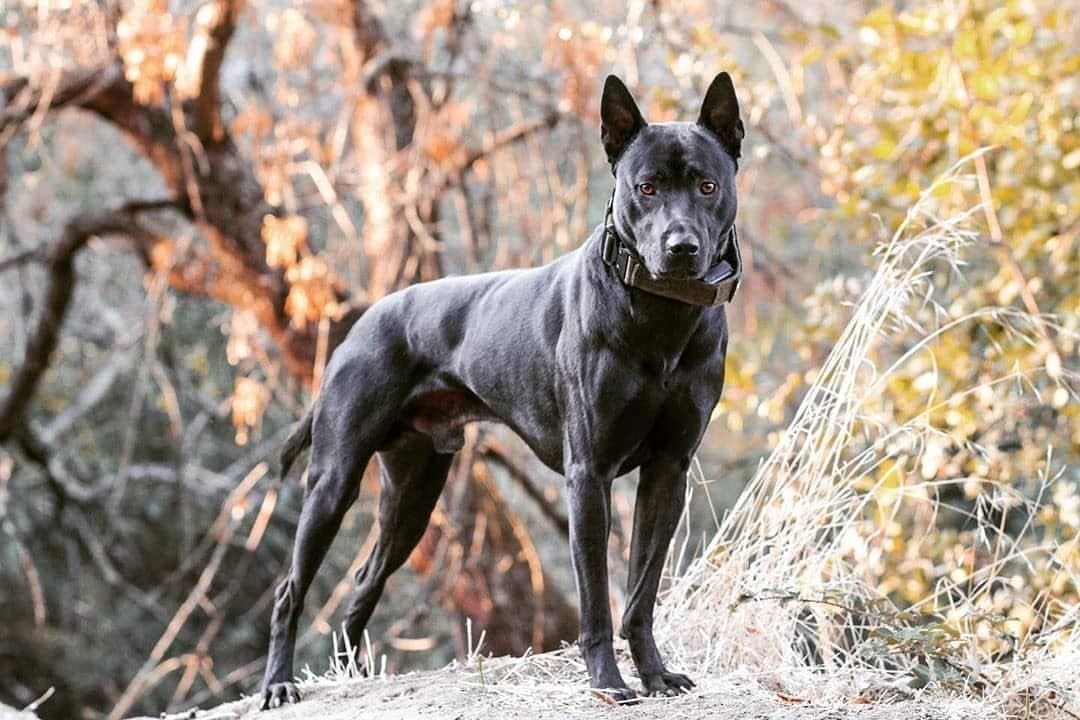
Thai Ridgeback

Bergamasco Shepherd
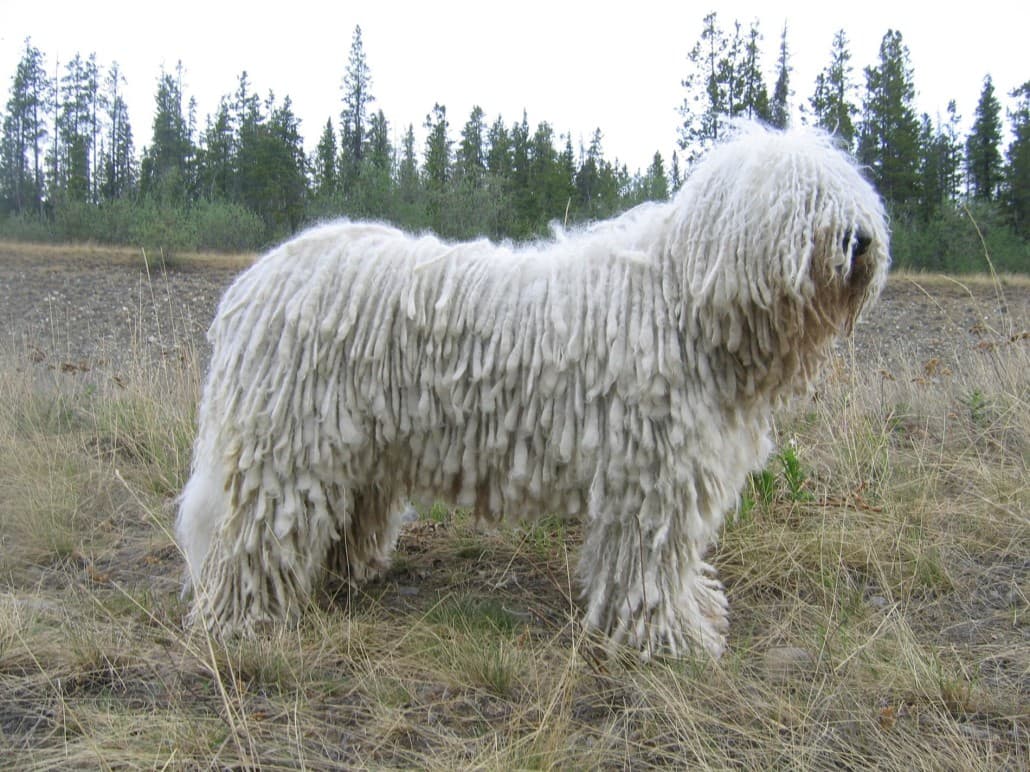
Komondor
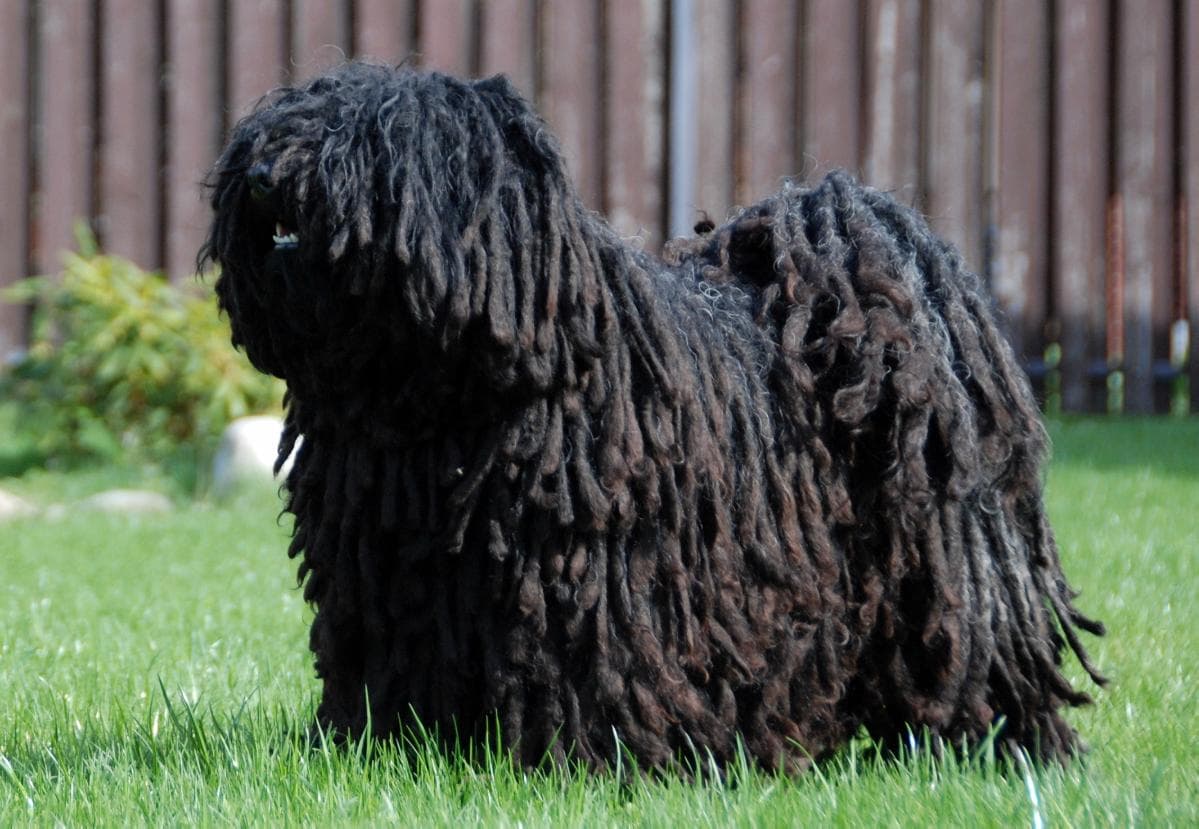
Puli

Basenji
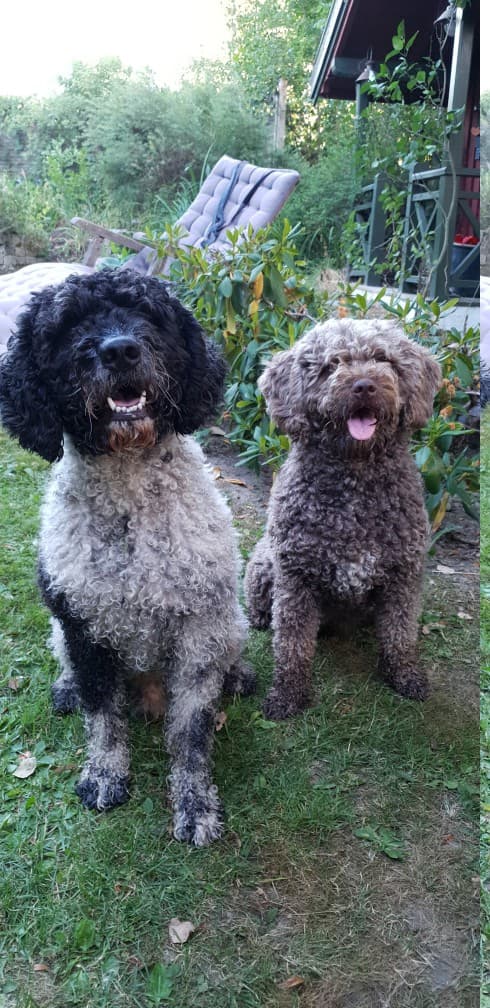
Portuguese Water Dog
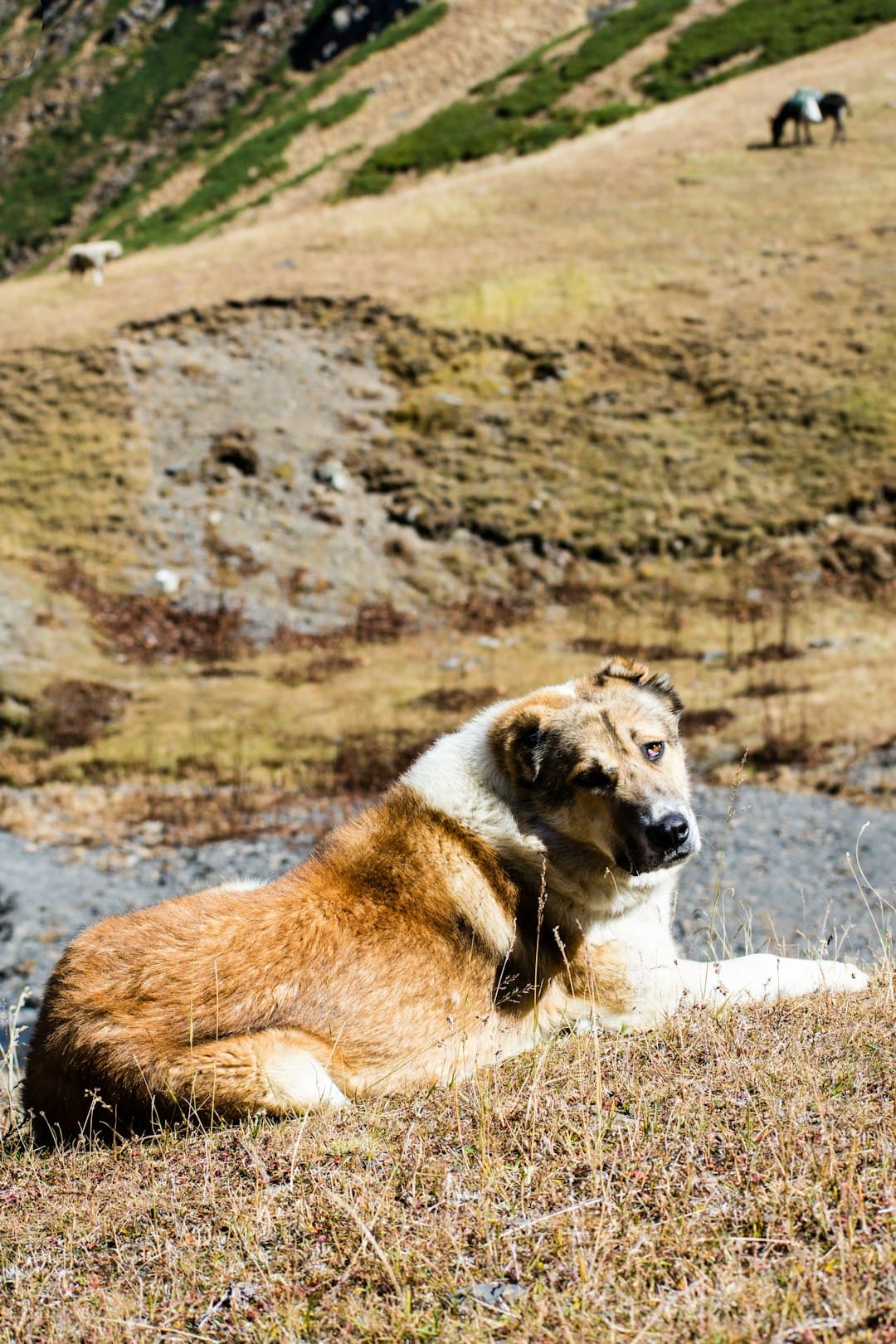
Bernese Mountain Dog
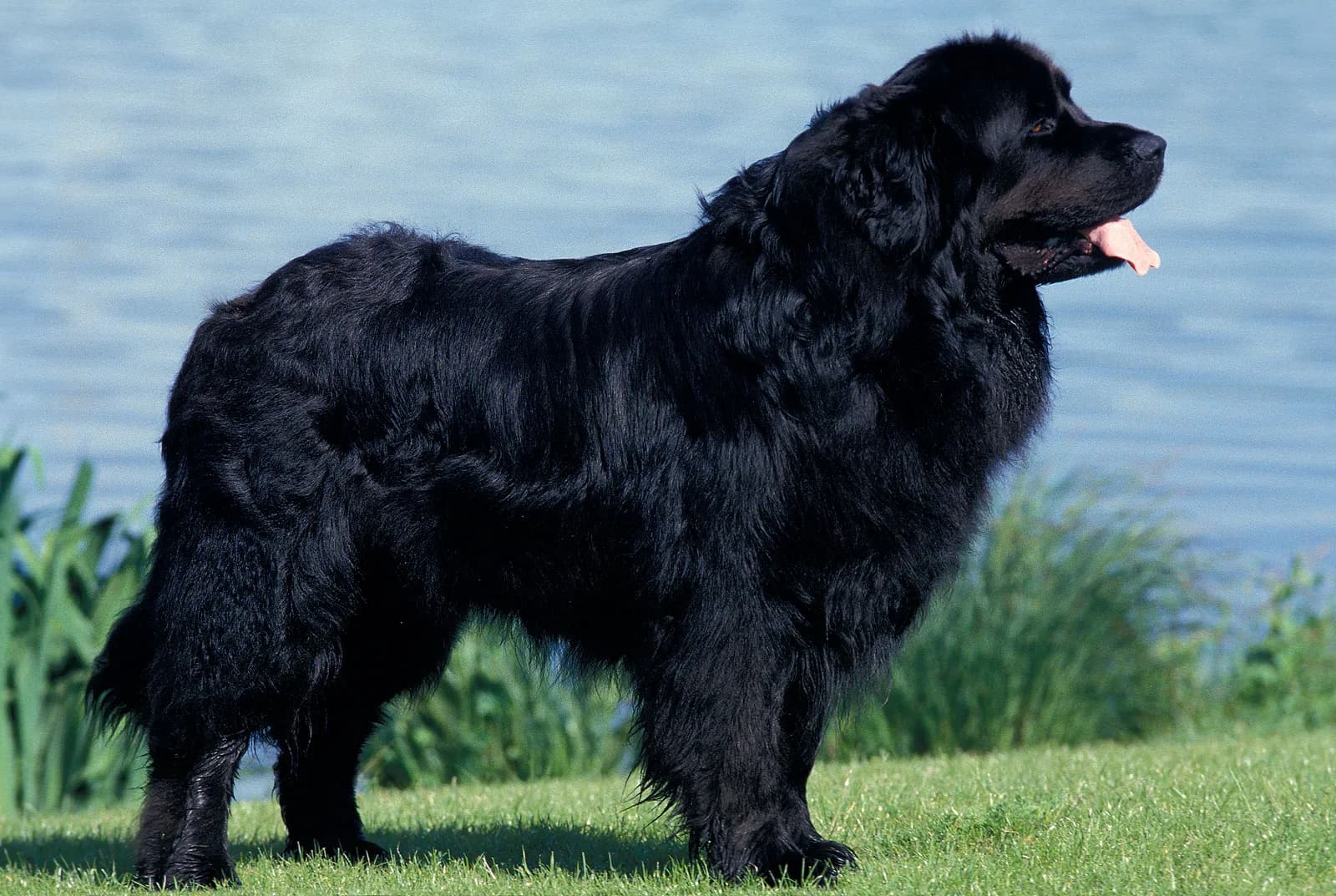
Newfoundland

Shiba Inu
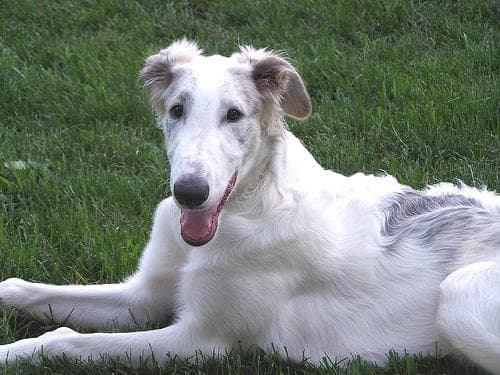
Borzoi
Frequently asked questions
What is the most expensive dog breed?
Headlines often name the Tibetan Mastiff because a few dogs have sold for extreme, non-typical prices. For ordinary companion puppies in the U.S., French Bulldogs, rare sighthounds, and low-registration breeds (such as Löwchen) frequently sit at the top of breeder asking ranges. There is no single official ranking—markets move with demand, location, and pedigree.
Why are Tibetan Mastiffs so expensive?
Limited numbers outside their homeland, slow breeding cycles, and prestige demand keep many asking prices high. Viral “million-dollar dog” stories are outliers (sometimes tied to breeding stock or status purchases), not what most pet families should expect to pay—or need to.
Are French Bulldogs really among the most expensive dogs?
Yes for purchase price in many U.S. markets: extreme popularity, cesarean-heavy whelping, and fad colors inflate companion puppy tags. Lifetime cost can also climb because of brachycephalic airway and orthopedic issues—budget beyond the sticker price.
Is purchase price the biggest expense of owning a dog?
Often no. Food (especially for giants), grooming, preventives, training, boarding, and veterinary care—including breed-related surgeries—usually exceed the puppy price over a lifetime. ASPCA and AKC cost guides in References help frame annual budgets.
How can I get an expensive breed more affordably?
Consider adult dogs from breed-specific rescues, reputable rehoming, or breeders placing older pets. Avoid “too cheap” puppies with no health testing. A lower sticker price that skips screening is rarely a bargain.
Should I buy a dog for investment or status?
No. Dogs are companions with welfare needs, not assets. Status-driven buying fuels poor breeding and impulse returns. Choose for lifestyle fit—use our quiz and breed profiles—then verify health testing and contracts.
References
This guide summarizes publicly available breed-standard and veterinary education sources. Always consult your veterinarian for individual care.
- [1]Tibetan Mastiff Dog Breed Information — American Kennel Club (AKC)
- [2]French Bulldog Dog Breed Information — American Kennel Club (AKC)
- [3]Löwchen Dog Breed Information — American Kennel Club (AKC)
- [4]How Much Does a Dog Cost? — American Kennel Club (AKC)
- [5]Cutting Pet Care Costs (cost tables) — ASPCA
- [6]Pet Care Costs — ASPCA
- [7]Pet Ownership Resources — American Veterinary Medical Association (AVMA)
- [8]How to Find a Dog — American Kennel Club (AKC)