PawPedia breed guide
Best protection dogs
Guard dogs, watchdogs, and personal-protection breeds—how the jobs differ, which breeds people mean, and why training and temperament beat tough-guy marketing.
26 breeds · Updated 2026-08-15
Searching best protection dogs usually mixes three different jobs: a dog that alerts (watchdog), a dog trained for personal or property protection, and a livestock guardian that lives with stock. The breeds overlap on “serious” lists—but the lifestyle and training demands do not.
This guide lists 26 breeds people commonly mean, with honesty about drive, containment, and professional help. Working context: AKC Working Group. Sport/police-leaning breeds also appear on police dog breeds. Prefer a companion first? See best family dogs or take the match quiz.
Protection is a trained skill—not a vibe
A stable dog with clear boundaries and obedience is safer than an under-socialized “guard dog” that invents threats. Real personal-protection work uses structured sports or professional programs—on/off switches, not free-floating aggression.
Check local laws, insurance, and housing rules before you buy. Powerful breeds multiply mistakes: poor leash manners, barrier frustration, and unsupervised yard time all get expensive fast.
Personal protection & working partners
High trainability, nerves for pressure, and handler focus—common in police, military, and protection-sport circles:
- German Shepherd — energy 5/5, large
- Belgian Malinois — energy 5/5, large
- Dutch Shepherd — energy 5/5, medium
- Doberman Pinscher — energy 4/5, large
- Rottweiler — energy 4/5, large
- Giant Schnauzer — energy 4/5, large
- Beauceron — energy 4/5, large
- Boxer — energy 4/5, large
Malinois and Dutch Shepherds especially need a job. Underworked ones invent problems. See also police dog breeds.
Estate & family guardian types
Presence, territorial awareness, and often lower “sport drive” than a Malinois—still not casual pets:
- Cane Corso — 88-110 lbs, energy 4/5
- Boerboel — 110-200 lbs, energy 3/5
- Presa Canario — 88-110 lbs, energy 4/5
- Bullmastiff — 100-130 lbs, energy 3/5
- Mastiff — 120-230 lbs, energy 2/5
- Akita — 70-130 lbs, energy 3/5
- Dogo Argentino — 80-100 lbs, energy 4/5
- Fila Brasileiro — 90-110 lbs, energy 3/5
- American Bulldog — 60 - 120 lbs, energy 5/5
- Tosa Inu — 100-200 lbs, energy 3/5
Deep dive: Cane Corso guide. Mass and power debates: strongest dog in the world.
Livestock guardians (different job)
Bred to live with flocks and deter predators—independent thinkers, not “bite on command” house dogs:
- Anatolian Shepherd — large, energy 3/5
- Kangal Dog — large, energy 3/5
- Tibetan Mastiff — large, energy 3/5
- Caucasian Shepherd Dog — large, energy 3/5
- Komondor — medium, energy 3/5
- Kuvasz — medium, energy 3/5
Kangal context: Turkish Kangal guide. These dogs need space, fencing, and a real or carefully managed guardian role—not a studio apartment and weekend bark training.
Popular shortlist to start with
Breeds that show up most in “best protection dog” searches:
- German Shepherd — large, energy 5/5
- Belgian Malinois — large, energy 5/5
- Dutch Shepherd — medium, energy 5/5
- Rottweiler — large, energy 4/5
- Doberman Pinscher — large, energy 4/5
- Cane Corso — large, energy 4/5
- Boerboel — large, energy 3/5
- Presa Canario — large, energy 4/5
Full profiles for every breed in this guide are in the list below. Compare two in Compare, or take the match quiz if you’re unsure whether protection drive fits your home.
Protection & guardian breed profiles
Browse 26 profiles. Open any breed for temperament, care, and lifestyle scores.
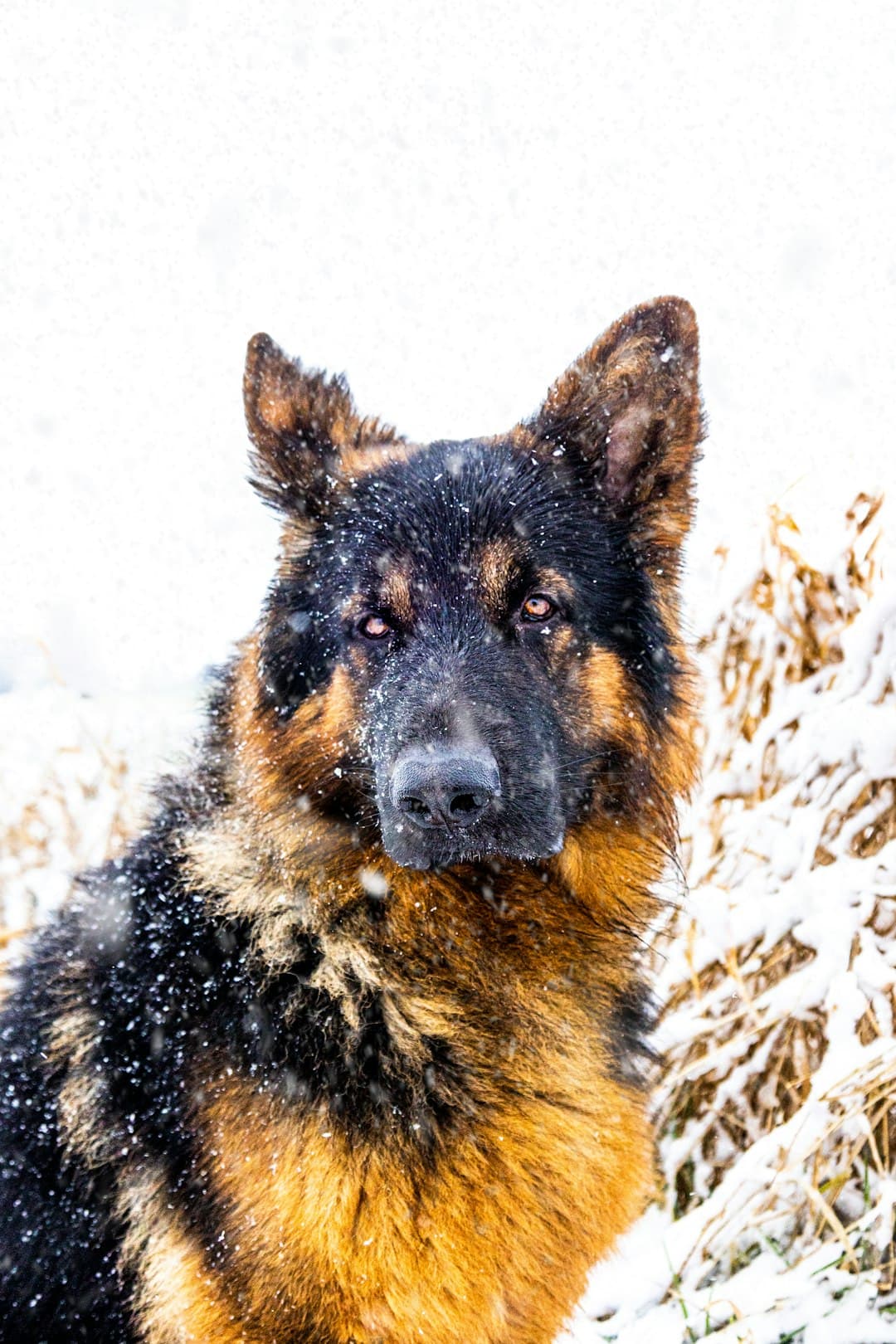
German Shepherd
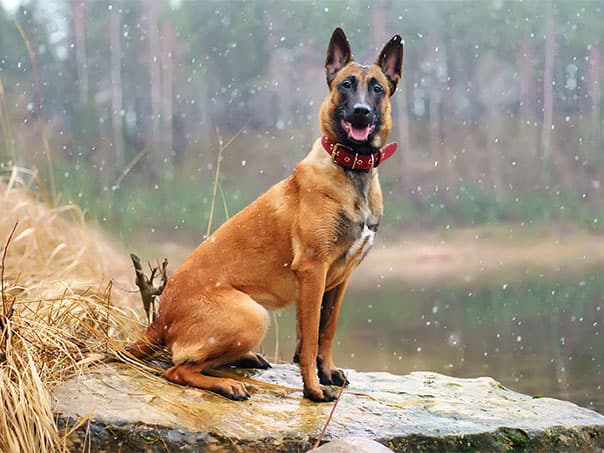
Belgian Malinois
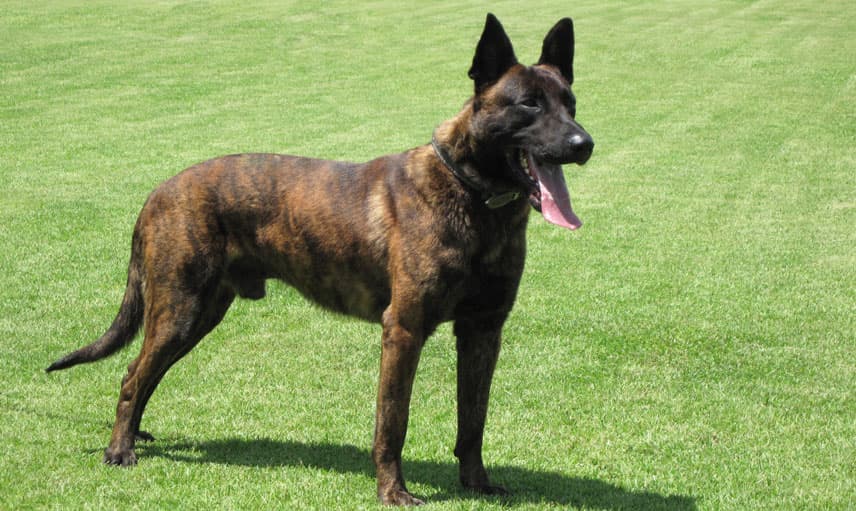
Dutch Shepherd
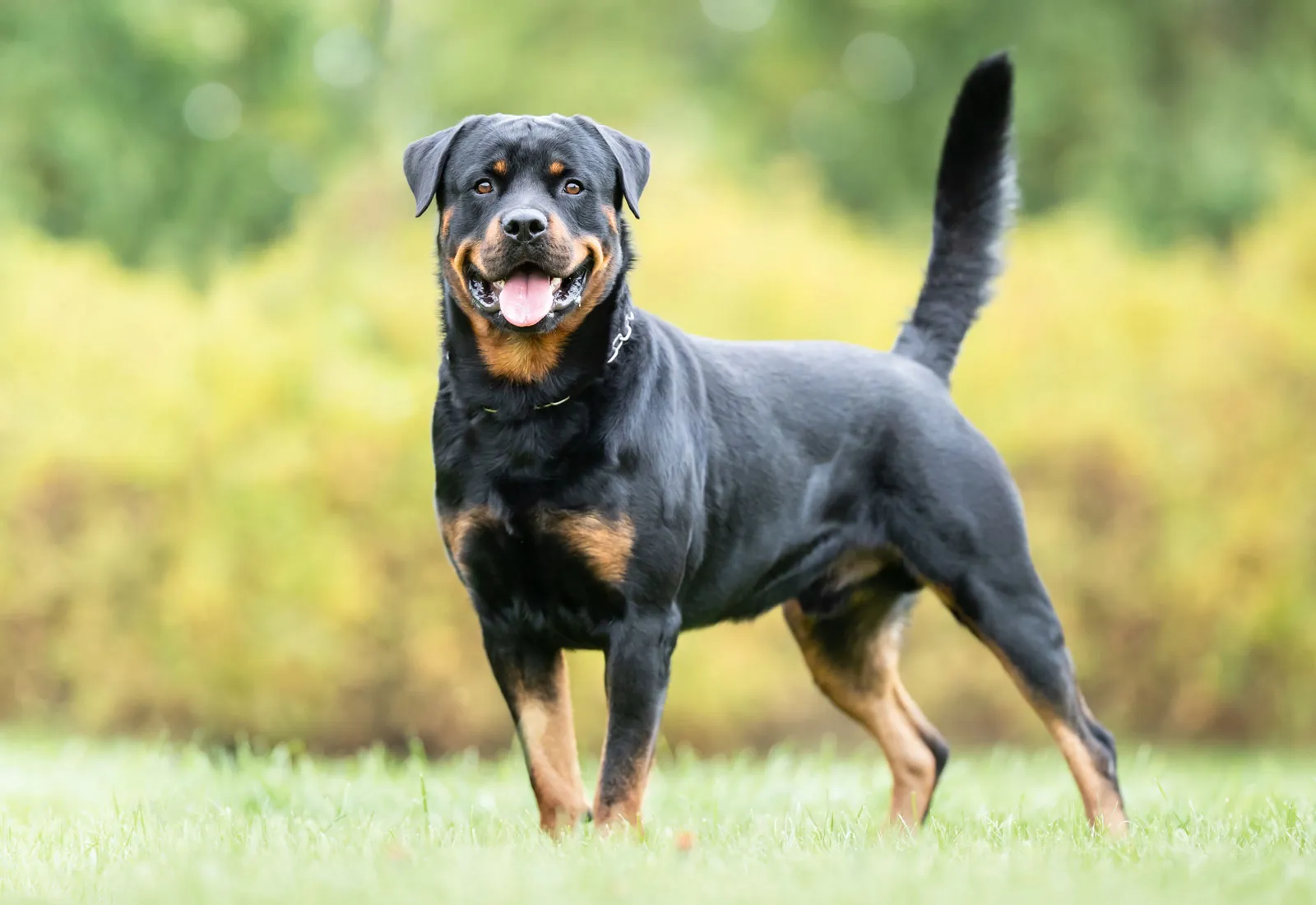
Rottweiler
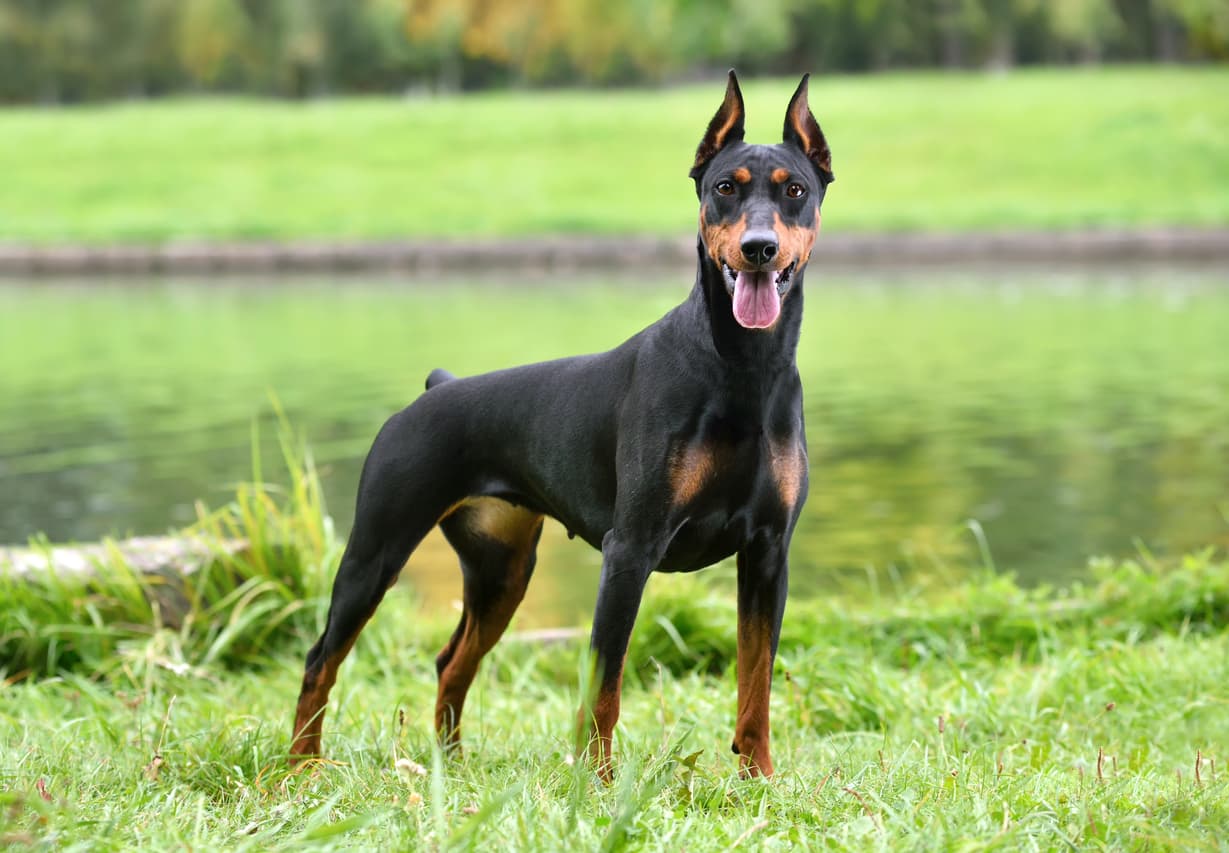
Doberman Pinscher
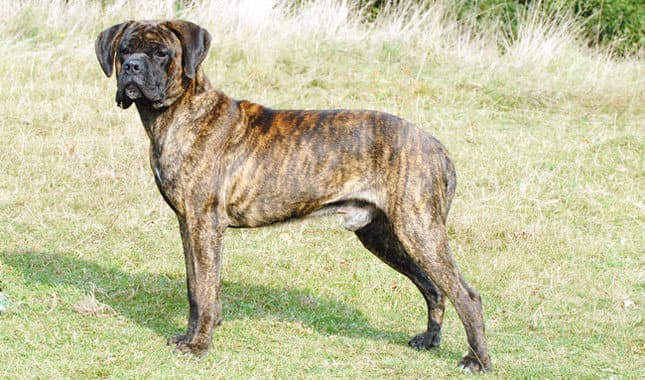
Cane Corso
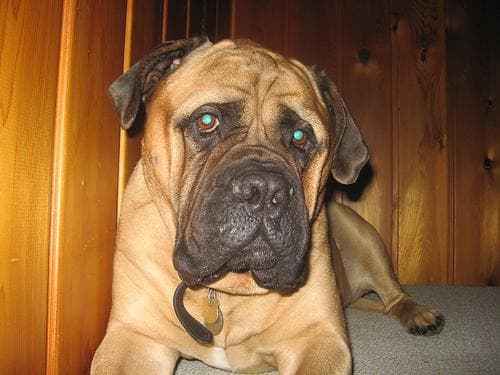
Boerboel
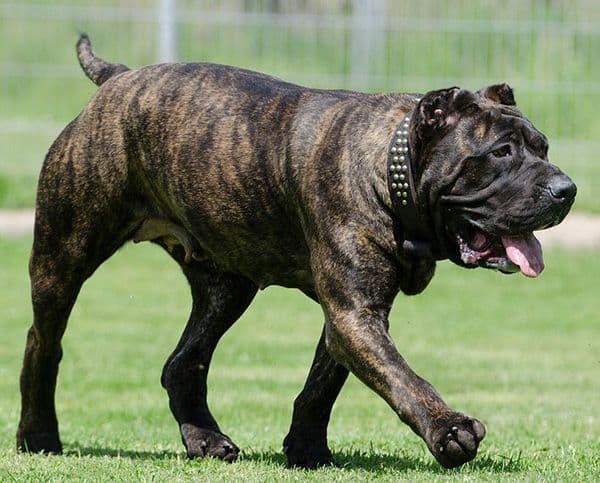
Presa Canario
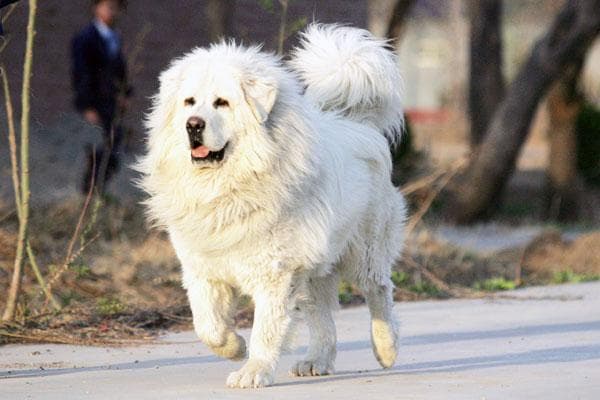
Bullmastiff
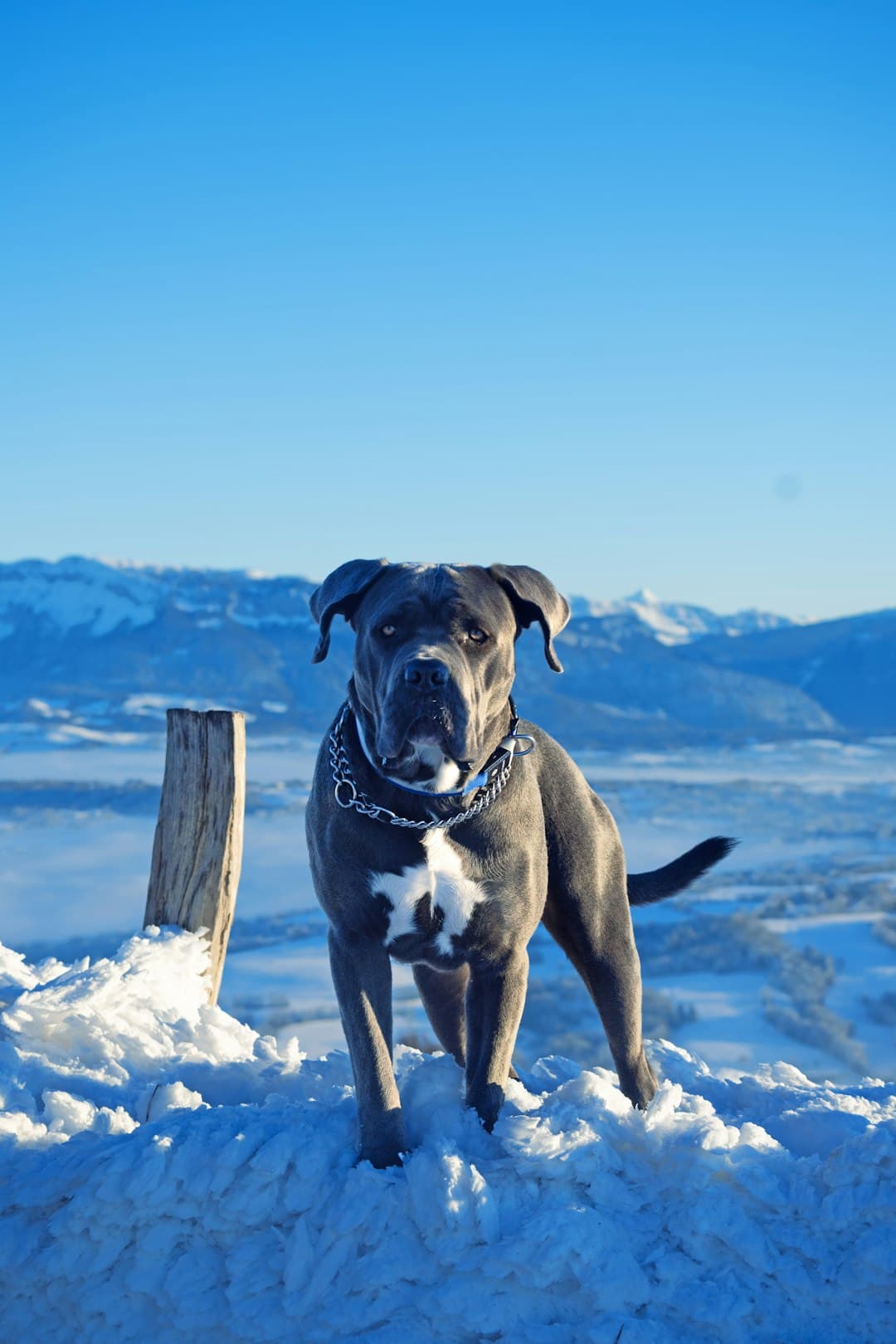
Mastiff
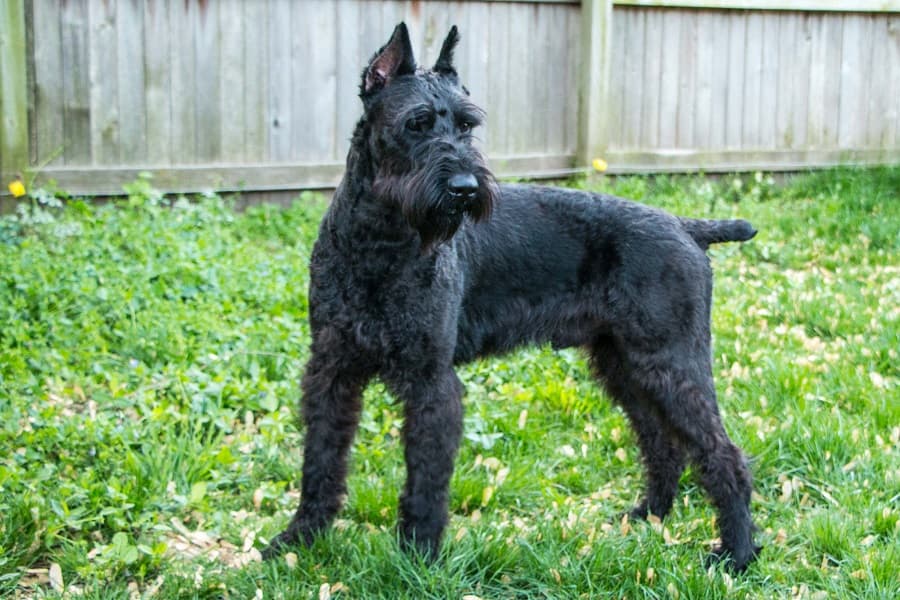
Giant Schnauzer
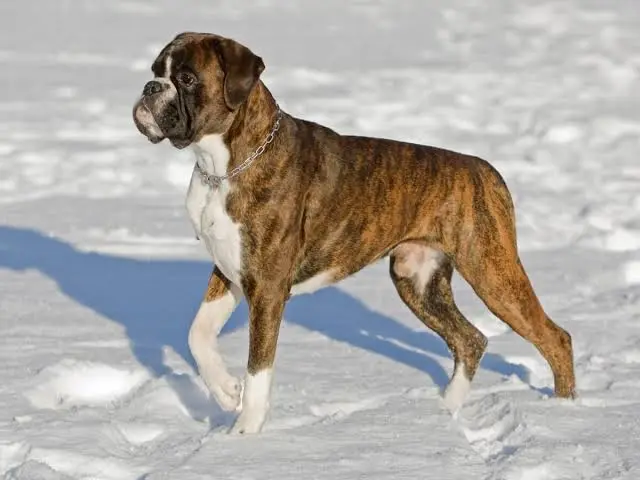
Boxer
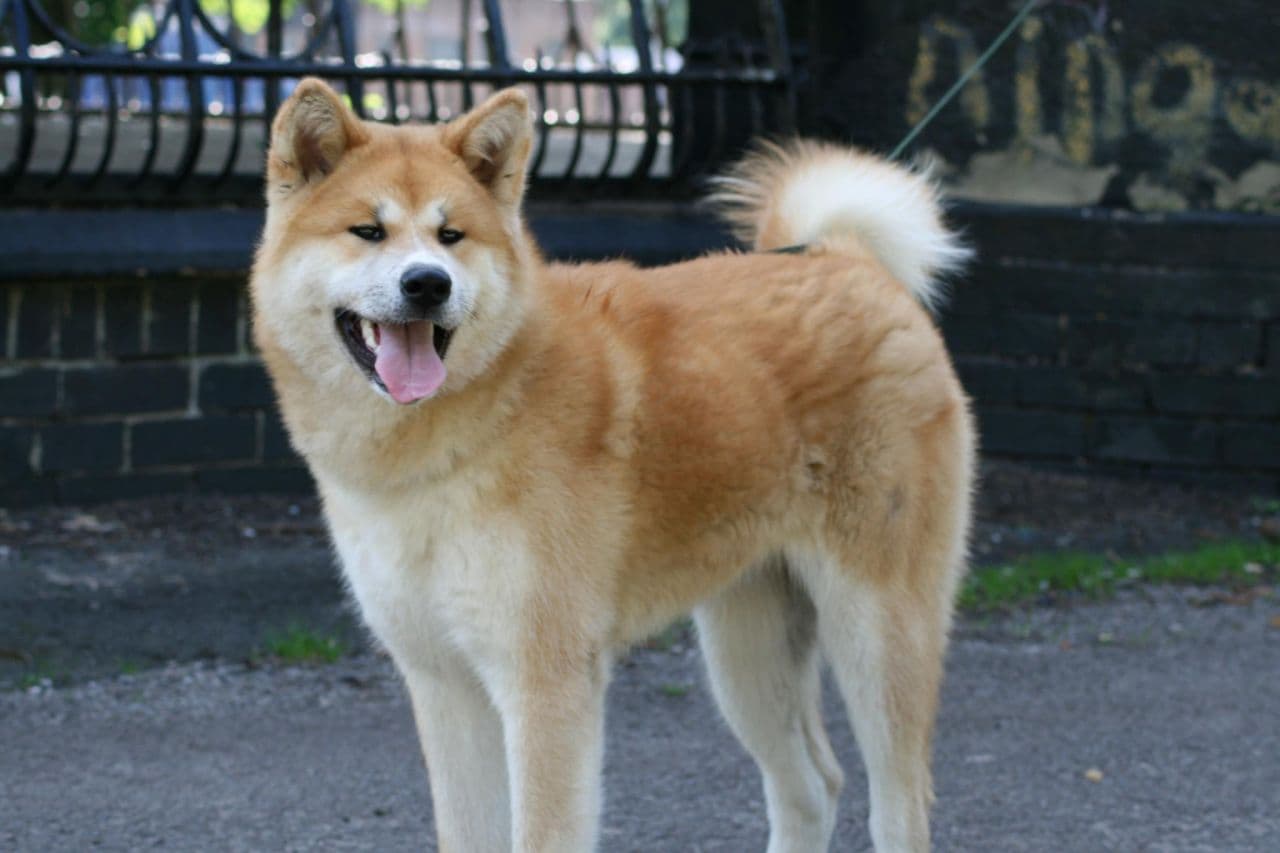
Akita
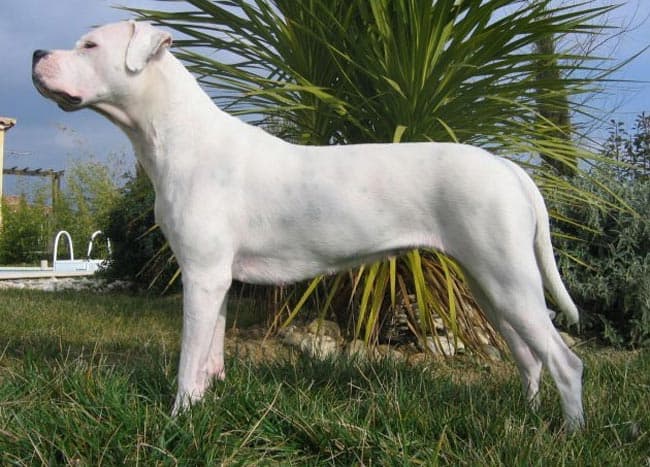
Dogo Argentino
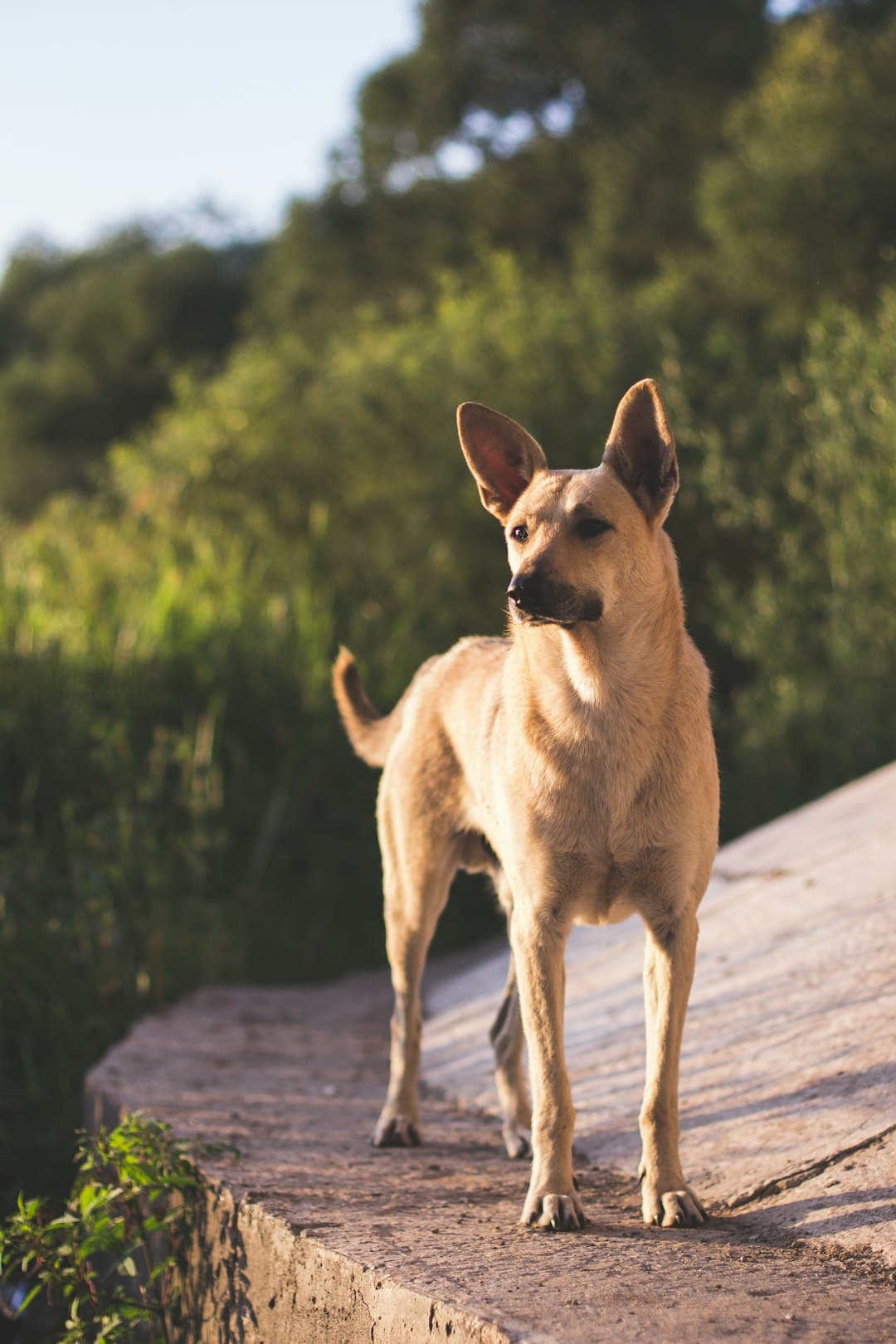
Rhodesian Ridgeback
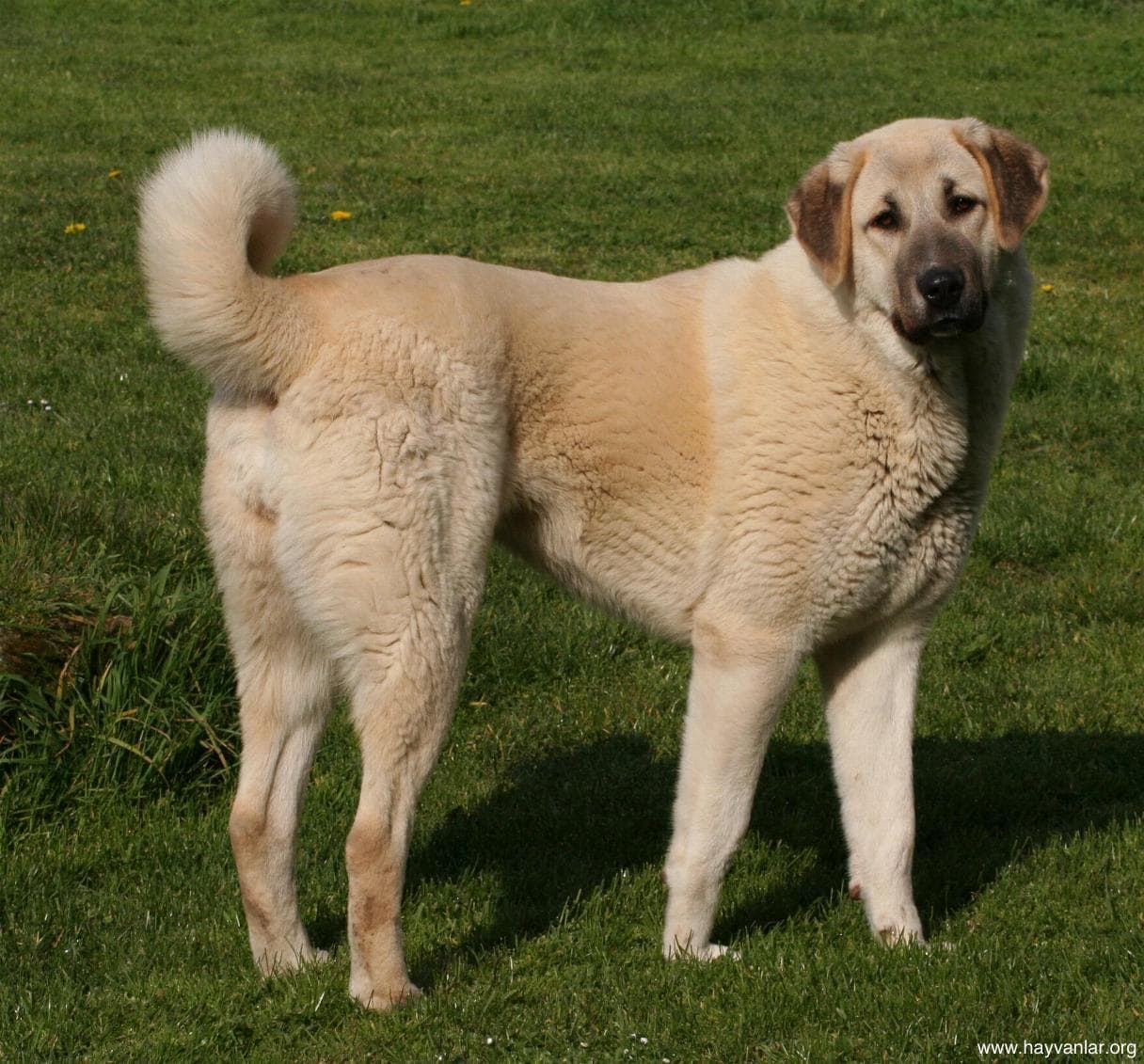
Anatolian Shepherd
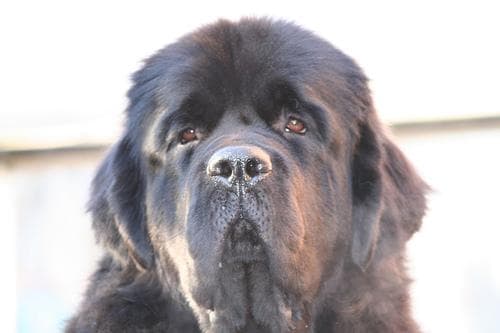
Kangal Dog
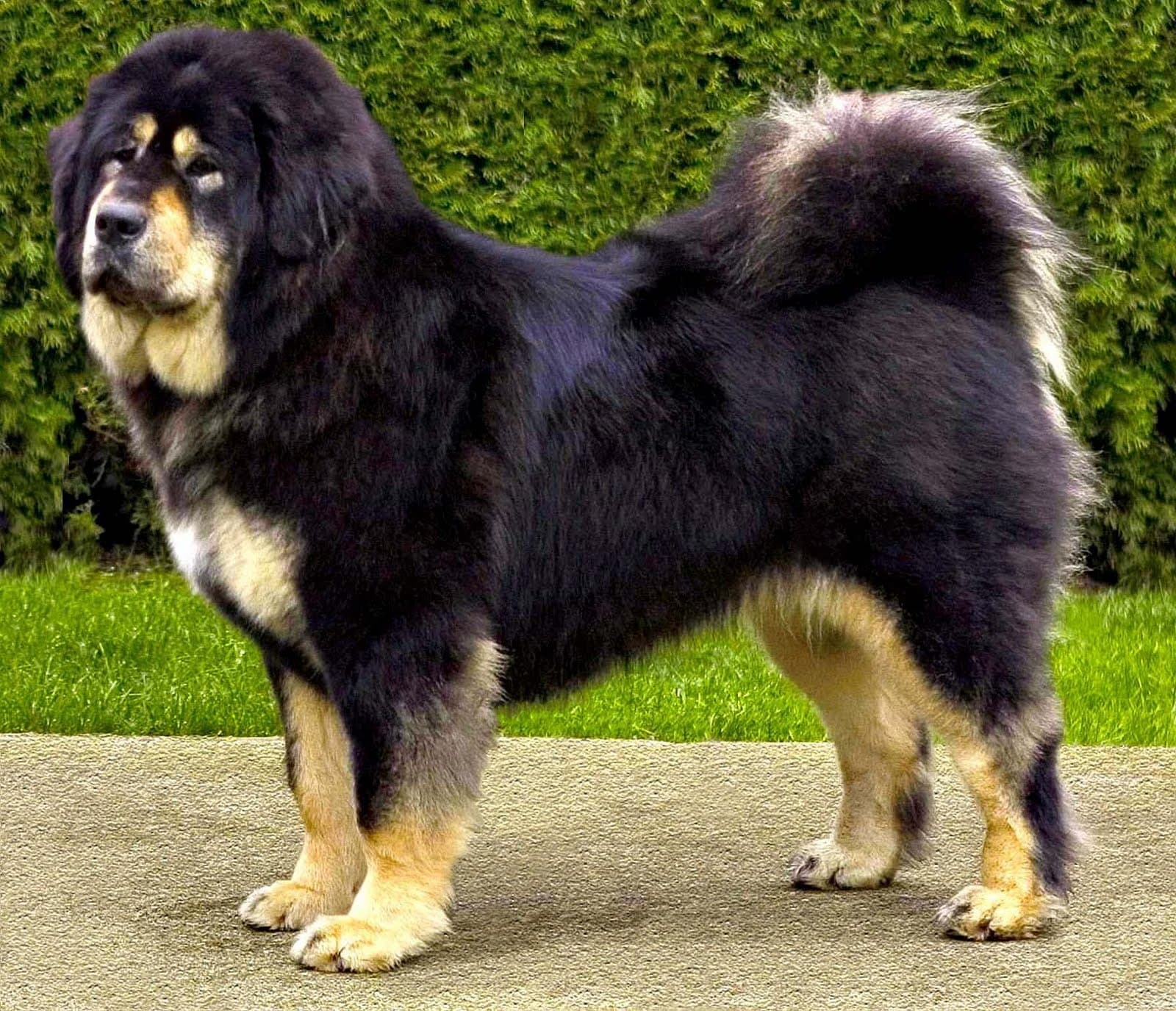
Tibetan Mastiff
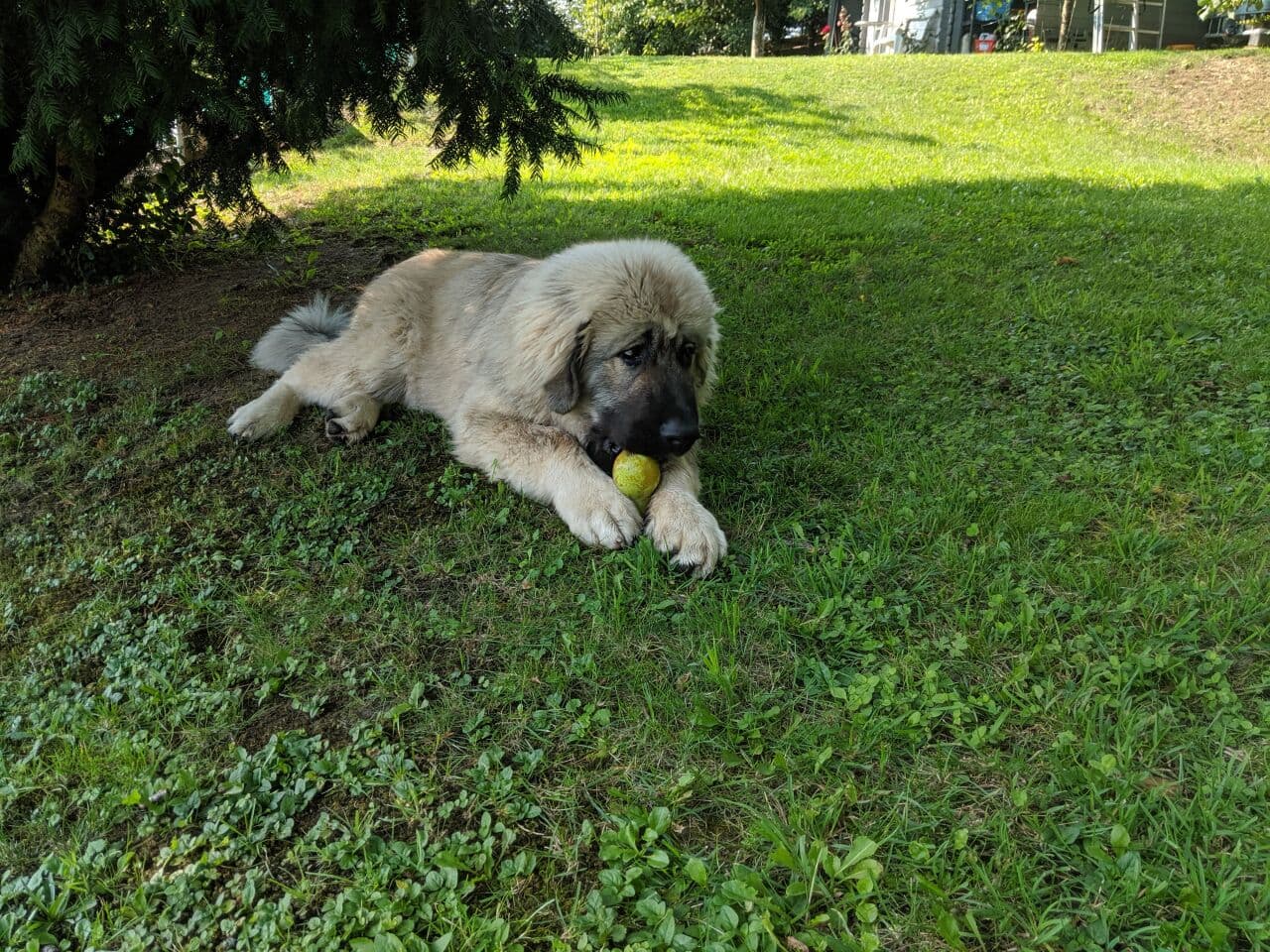
Caucasian Shepherd Dog
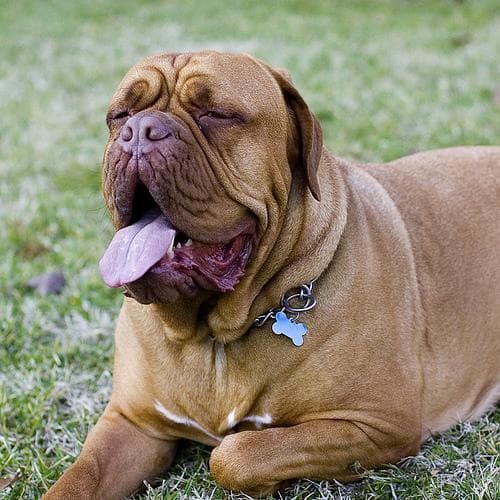
Fila Brasileiro
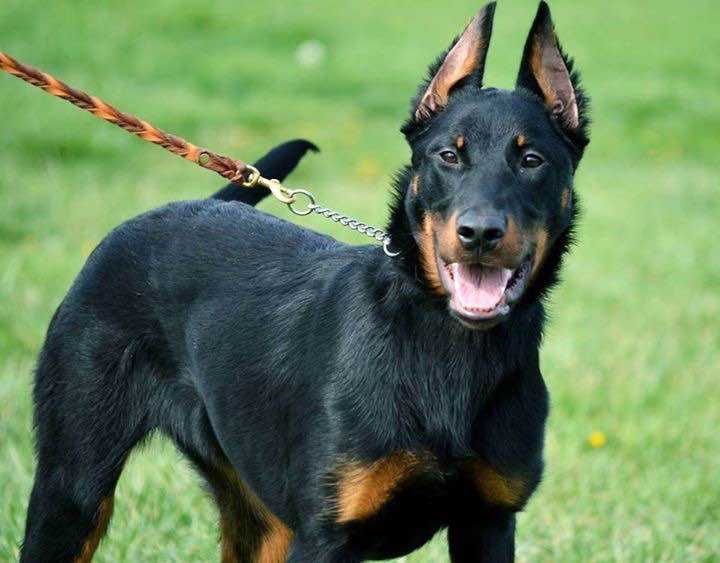
Beauceron
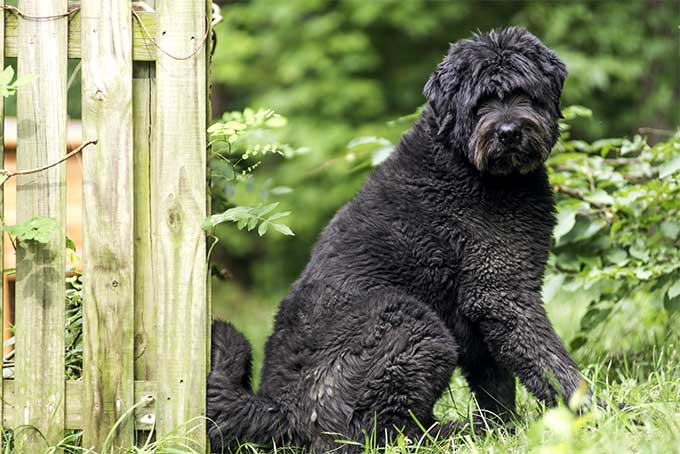
Bouvier des Flandres
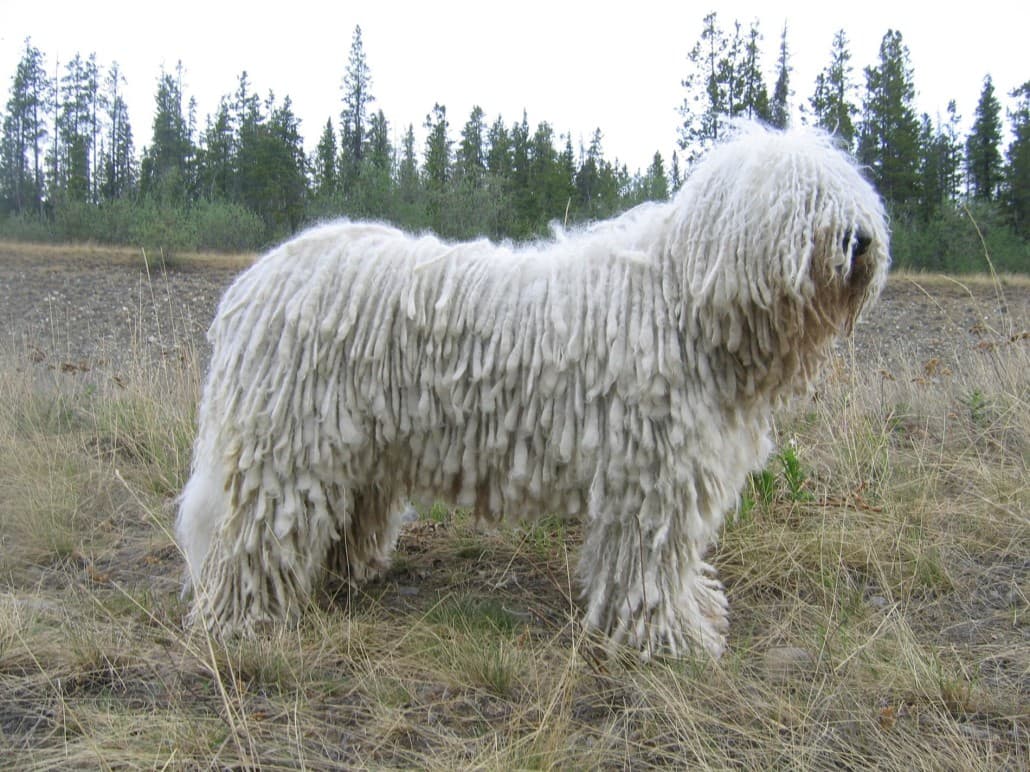
Komondor
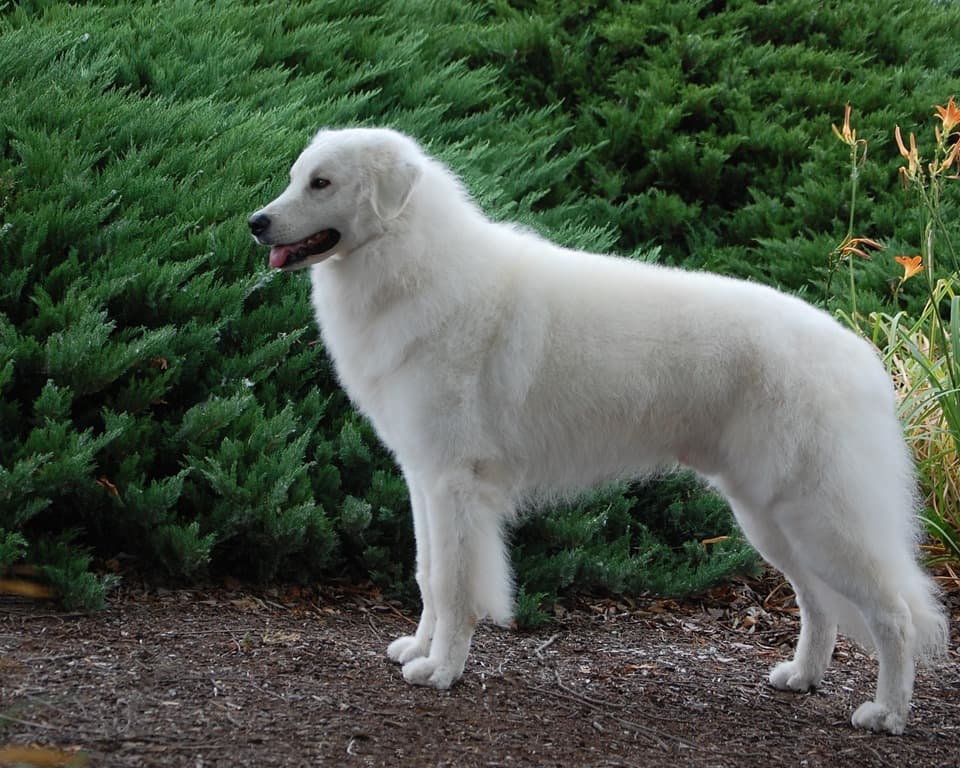
Kuvasz
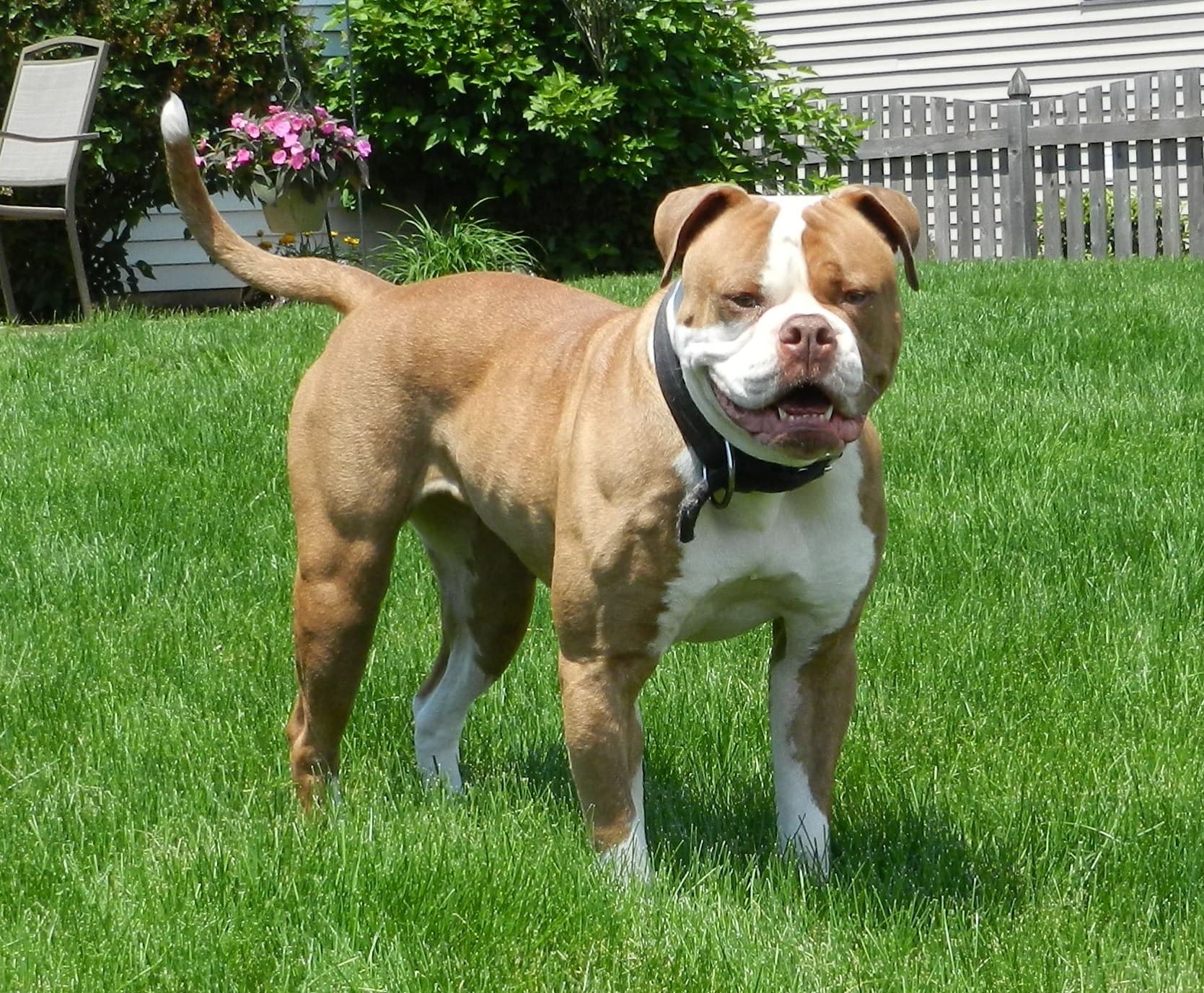
American Bulldog
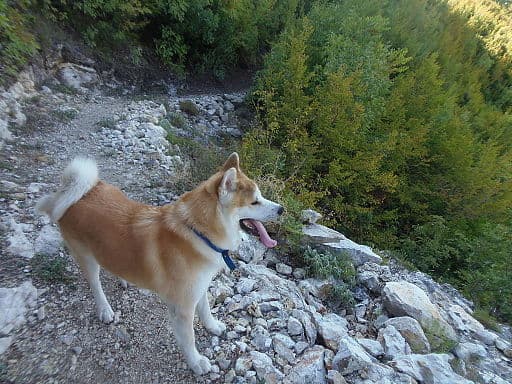
Tosa Inu
Frequently asked questions
What are the best protection dogs?
It depends on the job. Personal-protection and sport work often point to German Shepherds, Belgian Malinois, Dutch Shepherds, Dobermans, and Rottweilers. Estate or family guardianship leans mastiff-types (Corso, Boerboel, Bullmastiff). Livestock guardians (Kangal, Anatolian, Caucasian) protect flocks—not your couch. Training and temperament beat breed name alone.
What’s the difference between a watchdog and a protection dog?
Watchdogs alert (bark) when something’s off. Protection dogs are trained to control or deter threats on cue—and to stand down on cue. Untrained “protective” dogs that decide on their own are a liability, not a security system.
Are protection dogs good family pets?
Some lines can live with families when socialized and handled by experienced people. High-drive Malinois and working shepherds are often too much for casual homes. Kids, guests, and same-species housemates need a plan—not hope.
Do I need professional training for a guard dog?
Yes, if you want reliable protection work. Buy the dog for sound temperament first; add sport or protection training with qualified instructors. “Aggressive” marketing is a red flag—stable nerves and obedience matter more.
Are some protection breeds restricted where I live?
Breed-specific legislation, insurance rules, and HOA policies vary. Check local law and your insurer before you commit—especially for mastiff-types and bully-adjacent breeds.
References
This guide summarizes publicly available breed-standard and veterinary education sources. Always consult your veterinarian for individual care.
- [1]Working Group — American Kennel Club (AKC)
- [2]German Shepherd Dog Breed Information — American Kennel Club (AKC)
- [3]Belgian Malinois Dog Breed Information — American Kennel Club (AKC)
- [4]Rottweiler Dog Breed Information — American Kennel Club (AKC)
- [5]How to Choose the Right Dog Breed — American Kennel Club (AKC)
- [6]Pet Ownership Resources — American Veterinary Medical Association (AVMA)
- [7]General Dog Care — ASPCA