PawPedia breed guide
Strongest dog in the world
Bite force lore, giant mass, and working power—why there’s no single winner, which breeds people mean, and what those dogs actually need.
16 breeds · Updated 2026-08-15
“Strongest dog in the world” is a viral search—not a single measured title. Charts stack bite-force PSI, body weight, or police-work fame, then declare a winner. Real strength depends on the test: jaw pressure estimates, draft power, grip, or trainable athleticism.
This guide lists 16 breeds people usually mean, explains the metrics, and links full profiles. Commonly cited livestock guardians like the Turkish Kangal and working mastiff-types like the Cane Corso appear often. Working group context: AKC Working Group. Lifestyle fit first? Take the match quiz.
Top contenders people mean
A practical shortlist that shows up in “strongest dog” debates:
- Kangal Dog — large, energy 3/5
- English Mastiff — large, energy 3/5
- Rottweiler — large, energy 4/5
- Cane Corso — large, energy 4/5
- Boerboel — large, energy 3/5
- Presa Canario — large, energy 4/5
- Tibetan Mastiff — large, energy 3/5
- Caucasian Shepherd Dog — large, energy 3/5
Kangals and other LGDs get bite-force buzz; Mastiffs get mass; Rottweilers, Corsos, Boerboels, and Presas get guardian/working fame; Malinois and Shepherds get “strong at the job” credits.
How “strongest” gets measured
Bite force (PSI). Viral tables often list Kangals near the top with very high numbers. Methods and sample sizes are rarely transparent—use them as conversation starters, not science class.
Mass & leverage. English Mastiffs and other giants move serious weight. Heaviest isn’t the same as most athletic.
Work capacity. Pulling (Malamutes), protection sports, police/military roles (Malinois, GSDs, Rottweilers)— strength shows as repeatable trained effort, not a single snap.
For size records specifically, see biggest dog in the world.
Living with a powerful breed
Power without training is a liability. Budget for early socialization, solid obedience, secure fencing, and insurance/ housing rules that allow large guardians.
Many “strong” breeds need experienced handlers—not apartments with thin walls and no exercise plan. Calm mastiffs still need space; high-drive Malinois need jobs.
Strength ≠ “best family dog.” Cross-check best family dogs and protection dogs with honest lifestyle filters.
How to choose (beyond the PSI chart)
Decide job and experience level first. Compare two contenders in Compare—for example Kangal vs Mastiff or Rottweiler vs Cane Corso. Read full profiles below for health and temperament notes.
Still unsure? Take the match quiz or browse large dog breeds and all breeds A–Z.
Powerful breed contenders
Browse 16 profiles. Open any breed for temperament, care, and lifestyle scores.
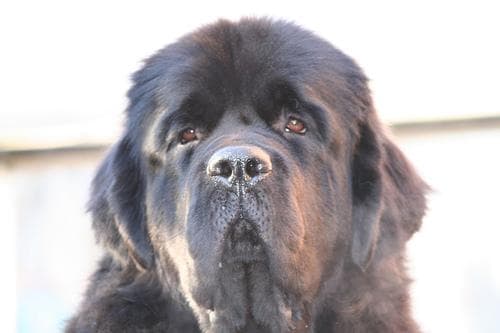
Kangal Dog

English Mastiff
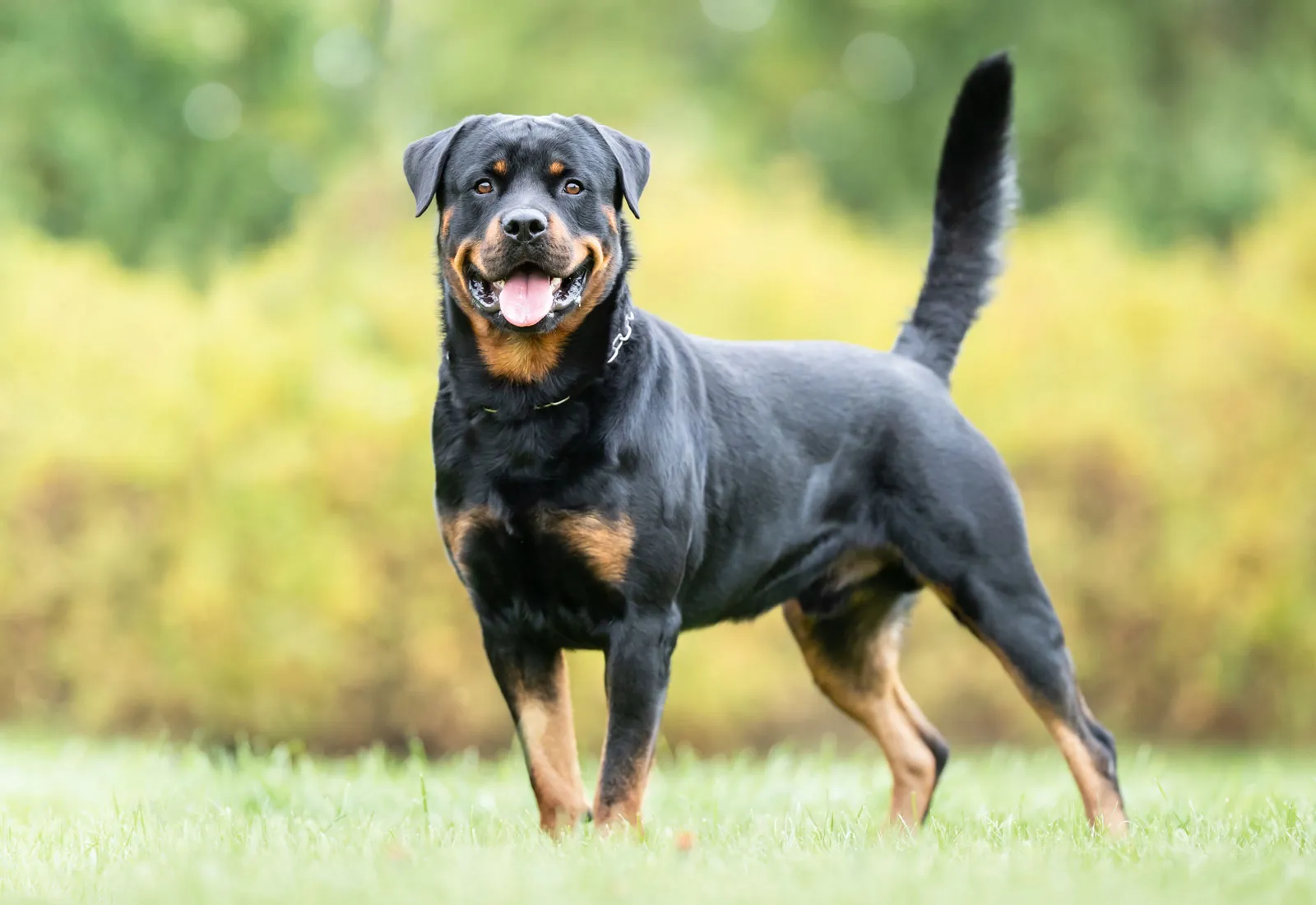
Rottweiler
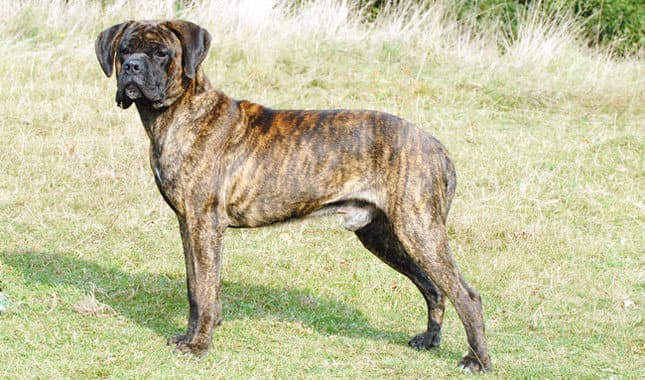
Cane Corso

Boerboel
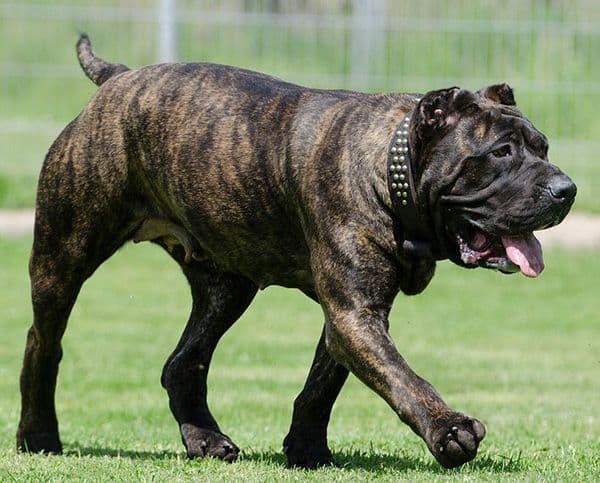
Presa Canario
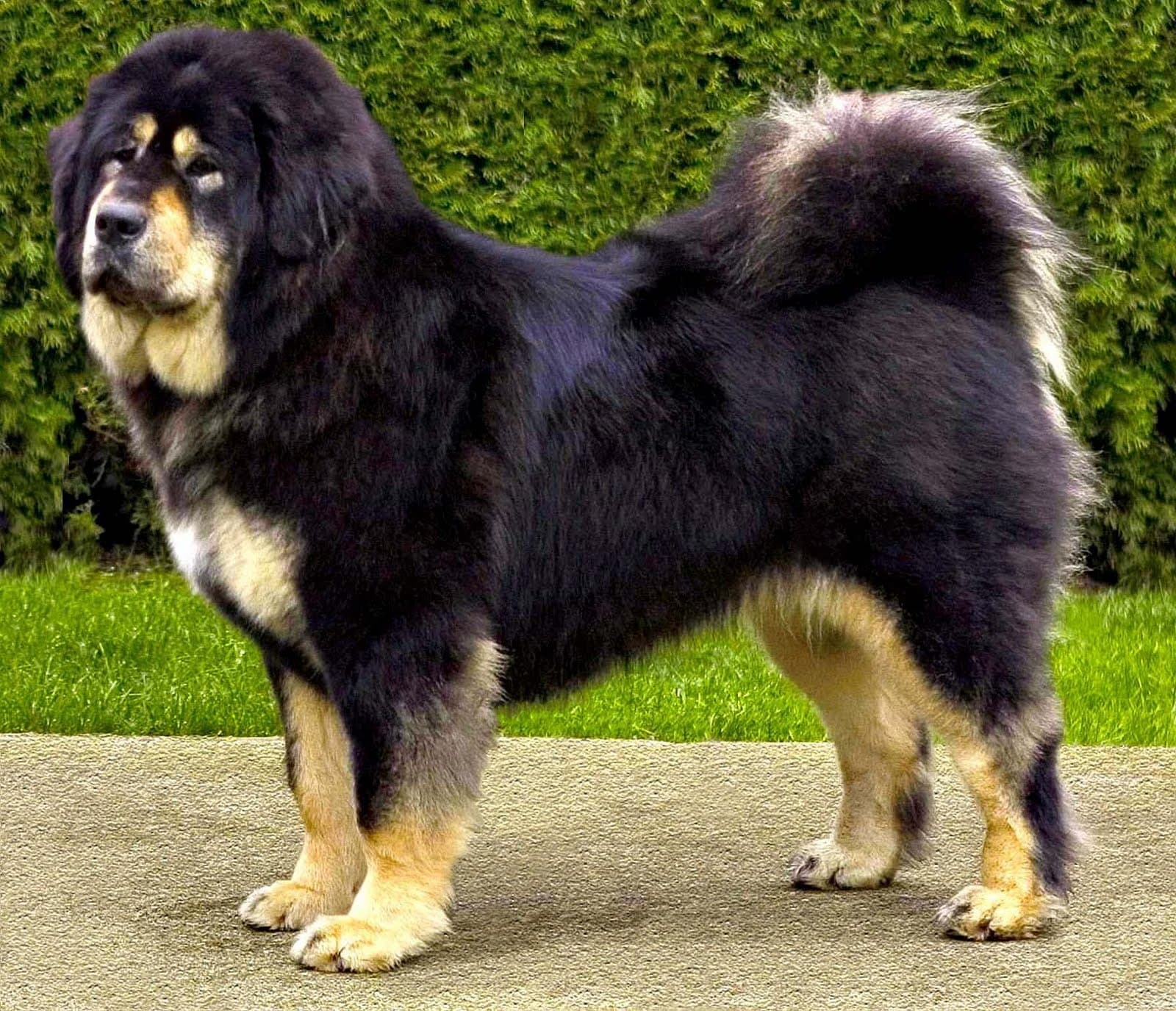
Tibetan Mastiff
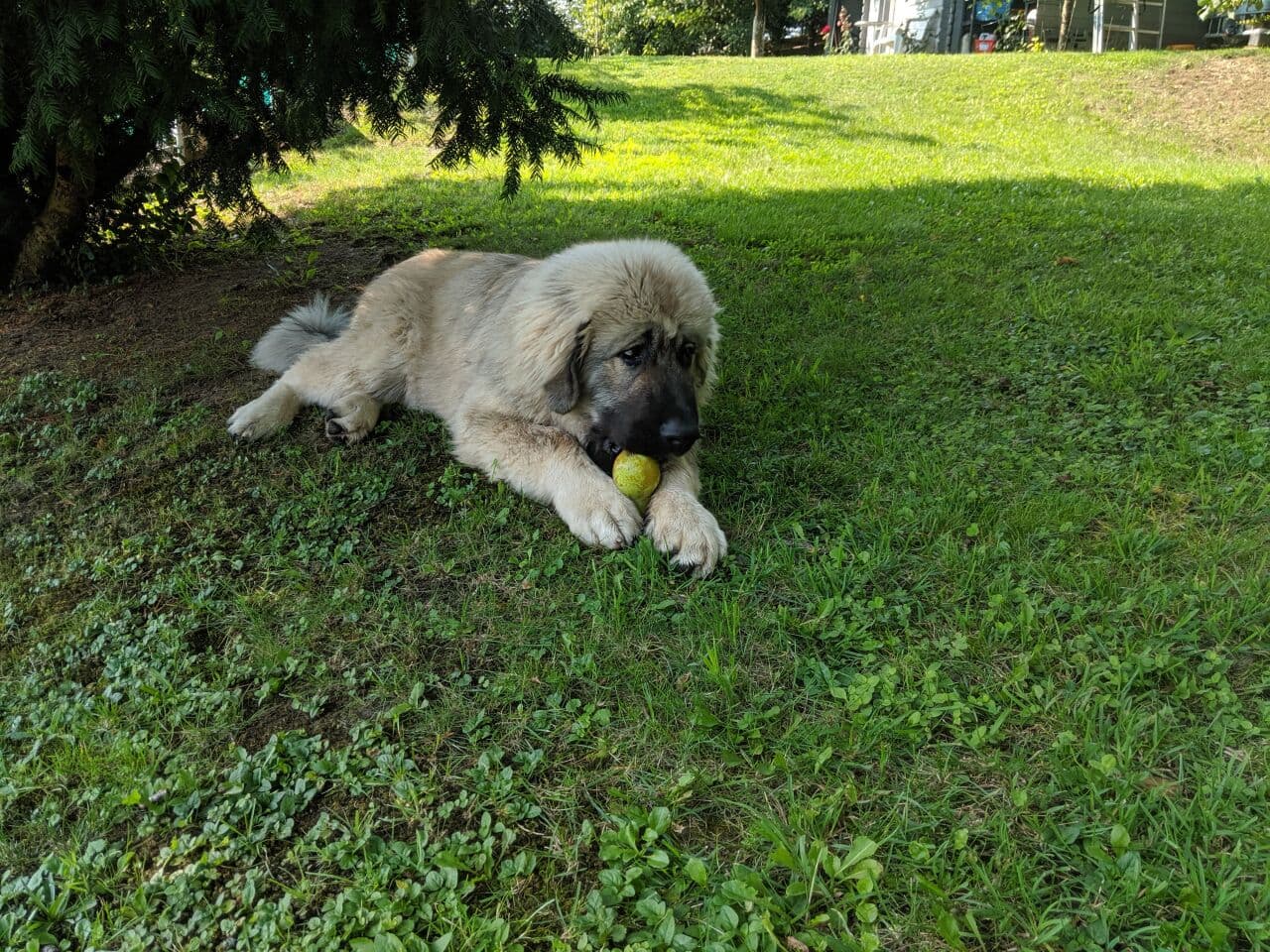
Caucasian Shepherd Dog
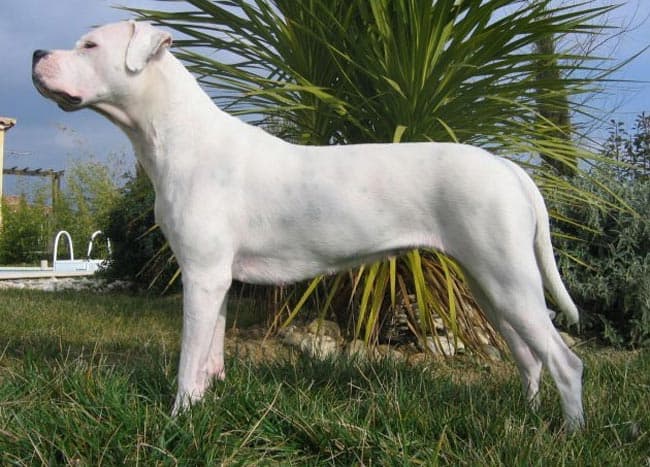
Dogo Argentino
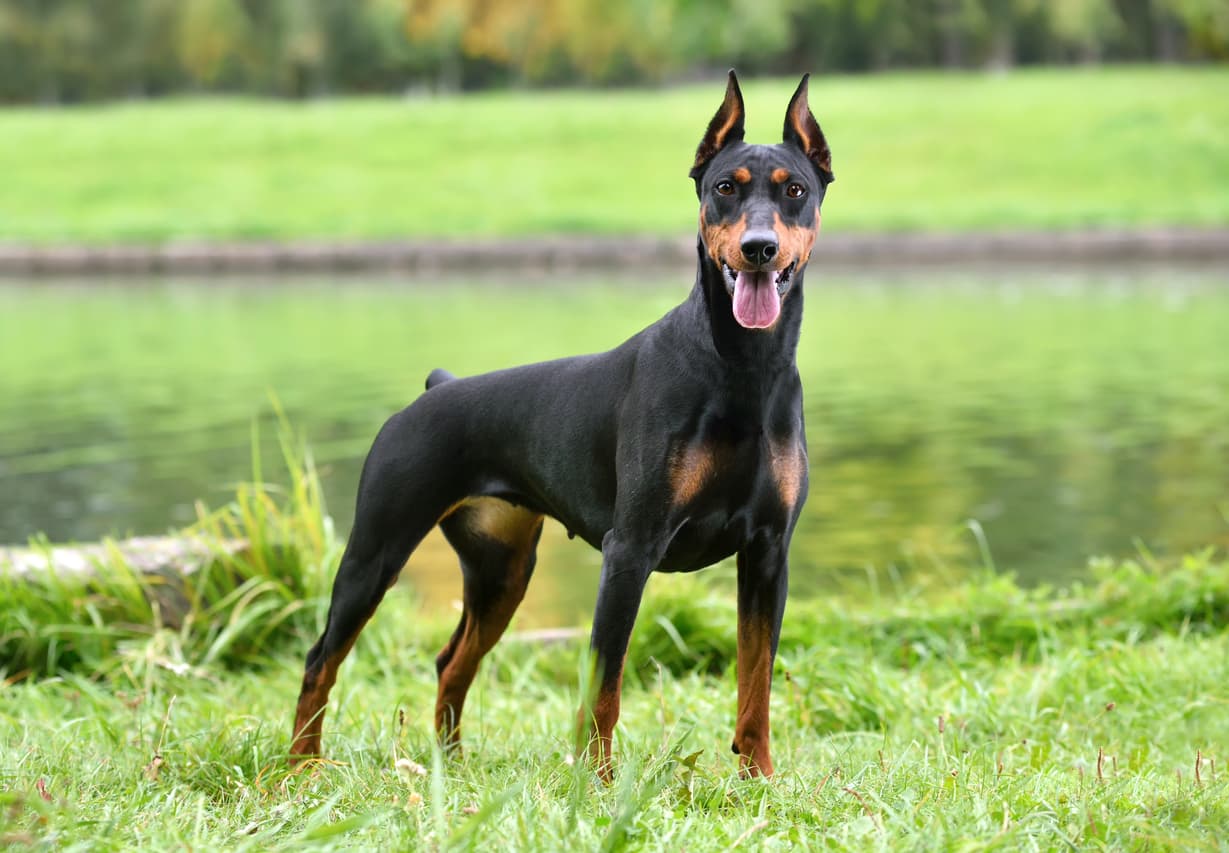
Doberman Pinscher
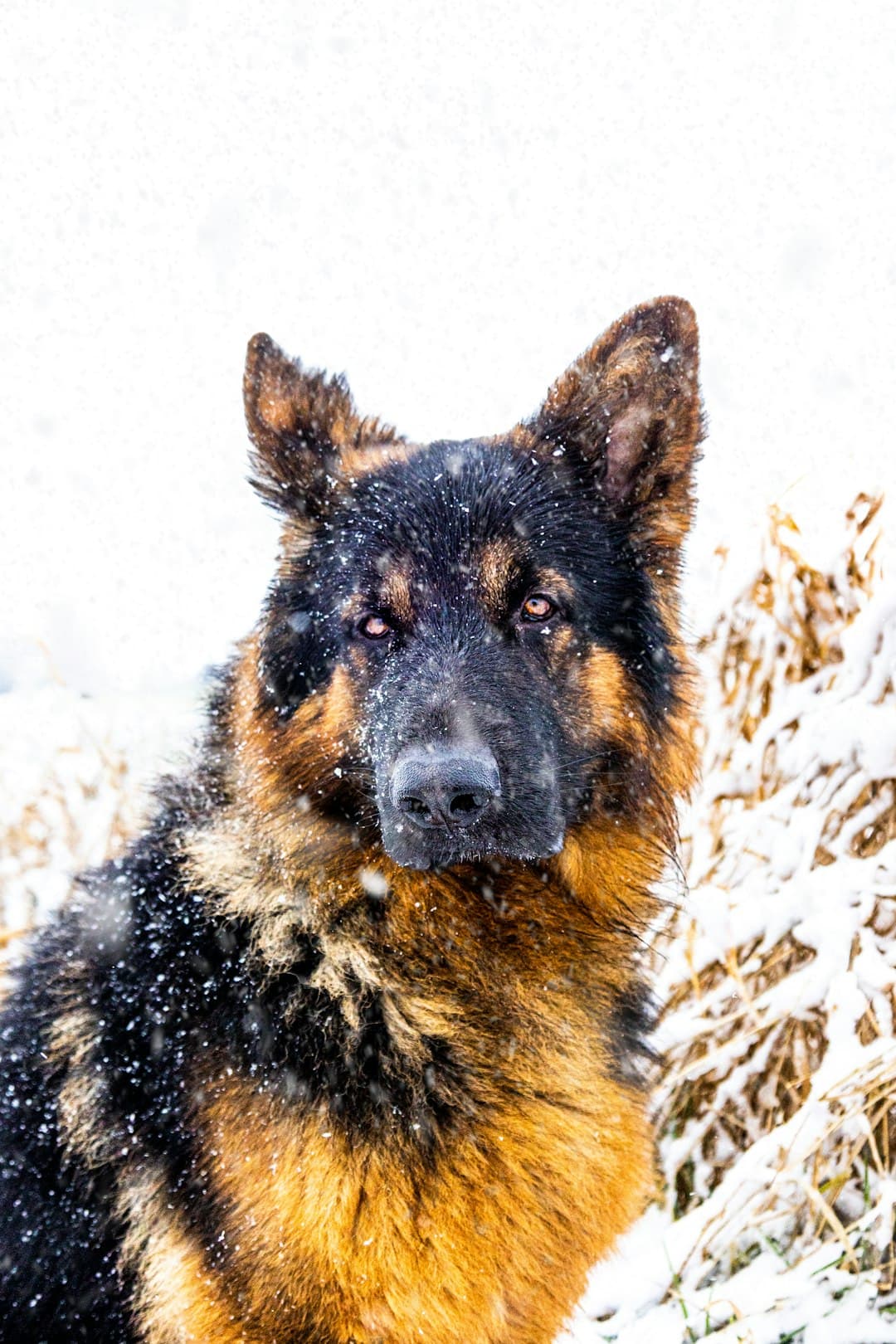
German Shepherd
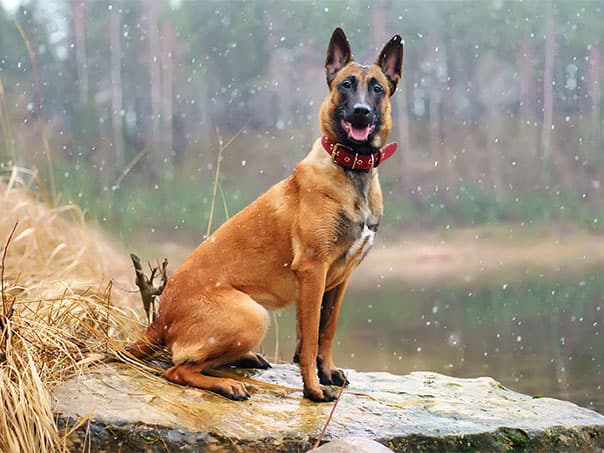
Belgian Malinois
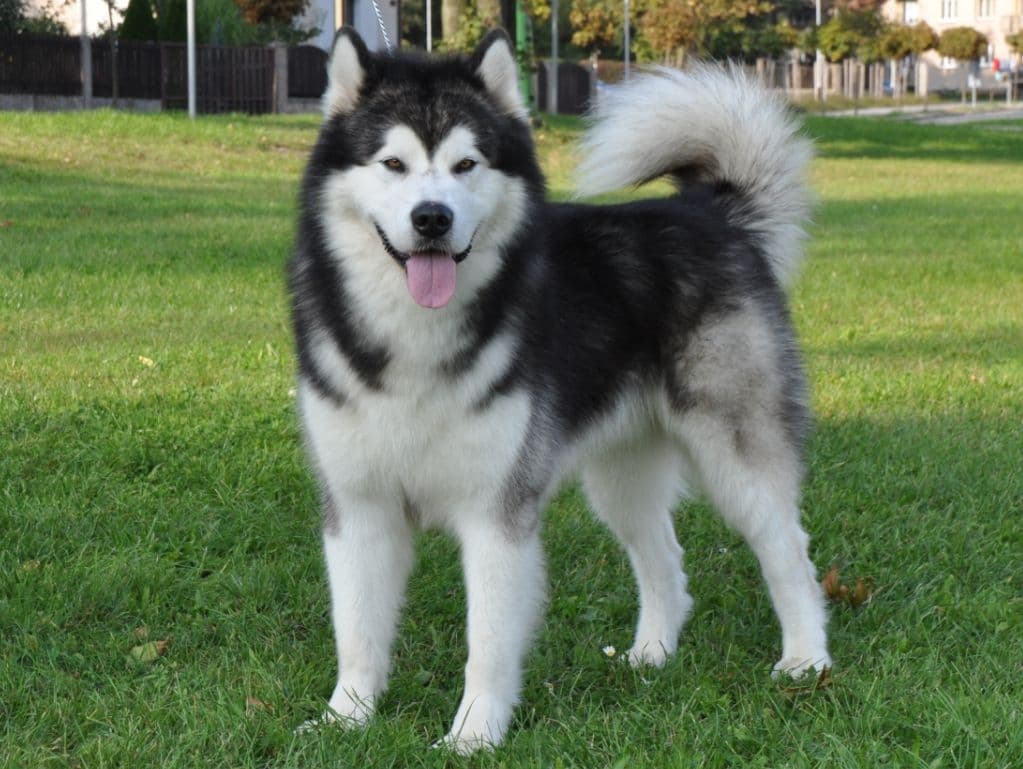
Alaskan Malamute
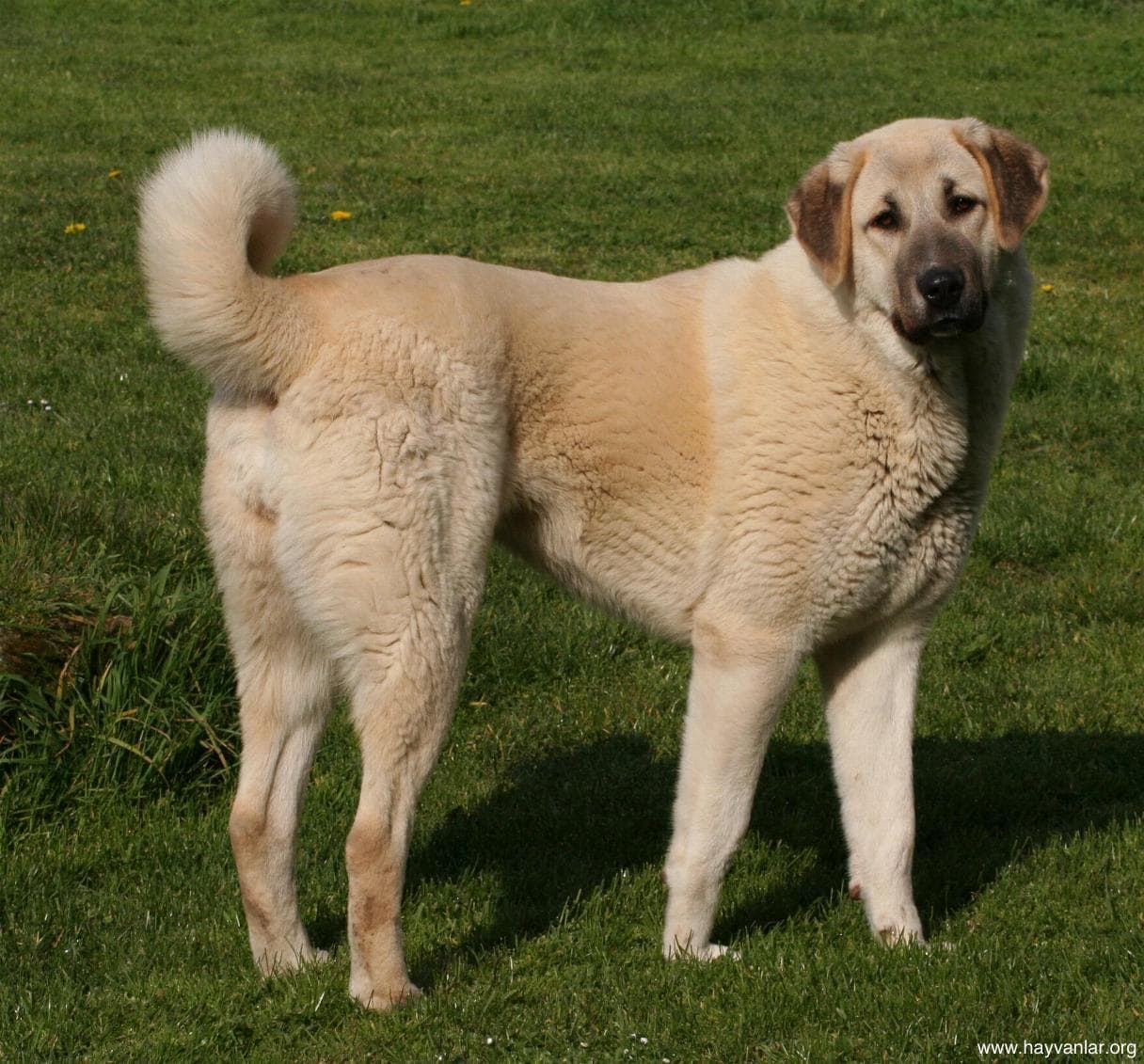
Anatolian Shepherd
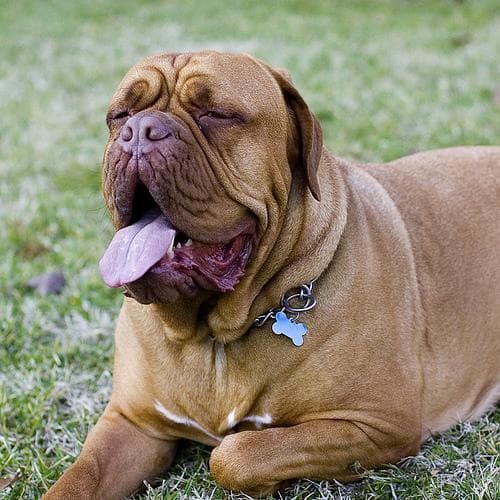
Fila Brasileiro
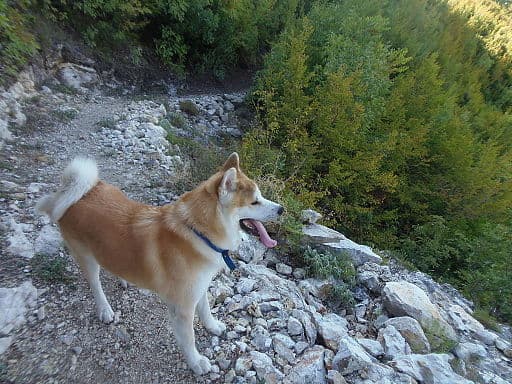
Tosa Inu
Frequently asked questions
What is the strongest dog in the world?
There isn’t one scientific crown. Viral lists often put Turkish Kangals first for bite force estimates; English Mastiffs lead for sheer mass; Rottweilers, Malinois, and Shepherds shine for trainable working power. Pick the metric—then read the breed, not the meme.
Which dog has the strongest bite?
Internet charts often cite Kangals (and sometimes other mastiff-types) with very high PSI figures. Those numbers are rarely from standardized, peer-reviewed bite-force studies across breeds. Treat them as popular lore, not a lab ranking.
Are the strongest dogs dangerous?
Powerful breeds are not automatically aggressive—but mistakes hit harder. Training, socialization, secure containment, and experienced ownership matter more than PSI. Many mastiffs are calm with family when well raised.
What’s stronger—a Mastiff or a Rottweiler?
Different strengths. Mastiffs bring mass and presence; Rottweilers often bring denser athleticism and working drive. Compare adult dogs of known lines, not chart screenshots.
Should I get a “strong” breed for protection?
Only if you can train, socialize, and legally keep one. Deterrence and temperament vary. See our protection dogs and Cane Corso / Kangal guides—and take the match quiz before buying for “power.”
References
This guide summarizes publicly available breed-standard and veterinary education sources. Always consult your veterinarian for individual care.
- [1]Working Group — American Kennel Club (AKC)
- [2]Rottweiler Dog Breed Information — American Kennel Club (AKC)
- [3]Mastiff Dog Breed Information — American Kennel Club (AKC)
- [4]How to Choose the Right Dog Breed — American Kennel Club (AKC)
- [5]Pet Ownership Resources — American Veterinary Medical Association (AVMA)
- [6]General Dog Care — ASPCA