PawPedia breed guide
Cane Corso
The Italian Mastiff—loyal, powerful, and work-minded. Temperament, training honesty, space needs, and whether this guardian fits your real life.
1 breeds · Updated 2026-08-15
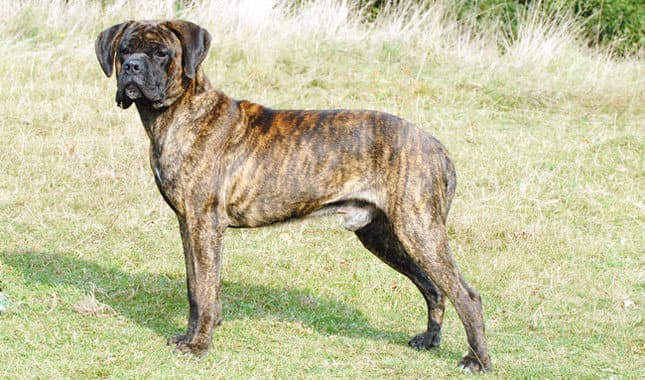
The Cane Corso is a large Italian working breed— often called an Italian Mastiff—bred for property and livestock protection. Modern Corsos can be steady family guardians when breeding, socialization, and training match the job. Underestimate their size and confidence at your peril.
Open the full Cane Corso breed guide for scores, health notes, and costs. Kennel overview: AKC Cane Corso. Prefer a softer family companion? See best family dogs or take the match quiz.
Cane Corso at a glance
- Size: large · 88-110 lbs · 23-28 inches
- Energy: 4/5 · lifespan 9-12 years
- Temperament lean: Confident, Intelligent, Loyal, Protective
- Coat: short
Large, athletic dog with a confident demeanor. Cane Corsos are intelligent, loyal, and make excellent family protectors.
History & purpose
Ancient Italian breed used for hunting and guarding. They're descendants of Roman war dogs.
That working past shows up as territorial awareness and a need for clear leadership. Corsos are not livestock-guardian loners like some mountain dogs—they typically want to be near their people while still taking the perimeter seriously.
Living with a Cane Corso
Exercise. High energy requiring daily exercise and mental stimulation. Structure beats chaotic free-for-alls with unknown dogs.
Training. Intelligent but can be stubborn. Require firm, consistent training. Socialize early to people, surfaces, and calm public spaces without flooding the puppy. Keep rules consistent across the household.
Grooming. Low maintenance. Weekly brushing and occasional baths.
Health. Typical concerns include Hip Dysplasia, Eye Problems, Bloat. Ask about hips, elbows, eyes, and cardiac screening; keep a healthy weight on a heavy frame.
Check local laws, insurance, and housing rules—large guardian breeds face restrictions in some places.
Is a Cane Corso right for you?
Strong fit for experienced owners with space, a training plan, and time for a powerful companion. Look elsewhere for a first apartment dog or a soft “nanny” breed.
Often compared with: Presa Canario, Boerboel, Rottweiler. Put two side by side in Compare, or browse protection dogs and large dog breeds.
Cane Corso breed profile
Browse 1 profiles. Open any breed for temperament, care, and lifestyle scores.
Frequently asked questions
What is a Cane Corso?
The Cane Corso is a large Italian Mastiff-type working breed historically used for property and livestock protection. They’re muscular, loyal to their people, and need serious training and socialization—not a casual first dog for most households.
Are Cane Corsos good family dogs?
They can be devoted with their own family when well bred, trained, and socialized. They’re powerful and often reserved with strangers. Supervise kids, teach manners early, and choose experienced owners over impulse buys.
How much exercise does a Cane Corso need?
Daily walks, training, and purposeful activity—not just a backyard nap. Underworked Corsos may become restless or territorial. Mental work (obedience, structured jobs) matters as much as mileage.
Do Cane Corsos need a lot of training?
Yes. Early socialization, consistent rules, and professional-quality obedience help channel guardian instincts. Soft, unclear leadership and isolation often create problems. Plan classes before the puppy arrives.
Cane Corso vs Presa Canario—what’s the difference?
Both are large guardian/working types with different national origins and breed standards. Temperament and drive vary by line. Compare profiles side by side and meet adult dogs when you can.
References
This guide summarizes publicly available breed-standard and veterinary education sources. Always consult your veterinarian for individual care.
- [1]Cane Corso Dog Breed Information — American Kennel Club (AKC)
- [2]Working Group — American Kennel Club (AKC)
- [3]How to Choose the Right Dog Breed — American Kennel Club (AKC)
- [4]Pet Ownership Resources — American Veterinary Medical Association (AVMA)
- [5]General Dog Care — ASPCA