PawPedia breed guide
Dog DNA tests
Ancestry kits, AKC parentage profiles, and mutation panels answer different questions. PawPedia does not sell kits. Independent research and kennel-club DNA programs—not a best-buy ranking.
14 breeds · Updated 2026-08-18
A dog DNA test is usually a cheek swab mailed to a lab. What you get back depends on the product: a consumer ancestry kit estimates breed mix; AKC DNA Profiling checks identity and parentage for the registry and does not determine breed; a health mutation panel looks for specific variants such as MDR1. PawPedia does not process samples or sell kits.
Independent comparison: JAVMA, February 2024 (Rando et al.) ran six commercial ancestry tests on 12 registered purebreds. Kennel-club DNA: AKC DNA FAQ. Choosing a companion is still a lifestyle match—use the breed quiz, not a percentage pie chart.
Three different jobs DNA can do
1. Parentage and identity (AKC). AKC DNA Profiling uses a cheek swab processed by Neogen. It is for genetic identity and verifying sire and dam when those dogs are also on file. AKC: parentage evaluation can determine, with greater than 99% confidence, whether pups are from the tested dam and sire. AKC states this test does not determine breed, purity, health, conformation, performance, or coat color. Prepaid kits are listed at $55 per dog on AKC’s DNA FAQ (plus shipping as published there).
2. Consumer breed ancestry. Direct-to-consumer kits compare your dog’s markers to a company’s breed reference panel and return estimated percentages. Methods are typically proprietary. JAVMA: results depend on marker density, which breeds are in the panel, and how diverse those reference dogs are. Companies often ask for a photograph; the 2024 study tested whether that photo changed predictions.
3. Health and drug-sensitivity mutations. These look for specific DNA changes (for example MDR1). They are not a breed label. AKC DNA + Health adds 328+ health and trait markers to the profile kit, reports in 4–5 weeks after activation, and still does not report breed heritage. AKC: a DNA test cannot reliably determine breed because breed is defined by clubs, standards, and stud books.
What JAVMA 2024 actually compared
Rando, Graim, Hampikian, and Greene recruited 12 registered purebred pet dogs (one breed each), including catalog breeds such as:
Owners submitted six buccal swabs. Half the kits were registered with a photo of the DNA donor; half with a swapped photo of another purebred. Dogs were listed as mixed breed where the form asked. A photo-only classifier was the control for “guess the breed from the picture.”
Registered-breed match (100% concordance, their table): Wisdom Panel 12/12; Darwin’s Ark 11/11 (one sample lost); Embark 10/12; DNA My Dog 8/12; Orivet 7/12; Accu-Metrics 0/9. Five of six commercial tests always included the registered breed in some form; tests still disagreed on extra ancestry slices. Accu-Metrics’ predictions lined up more with the photograph than the swab—similar to the photo-only control. The authors say veterinarians will be asked to explain kits they did not order, and that identifying ancestry is hard even in purebreds.
This was not a mixed-breed accuracy contest, not a 2026 price list, and not a “voted #1 by veterinarians” ranking. Marker counts in the paper describe kits as of study design (end of 2021).
Health DNA: MDR1 and parent-club screens
AKC calls the MDR1 mutation a very important pharmacogene: affected dogs can be extremely sensitive to some parasiticides (including ivermectin) and some chemotherapy drugs. AKC: herding breeds, sighthounds, numerous mixed-breed dogs, and others; it is now standard in veterinary medicine to test before using certain P-glycoprotein drugs in dogs of potentially affected origin.
Washington State University discovered the canine MDR1 mutation and sells a dedicated PrIMe MDR1 test (WSU lists $70 on its MDR1 page). WSU: the test does not tell you the breed; up to 75% of some breeds carry the mutation; it also appears in mixed breeds. Catalog herding types often discussed with MDR1:
- Collie — energy 3/5
- Australian Shepherd — energy 5/5
- Shetland Sheepdog — energy 4/5
- Border Collie — energy 5/5
AKC’s DNA-health article: multiplex panels test many variants that do not apply to a given dog; in one published panel of 207 markers across more than a million dogs, the top 20% of disease-associated variants accounted for 98.3% of detections. Prefer direct mutation tests over linkage tests when it matters. OFA CHIC is the public database parent clubs use; OFA lists acceptable labs and does not vouch for every consumer kit’s accuracy. Doberman example: vWD DNA is a parent-club recommendation, not an ancestry pie.
What a swab cannot replace
DNA percentages do not measure temperament, training, or whether a landlord allows the dog. AKC DNA + Health explicitly does not determine temperament or performance. Consumer “behavior insights” bundled with ancestry are marketing, not a substitute for meeting the dog (rescue) or reading a breed profile.
Type labels such as pit bull are not one DNA breed. Wolfdog and wolf-hybrid questions are legal and husbandry issues; a consumer kit is not a permit. Designer mixes: designer dogs and Goldendoodles vary litter to litter even when a kit names both parents.
Photo-based breed guessing is a different method. We do not offer a photo breed-identification tool. If you want genetics, use a laboratory swab and share health findings with your veterinarian (AVMA pet-owner resources).
After you get a report
For ancestry: open the named breeds in our catalog and plan care for the highest-energy, highest-grooming slices, not the cute minority percentage. Compare two types in Compare. For health hits: do not start or stop medication from a PDF alone—call the lab’s counselor if they offer one (AKC DNA + Health: 919.816.3508 option 4) and your veterinarian.
Still choosing a dog to live with? The lifestyle quiz matches home and energy to our database. It is not a DNA test. Already have a mixed-breed adult? Meet the dog you have, then use genetics as one more data point.
Breeds often discussed with DNA testing
Browse 14 profiles. Open any breed for temperament, care, and lifestyle scores.

Goldendoodle
Labradoodle
Labrador Retriever
Golden Retriever
Beagle
Shetland Sheepdog
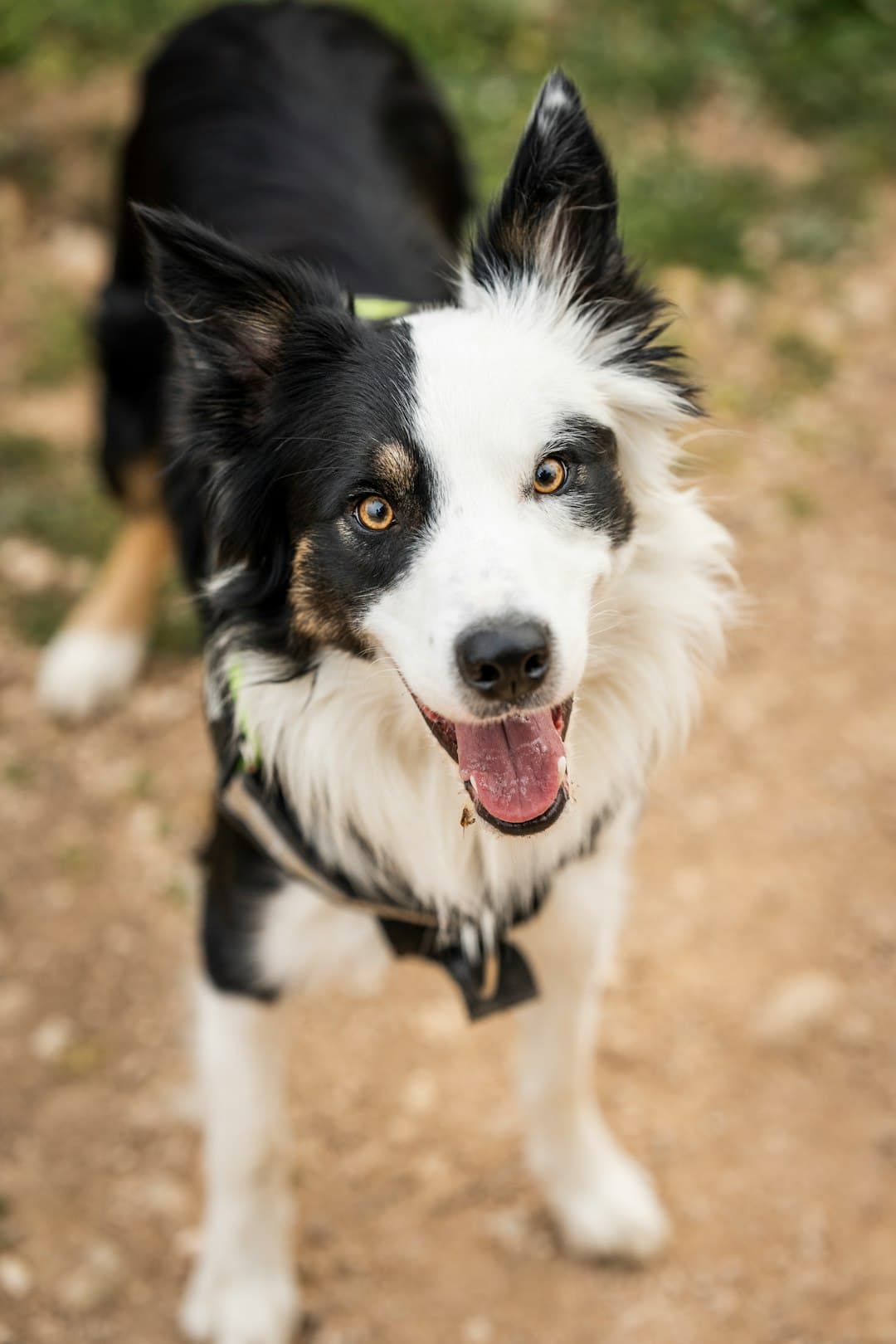
Collie
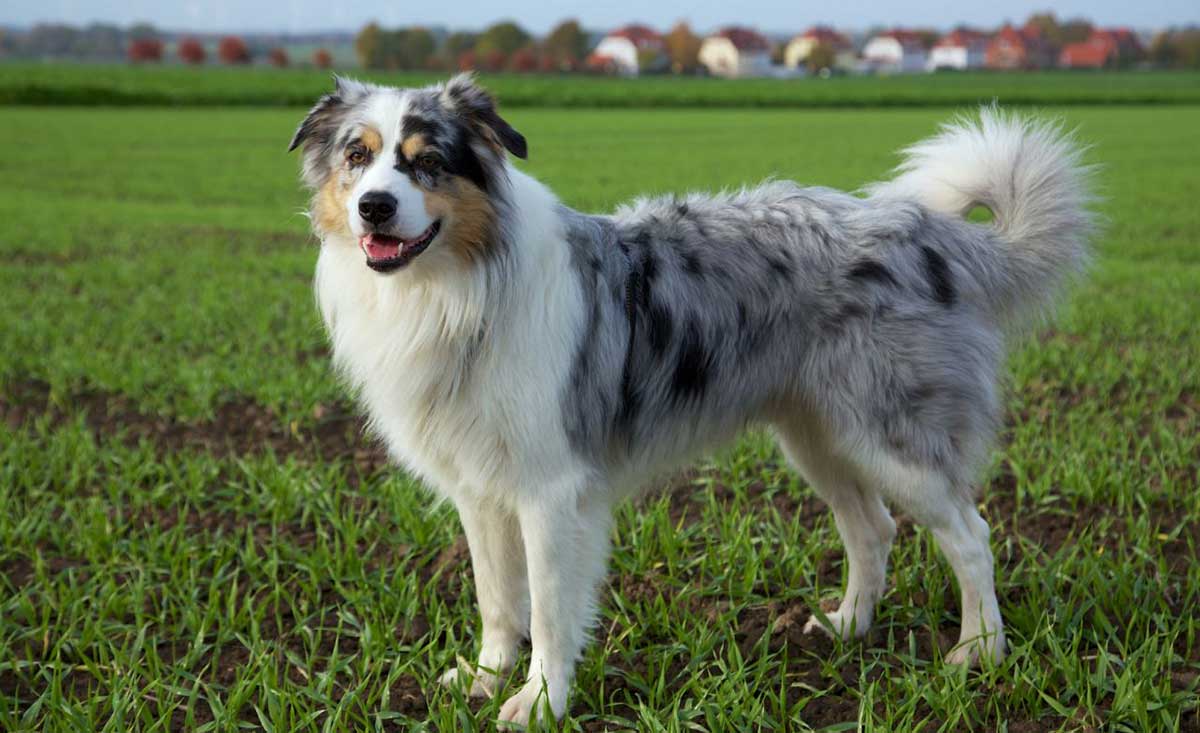
Australian Shepherd
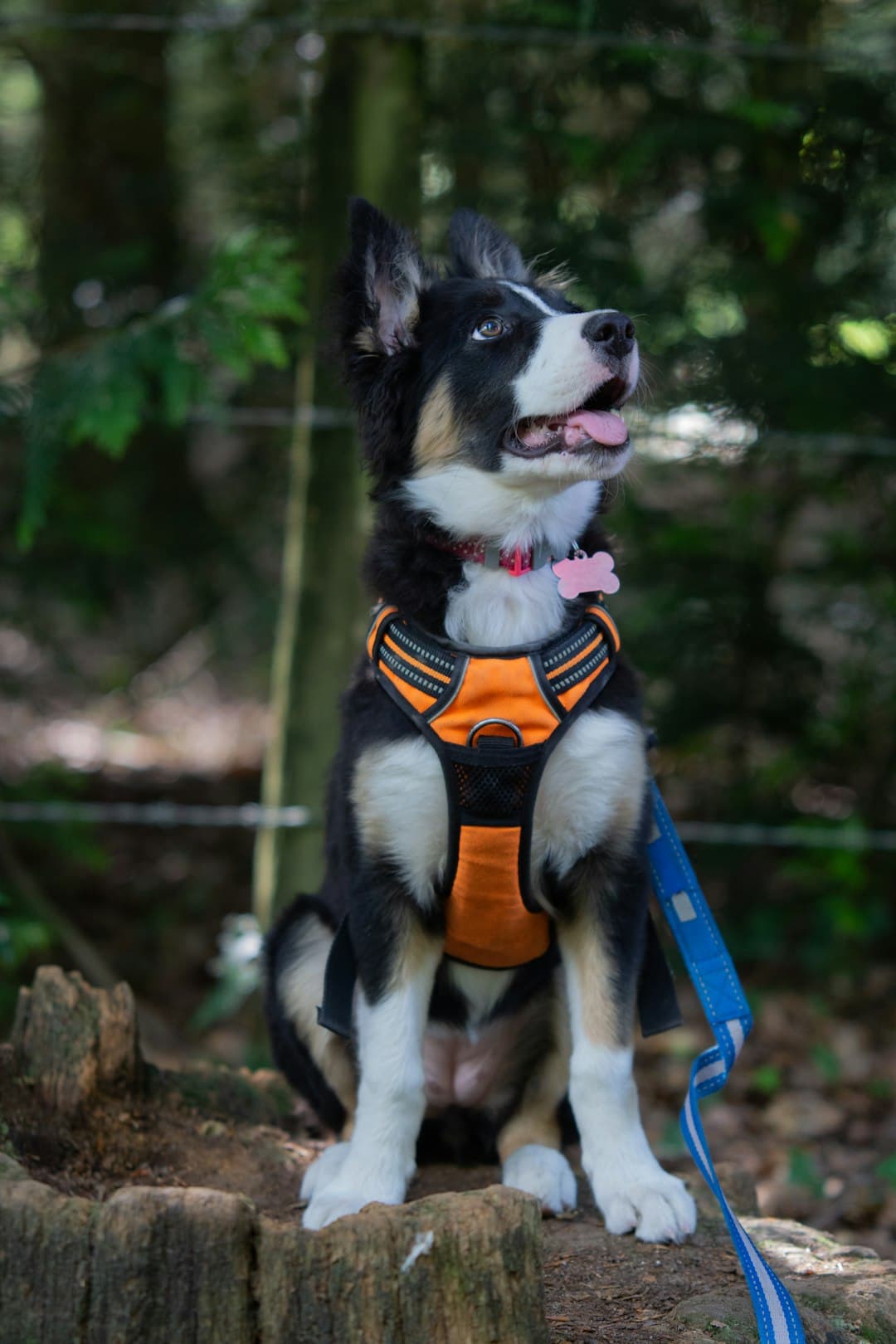
Border Collie
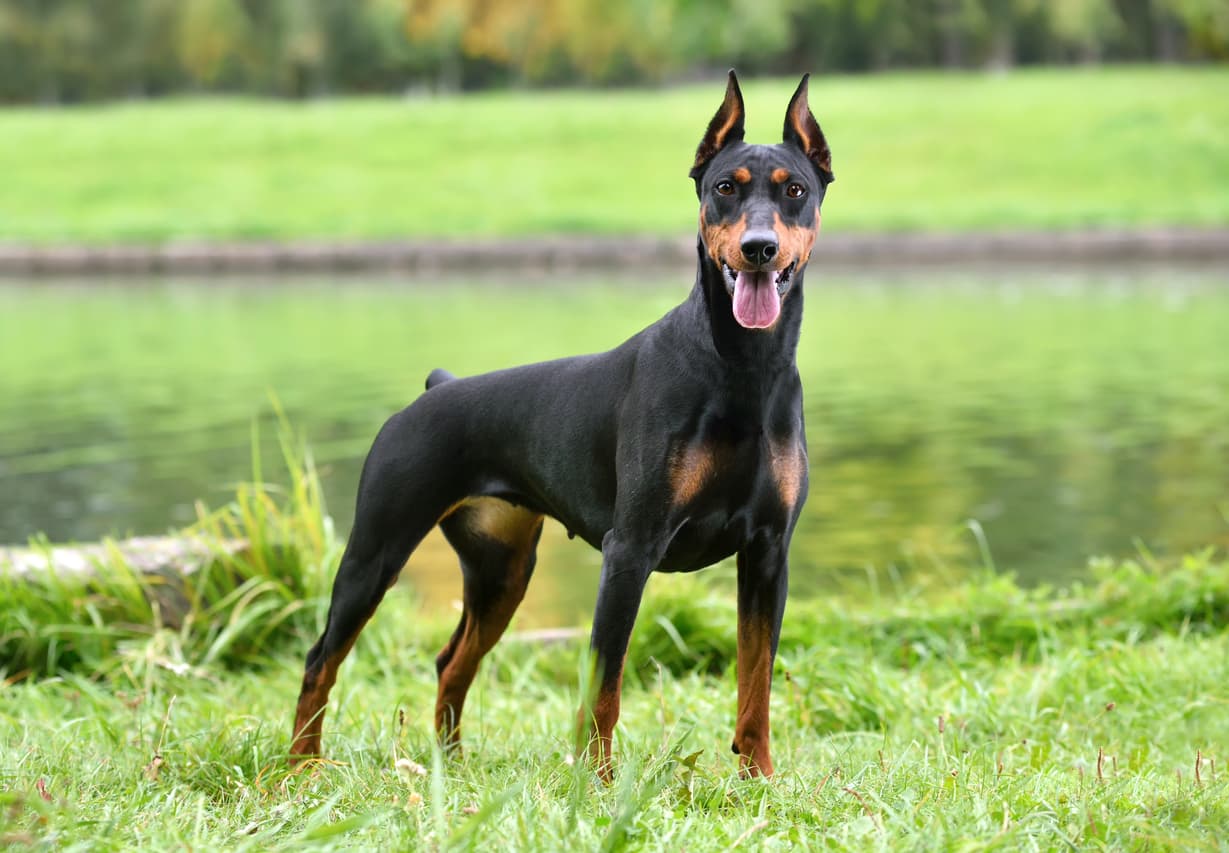
Doberman Pinscher
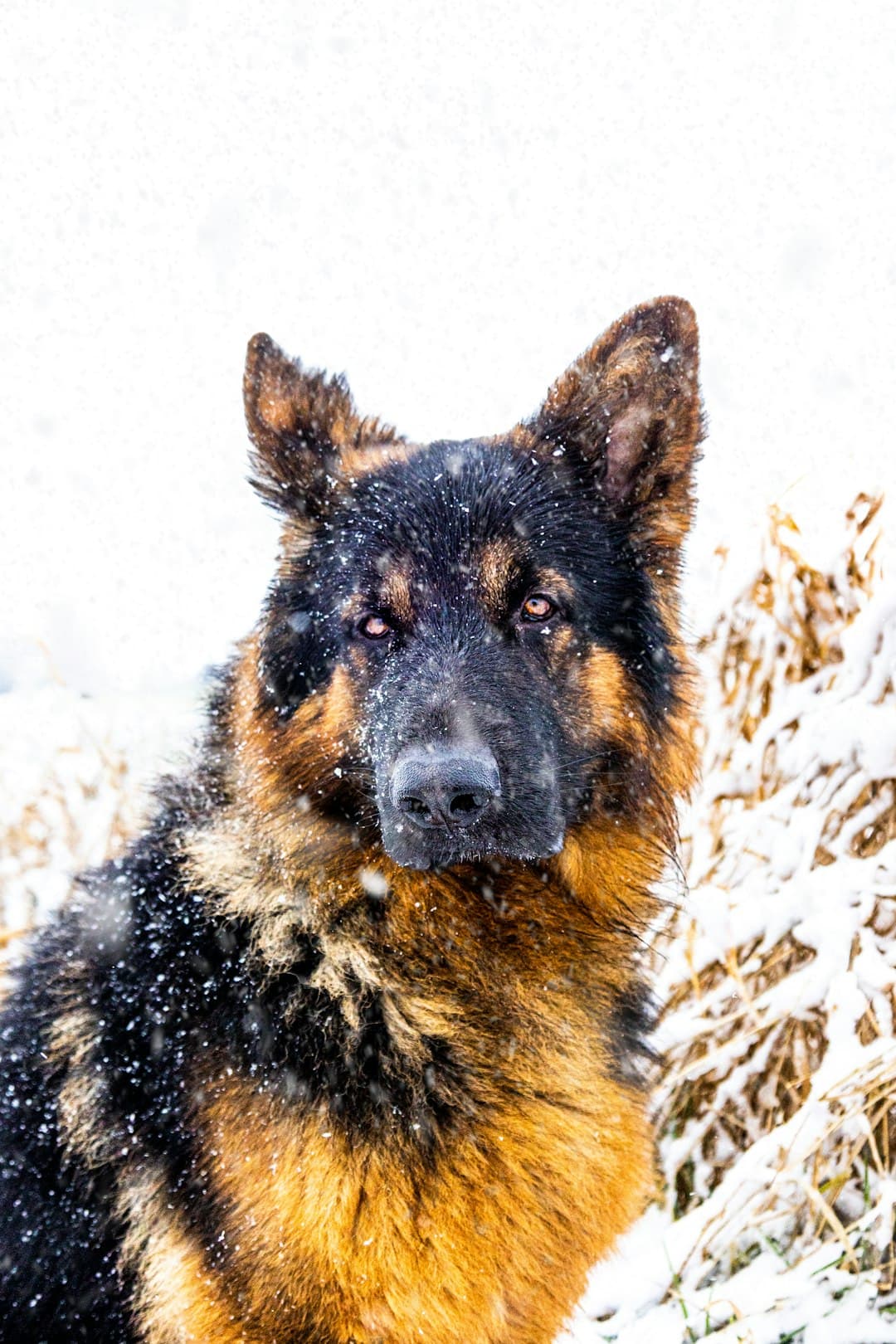
German Shepherd

Poodle (Standard)
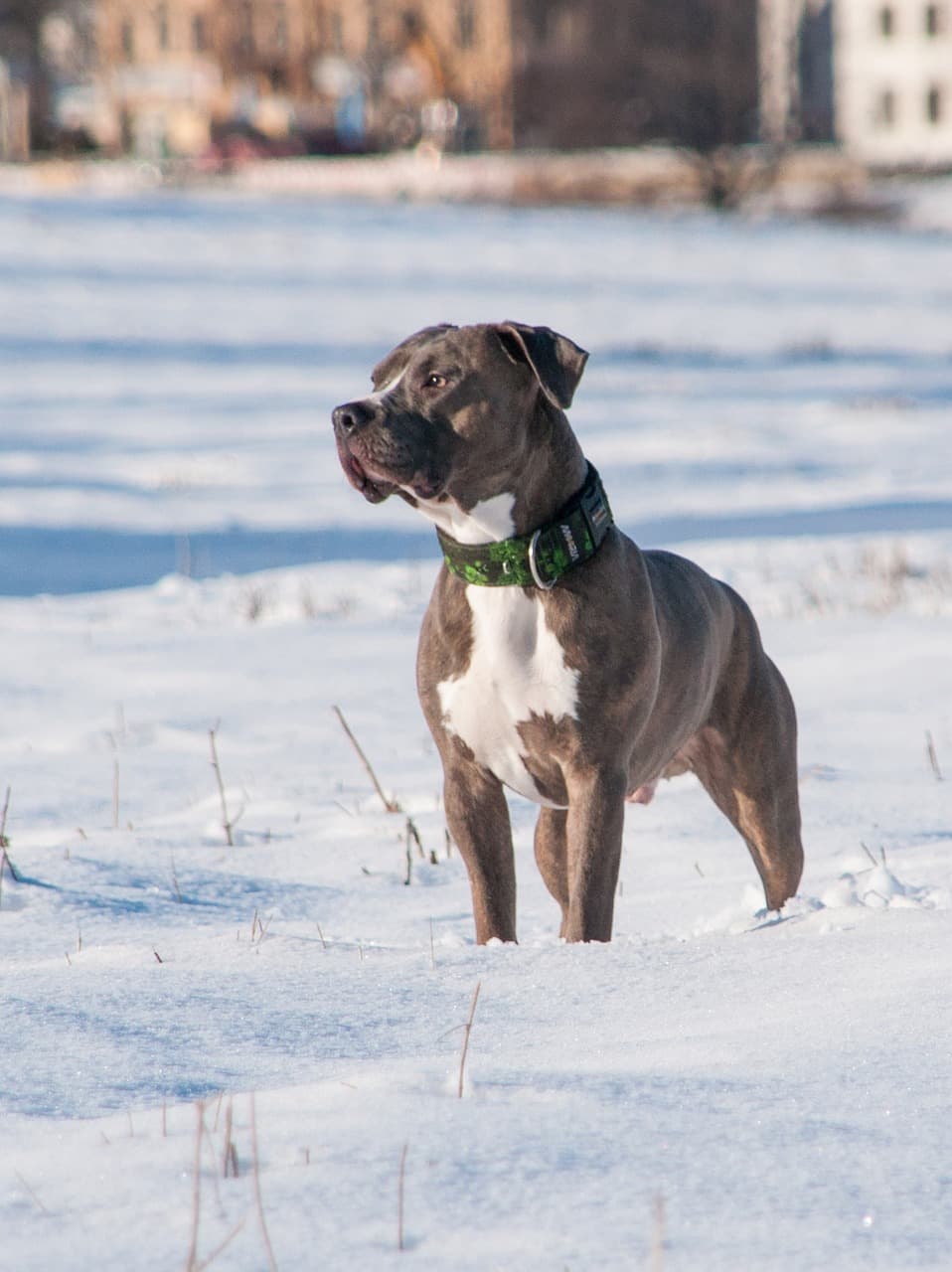
American Pit Bull Terrier
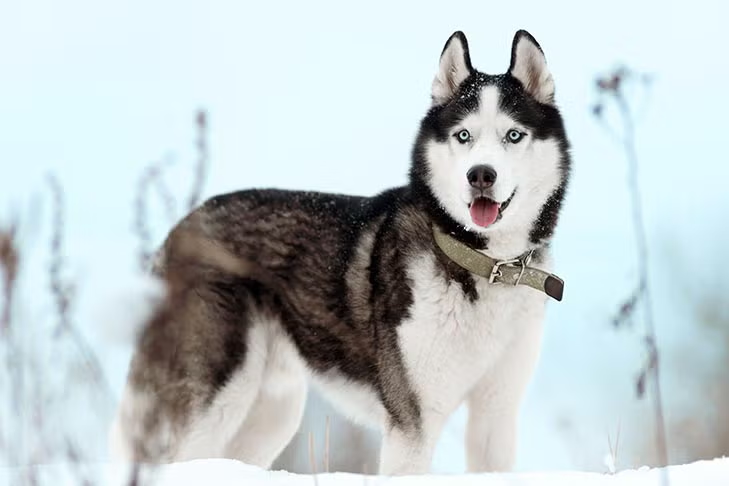
Siberian Husky
Frequently asked questions
Does a dog DNA test tell you the breed?
Consumer ancestry kits estimate breed makeup by comparing markers to a company’s reference panel. A 2024 JAVMA study of 12 registered purebreds found five of six commercial tests usually included the registered breed; one did not. The authors did not claim mixed-breed percentages are a ground truth. AKC’s own DNA Profile does not determine breed or purity—breeds are defined by clubs, standards, and pedigrees.
Is the AKC DNA test the same as Embark or Wisdom Panel?
No. AKC DNA Profiling (cheek swab, processed by Neogen) is genetic identity and parentage verification for the registry. AKC states it does not report breed, health, coat color, or performance. AKC DNA + Health adds health and trait markers but still does not report breed heritage. Consumer kits are a different product aimed at ancestry estimates.
How accurate are mixed-breed DNA percentages?
JAVMA 2024 used registered purebreds because mixed dogs have no independent pedigree to score against. Companies still disagreed on some purebreds, and algorithms are proprietary. Treat small percentage slices as estimates, not a family tree. Meet the individual dog’s needs either way.
Should I DNA-test for health?
Ask your veterinarian. Some mutations (for example MDR1 in many herding-related dogs) change which drugs are safe. WSU developed the MDR1 test and notes it does not identify breed. Parent clubs and OFA CHIC list breed-specific screens. A “positive” variant is not a diagnosis—AKC DNA + Health points owners to genetic counseling and the dog’s veterinarian.
Does PawPedia sell or rank DNA kits?
No. We do not sell tests, take affiliate kit fees, or publish live price lists. Consumer kit prices change. AKC publishes its own kit fees on its DNA FAQ (prepaid profile kit $55 per dog as of that page). Confirm current prices with the lab.
Can a photo identify my dog’s breed instead?
That is not a DNA test. JAVMA used a photo-only classifier as a control; it failed when the photo did not match the swab. PawPedia does not offer a photo breed-identification tool (that old URL is gone). Use a lab swab if you want genetics, or our lifestyle quiz if you are choosing a breed to live with.
References
This guide summarizes publicly available breed-standard and veterinary education sources. Always consult your veterinarian for individual care.
- [1]Many Direct-to-Consumer Canine Genetic Tests Can Identify the Breed of Purebred Dogs — Journal of the American Veterinary Medical Association (JAVMA)
- [2]DNA Frequently Asked Questions — American Kennel Club (AKC)
- [3]AKC's DNA Profile Program — American Kennel Club (AKC)
- [4]Learn About the AKC DNA Profile Program — American Kennel Club (AKC)
- [5]AKC DNA + Health Frequently Asked Questions — American Kennel Club (AKC)
- [6]DNA Health Testing Considerations — American Kennel Club (AKC)
- [7]Personalized Medicine for Dogs — American Kennel Club (AKC)
- [8]PrIMe MDR1 Testing for Dogs and Cats — Washington State University (WSU)
- [9]CHIC Program — Orthopedic Foundation for Animals (OFA)
- [10]Pet Ownership Resources — American Veterinary Medical Association (AVMA)