PawPedia breed guide
Dog breed selector
Filter by home, size, energy, coat, and temperament—then shortlist with the free seven-question quiz scored against our catalog. A selector is a map, not a guarantee.
16 breeds · Updated 2026-08-18
A dog breed selector is a filter: you name the constraints you actually have—space, kids, walks, brushing—and we score those against published breed cards. PawPedia’s match quiz asks seven questions and ranks 362 catalog breeds. It is not a DNA panel, not a photo identifier, and not the AKC breed selector.
Start the free breed match quiz, or browse the filters below. Kennel-club lifestyle advice: choosing a breed for your lifestyle. Want a decision checklist with family vs apartment vs active paths? See best dog breed for me.
How this selector scores breeds
The quiz is the interactive selector. Each answer adjusts a numeric score on our catalog:
- Home. Apartment boosts our apartment-fit lean and penalizes large size. House with outdoor access boosts large or high-energy dogs.
- Household. Kids uses our kids lean. Seniors or living alone favors lower energy and some alone-time tolerance.
- Size. Small, medium, or large is a hard filter unless you pick “no preference.”
- Activity and daily time. We compare your week to each breed’s energy score (1–5).
- Coat. Short, medium, long, or curly is a hard filter unless you leave it open. Curly is often chosen for less visible shed—it still needs grooming.
- Temperament vibe. We boost breeds whose catalog tags include the word you picked (friendly, smart, loyal, playful, calm).
Ranked results show relative fit, not a perfect dog. AKC’s veterinary corner: a mismatch on activity or living conditions is how dogs end up rehomed. Take the quiz when you want a shortlist in about two minutes—no email.
Filter: size and space
AKC: if you hike, a short-legged dog may be a poor partner; if you live in an apartment, size may be an issue. Our cards use three size bands—small, medium, large—not AKC’s seven groups. Catalog examples:
- Cavalier King Charles Spaniel — small, 13-18 lbs
- Beagle — small, 20-30 lbs
- Labrador Retriever — large, 55-80 lbs
Browse small, medium, and large hubs, or best dogs for apartments. Energy still matters more than square footage alone.
Filter: energy and daily time
AKC: pick a dog whose approach to life matches yours—don’t expect a Pug to be a Border Collie. Our energy field is 1–5. The quiz maps “mostly relaxed” to 1–2, “moderately active” to 3, and “very active” to 4–5. Low daily time also penalizes high-energy breeds.
- Bulldog — energy 2/5 · Low energy requiring short walks and indoor play.
- Greyhound — energy 3/5 · Surprisingly low energy. Short bursts of exercise followed by long naps.
- Border Collie — energy 5/5 · Very high energy requiring extensive daily exercise and mental stimulation.
Side-by-side: compare energy. High-drive herding types: herding dog breeds. Quieter homes: best dogs for seniors.
Filter: coat and grooming
AKC: even if you use a salon, plan weekly home grooming; heavy coats can need daily work. Our coat types are short, medium, long, and curly. Choosing one in the quiz drops every other type.
- Doberman Pinscher — short · Low maintenance. Weekly brushing and occasional baths.
- Golden Retriever — long · Requires regular brushing (2-3 times per week) to prevent matting. Sheds heavily twice a year.
- Poodle (Standard) — curly · High maintenance. Requires professional grooming every 4-6 weeks and daily brushing.
Lower visible shed is not allergen-free. See hypoallergenic dogs and best dogs for allergies. Fluffy coats: fluffy dog breeds.
Filter: household and budget
AKC: guardian types can be wary of busy visitor traffic; all dogs cost food, vet care, toys, and training, and large dogs usually cost more to feed and medicate. ASPCA’s 2021 national planning table lists a dog first-year total of $3,221—not a per-breed quote. ASPCA adoption advice: match personality and energy to your daily life, and let shelter staff help play matchmaker.
- Golden Retriever — Friendly, Intelligent, Devoted, Trustworthy
- French Bulldog — Adaptable, Playful, Smart, Affectionate
- Havanese — Affectionate, Intelligent, Energetic, Loyal
Families: best family dogs and best dogs for kids. First dog: first-time owners. Rescue: dog rescue.
After you have a shortlist
AKC: popularity and TV dogs are a weak reason to choose. Research parent-club health tests, then meet dogs. A responsible breeder or shelter will ask about your lifestyle; if they don’t, be wary. Open two finalists in Compare, read each profile, and treat quiz percentages as a sorting hat—not a contract.
Still exploring catalogs? Common dog breeds (AKC 2025 registration ranks) and all breeds A–Z. Want to guess breeds from photos instead? That’s the picture quiz—a different tool.
Example breeds across the filters
Browse 16 profiles. Open any breed for temperament, care, and lifestyle scores.

Labrador Retriever

Golden Retriever

Poodle (Standard)

Cavalier King Charles Spaniel

French Bulldog

Beagle

Border Collie

German Shepherd

Greyhound
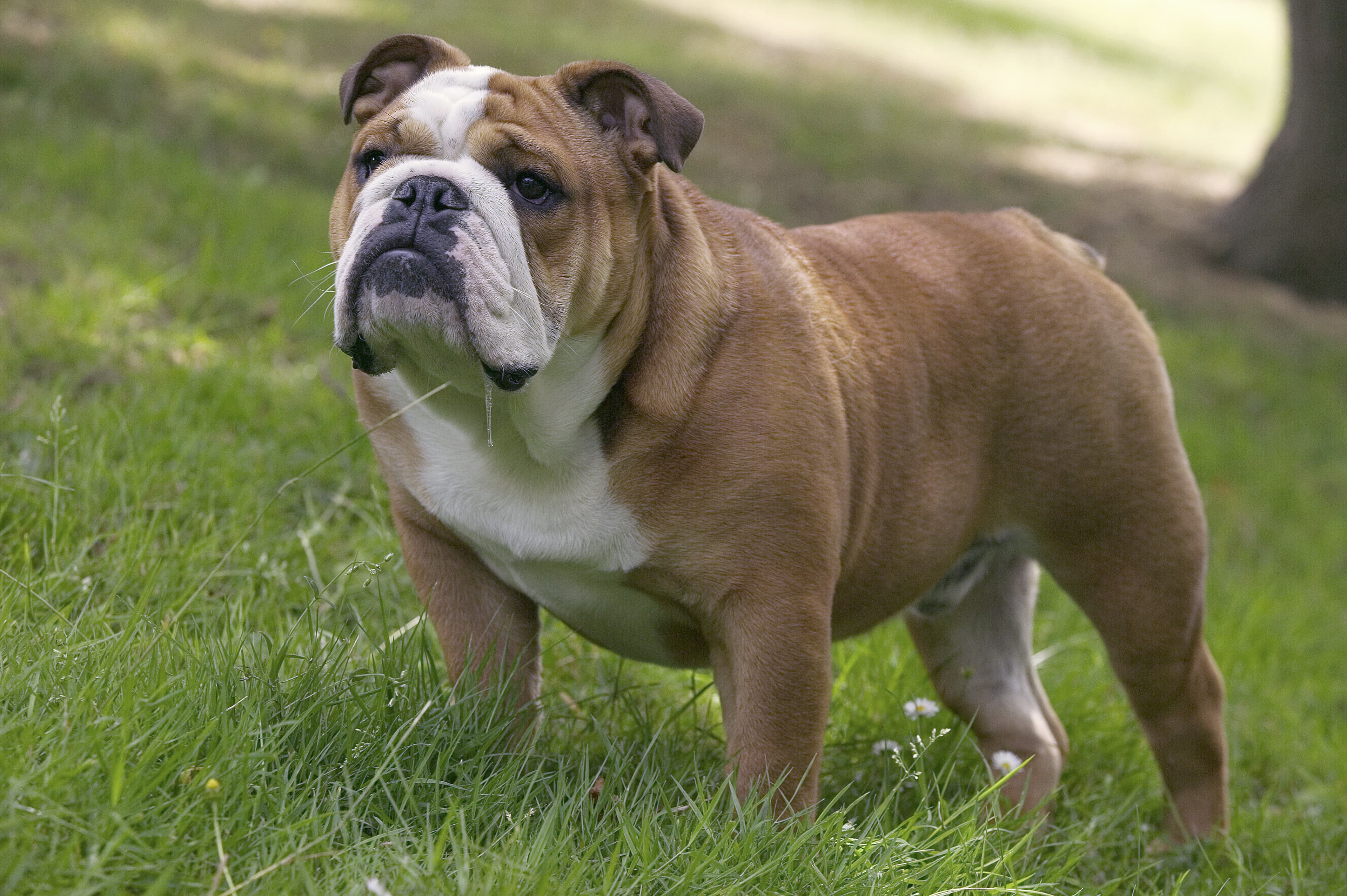
Bulldog

Havanese

Doberman Pinscher

Miniature Schnauzer

Whippet

Poodle (Miniature)

Bichon Frise
Frequently asked questions
How does the PawPedia dog breed selector work?
Our match quiz asks seven questions: home type, household, size, activity, daily time, coat, and temperament. Answers are scored against catalog fields (size, energy 1–5, coat type, temperament tags) plus lifestyle leans such as apartment fit and kids. Exact size or coat picks are hard filters—mismatches drop out. Results are ranked fits from 362 profiles, not a promise.
Is this the same as AKC’s breed selector?
No. AKC publishes its own Dog Breed Quiz / breed-selector tool for recognized purebreds. Ours scores PawPedia’s catalog, which includes mixes as well as purebreds. Use both if you like—then read full profiles and meet dogs.
Do I need to sign up?
No. The selector quiz is free and does not require an email. You can retake it with different answers anytime.
Can I skip the quiz and filter by hand?
Yes. Browse size hubs (small, medium, large), lifestyle guides (apartments, families, first-time owners, lower-shed coats), or the A–Z list. The quiz is a shortcut, not a gate.
Does a high match mean that breed is right for me?
No. AKC’s veterinary advice: match lifestyle, activity, and living conditions, or disappointments follow. Popularity is not fit—AKC notes people often choose a look from TV without researching daily life with the breed. Meet the individual dog through a responsible breeder or rescue.
Is this a DNA test or a photo identifier?
Neither. It helps you choose a breed for your life. It does not identify a dog you already have from a photo or a swab.
References
This guide summarizes publicly available breed-standard and veterinary education sources. Always consult your veterinarian for individual care.
- [1]Choosing the Right Breed of Dog for Your Family and for Your Lifestyle — American Kennel Club (AKC)
- [2]That Dog on TV Might Not Be Right for Your Family — American Kennel Club (AKC)
- [3]Dog Breed Quiz: Find the Best Dog Breed for You — American Kennel Club (AKC)
- [4]Most Popular Dog Breeds of 2025 — American Kennel Club (AKC)
- [5]Finding Your Fido: Tips for Adopting Your New BFF — ASPCA
- [6]Cutting Pet Care Costs — ASPCA
- [7]General Dog Care — ASPCA
- [8]Pet Ownership Resources — American Veterinary Medical Association (AVMA)