PawPedia breed guide
Best dog breed for me
A practical way to choose—match lifestyle first, shortlist with the free quiz, then compare real breed profiles before you commit.
26 breeds · Updated 2026-08-15
Searching best dog breed for me usually means you’re stuck between cute photos and real life—work hours, kids, apartment rules, allergies, and how much you actually want to walk or brush. There isn’t one winner. There’s a fit.
Use this page as a decision map, then take the breed match quiz for a personalized shortlist. Kennel guidance: AKC how to choose a breed. Prefer browsing? Open Browse breeds or jump a lifestyle path below.
Start with these five questions
- Energy. Daily walks only—or runs, hikes, and training games? Under-exercised dogs invent expensive hobbies.
- Size & space. Apartment, yard, car, travel. Giant breeds need room and joint-aware care; tiny dogs need careful handling.
- Coat budget. Wash-and-wear vs professional trims. “Low shed” usually means more grooming, not zero care.
- Household. Kids, other pets, visitors, landlord or insurance rules.
- Experience & cost. First dog? High-drive or health-intensive breeds ask more. Budget food, vetting, and training—not just the puppy price (see ASPCA cost guidance).
Ready for matches? Start the free breed match quiz.
Path: family & kids
People-focused, reasonably trainable companions—always supervise children with any dog:
- Labrador Retriever — energy 5/5, large
- Golden Retriever — energy 4/5, large
- Cavalier King Charles Spaniel — energy 3/5, small
- Beagle — energy 4/5, small
- Boxer — energy 4/5, large
- Collie — energy 3/5, large
Full guide: best family dogs.
Path: apartment & lower mileage
Compact companions that often adapt to smaller spaces—if you still walk and enrich them:
- Cavalier King Charles Spaniel — 13-18 lbs, energy 3/5
- French Bulldog — 16-28 lbs, energy 2/5
- Havanese — 7-13 lbs, energy 3/5
- Bichon Frise — 12-18 lbs, energy 3/5
- Shih Tzu — 9-16 lbs, energy 2/5
- Boston Terrier — 12-25 lbs, energy 3/5
More options: best small dog breeds. Flat-faced breeds need heat and airway awareness.
Path: active & job-driven
High mental and physical workload—great when you have a real outlet, hard when you don’t:
- Border Collie — energy 5/5
- Australian Shepherd — energy 5/5
- Vizsla — energy 5/5
- German Shepherd — energy 5/5
- Siberian Husky — energy 5/5
- Labrador Retriever — energy 5/5
Related reads: herding dogs, smartest dog breeds.
Path: lower shed / coat work
Often discussed for less fur on furniture—plan brushing or salon trims:
- Poodle (Standard) — curly coat
- Poodle (Miniature) — curly coat
- Bichon Frise — curly coat
- Maltese — long coat
- Havanese — long coat
- Yorkshire Terrier — long coat
Allergy-aware: hypoallergenic dogs. No breed is allergen-free.
Quiz, compare, then meet dogs
1. Take the match quiz for a personalized shortlist.
2. Put two finalists side by side in Compare.
3. Read full profiles, then meet breeders or rescues—temperament of the individual dog beats any list.
Still browsing catalogs? Try popular breeds or all breeds A–Z.
Starter breeds to explore
Browse 26 profiles. Open any breed for temperament, care, and lifestyle scores.
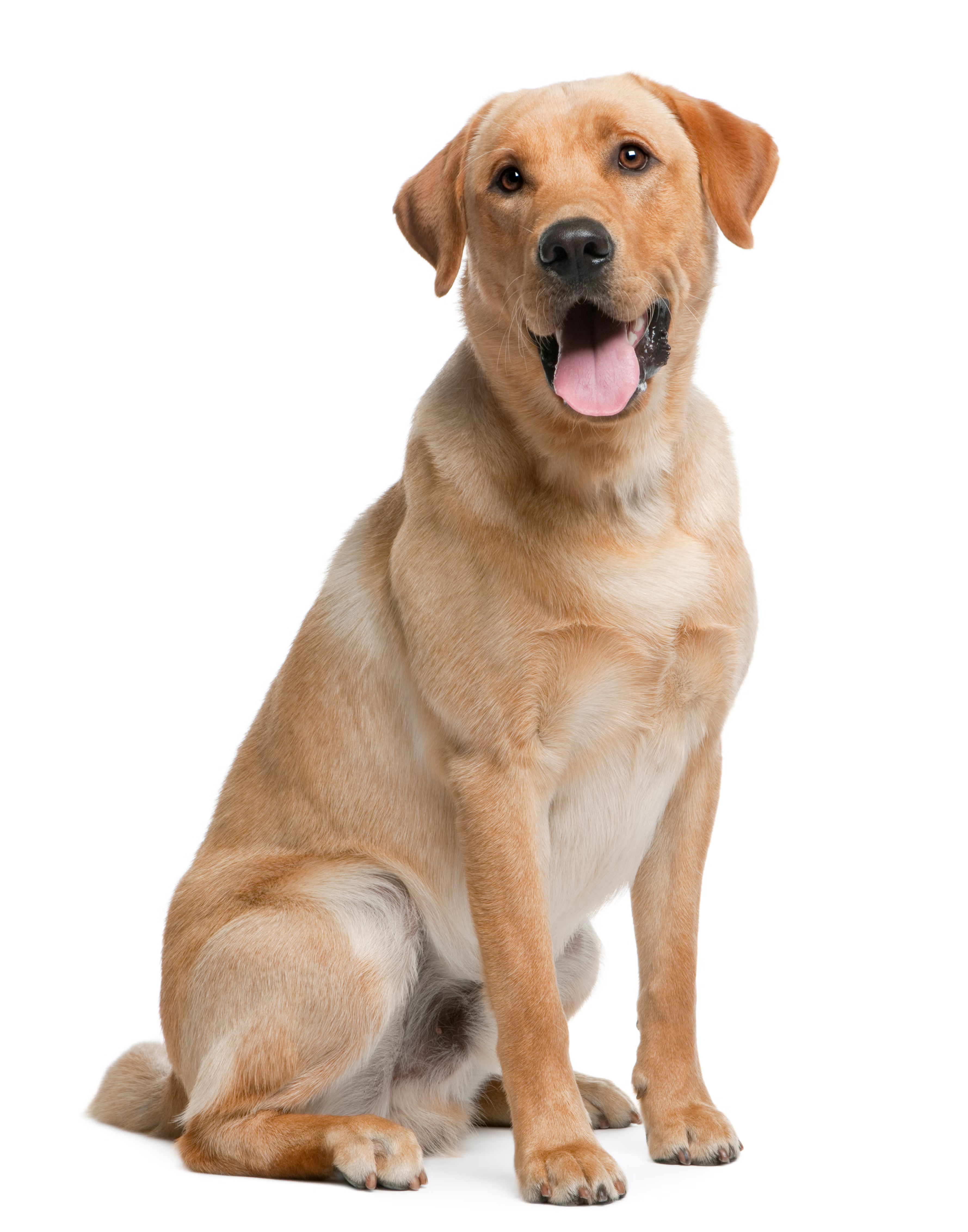
Labrador Retriever

Golden Retriever

Cavalier King Charles Spaniel

Poodle (Standard)
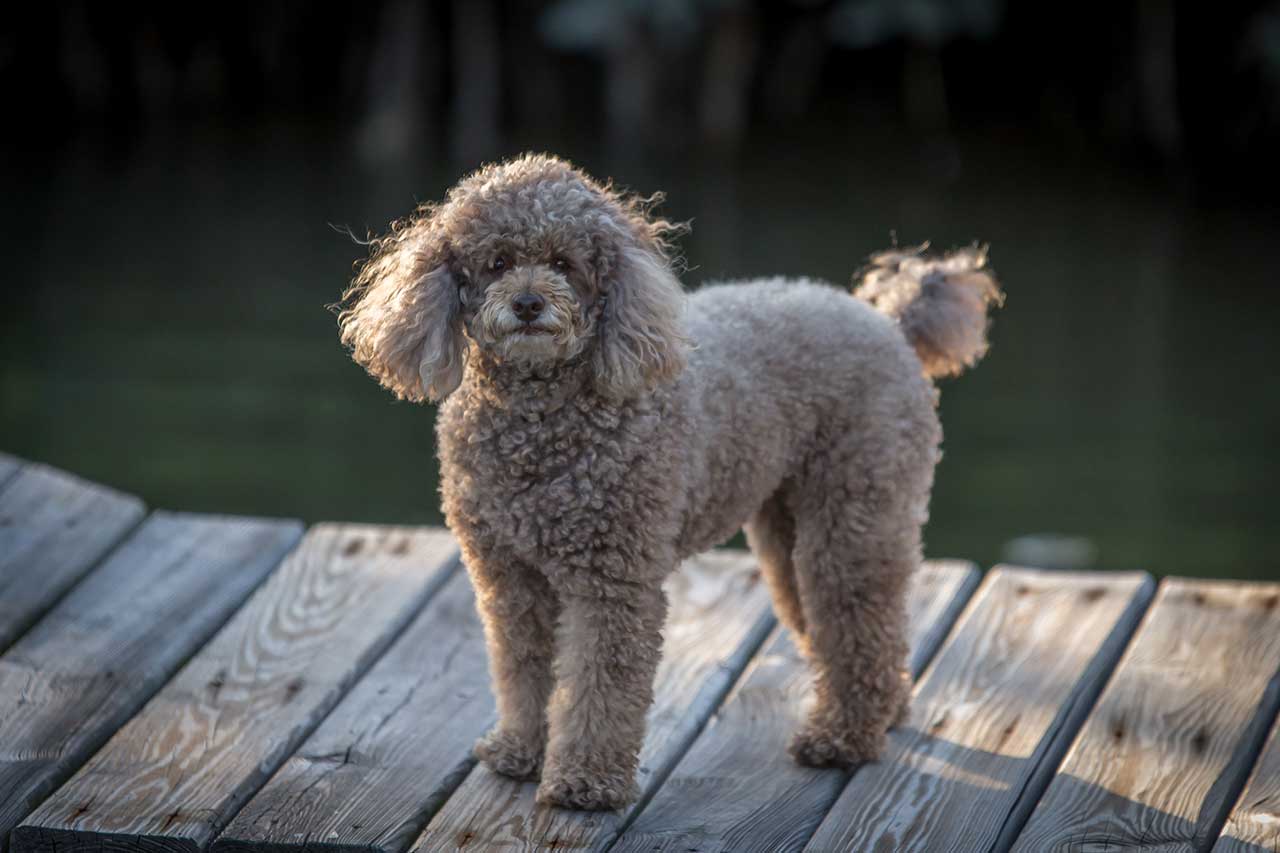
Poodle (Miniature)
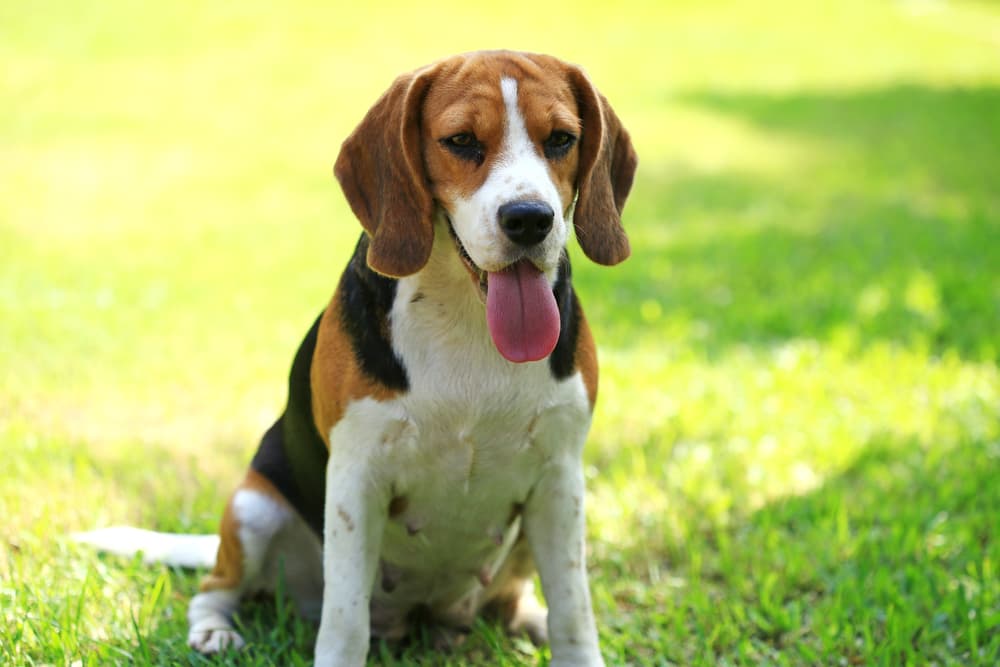
Beagle
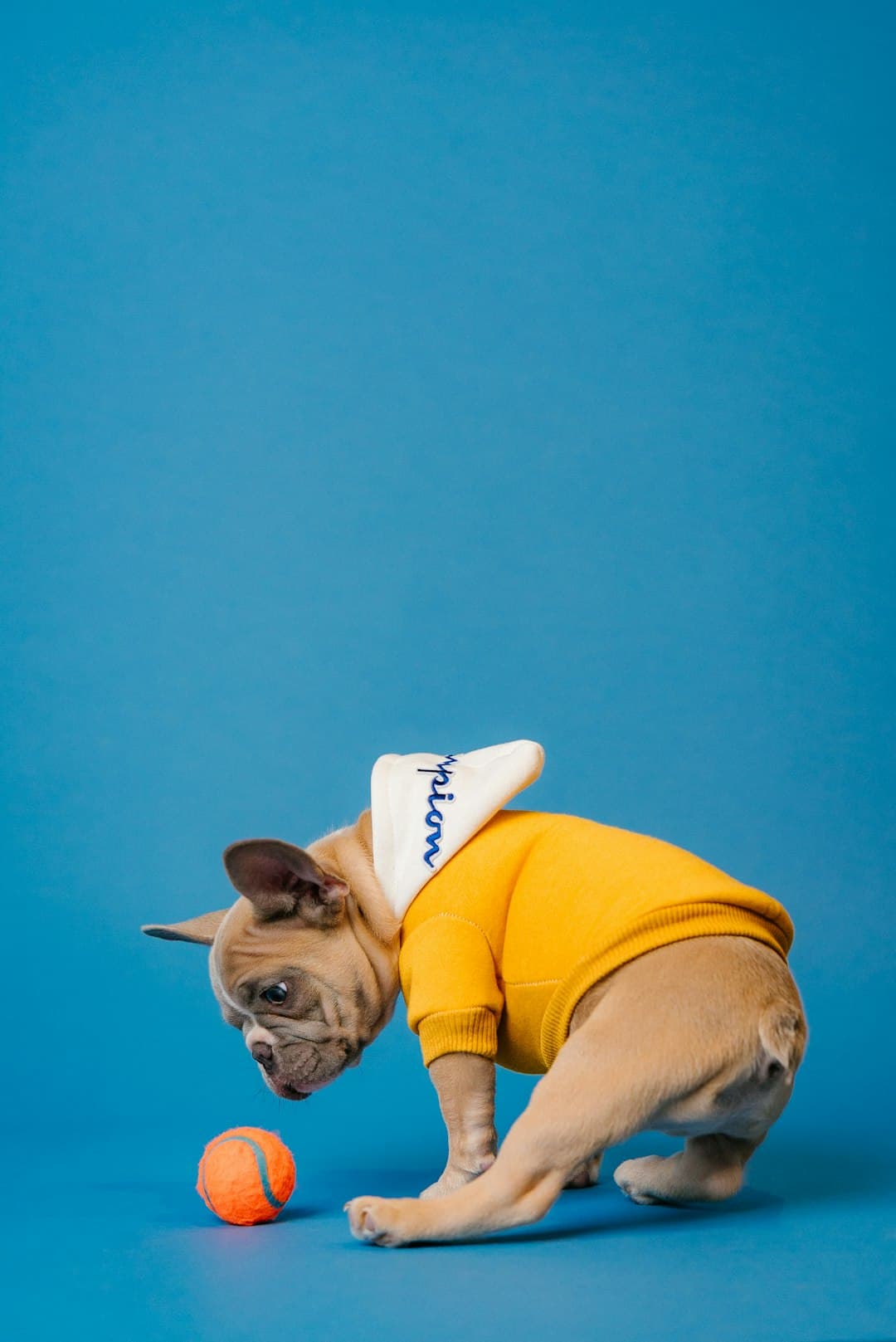
French Bulldog

Miniature Schnauzer
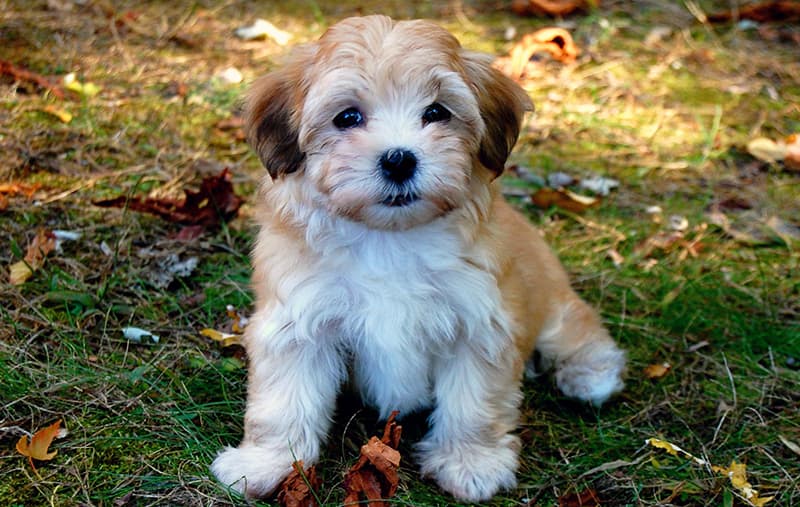
Havanese
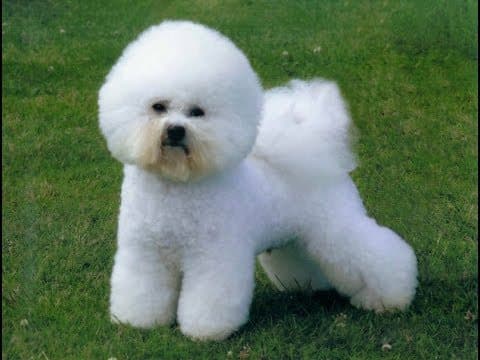
Bichon Frise
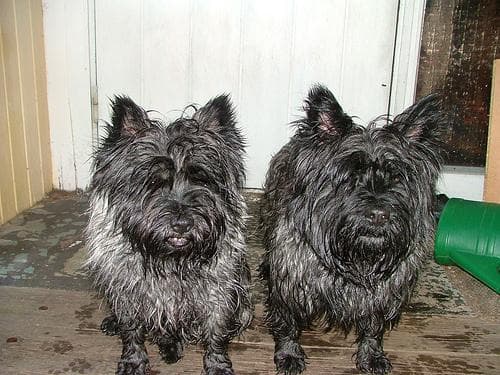
Boston Terrier
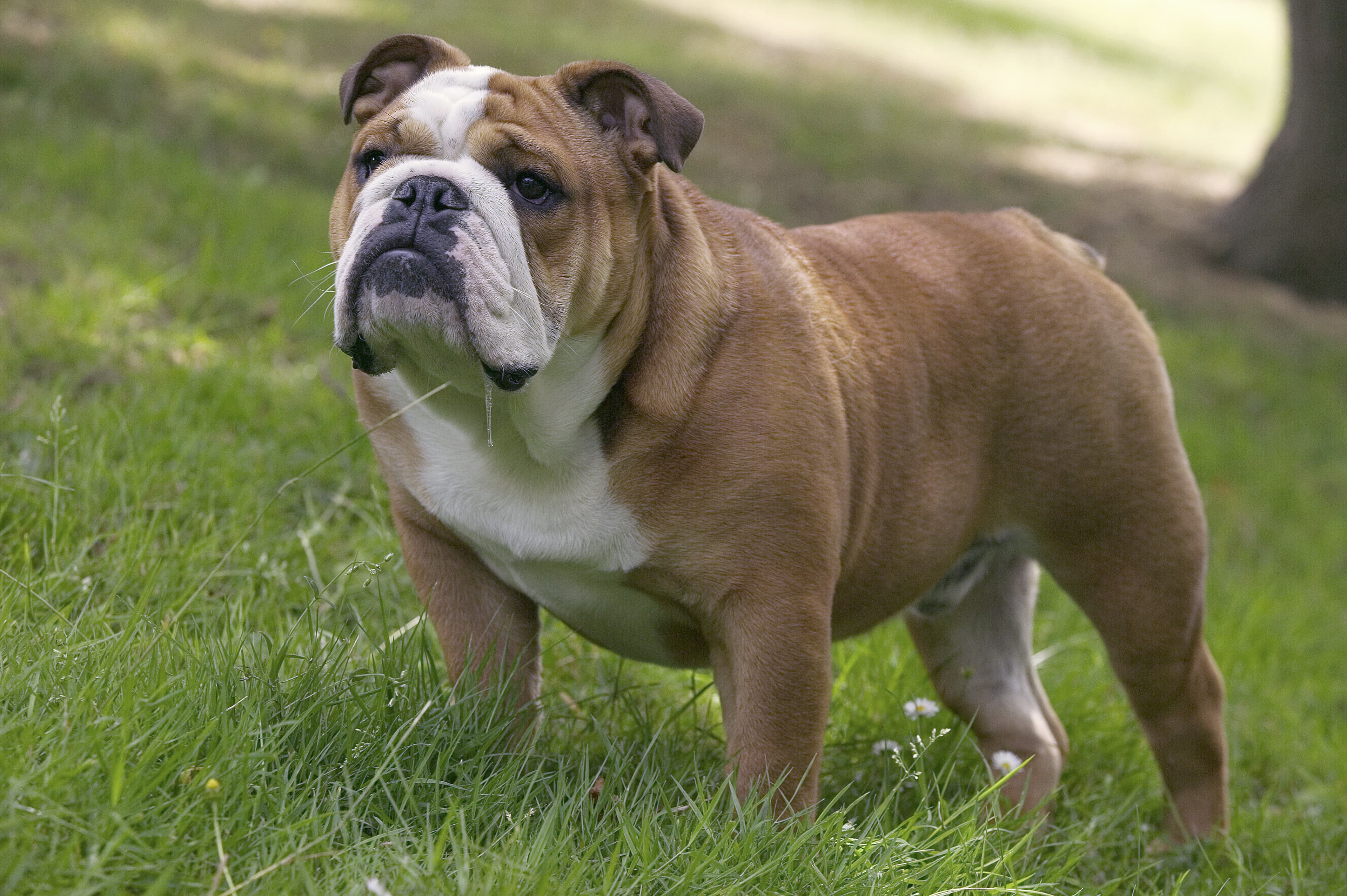
Bulldog

Boxer
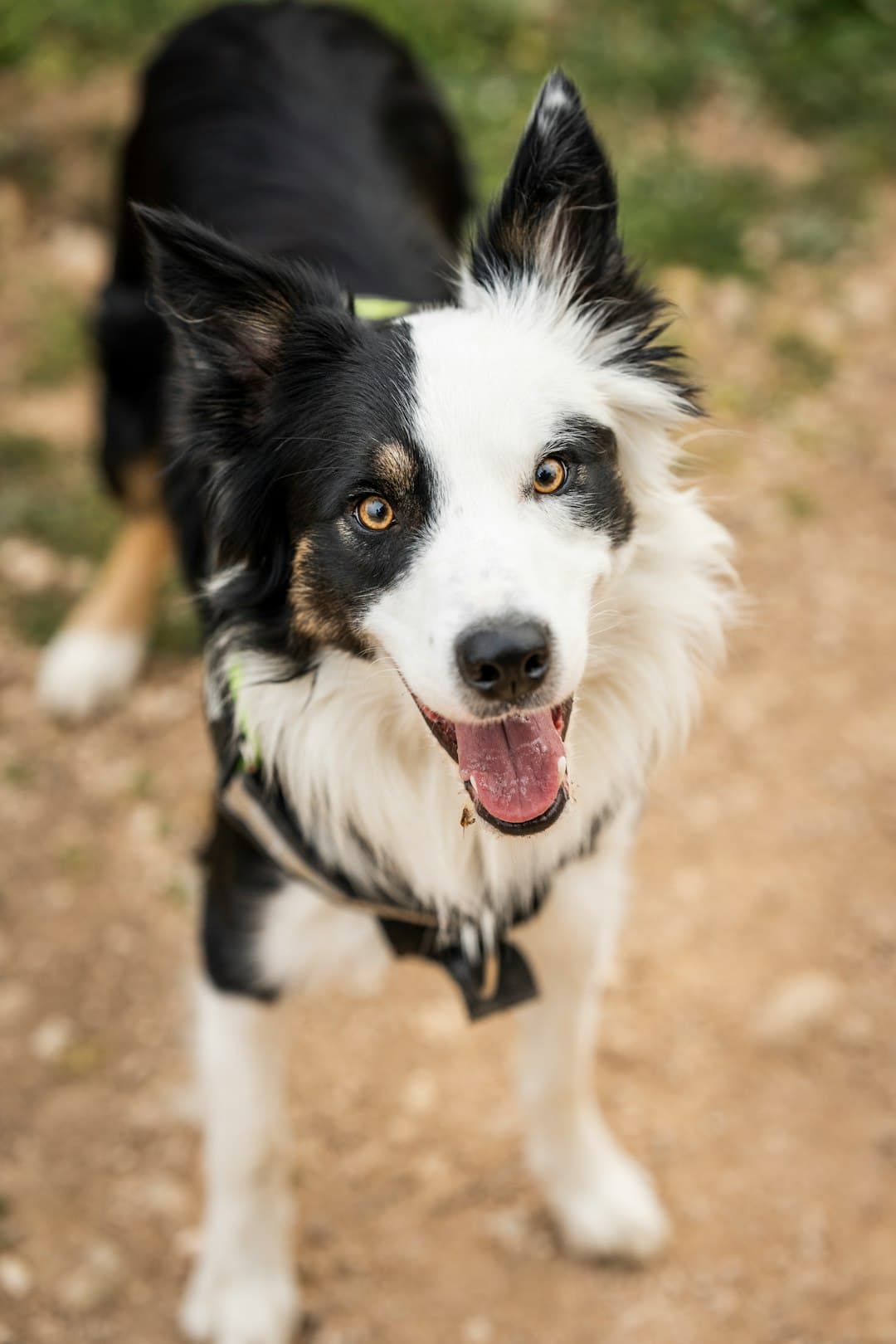
Collie
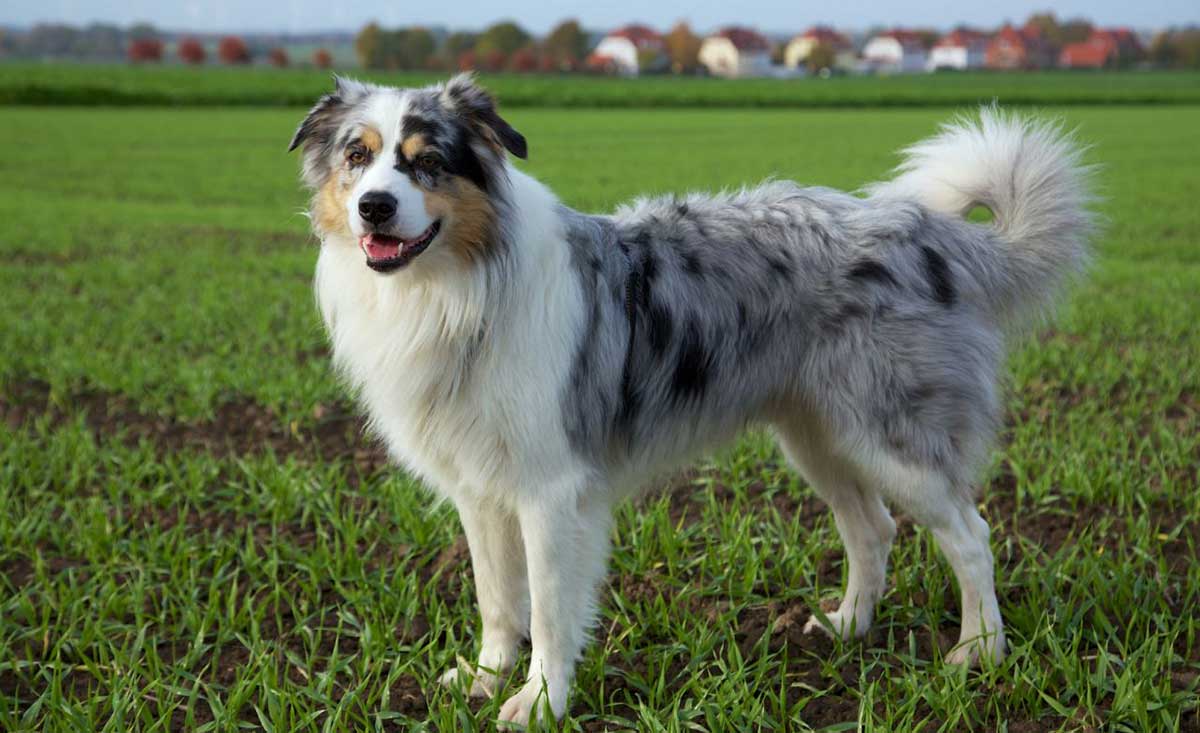
Australian Shepherd
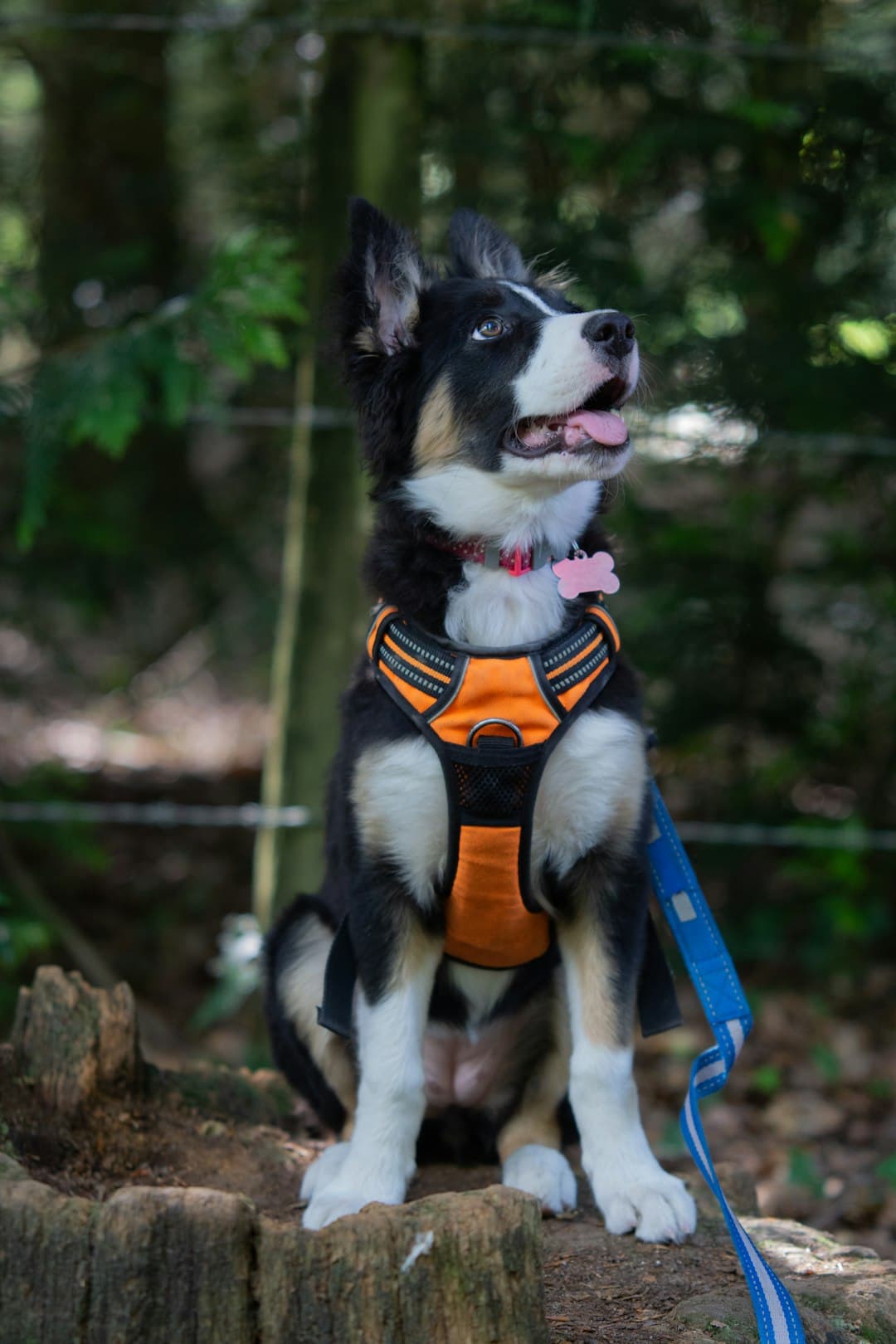
Border Collie
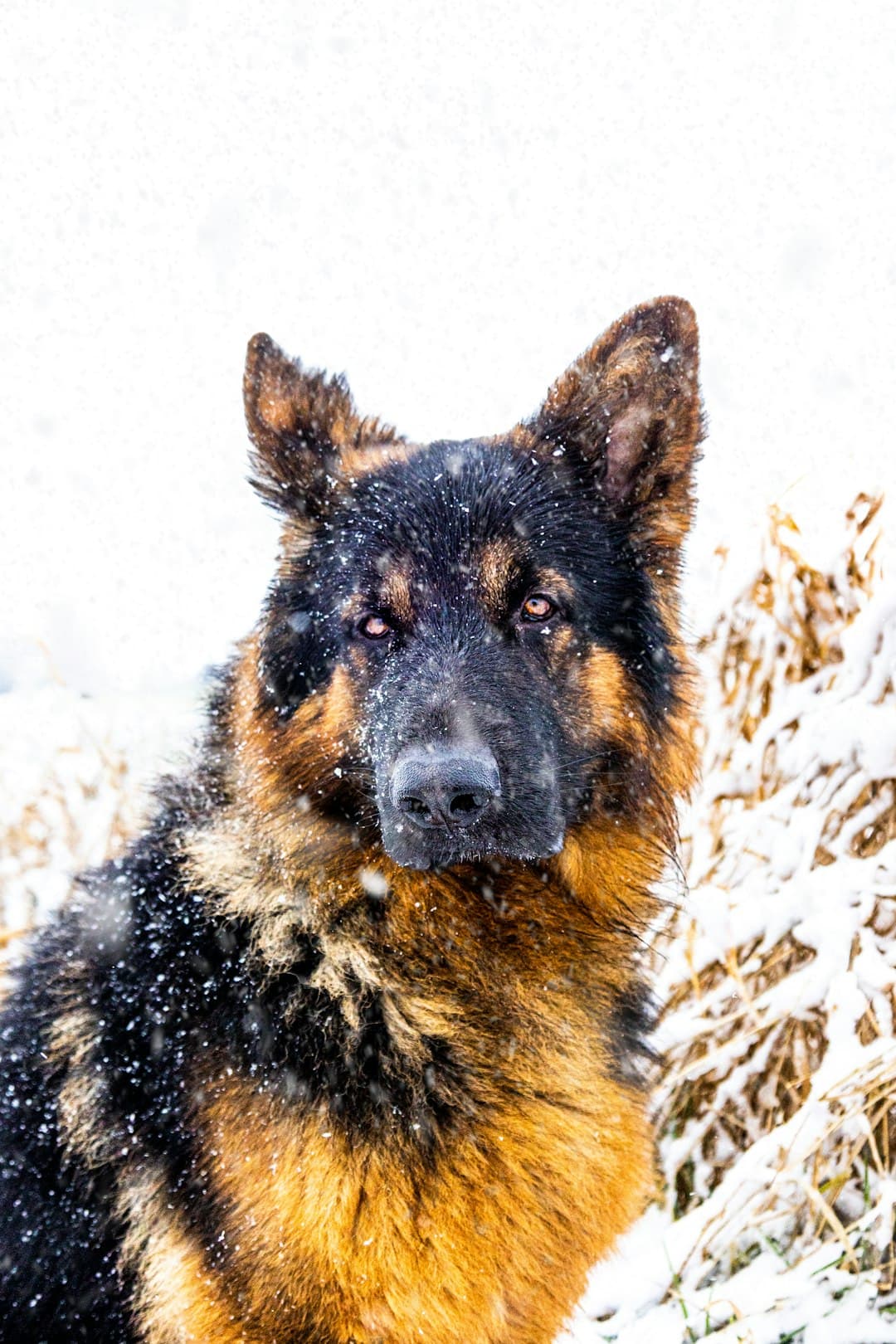
German Shepherd
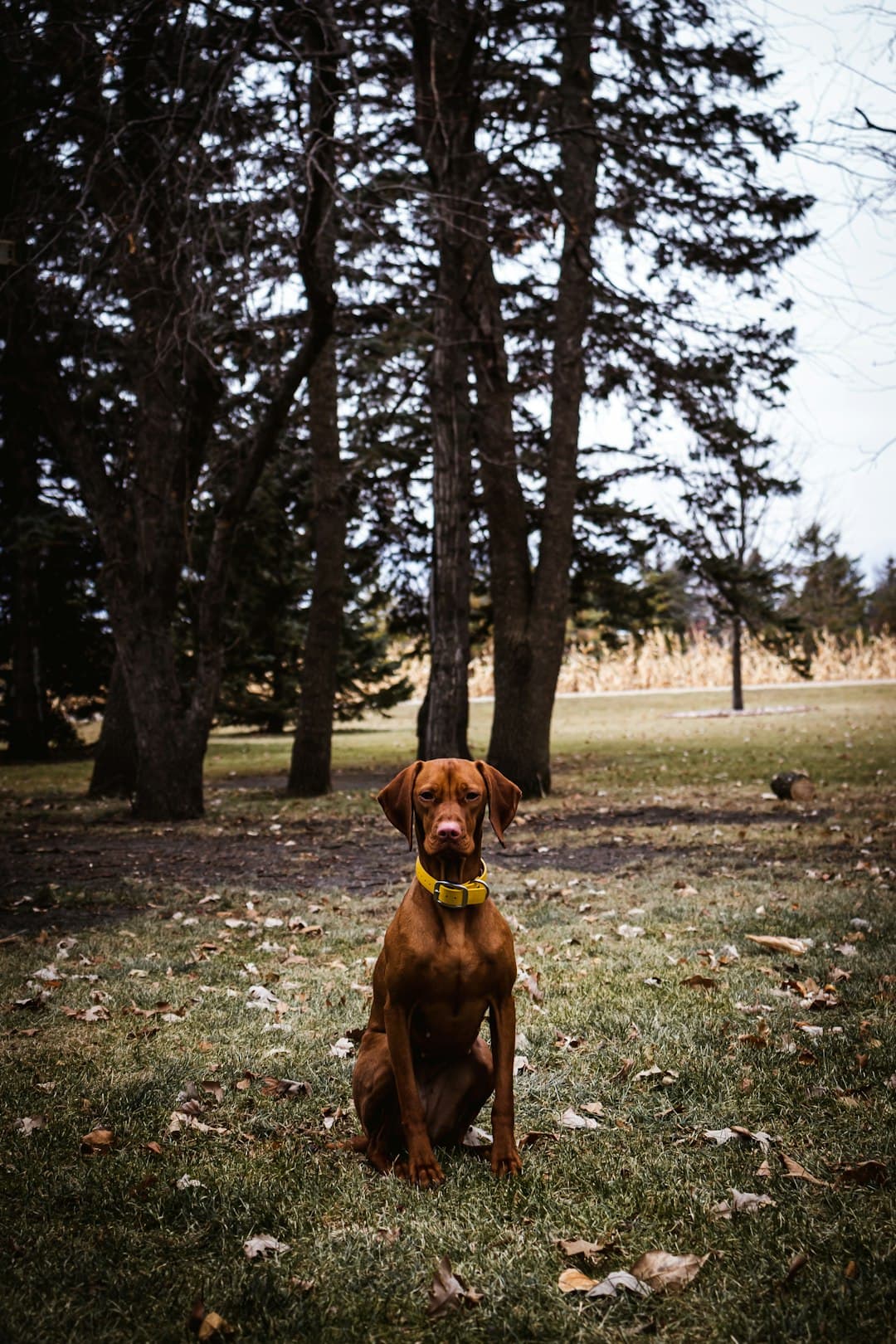
Vizsla

Whippet
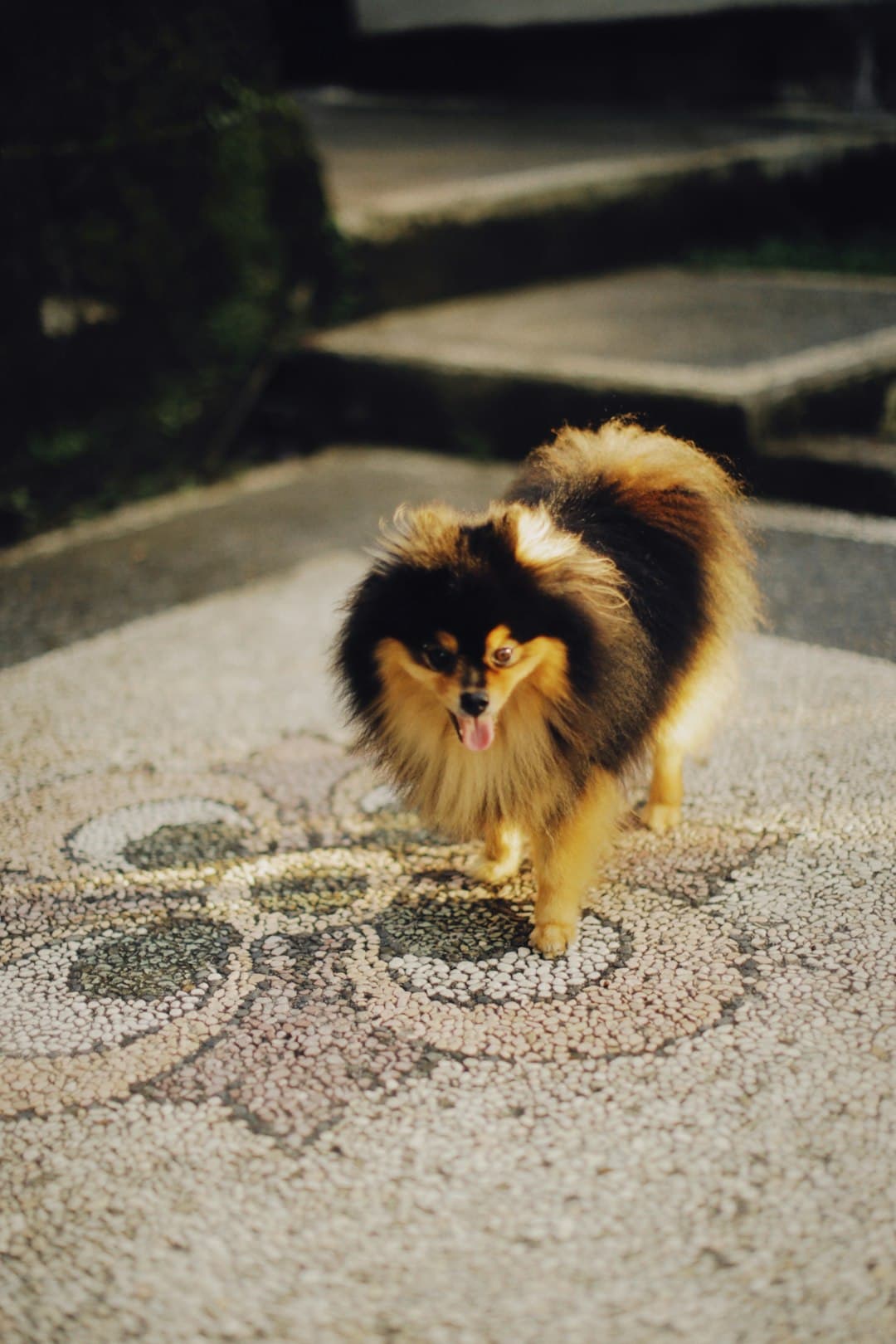
Shiba Inu
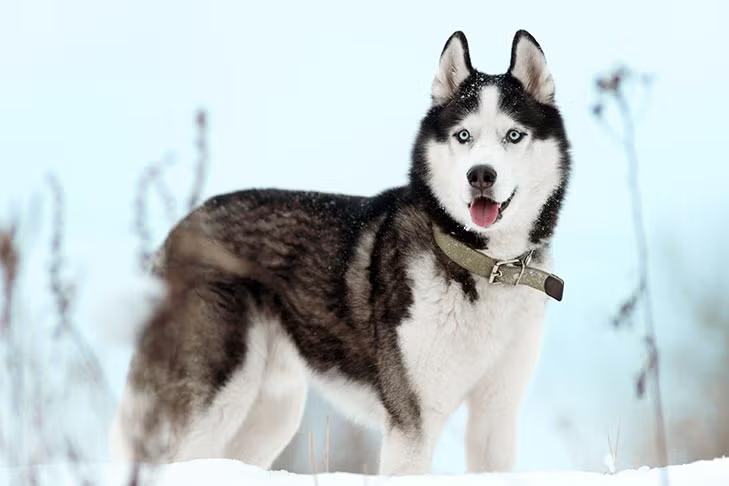
Siberian Husky
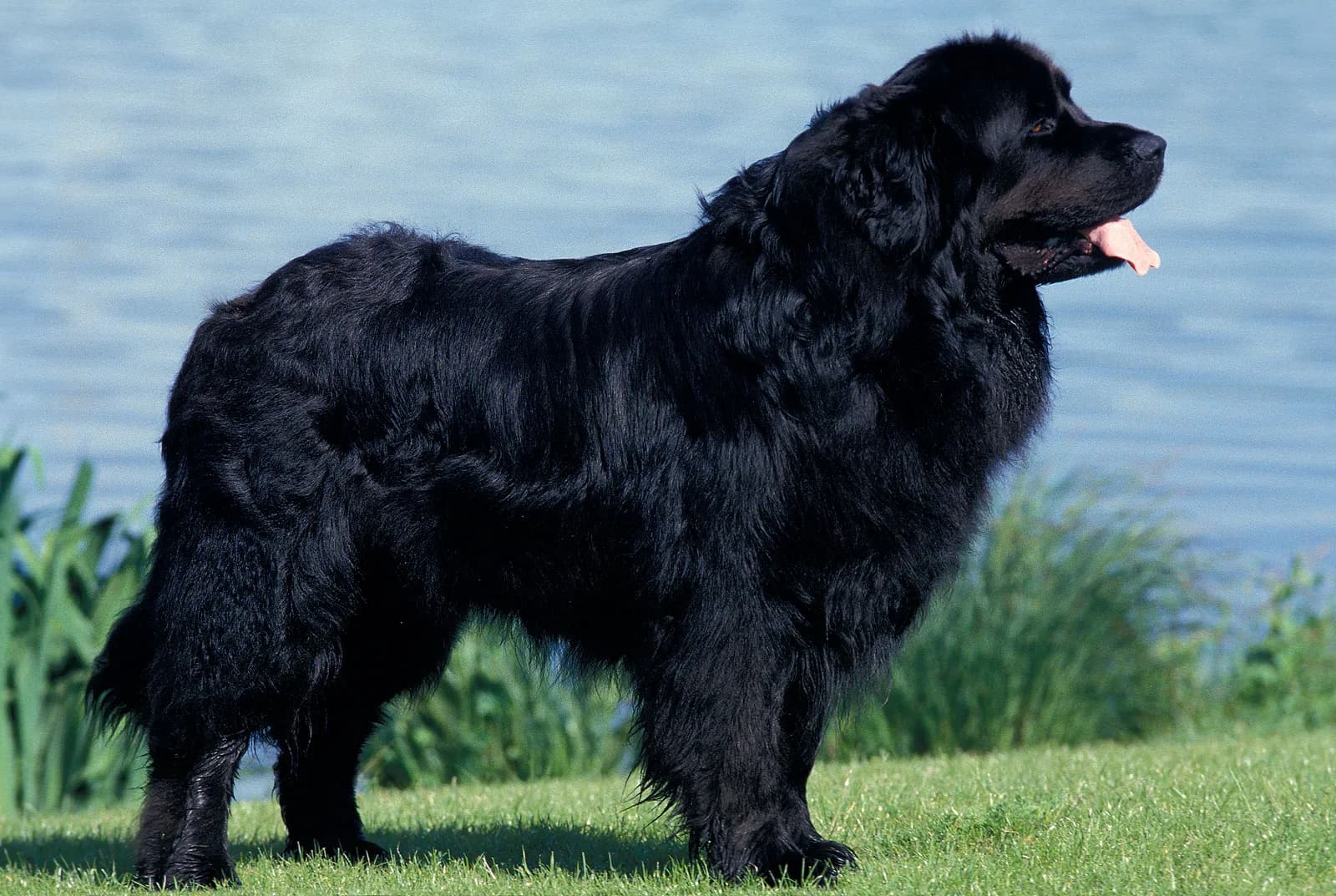
Newfoundland

Great Dane
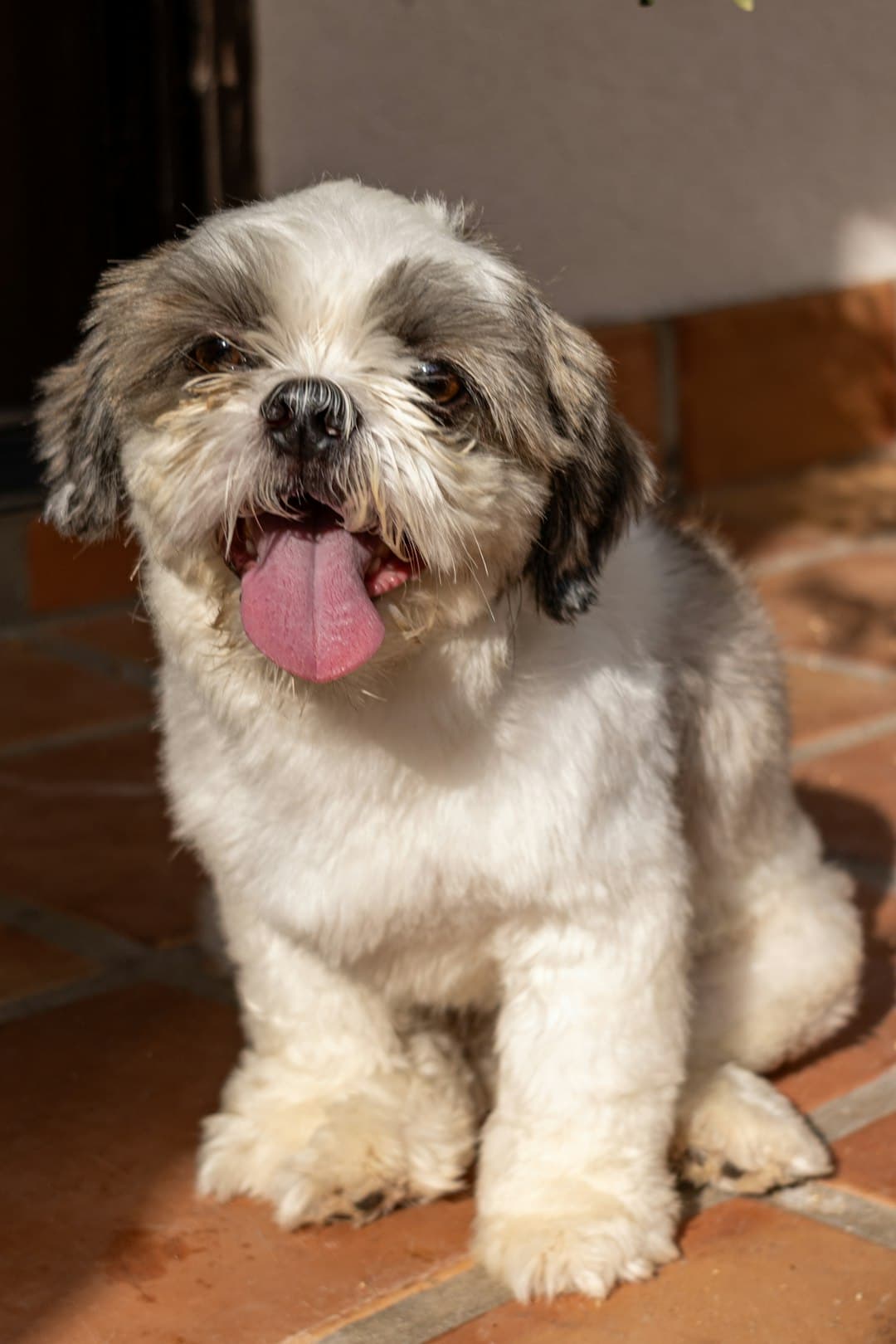
Shih Tzu

Maltese
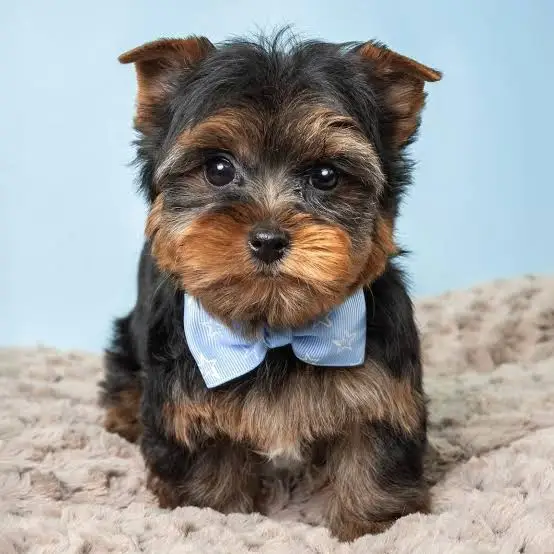
Yorkshire Terrier
Frequently asked questions
What is the best dog breed for me?
The one that matches your space, schedule, budget, and experience—not the one that looks best online. Start with energy, size, and coat care, then shortlist with our match quiz and breed profiles.
How does the breed match quiz work?
You answer a few lifestyle questions; we compare your preferences to breed attributes in our database and show matches you can explore. It’s free and you can retake anytime.
Should I get a puppy or an adult dog?
Puppies need time, training, and supervision. Adults often show true energy and manners sooner. Rescue can be a strong option either way—meet the individual dog.
What’s more important—breed or training?
Both. Breed tendencies set the workload (exercise, grooming, drive); training and socialization shape manners. A mismatched breed is hard to “train away.”
Are popular breeds always the safest choice?
Popular often means more information and rescue options—not automatic fit. French Bulldogs and Huskies are popular for looks and still wrong for many homes. Read health and energy notes carefully.
References
This guide summarizes publicly available breed-standard and veterinary education sources. Always consult your veterinarian for individual care.
- [1]How to Choose the Right Dog Breed — American Kennel Club (AKC)
- [2]Best Family Dogs — American Kennel Club (AKC)
- [3]Pet Ownership Resources — American Veterinary Medical Association (AVMA)
- [4]General Dog Care — ASPCA
- [5]Cutting Pet Care Costs — ASPCA