PawPedia breed guide
Best dogs for seniors
Calm, companionable breeds for older adults and retirees—match mobility and lifestyle first, and consider an adult dog before a puppy.
29 breeds · Updated 2026-08-15
Searching best dogs for seniors usually means you want companionship without a second full-time job—manageable walks, a dog that settles indoors, and a size you can handle on a leash or in a car. Age alone doesn’t decide fit; lifestyle and physical ability do (AKC dogs for seniors).
This guide highlights 29 breeds often shortlisted for older adults—not a ranked “best” forever. For many people, an adult or senior rescue dog is wiser than a puppy. Start with dog rescue, or take the match quiz for a personalized shortlist.
What makes a dog senior-friendly?
- Energy you can meet — short walks and couch time, not a sport dog’s calendar
- Size & leash manners — can you steady the dog if it lunges? Stairs and cars matter
- Grooming budget — long coats need brushing or trims; “low shed” still means coat care
- Backup plan — who helps if you travel or get sick?
- Known adult temperament — fosters and rescues often show real home manners better than a puppy listing
Popular picks to start with
- Cavalier King Charles Spaniel — 13-18 lbs, energy 3/5
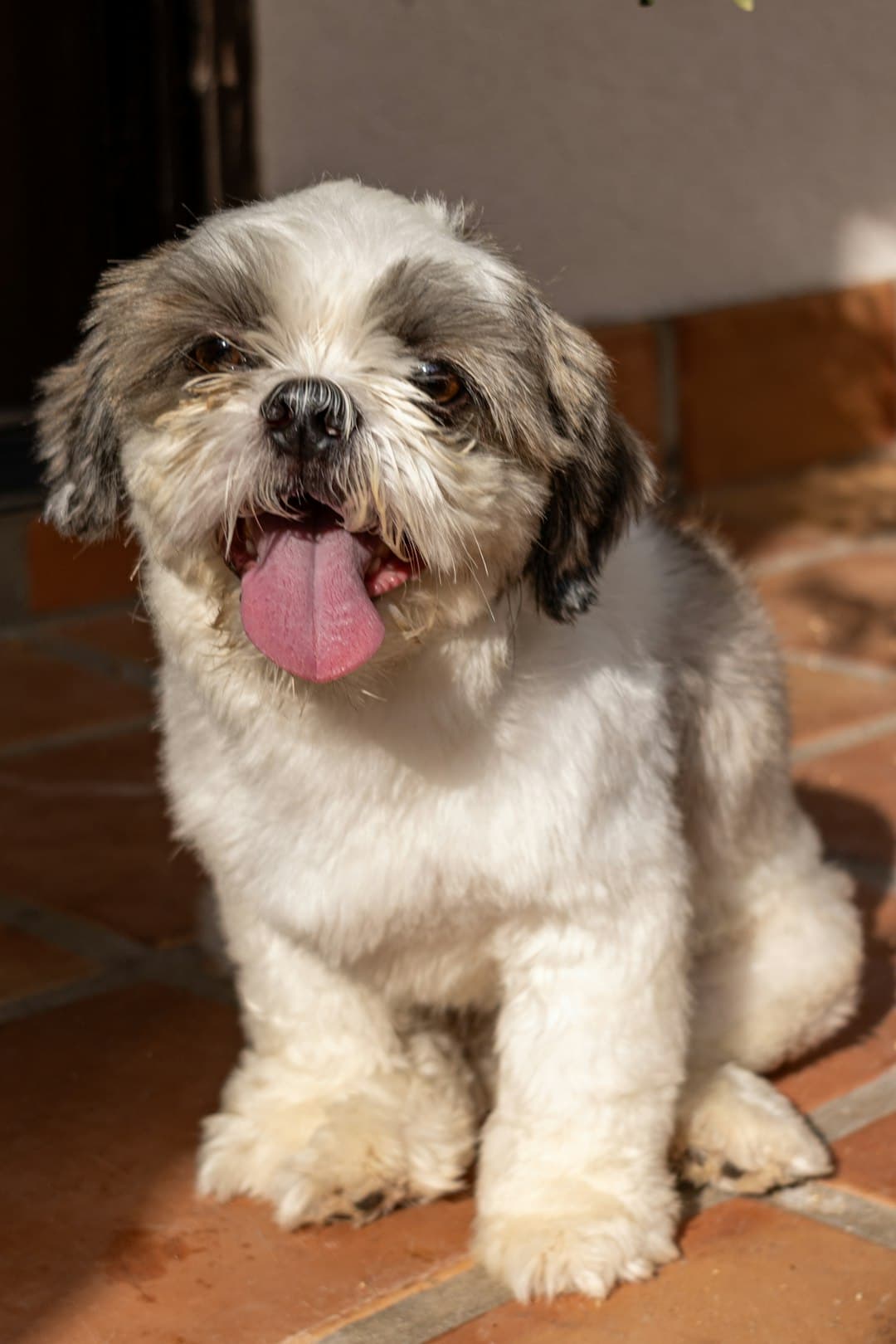
- Shih Tzu — 9-16 lbs, energy 2/5
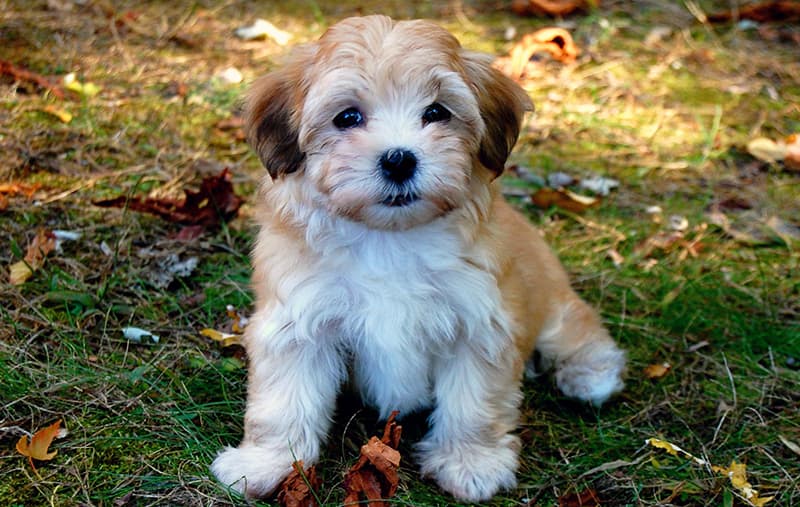
- Havanese — 7-13 lbs, energy 3/5
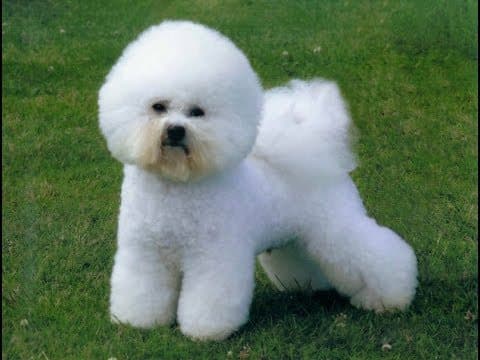
- Bichon Frise — 12-18 lbs, energy 3/5
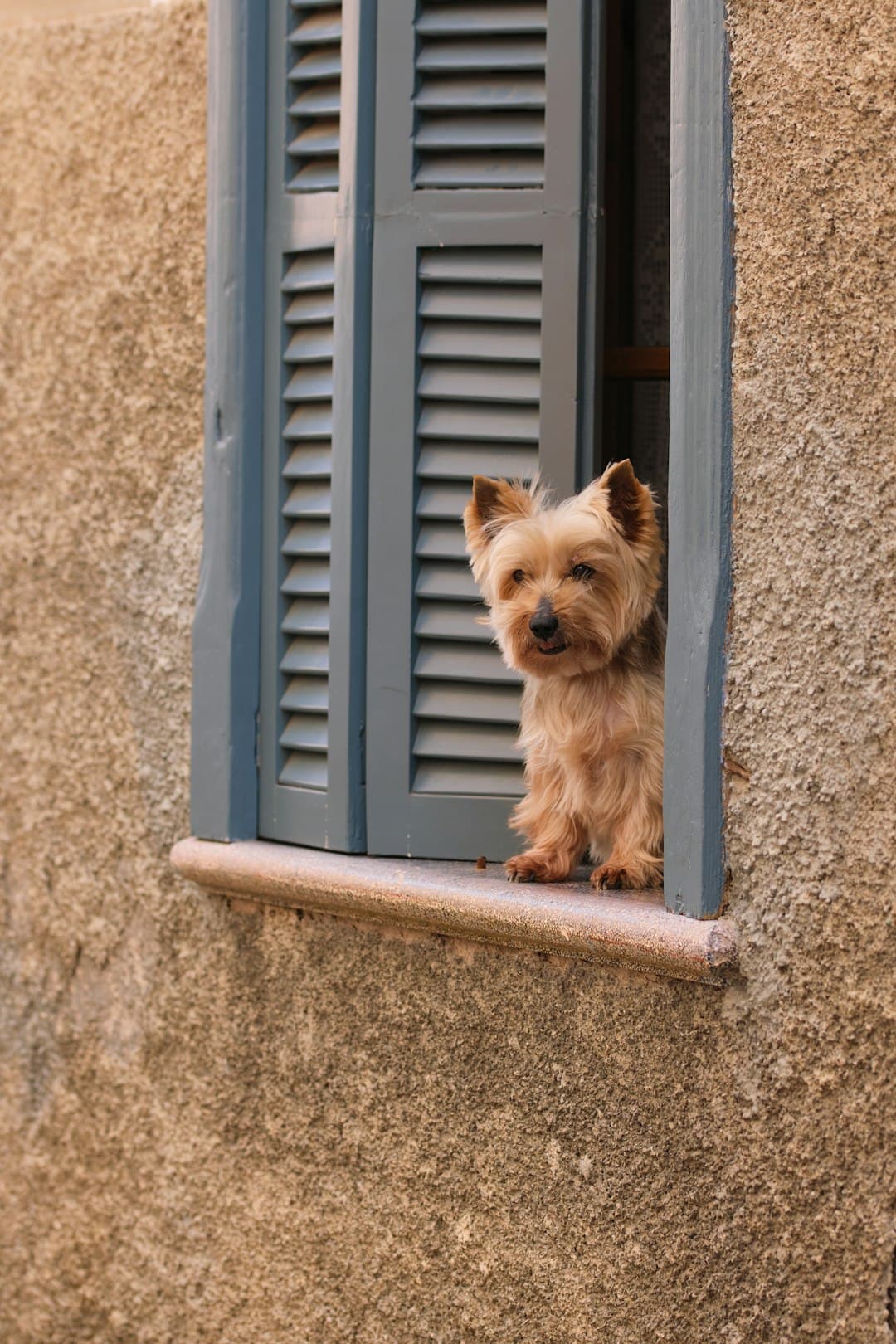
- Maltese — 4-7 lbs, energy 3/5
- Poodle (Miniature) — 10-15 lbs, energy 4/5
- Poodle — 4-6 lbs, energy 3/5
- Coton de Tulear — 9 - 15 lbs, energy 3/5
- Pug — 20-50 lbs, energy 3/5
- French Bulldog — 16-28 lbs, energy 2/5
More compact options: best small dog breeds.
Lap & apartment companions
Affectionate small companions that often suit quieter routines:
- Cavalier King Charles Spaniel — 13-18 lbs
- Shih Tzu — 9-16 lbs
- Havanese — 7-13 lbs
- Maltese — 4-7 lbs
- Bichon Frise — 12-18 lbs
- Poodle — 4-6 lbs
- Papillon — 5-10 lbs
- Japanese Chin — 4-9 lbs
Lower-shed coat work: hypoallergenic dogs (still not allergen-free).
Calm medium & “couch athlete” types
Not every senior wants a toy dog—some prefer a quiet larger napper:
- Greyhound — 60-70 lbs, energy 3/5
- Whippet — 25-40 lbs, energy 3/5
- Basset Hound — 40-65 lbs, energy 2/5
- Bulldog — 40-50 lbs, energy 2/5
- English Cocker Spaniel — 26-34 lbs, energy 4/5
Retired racing Greyhounds (via rescue) are often famously calm indoors after a walk. See the Whippet guide for a smaller sighthound cousin.
Lower-mileage apartment shortlist
- French Bulldog — energy 2/5
- Pug — energy 3/5
- Boston Terrier — energy 3/5
- Cavalier King Charles Spaniel — energy 3/5
- Shih Tzu — energy 2/5
- Havanese — energy 3/5
- Italian Greyhound — energy 3/5
Flat-faced breeds (Frenchies, Pugs) need heat and breathing awareness—read brachycephalic dog breeds.
Practical tips & next steps
Prefer harnesses that are easy to clip, non-slip rugs at home, and puzzle feeders for quiet enrichment. Budget routine vet care (ASPCA cost guidance). If grandchildren visit, also skim best family dogs.
Next: take the match quiz, compare two finalists, then meet dogs through rescue or a responsible breeder—judge the individual, not the list.
Senior-friendly breed profiles
Browse 29 profiles. Open any breed for temperament, care, and lifestyle scores.

Cavalier King Charles Spaniel
Shih Tzu
Havanese
Bichon Frise
Maltese
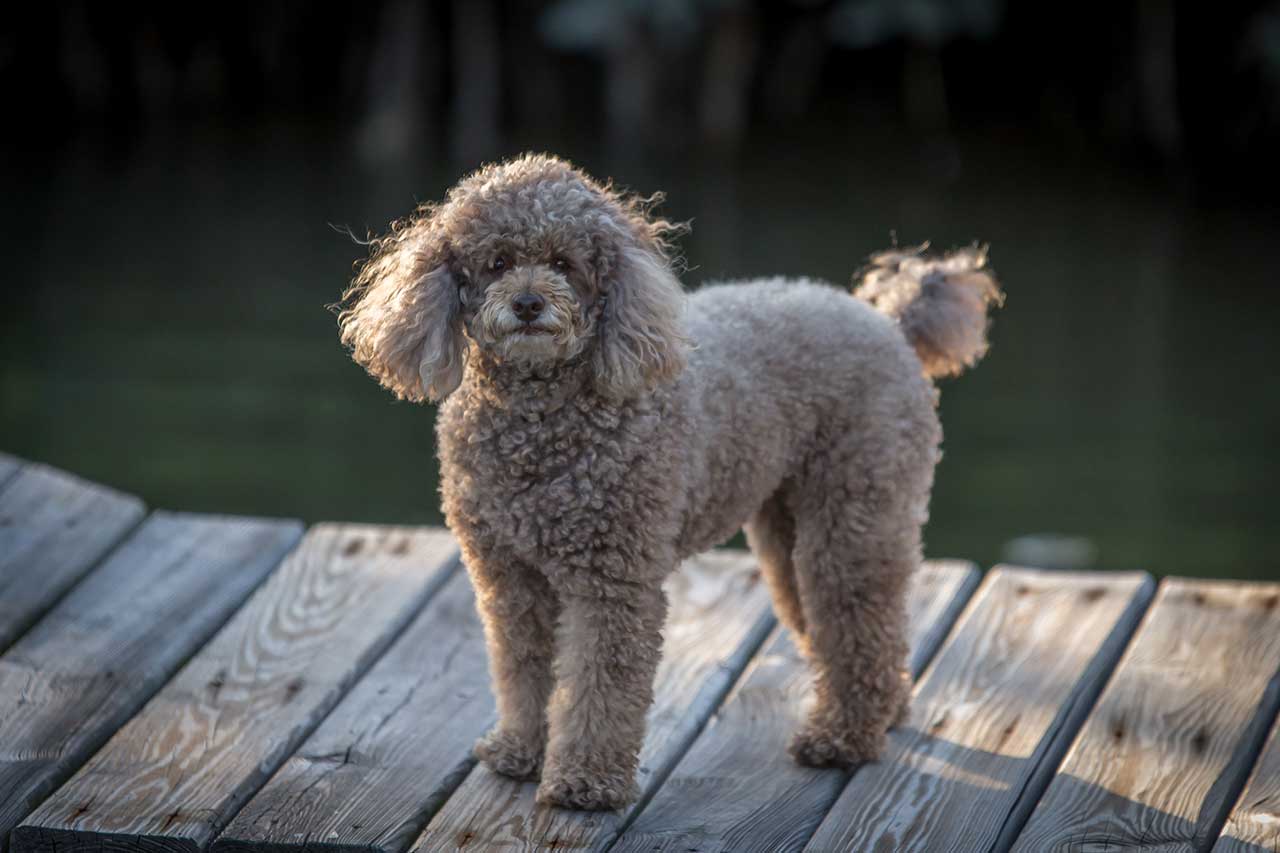
Poodle (Miniature)

Poodle
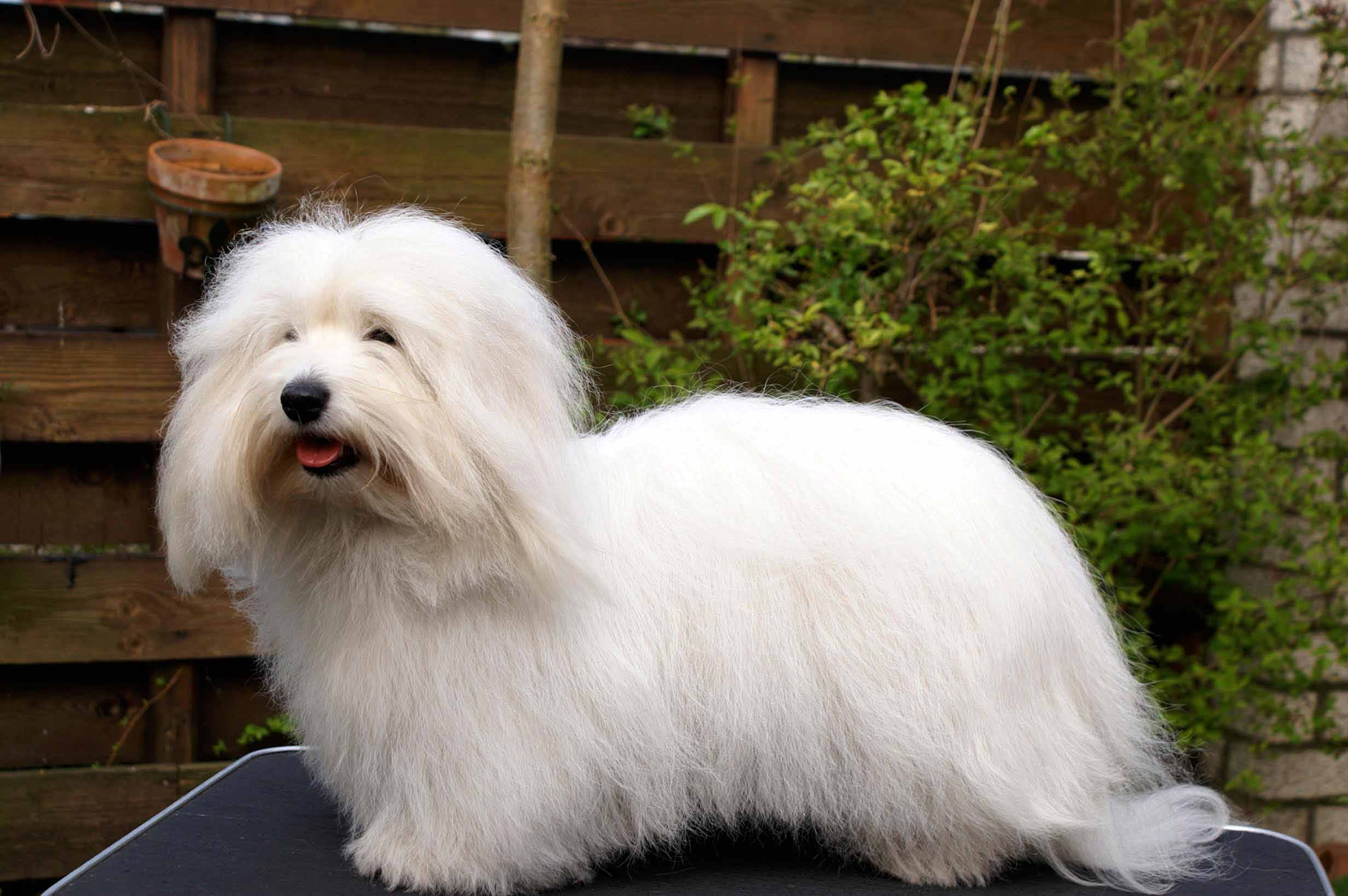
Coton de Tulear
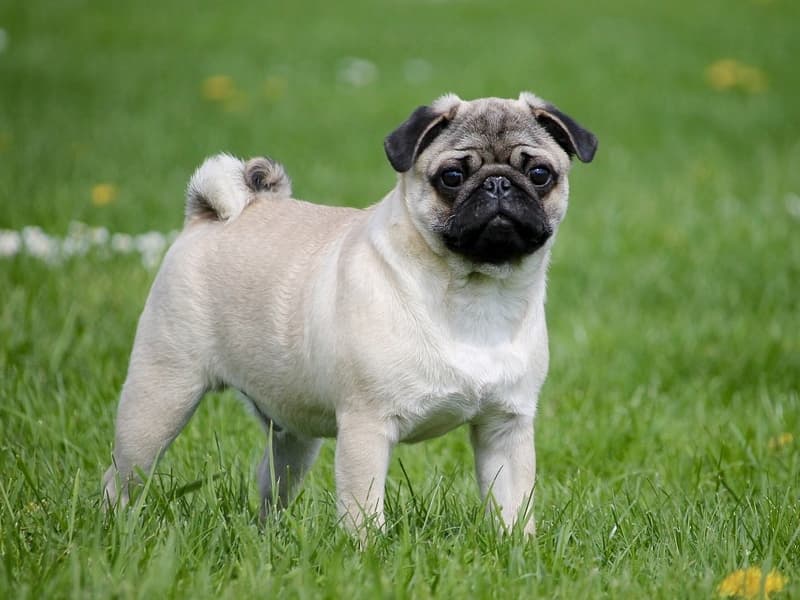
Pug

French Bulldog
Boston Terrier
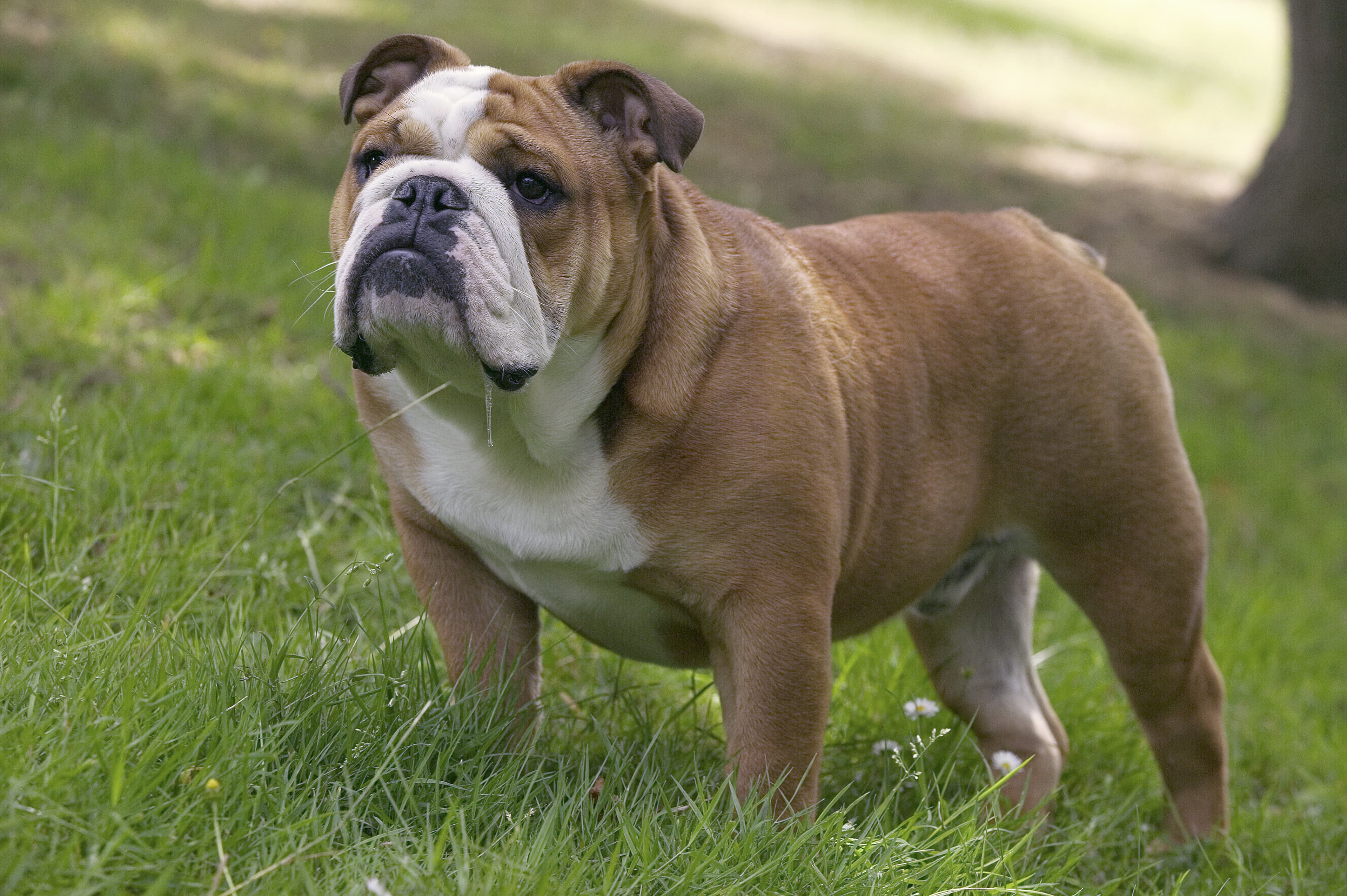
Bulldog

Greyhound

Whippet
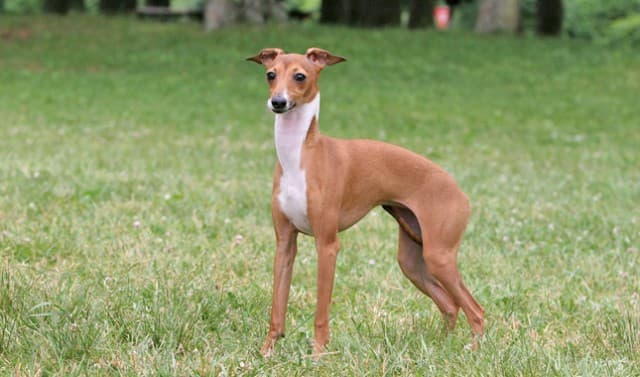
Italian Greyhound
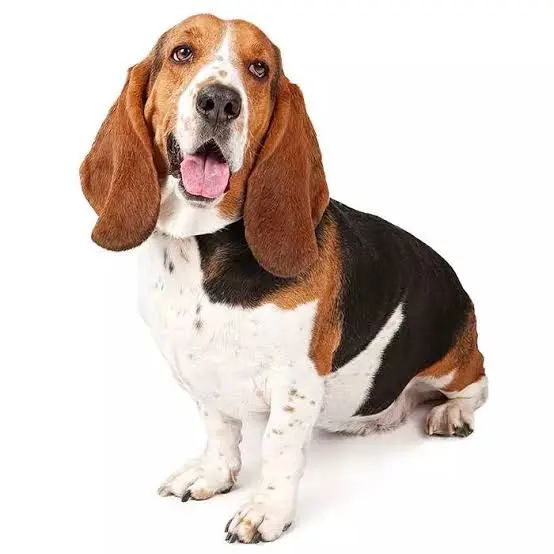
Basset Hound
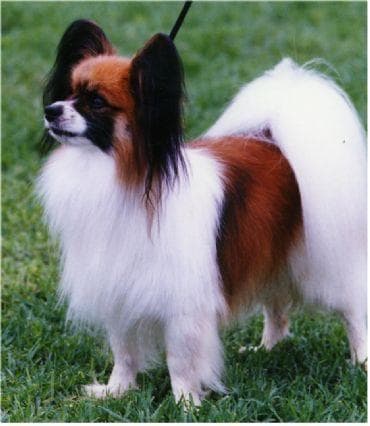
Papillon
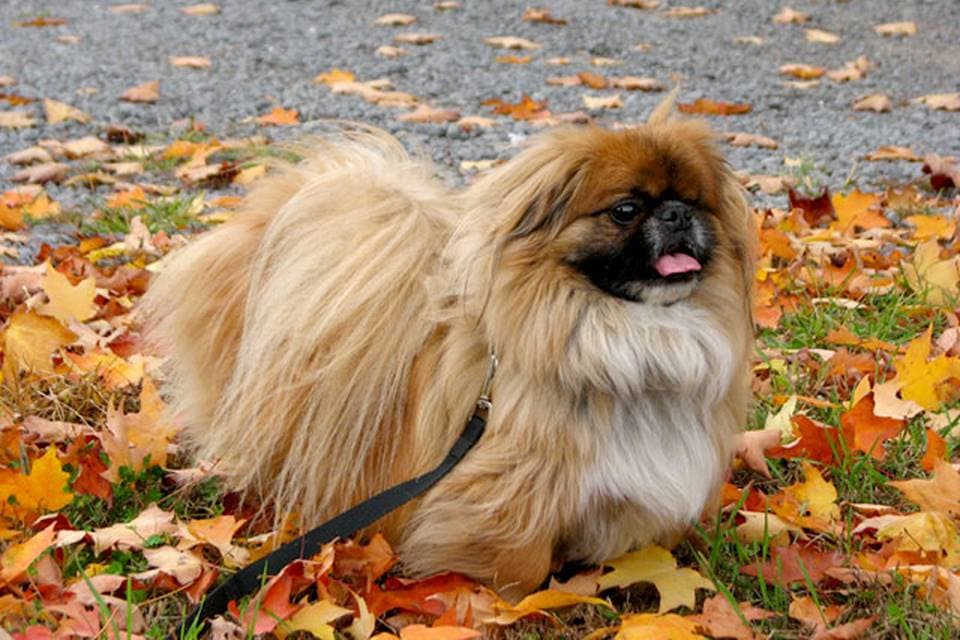
Pekingese
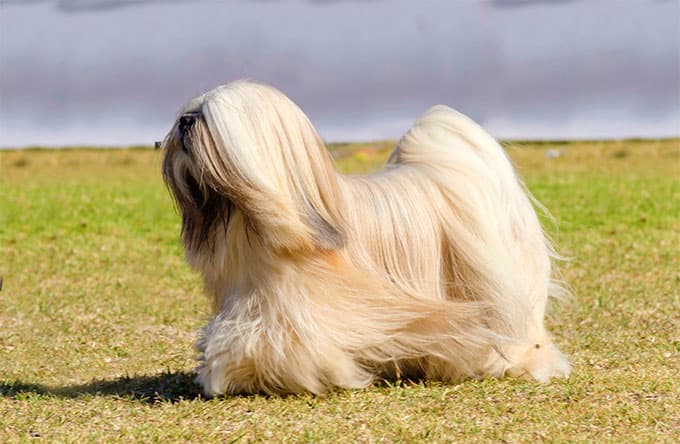
Lhasa Apso
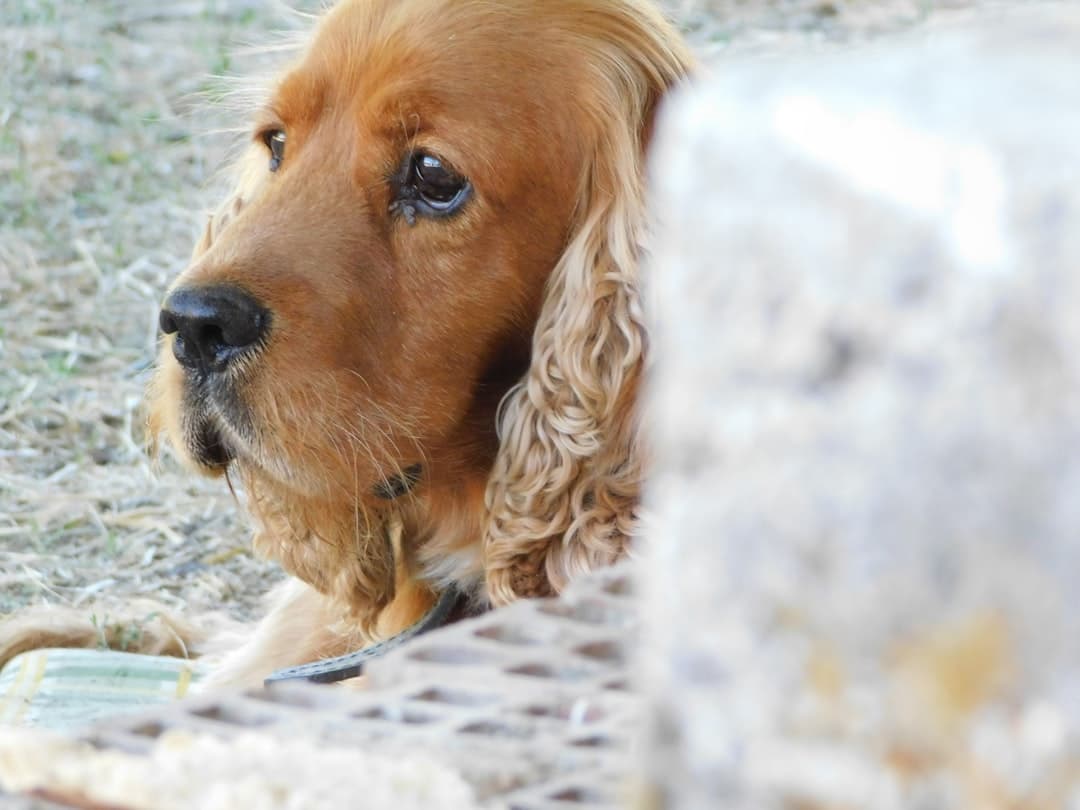
English Cocker Spaniel

Miniature Schnauzer
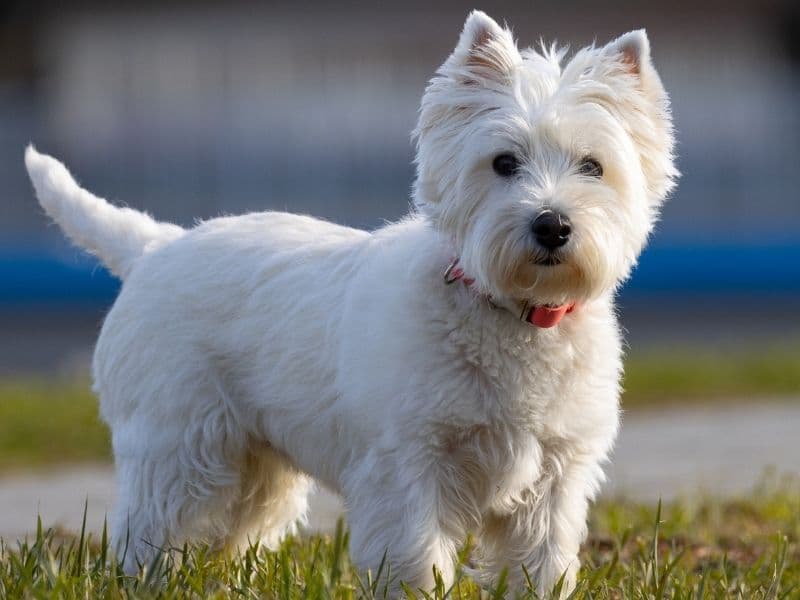
West Highland White Terrier
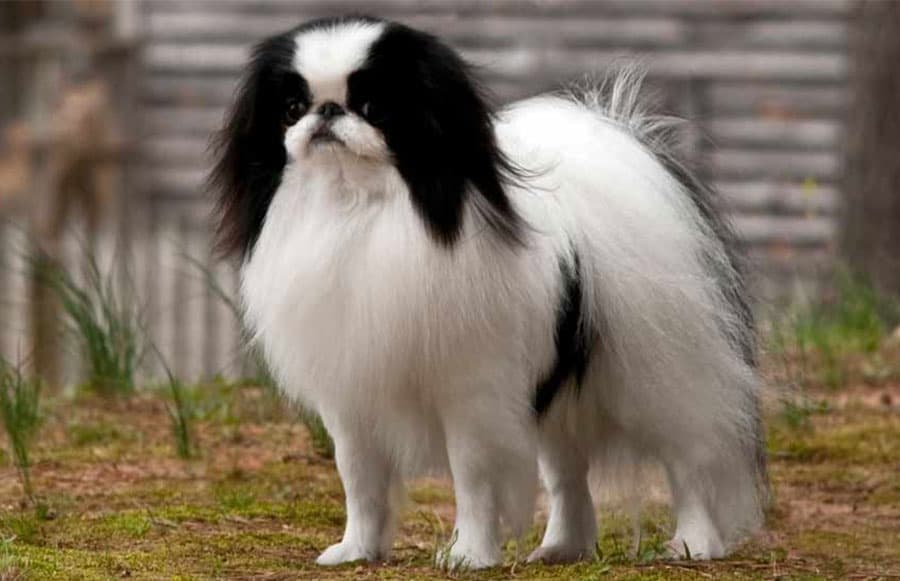
Japanese Chin
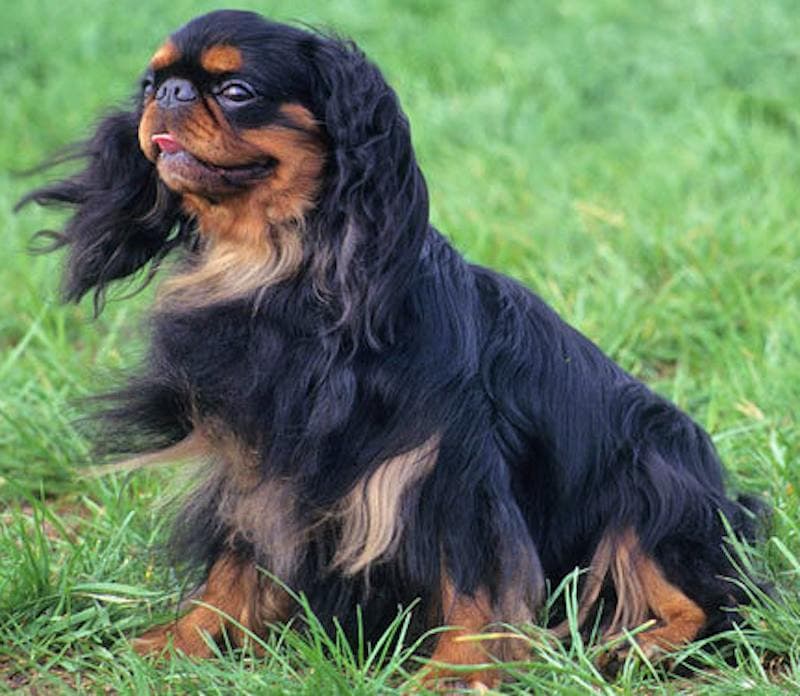
English Toy Spaniel

Dachshund

Pomeranian
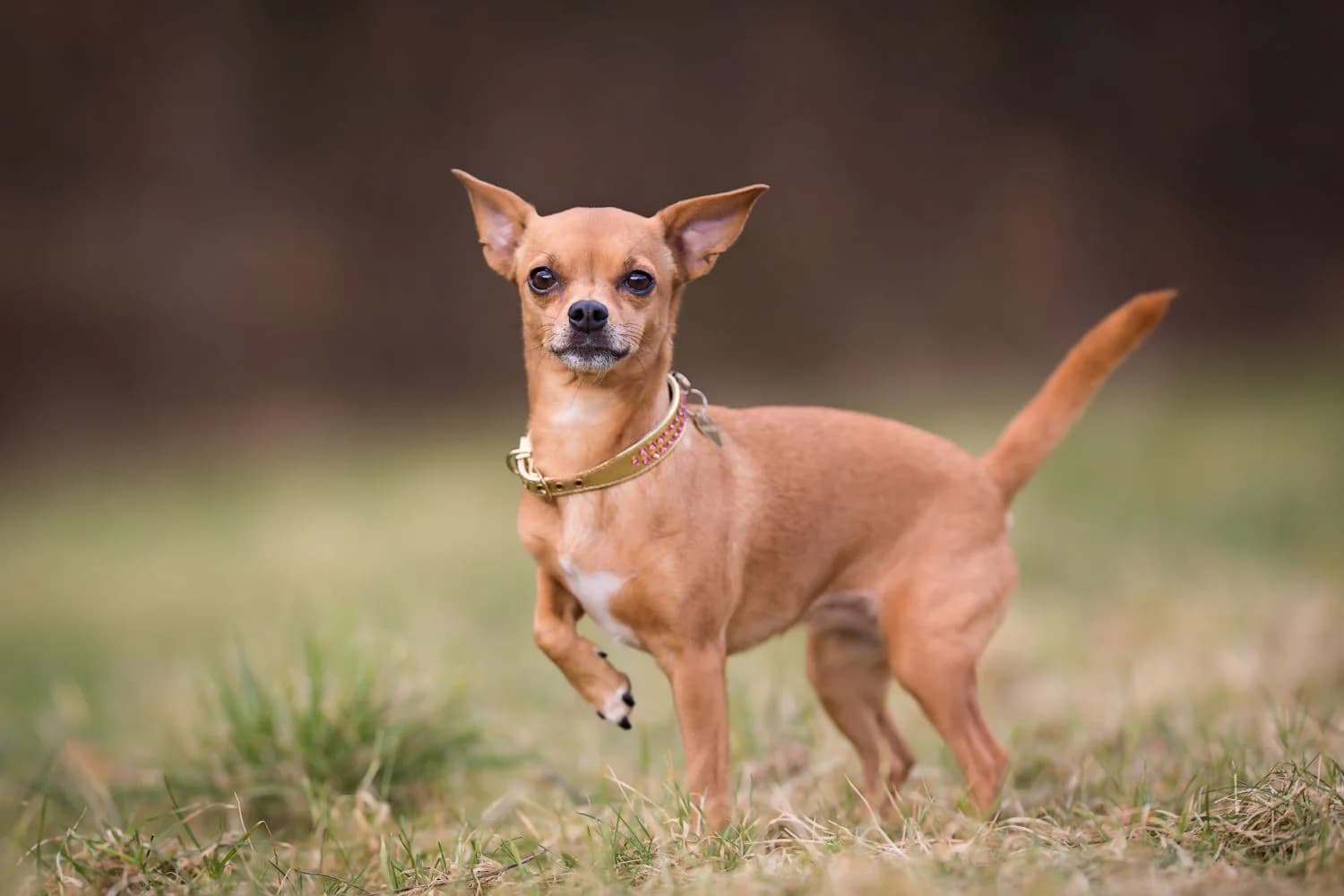
Chihuahua
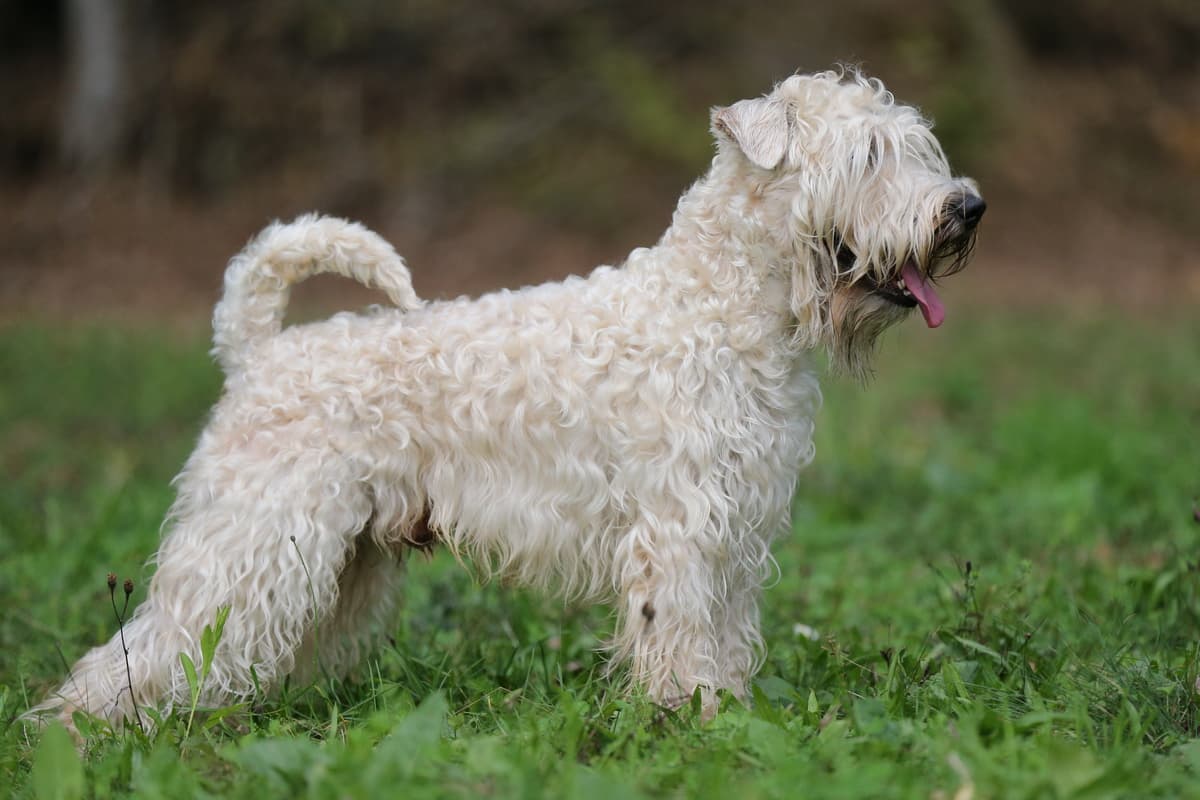
Soft Coated Wheaten Terrier

Cocker Spaniel
Frequently asked questions
What are the best dogs for seniors?
Dogs that match your mobility, housing, and daily routine—often calm companions like Cavaliers, Shih Tzus, Havanese, Bichons, or couch-potato Greyhounds/Whippets. Lifestyle and the individual dog matter more than any “#1 senior breed” list.
Should seniors get a puppy or an adult dog?
Many older adults do better with an adult or senior dog: house training and energy level are already visible, and the dog often settles faster. Puppies need constant supervision and training. Consider rescue—see Dog rescue.
Are small dogs always better for seniors?
Easier to lift and transport, yes—for many people. But a quiet Greyhound may pull less and nap more than a busy small terrier. Match leash strength, barking, and exercise—not size alone.
What about French Bulldogs and Pugs for seniors?
They’re popular apartment companions with lower mileage needs, but flat faces mean heat and breathing awareness (and possible higher vet costs). Read our brachycephalic breeds guide before deciding.
How much exercise do senior-friendly dogs need?
Often short daily walks plus indoor enrichment—not none. Even calm breeds need bathroom routines, mental stimulation, and veterinary care. Plan backup help for travel or illness.
References
This guide summarizes publicly available breed-standard and veterinary education sources. Always consult your veterinarian for individual care.
- [1]Great Breeds of Dogs for Seniors — American Kennel Club (AKC)
- [2]How to Choose the Right Dog Breed — American Kennel Club (AKC)
- [3]Pet Ownership Resources — American Veterinary Medical Association (AVMA)
- [4]General Dog Care — ASPCA
- [5]Cutting Pet Care Costs — ASPCA