PawPedia breed guide
Goldendoodles
Golden Retriever × Poodle—the most-searched doodle, with real coat and size variability. Parent facts from our profiles, GANA size bands, and AKC honesty on shedding. Not a kennel-club breed.
5 breeds · Updated 2026-08-17
A Goldendoodle (also searched as Golden Doodle) is a Golden Retriever crossed with a Poodle (Toy, Miniature, or Standard). Search volume is huge; predictability is not. The AKC does not treat Goldendoodles as a conformation breed. The Goldendoodle Association of North America (GANA) is a mix club: it says the only founding breeds are Poodle and Golden Retriever, and that its stud book stays open to those parents and to multigenerational stock.
Open the Goldendoodle catalog profile and the parent cards below. Broader doodle context: poodle mix breeds and designer dogs. Allergy limits: hypoallergenic dogs, best dogs for allergies, and AKC’s allergy-breed overview.
Goldendoodle at a glance
Mix stats are not an AKC standard. Figures below are our mix card plus published Golden Retriever and Poodle parent profiles, with GANA size labels cited in the size section.
- Mix (our catalog): large · Varies (GANA sizes Petite–Standard; Golden parent 55–75 lbs) · energy 4/5 · lifespan Parent-dependent (Golden 10–12; Poodle 12–15 on our profiles)
- Golden Retriever: 55-75 lbs · 21.5-24 inches · energy 4/5 · 10-12 years
- Poodle (Standard on our profile): 45-70 lbs · Over 15 inches · energy 4/5 · 12-15 years
- Poodle sizes also used: Miniature 10-15 lbs / 10-15 inches; Toy 4-6 lbs / 10 inches or under
- Temperament lean (mix card): Friendly, Intelligent, Devoted, Trainable
A Golden Retriever × Poodle mix. The American Kennel Club does not recognize it as a breed; size and coat follow the Poodle variety used and the generation. Confirm adult parents. Not allergen-free.
Not an AKC breed
Only purebreds compete in AKC conformation (judged against a breed standard). Mixed-breed dogs can join AKC Canine Partners for most sports and titles—not conformation, herding, hunt tests, or earthdog, which AKC limits to eligible purebreds.
GANA publishes its own mix-club standard (friendly, stable temperament; curly, wavy, or straight coat). That is not the same as AKC recognition. Treat marketing phrases like “AKC Goldendoodle” as a red flag unless they clearly mean AKC-registered parent breeds.
What the parents bring
Golden Retriever. The Golden Retriever is one of the most popular dog breeds in the U.S. Known for their friendly and tolerant attitude, they make excellent family pets. AKC describes the Golden as an exuberant Scottish gundog used in hunting, guiding, search-and-rescue, and companionship. On our card: exercise Needs at least 1 hour of vigorous exercise daily. Loves swimming and retrieving activities. Grooming: Requires regular brushing (2-3 times per week) to prevent matting. Sheds heavily twice a year.
Poodle. Highly intelligent dogs with a distinctive curly coat. Poodles are active, alert, and excel in various dog sports. AKC notes a curly, low-allergen coat—not allergen-free. Grooming on our Standard profile: High maintenance. Requires professional grooming every 4-6 weeks and daily brushing. Exercise: High energy requiring daily exercise and mental stimulation.
A Goldendoodle can inherit either side’s coat, energy, and health risks. F1 litters are especially variable; GANA multigen programs aim for more consistency but still are not a kennel-club breed.
Size: GANA bands, not a guarantee
GANA sizes adults by height at the withers (height decides the category; weight can fluctuate):
- Petite: below 14 inches, typically 25 lbs or less
- Miniature: over 14 inches but under 17 inches, typically 26–35 lbs
- Medium: over 17 inches but under 21 inches, typically 36–50 lbs
- Standard: over 21 inches, typically 51 lbs or more
GANA states that a breeder’s puppy size estimate is an educated guess and the adult category is set at maturity. Ask for adult heights and weights of both parents and prior litters—not a “mini” label alone.
F1, F1b, F2, and multigen
GANA’s generation page: F1 = Poodle × Golden Retriever; F1b = F1 backcrossed to a Poodle or a Golden; F2 = two Goldendoodles; later crosses are often called multigenerational. GANA notes heterosis (“hybrid vigor”) as a genetic description of F1 heterozygosity—not a promise the dog will skip hip dysplasia or cancer.
For later generations, GANA says filial labels have little context. Ask what coat texture, furnishings, and shedding the litter is expected to show.
Coat, shedding & grooming
Often high maintenance. AKC notes most doodles shed and mat (Golden fur plus growing Poodle hair) and typically need clipping. GANA lists curly, wavy, and straight coats—shedding is not guaranteed either way.
GANA’s mix-club standard lists three approved coats—curly, wavy, and straight—and separately describes “incorrect coats” with no furnishings that shed. AKC’s Gazette (Otterhound Club of America, 2015) is blunt: despite no-shed claims, most doodles shed and mat, thanks to one parent, and need clipping, thanks to the other.
If allergies matter, spend time with the individual dog. See hypoallergenic dogs and best dogs for allergies. AAAAI: there are no truly hypoallergenic dog breeds; allergens are in dander, saliva, and urine.
Living with a Goldendoodle
Exercise. Plan on daily exercise in line with both parents: our Golden Retriever and Standard Poodle cards are energy 4/5. Mini Poodle lines can be slightly lower, not couch-potato.
Training. People-oriented and usually eager to please when both parents are. Positive reinforcement and early manners classes fit most lines. Individual temperament still varies.
GANA’s temperament section calls for a friendly, reliable dog suitable for companion and therapy work, and says hostility, timidity, nervousness, or hyperactivity should not be bred. That is a club ideal—meet the dog. Supervise children with any dog; see best dogs for kids.
Health screening to ask about. Concerns listed on our mix and parent cards include Hip Dysplasia, Elbow Dysplasia, Heart Disease, Eye Problems, Cancer, Epilepsy. GRCA recommends Golden parents be screened for hips, elbows, heart, and eyes before breeding. Ask for the same class of tests on Poodle parents.
Is a Goldendoodle right for you?
Strong fit when you want a people-oriented, active companion and you can fund grooming plus daily exercise. Look elsewhere if you need a guaranteed low-shed coat, a couch-only energy level, or an AKC-recognized breed with a closed standard.
Also compare Labradoodles, Bernedoodles, Golden Retriever, and Poodle. Or take the breed match quiz.
Goldendoodle & parent breed profiles
Browse 5 profiles. Open any breed for temperament, care, and lifestyle scores.

Goldendoodle
Golden Retriever
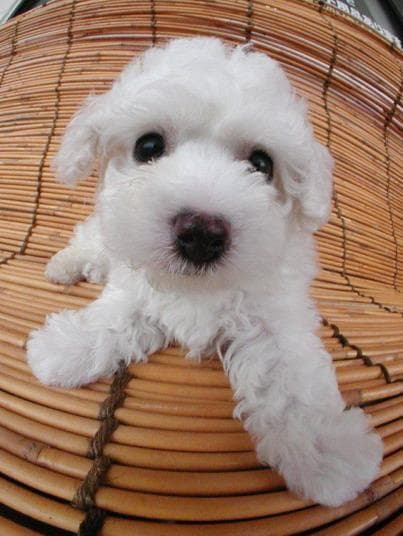
Poodle (Standard)
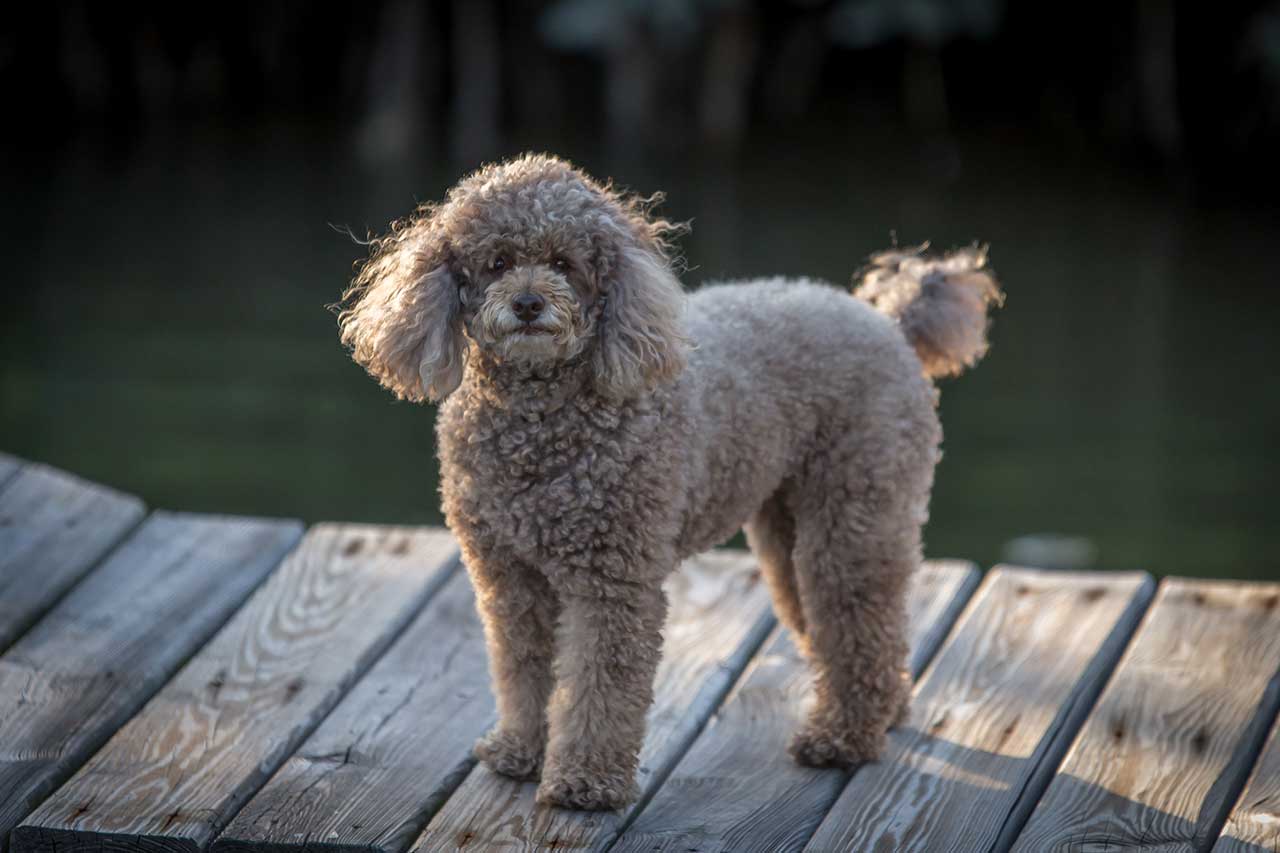
Poodle (Miniature)
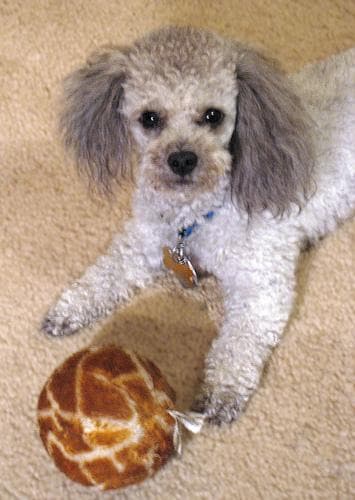
Poodle
Frequently asked questions
What is a Goldendoodle?
A Goldendoodle is a Golden Retriever × Poodle mix. GANA (a mix club, not the AKC) says those two founding breeds are the only parents that comprise a Goldendoodle. The AKC does not recognize it as a conformation breed; mixed-breed dogs can enroll in AKC Canine Partners for most sports, not breed conformation.
Are Goldendoodles hypoallergenic?
No dog is allergen-free. AKC, AAAAI, and AAFA agree there are no truly hypoallergenic breeds. AKC’s Gazette also notes that most doodles shed and mat because Golden fur sheds and Poodle hair keeps growing. GANA lists curly, wavy, and straight coats and still flags “incorrect” coats that shed. Meet the individual dog.
How big do Goldendoodles get?
GANA sizes adults by height at the withers: Petite (under 14 in, typically 25 lbs or less), Mini (over 14 to under 17 in, typically 26–35 lbs), Medium (over 17 to under 21 in, typically 36–50 lbs), and Standard (over 21 in, typically 51 lbs or more). GANA says a puppy’s adult size is an educated guess. On our profiles, Golden Retrievers are 55-75 lbs / 21.5-24 inches; Poodle size (Toy, Miniature, or Standard) also changes the mix.
What does F1, F1b, and F2 mean?
Per GANA: F1 is a Poodle × Golden Retriever; F1b is an F1 backcrossed to a Poodle or a Golden; F2 is two Goldendoodles. Later litters are often called multigenerational. GANA says later labels have little context—ask about the actual coat, shedding, and size you should expect.
Goldendoodle vs Labradoodle—what’s the difference?
Different non-Poodle parents: Golden Retriever vs Labrador Retriever. On our profiles, Labs lean energy 5/5; Goldens and Standard Poodles are energy 4/5. Compare parent pages and our Labradoodle guide. Neither mix is an AKC breed.
How much grooming does a Goldendoodle need?
Often a lot. AKC describes doodle coats as needing a vacuum and a groomer. Our Standard Poodle profile lists professional grooming every 4–6 weeks plus brushing. Low shed ≠ low maintenance.
What health tests should Goldendoodle parents have?
Ask for clearances on both sides. GRCA’s Code of Ethics for Golden Retrievers covers hips, elbows, heart, and eyes (OFA/PennHIP hips at 24+ months; OFA elbows; cardiologist heart exam at 12+ months; ophthalmologist eye exam). Poodle parents should have tests relevant to that variety. Mixes can inherit issues from either parent.
References
This guide summarizes publicly available breed-standard and veterinary education sources. Always consult your veterinarian for individual care.
- [1]Golden Retriever Dog Breed Information — American Kennel Club (AKC)
- [2]Poodle Dog Breed Information — American Kennel Club (AKC)
- [3]Best Dog Breeds for Allergies — American Kennel Club (AKC)
- [4]Instead of a “Designer Breed,” Consider the Undoodle: The Otterhound — American Kennel Club (AKC Gazette)
- [5]What Is AKC Canine Partners? — American Kennel Club (AKC)
- [6]Goldendoodle Sizes — Goldendoodle Association of North America (GANA)
- [7]Goldendoodle Generations — Goldendoodle Association of North America (GANA)
- [8]Goldendoodle Breed Standard — Goldendoodle Association of North America (GANA)
- [9]Health Screenings for the Parents of a Litter — Golden Retriever Club of America (GRCA)
- [10]Pet Allergy — American Academy of Allergy, Asthma & Immunology (AAAAI)
- [11]Pet Dog and Cat Allergies — Asthma and Allergy Foundation of America (AAFA)
- [12]Pet Ownership Resources — American Veterinary Medical Association (AVMA)
- [13]General Dog Care — ASPCA