PawPedia breed guide
Designer dogs
Intentional mixes and doodles—what the label means, coat and temperament variability, and how to choose a cross that fits your real life.
17 breeds · Updated 2026-08-15
Designer dogs are intentional crosses—Labradoodles, Cavapoos, Cockapoos, Puggles, and many Poodle “doodles”—bred to blend size, coat, or temperament from two parent breeds. They’re popular, photogenic, and often marketed as lower-shed. Reality is more variable than the ads.
This guide covers what “designer” means, grooming and health honesty, and 17 related profiles (mixes we catalog plus common parent breeds). For doodle-focused deep dives, see poodle mix breeds and Goldendoodles. Allergy context: AKC on hypoallergenic claims.
Popular designer mixes to know
Profiles we carry for named mixes (open cards in the list below):
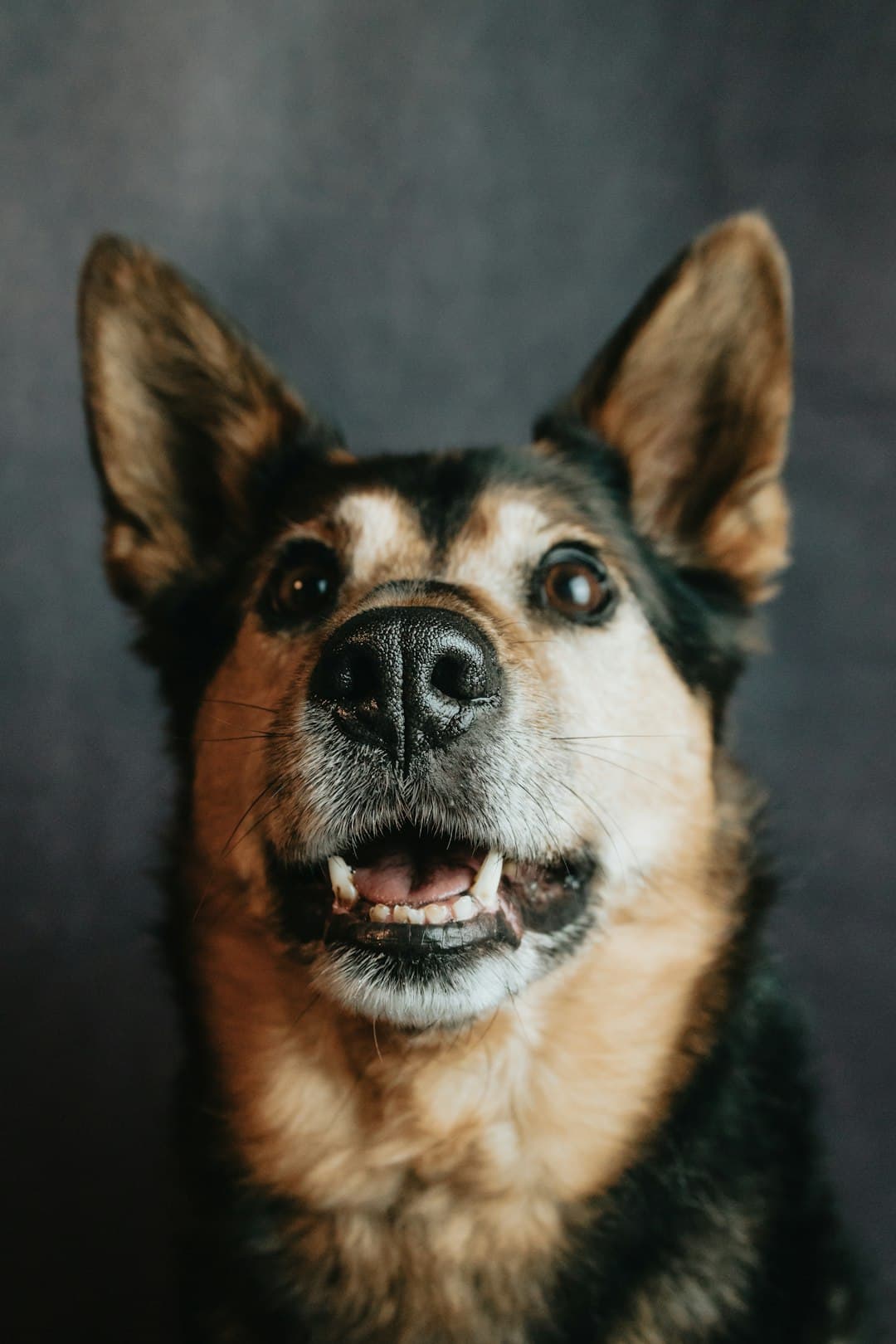
- Labradoodle — large, energy 4/5
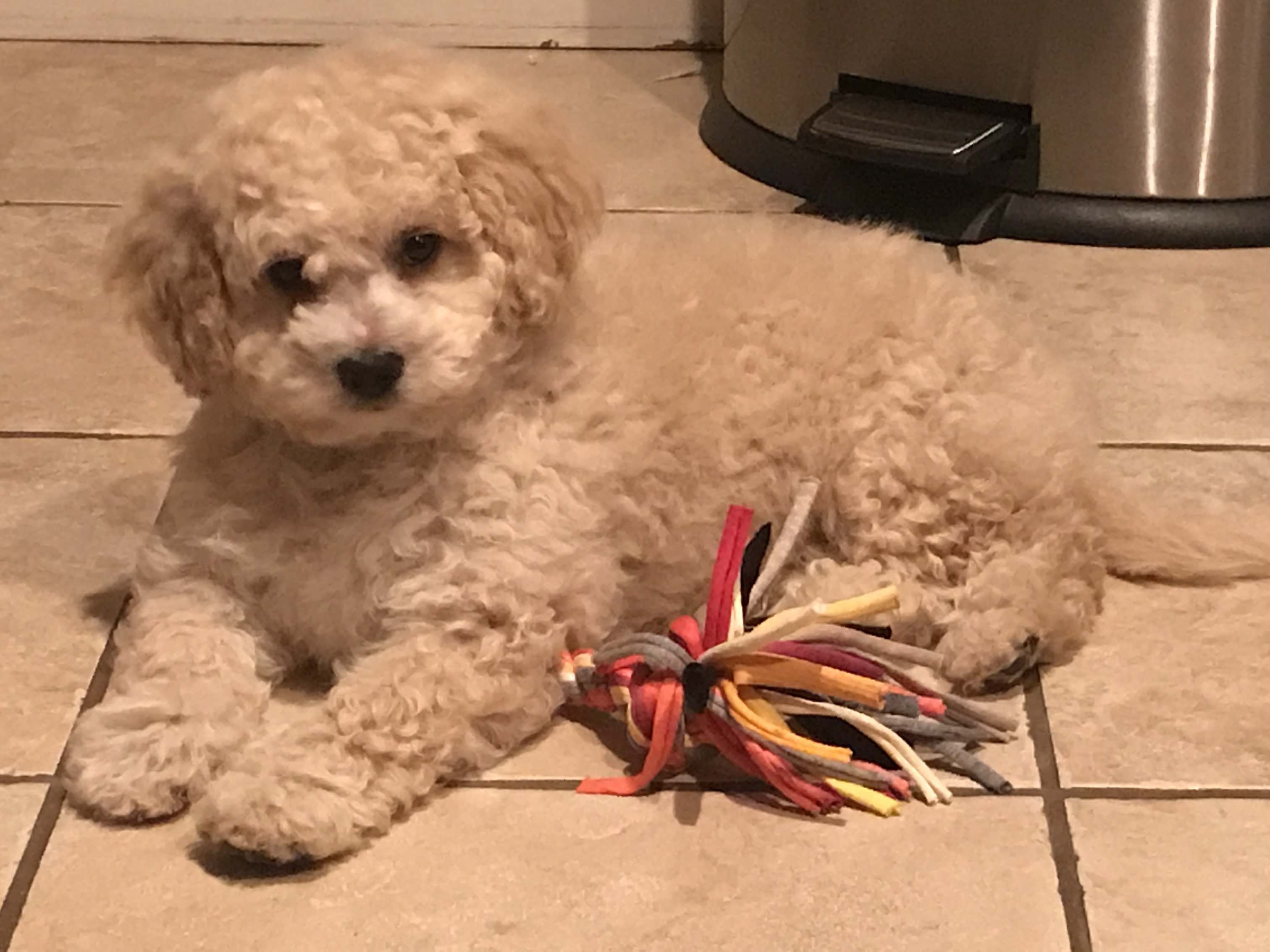
- Cavapoo — medium, energy 3/5
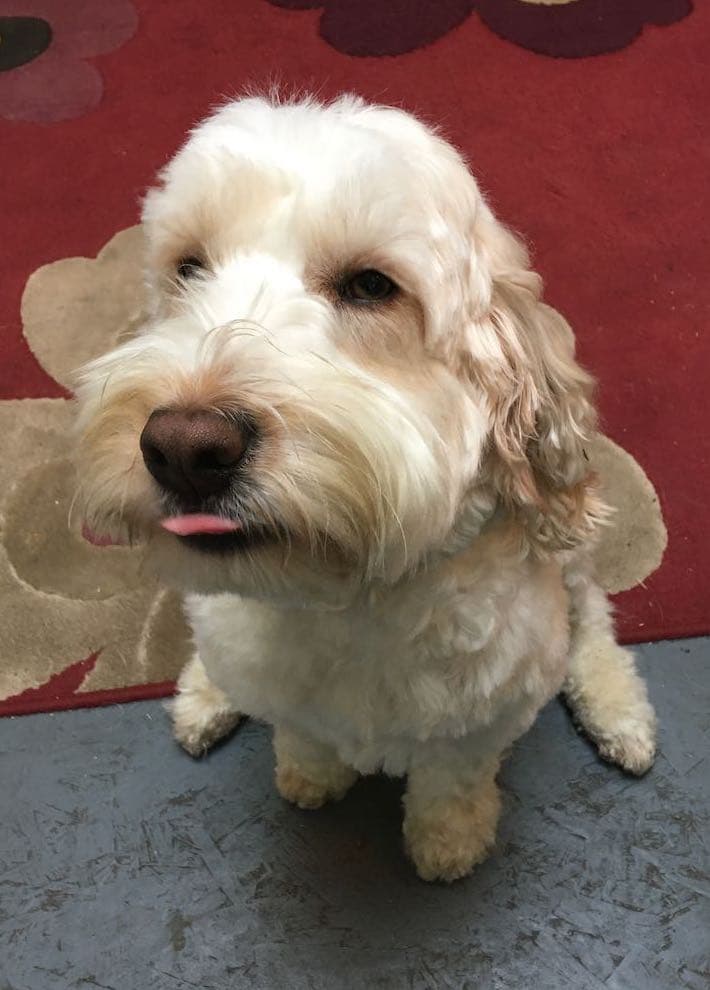
- Cockapoo — medium, energy 3/5
- Puggle — small, energy 3/5
Goldendoodles, Bernedoodles, Maltipoos, and Aussiedoodles are covered in related guides even when a single catalog card isn’t listed—start with Goldendoodles or poodle mixes.
What “designer” does (and doesn’t) mean
Not a breed standard. Two Labradoodles can look and behave differently depending on generation (F1, F1b, multi-gen), which Poodle size was used, and which traits were selected.
Marketing vs genetics. “Teddy bear” coats and “hypoallergenic” labels are hopes, not warranties. Meet the puppy’s parents, ask about coat genetics if offered, and budget for professional grooming either way.
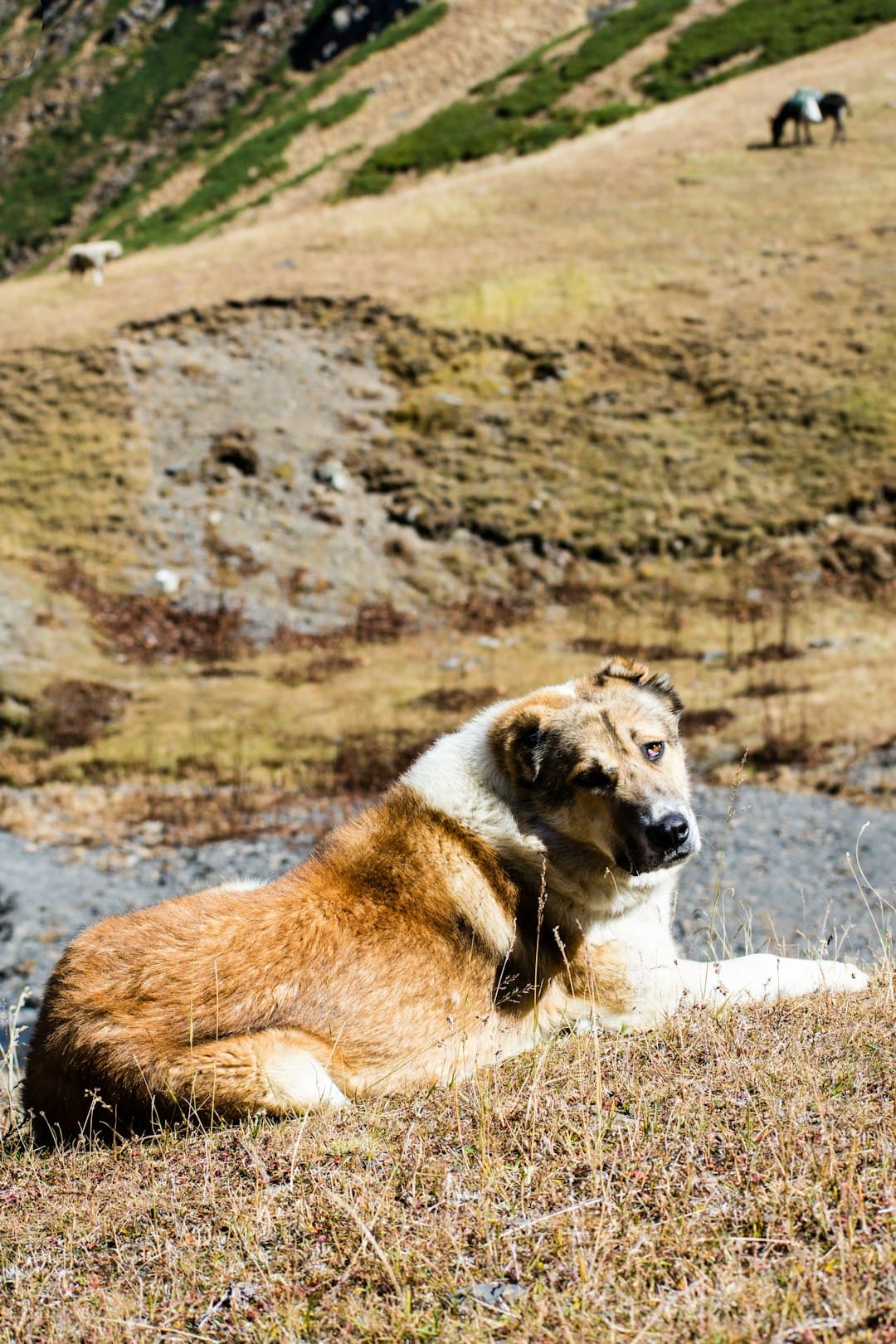
Parent breeds still matter. A Bernedoodle can inherit Bernese size and health risks; a Puggle can inherit brachycephalic breathing concerns. Study both sides—not just the cute compound name.
Grooming, energy, and care reality
Many doodles need frequent brushing and regular clipping—low shed often means high maintenance. Plan time and money before the puppy arrives.
Energy follows the parents: Retriever or Aussie crosses often need serious daily exercise; Cavalier or Bichon crosses may suit calmer homes. Use the match quiz if you’re choosing between lifestyles, not just coat ads.
Allergy-prone households should also read hypoallergenic dogs—and spend time with the individual dog before committing.
How to choose a designer dog wisely
Prefer health-tested parents, clear contracts, and breeders or rescues who discuss temperament and coat outcomes honestly. Compare two parent breeds in Compare if you’re torn between crosses.
Next reads: poodle mix breeds, Bichon × Poodle, best family dogs, or all breeds A–Z.
Designer mixes & common parent breeds
Browse 17 profiles. Open any breed for temperament, care, and lifestyle scores.
Labradoodle

Goldendoodle
Cavapoo
Cockapoo
Bernedoodle

Puggle

Poodle (Standard)
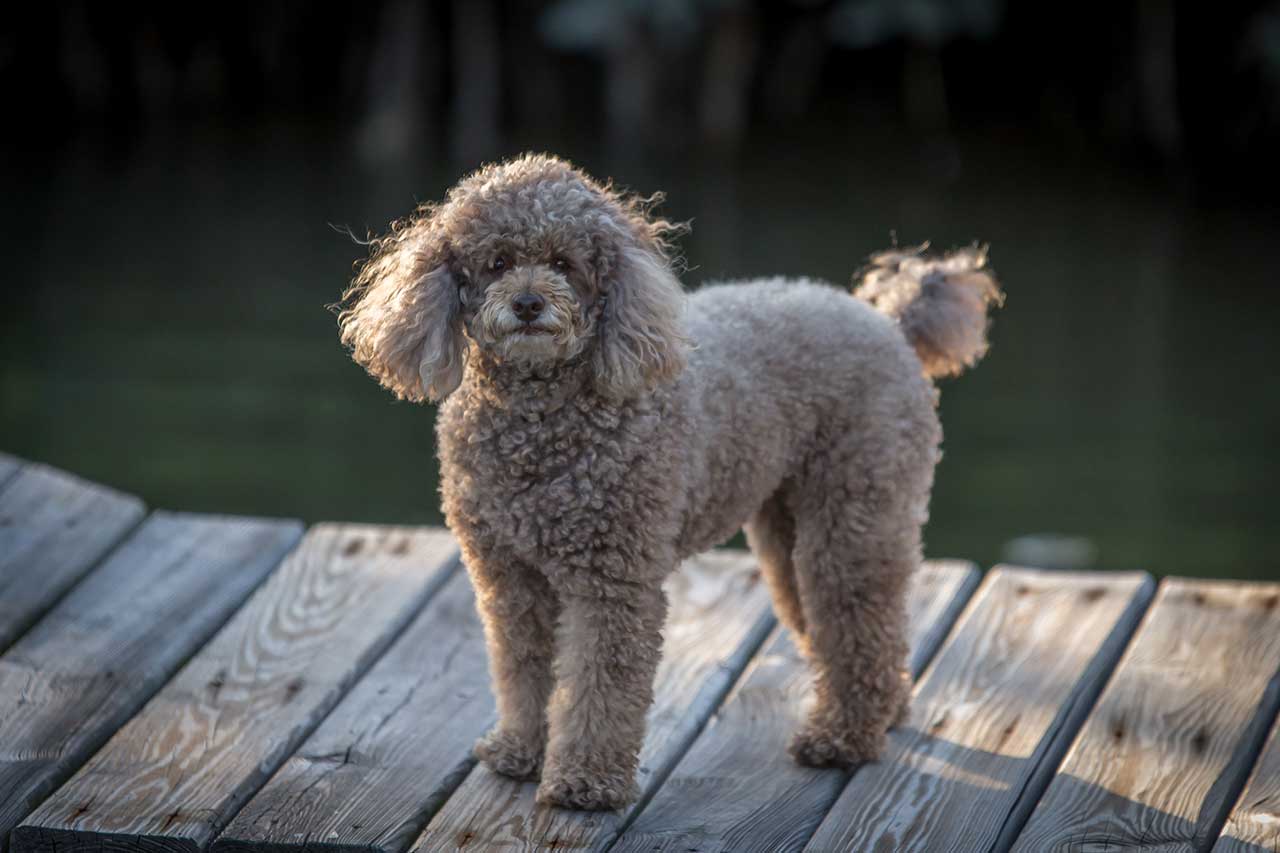
Poodle (Miniature)
Poodle
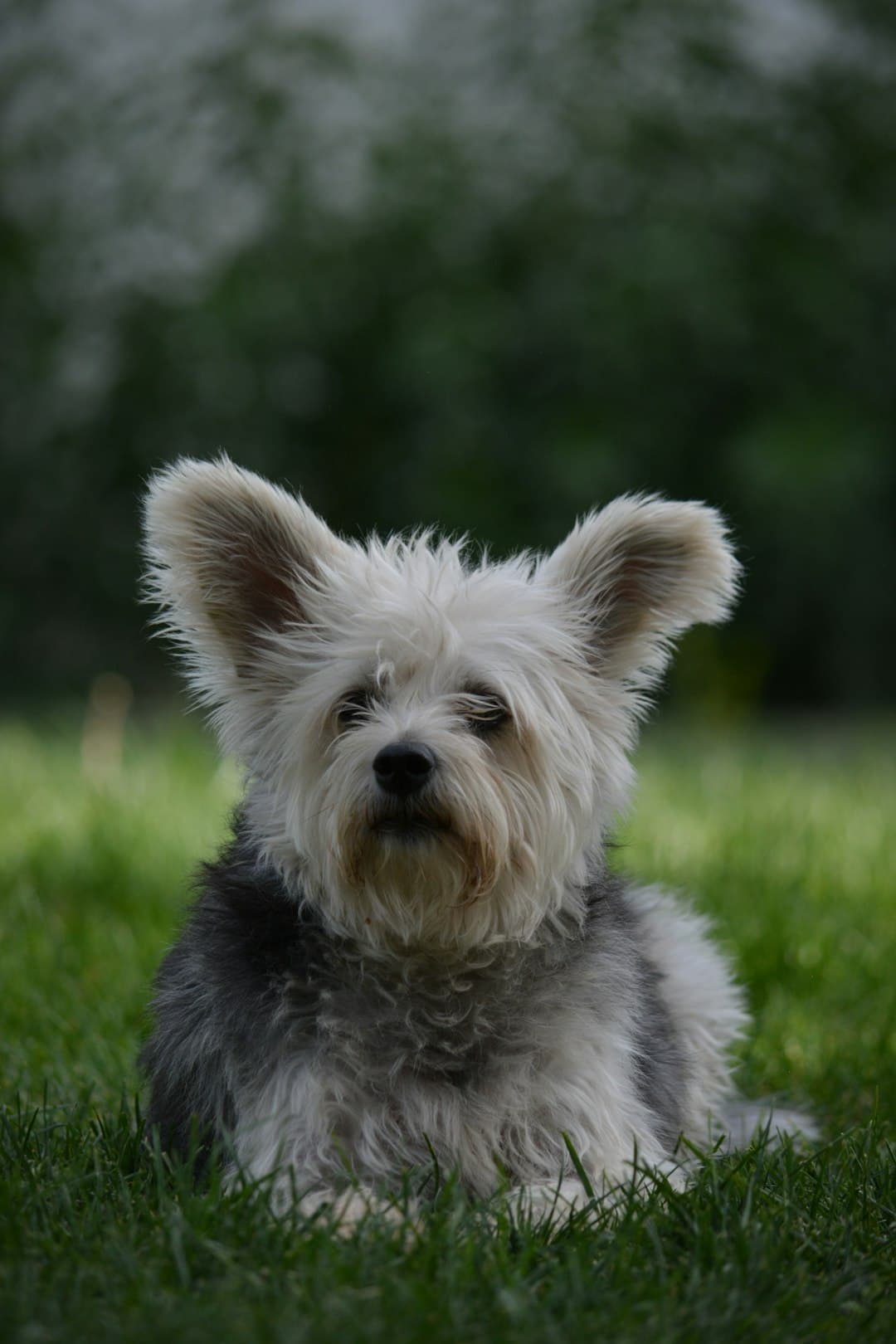
Standard Poodle
Golden Retriever

Labrador Retriever

Cavalier King Charles Spaniel
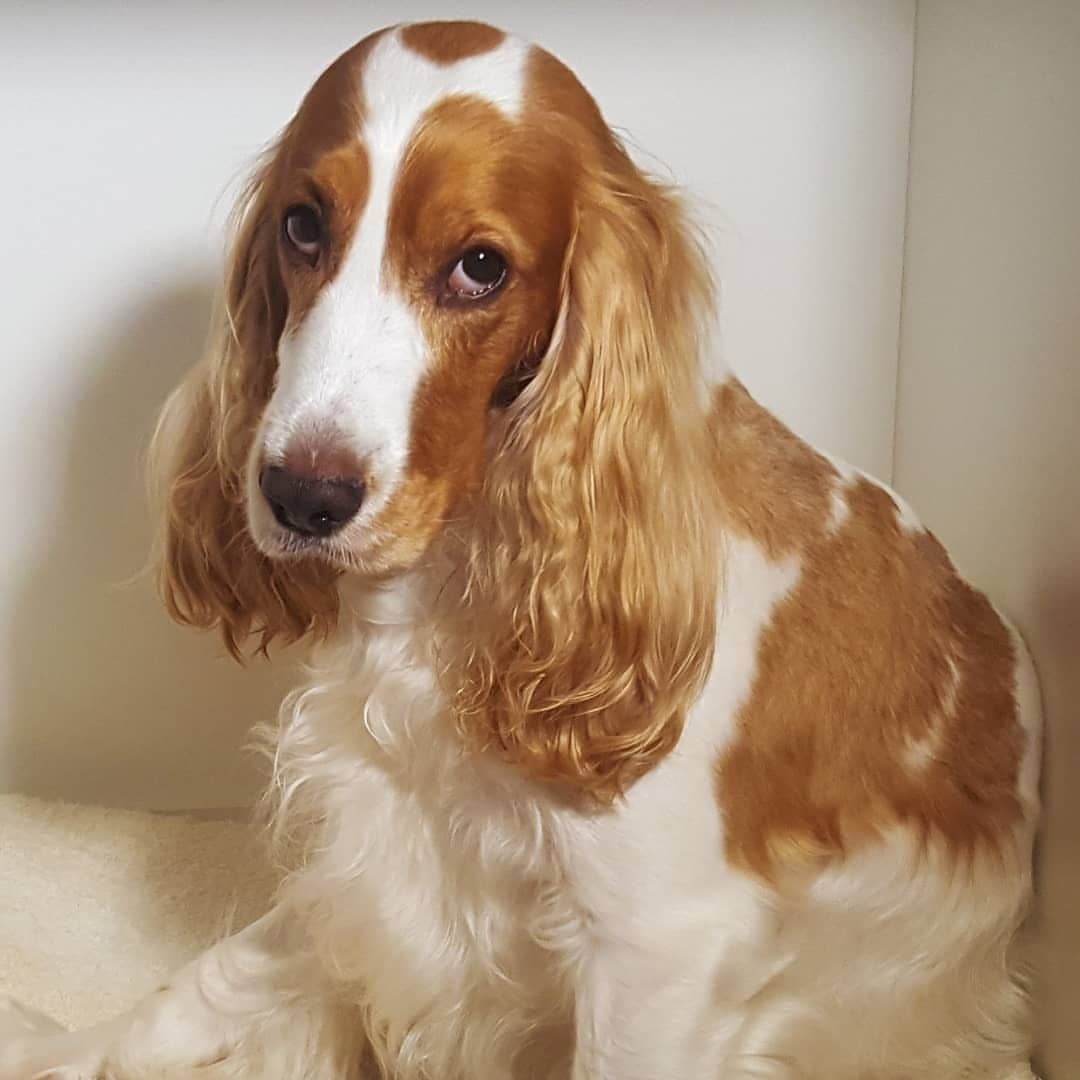
Cocker Spaniel
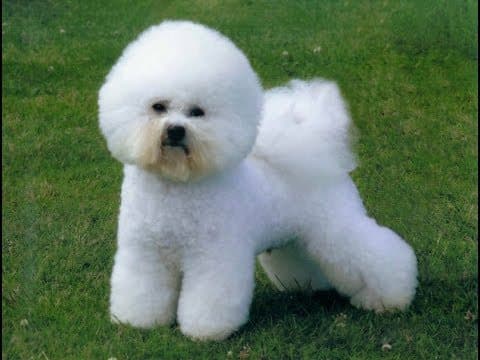
Bichon Frise
Bernese Mountain Dog
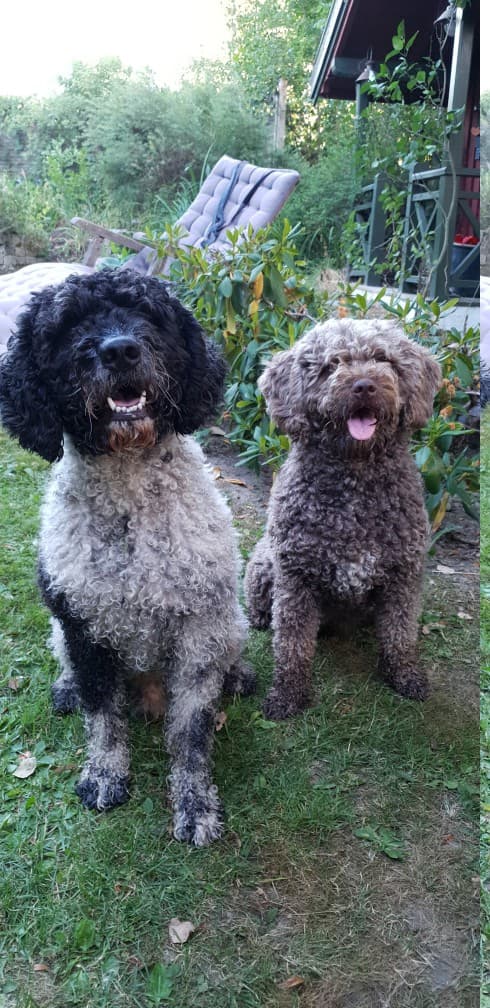
Portuguese Water Dog
Frequently asked questions
What is a designer dog?
A designer dog is usually an intentional first-generation (or multi-generation) cross of two purebreds—often a Poodle plus another breed—bred for a mix of looks, size, or coat. It’s a marketing label, not a kennel-club breed with a single standard.
Are designer dogs hypoallergenic?
Not reliably. Poodle crosses may shed less than a Golden or Lab, but coats vary puppy to puppy. No dog is allergen-free. See our hypoallergenic guide and plan for grooming either way.
What’s the difference between a Goldendoodle and a Labradoodle?
Parent breeds: Golden Retriever × Poodle vs Labrador Retriever × Poodle. Both come in multiple sizes. Temperament and coat still depend on the individual lines—read dedicated guides and meet parents when you can.
Are designer dogs healthier than purebreds?
Hybrid vigor is possible but not guaranteed. Crosses can inherit issues from either parent (hips, eyes, heart, skin). Ask for health testing on both sides and budget for lifelong vet care like any dog.
Should I buy a doodle puppy or adopt a mix?
Either can be wonderful. Responsible breeders health-test and stand behind temperament; rescues often know adult energy and coat. Avoid impulse “rare color” ads. Use breed guides to understand needs before you search.
References
This guide summarizes publicly available breed-standard and veterinary education sources. Always consult your veterinarian for individual care.
- [1]Are There Hypoallergenic Dog Breeds? — American Kennel Club (AKC)
- [2]Poodle Dog Breed Information — American Kennel Club (AKC)
- [3]How to Choose the Right Dog Breed — American Kennel Club (AKC)
- [4]Pet Ownership Resources — American Veterinary Medical Association (AVMA)
- [5]General Dog Care — ASPCA