PawPedia breed guide
Pit bull
A type label—not one breed. How American Pit Bull Terriers, AmStaffs, and Staffies relate, temperament honesty, training, housing rules, and whether this powerful companion fits your life.
5 breeds · Updated 2026-08-15
Pit bull (or “pitbull”) is everyday language for a muscular, short-coated bull-and-terrier look—not a single official breed. Shelters, media, and neighbors may use the word for American Pit Bull Terriers, American Staffordshire Terriers, Staffordshire Bull Terriers, mixes, and even unrelated dogs that share a blocky head. That fuzziness fuels myths and bad housing rules.
This guide centers the American Pit Bull Terrier and the breeds most often lumped with it. Registry context: UKC American Pit Bull Terrier, AKC American Staffordshire Terrier, AKC Staffordshire Bull Terrier. Temperament myths: most aggressive dog breeds? Fit check? Match quiz.
American Pit Bull Terrier at a glance
- Size: medium · 30-60 lbs · 17-21 inches
- Energy: 4/5 · lifespan 12-16 years
- Temperament lean: Confident, Intelligent, Good-natured, Loyal
- Coat: short
Medium-sized terrier with a muscular build and friendly nature. American Pit Bull Terriers are confident, intelligent, and make excellent family companions.
Type vs breed: who counts as a “pit bull”?
Pedigree registries define breeds; street language defines types. Dogs commonly pulled into the pit bull bucket:
- American Staffordshire Terrier — 40-70 lbs; Confident, Intelligent
- Staffordshire Bull Terrier — 24-38 lbs; Affectionate, Loyal
- American Bully — 30 - 150 lbs; Strong Willed, Stubborn
- American Bulldog — 60 - 120 lbs; Friendly, Assertive
American Bully (UKC) is a separate modern breed with different size classes—often confused in ads. See American Bully cost if that’s the dog you actually want. American Bulldogs are larger working bulldogs, not APBTs, but get mislabeled by appearance.
History in brief
Developed in the United States for dog fighting, but modern dogs are bred for companionship and family life.
Bull-and-terrier ancestry produced athletic, people-focused dogs that later split into show and companion lines under different club names. Modern pets are companions—not fighting dogs—and responsible owners reject any sport or “toughness” culture that harms animals.
Temperament: people-loving ≠ no management
Well-raised dogs of these breeds are often outgoing with people, playful, and eager for training. That does not erase individual variation: some are dog-selective, some have high prey drive, some need more structure than a soft companion breed.
Strength and tenacity mean leash manners, secure fencing, and supervised dog parks matter. Punishment-heavy “dominance” methods and isolation make problems worse. Prefer positive, clear training and early socialization.
The AVMA rejects breed-only aggression labels. For broader context, read our aggression myths guide.
Living with a pit bull–type dog
Exercise & brain work: Daily walks, play, and training—not just a backyard. Underworked athletes invent jobs.
Grooming: Short coats are easy; expect seasonal shed. Skin allergies appear in some lines—budget for vet care.
Kids & other pets: Supervise. Teach polite human greetings. Introduce other dogs carefully; don’t assume every individual is a dog-park social butterfly.
Housing & insurance: Confirm leases, HOAs, and policies before you commit. Appearance-based bans are common even when pedigree says otherwise.
Full scores and care notes: American Pit Bull Terrier profile. Prefer famously soft family temperaments? Browse best family dogs.
Health & training priorities
Ask about hips, heart, and skin history. Keep dogs lean—extra weight stresses joints. Spay/neuter timing is a conversation with your vet, not a social-media rule.
Training staples: solid recall, loose-leash walking, settle on cue, and calm greeting manners. Sports like nose work, rally, or weight pull (done safely) give athletic dogs a job. Skip DIY “protection” that rewards lunging.
Common health topics on the profile: Hip Dysplasia, Heart Disease, Skin Allergies.
Adoption & next steps
Many excellent adults wait in rescue and shelters—often with known leash skills and dog preferences already mapped. Meet the dog more than once when you can.
If comparing registries and look-alikes, use Compare or open each profile above. Still deciding? Take the match quiz.
Breeds people mean by “pit bull”
Browse 5 profiles. Open any breed for temperament, care, and lifestyle scores.
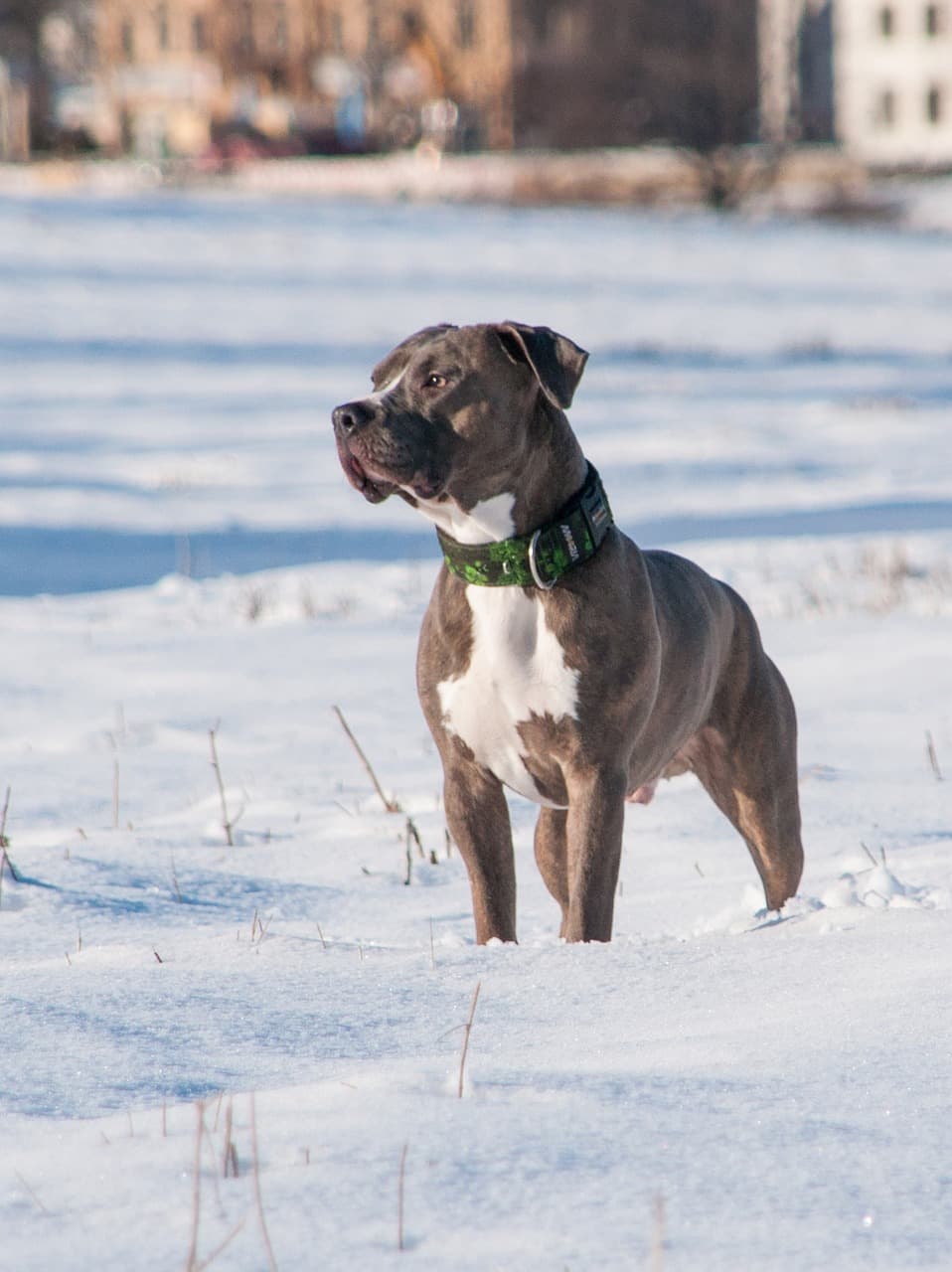
American Pit Bull Terrier
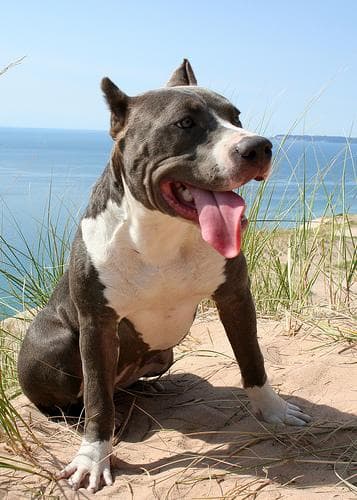
American Staffordshire Terrier

Staffordshire Bull Terrier
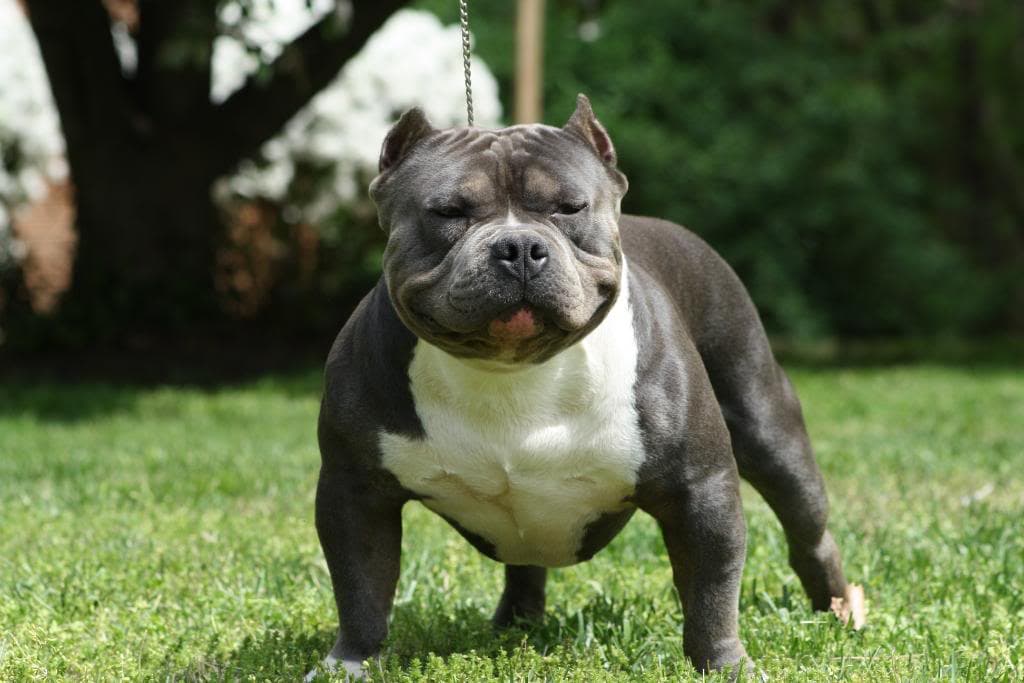
American Bully
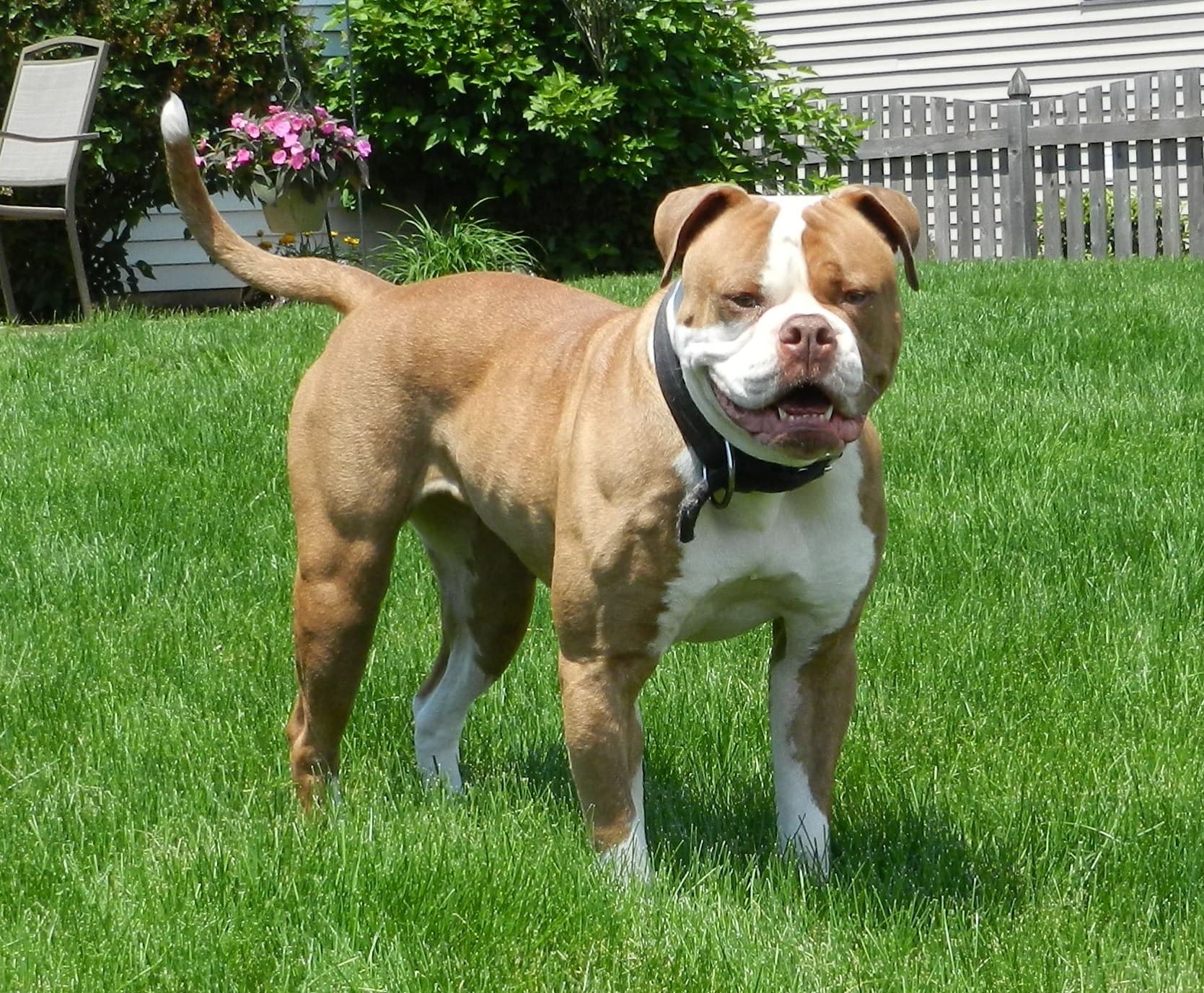
American Bulldog
Frequently asked questions
Is a pit bull a real breed?
“Pit bull” is a colloquial type label, not a single kennel-club breed name. People usually mean the American Pit Bull Terrier (UKC and others), and often lump in American Staffordshire Terriers, Staffordshire Bull Terriers, mixes, and look-alikes. Visual ID alone is unreliable.
Are pit bulls aggressive?
No breed or type is guaranteed aggressive or safe. Individual history, socialization, training, health, and management matter more than a label. The AVMA advises against predicting bite risk from breed alone. Powerful dogs raise the stakes when management fails—see our aggression myths guide.
Are pit bulls good family dogs?
Many are affectionate, people-oriented companions when well bred and raised. Supervise kids with any strong dog, teach polite greetings, and manage dog-dog introductions carefully—some individuals are dog-selective. Meet the adult dog or parents when you can.
What’s the difference between APBT and AmStaff?
American Pit Bull Terriers are recognized by the UKC (not AKC as APBT). American Staffordshire Terriers are an AKC breed with a different standard and show history. They share ancestry and can look similar; pedigree and registry matter more than street nicknames.
Can I keep a pit bull where I live?
Some cities, insurers, and HOAs restrict dogs by appearance or type. Check local law, lease rules, and insurance before you adopt or buy. Breed-specific rules are debated; the AVMA generally prefers behavior- and ownership-based approaches over breed bans.
Should I adopt or buy a pit bull–type dog?
Rescues place many wonderful adults with known manners. If buying, prefer transparent health history and temperament over toughness marketing. Avoid “for sale” impulse ads with no contract or clearances.
References
This guide summarizes publicly available breed-standard and veterinary education sources. Always consult your veterinarian for individual care.
- [1]American Pit Bull Terrier — United Kennel Club (UKC)
- [2]American Staffordshire Terrier Dog Breed Information — American Kennel Club (AKC)
- [3]Staffordshire Bull Terrier Dog Breed Information — American Kennel Club (AKC)
- [4]Why Breed-Specific Legislation Is Not the Answer — American Veterinary Medical Association (AVMA)
- [5]Preventing Dog Bites — American Veterinary Medical Association (AVMA)
- [6]How to Choose the Right Dog Breed — American Kennel Club (AKC)
- [7]General Dog Care — ASPCA
- [8]Pet Ownership Resources — American Veterinary Medical Association (AVMA)