PawPedia breed guide
Most aggressive dog breeds?
Viral rankings name “dangerous” breeds—but bite risk tracks individual history, size, and management more than a label. Here’s how to read those lists, which high-stakes types need experienced homes, and how to lower risk.
30 breeds · Updated 2026-08-15
Searches for most aggressive dog breeds usually want a ranked hit list. Responsible science and veterinary policy push the other way: the AVMA considers it inappropriate to predict a dog’s propensity to bite from breed alone. Any dog can bite; context, pain, fear, training, and the victim’s vulnerability matter.
This guide still covers 30 breeds people mean— reserved guardians, powerful mastiff-types, high-drive workers, and types often named in media or breed-specific laws—so you can match handler skill to stakes, not chase a toughness trophy. For job-focused picking (watchdog vs protection vs livestock guardian), use best protection dogs. For kid-friendly temperaments, see best family dogs. Fit check? Breed quiz.
Why “most aggressive” rankings fail
Bite and fatality tallies often over-represent popular, large, or visually distinctive dogs. Mislabeling (especially “pit bull” types), reporting bias, and how dogs are kept (tethered, unsupervised, used for fighting) muddy the numbers. Regional prevalence also shifts which breeds appear in local stats.
A small dog that nips may never make a news list; a large dog in the same situation can cause severe injury. Severity ≠ “more aggressive breed.” Size and opportunity amplify outcomes.
The AVMA argues that breed-specific legislation is a weak public-safety tool compared with leash laws, dangerous-dog ordinances aimed at behavior and ownership, and education. Treat internet rankings as conversation starters—not temperament certificates.
Types of aggression (not one personality)
“Aggressive” collapses different motivations. Common patterns include:
- Fear / defensive — cornered, startled, or poorly socialized dogs who can’t escape.
- Territorial / protective — guarding home, yard, or people; common in livestock and estate guardians.
- Resource guarding — food, toys, beds, or resting people.
- Dog-dog selectivity — same-sex or unfamiliar dogs; frequent in some northern and Asian breeds.
- Pain / medical — sudden behavior change needs a vet check, not a label.
- Redirected / frustration — barrier frustration, leash reactivity, under-exercise in high-drive dogs.
Knowing the type guides management. Punishing a growl removes a warning; it doesn’t fix the underlying emotion. Early help from a qualified trainer or veterinary behaviorist beats waiting for a bite.
Reserved guardians (stranger-wary by design)
These types were shaped to watch livestock or property and distrust outsiders. Without early, careful socialization they can look “mean” in suburban guest traffic:
- Chow Chow — Independent, Loyal; energy 3/5
- Akita — Loyal, Courageous; energy 3/5
- Tibetan Mastiff — Independent, Strong-willed; energy 3/5
- Caucasian Shepherd Dog — Independent, Intelligent; energy 3/5
- Fila Brasileiro — Loyal, Protective; energy 3/5
- Anatolian Shepherd — Calm, Intelligent; energy 3/5
- Kangal Dog — Calm, Intelligent; energy 3/5
Kangals and Anatolians are livestock guardians first—see our Turkish Kangal guide. They are not casual apartment mascots.
Power breeds (mistakes cost more)
Strength and jaw power don’t equal malice—but they raise the stakes when management fails. Plan fencing, handling, and guest protocols before the puppy arrives:
- Rottweiler — 80-135 lbs; large
- Cane Corso — 88-110 lbs; large
- Presa Canario — 88-110 lbs; large
- Boerboel — 110-200 lbs; large
- Dogo Argentino — 80-100 lbs; large
- Mastiff — 120-230 lbs; large
- Bullmastiff — 100-130 lbs; large
- Tosa Inu — 100-200 lbs; large
Deeper read on Italian mastiff-types: Cane Corso guide. Compare power and job fit on protection dogs and strongest dogs.
High-drive workers (underwork looks like “aggression”)
Malinois, Dutch Shepherds, GSDs, and similar dogs can bark, mouth, and escalate when their work and exercise needs aren’t met. That is often frustration or prey/play drive—not a desire to “attack people”:
- Belgian Malinois — energy 5/5; large
- Dutch Shepherd — energy 5/5; medium
- German Shepherd — energy 5/5; large
- Doberman Pinscher — energy 4/5; large
- Giant Schnauzer — energy 4/5; large
Police and sport contexts: police dog breeds. Buy for sound nerves; add trained work with qualified instructors—not backyard “protection” that rewards lunging.
Media stigma and BSL targets
These names show up constantly in headlines and housing rules. Individual dogs still vary widely; visual ID of “pit bull–type” dogs is notoriously unreliable:
- American Pit Bull Terrier — Confident, Intelligent
- American Staffordshire Terrier — Confident, Intelligent
- Staffordshire Bull Terrier — Affectionate, Loyal
- American Bulldog — Friendly, Assertive
- Bull Terrier — Playful, Loyal
- Rottweiler — Confident, Courageous
Check insurance, HOAs, and local law before you commit. Choose breeders and rescues that prioritize temperament testing and transparent history—not toughness marketing.
How to lower risk (any breed)
Practical steps beat breed myths. From AVMA-aligned bite prevention guidance:
- Socialize early and ongoing—people, surfaces, handling, calm dog encounters.
- Supervise children; teach polite greetings; never leave babies or toddlers alone with dogs.
- Secure fencing and leash habits; don’t tether dogs as primary containment.
- Reward calm behavior; get professional help for stiffening, hard stares, or growling around resources.
- Rule out pain with a vet when behavior changes suddenly.
- Spay/neuter decisions and enrichment plans with your vet—idle, frustrated dogs invent jobs.
Still deciding? Take the match quiz or compare breeds. Prefer soft, people-oriented temperaments? Start with best family dogs.
High-stakes breed profiles
Browse 30 profiles. Open any breed for temperament, care, and lifestyle scores.
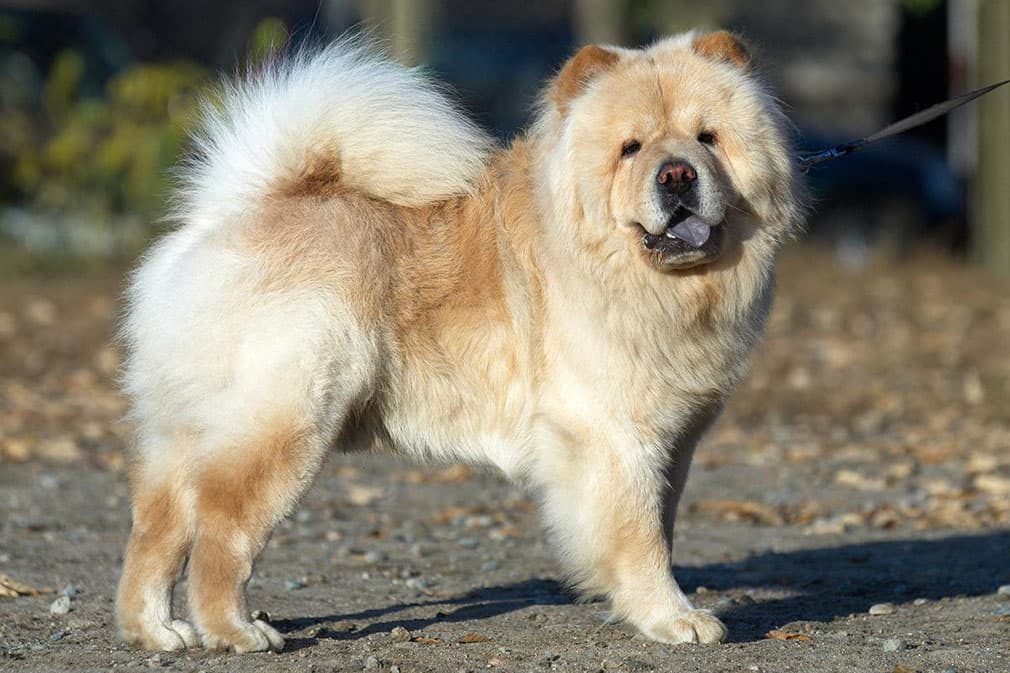
Chow Chow
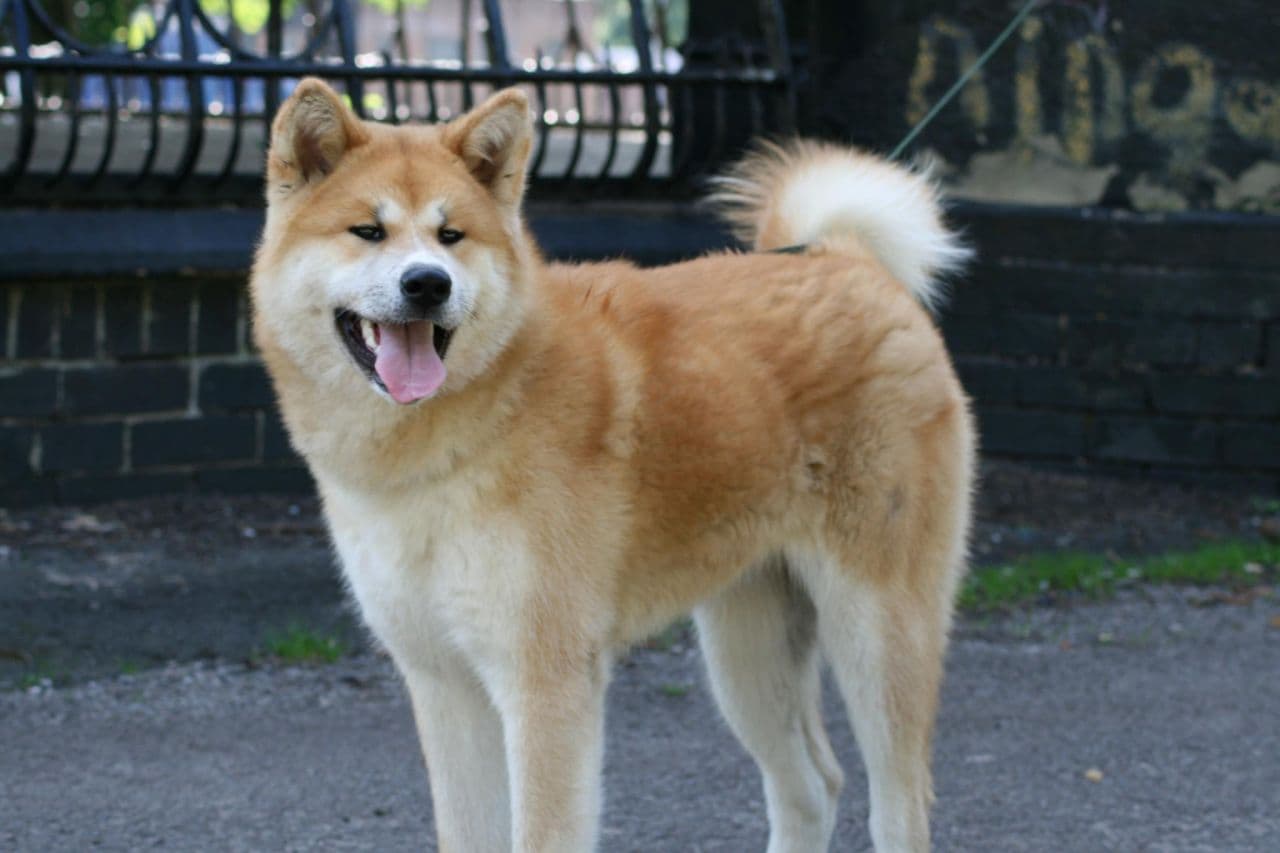
Akita
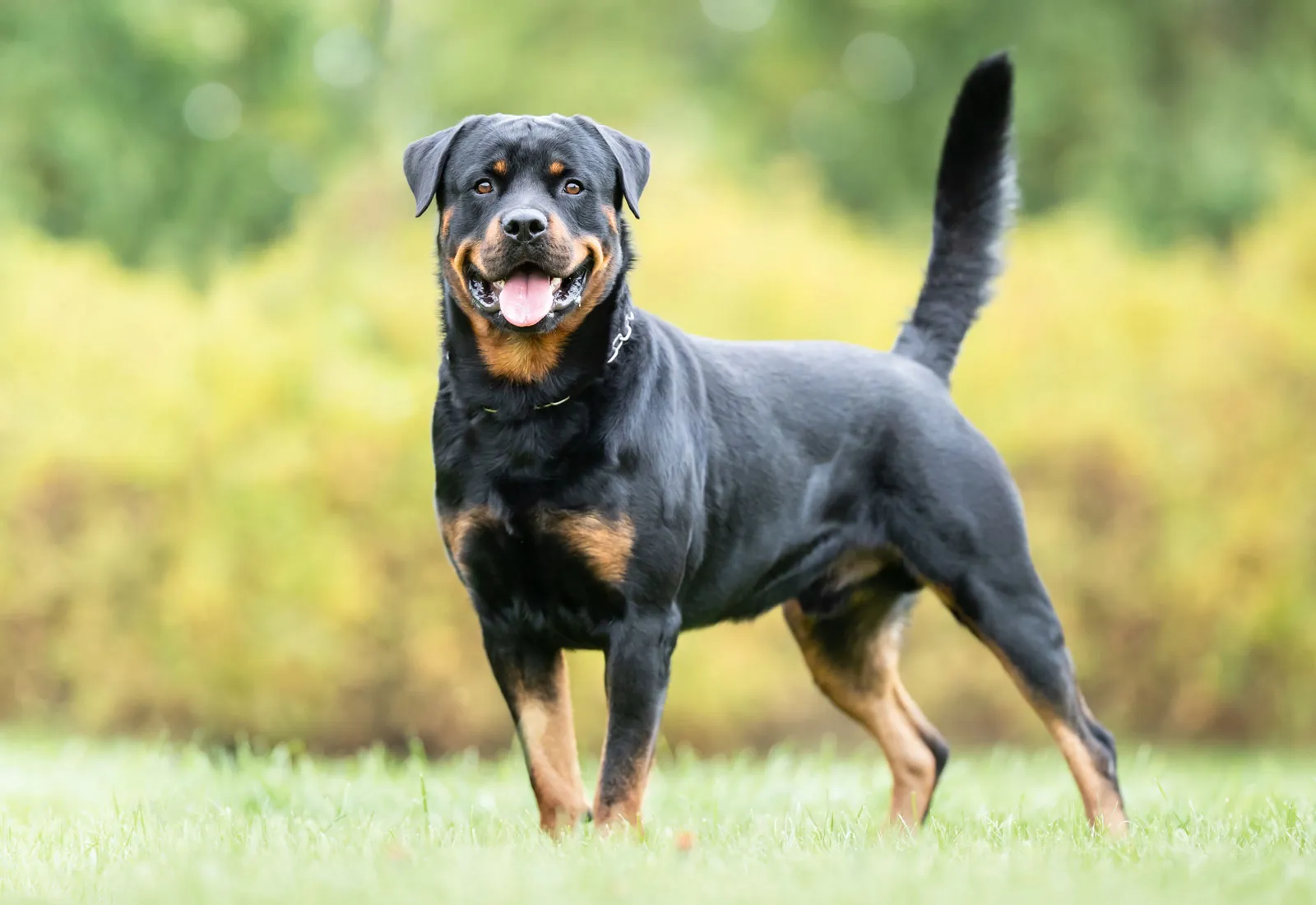
Rottweiler
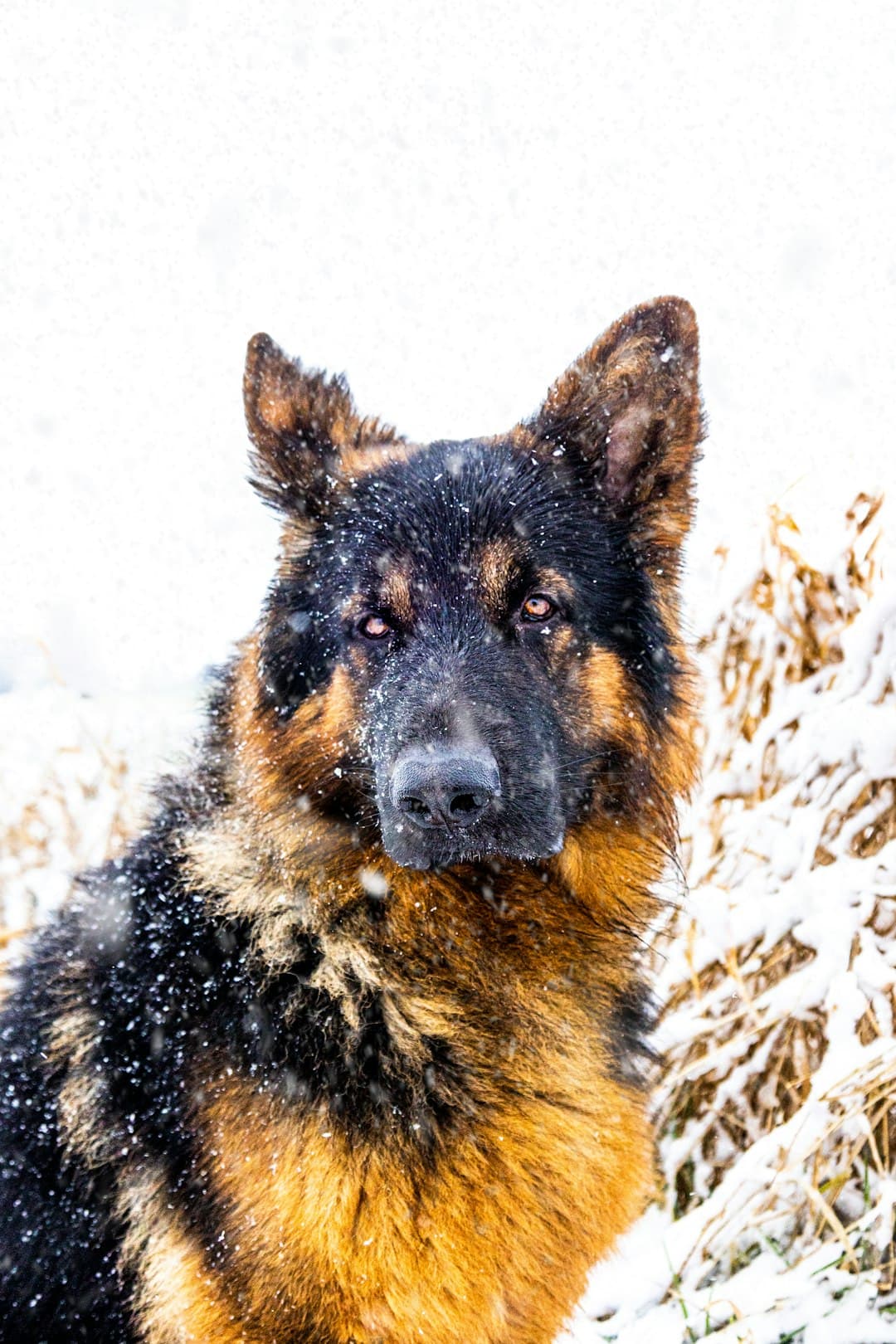
German Shepherd
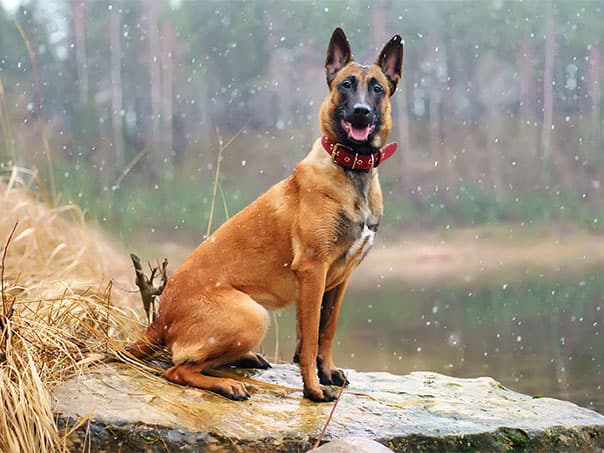
Belgian Malinois
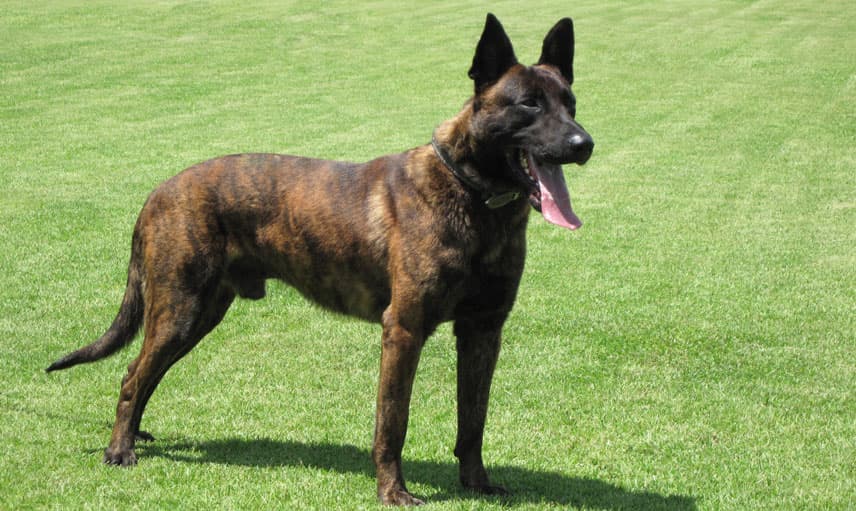
Dutch Shepherd
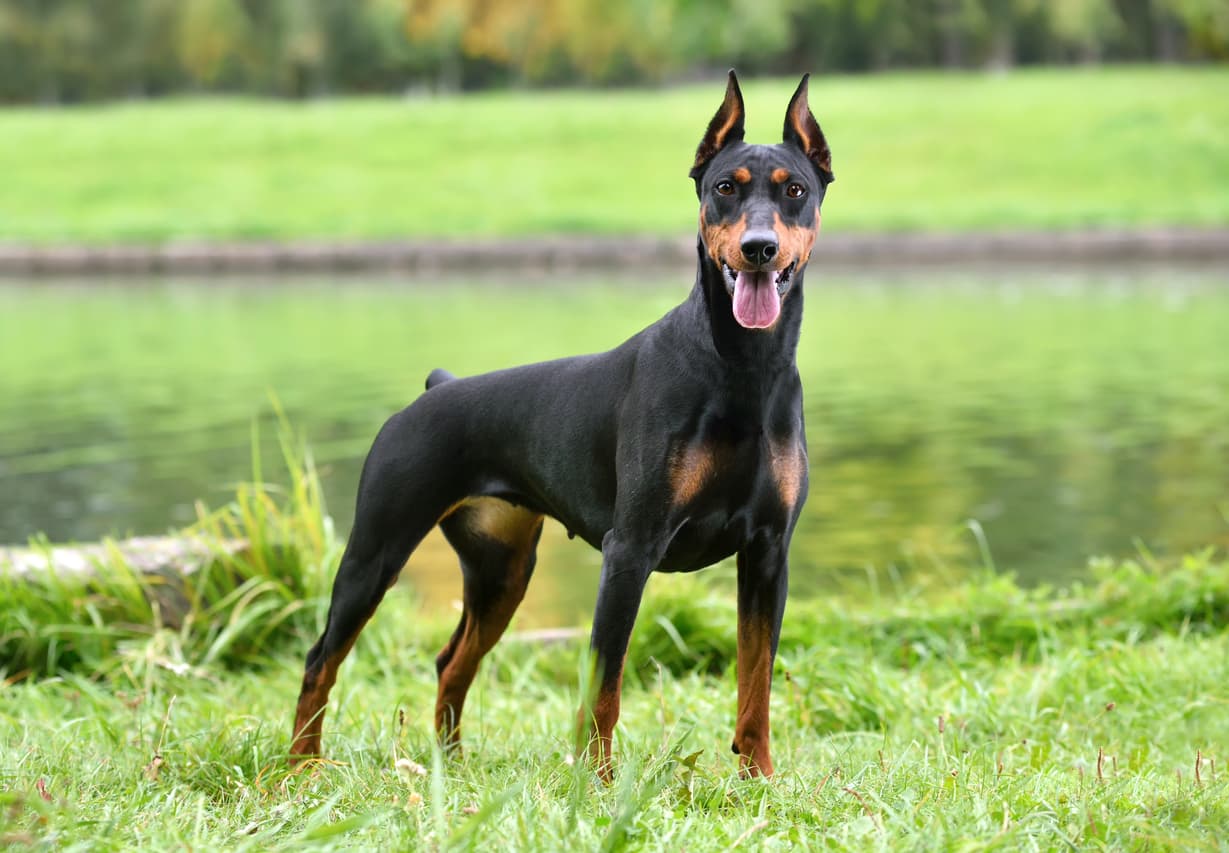
Doberman Pinscher
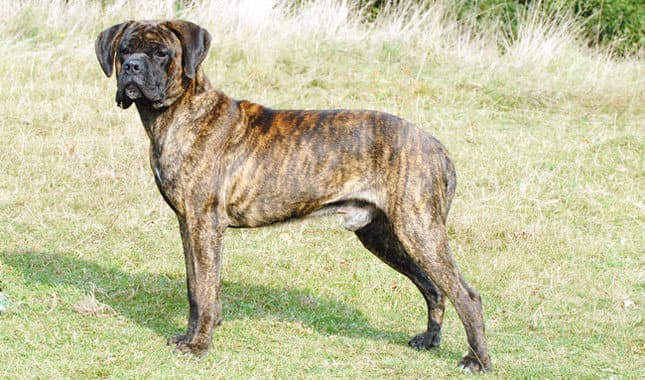
Cane Corso
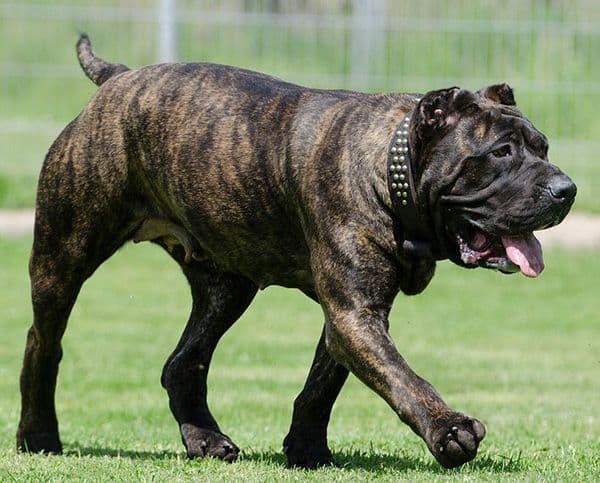
Presa Canario
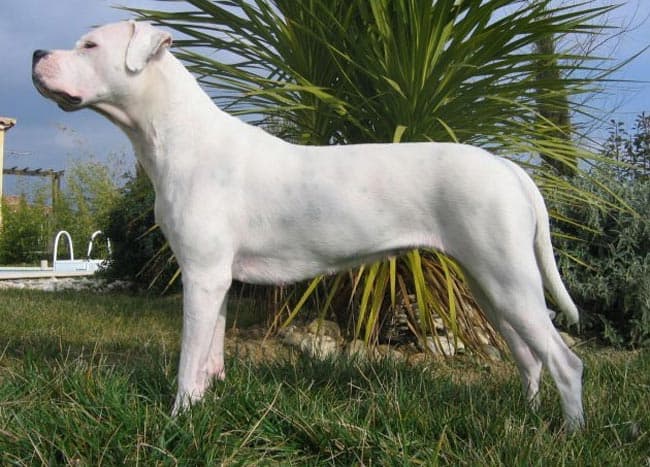
Dogo Argentino

Boerboel
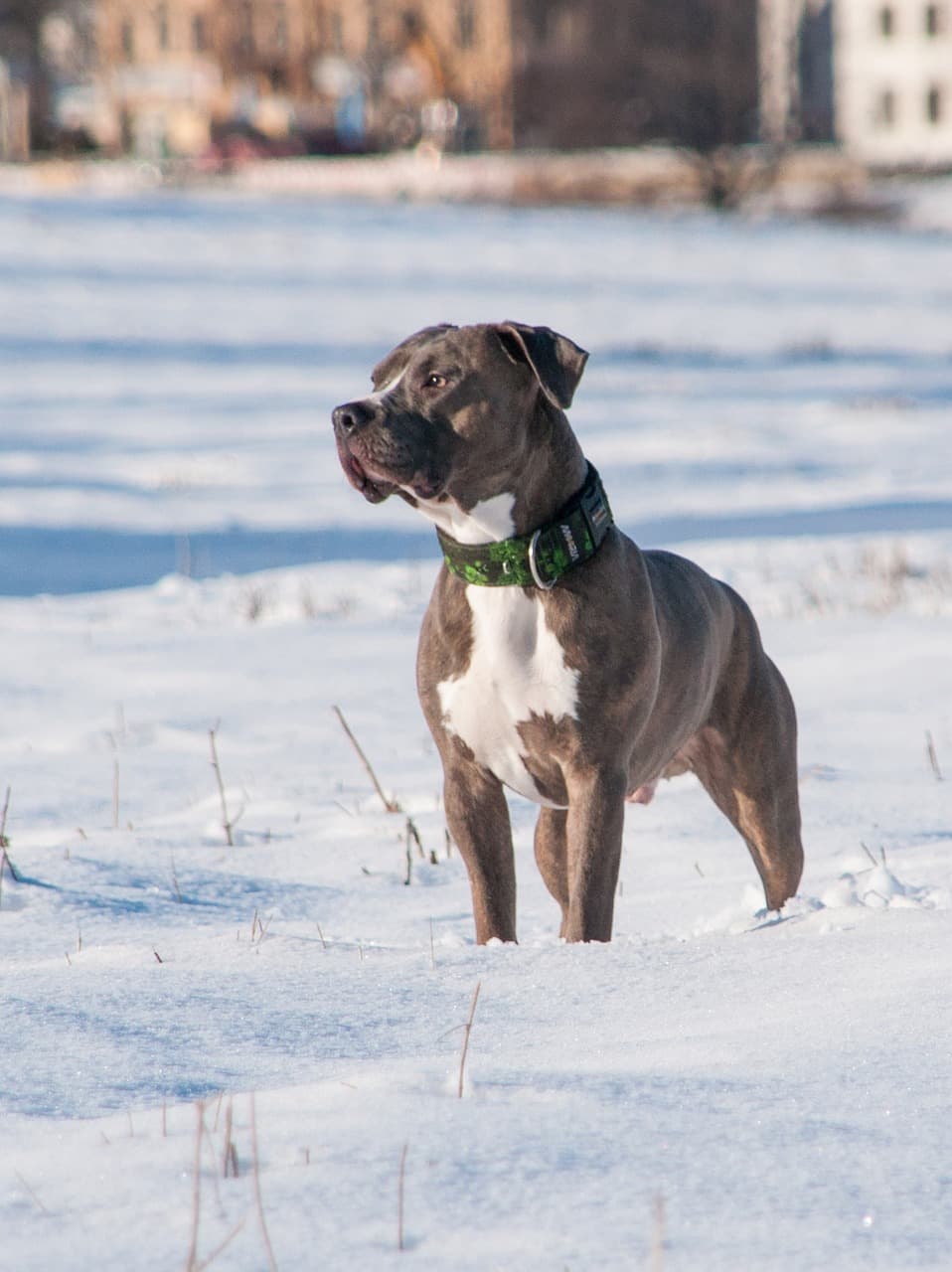
American Pit Bull Terrier
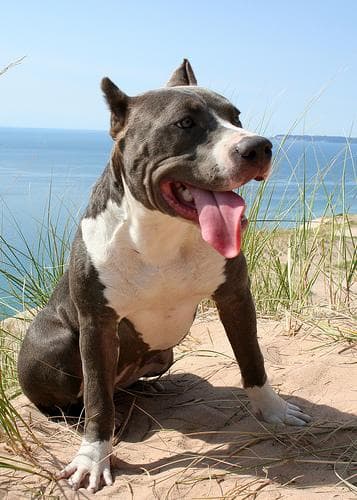
American Staffordshire Terrier
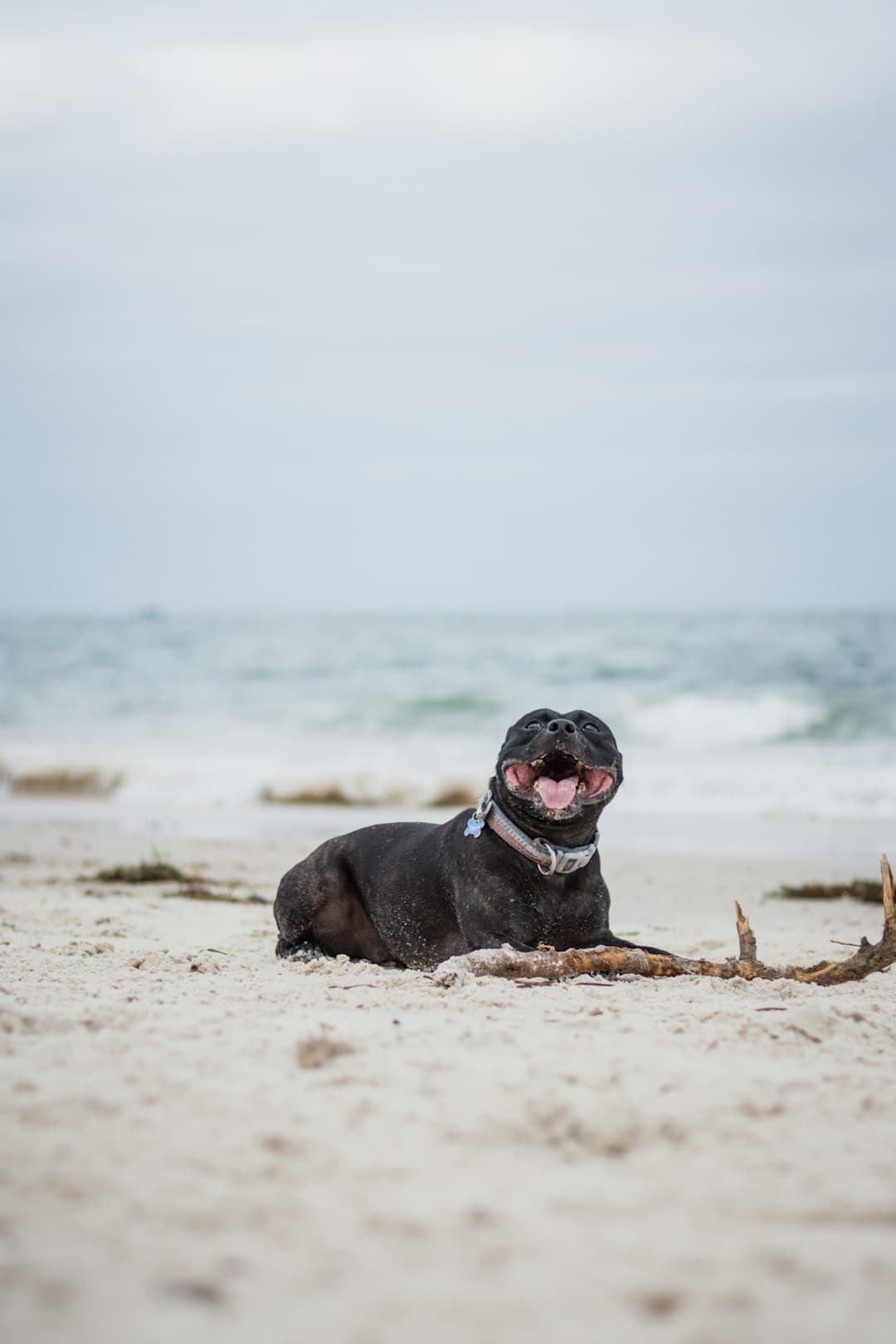
Staffordshire Bull Terrier
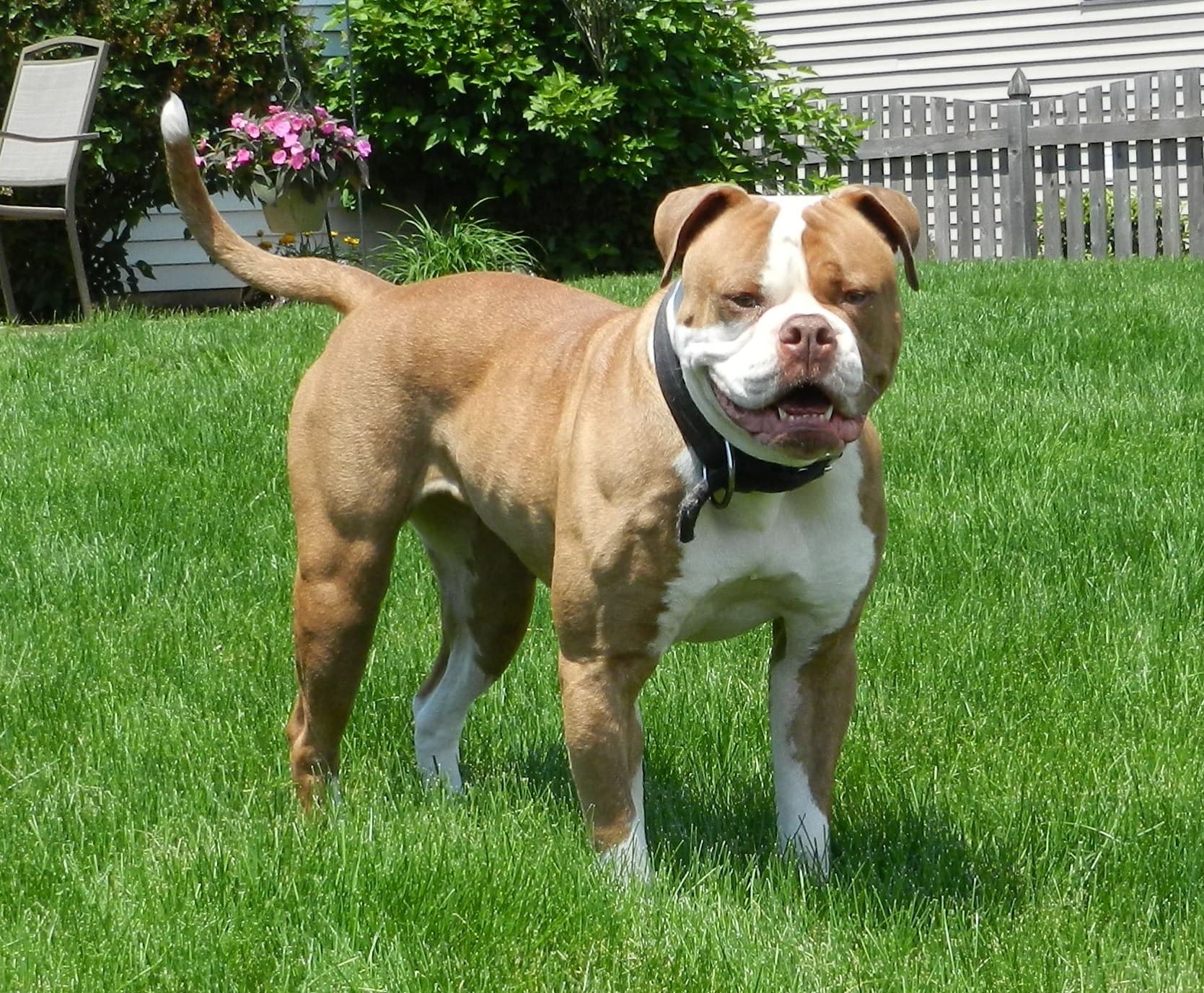
American Bulldog
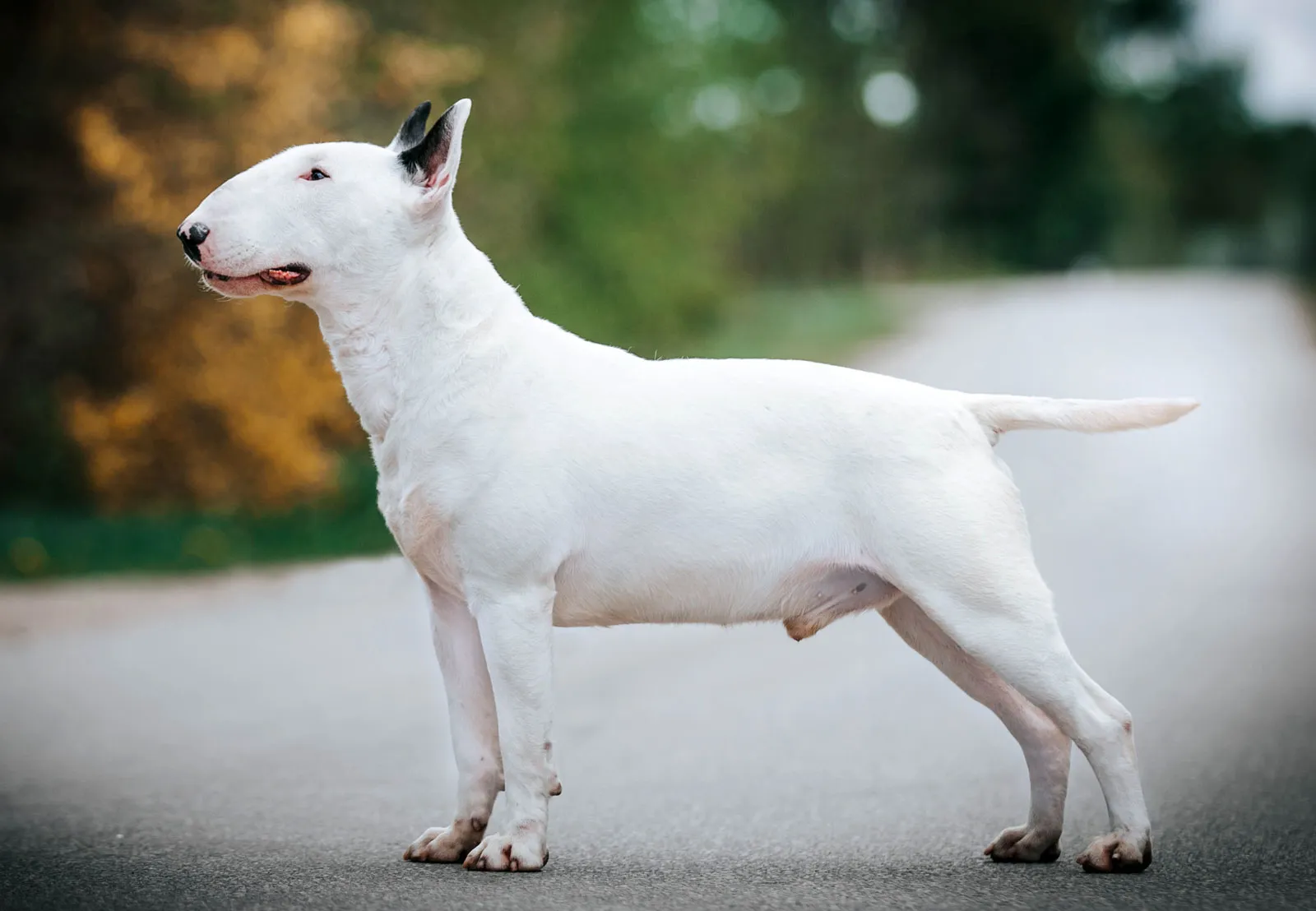
Bull Terrier
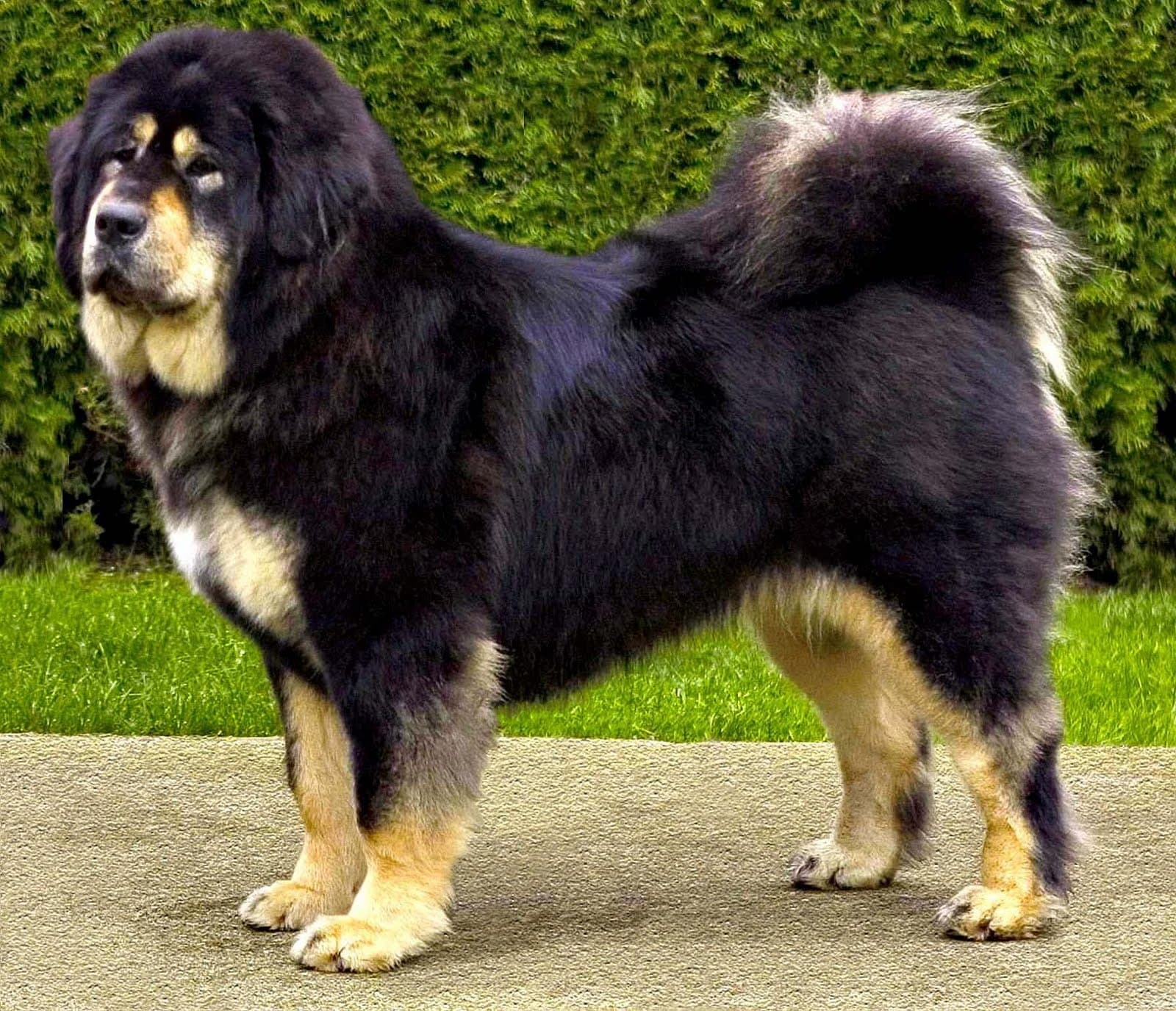
Tibetan Mastiff
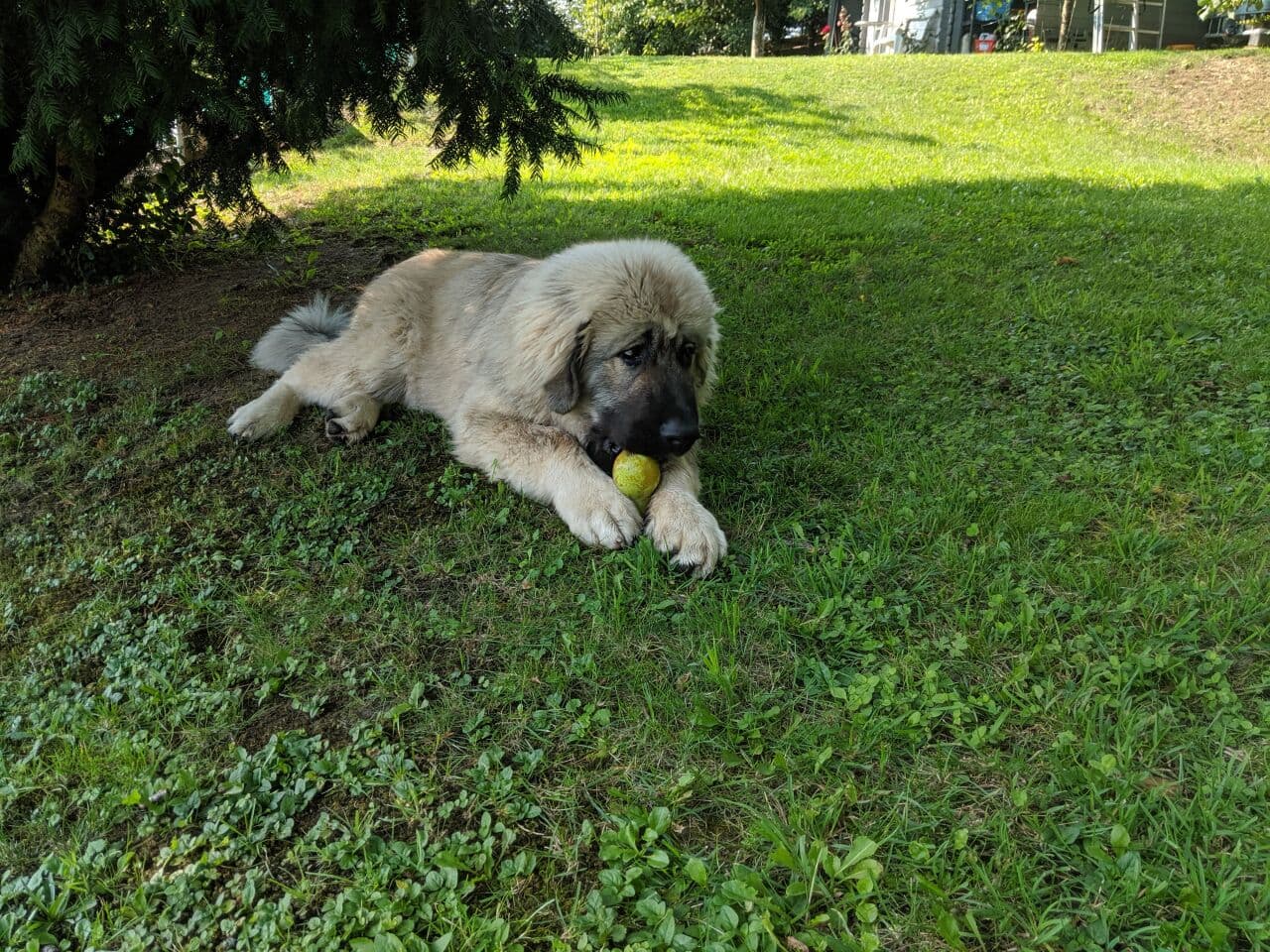
Caucasian Shepherd Dog
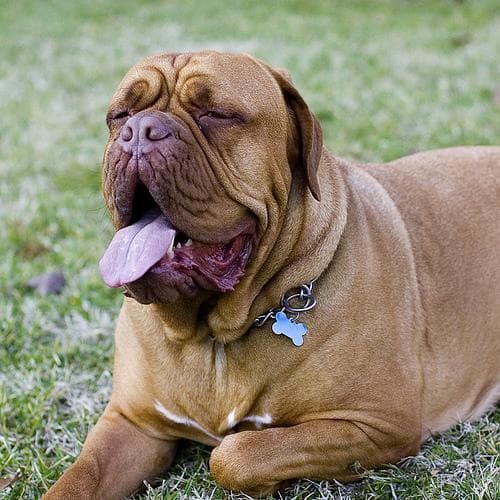
Fila Brasileiro
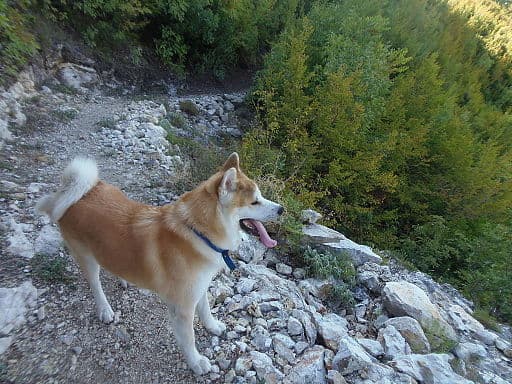
Tosa Inu
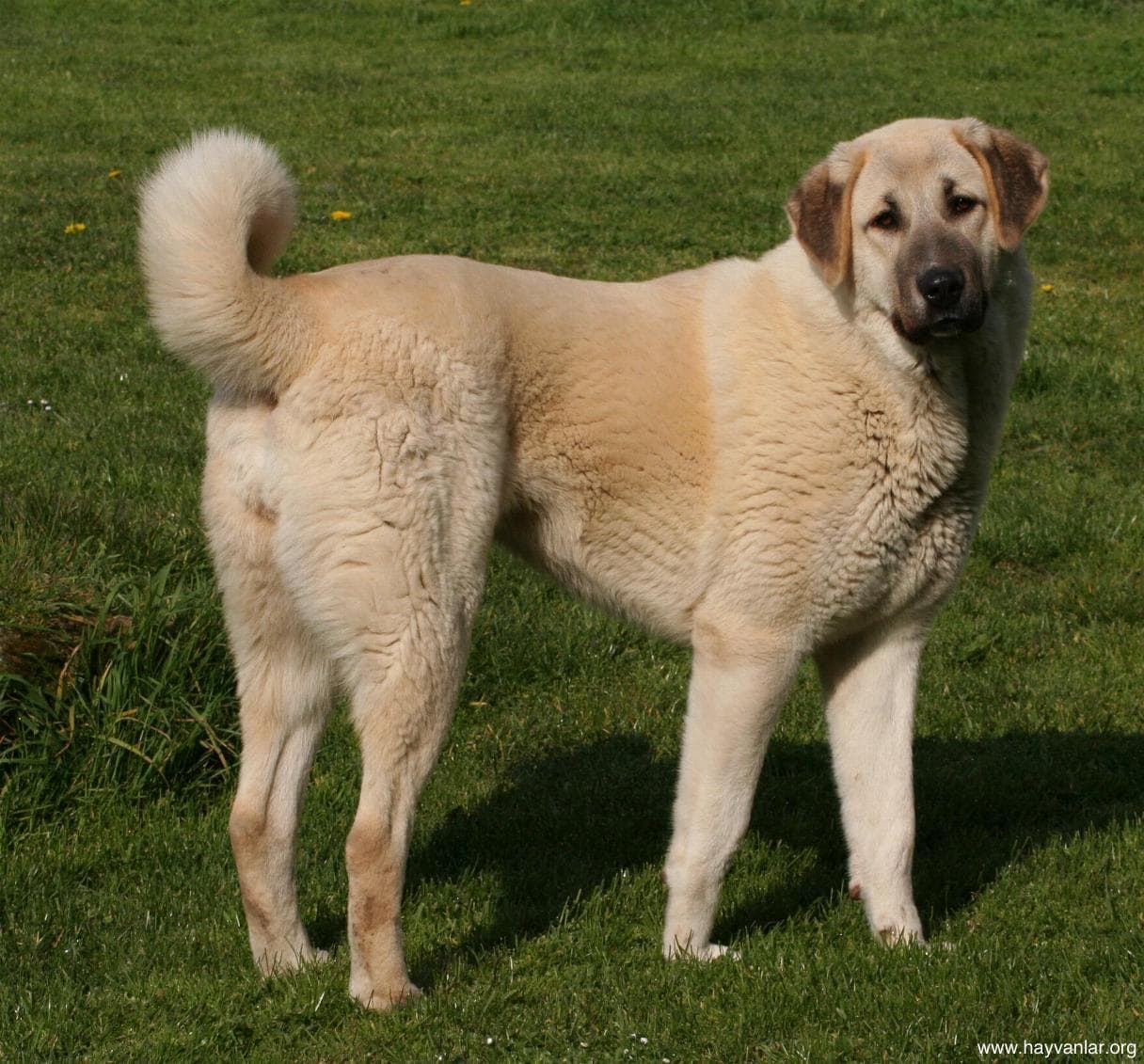
Anatolian Shepherd
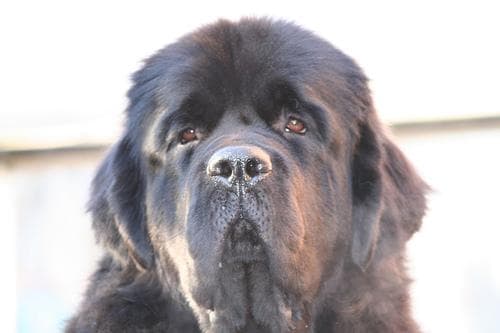
Kangal Dog
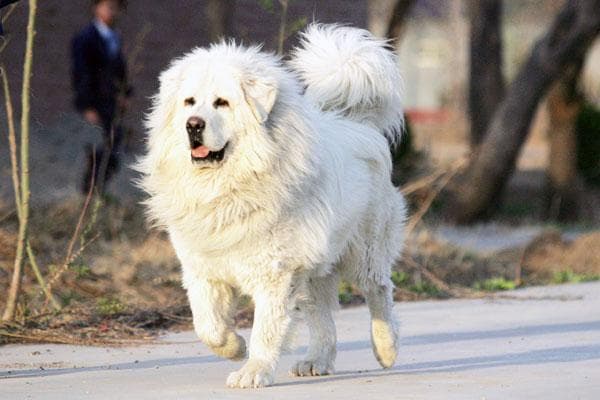
Bullmastiff
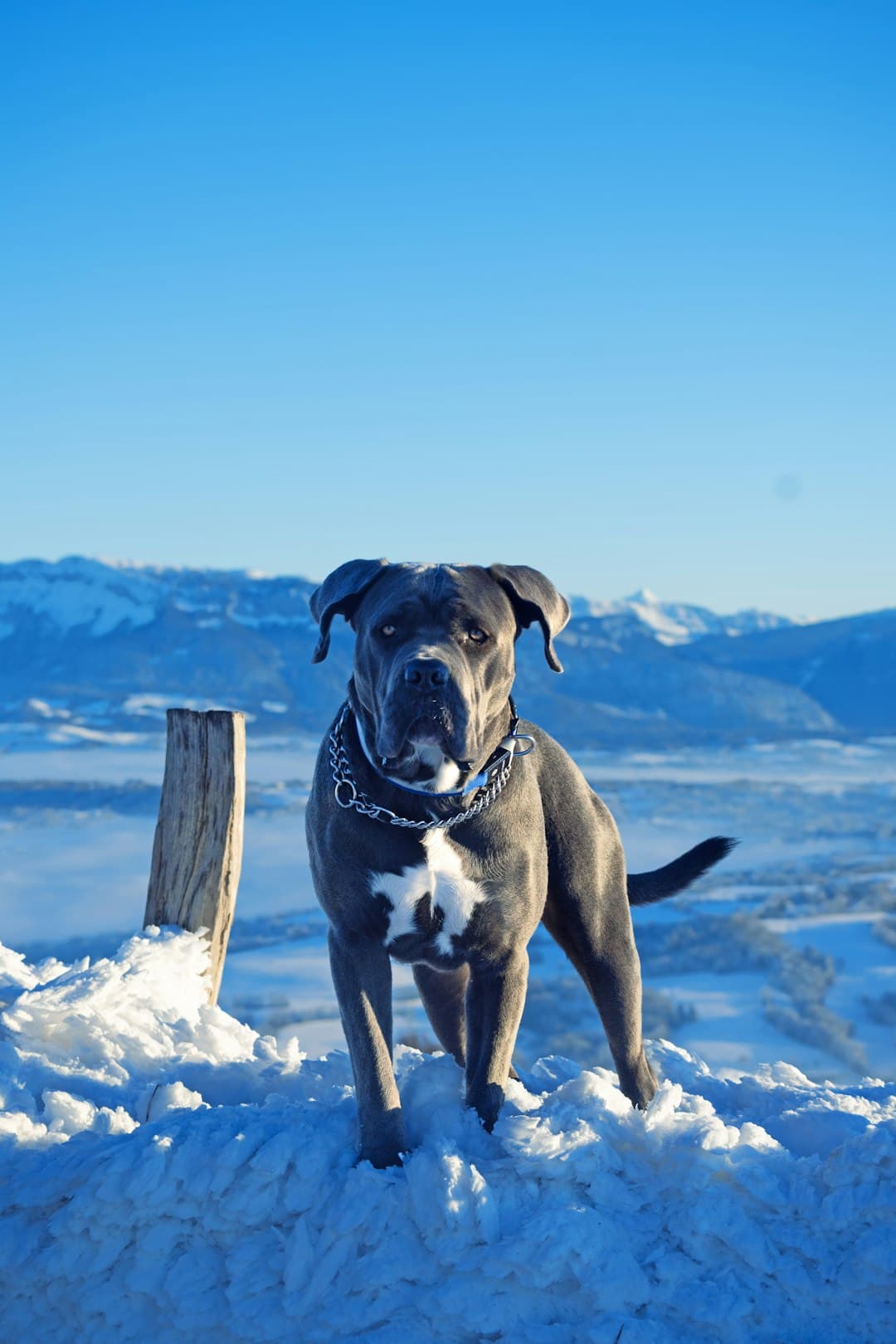
Mastiff

Boxer
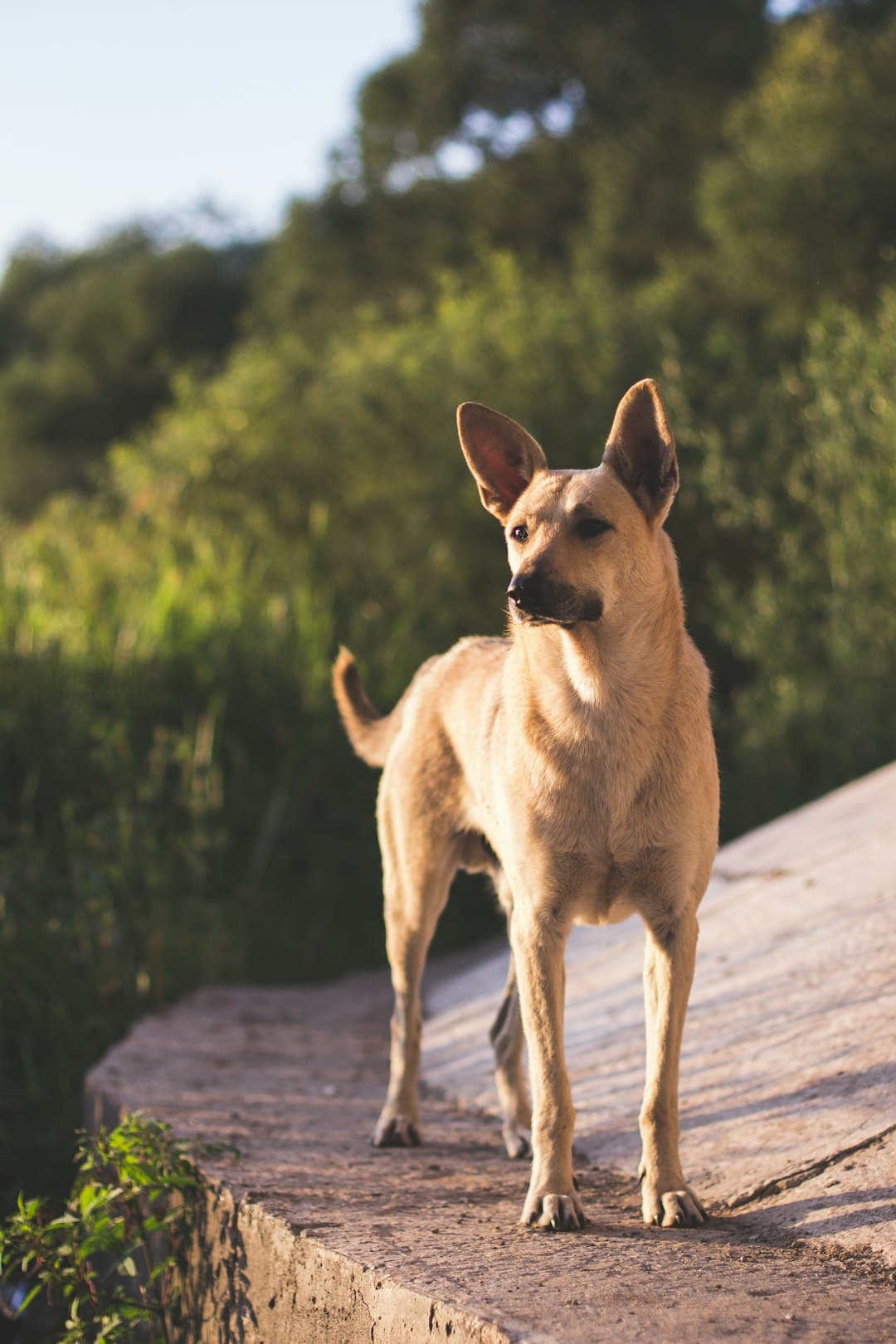
Rhodesian Ridgeback
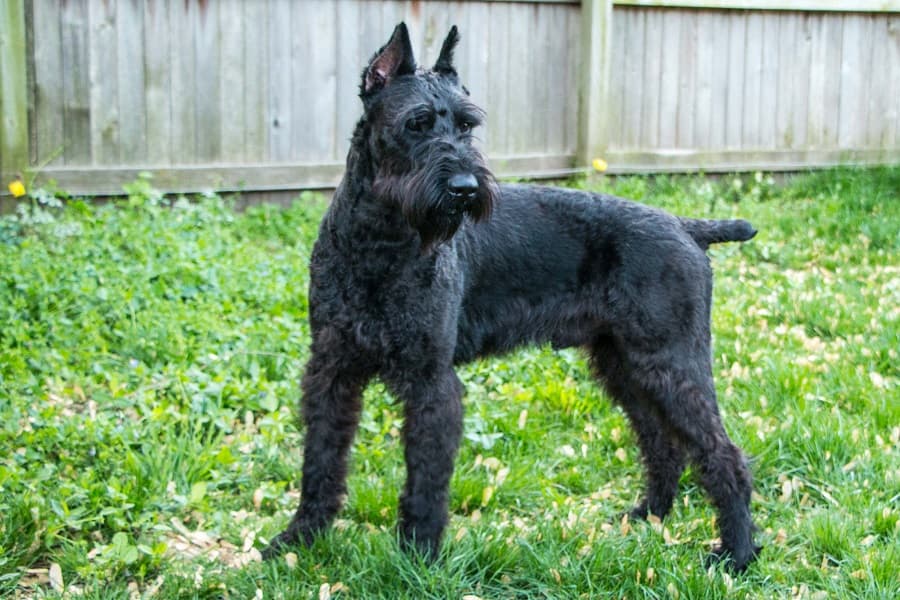
Giant Schnauzer
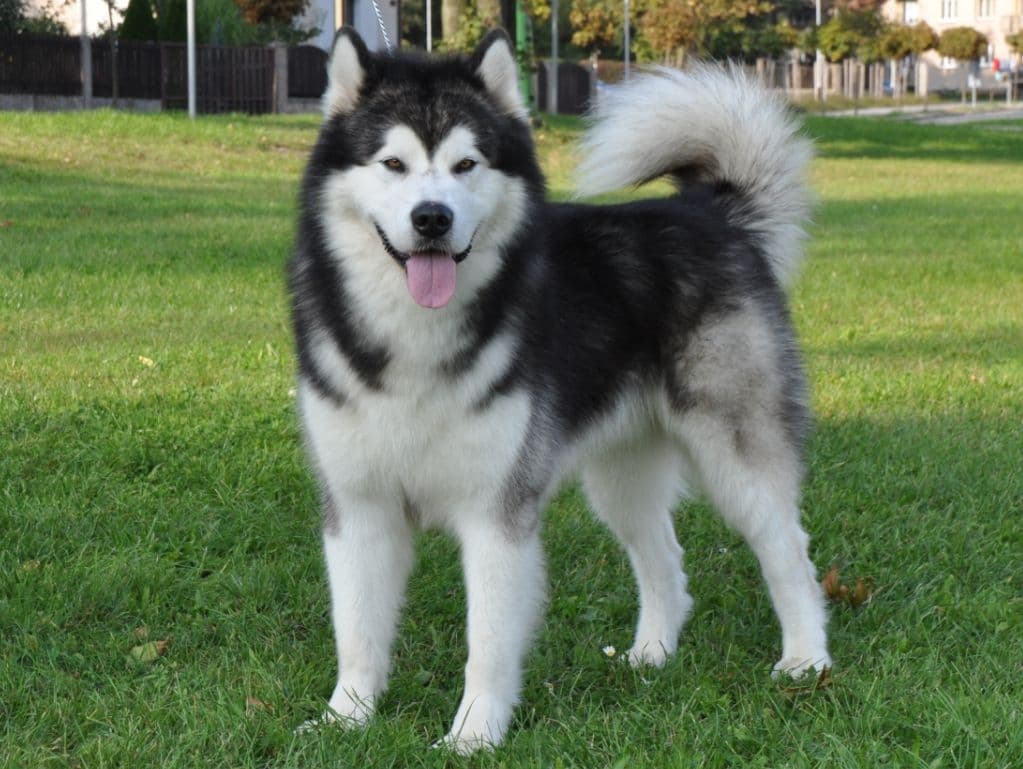
Alaskan Malamute
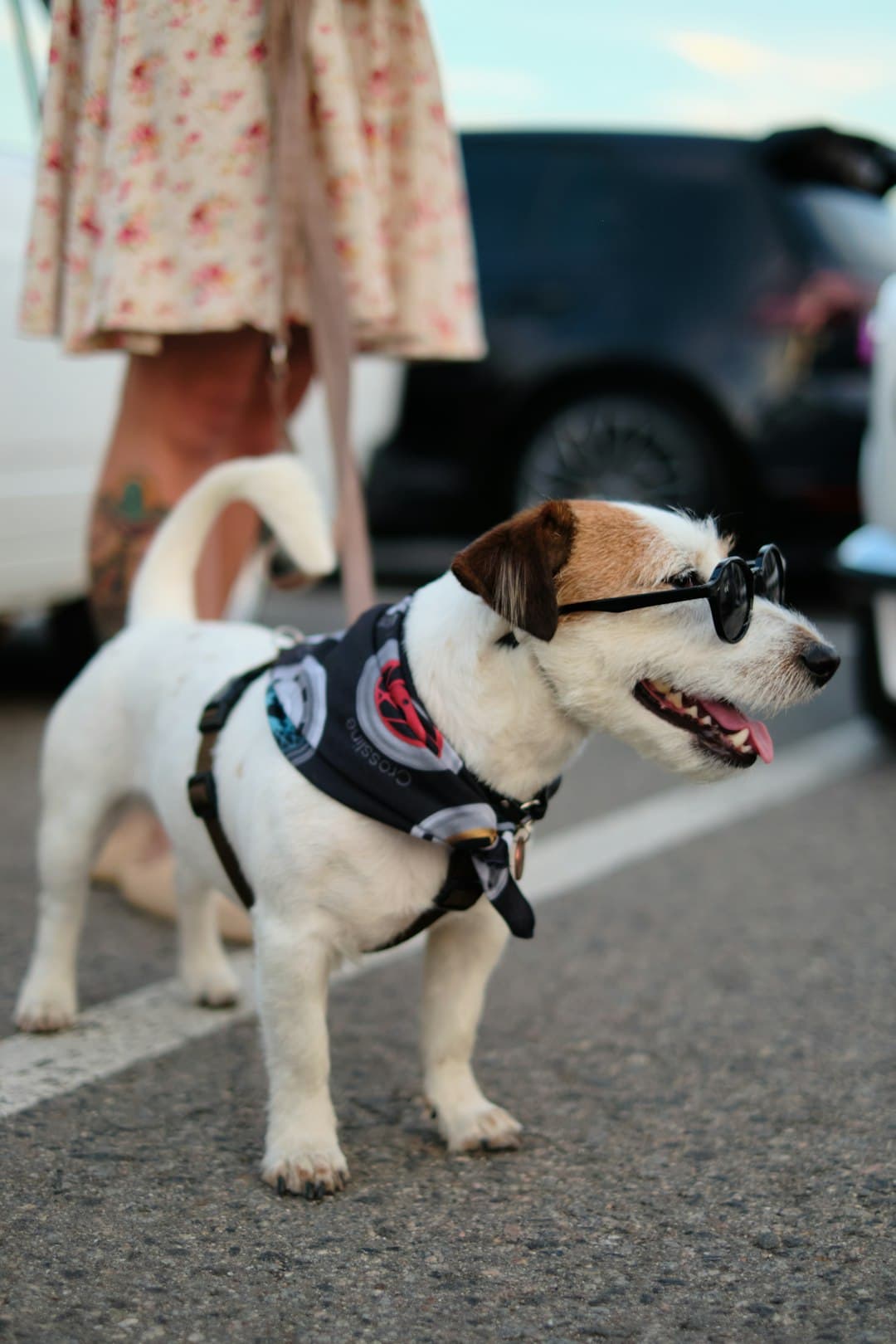
Jack Russell Terrier
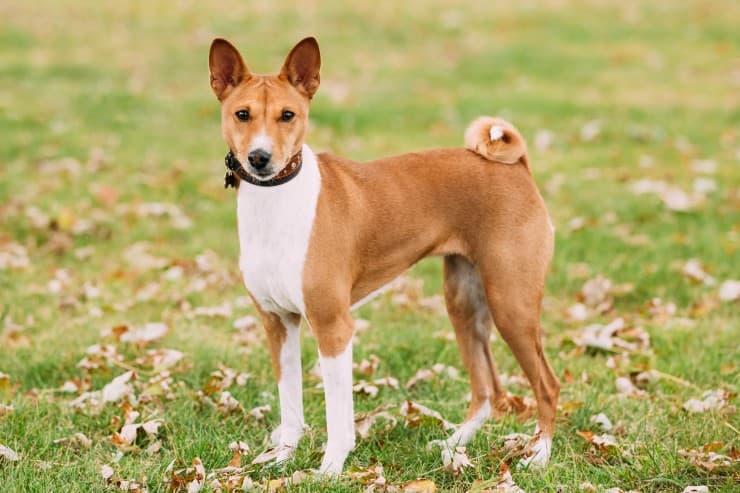
Basenji
Frequently asked questions
What is the most aggressive dog breed?
There isn’t a reliable scientific answer. The AVMA states it is inappropriate to label breeds as aggressive based on breed alone—any dog can bite depending on context. Viral “most aggressive” lists usually mix bite reports, size, media stigma, and guardian instincts without controlling for popularity or mismanagement.
Are Chow Chows and Akitas more aggressive?
Many lines are reserved with strangers and can be dog-selective or territorial if under-socialized. That is not the same as random viciousness. Experienced owners who socialize early and manage greetings often do fine; first-time owners who expect a Golden Retriever temperament often struggle.
Are pit bulls the most aggressive dogs?
“Pit bull” is a loose type, not one breed, and visual ID is unreliable. Controlled evidence does not support breed-only dangerousness claims the way headlines suggest. Serious incidents involve many factors—size, number of dogs, victim vulnerability, and how the dog was kept. See AVMA materials on breed-specific legislation in References.
What’s the difference between protective and aggressive?
Protection or watchdog behavior can mean alerting, deterring, or working on trained cues. Aggression is behavior that threatens or harms people or animals—often from fear, pain, resource guarding, or poor management. An untrained “protective” dog that decides on its own is a liability, not a security system. See our protection dogs guide.
Which breeds need the most experienced owners?
Large guardian and mastiff-types (Corso, Boerboel, Presa, Caucasian), high-drive herding/protection sports dogs (Malinois, Dutch Shepherd), and reserved northern/Asian guardians (Akita, Chow) raise the cost of mistakes. Strength, speed, and suspicion multiply risk if training and containment fail.
How do I reduce dog bite risk at home?
Supervise kids, never leave infants alone with any dog, learn body language, avoid punishment that suppresses warnings, secure fencing, and get help early for growling or stiffening. Neutering policies, leash laws, and responsible ownership matter more than breed bans for community safety—per AVMA guidance.
References
This guide summarizes publicly available breed-standard and veterinary education sources. Always consult your veterinarian for individual care.
- [1]Preventing Dog Bites — American Veterinary Medical Association (AVMA)
- [2]Dog Bite Prevention (AVMA Policy) — American Veterinary Medical Association (AVMA)
- [3]Why Breed-Specific Legislation Is Not the Answer — American Veterinary Medical Association (AVMA)
- [4]How to Choose the Right Dog Breed — American Kennel Club (AKC)
- [5]Working Group — American Kennel Club (AKC)
- [6]General Dog Care — ASPCA
- [7]Pet Ownership Resources — American Veterinary Medical Association (AVMA)