Popular breed matchups
Full written guides with stats, temperament notes, and who-should-choose advice. These pages are indexable and shareable.
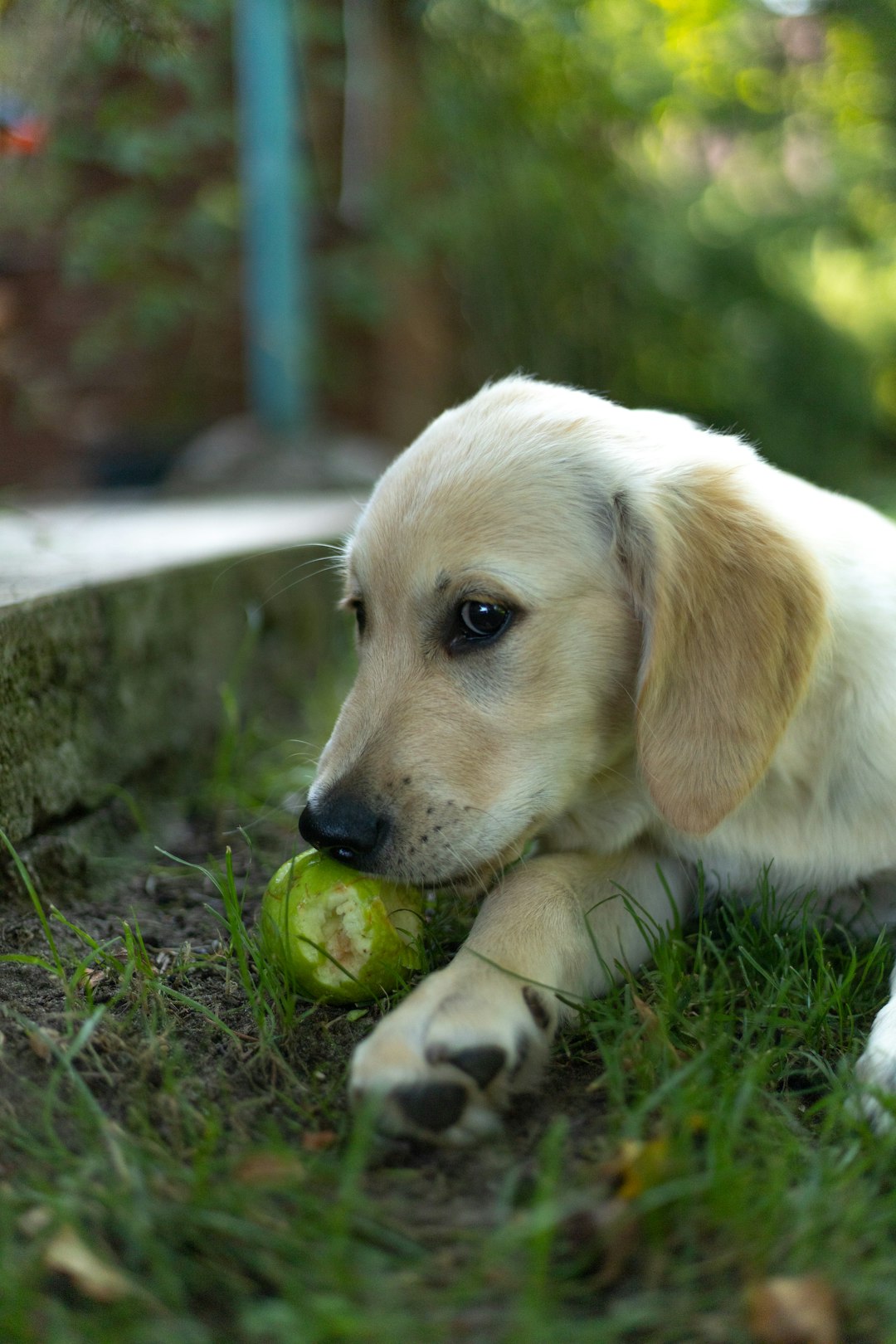
Golden Retriever
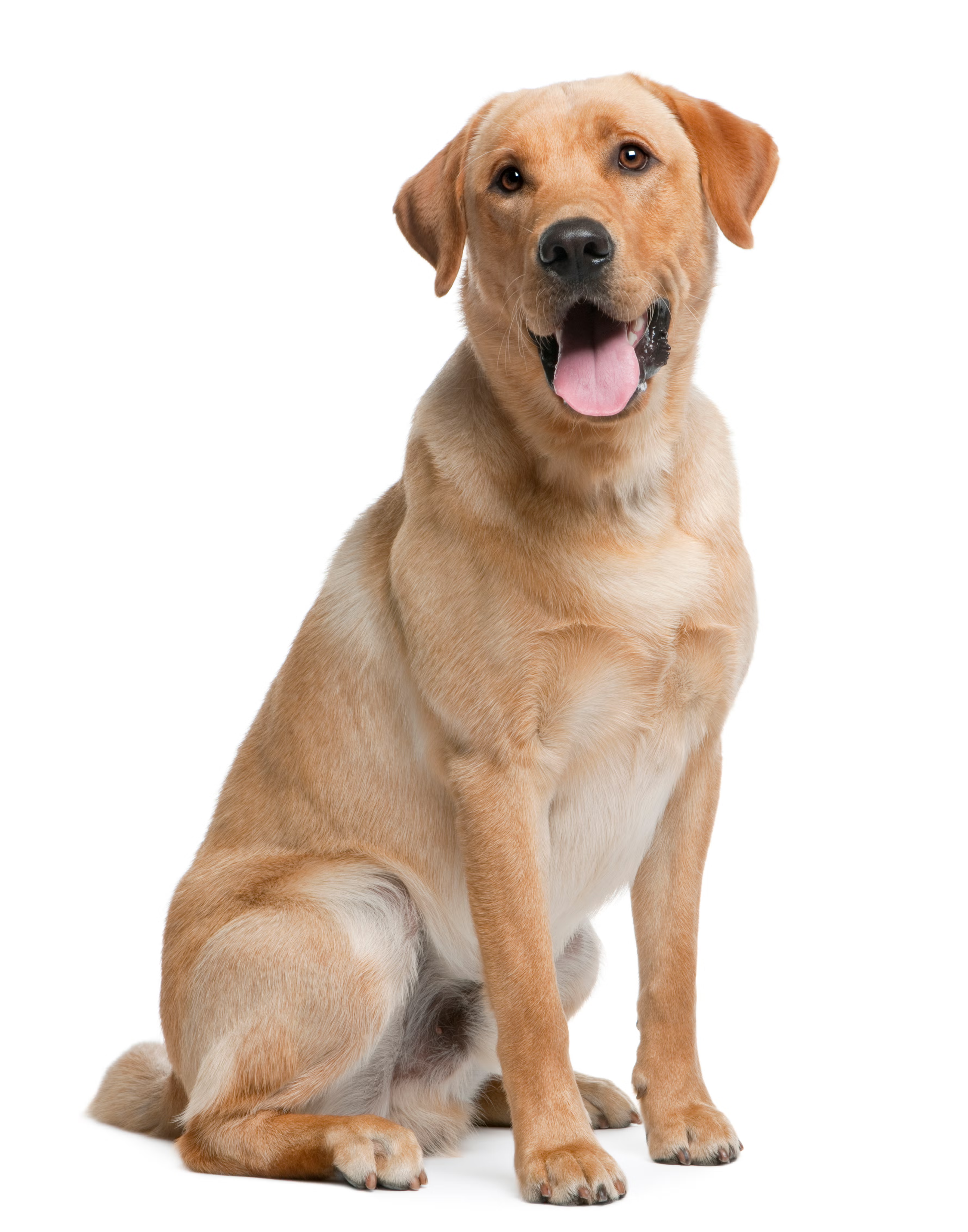
Labrador Retriever
Golden Retriever vs Labrador Retriever
Both are friendly sporting dogs; Goldens usually shed more and need more coat care, while Labs are slightly more athletic and food-motivated for training.
Read full comparison →
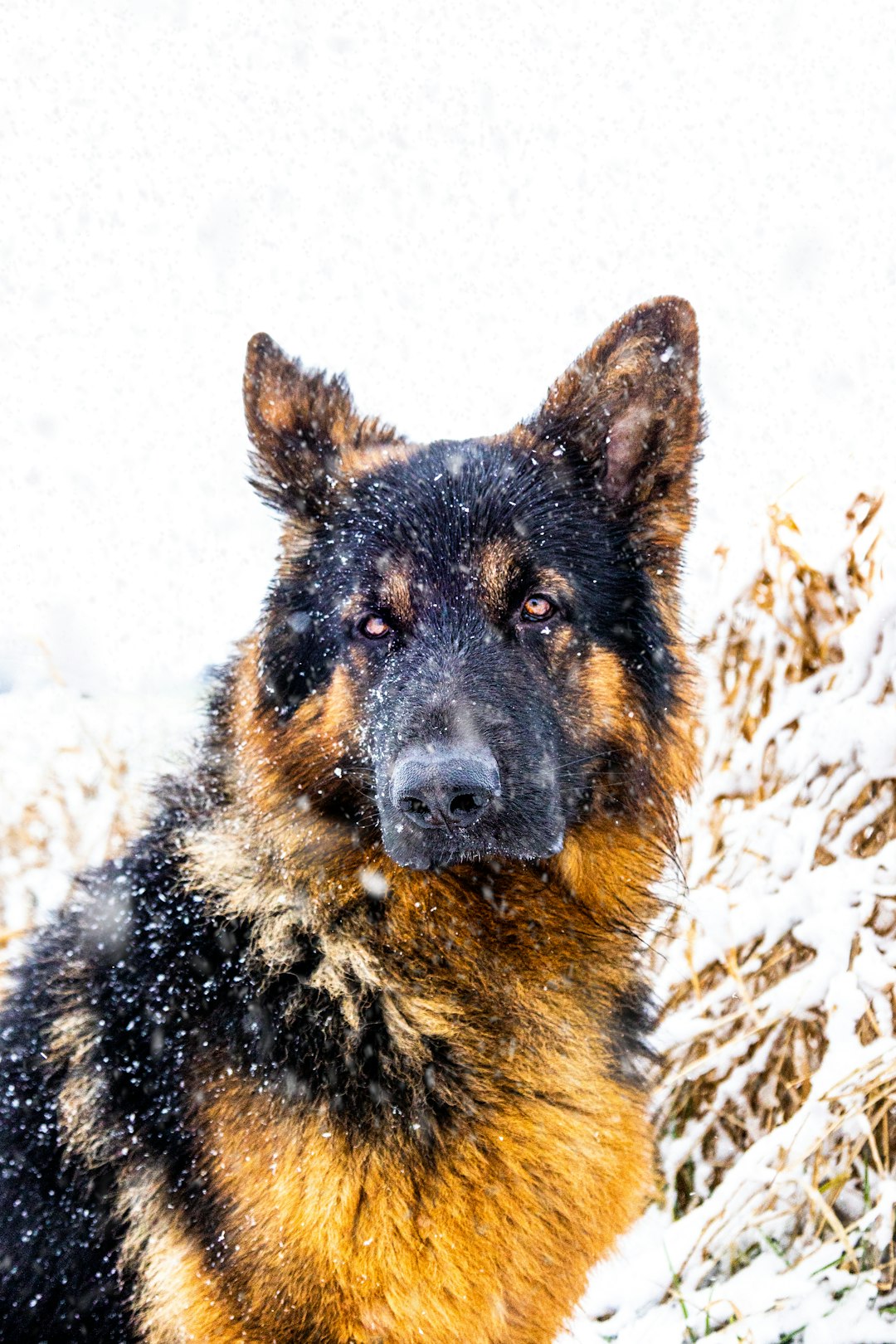
German Shepherd
Labrador Retriever
German Shepherd vs Labrador Retriever
Labs are typically easier first dogs; German Shepherds bring stronger guarding instincts and need experienced, consistent training.
Read full comparison →
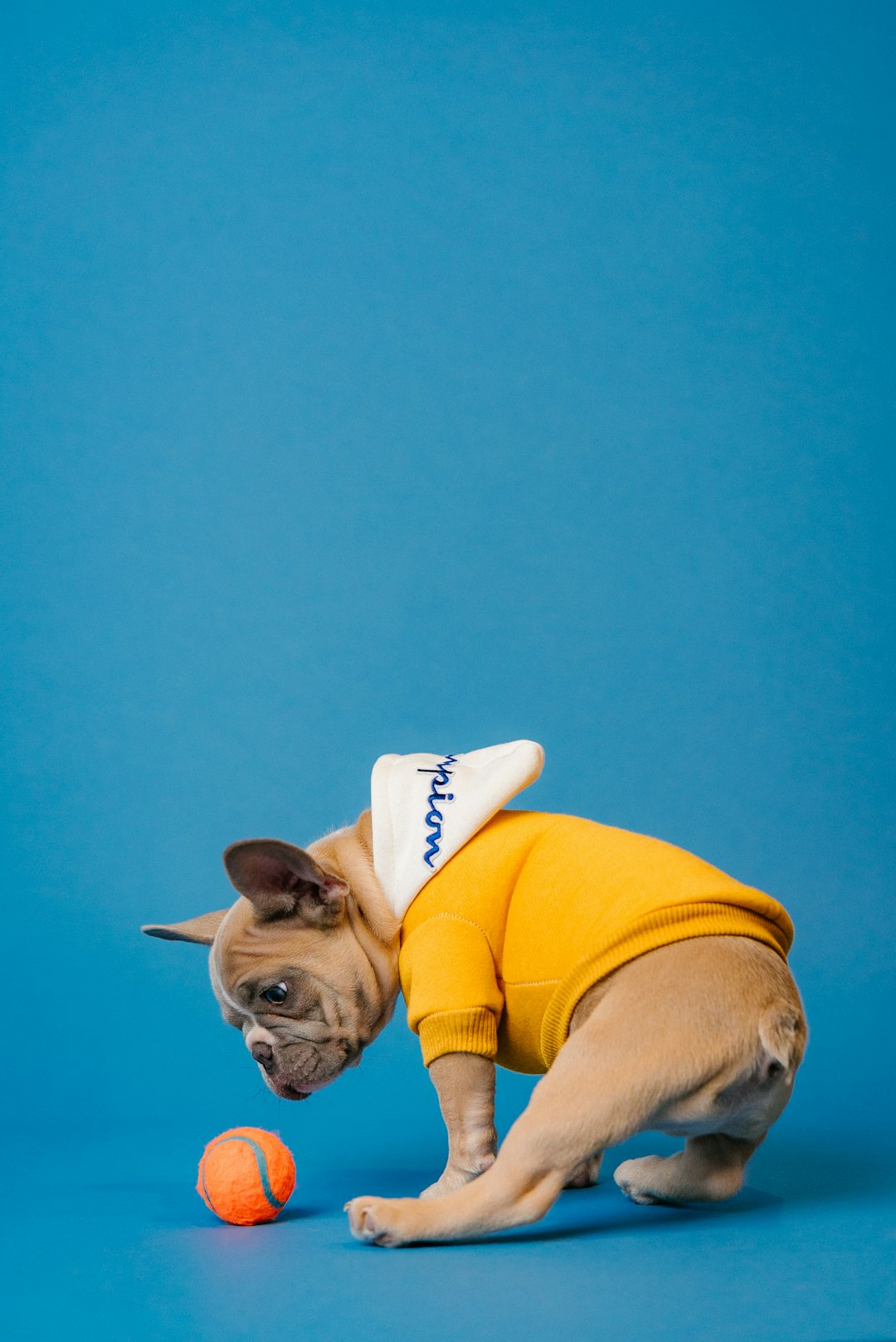
French Bulldog
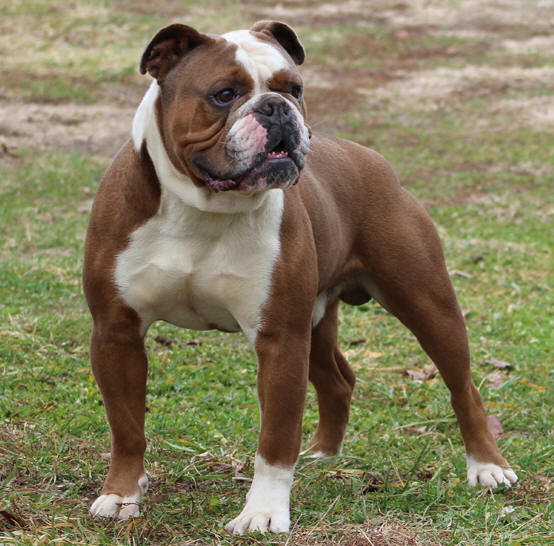
English Bulldog
French Bulldog vs English Bulldog
Frenchies are smaller and usually more apartment-friendly; English Bulldogs are heavier with different exercise and heat limits.
Read full comparison →

Beagle
Labrador Retriever
Beagle vs Labrador Retriever
Read full comparison →
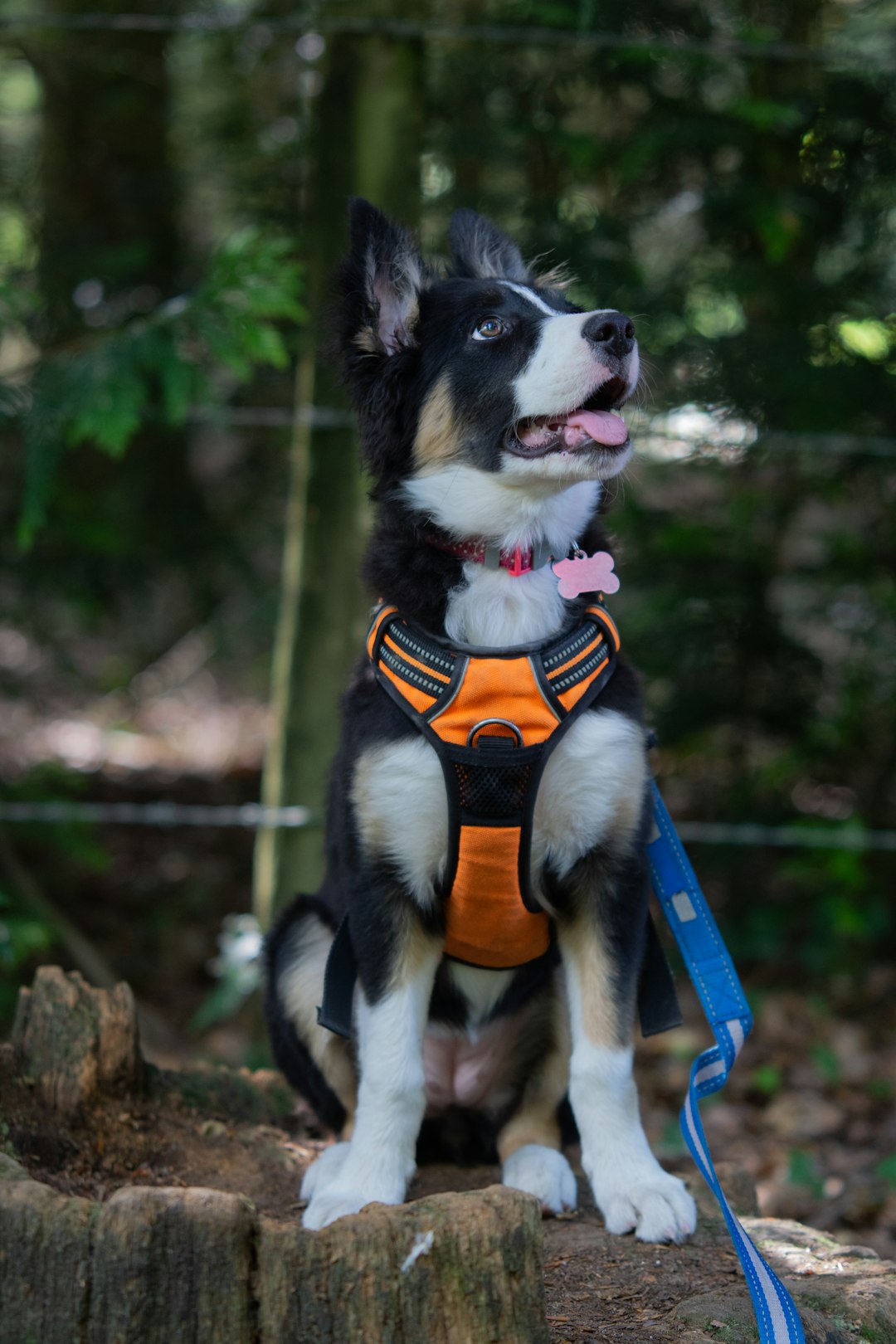
Border Collie
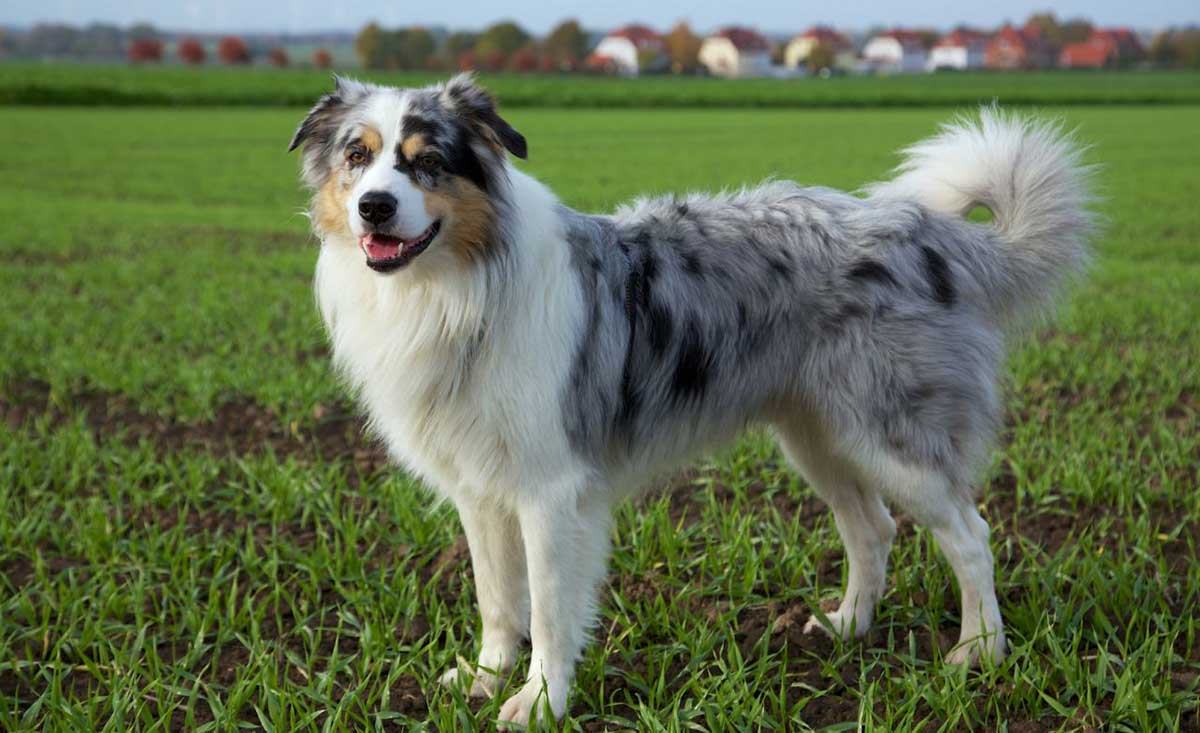
Australian Shepherd
Border Collie vs Australian Shepherd
Both are high-drive herding breeds. Border Collies often need even more mental work; Aussies can be slightly more versatile as family pets.
Read full comparison →
German Shepherd
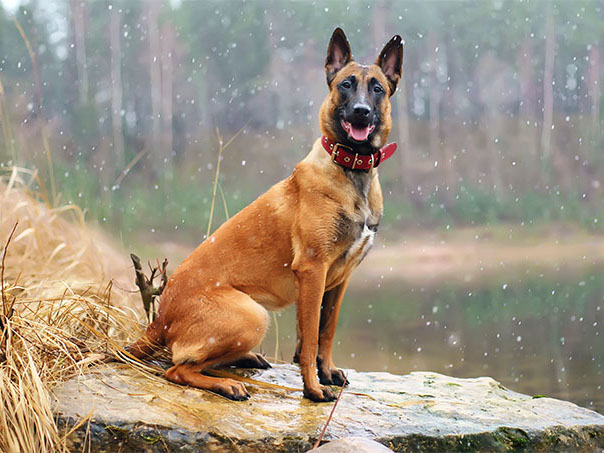
Belgian Malinois
German Shepherd vs Belgian Malinois
Read full comparison →
More breed matchups
Including lookalike pairs and long-tail comparisons people often search—each with a full side-by-side guide.
Golden Retriever
German Shepherd
Golden Retriever vs German Shepherd
Read full comparison →
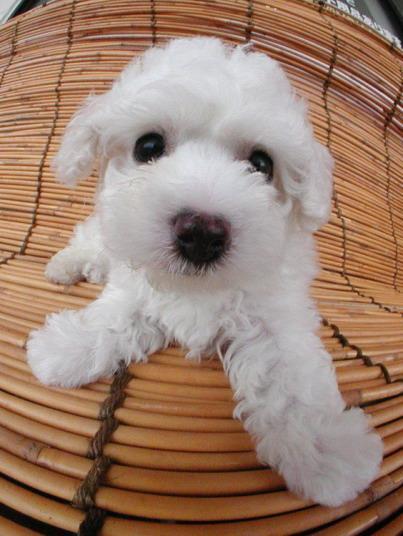
Poodle (Standard)
Labrador Retriever
Poodle (Standard) vs Labrador Retriever
Read full comparison →
Poodle (Standard)
Golden Retriever
Poodle (Standard) vs Golden Retriever
Read full comparison →
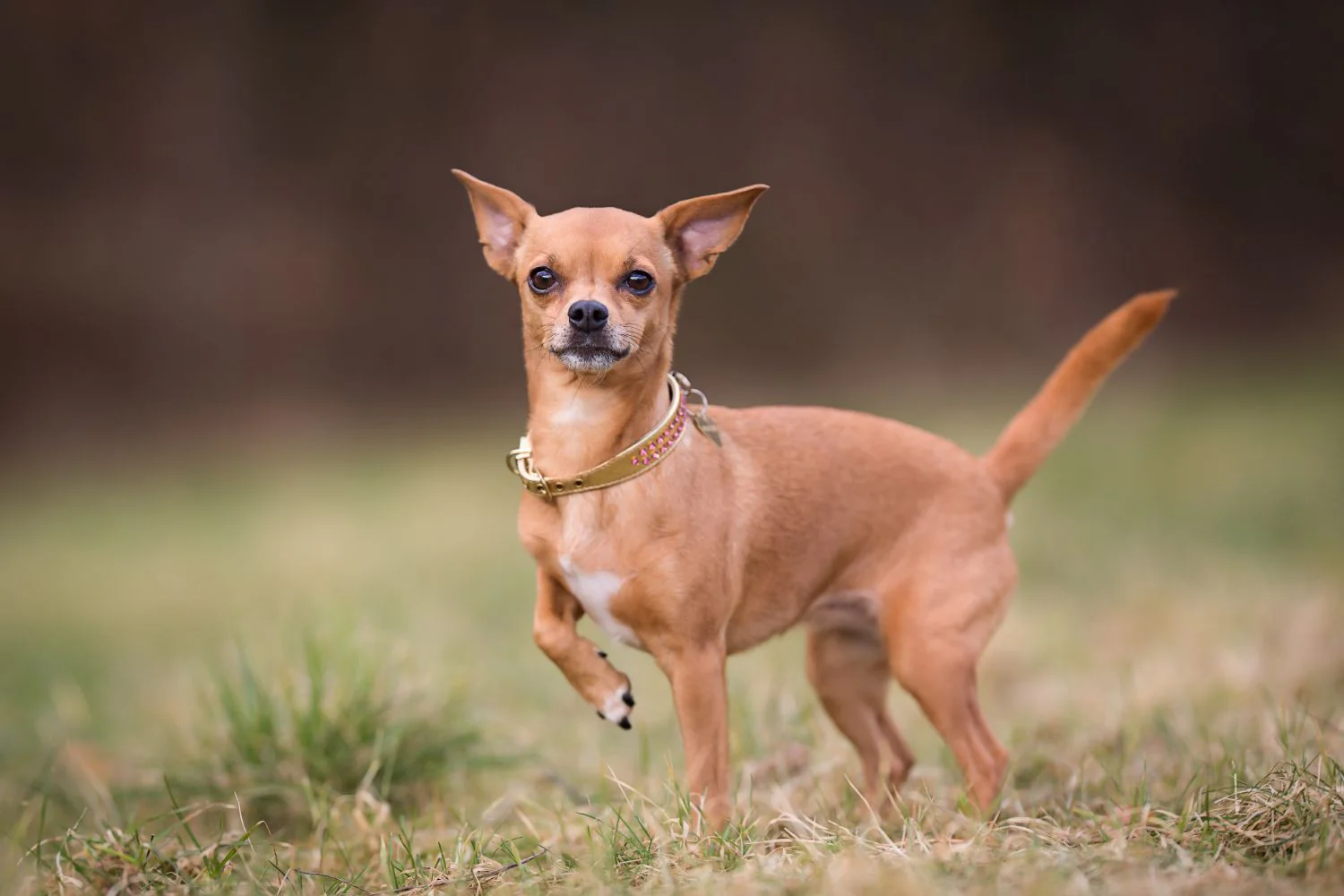
Chihuahua
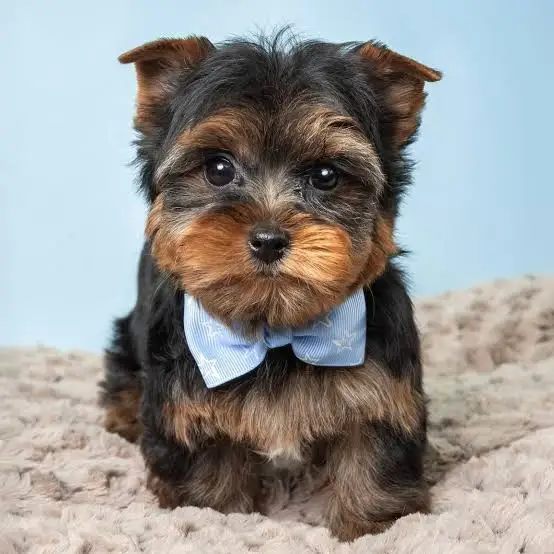
Yorkshire Terrier
Chihuahua vs Yorkshire Terrier
Read full comparison →
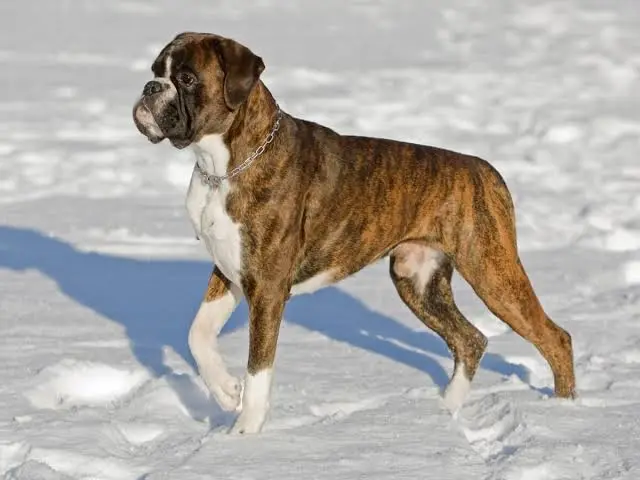
Boxer
Labrador Retriever
Boxer vs Labrador Retriever
Read full comparison →
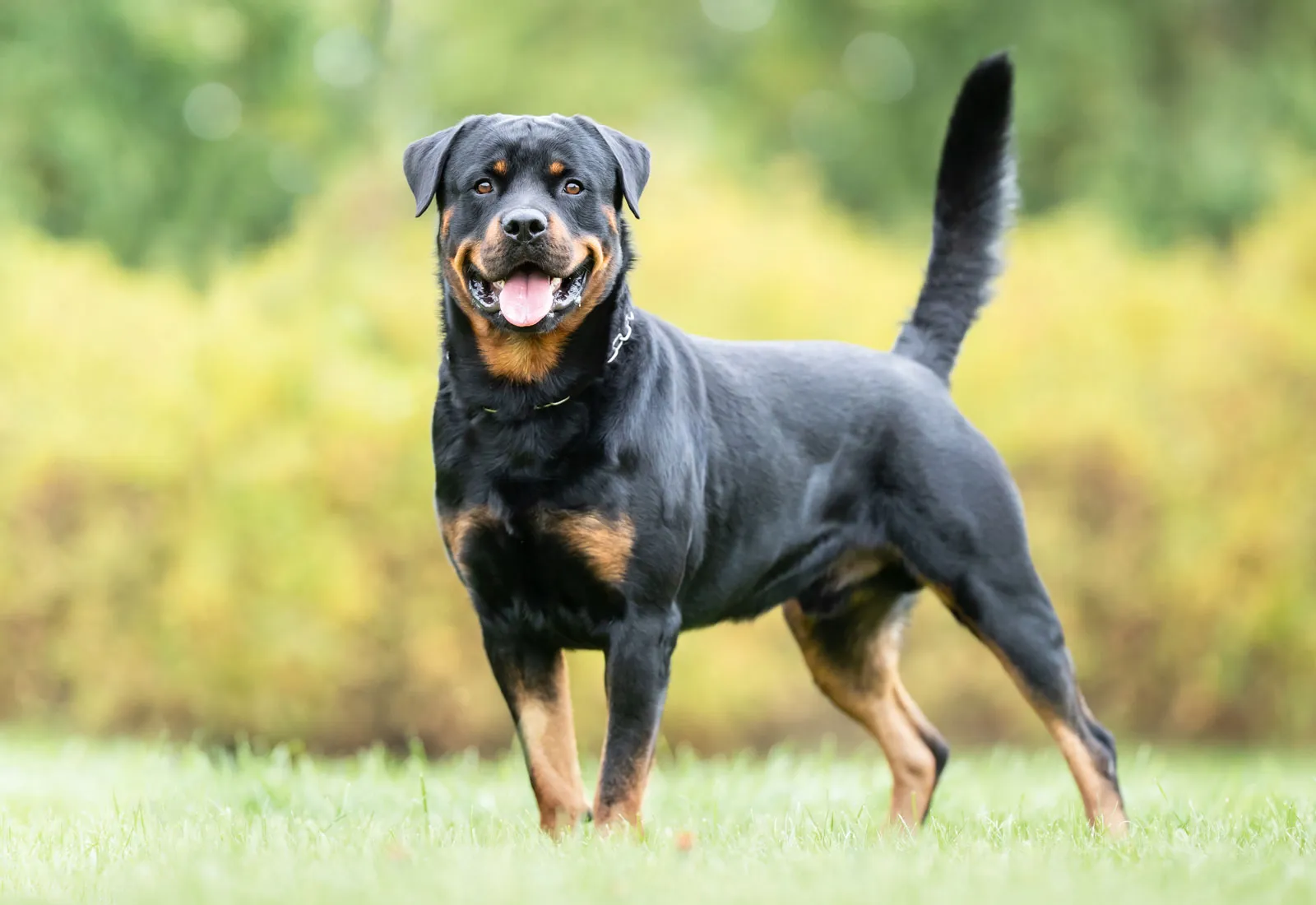
Rottweiler
German Shepherd
Rottweiler vs German Shepherd
Read full comparison →
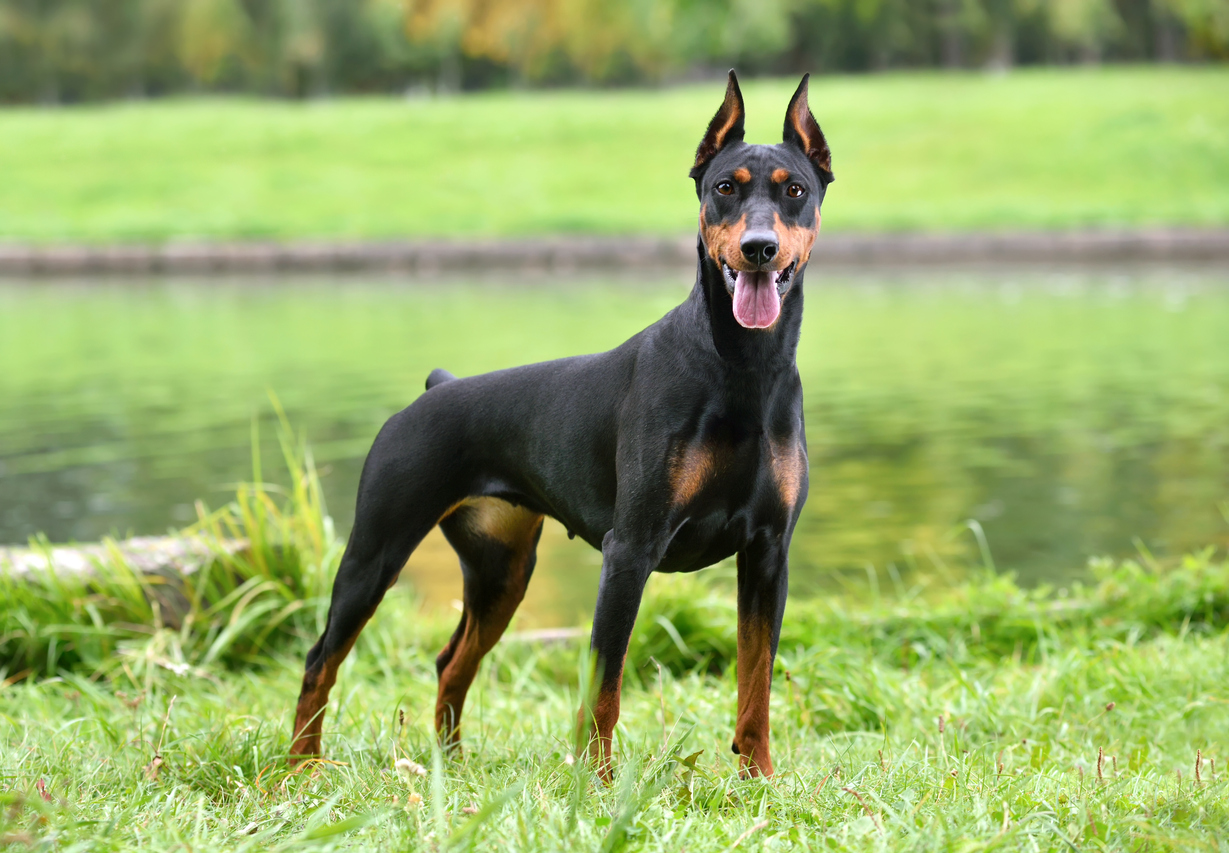
Doberman Pinscher
German Shepherd
Doberman Pinscher vs German Shepherd
Read full comparison →
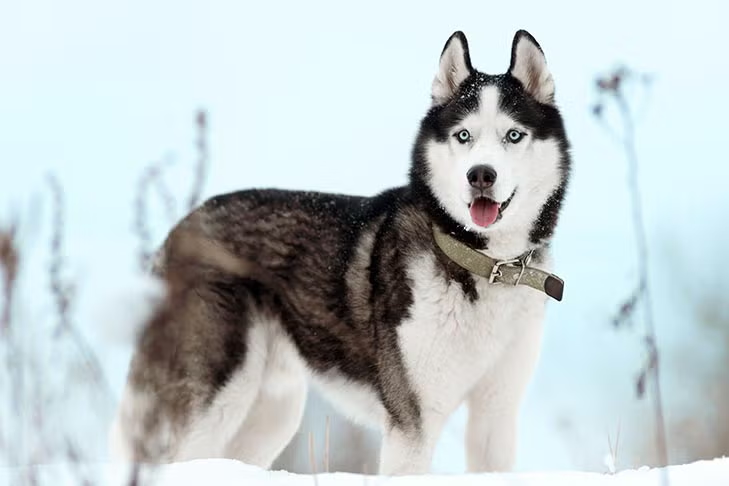
Siberian Husky
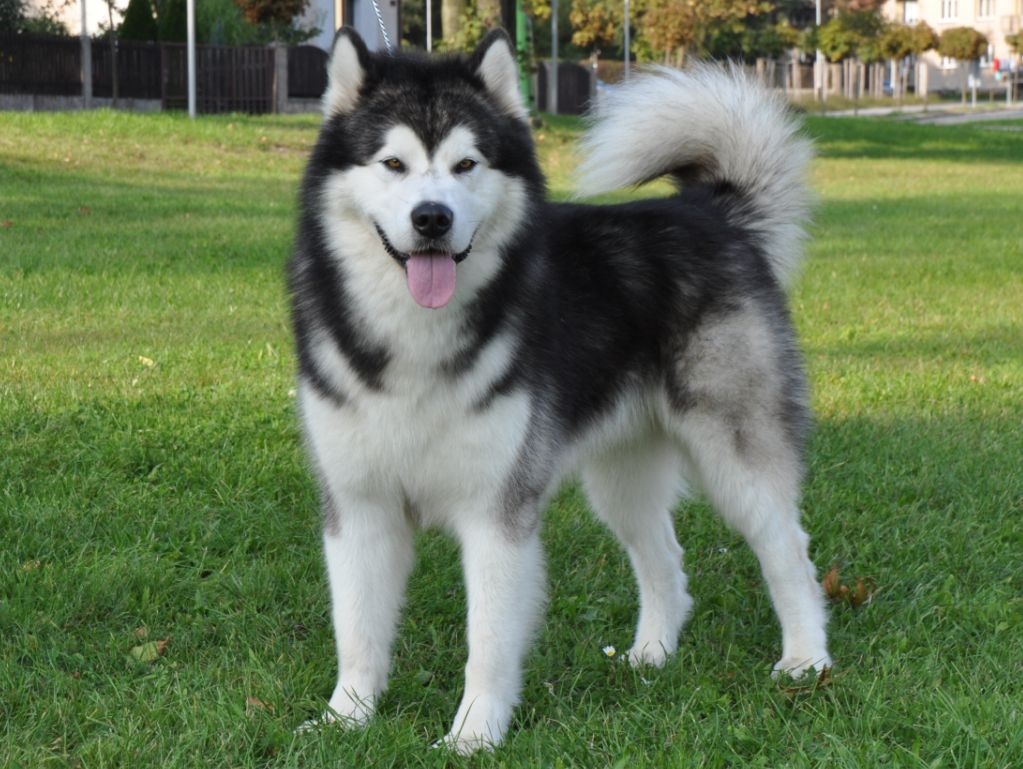
Alaskan Malamute
Siberian Husky vs Alaskan Malamute
Read full comparison →
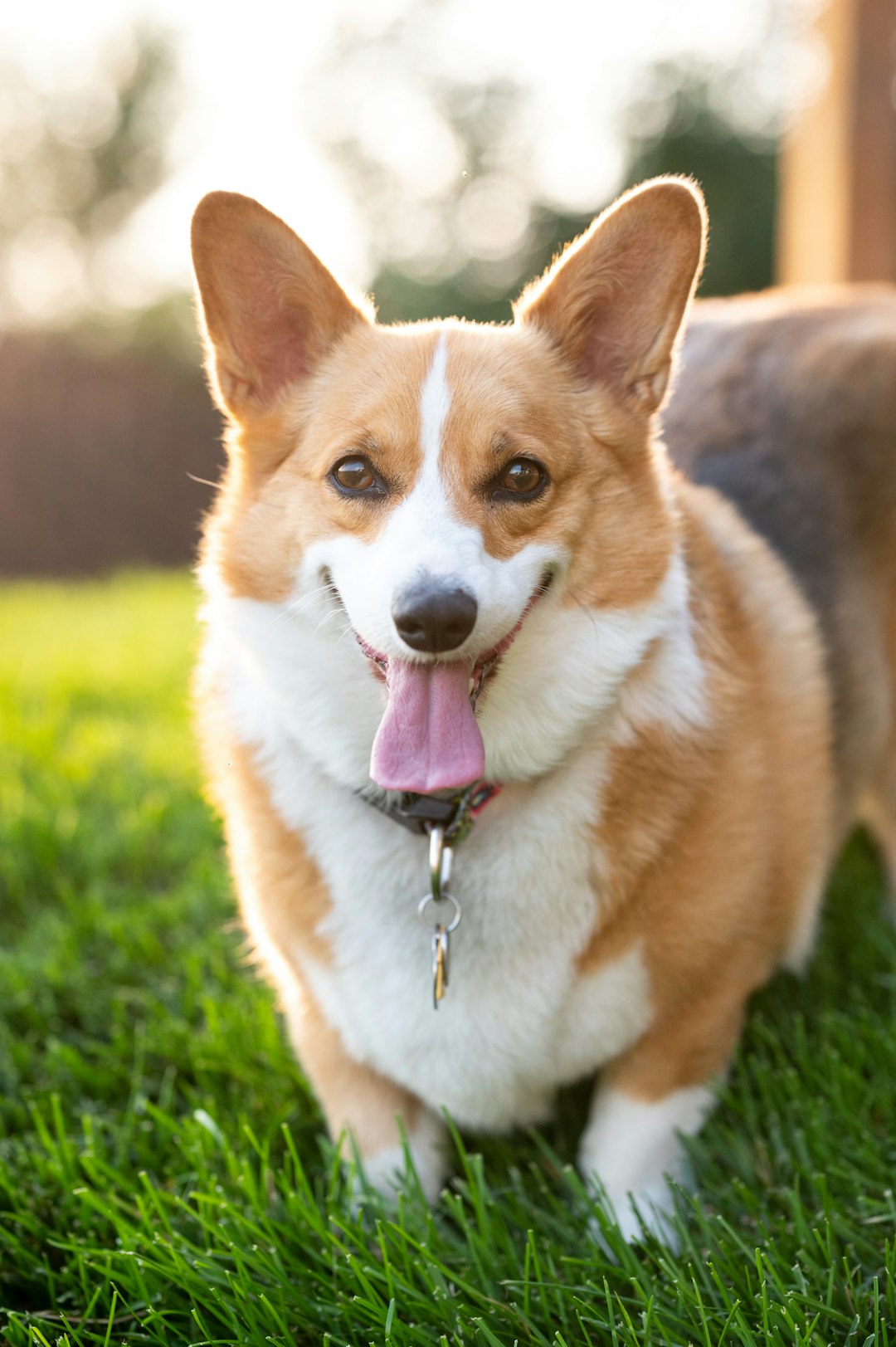
Pembroke Welsh Corgi
Australian Shepherd
Pembroke Welsh Corgi vs Australian Shepherd
Read full comparison →
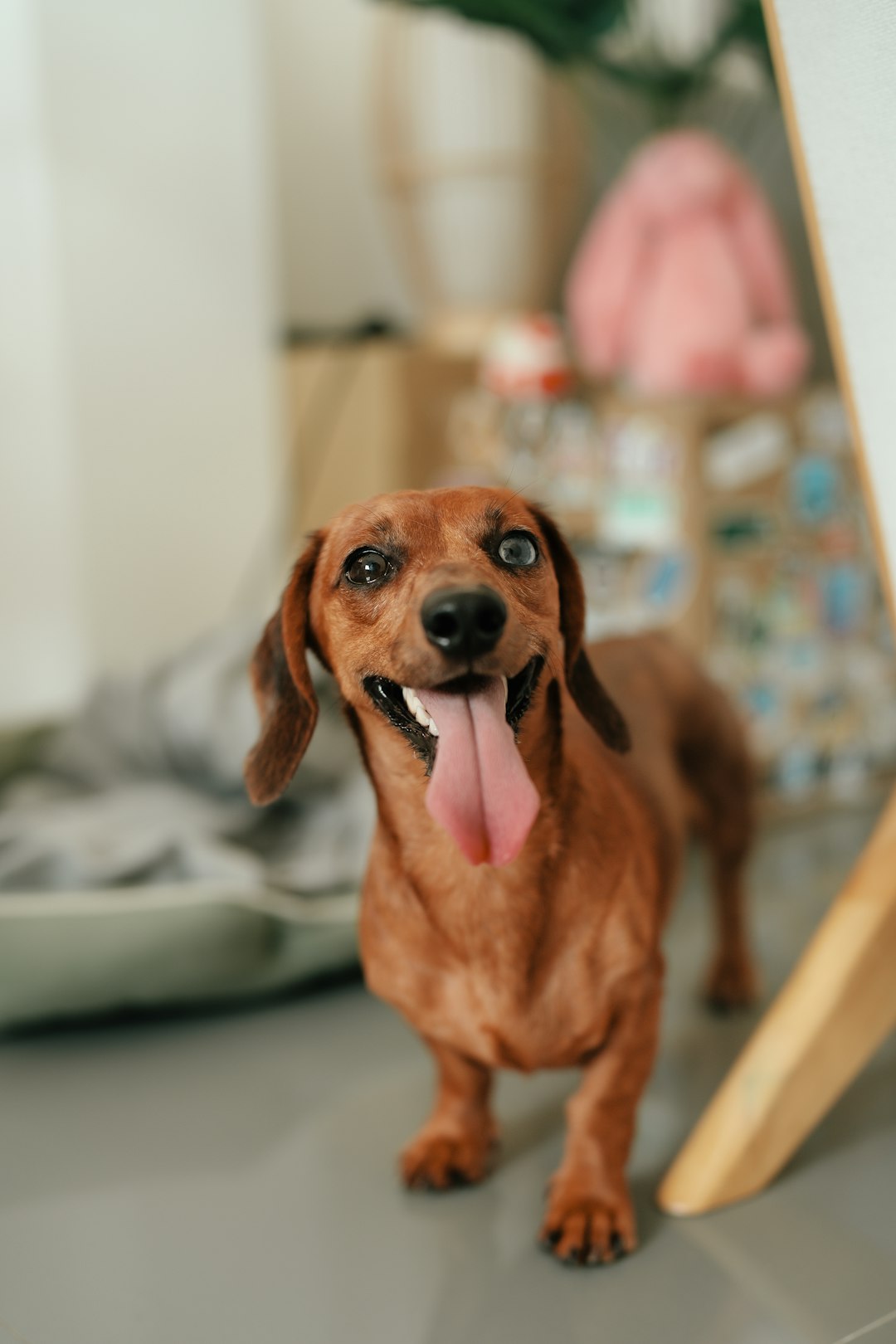
Dachshund
Beagle
Dachshund vs Beagle
Read full comparison →
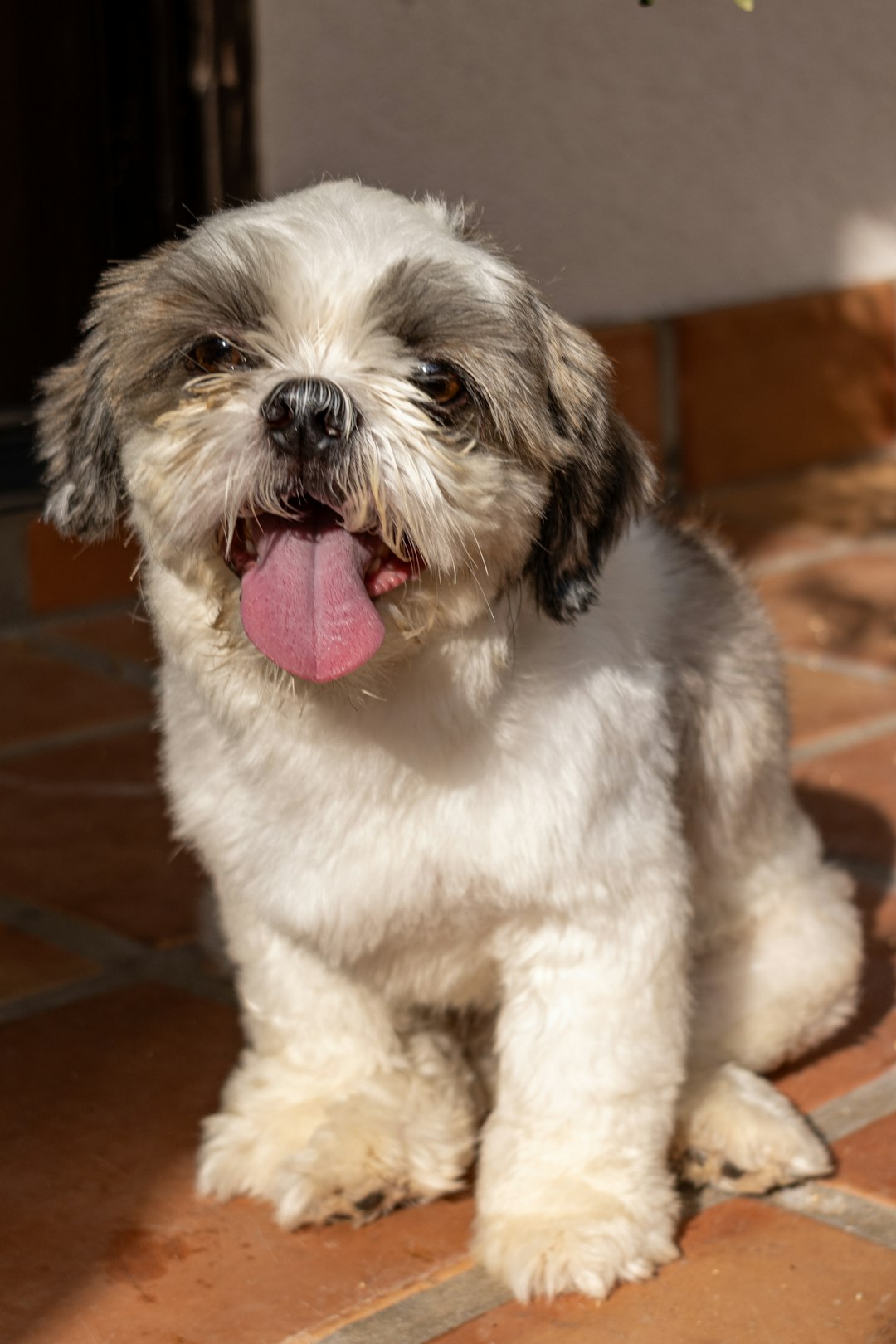
Shih Tzu
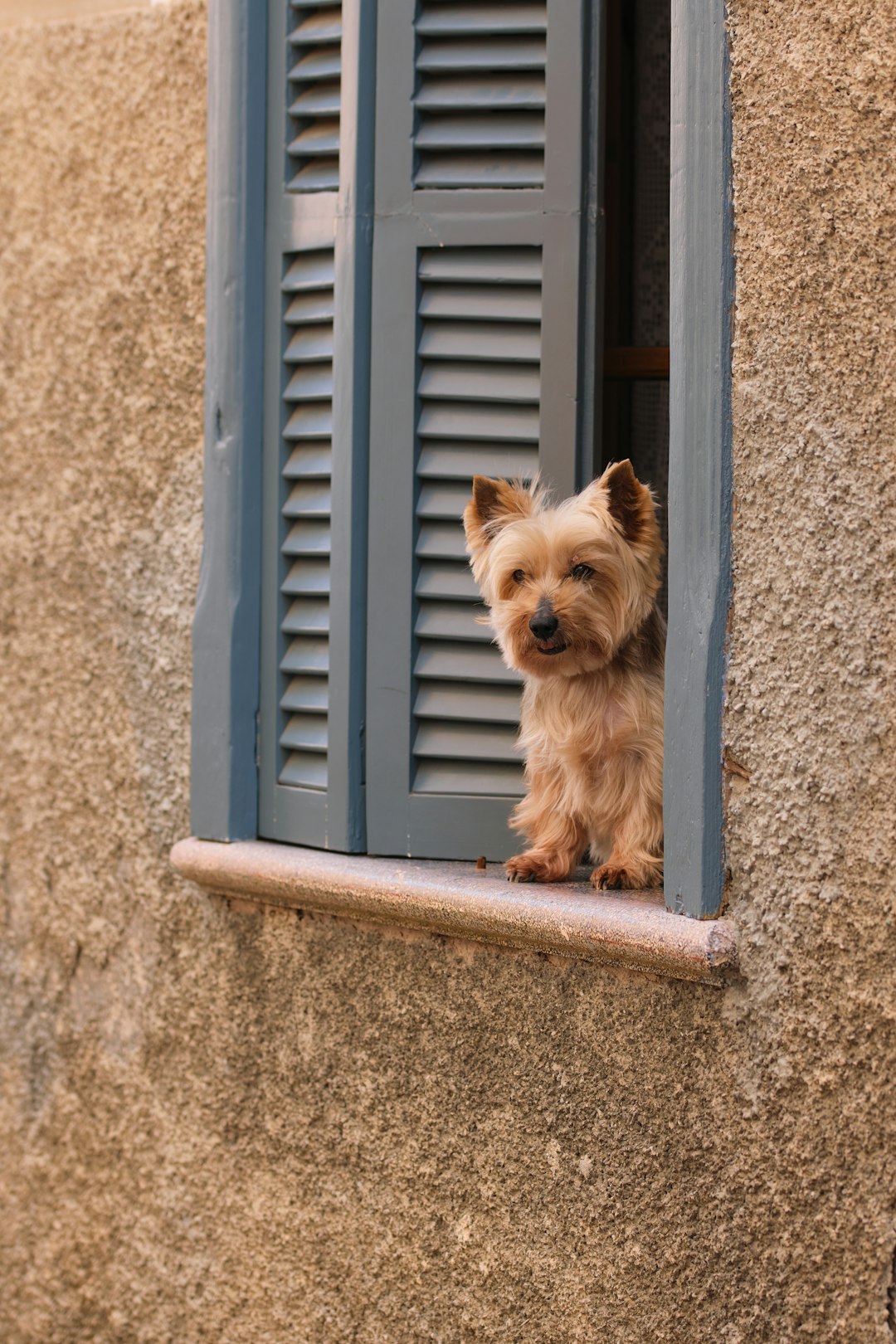
Maltese
Shih Tzu vs Maltese
Read full comparison →
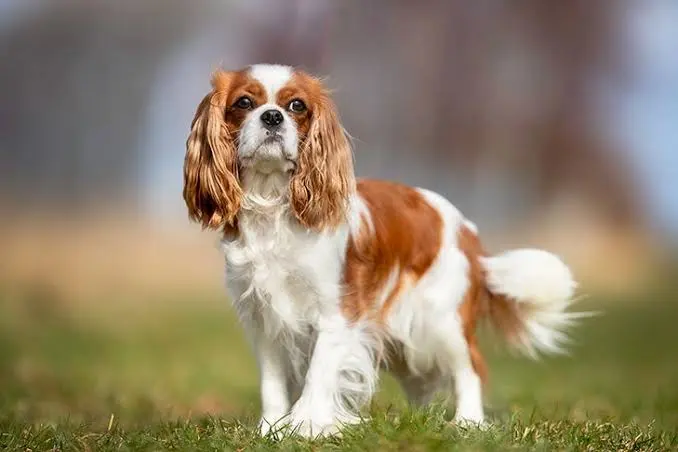
Cavalier King Charles Spaniel
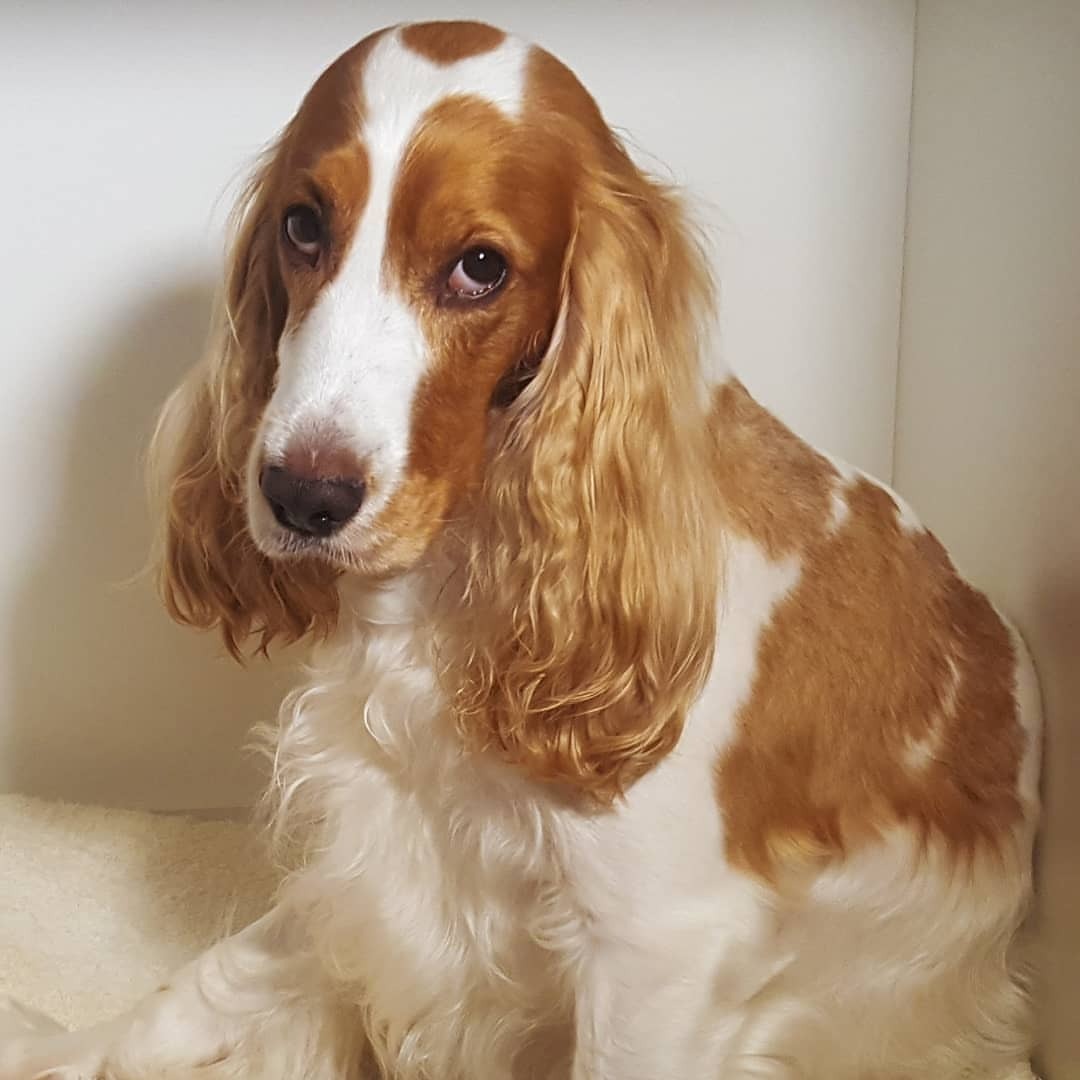
Cocker Spaniel
Cavalier King Charles Spaniel vs Cocker Spaniel
Read full comparison →

Great Dane
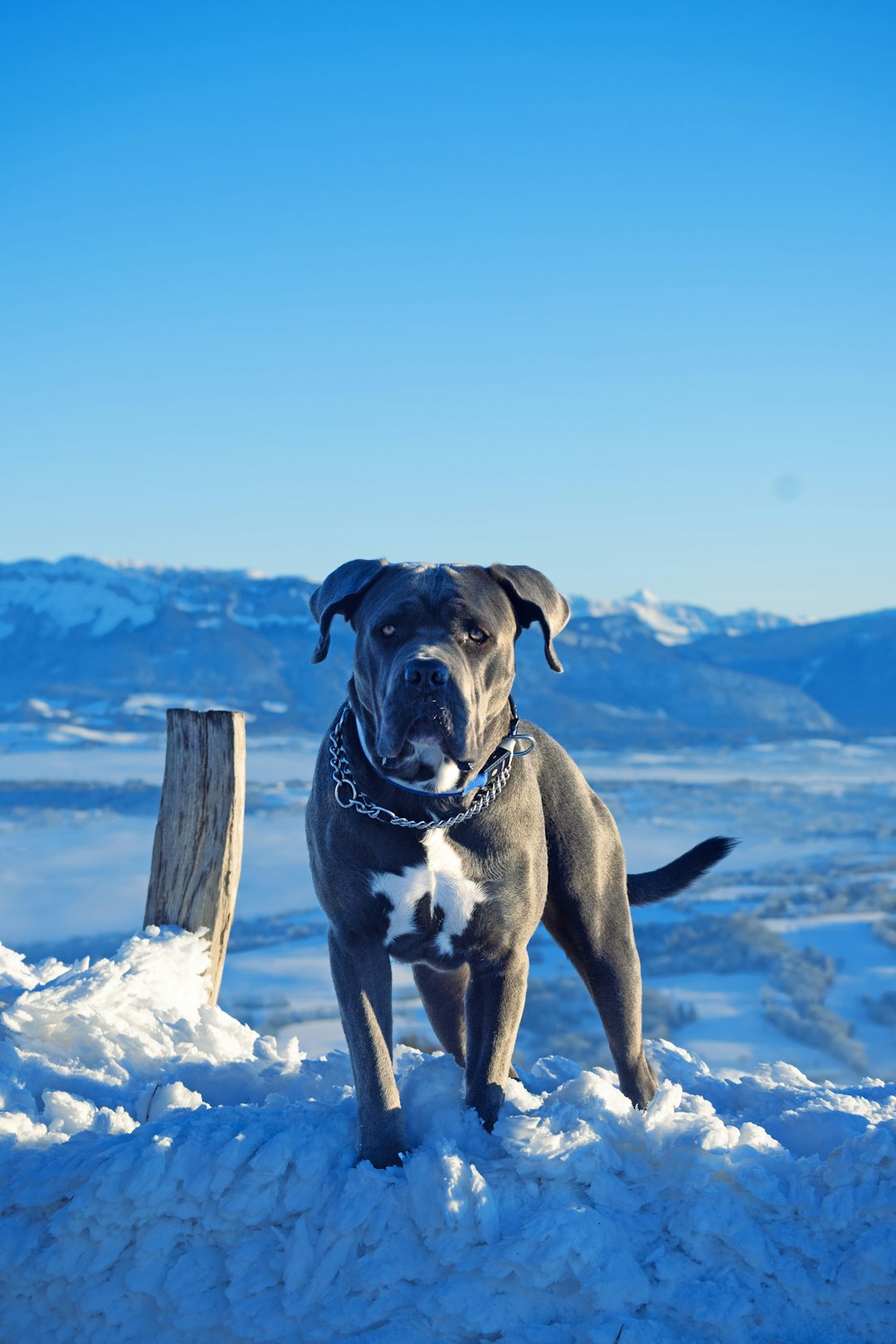
Mastiff
Great Dane vs Mastiff
Read full comparison →
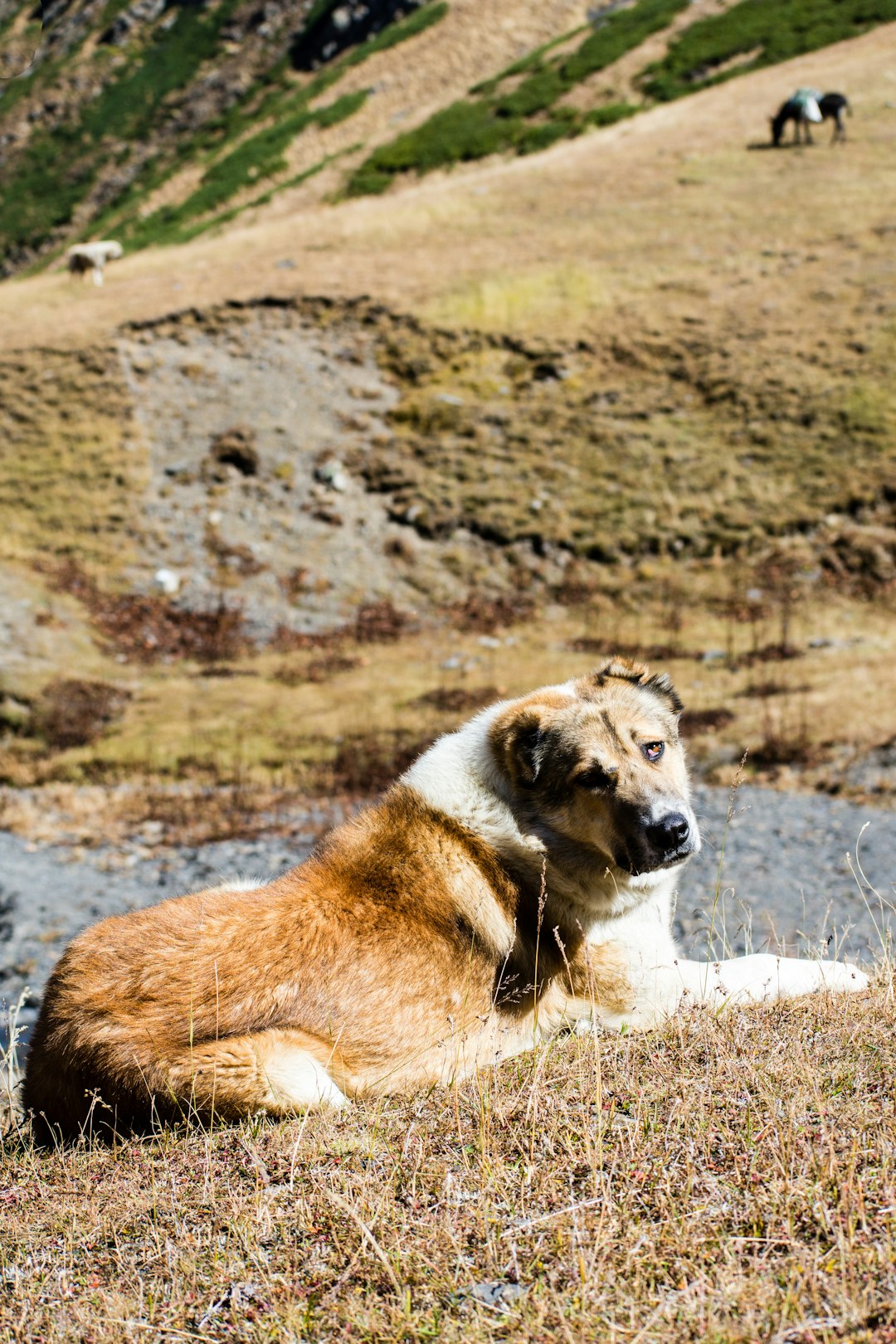
Bernese Mountain Dog
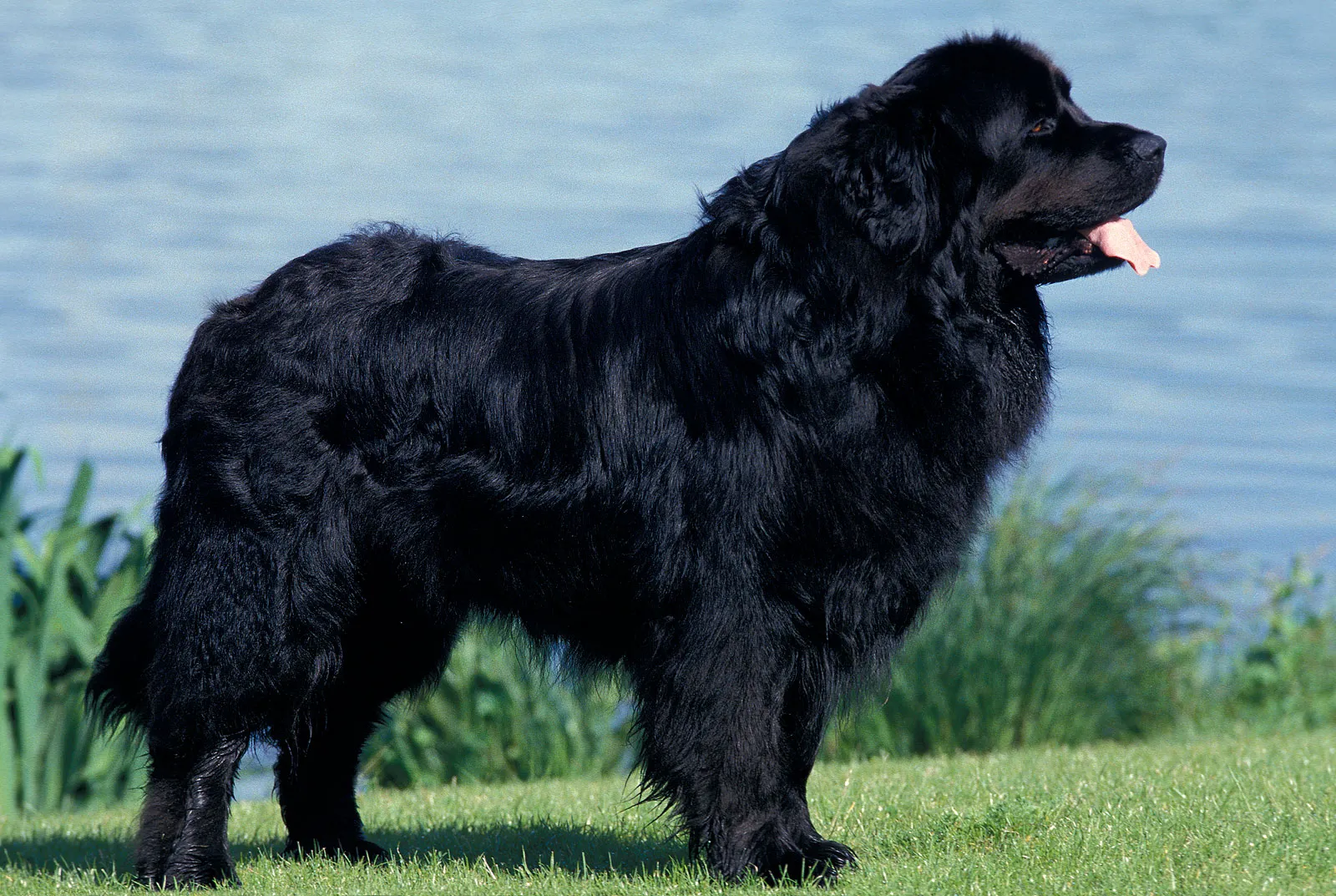
Newfoundland
Bernese Mountain Dog vs Newfoundland
Read full comparison →
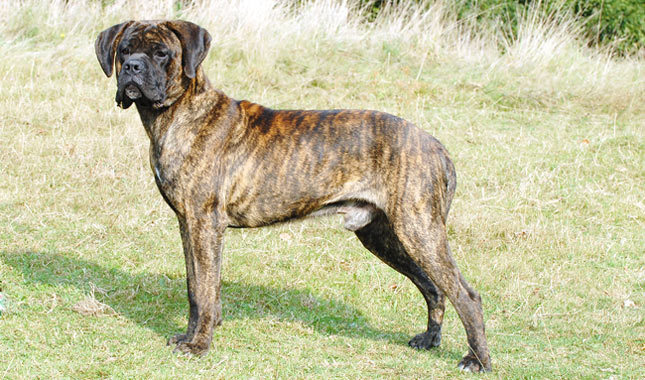
Cane Corso
Rottweiler
Cane Corso vs Rottweiler
Read full comparison →
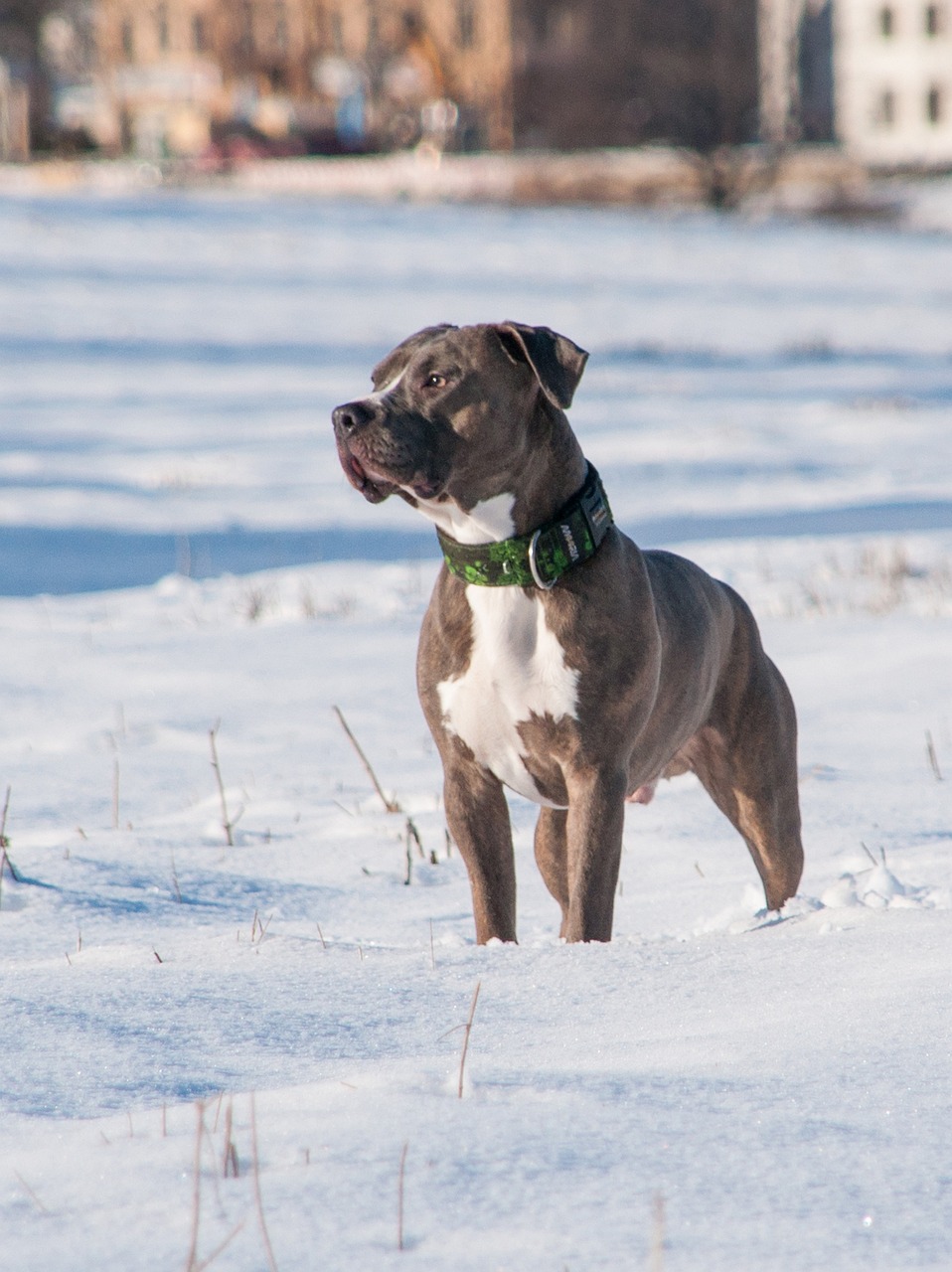
American Pit Bull Terrier
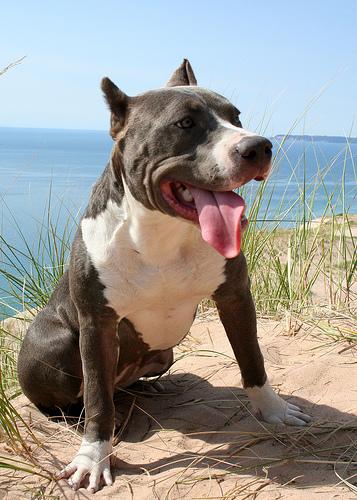
American Staffordshire Terrier
American Pit Bull Terrier vs American Staffordshire Terrier
Read full comparison →
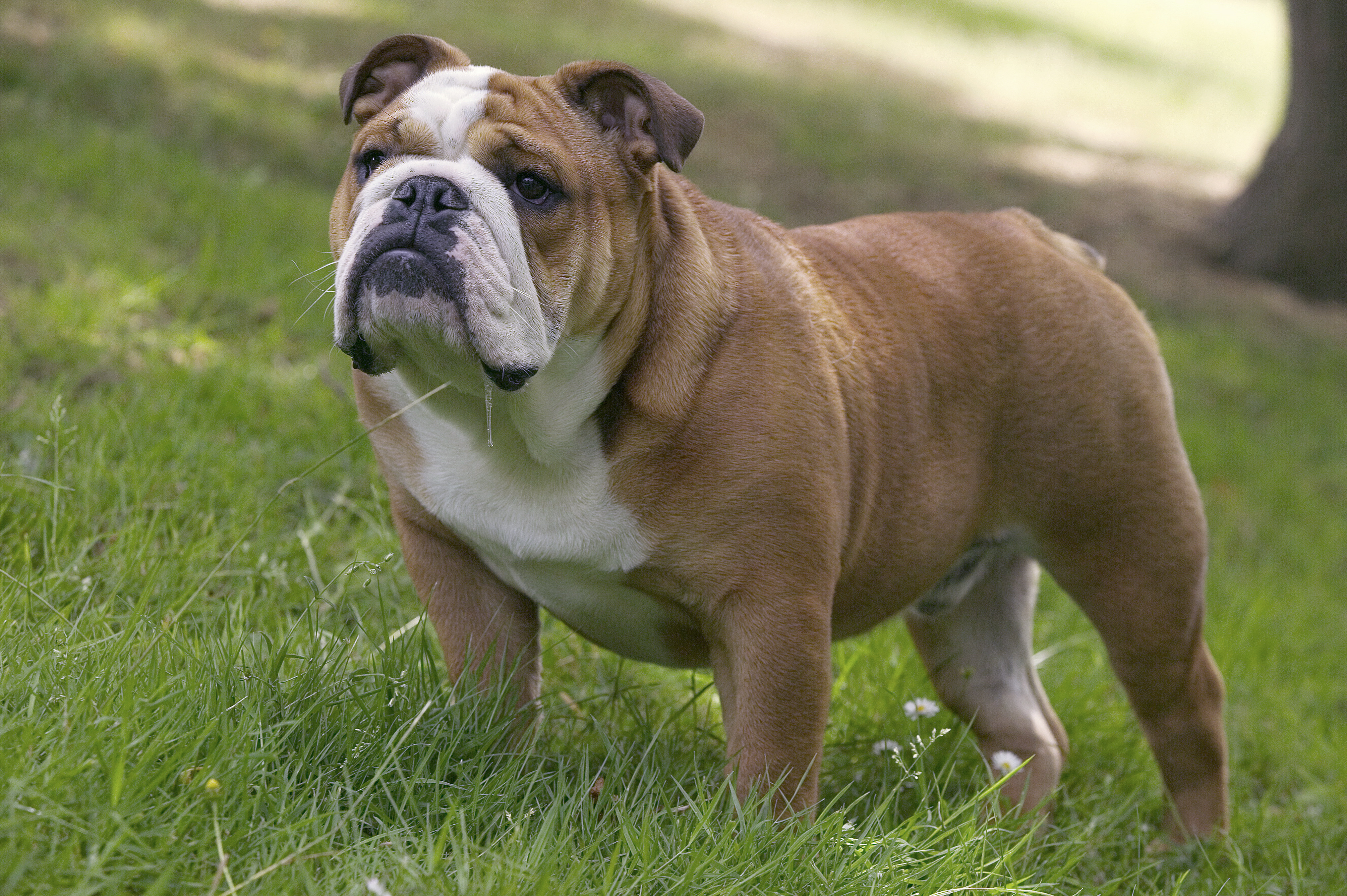
Bulldog
French Bulldog
Bulldog vs French Bulldog
Read full comparison →
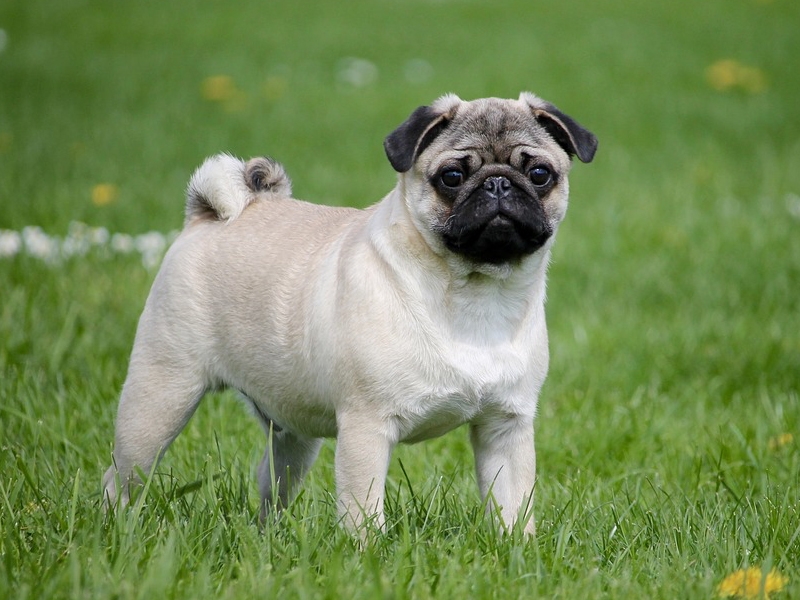
Pug
French Bulldog
Pug vs French Bulldog
Read full comparison →
Boston Terrier
French Bulldog
Boston Terrier vs French Bulldog
Read full comparison →
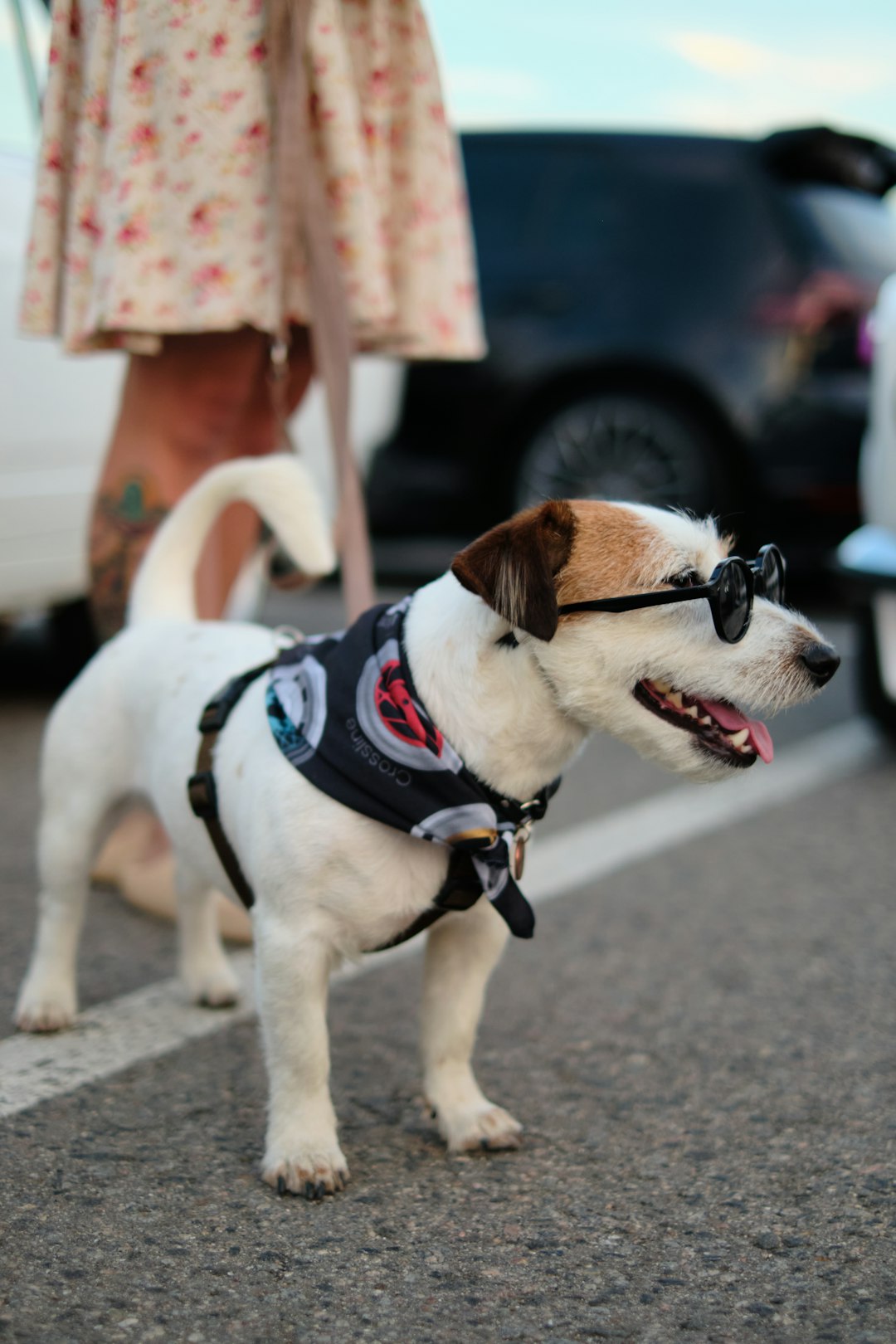
Jack Russell Terrier
Beagle
Jack Russell Terrier vs Beagle
Read full comparison →
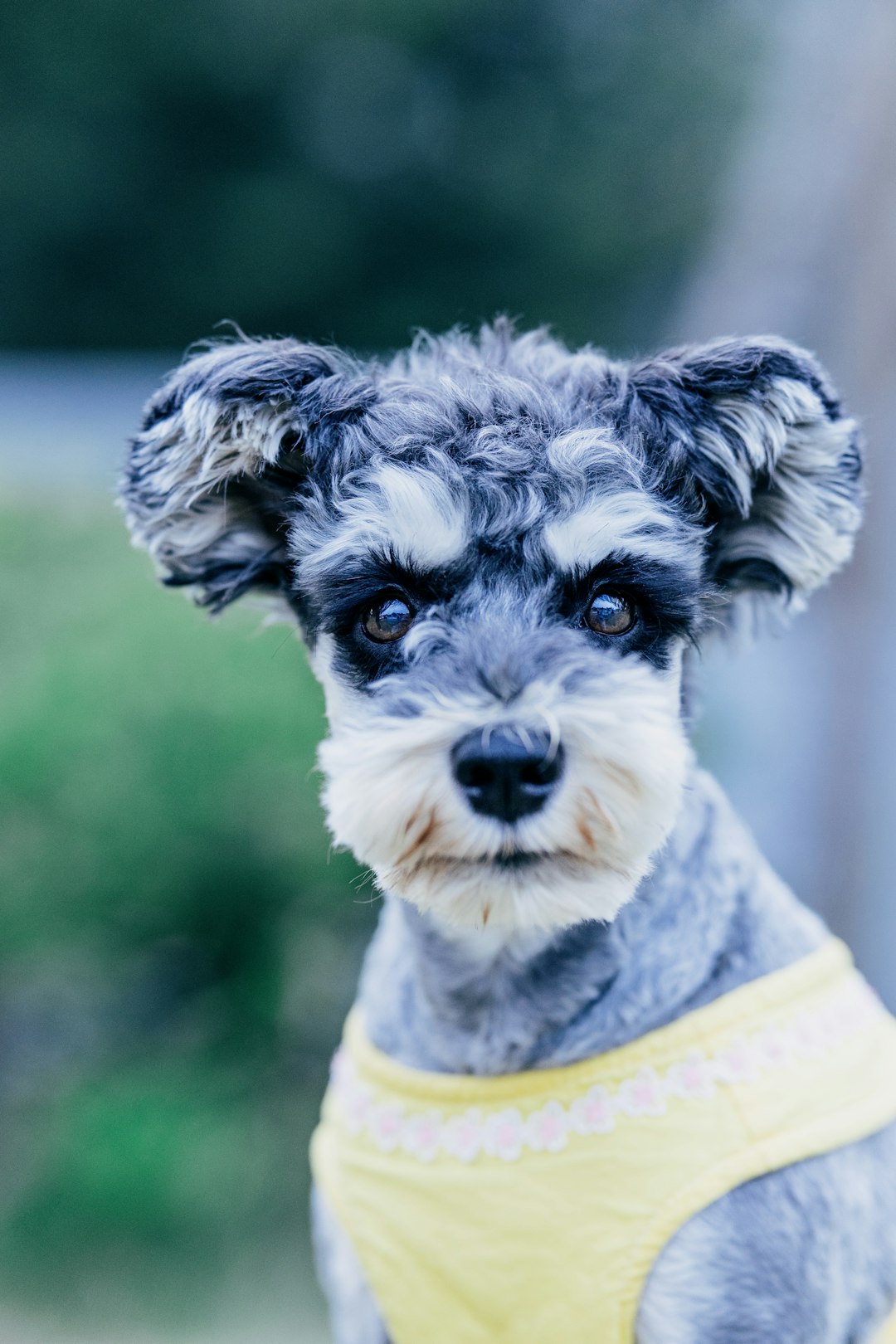
Miniature Schnauzer
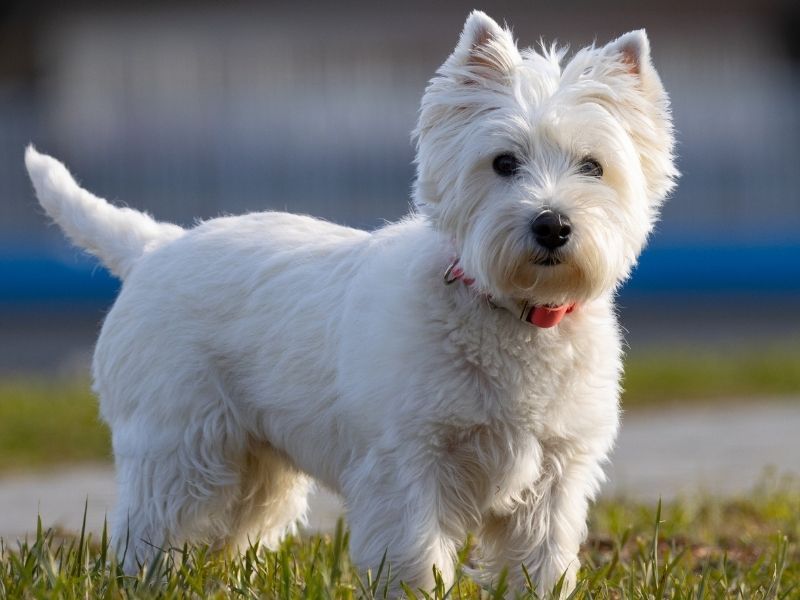
West Highland White Terrier
Miniature Schnauzer vs West Highland White Terrier
Read full comparison →
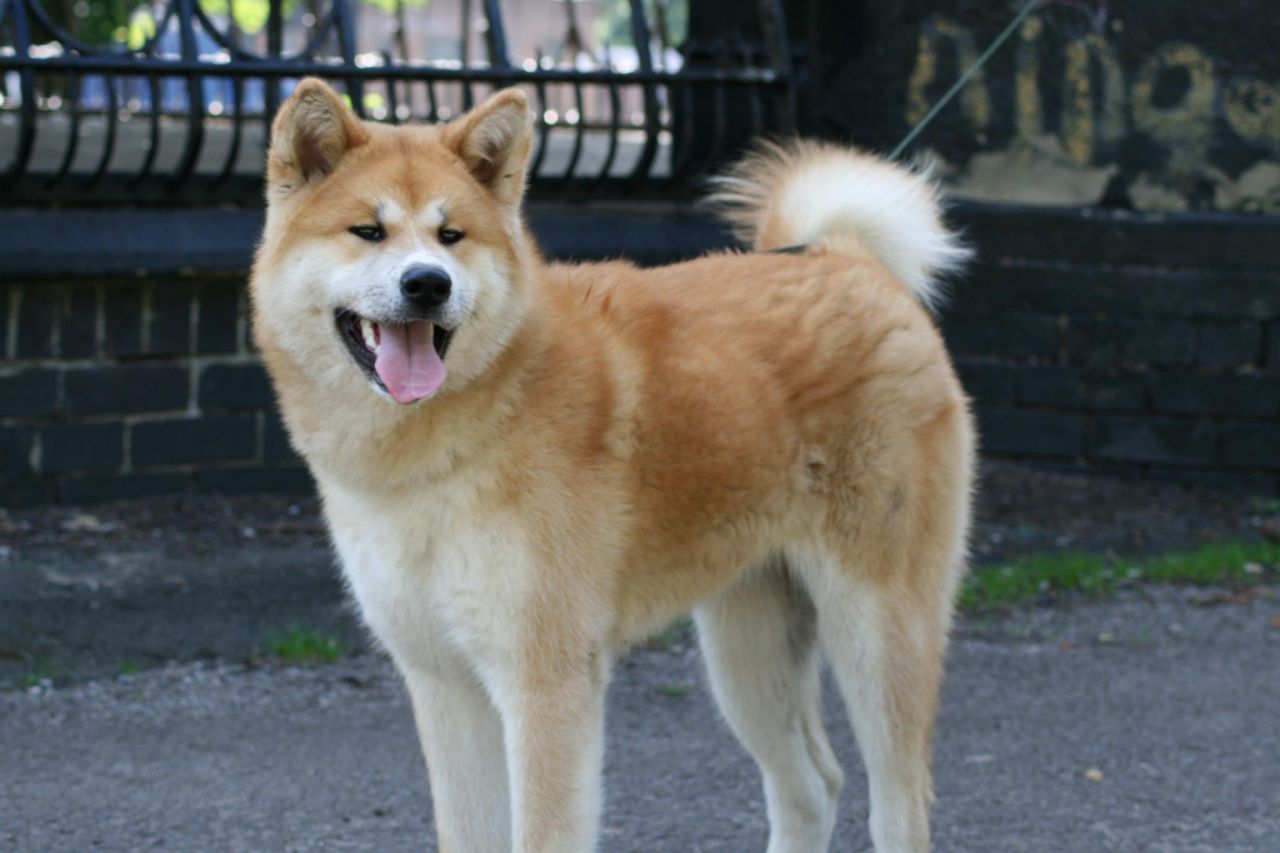
Akita
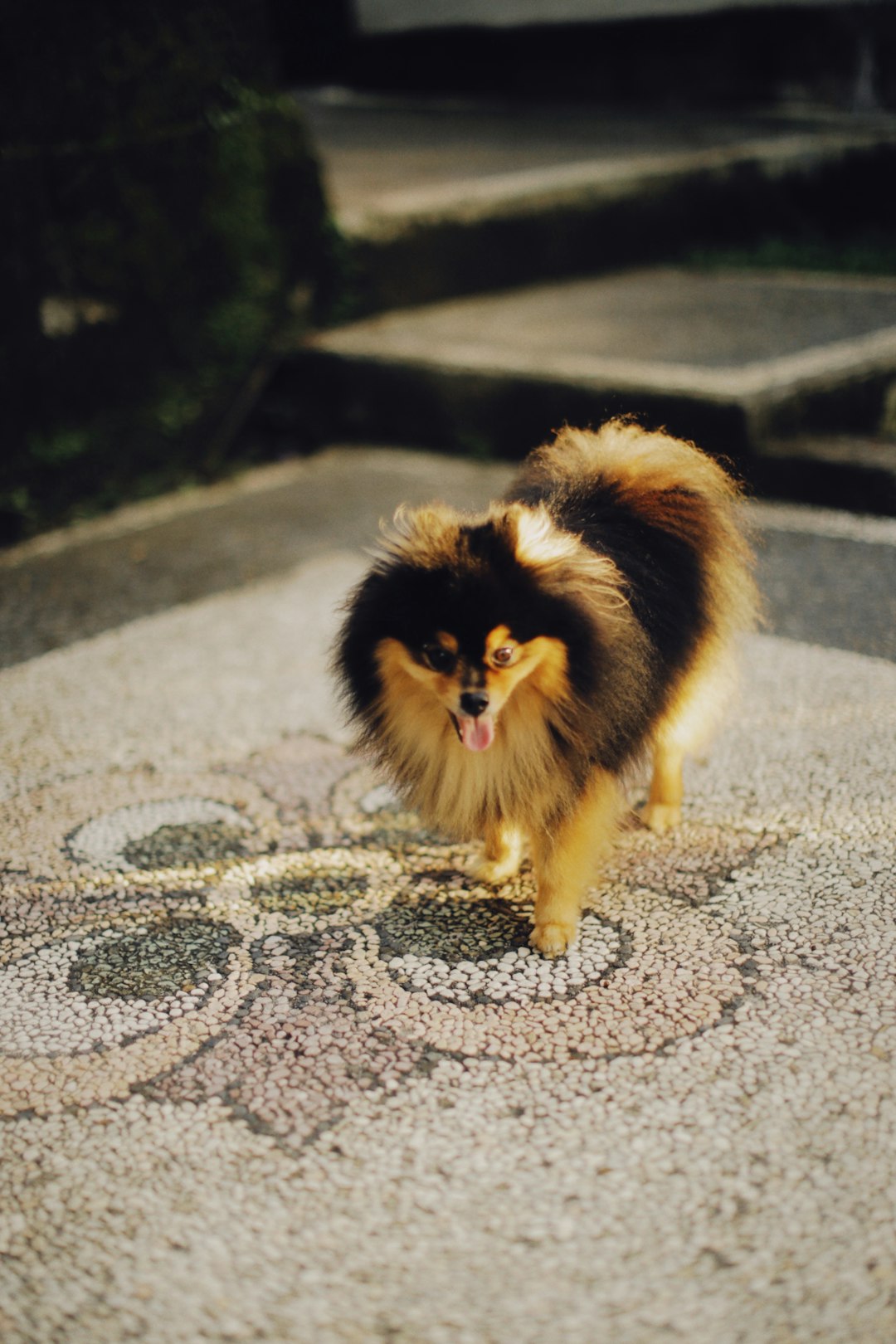
Shiba Inu
Akita vs Shiba Inu
Read full comparison →
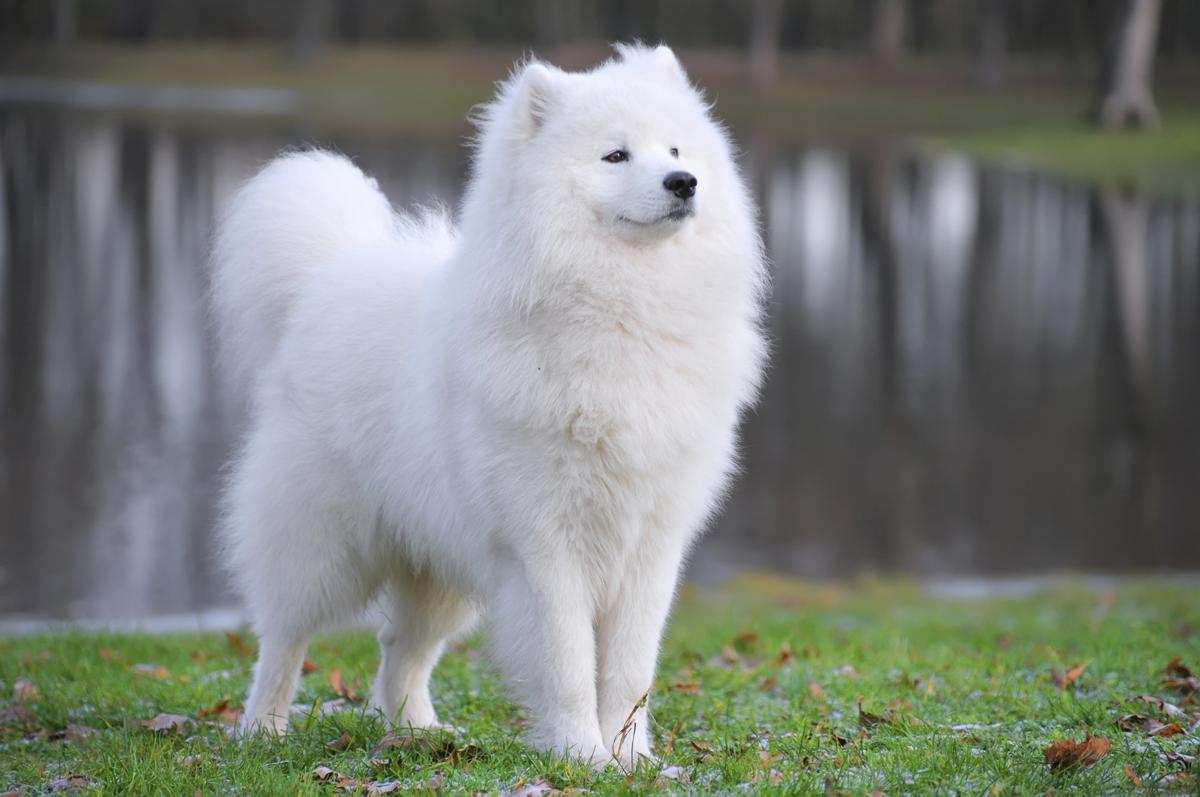
Samoyed
Siberian Husky
Samoyed vs Siberian Husky
Read full comparison →
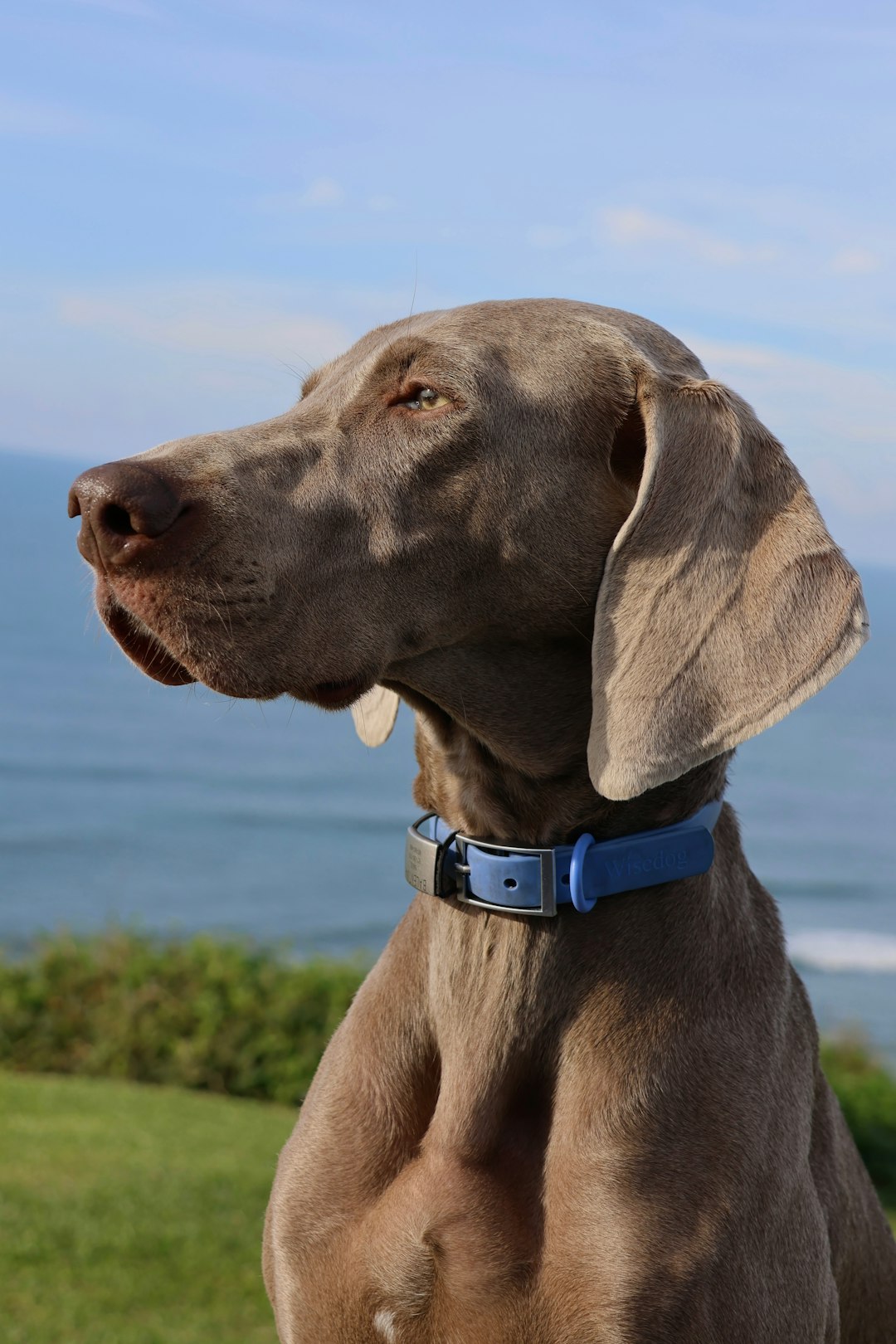
Weimaraner

Vizsla
Weimaraner vs Vizsla
Read full comparison →
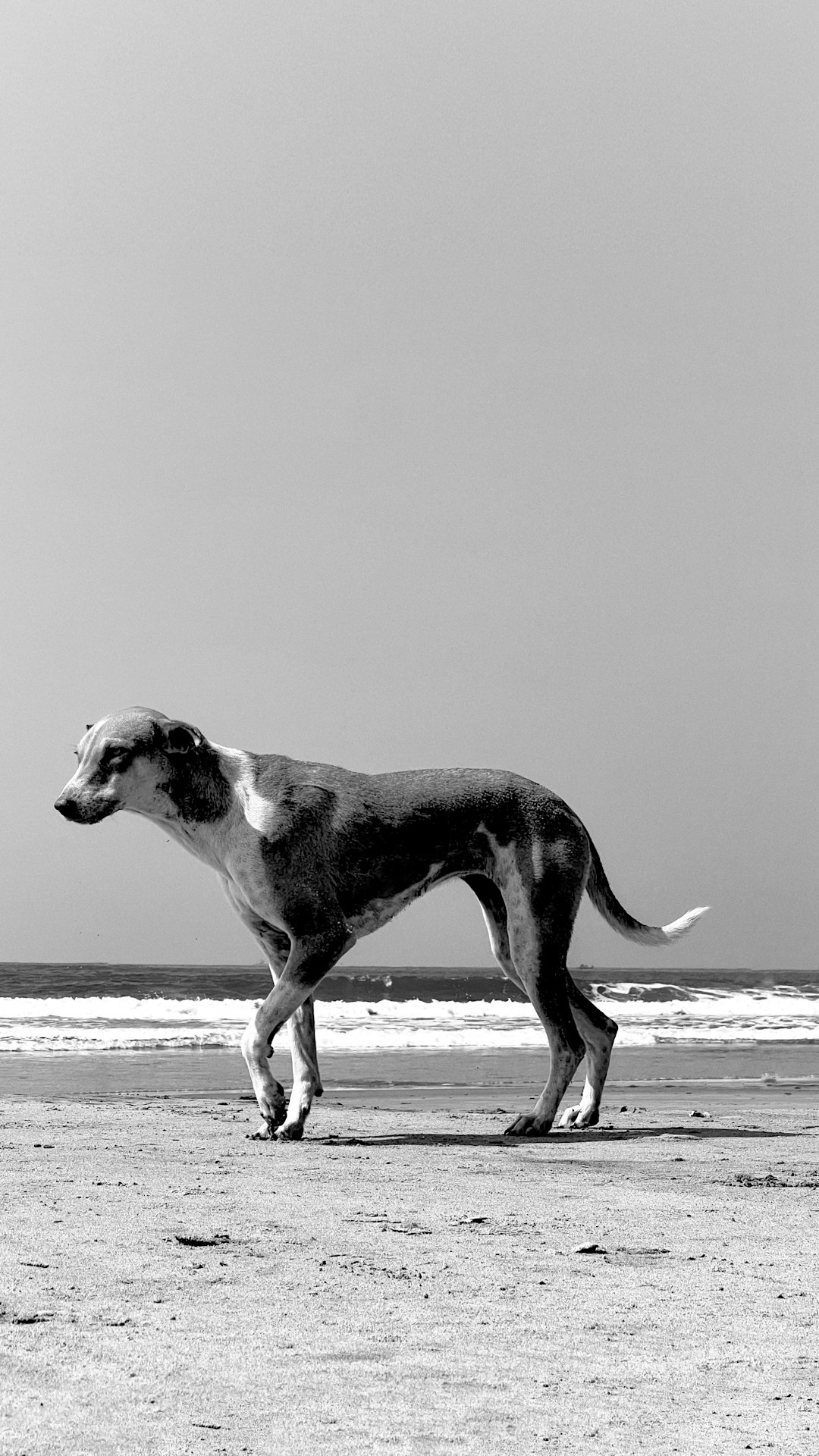
Pointer
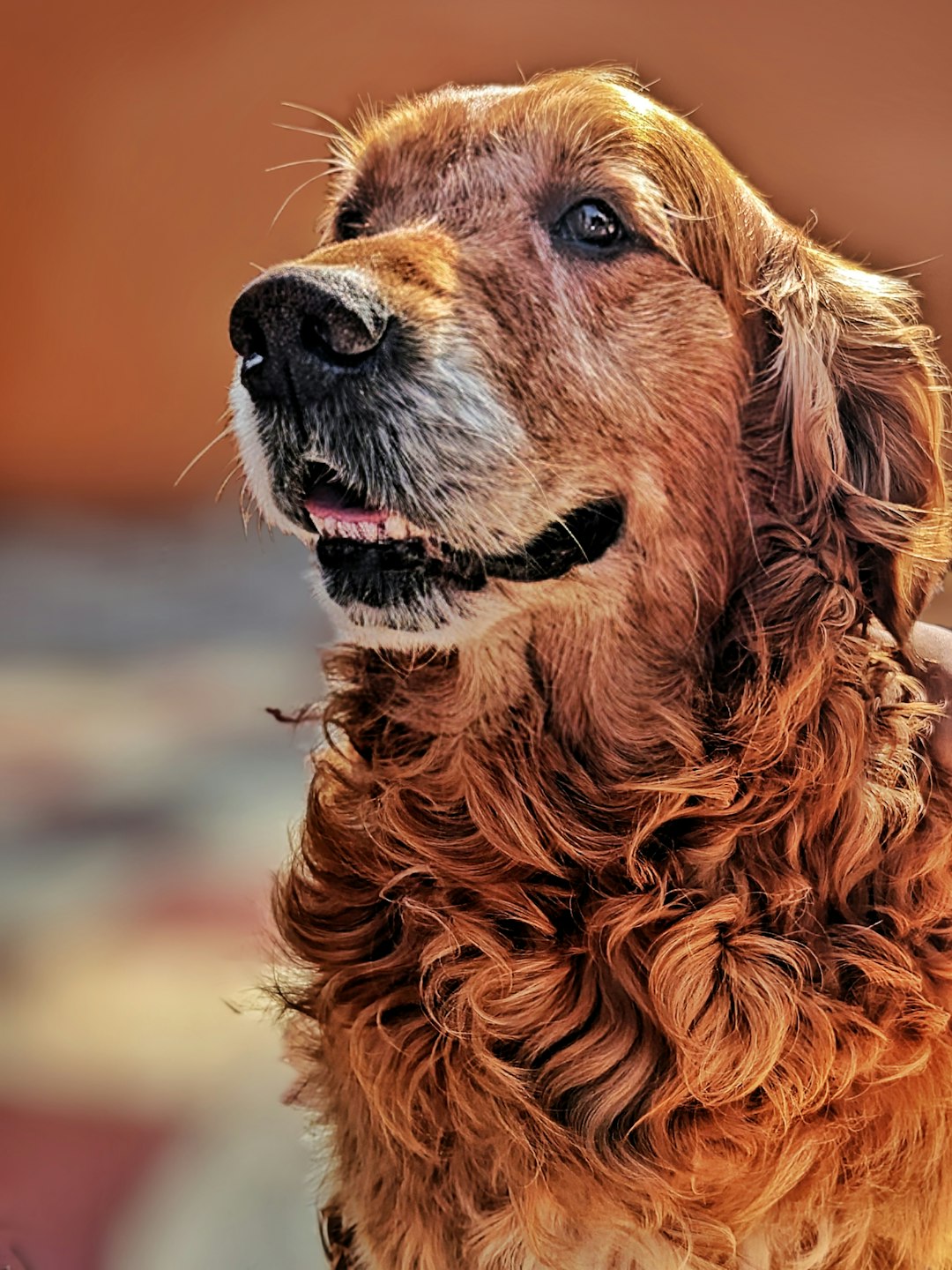
German Shorthaired Pointer
Pointer vs German Shorthaired Pointer
Read full comparison →
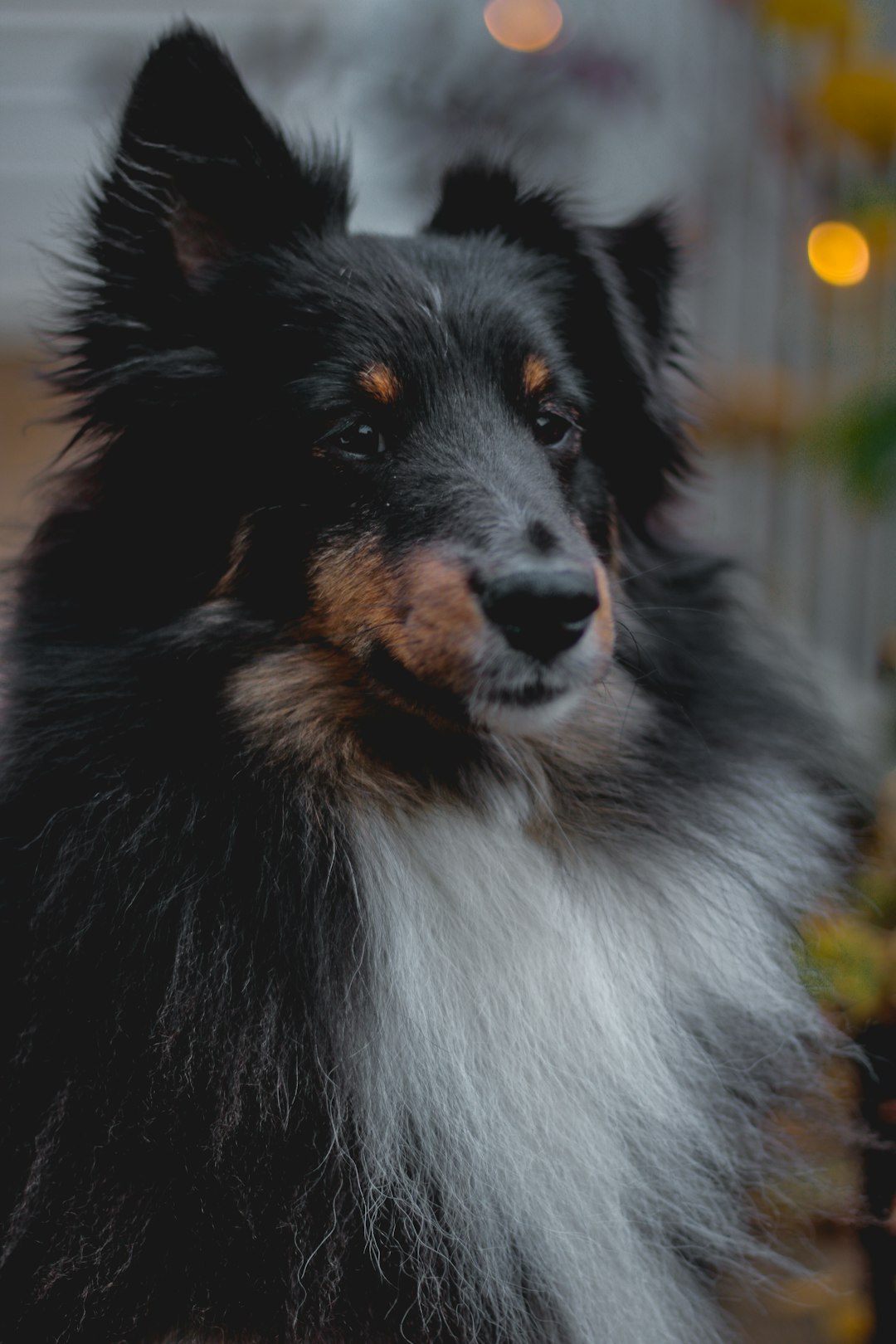
Irish Setter
Golden Retriever
Irish Setter vs Golden Retriever
Read full comparison →
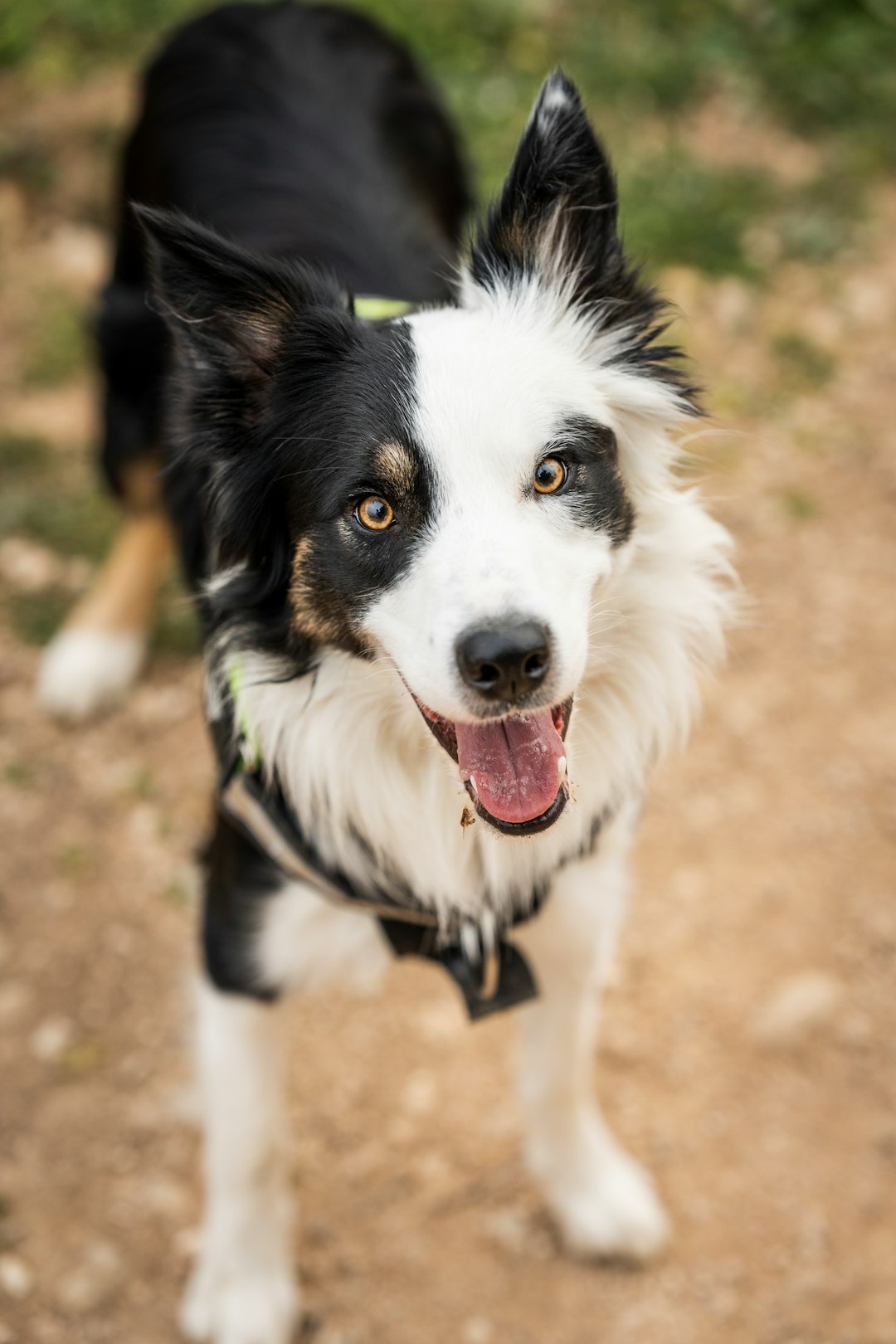
Collie
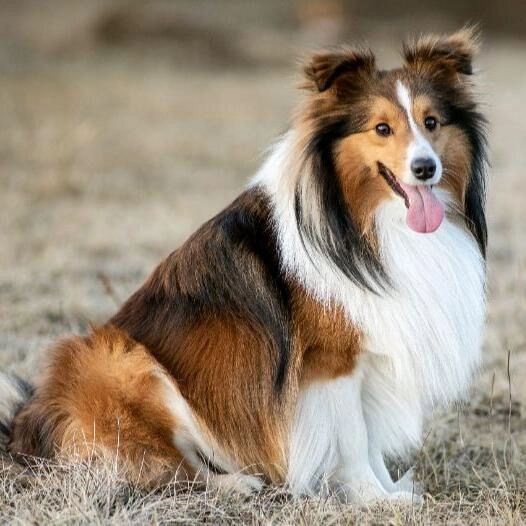
Shetland Sheepdog
Collie vs Shetland Sheepdog
Read full comparison →
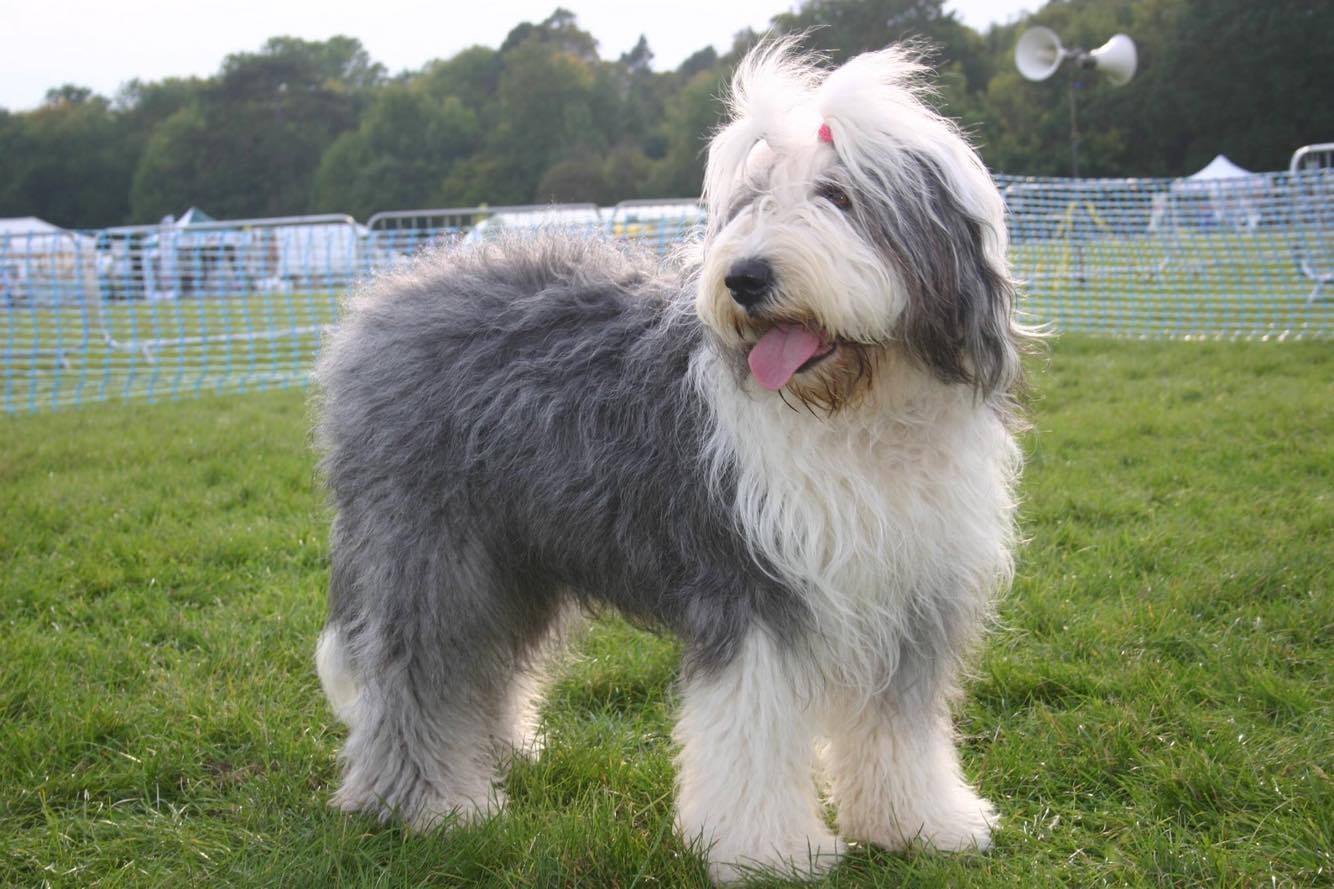
Old English Sheepdog
Bernese Mountain Dog
Old English Sheepdog vs Bernese Mountain Dog
Read full comparison →
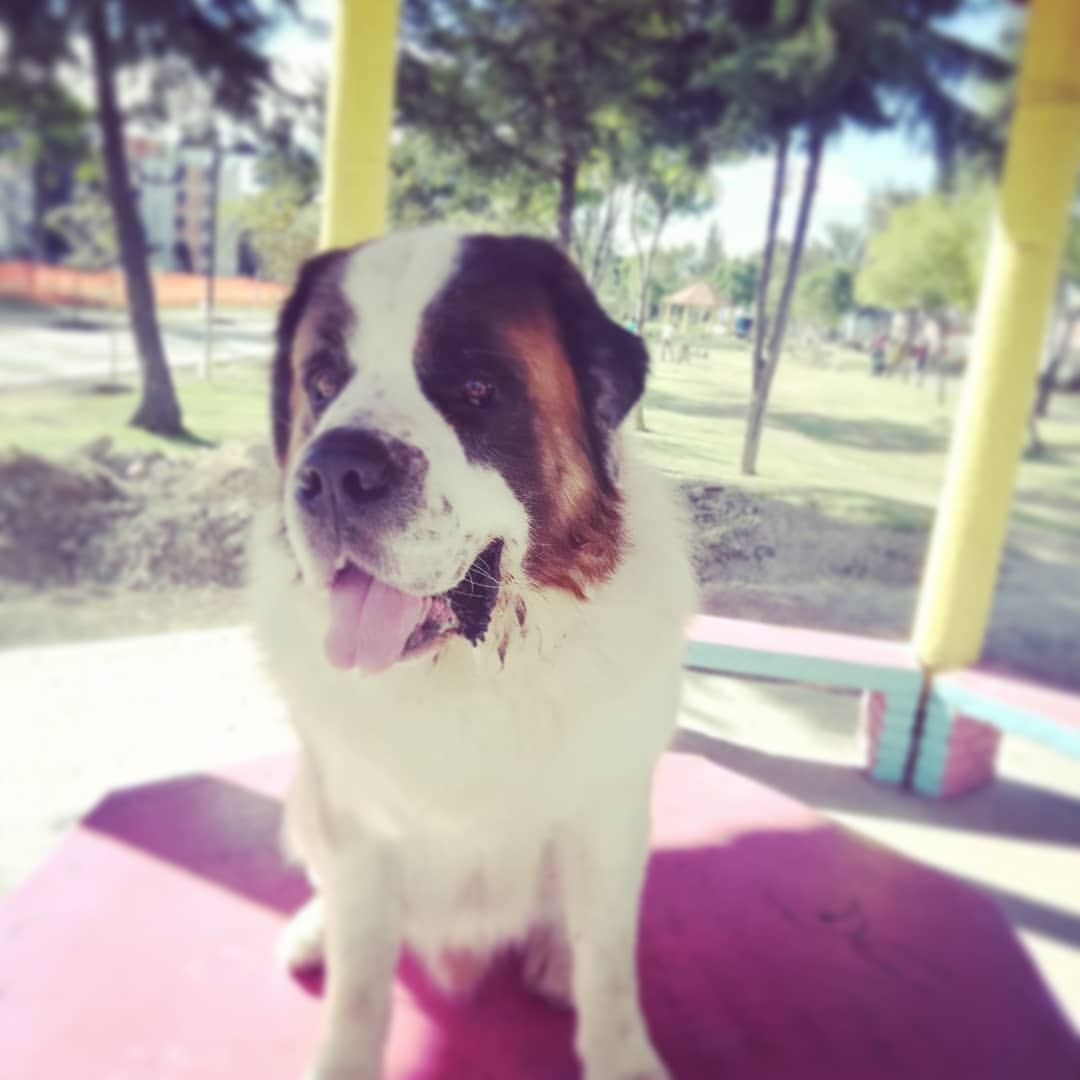
Saint Bernard
Newfoundland
Saint Bernard vs Newfoundland
Read full comparison →
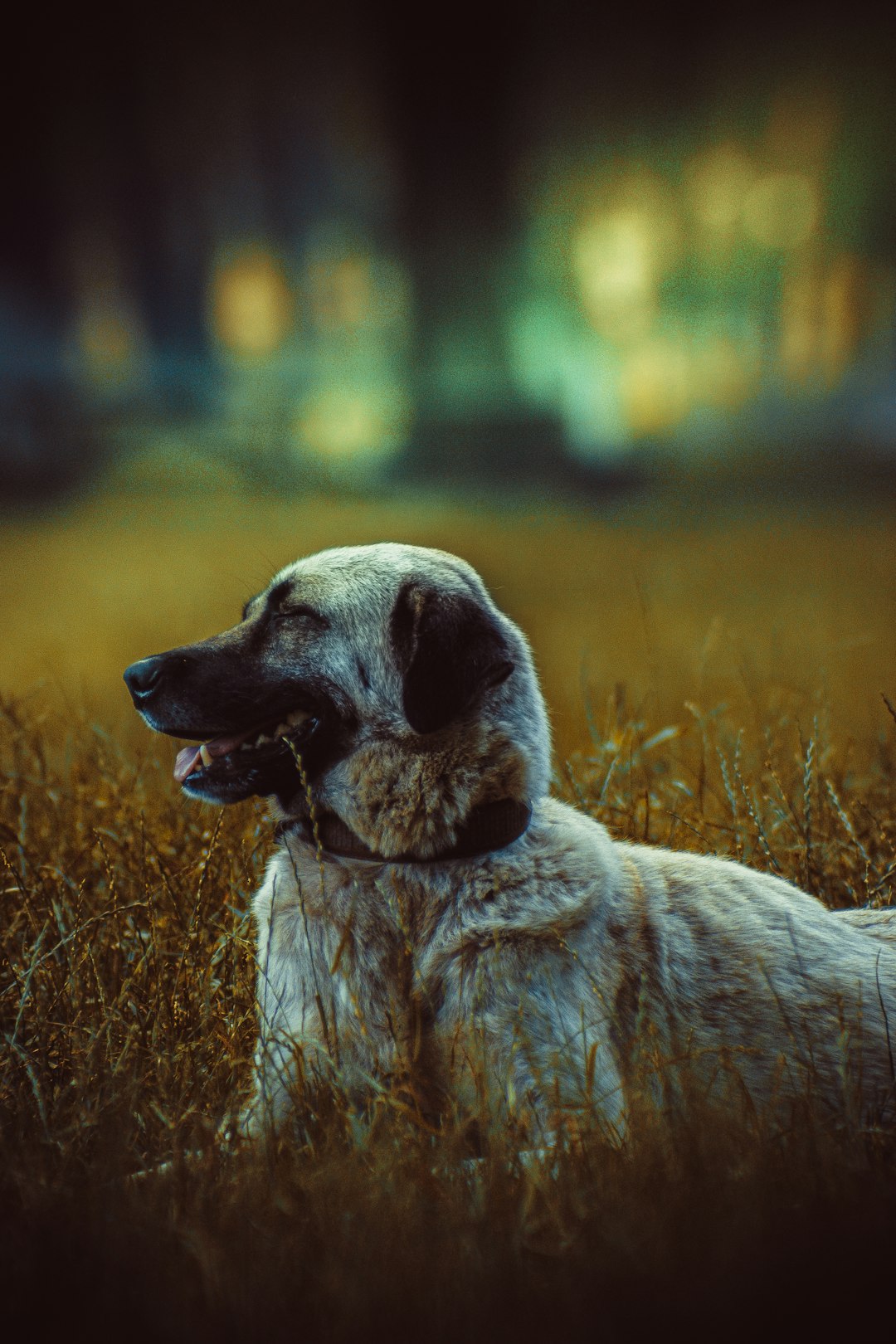
Bloodhound
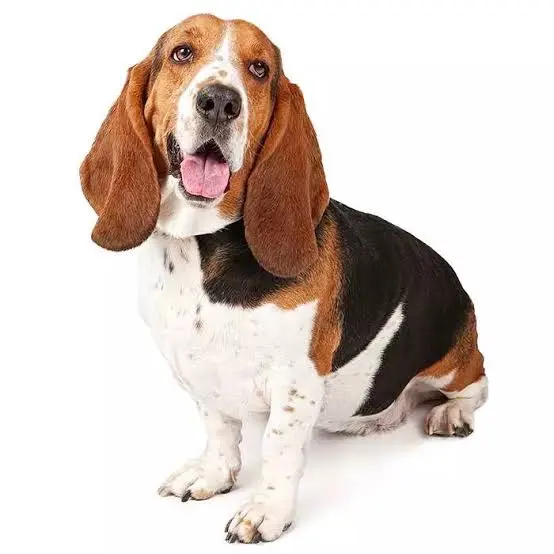
Basset Hound
Bloodhound vs Basset Hound
Read full comparison →
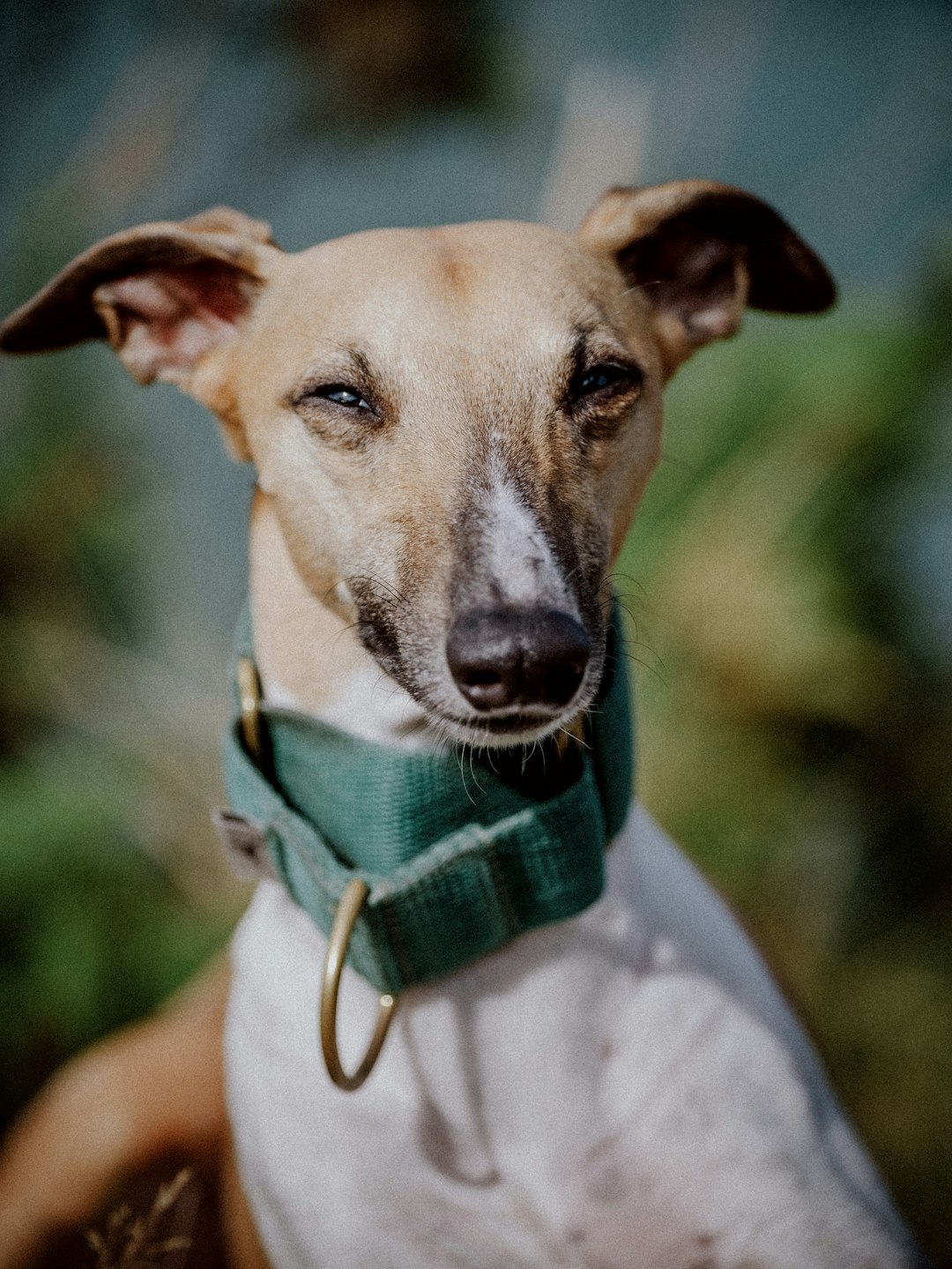
Whippet
Greyhound
Whippet vs Greyhound
Read full comparison →
Italian Greyhound
Whippet
Italian Greyhound vs Whippet
Read full comparison →
Papillon
Chihuahua
Papillon vs Chihuahua
Read full comparison →
Havanese
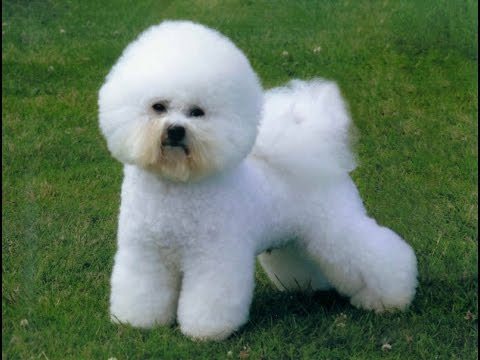
Bichon Frise
Havanese vs Bichon Frise
Read full comparison →
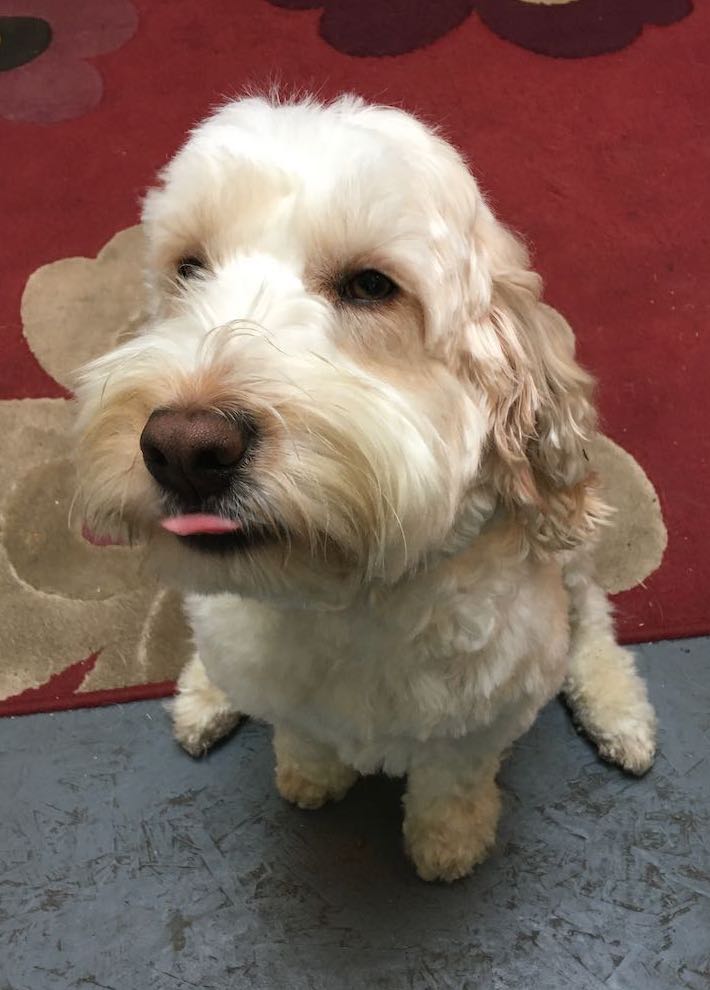
Cockapoo
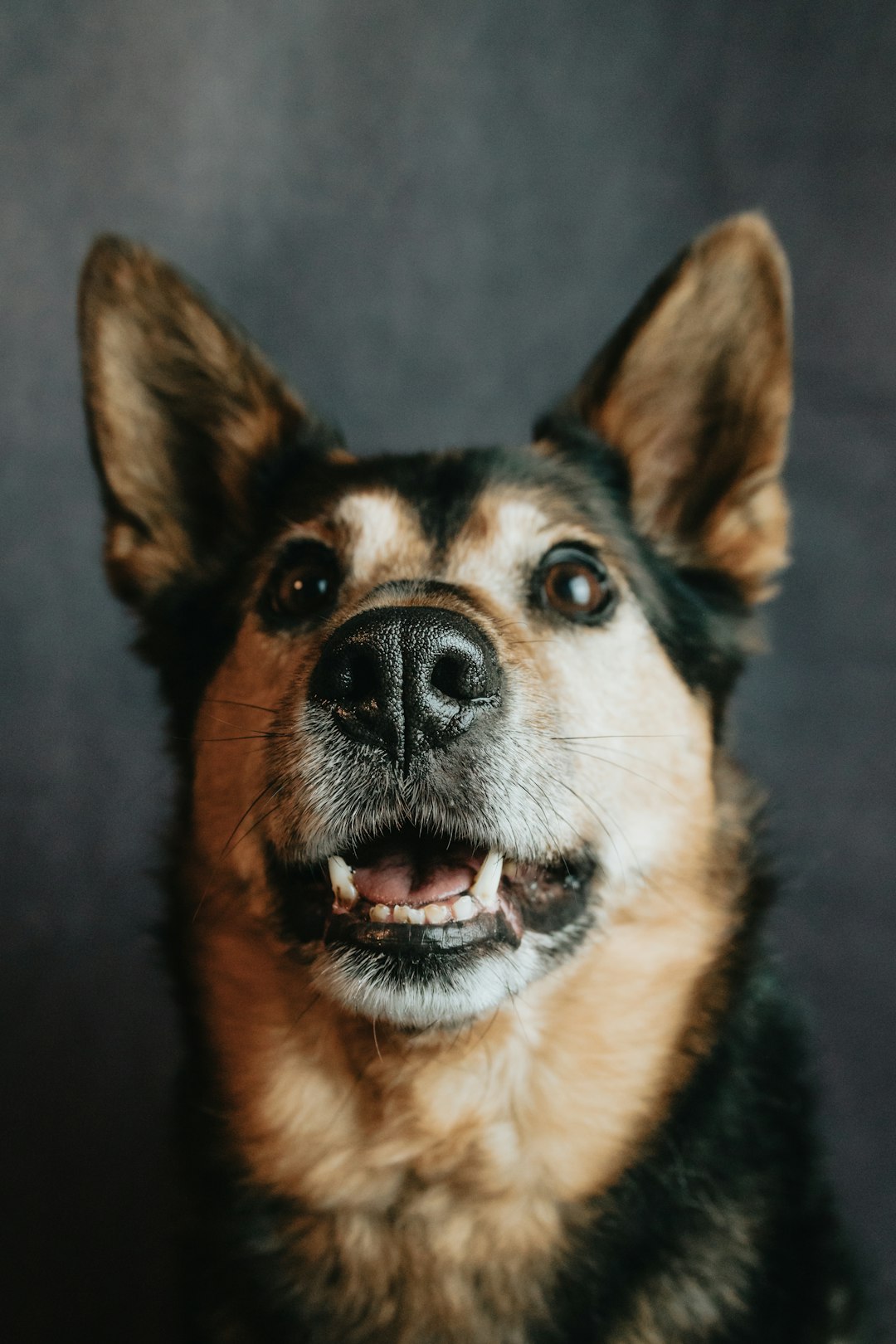
Labradoodle
Cockapoo vs Labradoodle
Read full comparison →
Cockapoo
Poodle (Standard)
Cockapoo vs Poodle (Standard)
Read full comparison →
Labradoodle
Poodle (Standard)
Labradoodle vs Poodle (Standard)
Read full comparison →
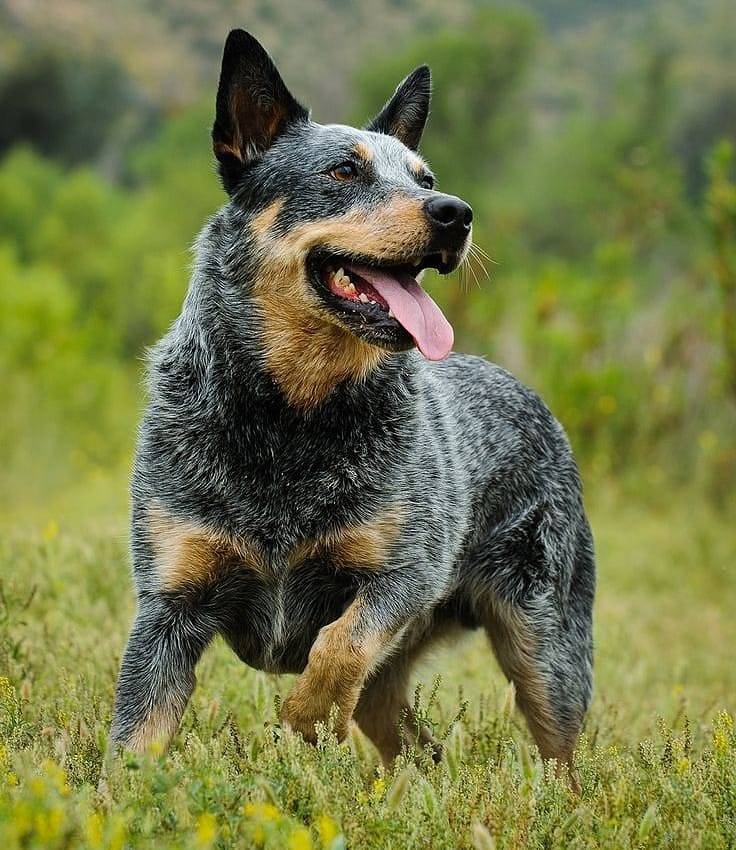
Australian Cattle Dog
Australian Shepherd
Australian Cattle Dog vs Australian Shepherd
Read full comparison →
Belgian Malinois
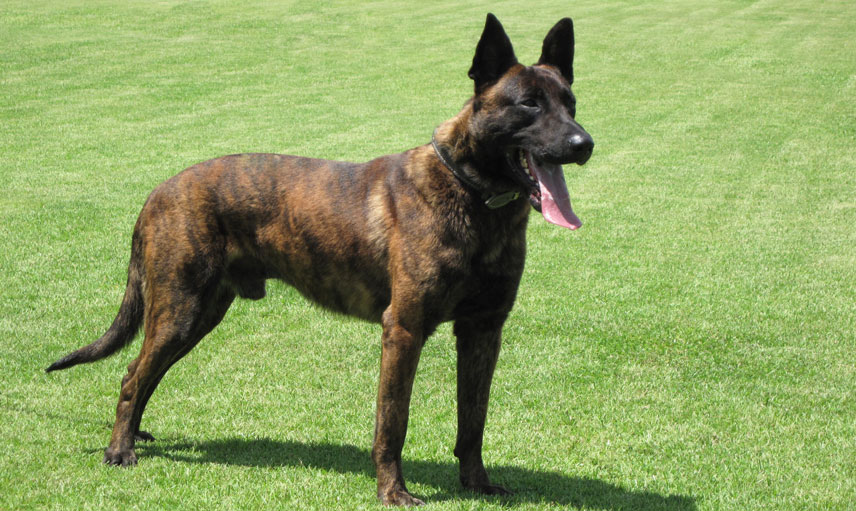
Dutch Shepherd
Belgian Malinois vs Dutch Shepherd
Read full comparison →
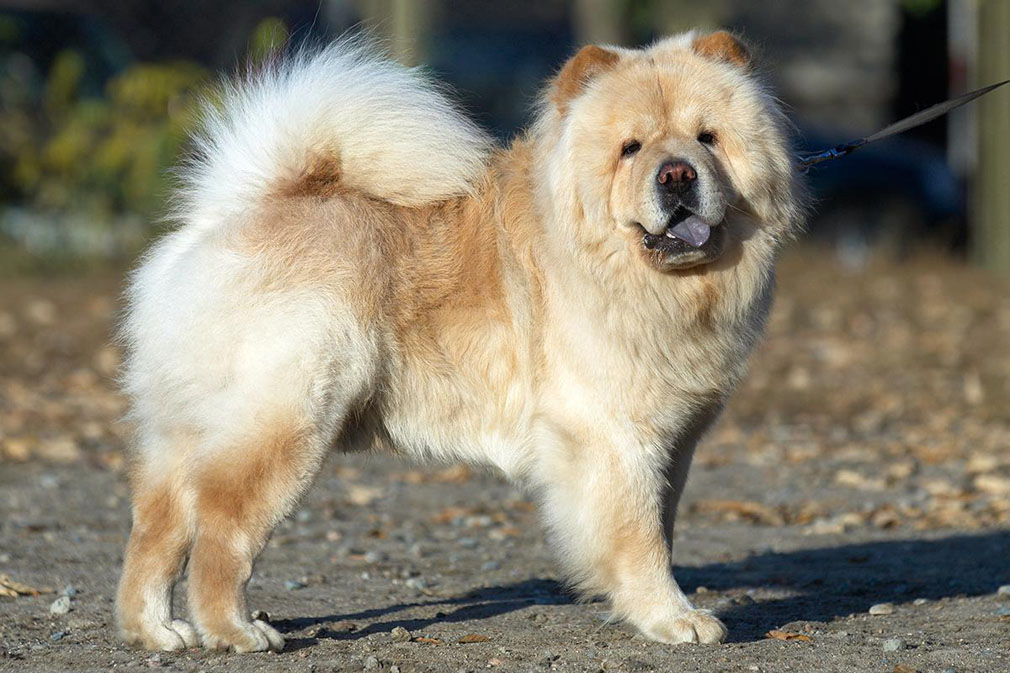
Chow Chow
Akita
Chow Chow vs Akita
Read full comparison →
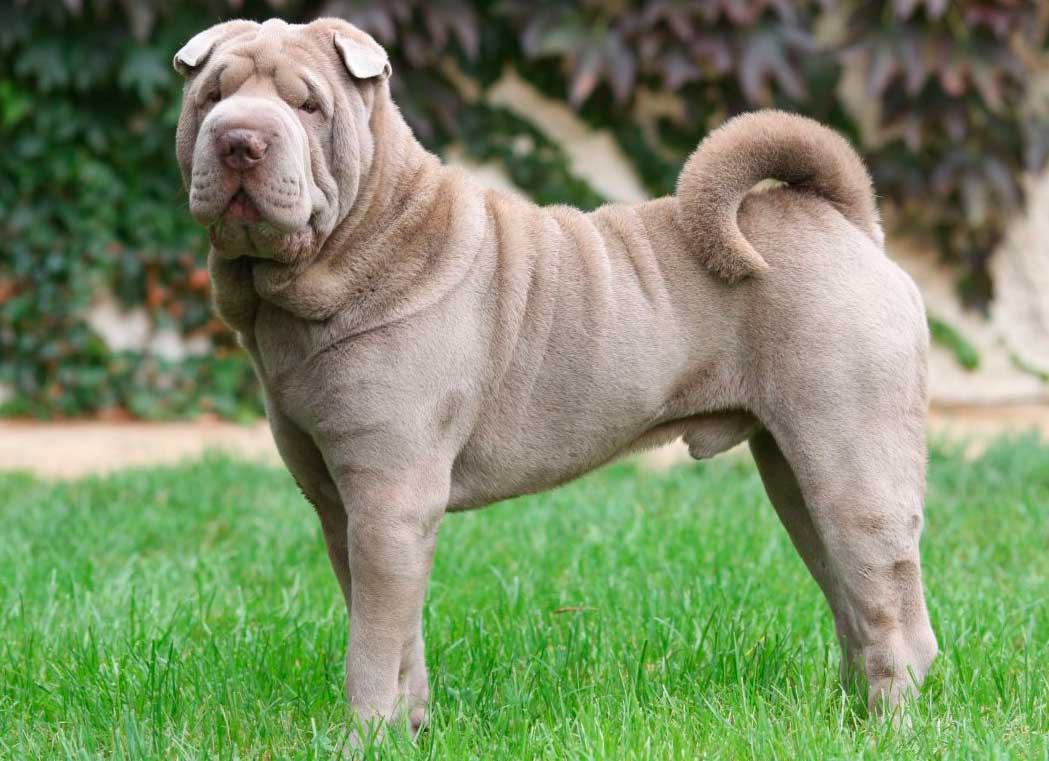
Chinese Shar-Pei
Bulldog
Chinese Shar-Pei vs Bulldog
Read full comparison →
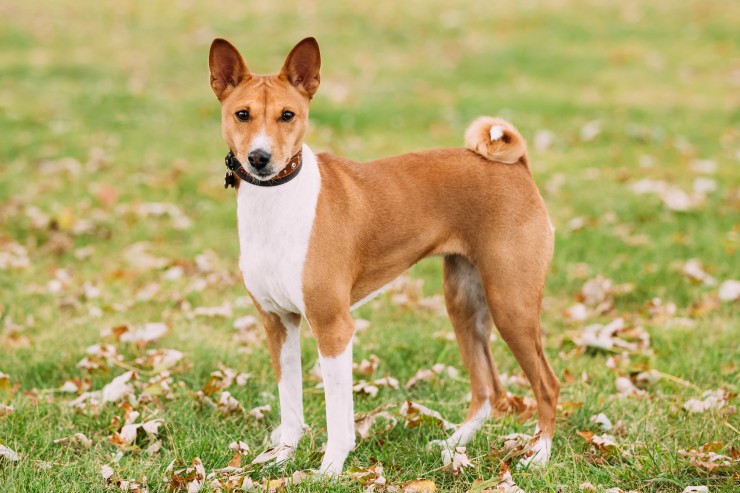
Basenji
Shiba Inu
Basenji vs Shiba Inu
Read full comparison →
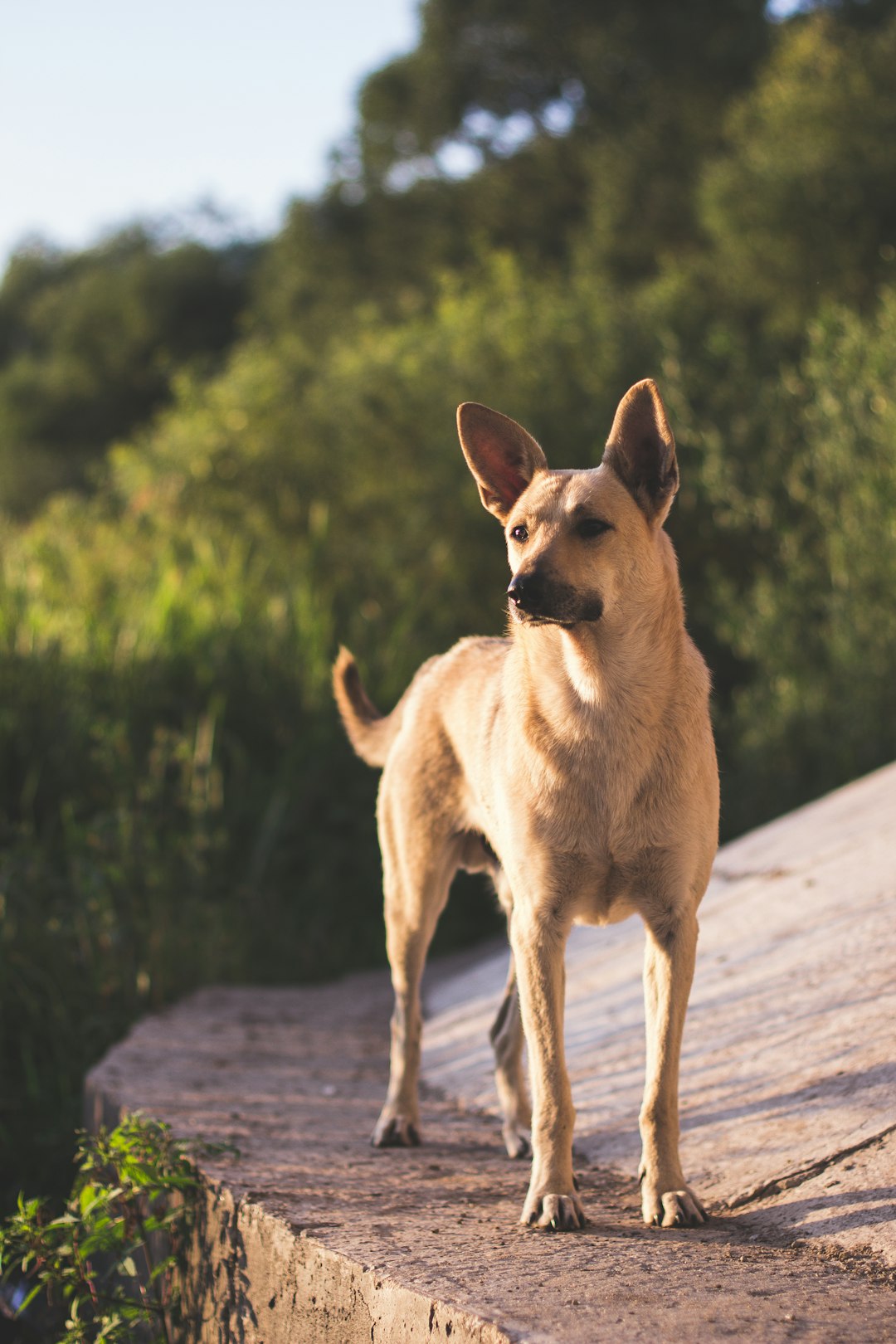
Rhodesian Ridgeback
Vizsla
Rhodesian Ridgeback vs Vizsla
Read full comparison →
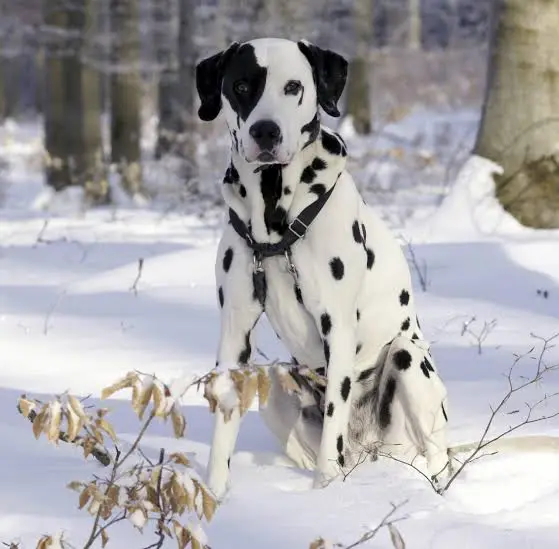
Dalmatian
Pointer
Dalmatian vs Pointer
Read full comparison →
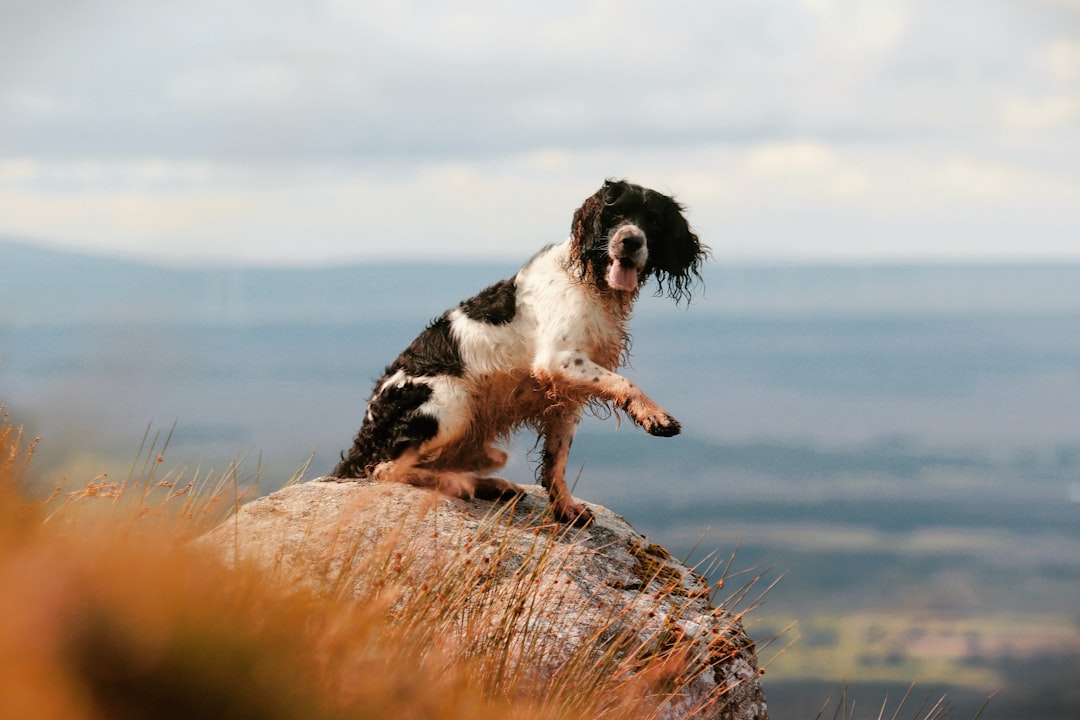
English Springer Spaniel
Cocker Spaniel
English Springer Spaniel vs Cocker Spaniel
Read full comparison →
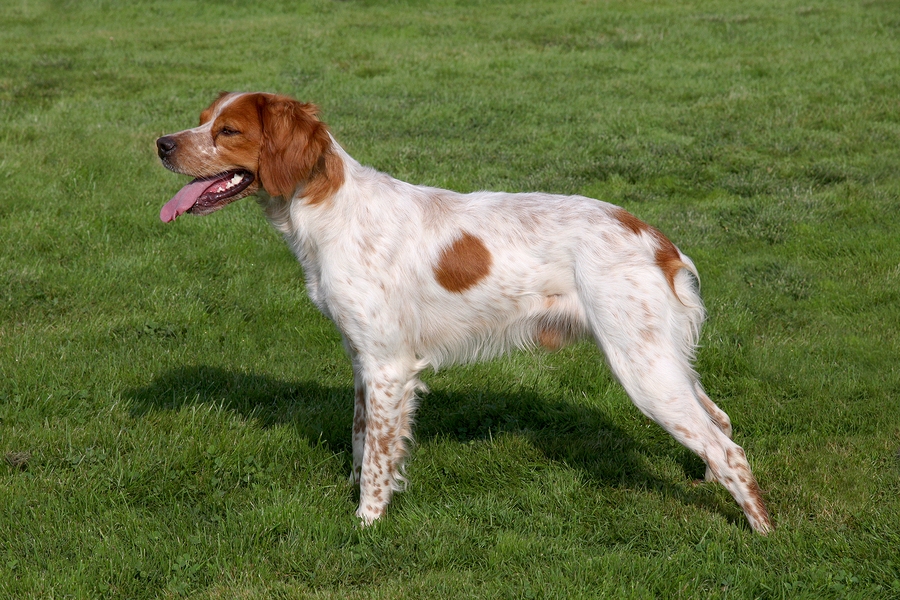
Brittany
English Springer Spaniel
Brittany vs English Springer Spaniel
Read full comparison →

Miniature Pinscher
Chihuahua
Miniature Pinscher vs Chihuahua
Read full comparison →
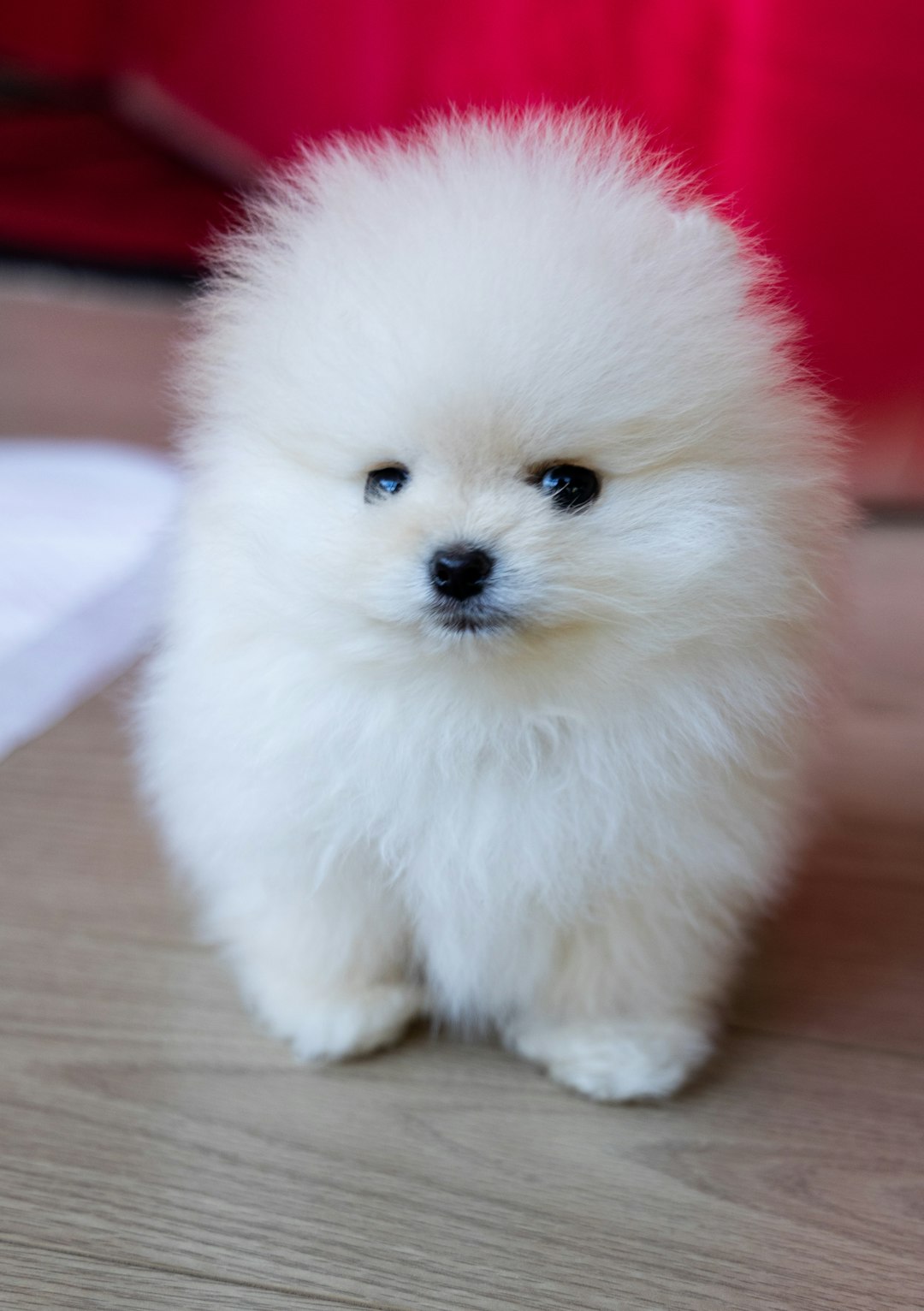
Pomeranian
Chihuahua
Pomeranian vs Chihuahua
Read full comparison →
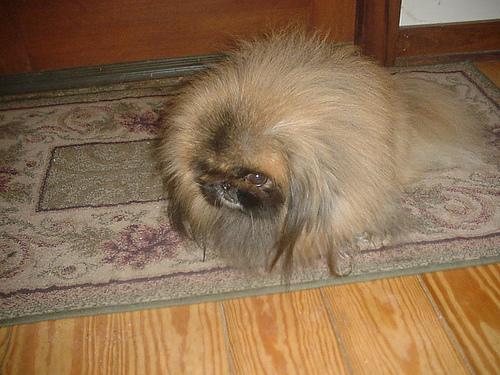
Pekinese
Shih Tzu
Pekinese vs Shih Tzu
Read full comparison →
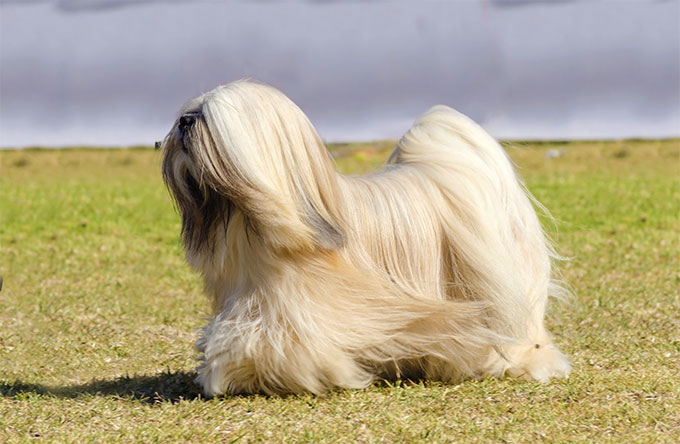
Lhasa Apso
Shih Tzu
Lhasa Apso vs Shih Tzu
Read full comparison →
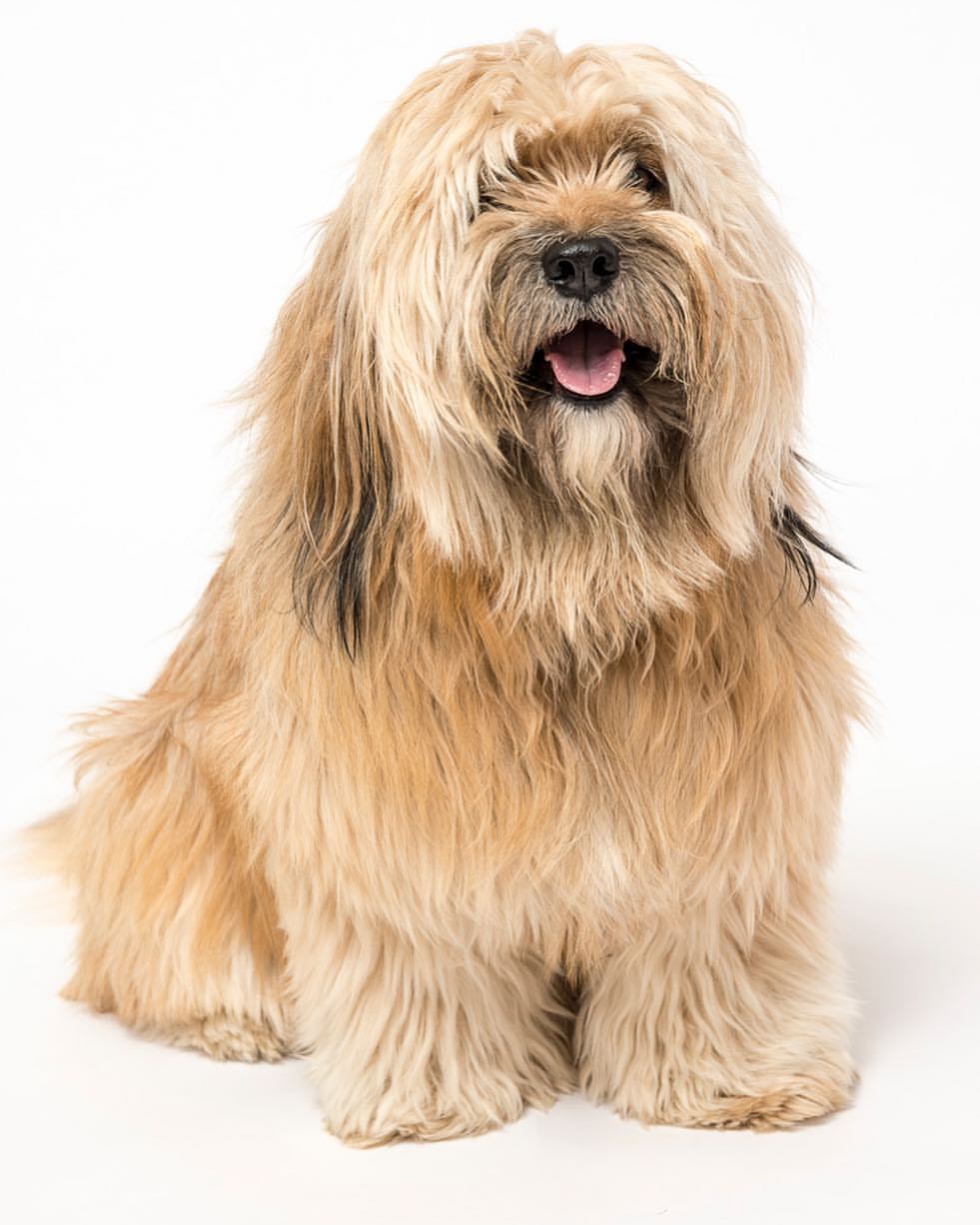
Tibetan Terrier
Lhasa Apso
Tibetan Terrier vs Lhasa Apso
Read full comparison →
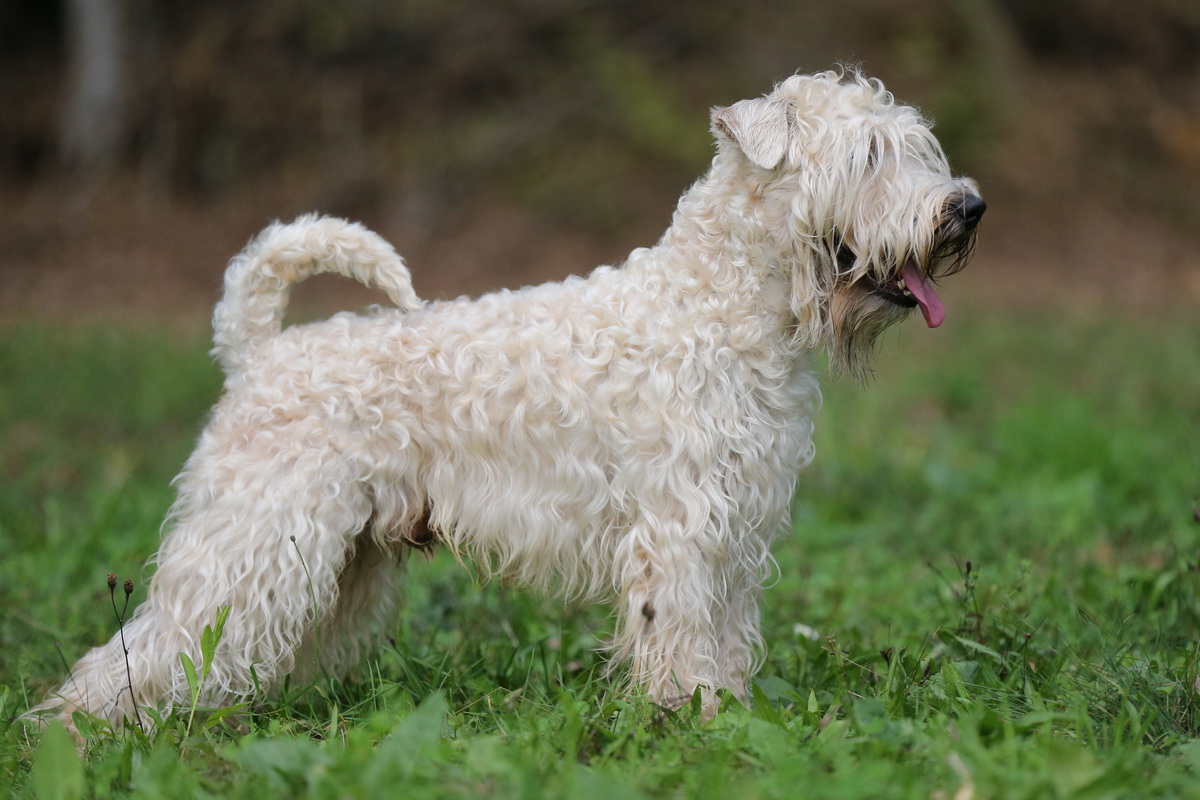
Soft Coated Wheaten Terrier
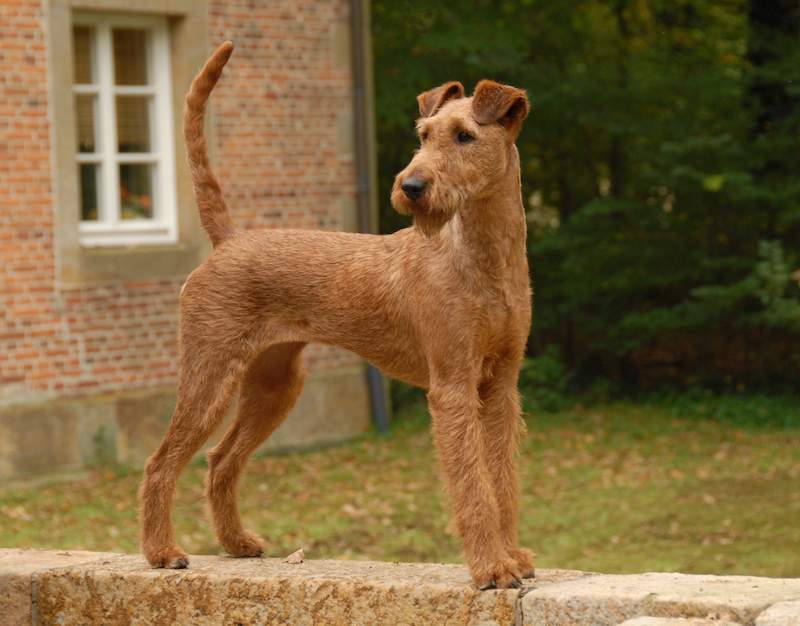
Irish Terrier
Soft Coated Wheaten Terrier vs Irish Terrier
Read full comparison →
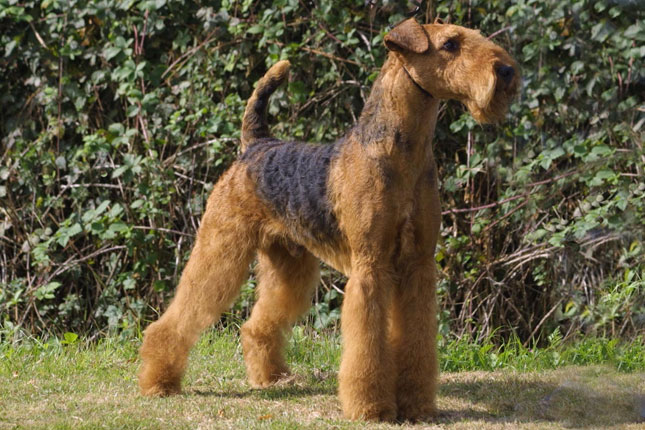
Airedale Terrier
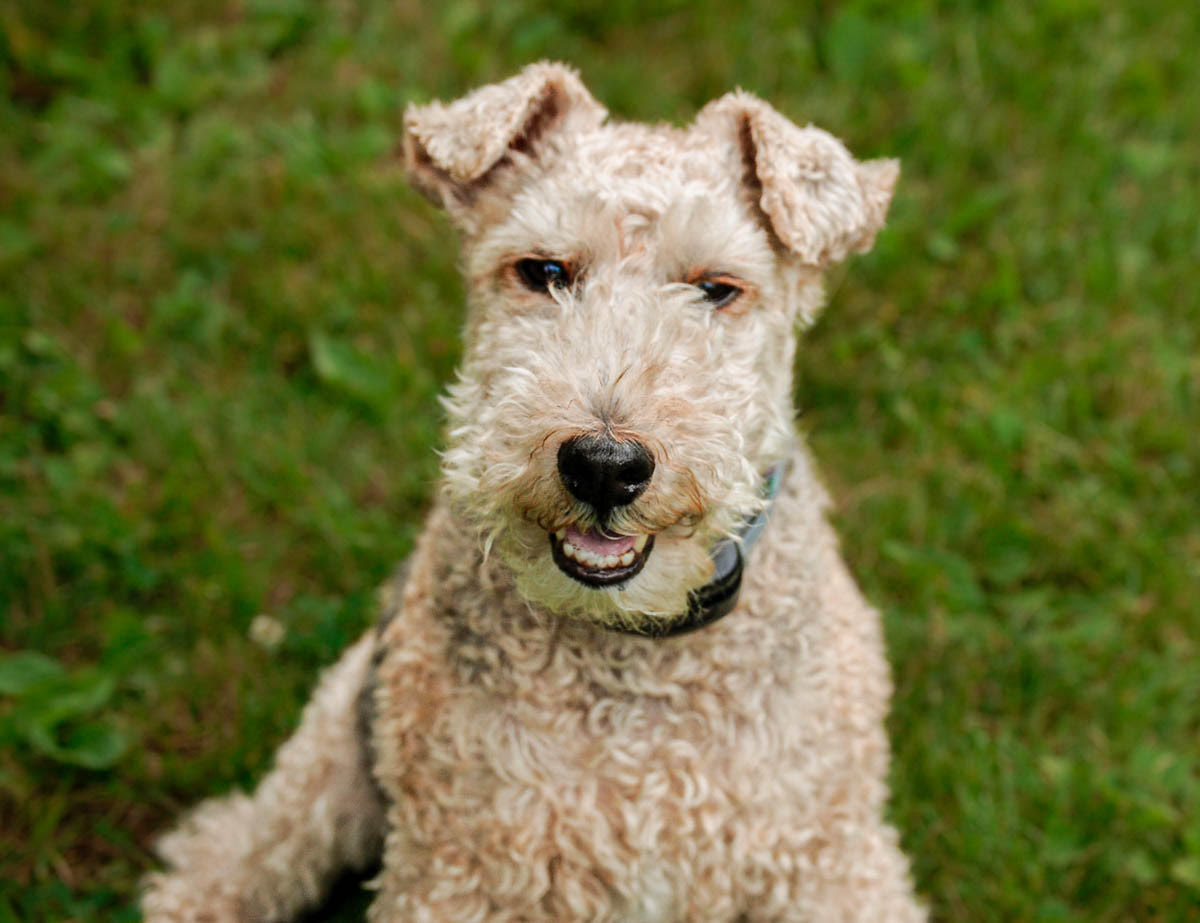
Welsh Terrier
Airedale Terrier vs Welsh Terrier
Read full comparison →
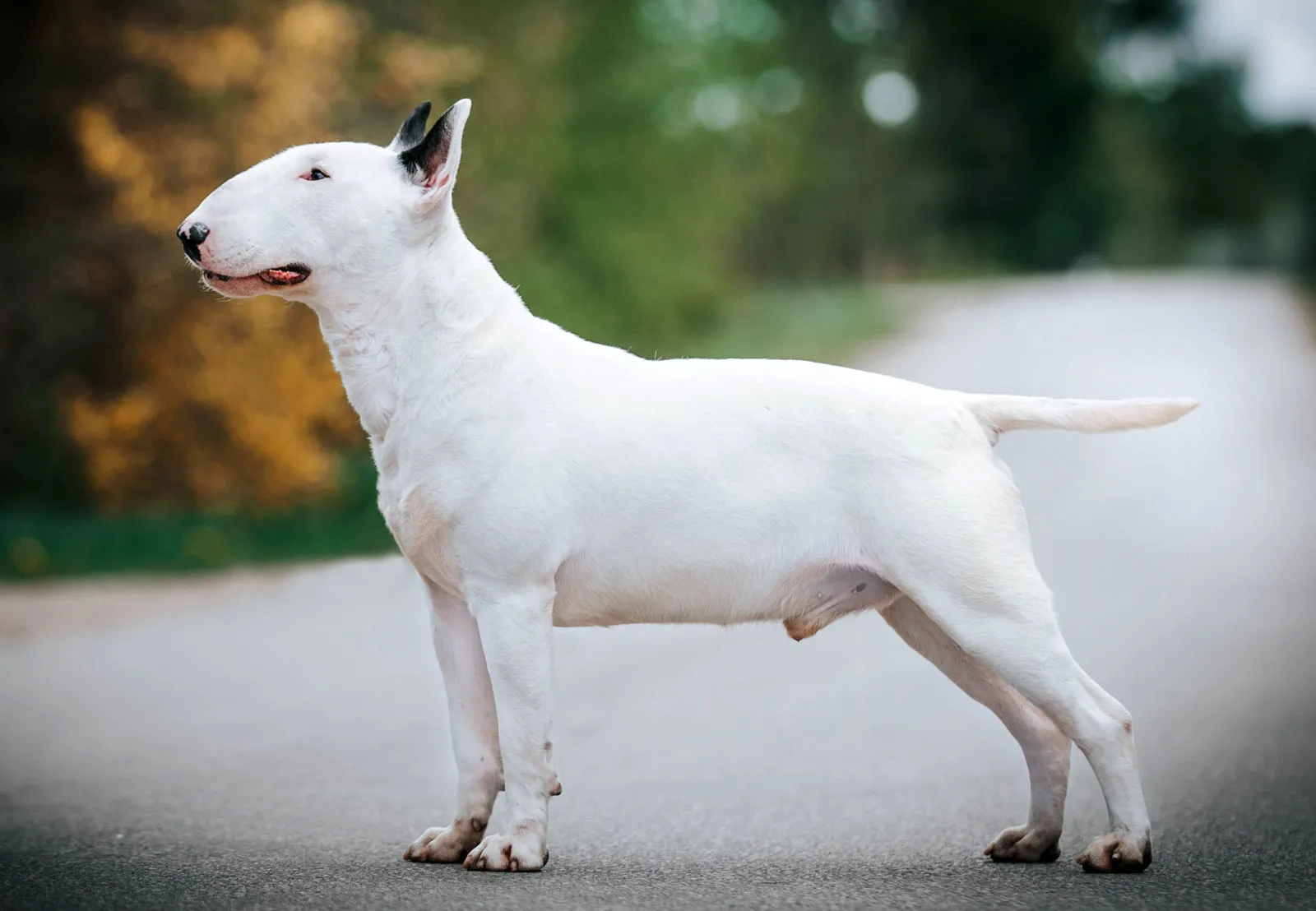
Bull Terrier
American Pit Bull Terrier
Bull Terrier vs American Pit Bull Terrier
Read full comparison →
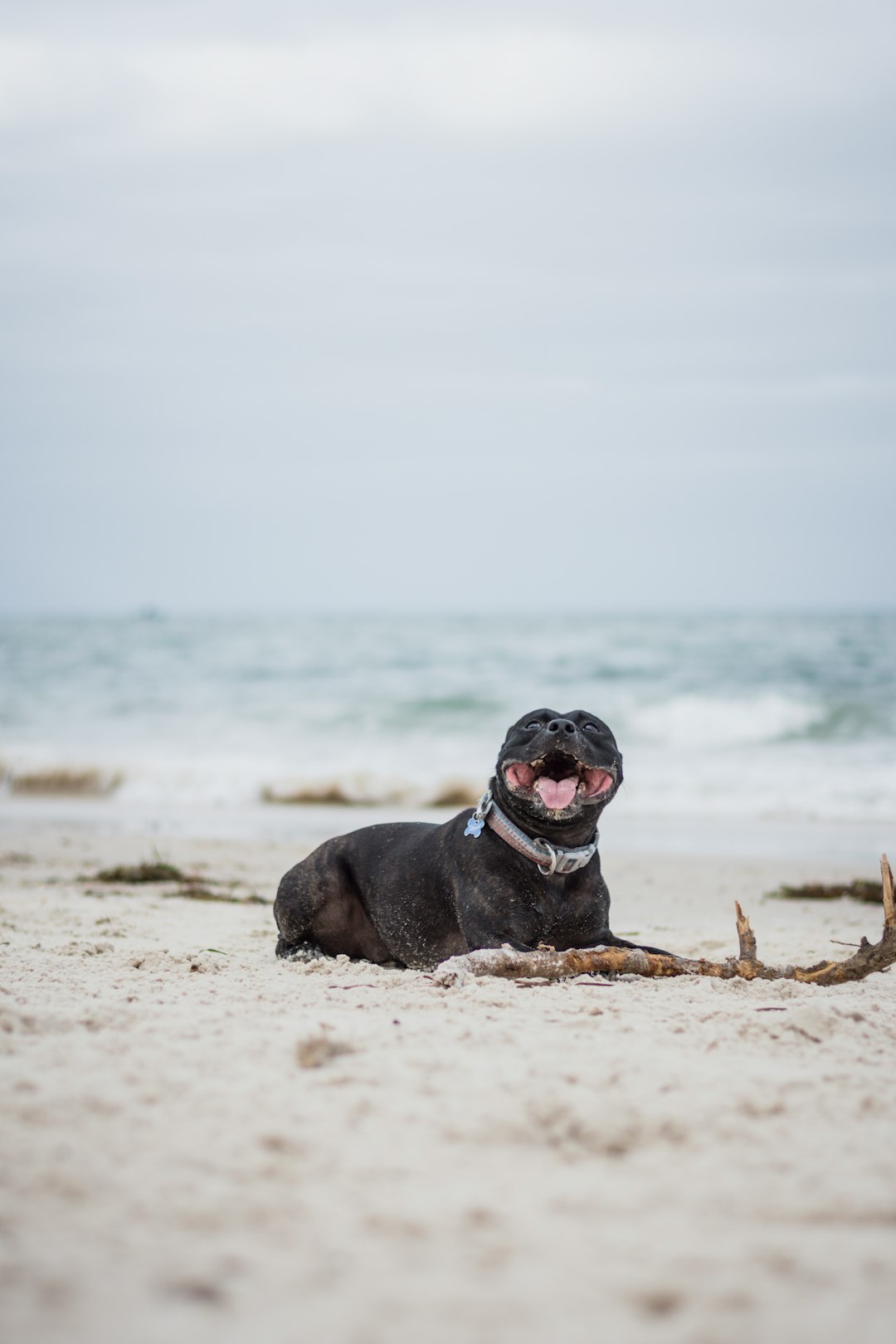
Staffordshire Bull Terrier
American Staffordshire Terrier
Staffordshire Bull Terrier vs American Staffordshire Terrier
Read full comparison →
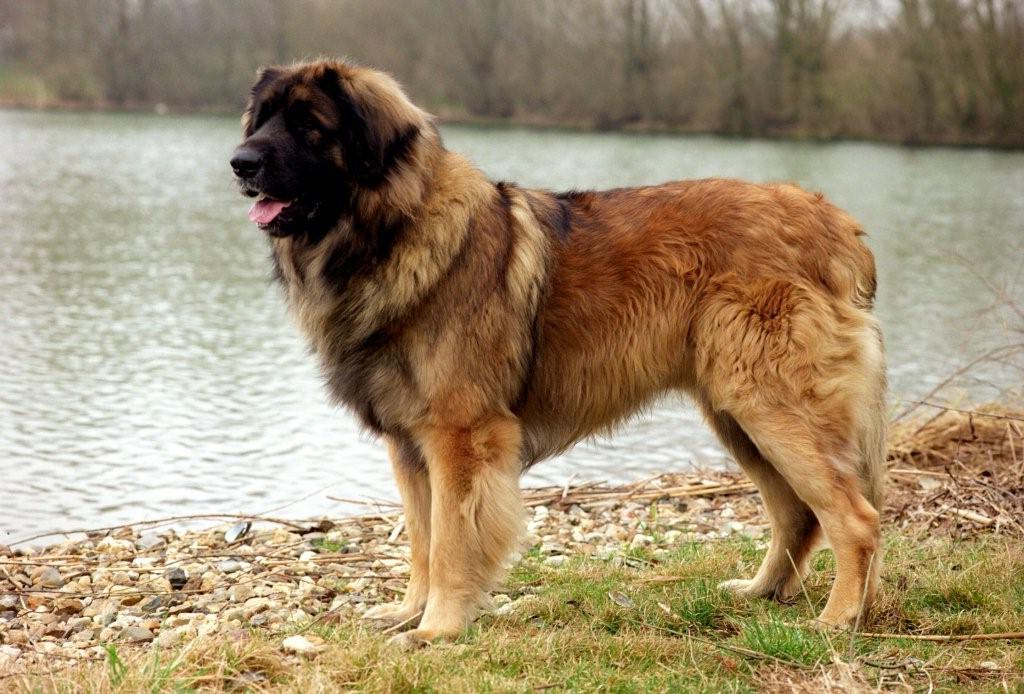
Leonberger
Newfoundland
Leonberger vs Newfoundland
Read full comparison →
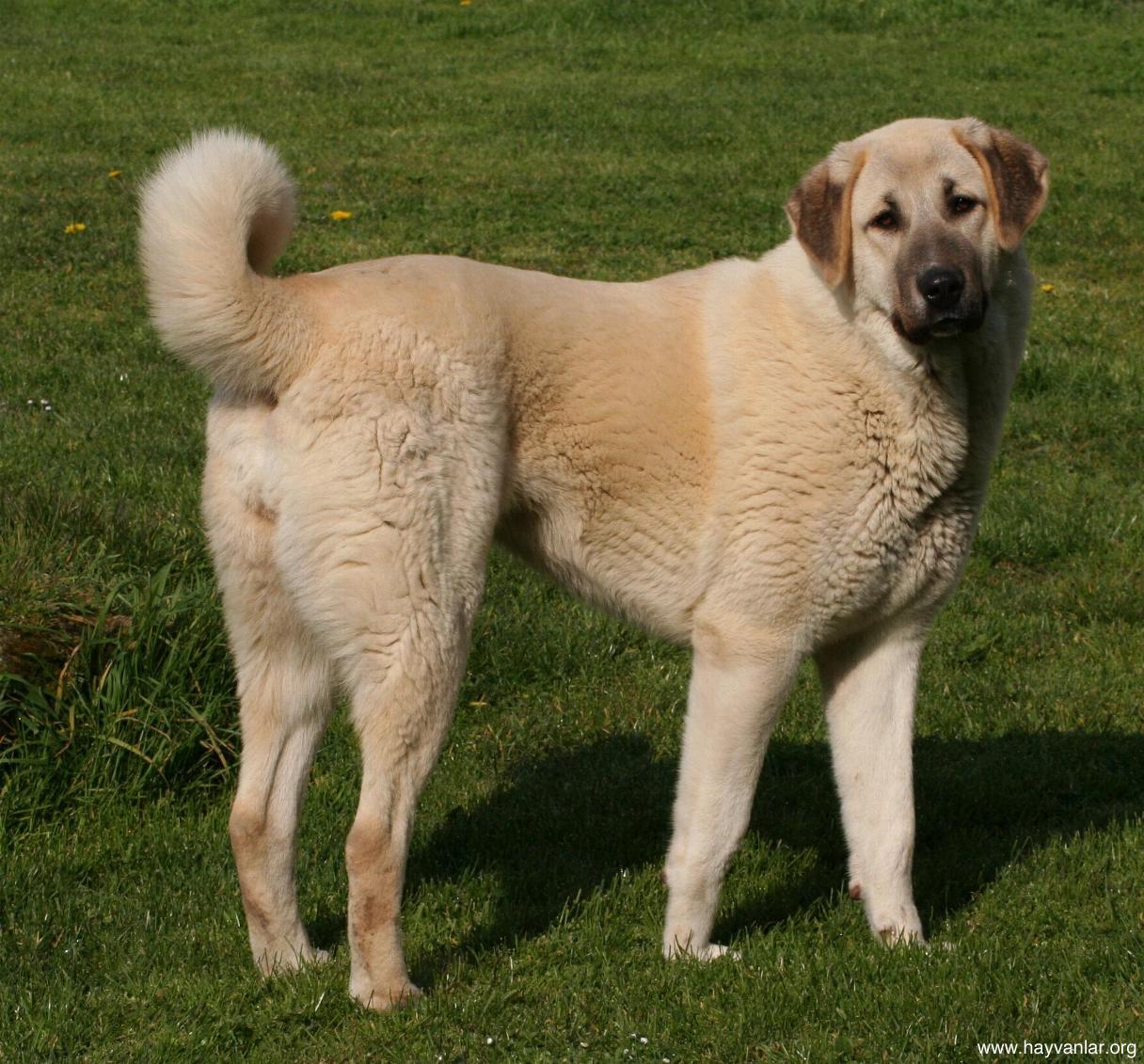
Anatolian Shepherd
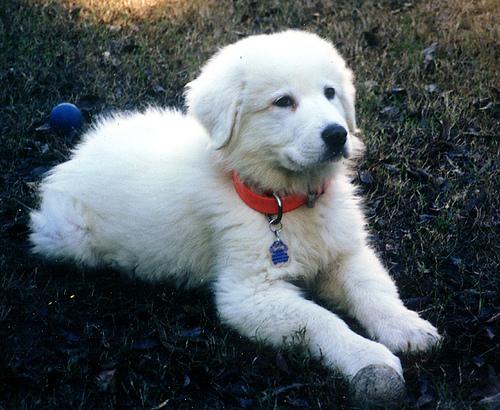
Great Pyrenees
Anatolian Shepherd vs Great Pyrenees
Read full comparison →
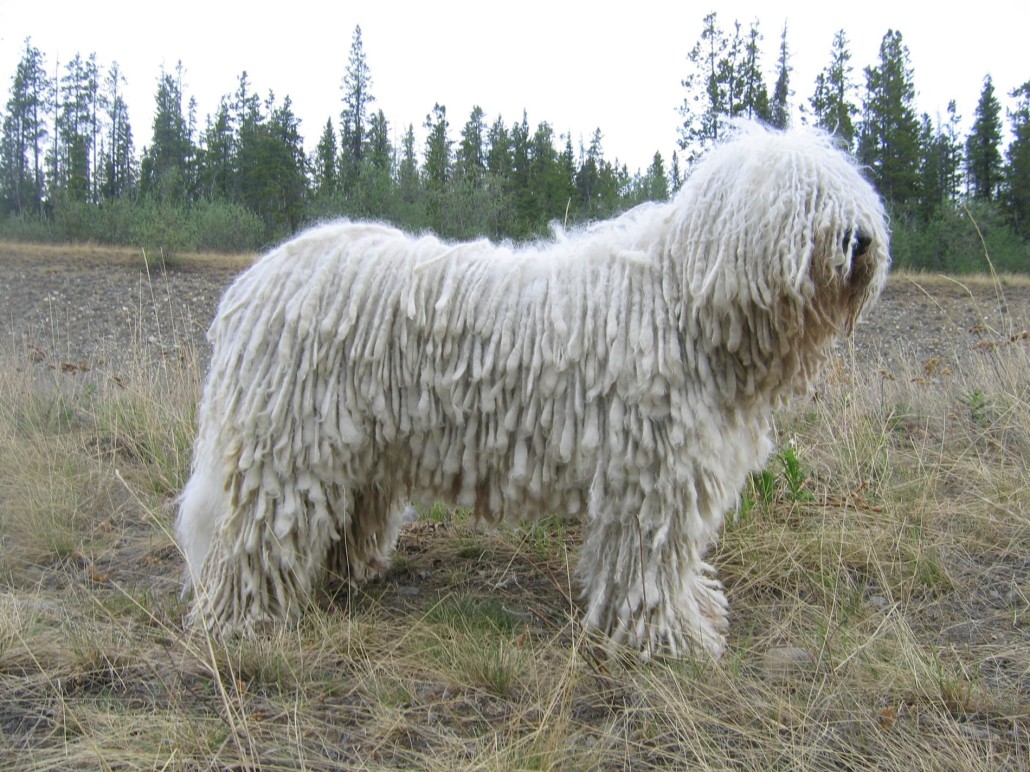
Komondor
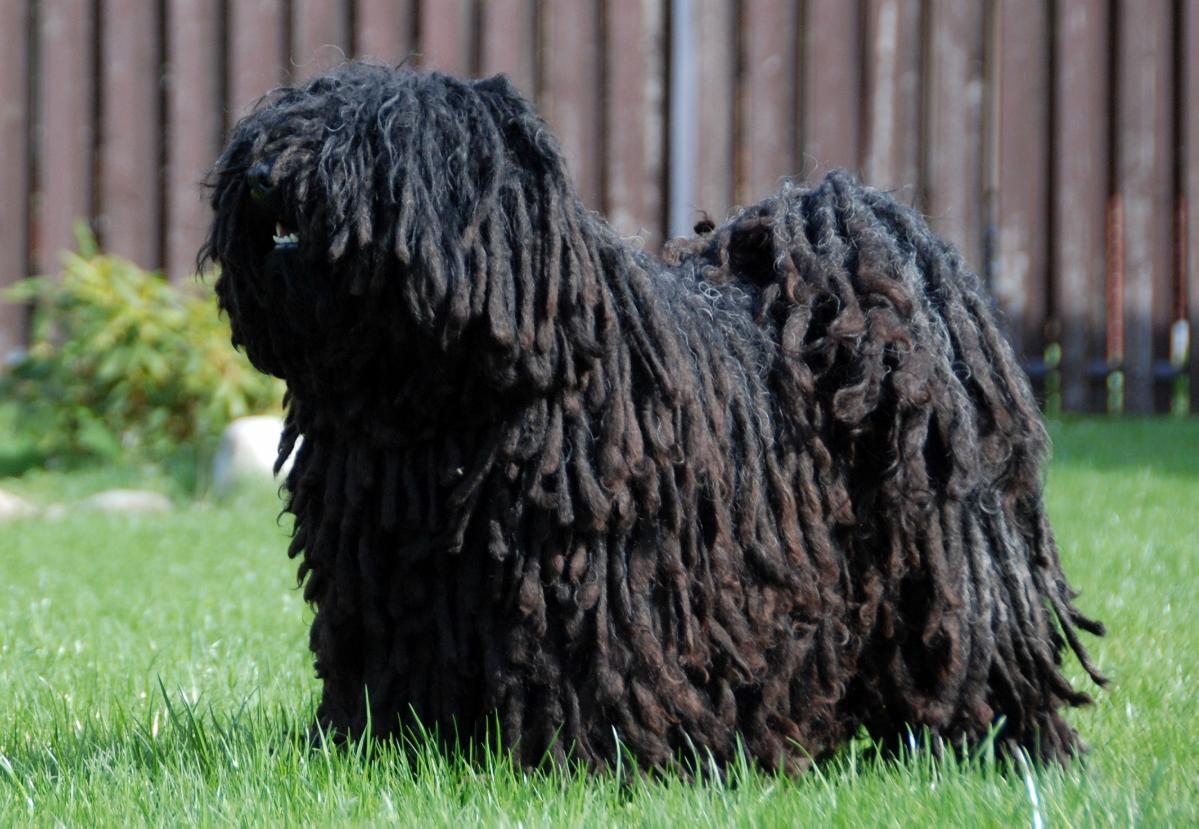
Puli
Komondor vs Puli
Read full comparison →
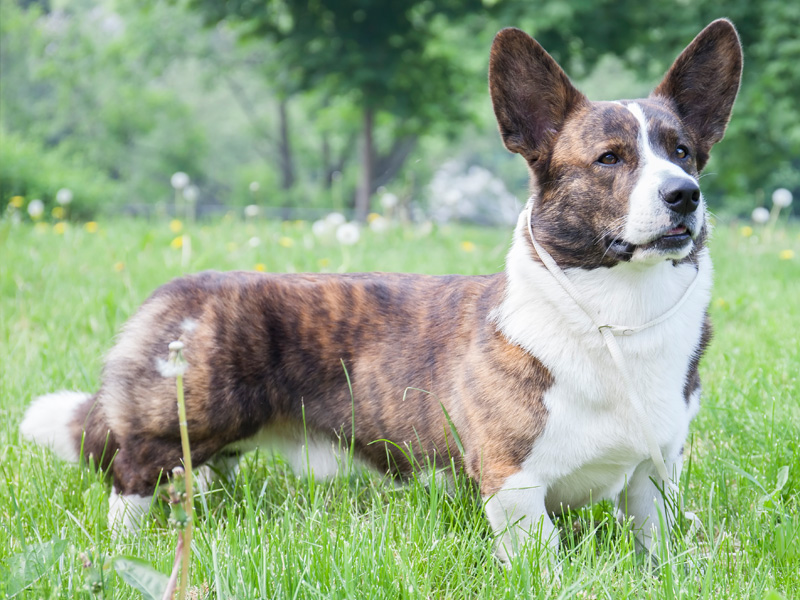
Cardigan Welsh Corgi
Pembroke Welsh Corgi
Cardigan Welsh Corgi vs Pembroke Welsh Corgi
Pembroke Welsh Corgis are more common and usually tailless; Cardigans are slightly larger with a full fox-like tail and a different front assembly.
Read full comparison →
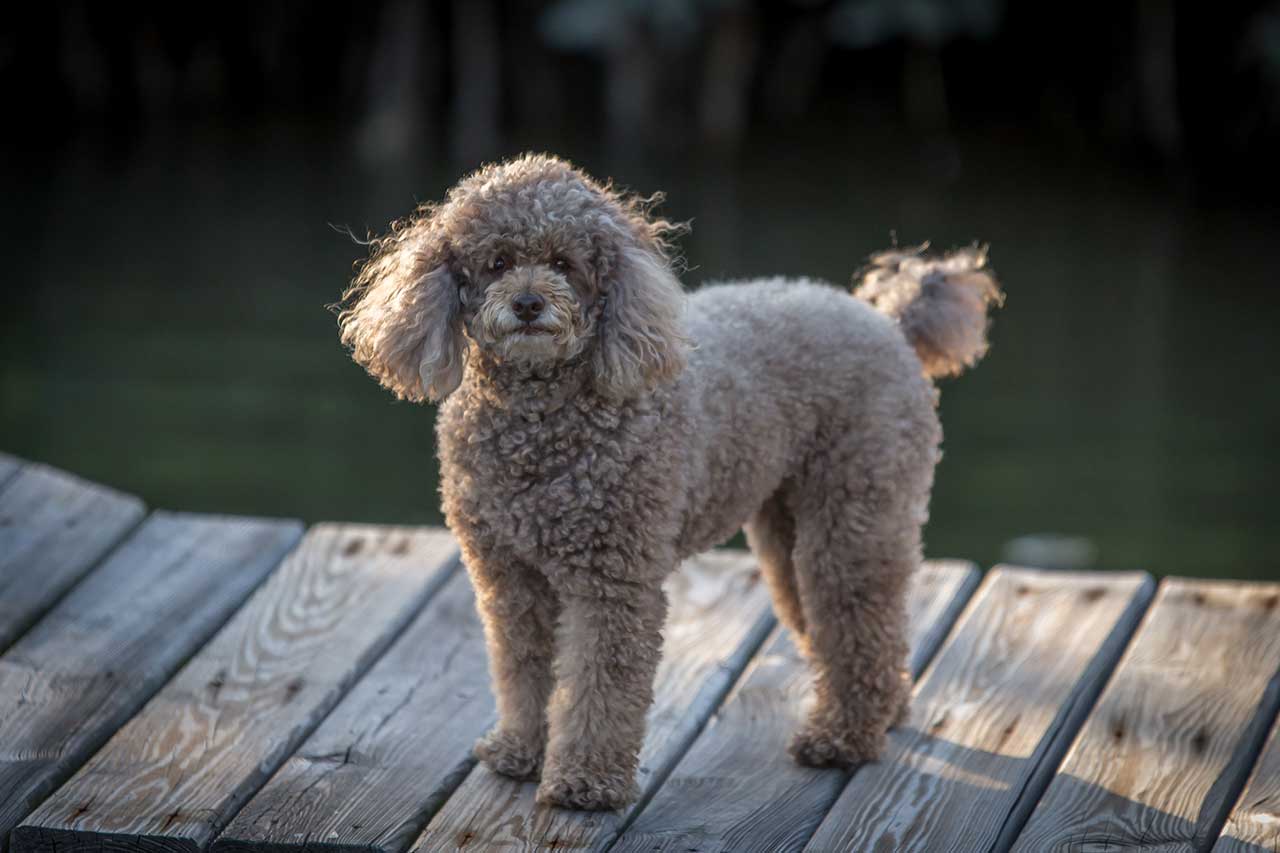
Poodle (Miniature)
Poodle (Standard)
Poodle (Miniature) vs Poodle (Standard)
Same smart, low-shed coat family—Standard Poodles are larger athletic companions; Miniatures fit smaller homes with similar grooming needs.
Read full comparison →
Poodle (Miniature)
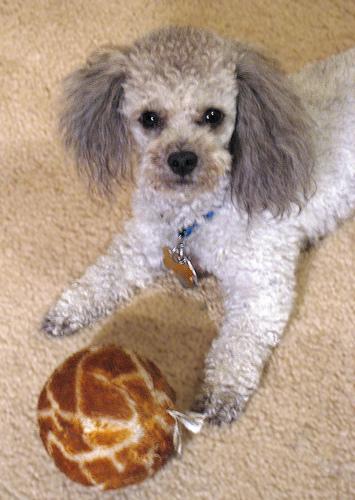
Poodle
Poodle (Miniature) vs Poodle
Toy Poodles are the smallest variety; Miniatures offer a bit more substance while keeping apartment-friendly size and curly coat care.
Read full comparison →
Miniature Schnauzer
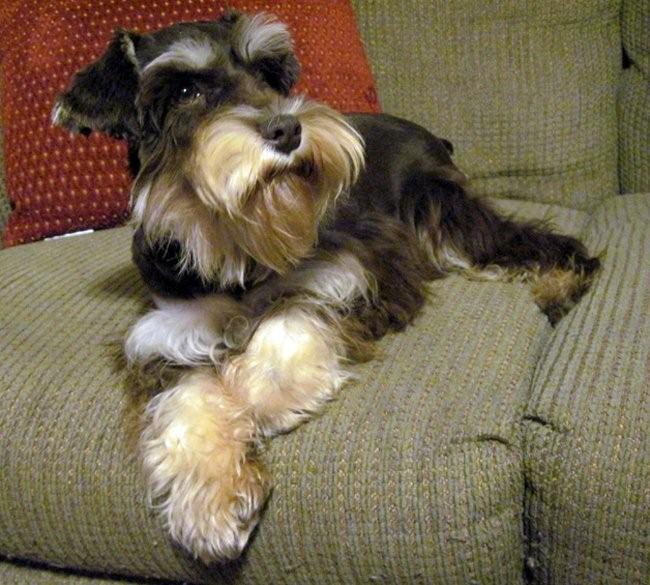
Standard Schnauzer
Miniature Schnauzer vs Standard Schnauzer
Both are wiry, bearded watchdogs; Miniatures are compact companion size, while Standards are medium working dogs with more exercise drive.
Read full comparison →
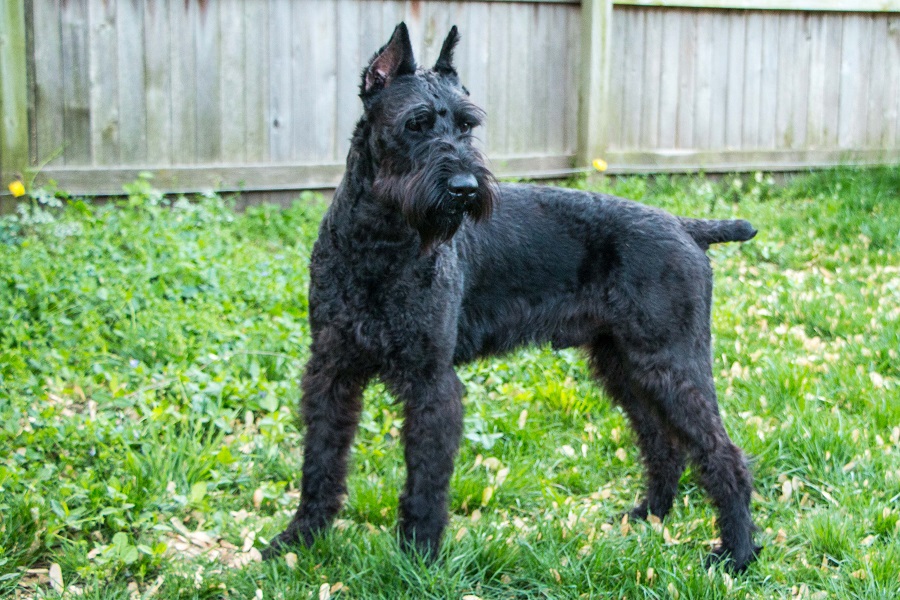
Giant Schnauzer
Standard Schnauzer
Giant Schnauzer vs Standard Schnauzer
Giant Schnauzers scale up power and guarding instinct; Standards stay more moderate for experienced owners who still want a working partner.
Read full comparison →
Australian Shepherd
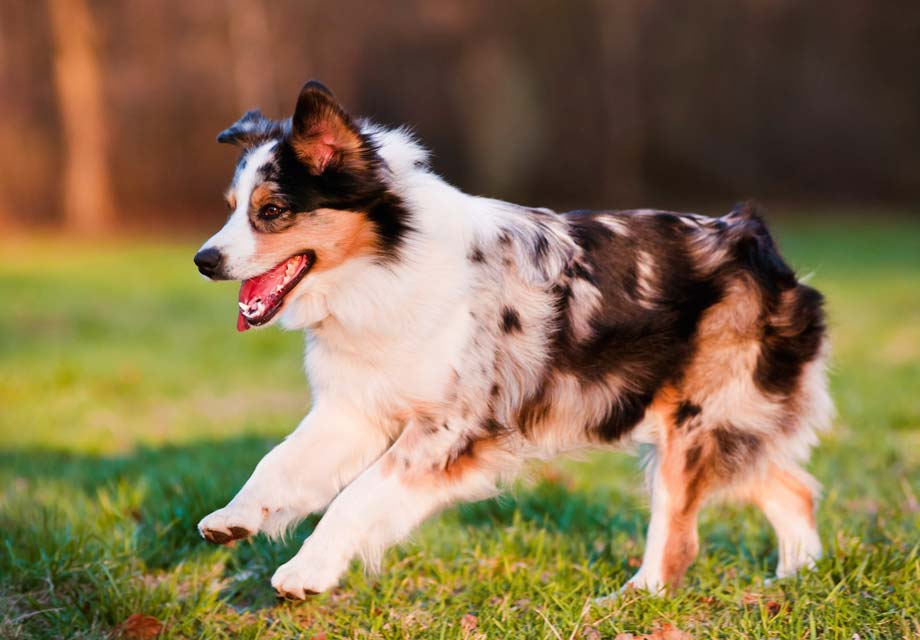
Miniature American Shepherd
Australian Shepherd vs Miniature American Shepherd
Miniature American Shepherds keep Aussie brains in a smaller package—still high drive, but easier to house than a full-size Australian Shepherd.
Read full comparison →
Border Collie
Shetland Sheepdog
Border Collie vs Shetland Sheepdog
Shelties look like mini Collies with herding energy; Border Collies usually need even more intense mental work and job-like outlets.
Read full comparison →
Border Collie
Collie
Border Collie vs Collie
Rough Collies are typically softer family herders; Border Collies are sharper working dogs that demand daily training and stimulation.
Read full comparison →
Australian Cattle Dog
Border Collie
Australian Cattle Dog vs Border Collie
Both are intense workers. Cattle Dogs are tougher heelers built for ranch durability; Border Collies excel at precision eye-stalk herding and sports.
Read full comparison →
Australian Cattle Dog
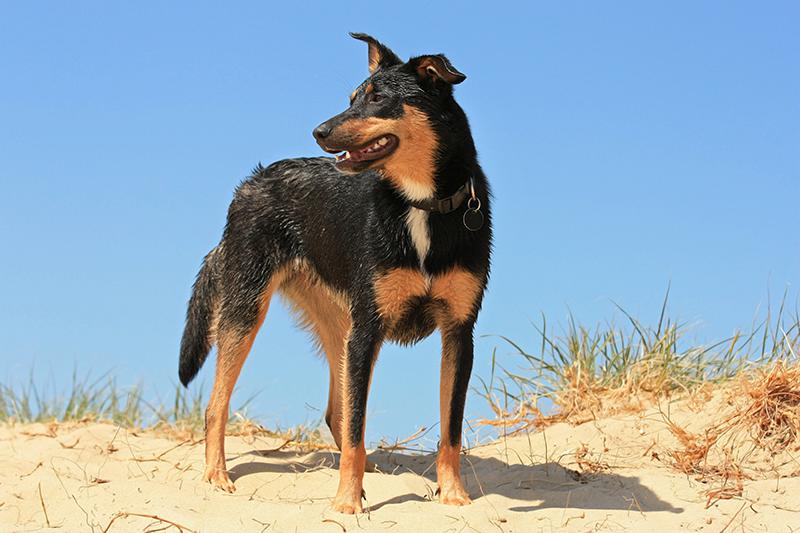
Australian Kelpie
Australian Cattle Dog vs Australian Kelpie
Kelpies and Heelers are both Australian stock dogs—Kelpies lean leaner and more sheep-oriented; Cattle Dogs are stockier with strong heeling instincts.
Read full comparison →
Australian Cattle Dog
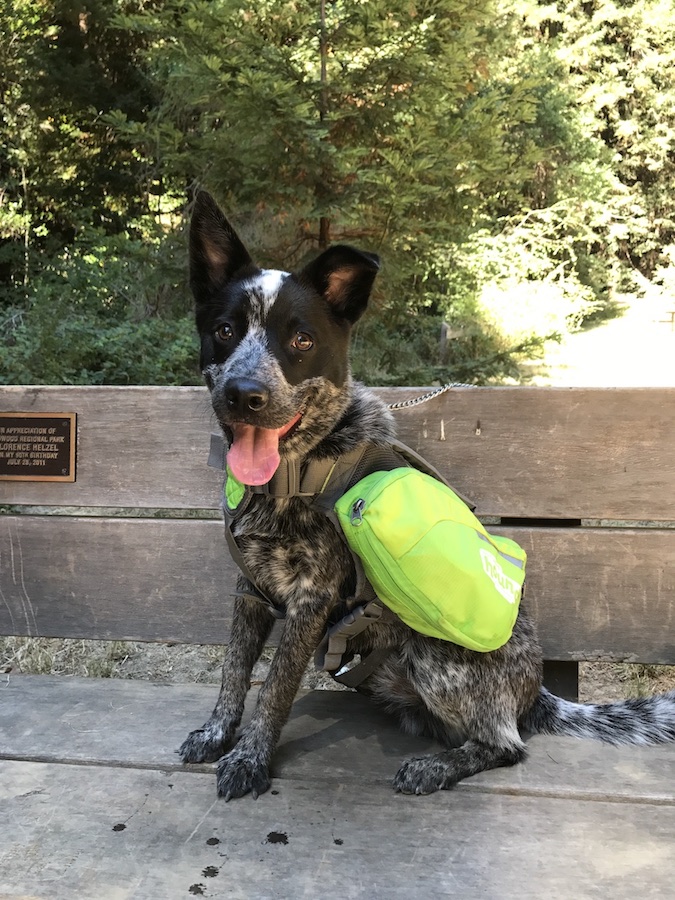
Catahoula Leopard Dog
Australian Cattle Dog vs Catahoula Leopard Dog
Catahoulas are versatile Southern hunting/herding dogs often spotted; Australian Cattle Dogs are classic heelers with a denser working reputation in ranch homes.
Read full comparison →
Anatolian Shepherd
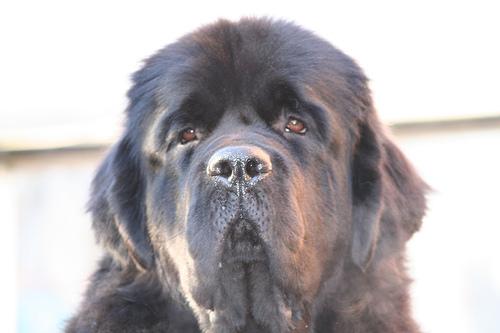
Kangal Dog
Anatolian Shepherd vs Kangal Dog
Both are livestock guardian giants. Kangals are famed for powerful bite force and flock defense; Anatolians are closely related independent guardians needing space and experience.
Read full comparison →
Great Pyrenees
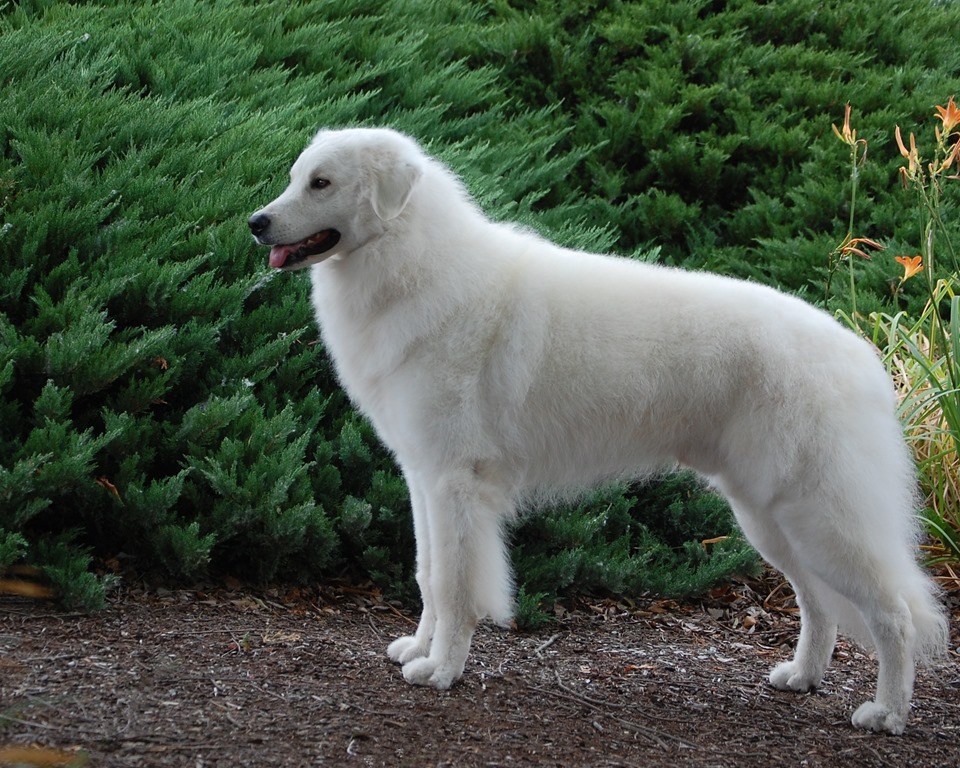
Kuvasz
Great Pyrenees vs Kuvasz
White livestock guardians with serious independence—Pyrs are iconic flock dogs in North America; Kuvaszok are Hungarian guardians with a similarly protective streak.
Read full comparison →
Bernese Mountain Dog
Great Pyrenees
Bernese Mountain Dog vs Great Pyrenees
Berners are affectionate tri-color family dogs with shorter lifespans; Great Pyrenees are fluffier nocturnal guardians that bark more and prefer a job.
Read full comparison →
Bernese Mountain Dog
Saint Bernard
Bernese Mountain Dog vs Saint Bernard
Both are gentle mountain giants. Bernese have longer coats and carting history; Saint Bernards are heavier rescue-type companions with different heat and drool needs.
Read full comparison →
Great Pyrenees
Newfoundland
Great Pyrenees vs Newfoundland
Newfoundlands are water-loving, drooly family gentle giants; Great Pyrenees are drier-coated guardians that patrol and bark more independently.
Read full comparison →
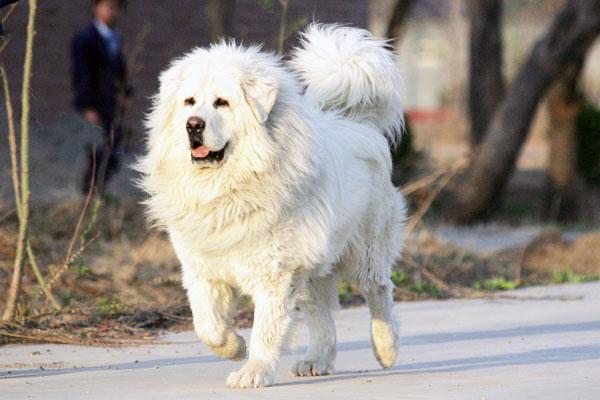
Bullmastiff
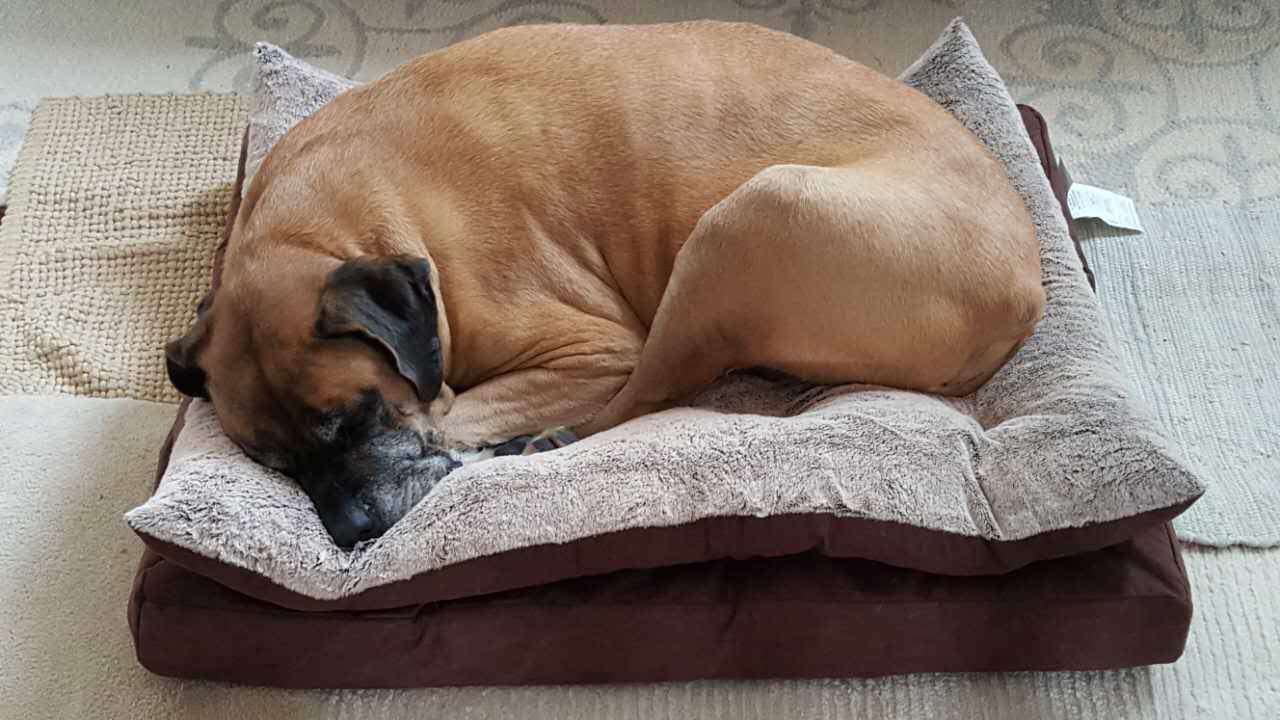
English Mastiff
Bullmastiff vs English Mastiff
English Mastiffs are heavier and often calmer couch companions; Bullmastiffs were bred as estate guardians—still massive, usually a bit more agile and watchful.
Read full comparison →
Cane Corso
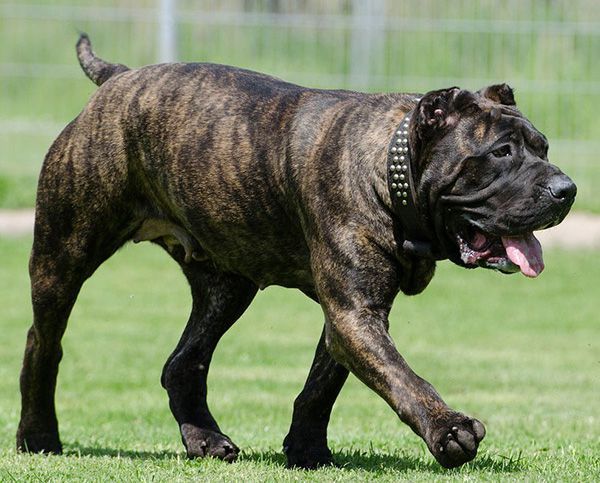
Presa Canario
Cane Corso vs Presa Canario
Powerful mastiff-type guardians. Corsos are Italian versatile protectors; Presas (Perro de Presa Canario) are Canary Island cattle/guard dogs needing highly experienced homes.
Read full comparison →
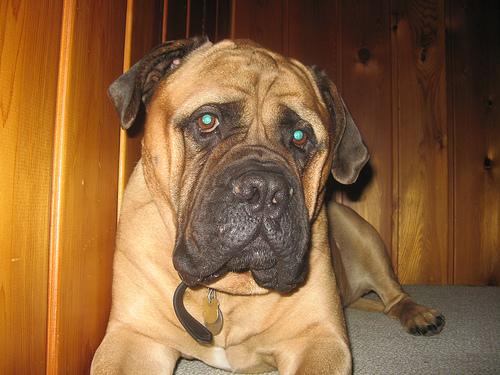
Boerboel
Cane Corso
Boerboel vs Cane Corso
South African Boerboels and Italian Corsos are both muscular family guardians—expect serious training, socialization, and secure fencing either way.
Read full comparison →
Cane Corso
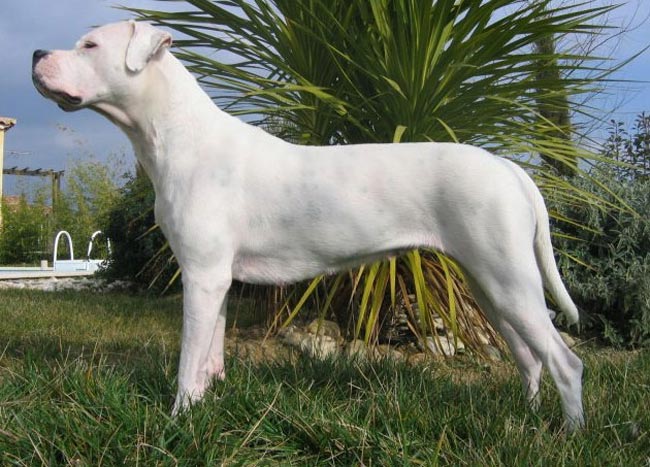
Dogo Argentino
Cane Corso vs Dogo Argentino
Corsos lean mastiff guardian; Dogos are white athletic hunting companions—both powerful, both for experienced handlers who understand breed laws and drive.
Read full comparison →
Dogo Argentino
Presa Canario
Dogo Argentino vs Presa Canario
Two strong working molossers often researched together—Dogos for big-game hunting athleticism, Presas for cattle/guard roots. Neither is a casual first dog.
Read full comparison →
Great Dane
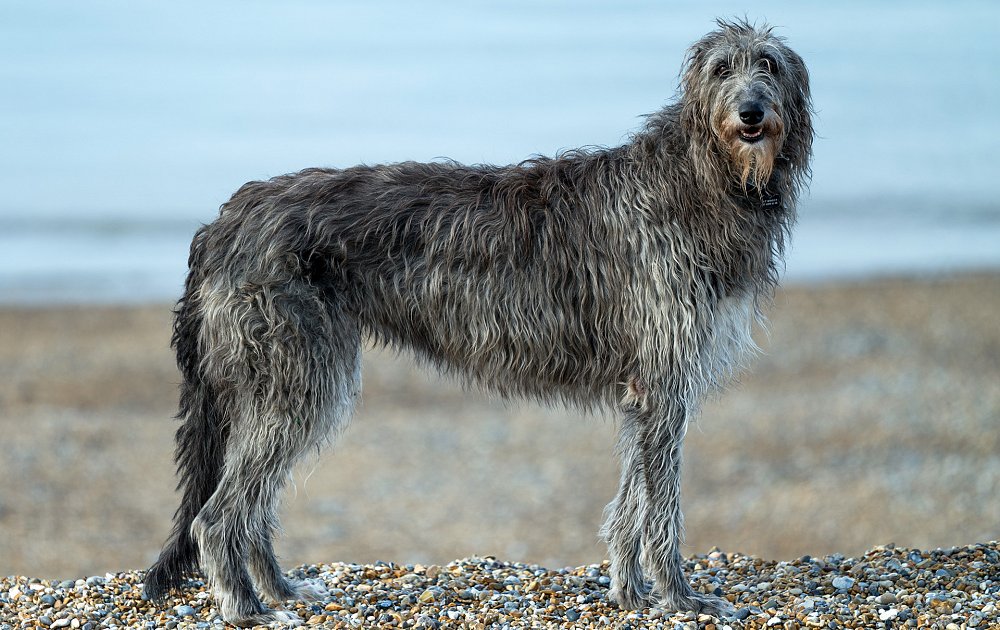
Irish Wolfhound
Great Dane vs Irish Wolfhound
Towering sighthound vs towering mastiff type: Wolfhounds are wiry runners with gentle manners; Danes are smoother-coated giants with different joint and lifespan tradeoffs.
Read full comparison →
Irish Wolfhound
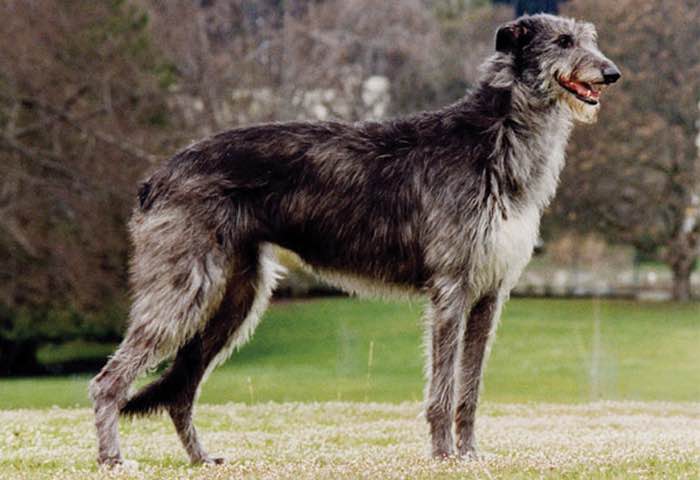
Scottish Deerhound
Irish Wolfhound vs Scottish Deerhound
Closely related giant sighthounds—Wolfhounds are usually taller and more imposing; Deerhounds are slightly finer, equally devoted to soft couches and long strides.
Read full comparison →
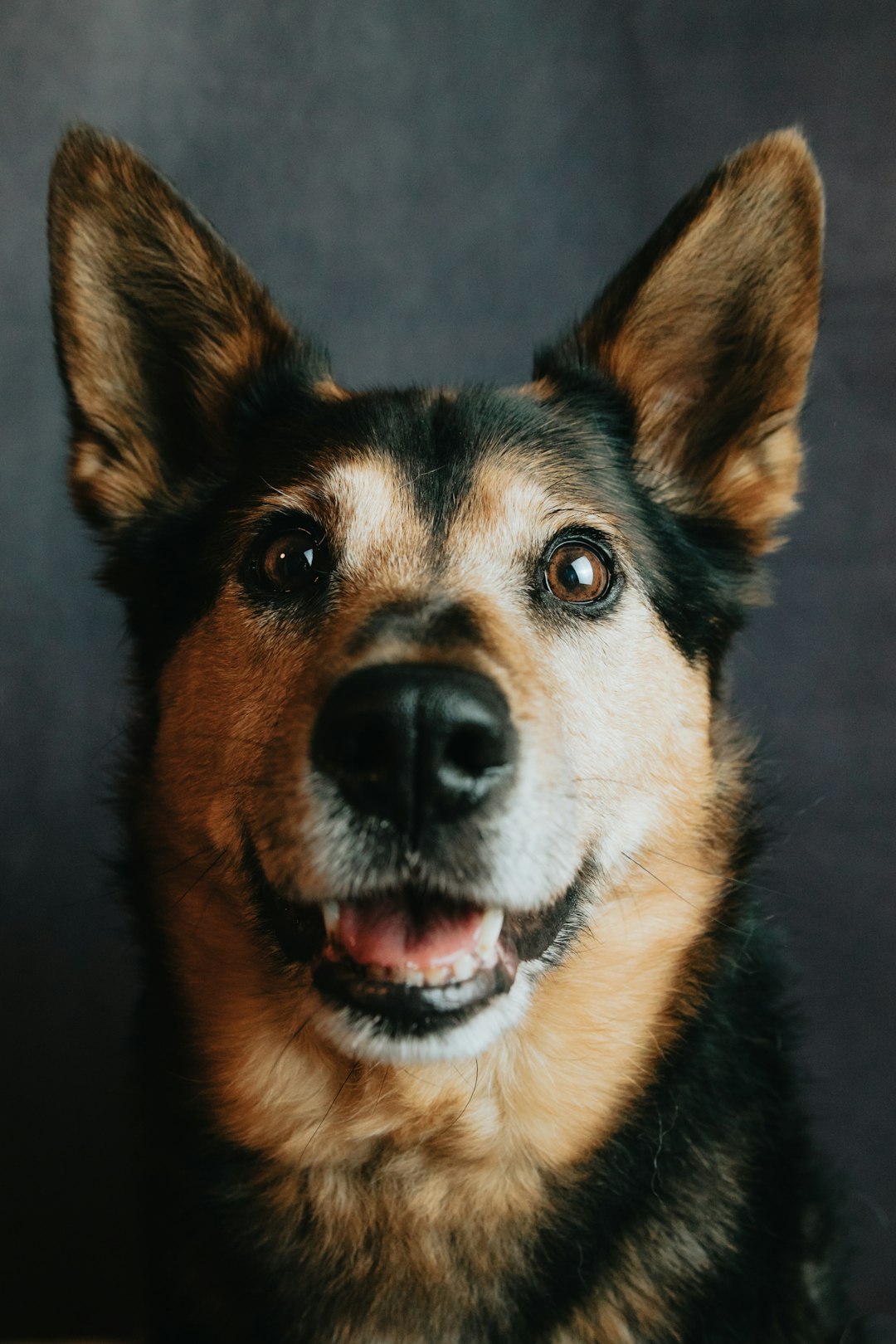
Flat Coated Retriever
Golden Retriever
Flat Coated Retriever vs Golden Retriever
Flat-Coats are often called the ‘happy’ black or liver retriever—similar family energy to Goldens with a sleeker coat and a reputation for prolonged puppyhood.
Read full comparison →

Chesapeake Bay Retriever
Labrador Retriever
Chesapeake Bay Retriever vs Labrador Retriever
Chessies are tougher, more protective waterfowl dogs with oily coats; Labs are generally more outgoing and beginner-friendly for families.
Read full comparison →
Golden Retriever
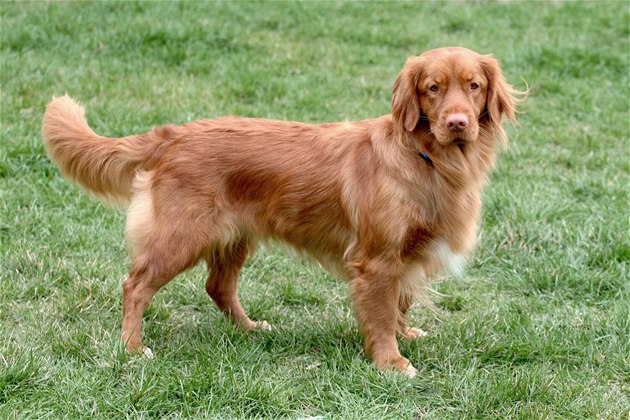
Nova Scotia Duck Tolling Retriever
Golden Retriever vs Nova Scotia Duck Tolling Retriever
Tollers are fox-red compact retrievers with big personalities; Goldens are larger, usually softer family icons with heavier shedding.
Read full comparison →
Poodle (Standard)
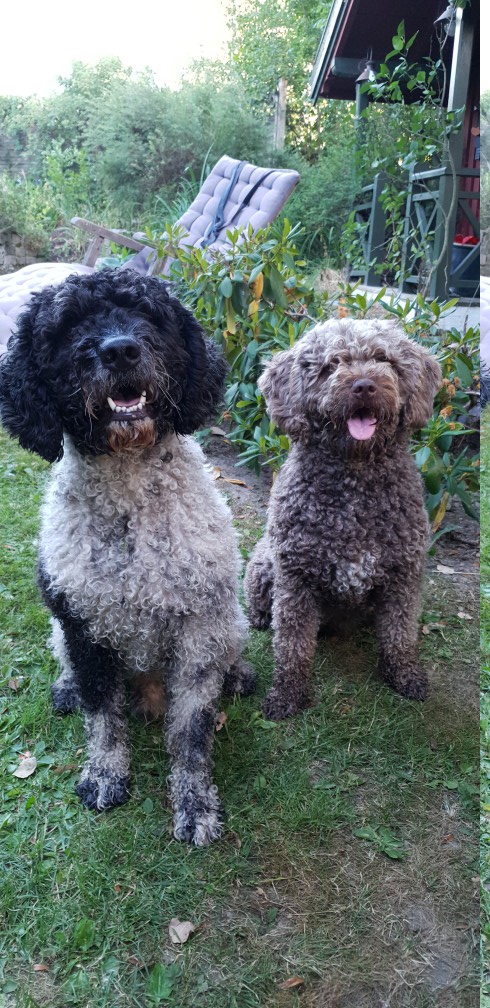
Portuguese Water Dog
Poodle (Standard) vs Portuguese Water Dog
Both are athletic, often low-shed water dogs. Poodles come in three sizes with classic clips; Portuguese Water Dogs are medium sailors with wavy or curly coats.
Read full comparison →
Portuguese Water Dog
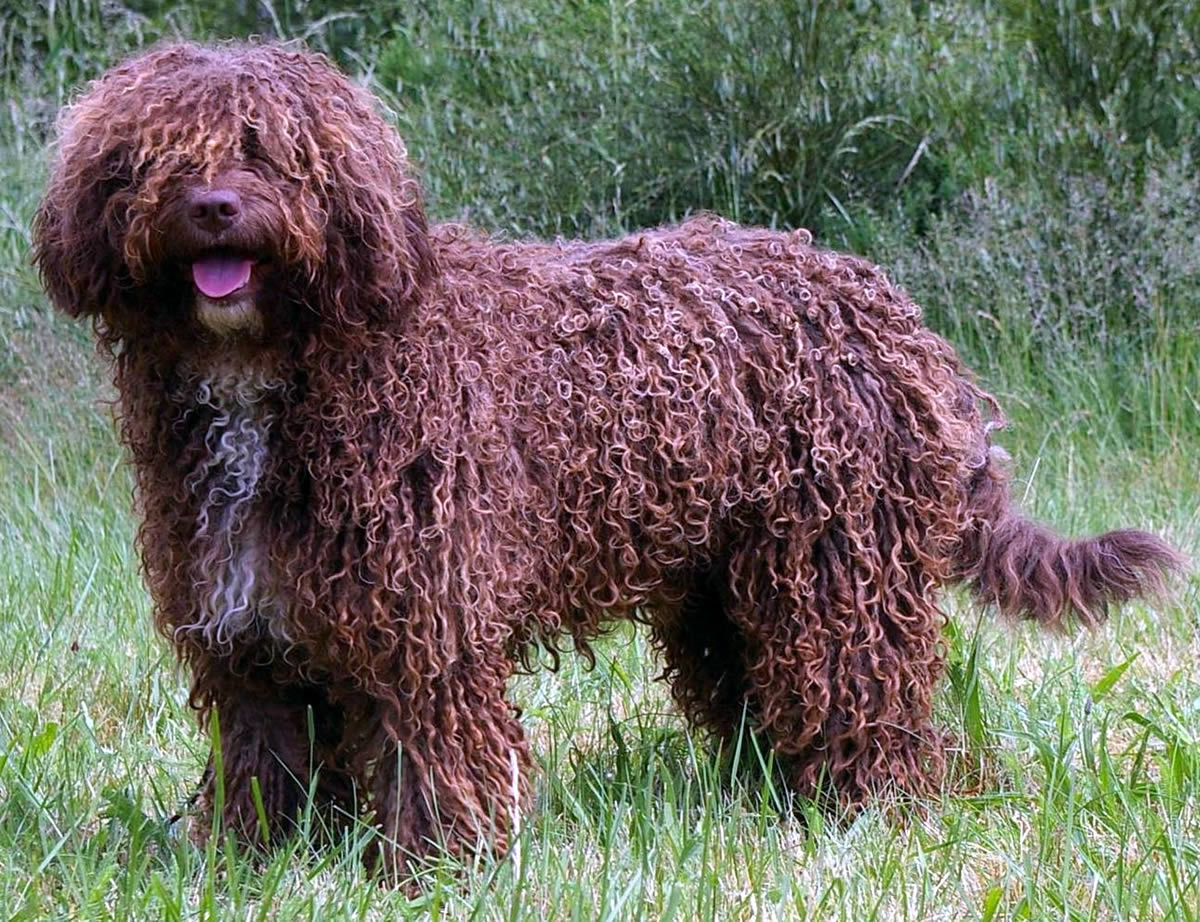
Spanish Water Dog
Portuguese Water Dog vs Spanish Water Dog
Iberian water workers with curly coats—Portuguese Water Dogs are better known in the U.S.; Spanish Water Dogs are rustic herders/hunters with similar grooming.
Read full comparison →
Brittany
German Shorthaired Pointer
Brittany vs German Shorthaired Pointer
Brittany are smaller orange-and-white bird dogs; GSPs are larger high-octane pointers—both need serious daily exercise.
Read full comparison →
German Shorthaired Pointer
Vizsla
German Shorthaired Pointer vs Vizsla
Vizslas are velcro rust-colored companions; GSPs are often slightly more independent versatile hunters—both are high-energy athletes.
Read full comparison →
German Shorthaired Pointer
Weimaraner
German Shorthaired Pointer vs Weimaraner
Weimaraners are gray “velvet rockets”; GSPs are liver/pointer patterned all-purpose hunters. Expect miles of exercise for either.
Read full comparison →
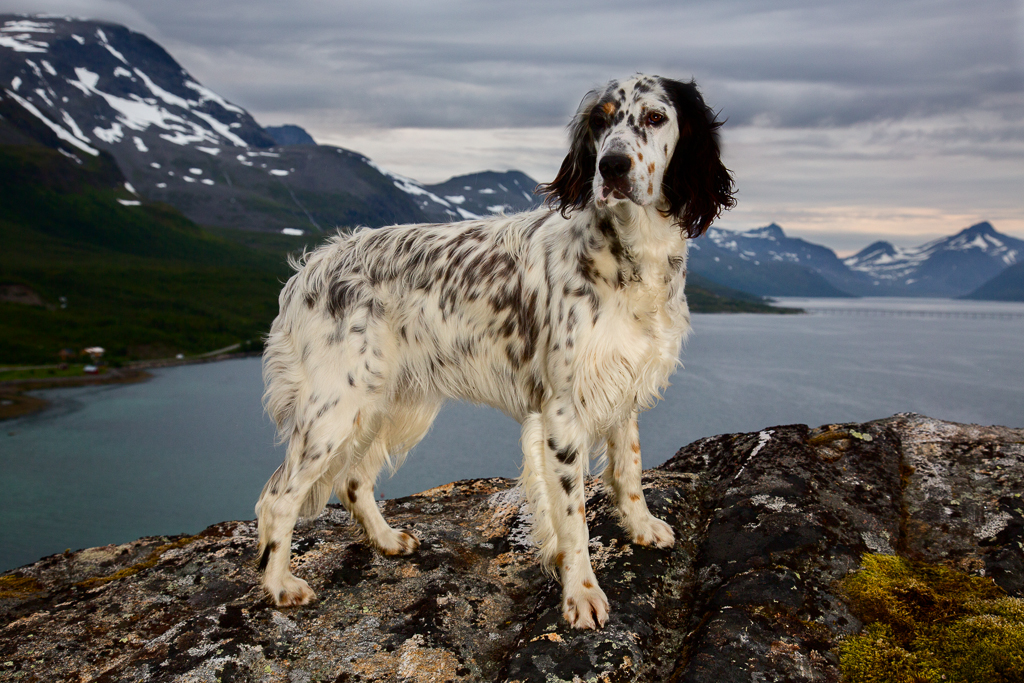
English Setter
Irish Setter
English Setter vs Irish Setter
Irish Setters are flashy red and often more exuberant; English Setters are speckled “belton” bird dogs with a slightly softer field-companion vibe.
Read full comparison →
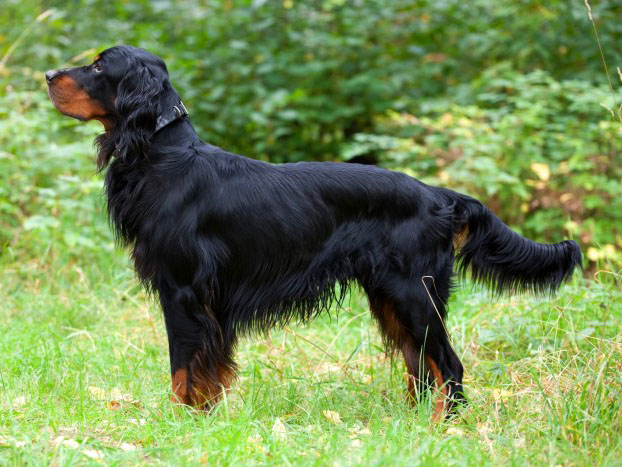
Gordon Setter
Irish Setter
Gordon Setter vs Irish Setter
Gordon Setters are black-and-tan and usually heavier-boned; Irish Setters are lighter red runners—both need training and field-level exercise.
Read full comparison →
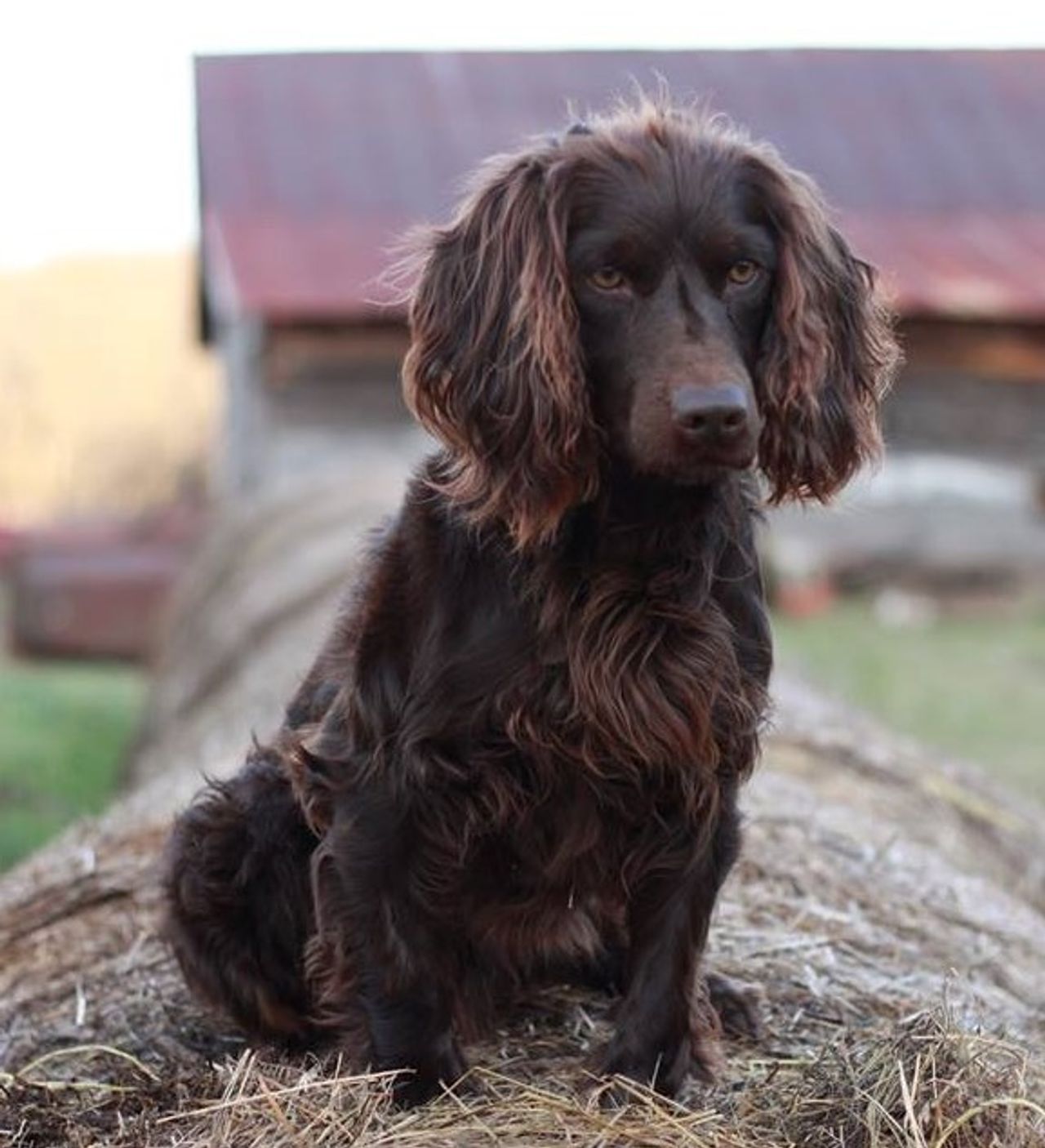
Boykin Spaniel
Cocker Spaniel
Boykin Spaniel vs Cocker Spaniel
Boykins are South Carolina’s versatile brown hunting spaniels; Cockers are more common companions with heavier coat care in show lines.
Read full comparison →
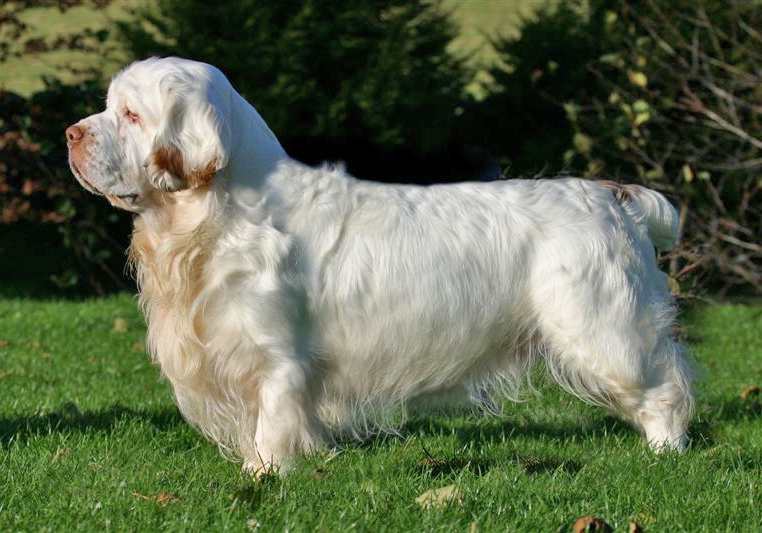
Clumber Spaniel
English Springer Spaniel
Clumber Spaniel vs English Springer Spaniel
Clumbers are heavier, lower, deliberate flushing spaniels; Springers are quicker and more widely kept as active family bird dogs.
Read full comparison →
Basset Hound
Beagle
Basset Hound vs Beagle
Beagles are compact pack hounds with big voices; Bassets are longer, heavier scent hounds that move slower but shed and drool more.
Read full comparison →
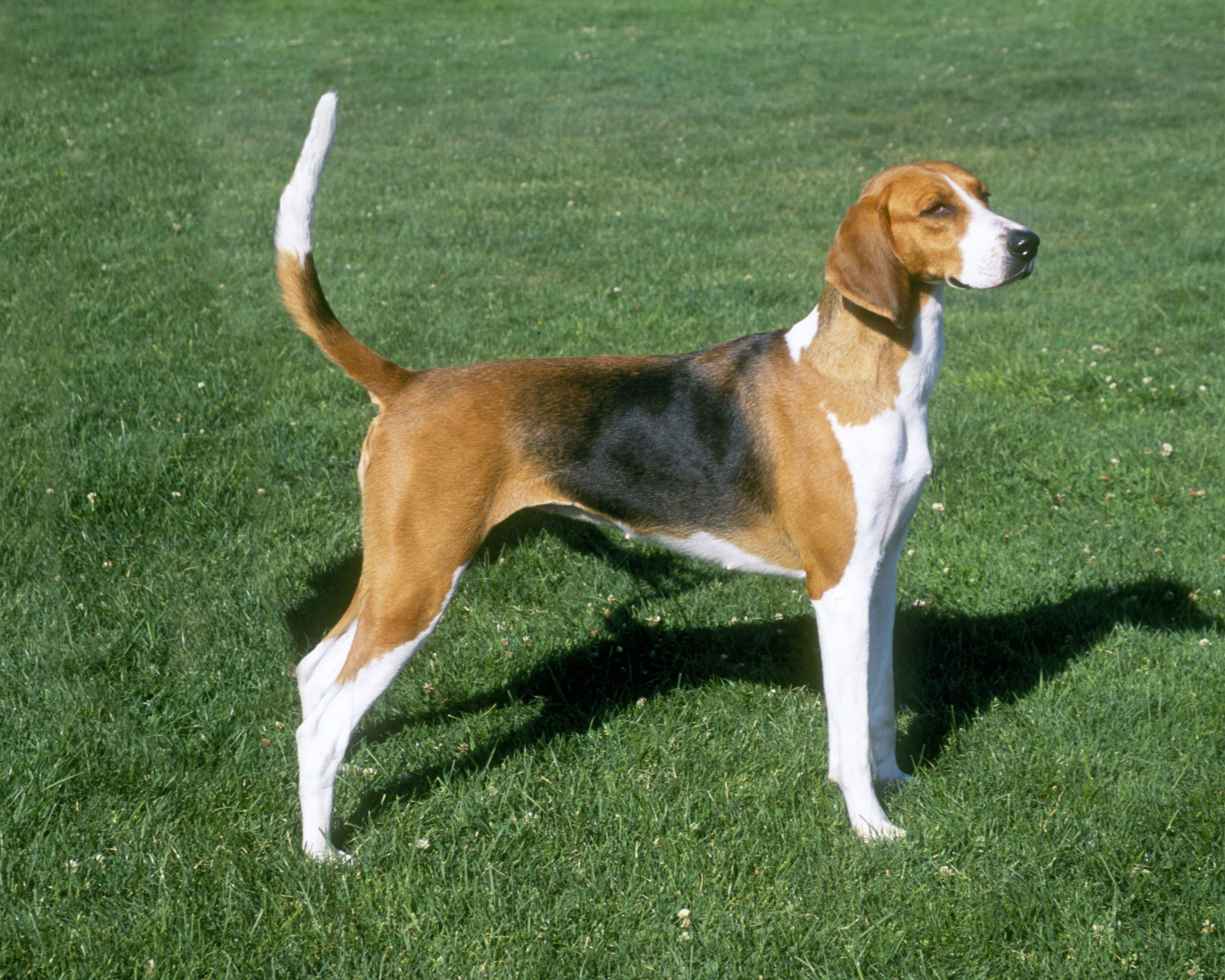
American Foxhound
Beagle
American Foxhound vs Beagle
Foxhounds are larger, rangier pack hunters; Beagles stay smaller and more popular as family pets—both can be vocal and nose-driven.
Read full comparison →
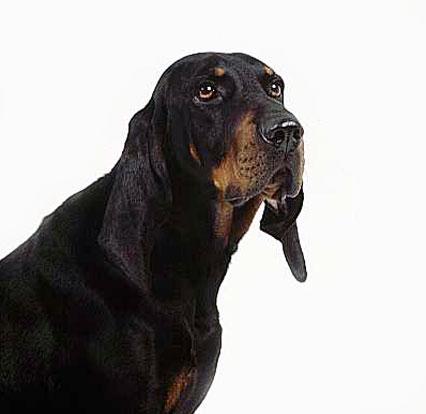
Bluetick Coonhound
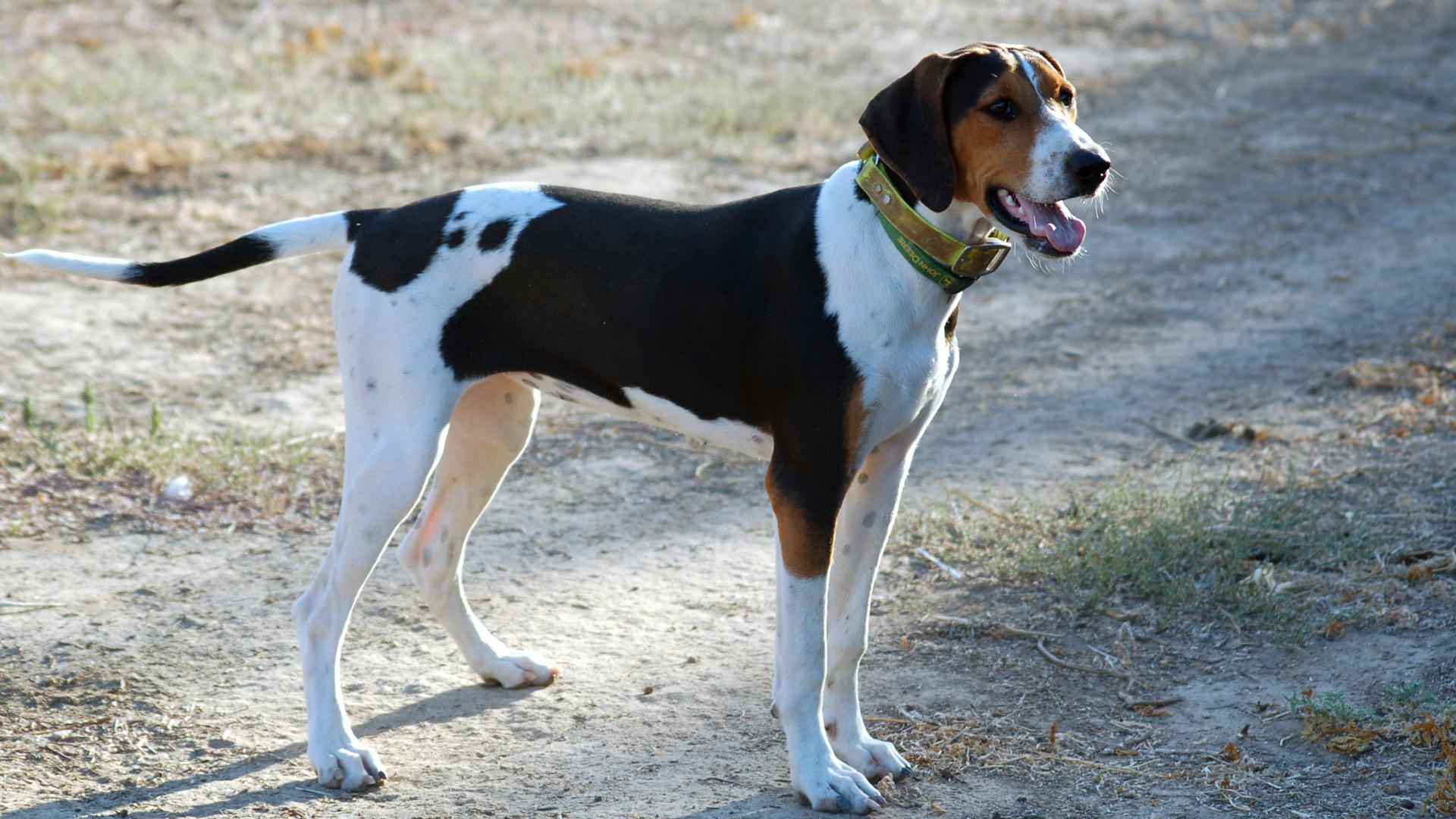
Treeing Walker Coonhound
Bluetick Coonhound vs Treeing Walker Coonhound
Classic American coonhounds—Walkers are often faster and more widely used for chase; Blueticks are cold-nosed specialists with striking mottled coats.
Read full comparison →
Bluetick Coonhound
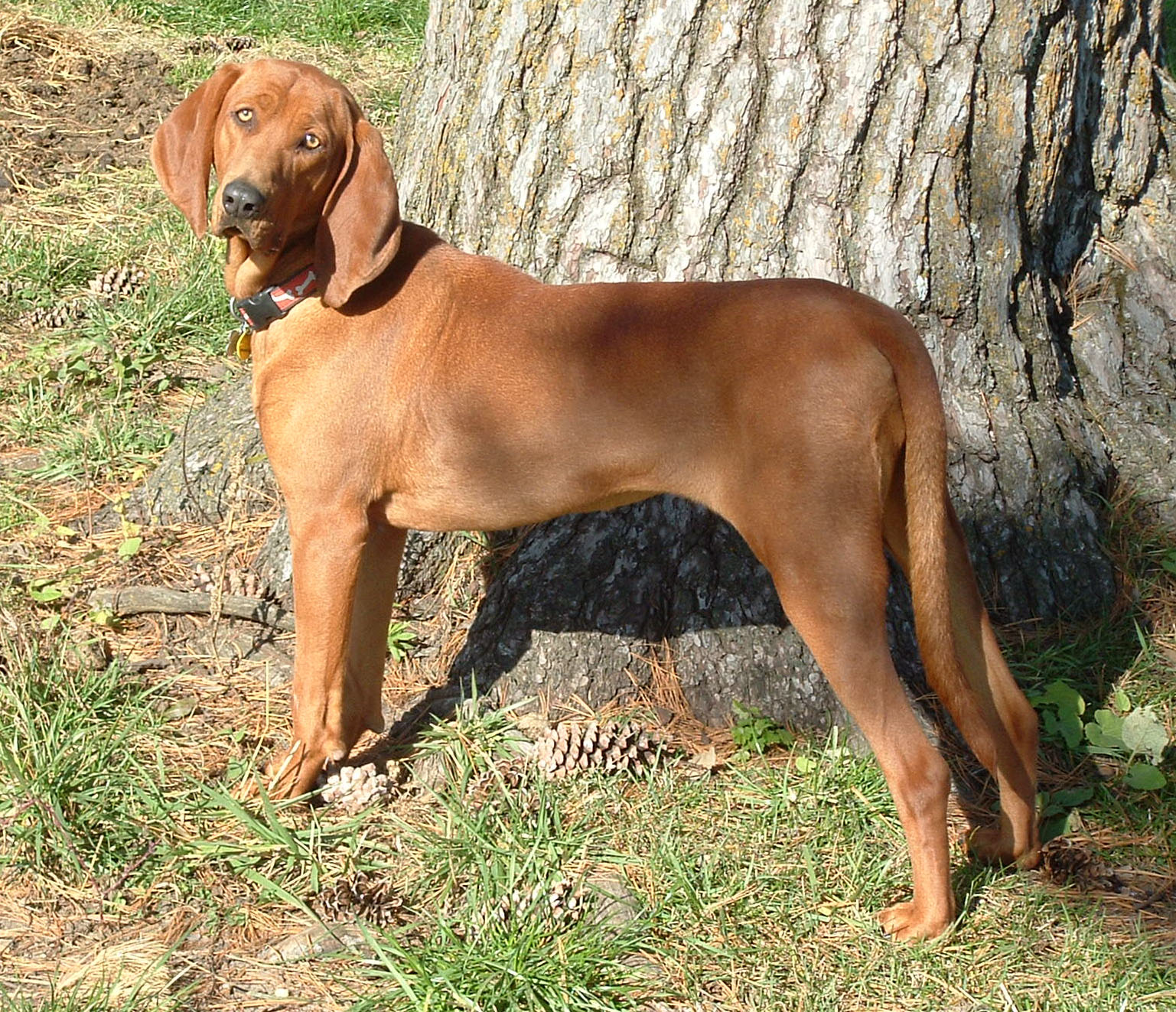
Redbone Coonhound
Bluetick Coonhound vs Redbone Coonhound
Redbones are solid red hot-nosed hunters; Blueticks are mottled cold-trailers—both need secure fences and tolerance for hound song.
Read full comparison →
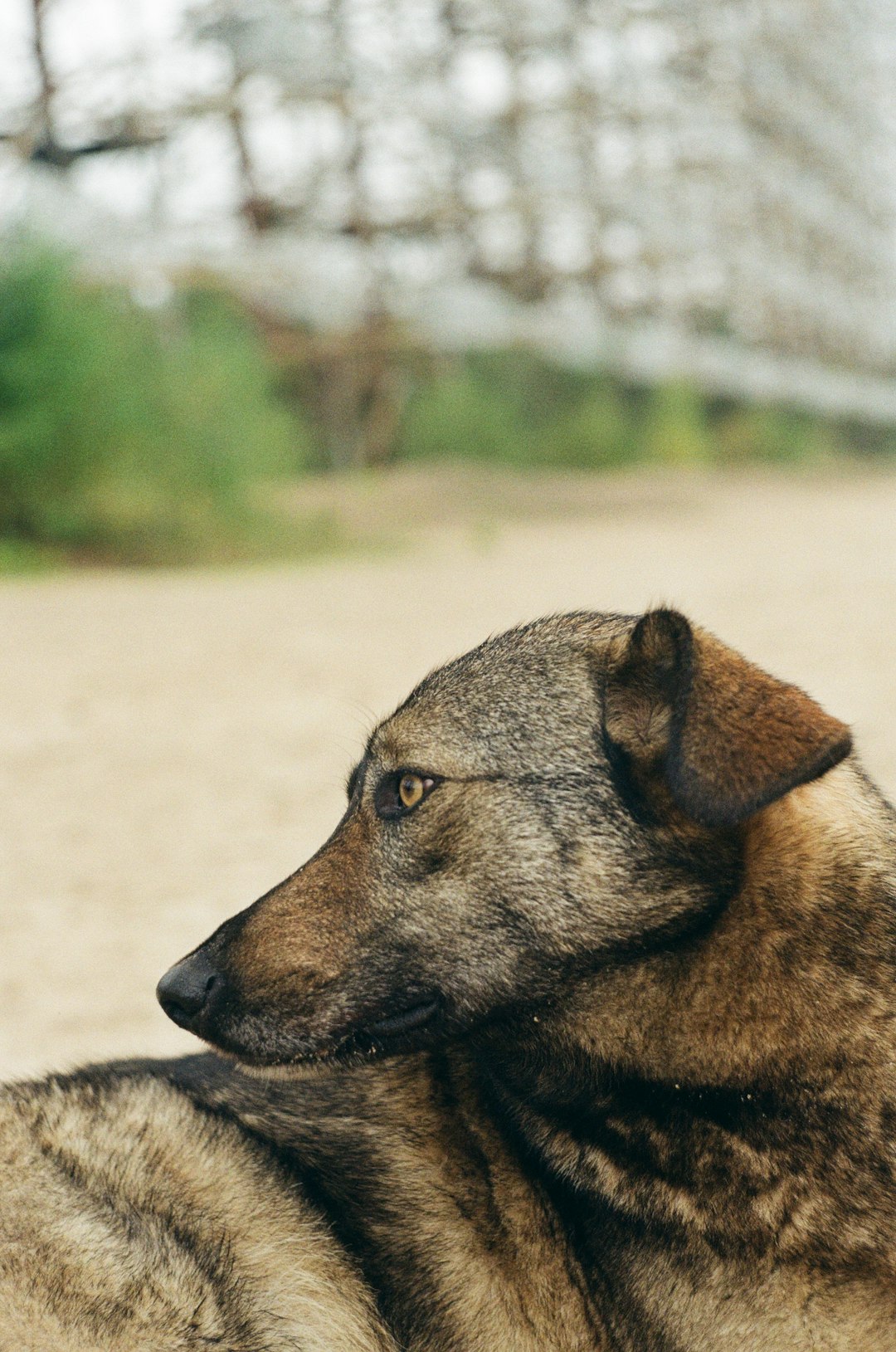
Afghan Hound
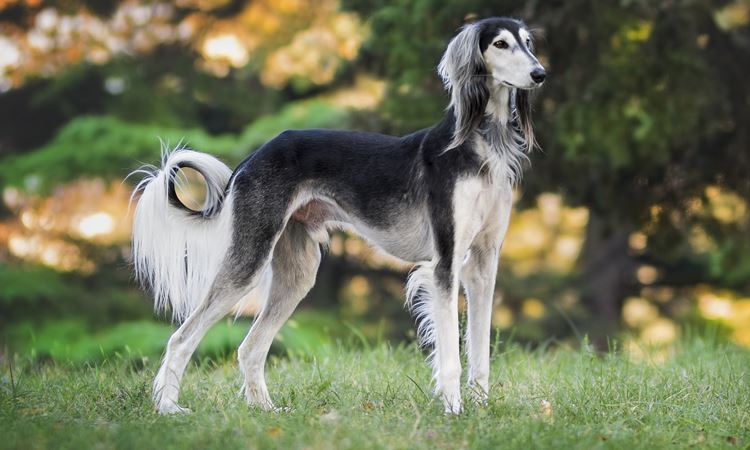
Saluki
Afghan Hound vs Saluki
Elegant desert sighthounds—Afghans bring glamorous coat care; Salukis are usually lower-maintenance coats with similar chase instincts.
Read full comparison →
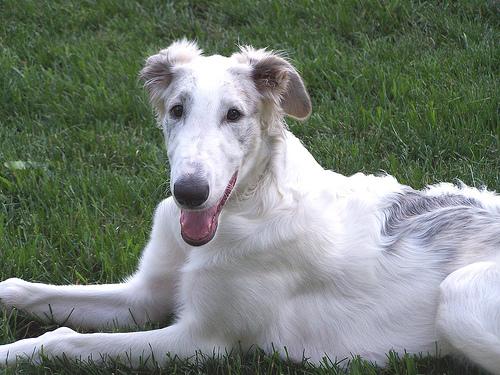
Borzoi
Greyhound
Borzoi vs Greyhound
Borzoi are larger, coated Russian wolf hunters; Greyhounds are the classic sprint couch potatoes—both quiet indoors when exercised.
Read full comparison →
Saluki
Whippet
Saluki vs Whippet
Whippets are smaller apartment-friendly sprinters; Salukis are taller desert hounds with a more independent streak.
Read full comparison →
Basenji
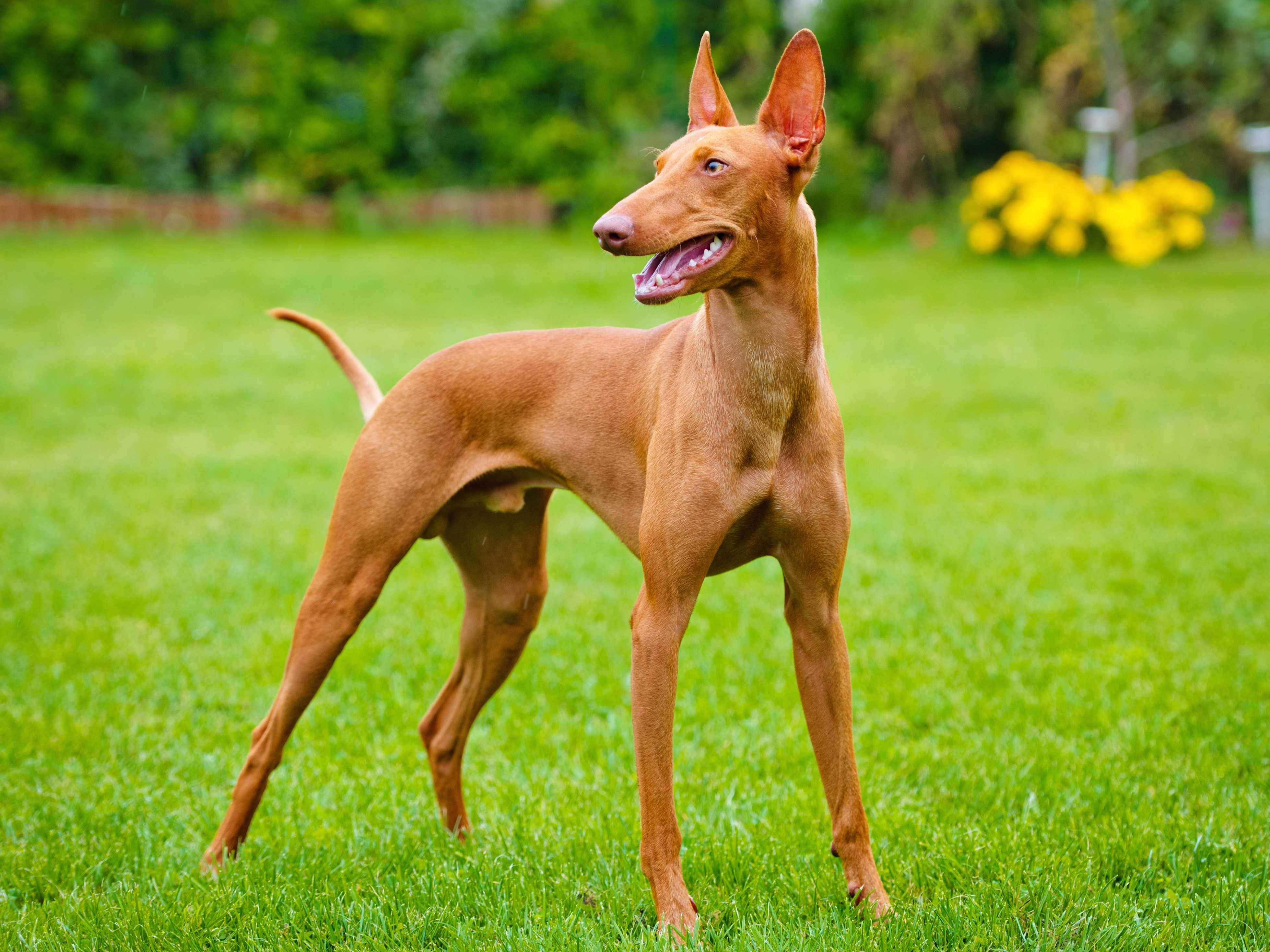
Pharaoh Hound
Basenji vs Pharaoh Hound
Basenjis are barkless compact hunters; Pharaoh Hounds are larger Mediterranean sighthounds that “blush.” Both are clean, catlike, and chase-driven.
Read full comparison →
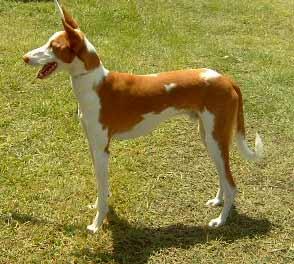
Ibizan Hound
Pharaoh Hound
Ibizan Hound vs Pharaoh Hound
Two Mediterranean rabbit hunters—Ibizans are taller and often more playful jumpers; Pharaohs are slightly heavier-boned with amber eyes.
Read full comparison →
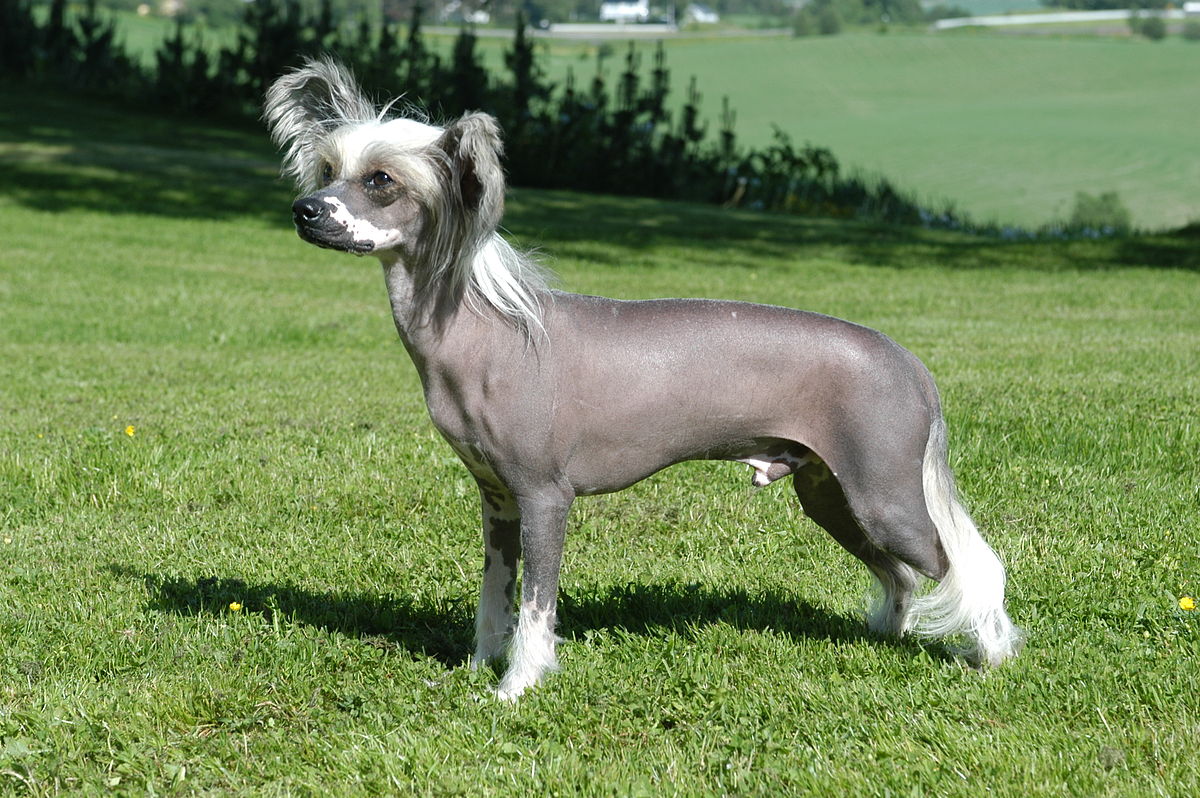
Chinese Crested
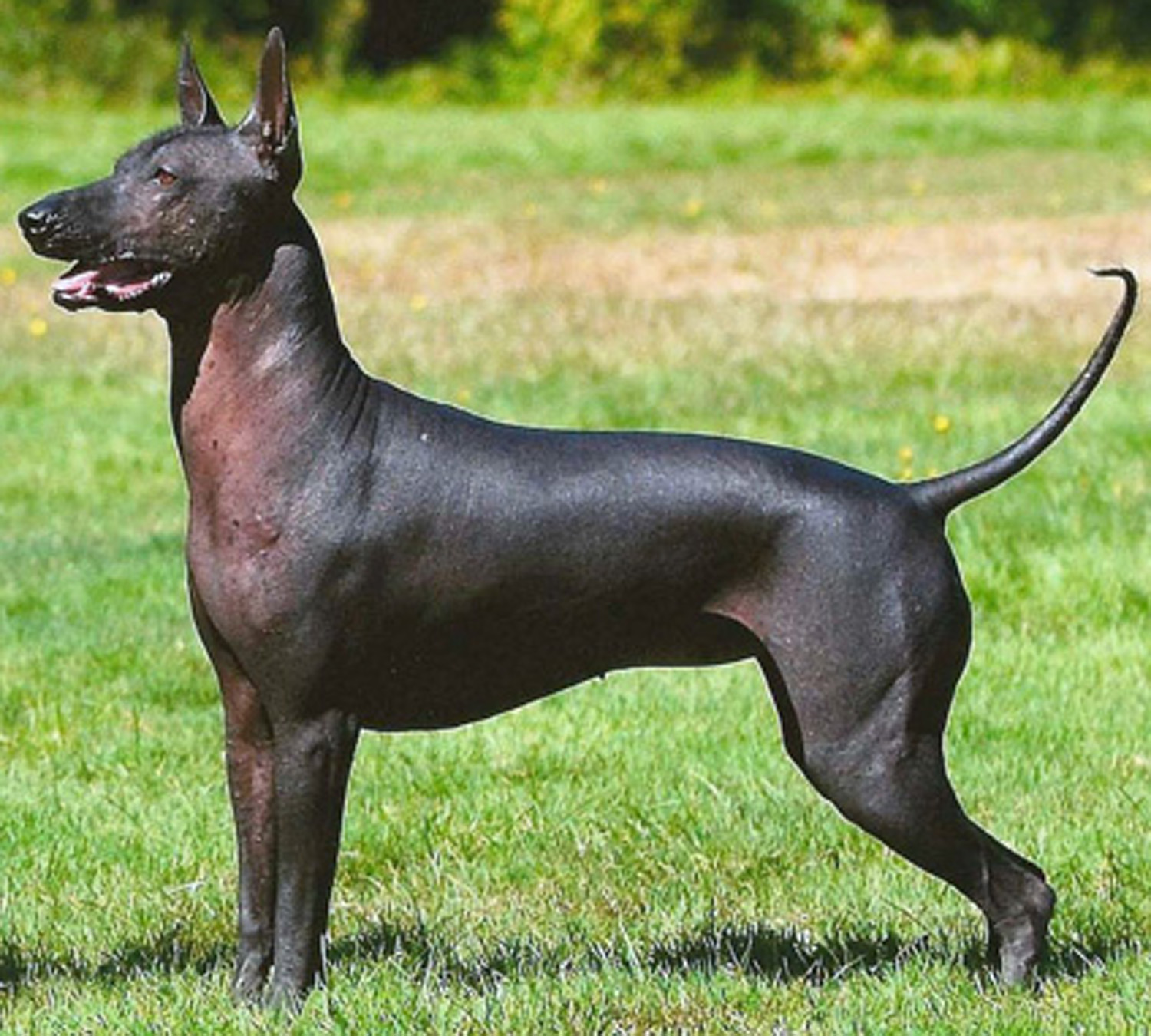
Xoloitzcuintli
Chinese Crested vs Xoloitzcuintli
Hairless companion breeds with coated varieties—Cresteds are toy-sized; Xolos come in multiple sizes with ancient Mexican roots.
Read full comparison →
Chihuahua
Chinese Crested
Chihuahua vs Chinese Crested
Tiny companion dogs—Chihuahuas are more common and hardy for their size; Cresteds need skin care if hairless and a similar warm-home lifestyle.
Read full comparison →
Cavalier King Charles Spaniel
Havanese
Cavalier King Charles Spaniel vs Havanese
Both are affectionate small companions. Cavaliers are sporting toy spaniels; Havanese are silkier hypoallergenic-leaning companions with more coat upkeep.
Read full comparison →
Bichon Frise
Cavalier King Charles Spaniel
Bichon Frise vs Cavalier King Charles Spaniel
Bichons offer a puffier low-shed look with grooming needs; Cavaliers shed more but often need less professional clipping between baths.
Read full comparison →
Havanese
Maltese
Havanese vs Maltese
Silky white toy companions—Maltese coats stay white and floor-length if grown out; Havanese are often slightly sturdier with a silkier wavy coat.
Read full comparison →
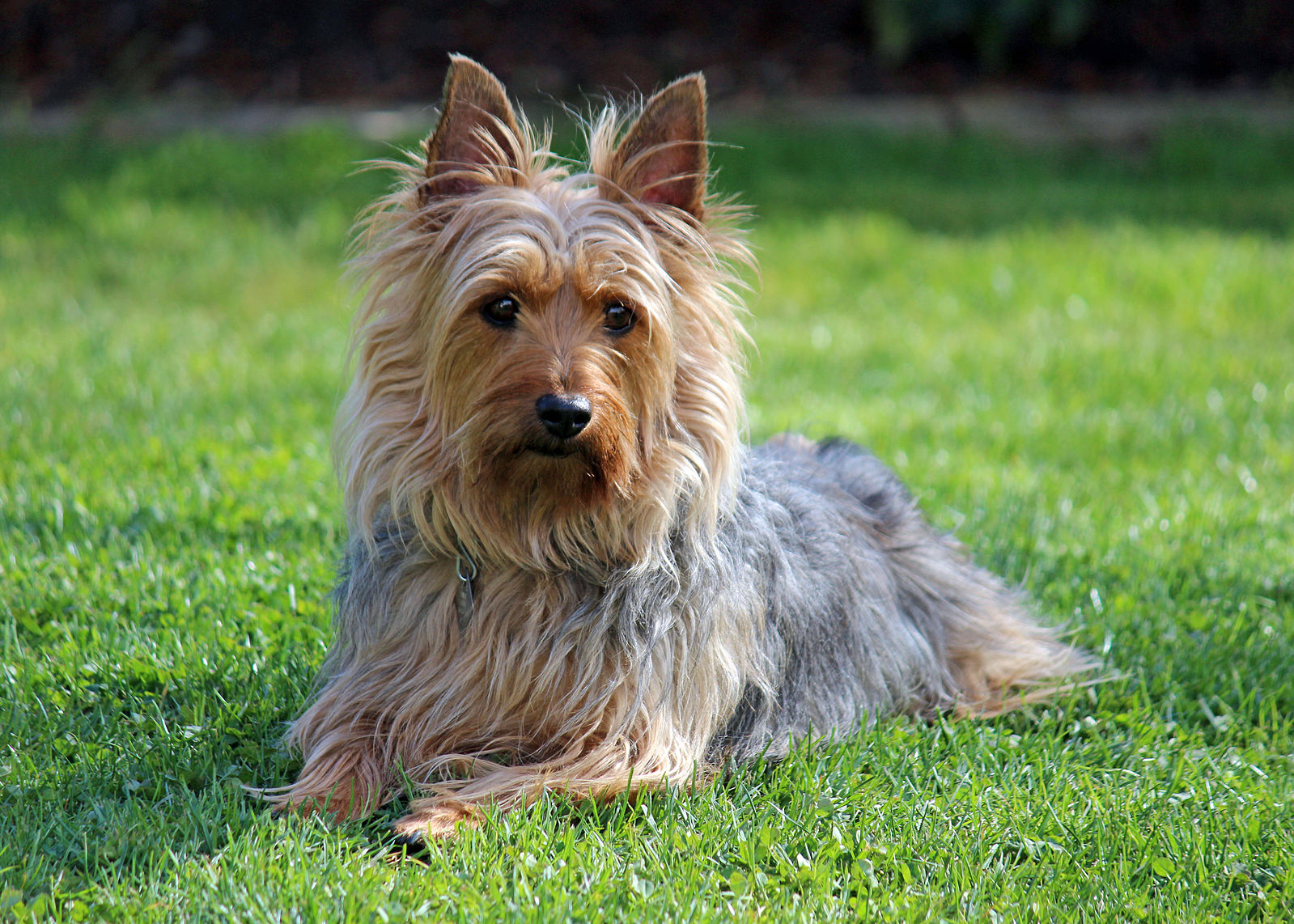
Silky Terrier
Yorkshire Terrier
Silky Terrier vs Yorkshire Terrier
Lookalike toy terriers—Silkies are a bit larger and longer-bodied; Yorkies are more popular fashion companions with similar coat care.
Read full comparison →
Papillon
Pomeranian
Papillon vs Pomeranian
Papillons are fine-boned butterfly-eared athletes; Pomeranians are fluffy spitz toys that shed and bark more in many homes.
Read full comparison →
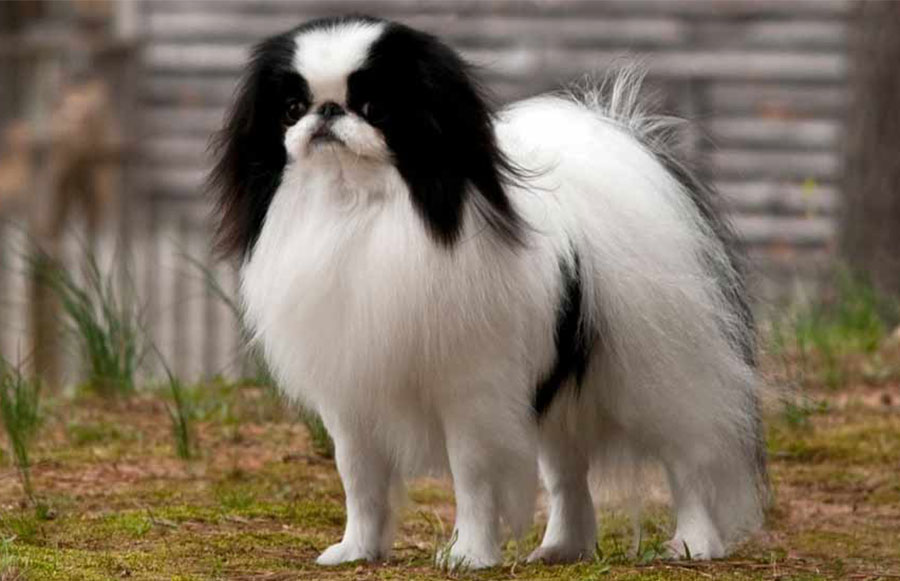
Japanese Chin
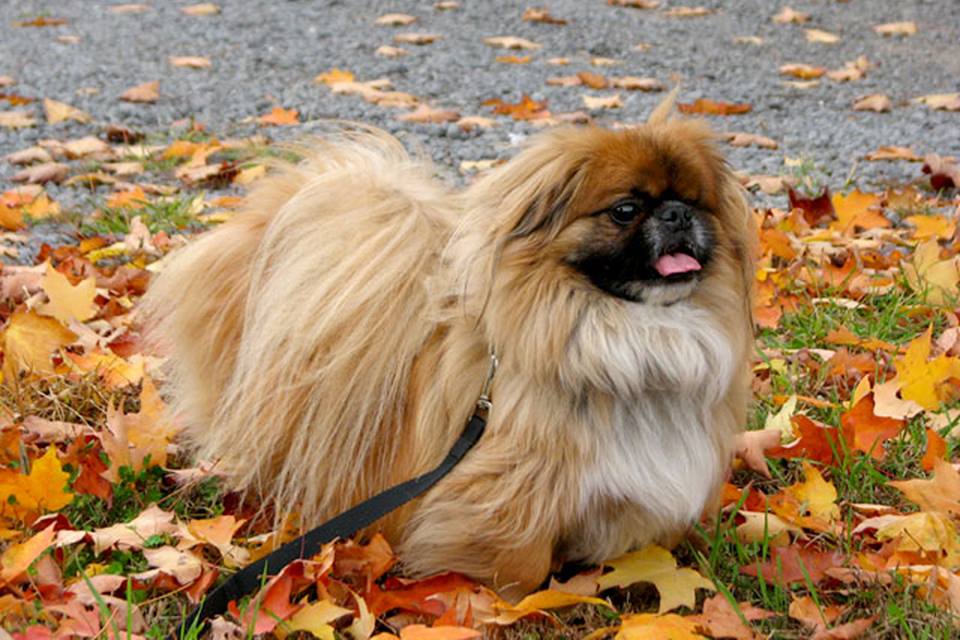
Pekingese
Japanese Chin vs Pekingese
Ancient East Asian lapdogs—Chins are lighter and more agile; Pekingese are heavier-fronted with more facial fold and heat-care needs.
Read full comparison →
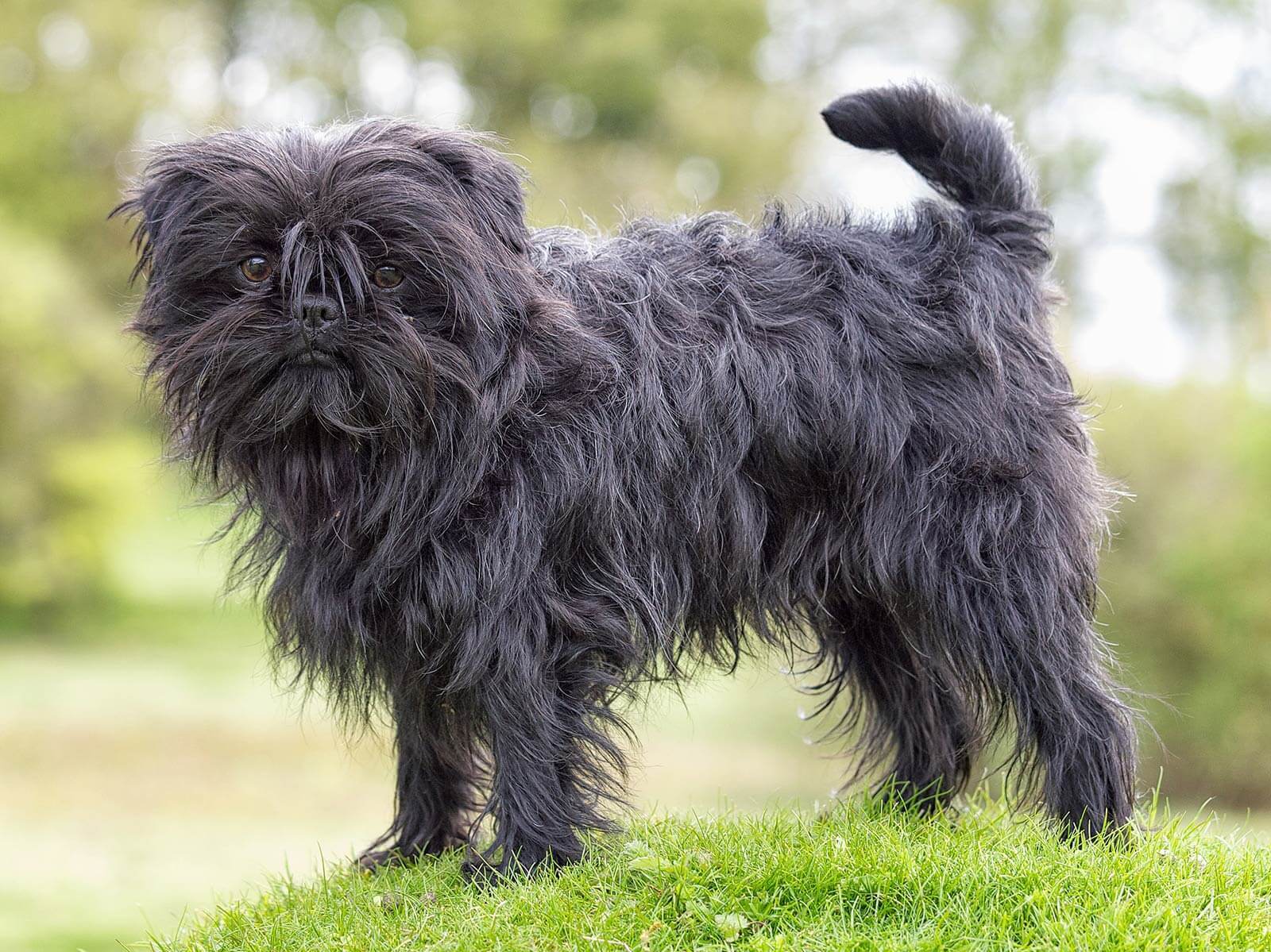
Affenpinscher

Brussels Griffon
Affenpinscher vs Brussels Griffon
Monkey-faced toy companions—Affenpinschers are wiry German ratters; Brussels Griffons come in smooth or rough coats with big personality.
Read full comparison →
Chihuahua
Italian Greyhound
Chihuahua vs Italian Greyhound
Italian Greyhounds are delicate mini sighthounds; Chihuahuas are tougher-boned toys—both need warmth, soft handling, and careful play with kids.
Read full comparison →
Miniature Pinscher
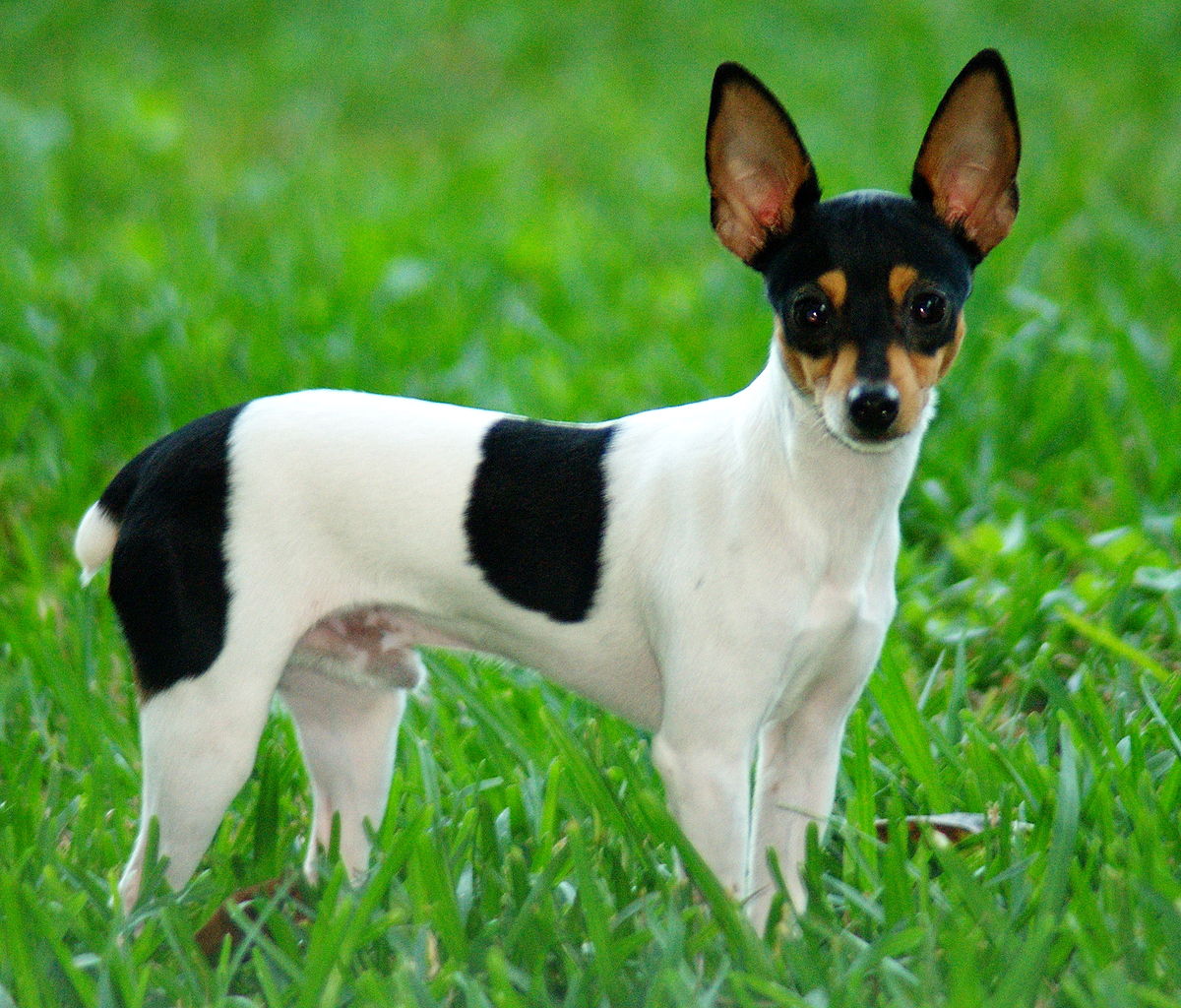
Toy Fox Terrier
Miniature Pinscher vs Toy Fox Terrier
Sleek toy ratters often confused for each other—Min Pins are “king of toys” with hackney gait; Toy Fox Terriers lean more true terrier.
Read full comparison →
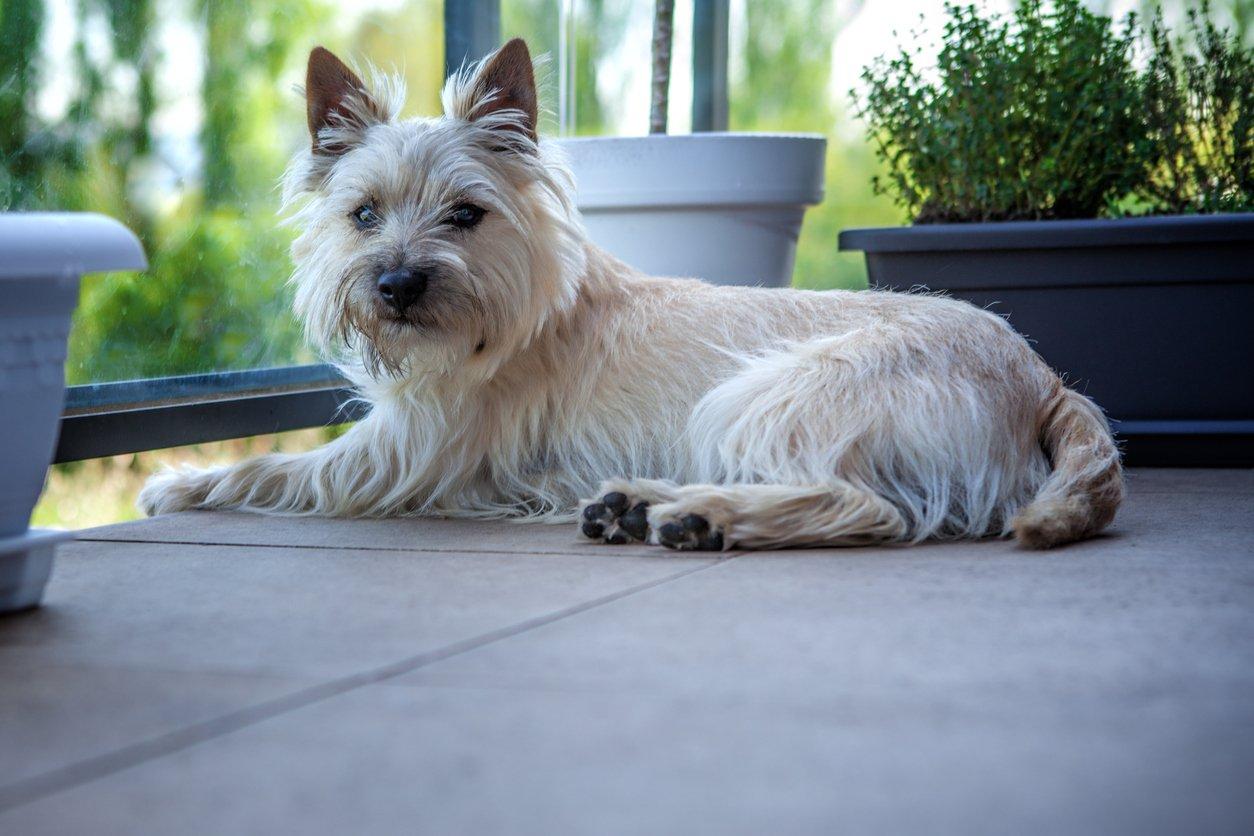
Cairn Terrier
West Highland White Terrier
Cairn Terrier vs West Highland White Terrier
Scottish earthdog cousins—Westies are white and more show-familiar; Cairns are wheaten/brindle farm terriers with similar dig-and-bark instincts.
Read full comparison →
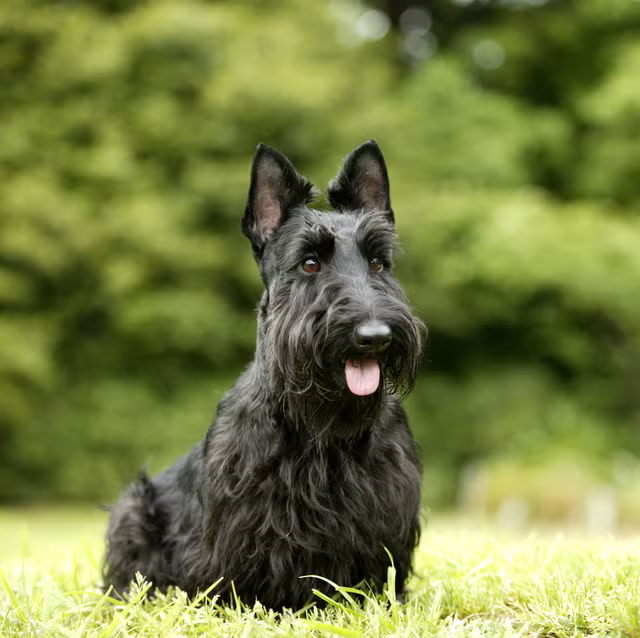
Scottish Terrier
West Highland White Terrier
Scottish Terrier vs West Highland White Terrier
Scotties are low, powerful, and often more independent; Westies are white and typically a bit more outgoing—both need coat maintenance.
Read full comparison →
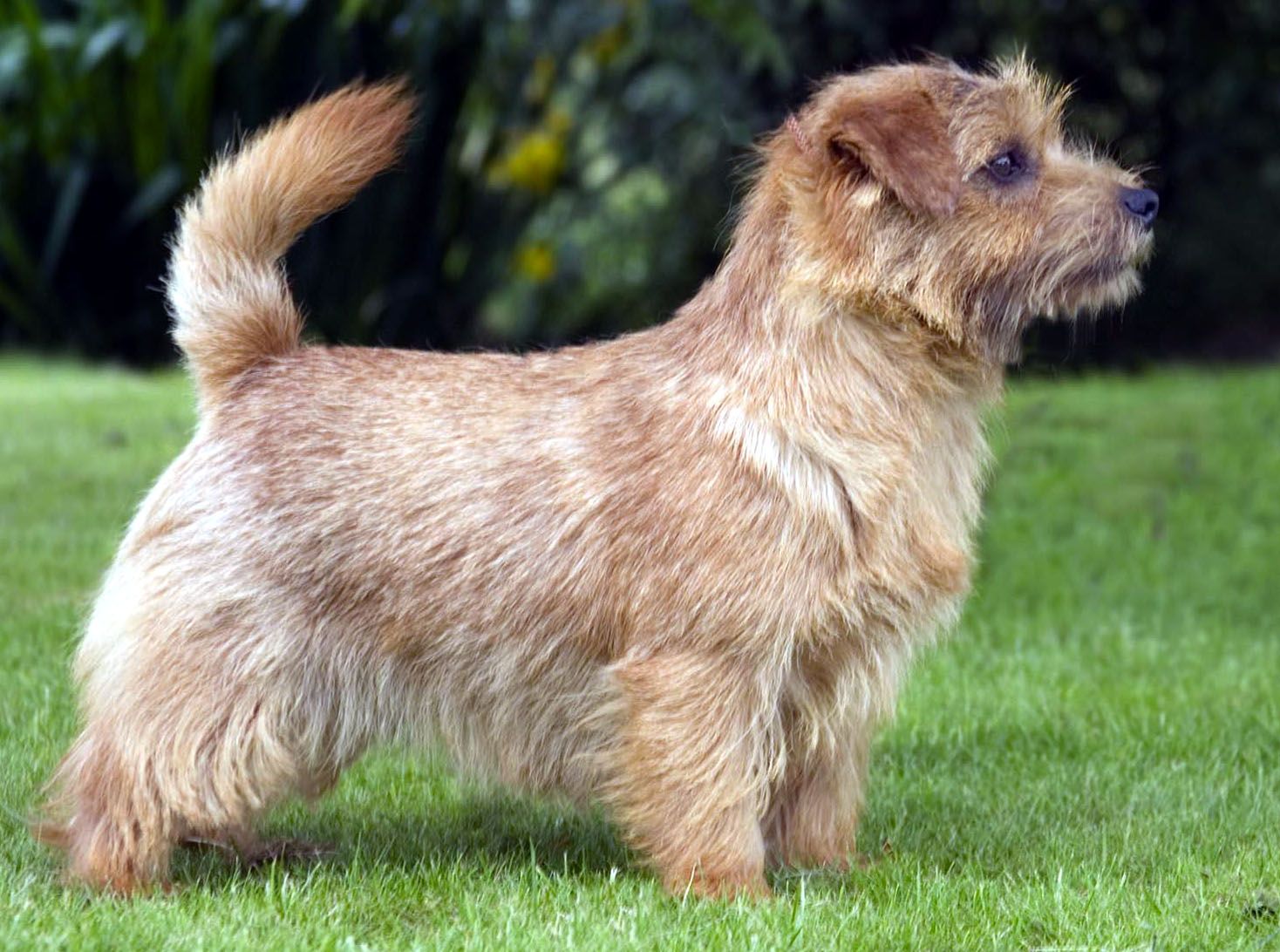
Norfolk Terrier
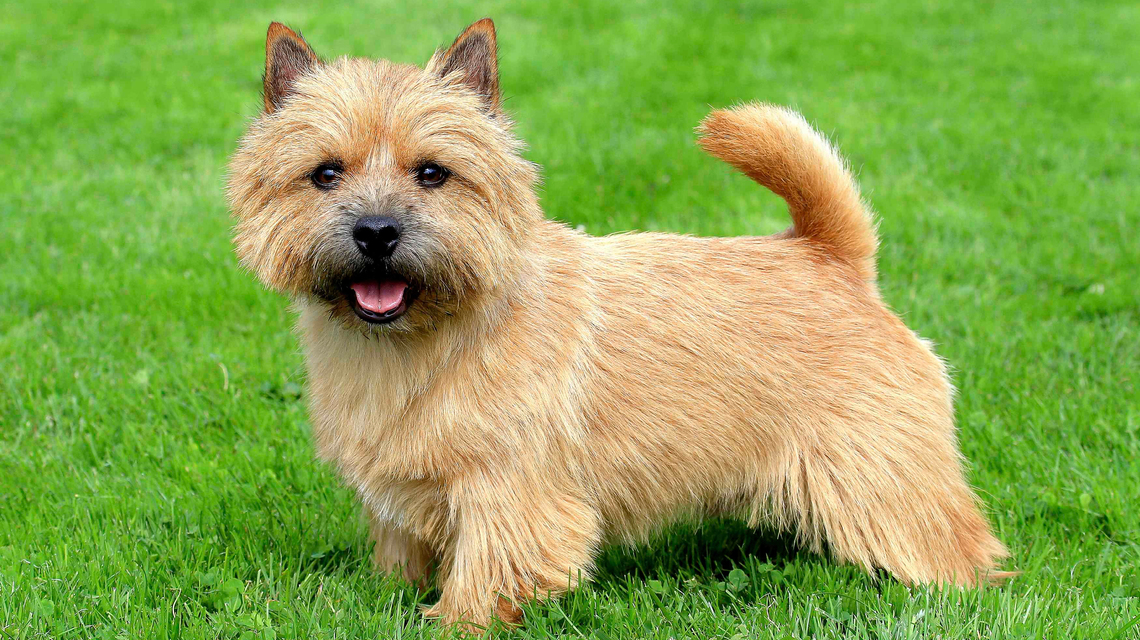
Norwich Terrier
Norfolk Terrier vs Norwich Terrier
Nearly identical small working terriers—Norfolk drop ears, Norwich prick ears. Energy, dig drive, and size are otherwise very close.
Read full comparison →
Jack Russell Terrier
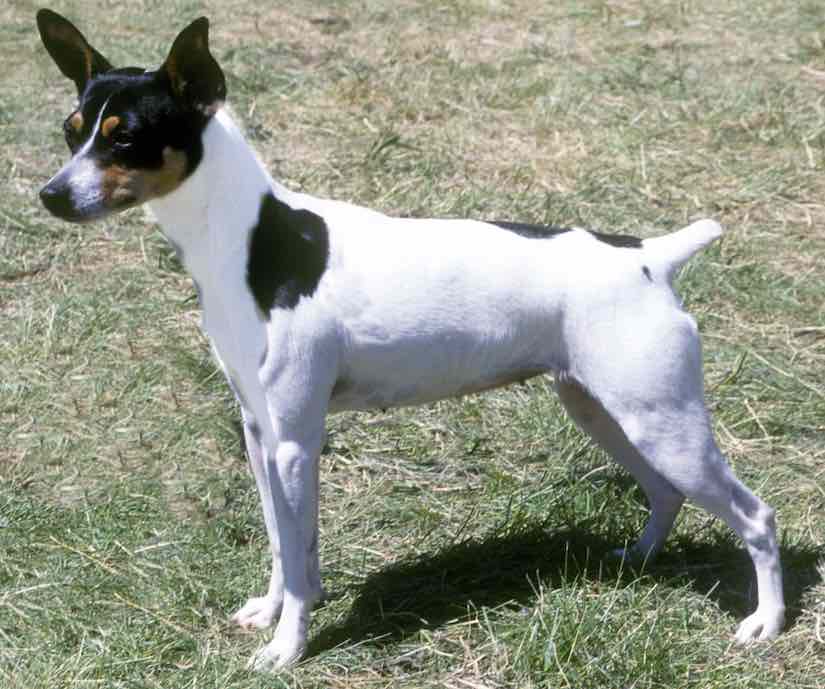
Rat Terrier
Jack Russell Terrier vs Rat Terrier
Both are fearless vermin hunters. Jack Russells (and Parsons) are often higher-octane; Rat Terriers can be slightly calmer American farm dogs.
Read full comparison →
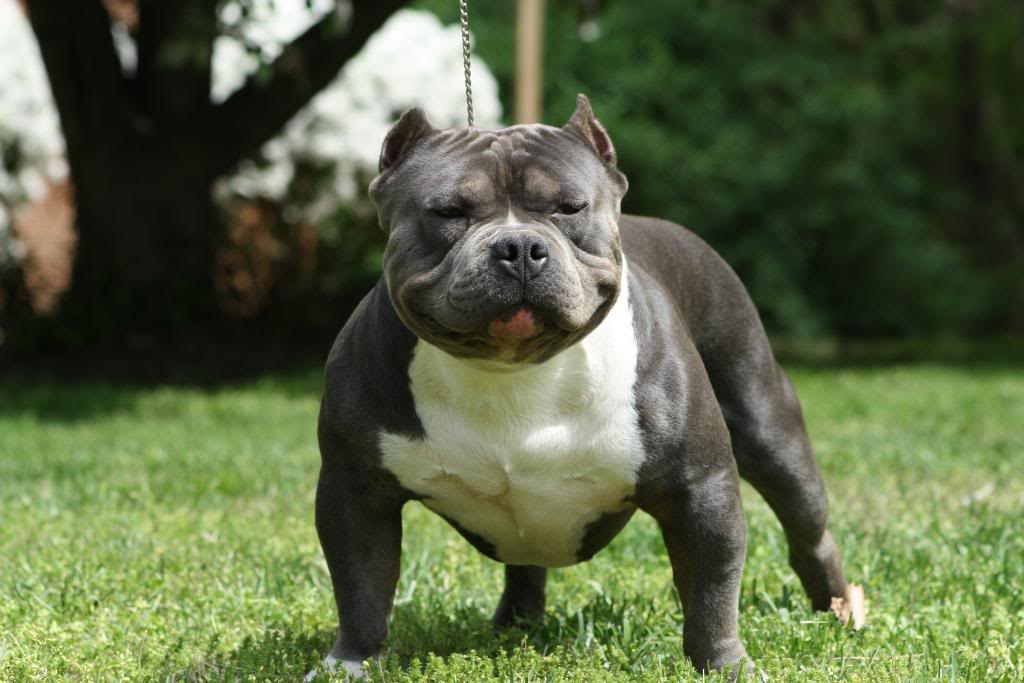
American Bully
American Staffordshire Terrier
American Bully vs American Staffordshire Terrier
American Bullies are a newer companion-bred type with heavier builds; AmStaffs are AKC-recognized athletes with a longer working/show history.
Read full comparison →
American Bully
American Pit Bull Terrier
American Bully vs American Pit Bull Terrier
Pit Bull-type dogs people often confuse—Bullies trend stockier companion builds; APBTs lean lighter and more athletic depending on line.
Read full comparison →
Boston Terrier
Bulldog
Boston Terrier vs Bulldog
Boston Terriers are lighter “tuxedo” companions; English Bulldogs are heavier brachycephalic dogs with more heat and breathing management.
Read full comparison →
Bulldog
English Bulldog
Bulldog vs English Bulldog
Names overlap online—“English Bulldog” and Bulldog usually mean the same heavy brachycephalic breed; compare individuals more than labels.
Read full comparison →
Bichon Frise
Cockapoo
Bichon Frise vs Cockapoo
Cockapoos vary by Cocker/Poodle parents; Bichons are a consistent purebred look with predictable curly coat care and cheerful temperaments.
Read full comparison →

Cavapoo
Cockapoo
Cavapoo vs Cockapoo
Two popular companion mixes—Cavapoos (Cavalier × Poodle) often stay softer and smaller; Cockapoos (Cocker × Poodle) can be slightly sportier depending on lines.
Read full comparison →
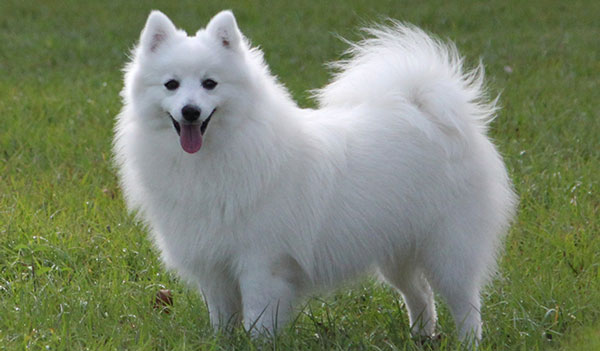
Japanese Spitz
Samoyed
Japanese Spitz vs Samoyed
White smiling spitz dogs—Samoyeds are larger working sled dogs; Japanese Spitz are smaller companion fluff-balls with similar coat upkeep.
Read full comparison →
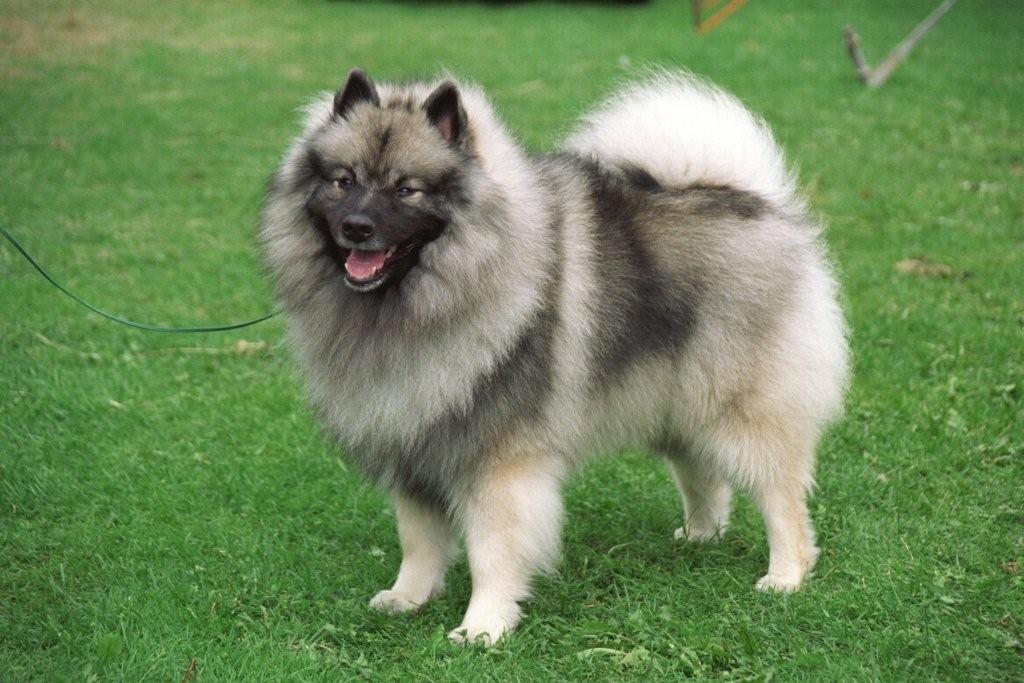
Keeshond
Samoyed
Keeshond vs Samoyed
Both are fluffy Northern-type companions. Keeshonden are smaller gray “spectacled” barge dogs; Samoyeds are larger white workers with bigger exercise needs.
Read full comparison →
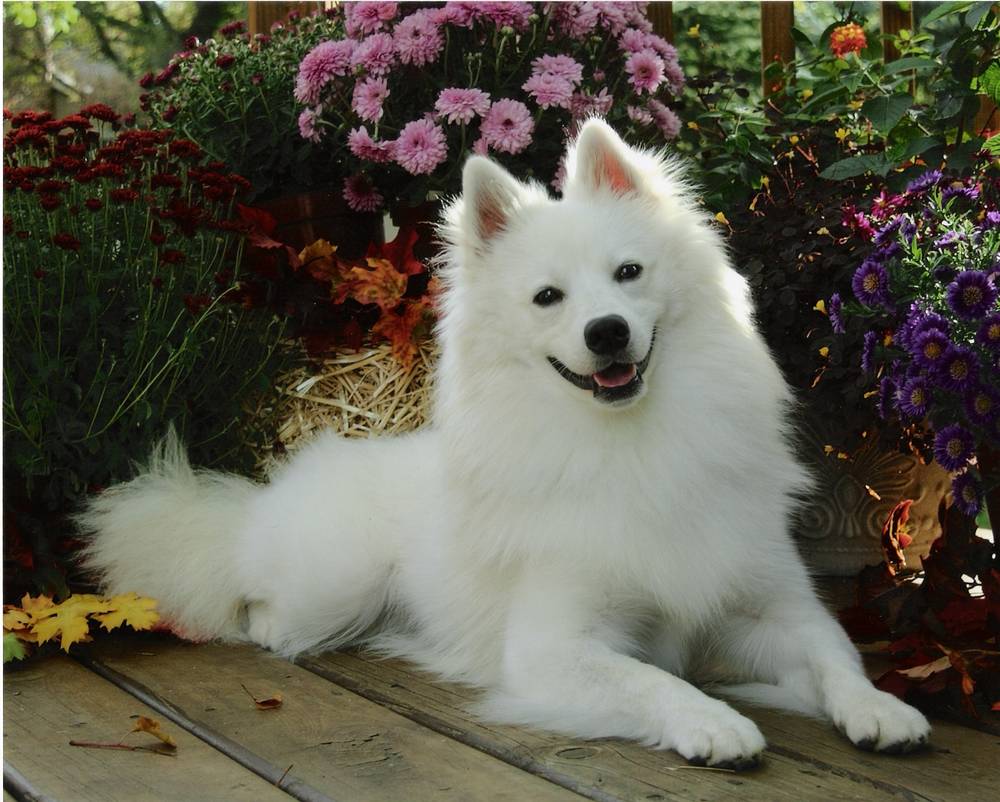
American Eskimo Dog
Samoyed
American Eskimo Dog vs Samoyed
White spitz smiles—Eskies come in toy to standard sizes for companion homes; Samoyeds are larger sled dogs with stronger working drive.
Read full comparison →
Rhodesian Ridgeback
Weimaraner
Rhodesian Ridgeback vs Weimaraner
Sleek athletic hunters—Ridgebacks carry a dorsal ridge and more guardian instinct; Weimaraners are gray velcro athletes with intense exercise needs.
Read full comparison →
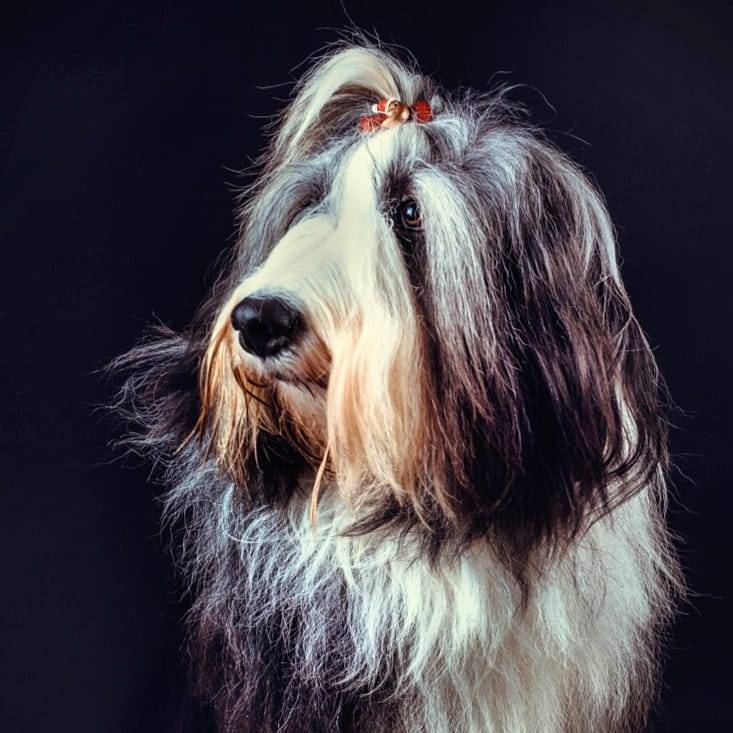
Bearded Collie
Old English Sheepdog
Bearded Collie vs Old English Sheepdog
Shaggy herding cousins—Beardies are usually lighter and bounce more; OES are denser “bobtail” companions with serious coat maintenance.
Read full comparison →
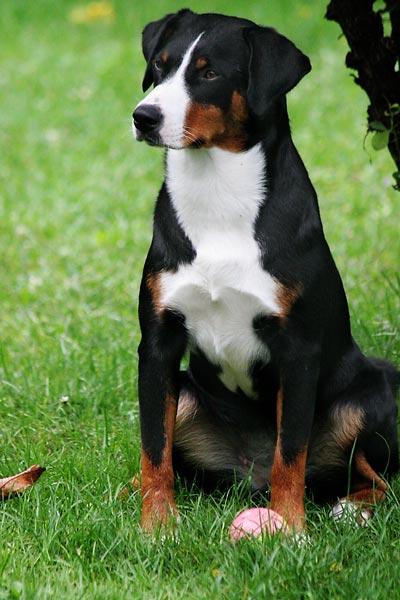
Appenzeller Sennenhund
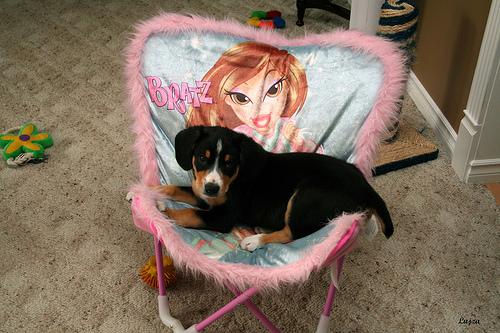
Entlebucher
Appenzeller Sennenhund vs Entlebucher
Two smaller Swiss herding cousins—Entlebuchers are the smallest of the Swiss mountain dogs; Appenzellers are lively, vocal herders with similar drive.
Read full comparison →
Custom breed comparison
Pick any two breeds. Your selection syncs to the URL so you can share it. If a full vs guide exists, we’ll link you there too.
Pick two breeds
The interactive selectors load in your browser. Meanwhile, open a ready-made vs guide below—or jump to the popular matchups on this page.
How to choose between two breeds
Start with energy and living space. A high-drive herding breed in a quiet apartment often struggles more than a calmer companion of similar size. Our lifestyle scores (kids, apartment, shedding, trainability) make those gaps visible quickly.
Next weigh grooming and shedding. Two friendly family dogs can still diverge wildly on coat care—Goldens and Labs are a classic example. Read the care paragraphs on each vs page or in the tool results.
Finally check experience level. Guarding or very independent breeds reward confident handlers. When you’re torn, open both breed profiles and the static vs guide if we have one, then meet real dogs before you decide.
Comparing longevity? Use breed lifespan compare. Which is bigger? Try size & weight compare. Who sheds more? See shedding compare. Puppy budgets? Try puppy price compare. Who needs more exercise? See energy compare.
Explore size guides too: small, medium, and large dog breeds.
Frequently asked questions
How does the dog breed comparison tool work?
Choose any two breeds from our 360+ database. You’ll see size, weight, lifespan, energy, shedding, kids and apartment fit, temperament, grooming, exercise, and training side by side. Shareable URLs use ?b1= and ?b2=.
What are the static comparison pages?
Popular matchups like Golden Retriever vs Labrador have dedicated /compare/a-vs-b guides with narrative and stats—great for search and deep reading. The form is for any custom pair.
Is the breed comparison tool free?
Yes. No account required.
Can I compare more than two breeds at once?
The interactive tool compares two at a time. You can open multiple vs guides or swap breeds anytime.
What should I look for when comparing breeds?
Match energy and size to your home, shedding and grooming to your tolerance, and temperament plus trainability to your experience. Lifestyle scores make those differences easier to scan.
References
Comparison guidance on PawPedia draws on publicly available breed-standard and veterinary education sources. Always consult your veterinarian for individual care.
- [1]How to Choose the Right Dog Breed — American Kennel Club (AKC)
- [2]Dog Breeds — Official Breed Standards & Care Overviews — American Kennel Club (AKC)
- [3]Pet Ownership & Responsible Care — American Veterinary Medical Association (AVMA)
- [4]General Dog Care — ASPCA
- [5]How Much Does Dog Ownership Cost? — American Kennel Club (AKC)