Popular lifespan matchups
Curated guides focused on typical longevity, size class, and health factors—not a full trait matrix. For energy, shedding, and kids fit, use breed compare.

Great Dane
7-10 years

Mastiff
6-10 years
Great Dane vs Mastiff
Midpoints ~8.5 vs ~8.0 years
Both are giant breeds with shorter average lifespans than small dogs; Mastiffs often sit slightly lower on published ranges than Great Danes.
Compare lifespans →
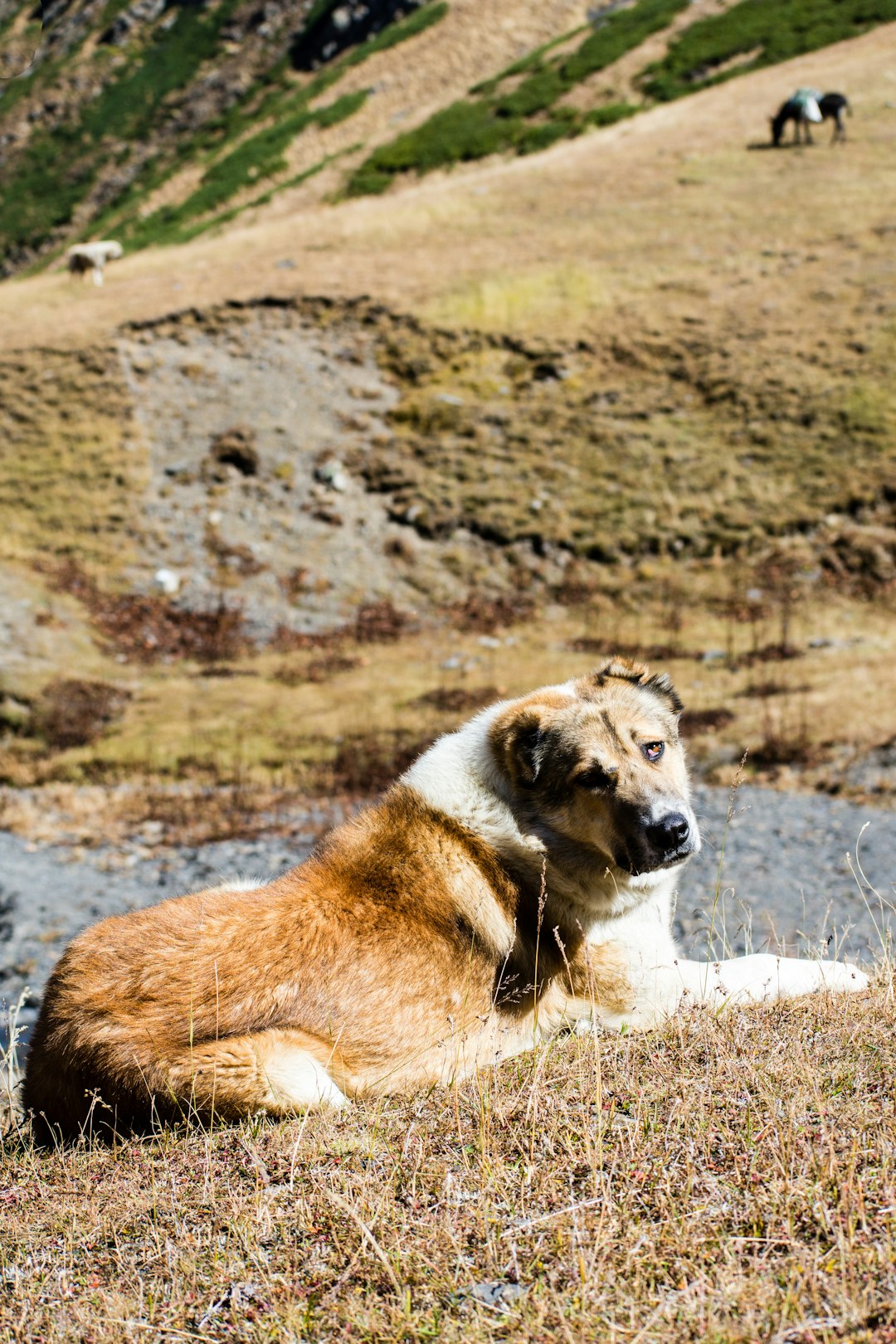
Bernese Mountain Dog
6-8 years
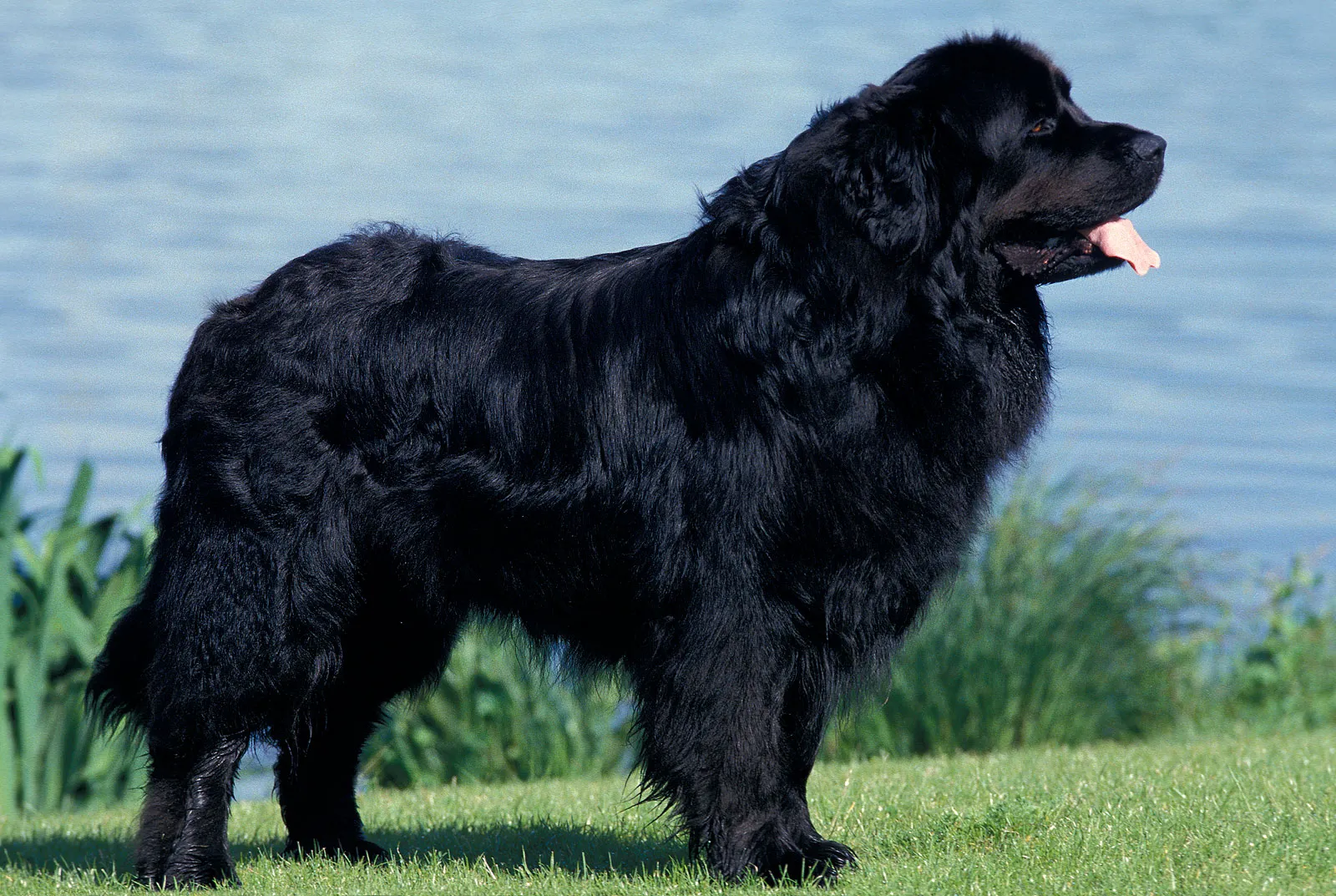
Newfoundland
9-10 years
Bernese Mountain Dog vs Newfoundland
Midpoints ~7.0 vs ~9.5 years
Bernese Mountain Dogs are often cited with shorter averages than many giants; Newfoundlands typically land a bit longer in published ranges.
Compare lifespans →
Newfoundland
9-10 years
Saint Bernard
8-10 years
Newfoundland vs Saint Bernard
Midpoints ~9.5 vs ~9.0 years
Two mountain giants—published lifespan bands overlap; lean weight and joint care matter more than a one-year chart difference.
Compare lifespans →
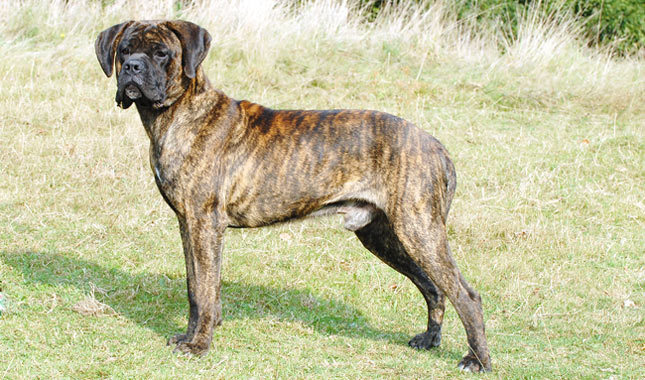
Cane Corso
9-12 years
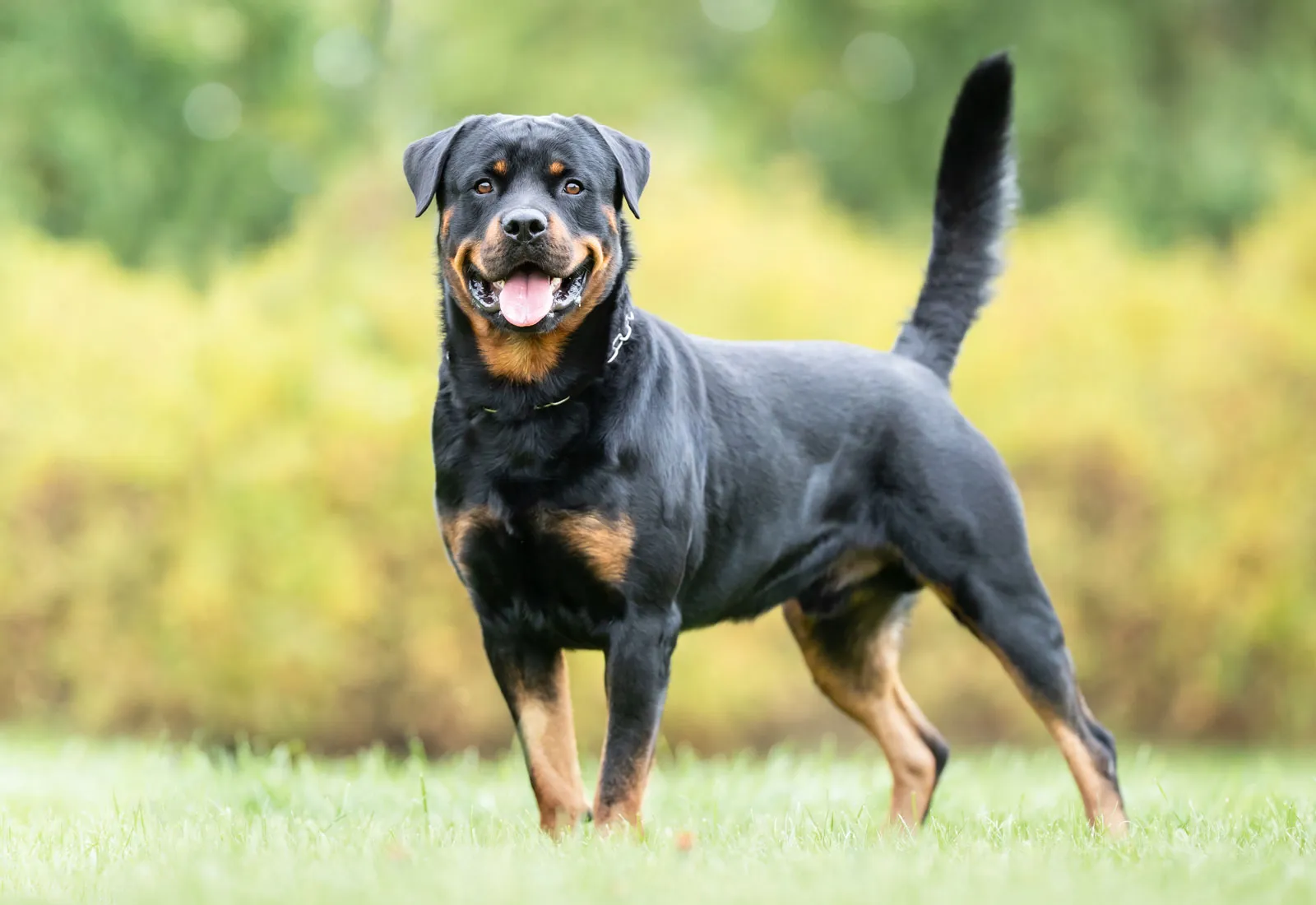
Rottweiler
9-10 years
Cane Corso vs Rottweiler
Midpoints ~10.5 vs ~9.5 years
Large working guardians with similar mid-range lifespans; joint and cardiac screening plus lean body condition drive quality years.
Compare lifespans →
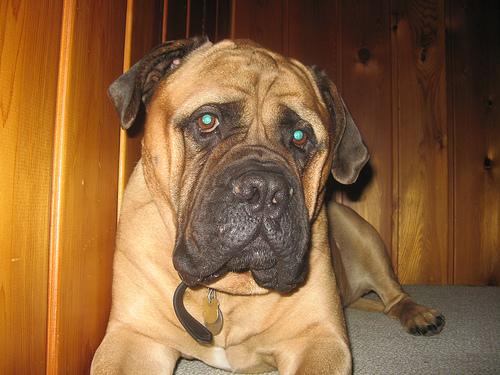
Boerboel
9-11 years
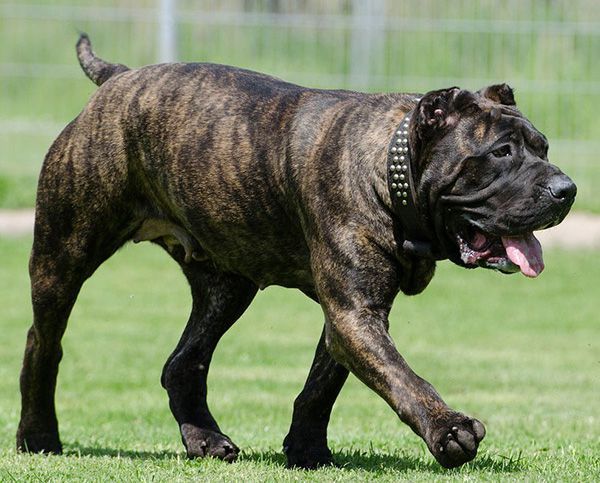
Presa Canario
9-11 years
Boerboel vs Presa Canario
Midpoints ~10.0 vs ~10.0 years
Mastiff-type guardians often listed around 9–11 years; individual genetics and weight control outweigh small midpoint gaps.
Compare lifespans →
Boerboel
9-11 years
Cane Corso
9-12 years
Boerboel vs Cane Corso
Midpoints ~10.0 vs ~10.5 years
Published averages for both land near a decade; compare size, drive, and health testing as much as the year range.
Compare lifespans →
More lifespan comparisons
Cane Corso
9-12 years
Presa Canario
9-11 years
Cane Corso vs Presa Canario
Midpoints ~10.5 vs ~10.0 years
Italian and Canary mastiff-types with overlapping longevity bands—bloat awareness and lean weight support healthier senior years.
Compare lifespans →
Great Dane
7-10 years
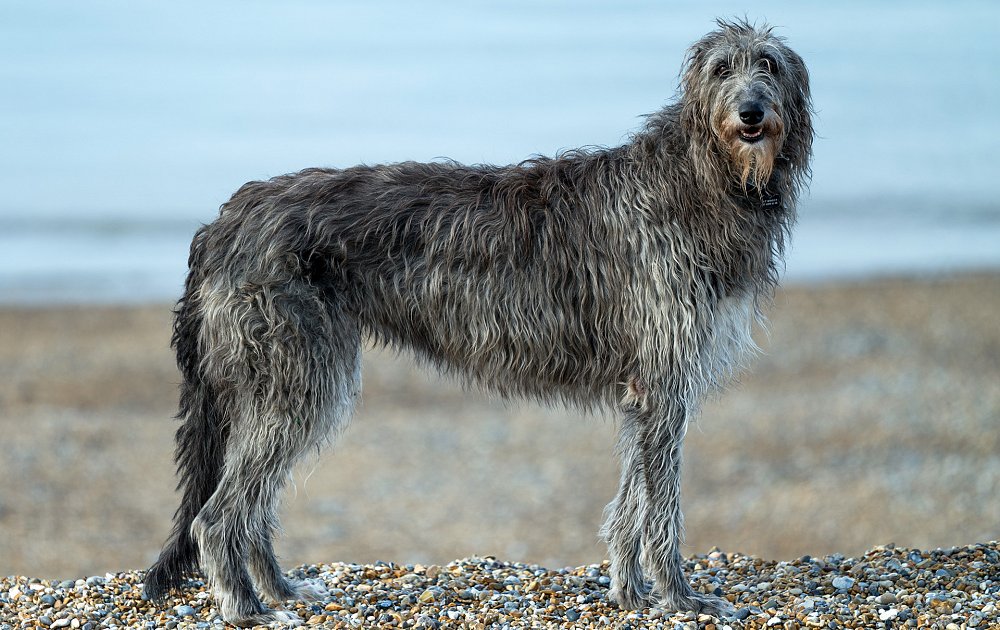
Irish Wolfhound
6-8 years
Great Dane vs Irish Wolfhound
Midpoints ~8.5 vs ~7.0 years
Two of the tallest breeds; both tend toward shorter averages than medium dogs—plan senior care earlier.
Compare lifespans →
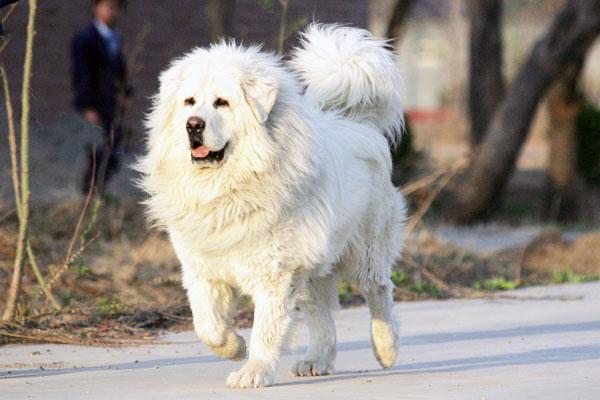
Bullmastiff
8-10 years
Mastiff
6-10 years
Bullmastiff vs Mastiff
Midpoints ~9.0 vs ~8.0 years
Heavy mastiff cousins; English Mastiffs often show shorter published ranges. Keep both lean to protect joints and hearts.
Compare lifespans →
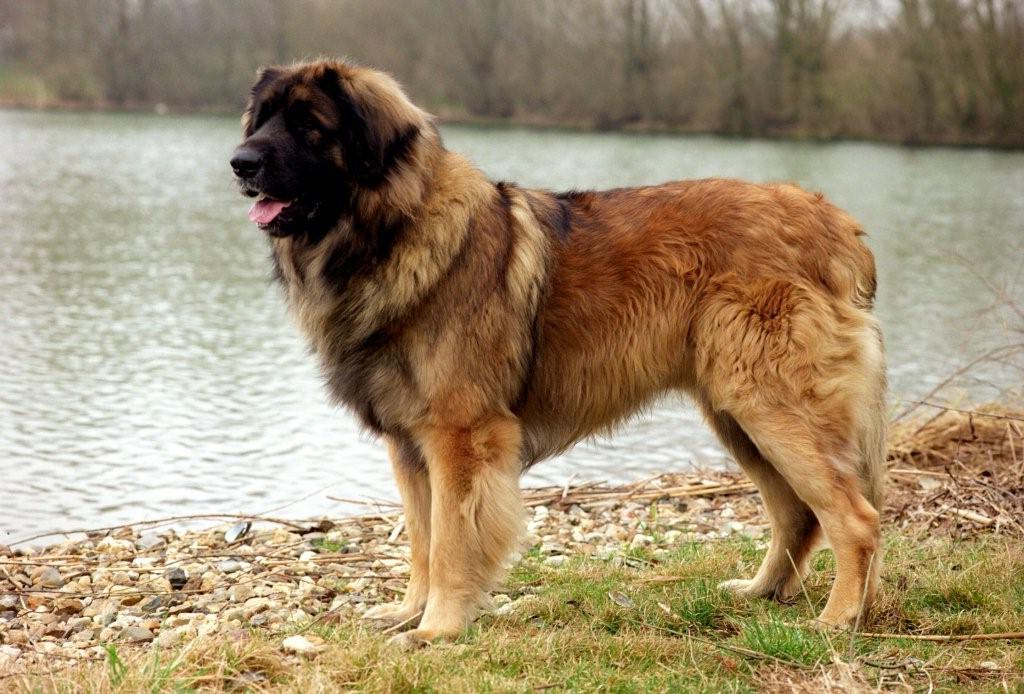
Leonberger
7-9 years
Newfoundland
9-10 years
Leonberger vs Newfoundland
Midpoints ~8.0 vs ~9.5 years
Giant water-work and companion types with mid-to-upper single-digit to low double-digit averages—coat care and weight matter.
Compare lifespans →

Golden Retriever
10-12 years

Labrador Retriever
10-12 years
Golden Retriever vs Labrador Retriever
Midpoints ~11.0 vs ~11.0 years
Both sporting favorites usually land around a decade-plus; cancer and orthopedic risk management often matter more than midpoint ties.
Compare lifespans →
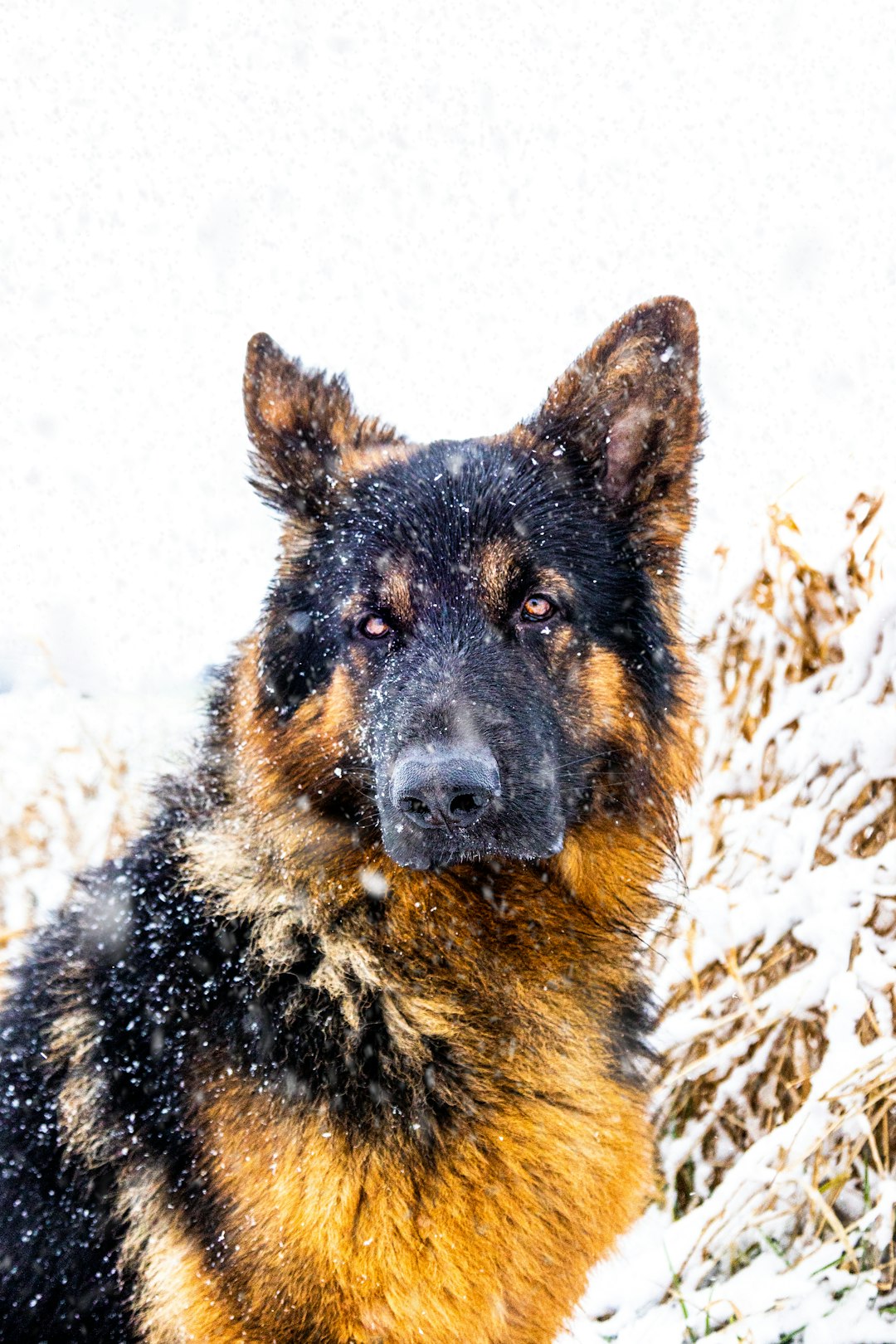
German Shepherd
9-13 years
Labrador Retriever
10-12 years
German Shepherd vs Labrador Retriever
Midpoints ~11.0 vs ~11.0 years
Labs often edge slightly longer on average lists; GSDs need strong focus on hips, elbows, and responsible breeding lines.
Compare lifespans →
German Shepherd
9-13 years
Golden Retriever
10-12 years
German Shepherd vs Golden Retriever
Midpoints ~11.0 vs ~11.0 years
Popular large companions with overlapping longevity; screen for breed-typical orthopedic and other inherited risks.
Compare lifespans →

Chihuahua
14-16 years
Great Dane
7-10 years
Chihuahua vs Great Dane
Midpoints ~15.0 vs ~8.5 years
Classic size-versus-longevity contrast: toy breeds often outlive giants by several years on population averages.
Compare lifespans →
Chihuahua
14-16 years
Mastiff
6-10 years
Chihuahua vs Mastiff
Midpoints ~15.0 vs ~8.0 years
Small-dog longevity versus giant-breed averages—weight class is one of the strongest lifespan correlates in dogs.
Compare lifespans →
Labrador Retriever
10-12 years

Poodle (Standard)
12-15 years
Labrador Retriever vs Poodle (Standard)
Midpoints ~11.0 vs ~13.5 years
Standard Poodles and Labs both commonly live into the teens or low teens; grooming and weight differ more than year bands.
Compare lifespans →
Golden Retriever
10-12 years
Poodle (Standard)
12-15 years
Golden Retriever vs Poodle (Standard)
Midpoints ~11.0 vs ~13.5 years
Intelligent companions with solid published longevity; coat care and cancer vigilance differ by breed.
Compare lifespans →
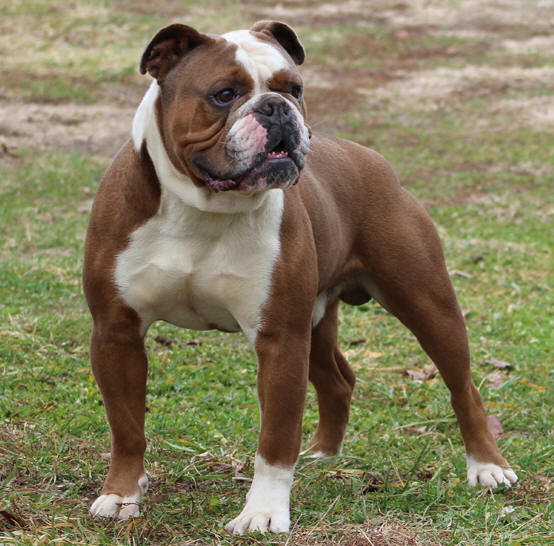
English Bulldog
8-10 years

French Bulldog
10-12 years
English Bulldog vs French Bulldog
Midpoints ~9.0 vs ~11.0 years
Brachycephalic bulldogs—airway and orthopedic care influence quality of life as much as the printed lifespan range.
Compare lifespans →
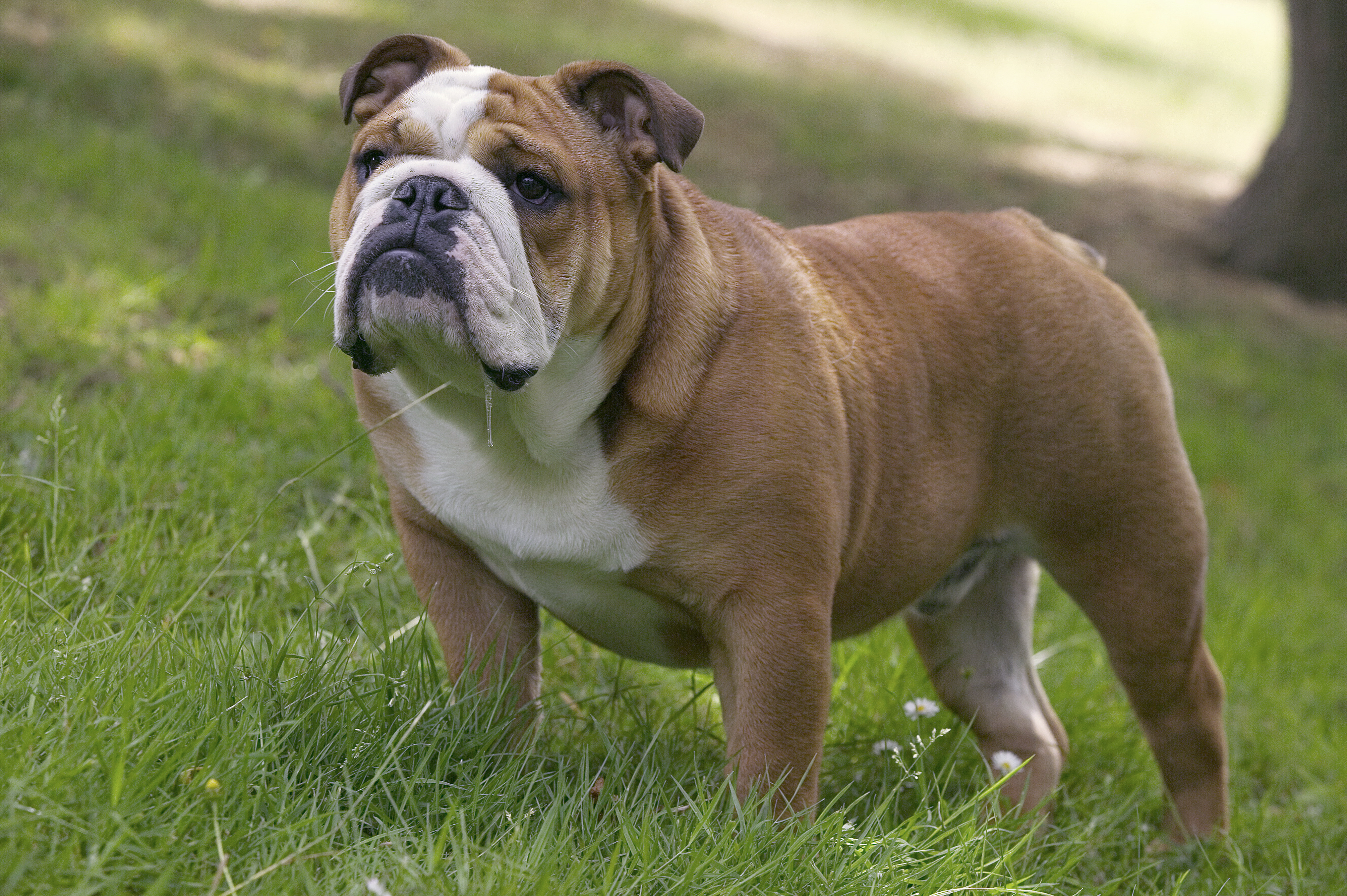
Bulldog
8-10 years
French Bulldog
10-12 years
Bulldog vs French Bulldog
Midpoints ~9.0 vs ~11.0 years
English and French Bulldogs share flat-faced care needs; responsible breeding and weight control support healthier years.
Compare lifespans →
French Bulldog
10-12 years
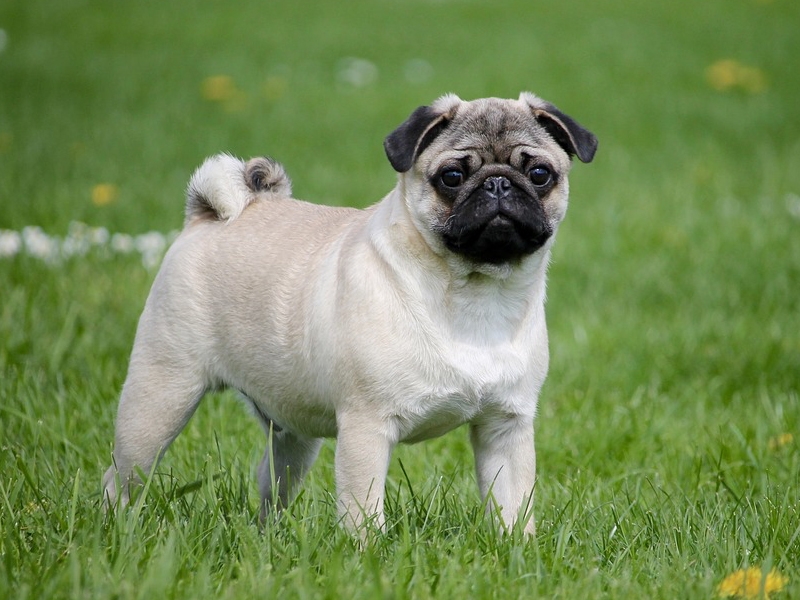
Pug
10-14 years
French Bulldog vs Pug
Midpoints ~11.0 vs ~12.0 years
Small brachycephalic companions—heat, airway, and eye care often shape senior years more than a one-year midpoint gap.
Compare lifespans →
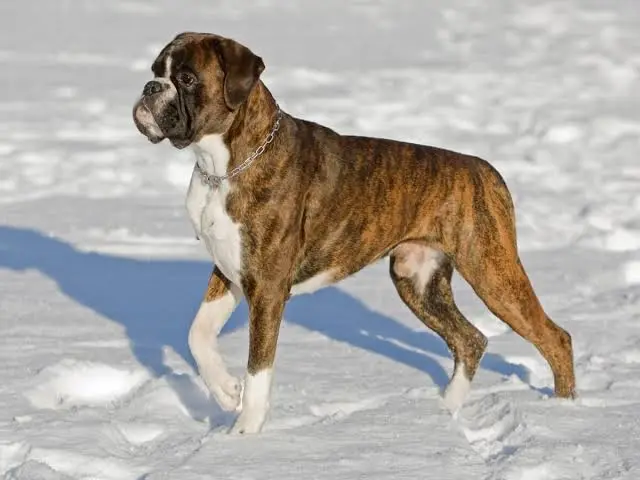
Boxer
10-12 years
Labrador Retriever
10-12 years
Boxer vs Labrador Retriever
Midpoints ~11.0 vs ~11.0 years
Athletic medium-large dogs; Labs often appear slightly longer-lived on averages—ask about cardiac screening for Boxers.
Compare lifespans →
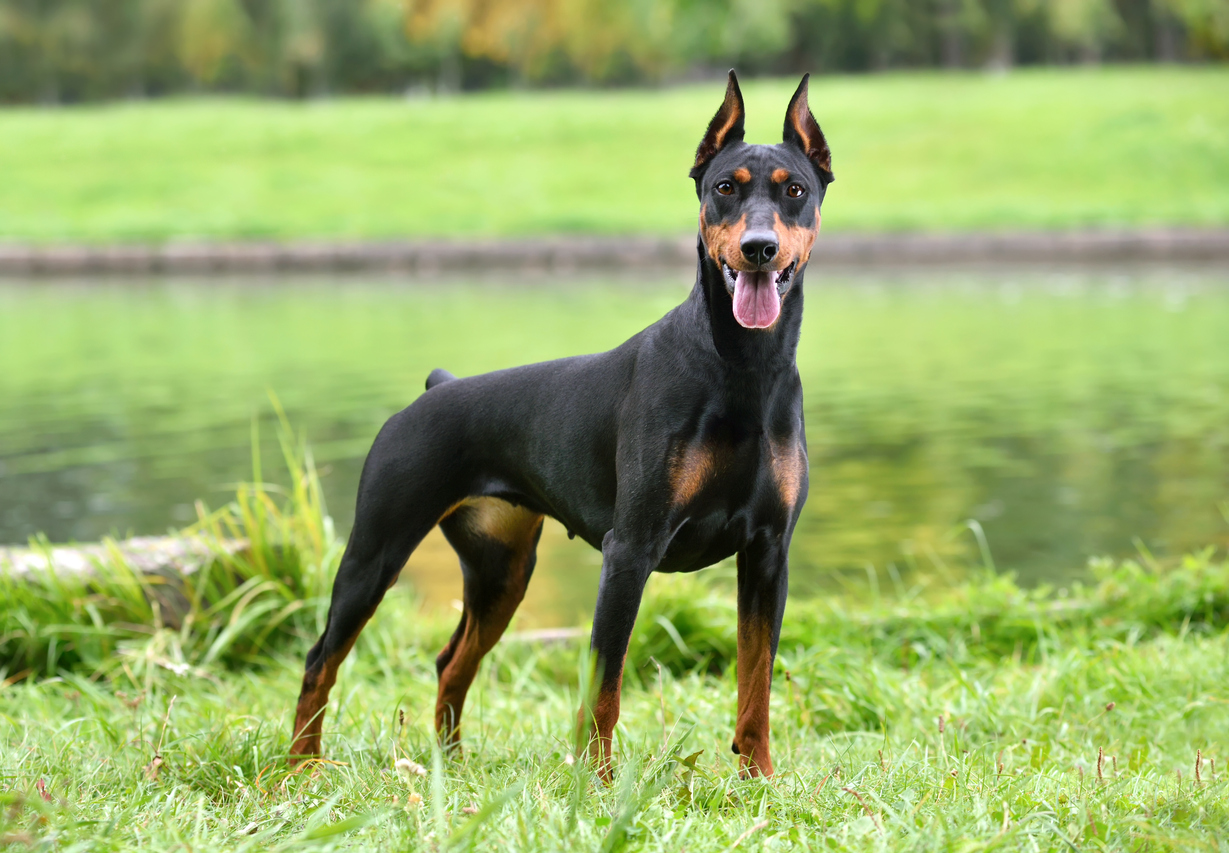
Doberman Pinscher
10-13 years
German Shepherd
9-13 years
Doberman Pinscher vs German Shepherd
Midpoints ~11.5 vs ~11.0 years
Working-line favorites with serious cardiac and orthopedic topics—longevity hinges on screened lines and lean fitness.
Compare lifespans →
German Shepherd
9-13 years
Rottweiler
9-10 years
German Shepherd vs Rottweiler
Midpoints ~11.0 vs ~9.5 years
Large guardian/working breeds with mid-range averages; joint health and cancer awareness are common owner priorities.
Compare lifespans →
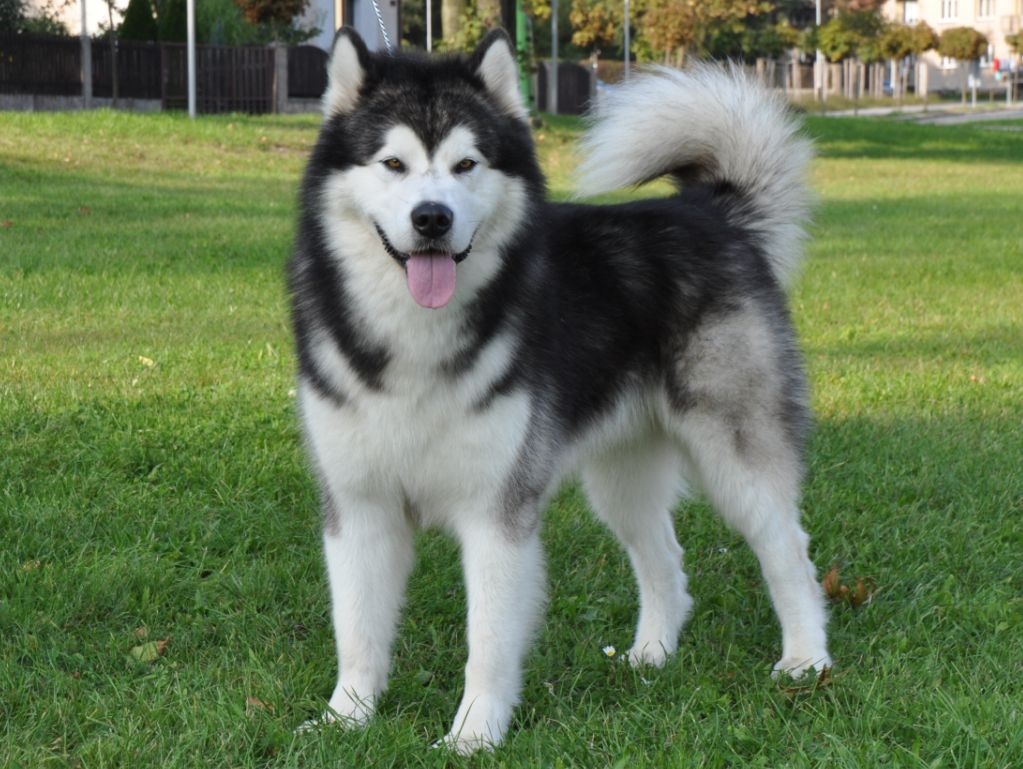
Alaskan Malamute
10-12 years
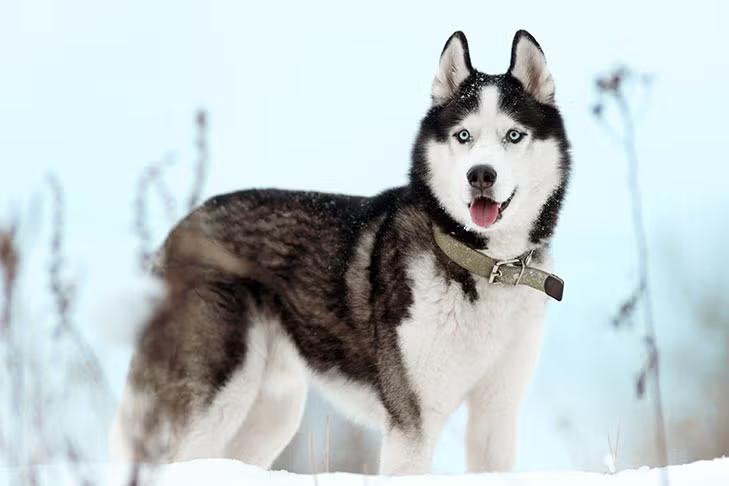
Siberian Husky
12-14 years
Alaskan Malamute vs Siberian Husky
Midpoints ~11.0 vs ~13.0 years
Northern breeds with solid mid-teen potential when fit; Malamutes are heavier—watch joints and weight.
Compare lifespans →
Siberian Husky
12-14 years
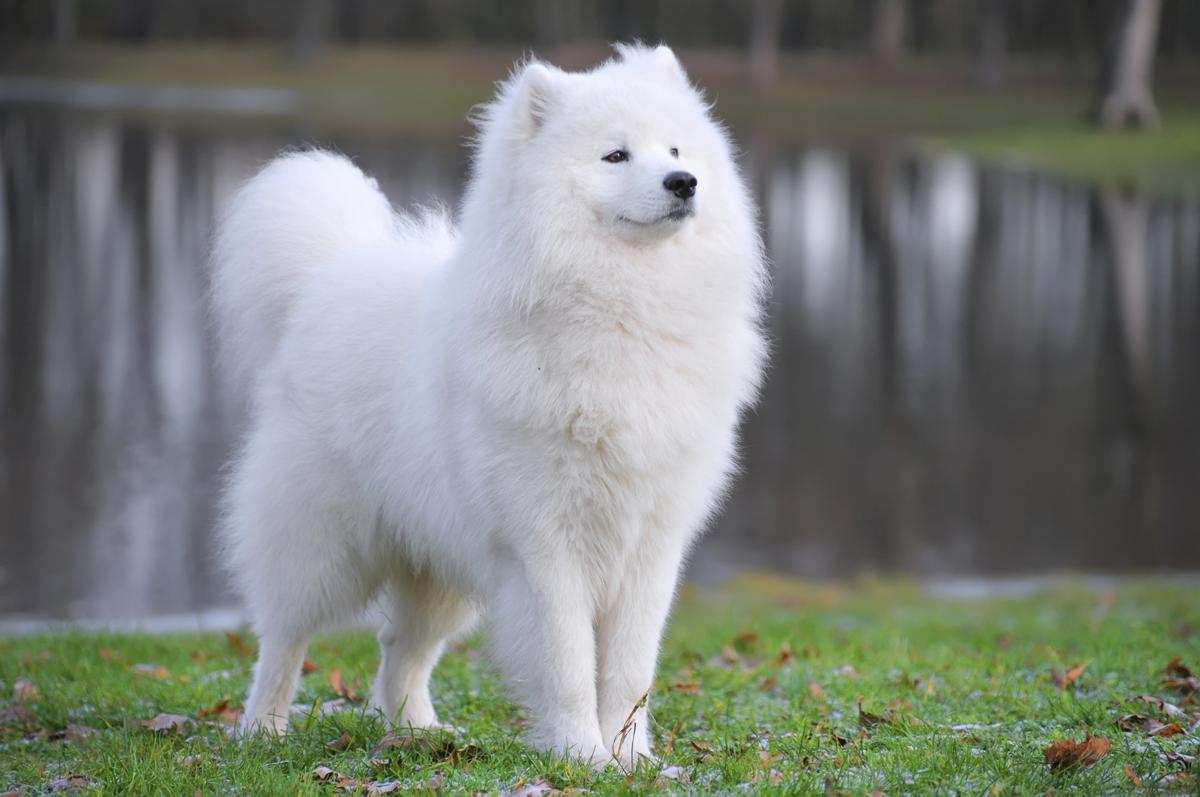
Samoyed
12-14 years
Siberian Husky vs Samoyed
Midpoints ~13.0 vs ~13.0 years
Fluffy northern cousins with similar longevity bands; coat care and exercise needs differ more than year ranges.
Compare lifespans →
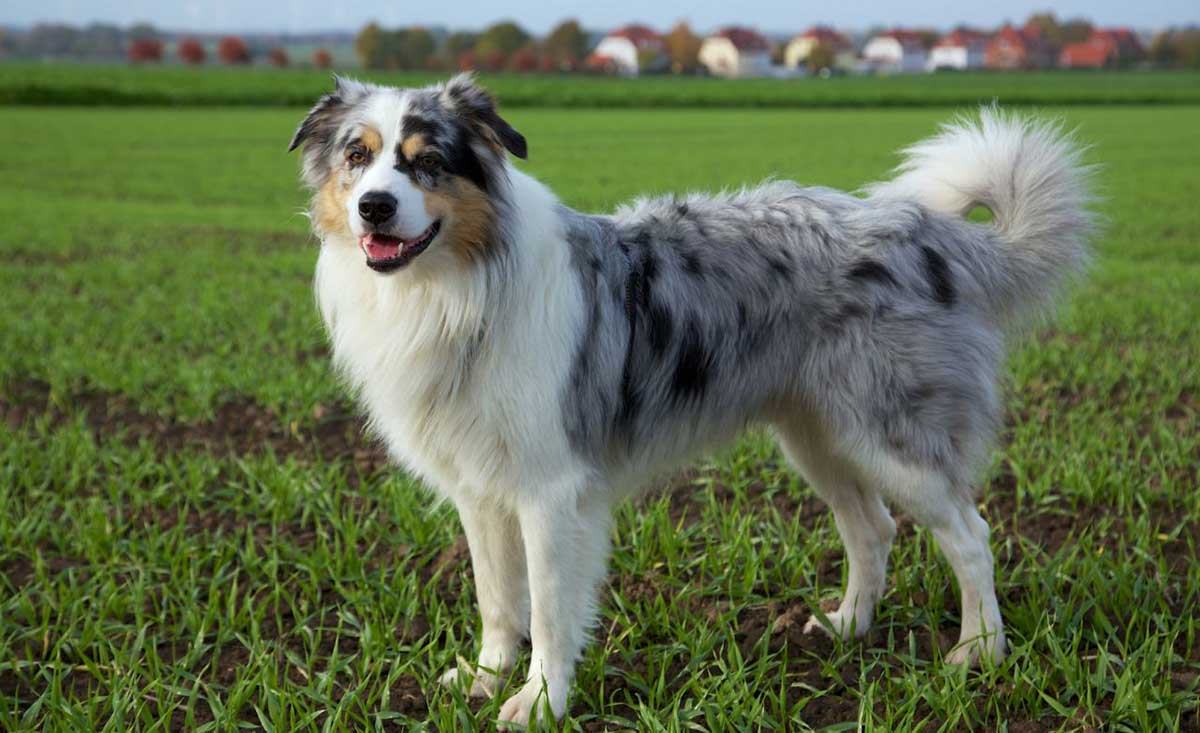
Australian Shepherd
12-15 years

Border Collie
12-15 years
Australian Shepherd vs Border Collie
Midpoints ~13.5 vs ~13.5 years
High-drive herding breeds that often enjoy long active lives when mentally worked and kept lean.
Compare lifespans →

Beagle
12-15 years
Labrador Retriever
10-12 years
Beagle vs Labrador Retriever
Midpoints ~13.5 vs ~11.0 years
Beagles are smaller and often live longer on averages; Labs need portion control to protect joints over a decade-plus.
Compare lifespans →
Beagle
12-15 years

Dachshund
12-16 years
Beagle vs Dachshund
Midpoints ~13.5 vs ~14.0 years
Small scent-driven companions; back care for Dachshunds and weight control for both support longer quality years.
Compare lifespans →

Maltese
12-15 years

Shih Tzu
10-16 years
Maltese vs Shih Tzu
Midpoints ~13.5 vs ~13.0 years
Toy companions frequently cited with long lifespans; dental care and safe handling protect those senior years.
Compare lifespans →
Chihuahua
14-16 years

Yorkshire Terrier
11-15 years
Chihuahua vs Yorkshire Terrier
Midpoints ~15.0 vs ~13.0 years
Two long-lived toys—dental disease and trauma prevention matter as much as the optimistic year ranges.
Compare lifespans →
Chihuahua
14-16 years

Pomeranian
12-16 years
Chihuahua vs Pomeranian
Midpoints ~15.0 vs ~14.0 years
Tiny companions with strong longevity averages; keep them lean and schedule regular dental care.
Compare lifespans →

Cavalier King Charles Spaniel
9-14 years

Cocker Spaniel
12-15 years
Cavalier King Charles Spaniel vs Cocker Spaniel
Midpoints ~11.5 vs ~13.5 years
Spaniel companions; Cavaliers need cardiac vigilance—longevity depends heavily on screened breeding and monitoring.
Compare lifespans →
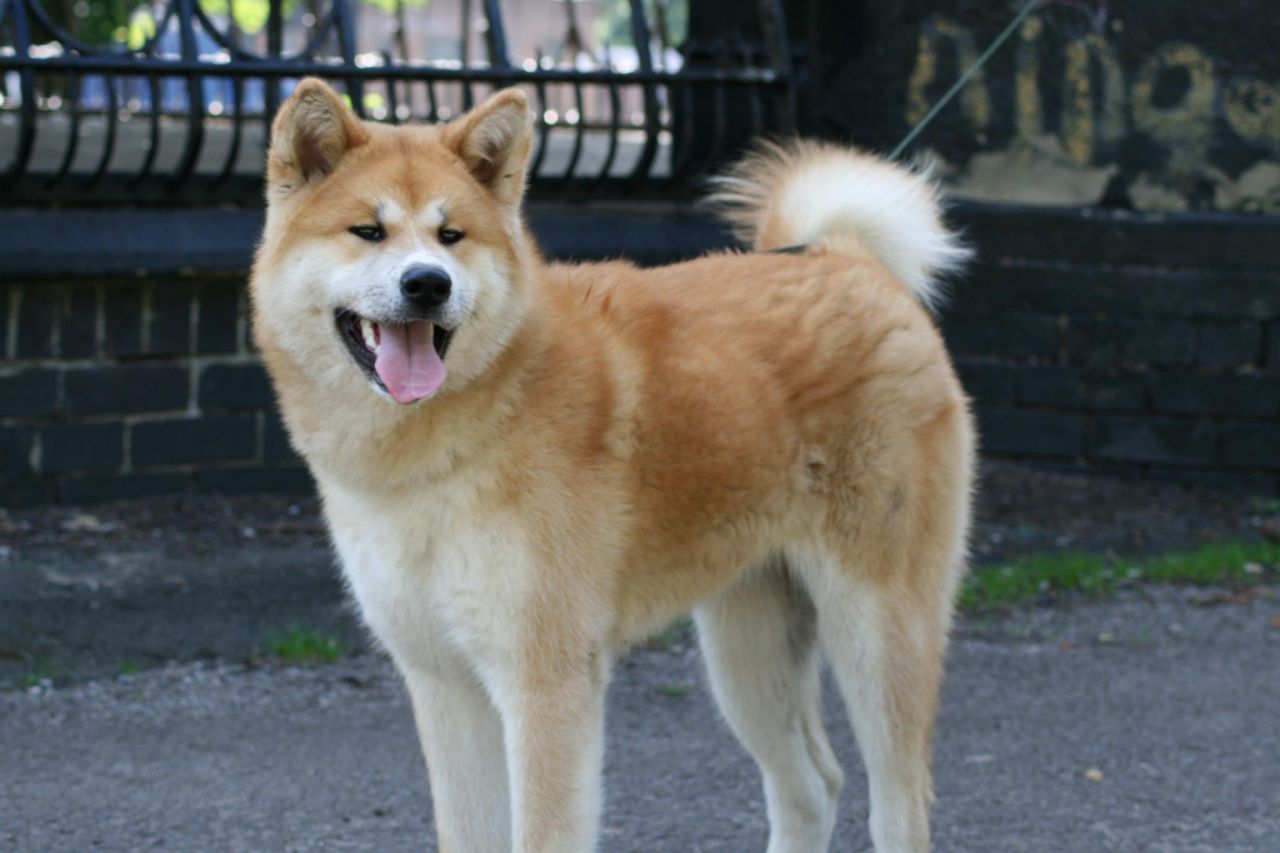
Akita
10-14 years

Shiba Inu
13-16 years
Akita vs Shiba Inu
Midpoints ~12.0 vs ~14.5 years
Shibas are smaller and often live longer on averages; Akitas need joint and autoimmune awareness as large spitz types.
Compare lifespans →
Akita
10-14 years
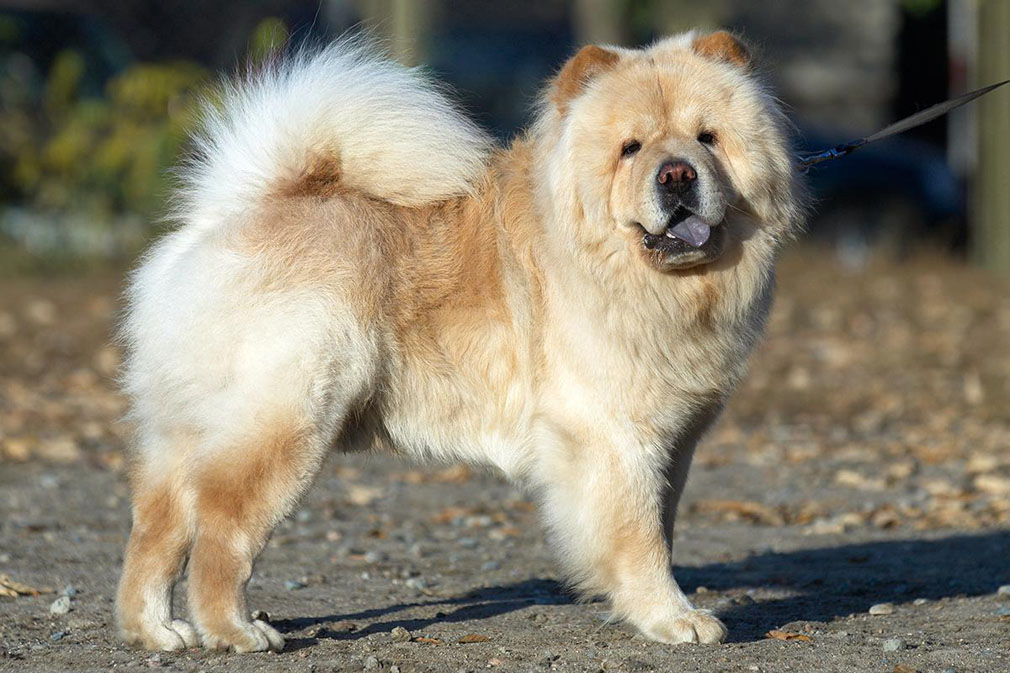
Chow Chow
12-15 years
Akita vs Chow Chow
Midpoints ~12.0 vs ~13.5 years
Reserved northern/Asian large breeds with mid-range longevity; weight and orthopedic screening support healthier seniors.
Compare lifespans →

Belgian Malinois
12-14 years
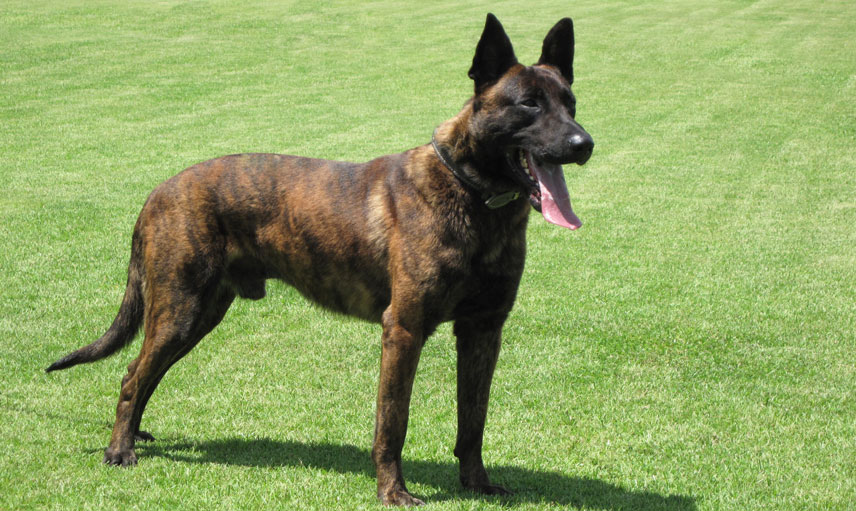
Dutch Shepherd
12-15 years
Belgian Malinois vs Dutch Shepherd
Midpoints ~13.0 vs ~13.5 years
High-drive working shepherds—fitness and injury prevention shape careers and companion lifespans alike.
Compare lifespans →
Belgian Malinois
12-14 years
German Shepherd
9-13 years
Belgian Malinois vs German Shepherd
Midpoints ~13.0 vs ~11.0 years
Police-favorite shepherds with overlapping longevity; choose health-tested lines and plan for intense exercise needs.
Compare lifespans →

Greyhound
10-14 years

Whippet
12-15 years
Greyhound vs Whippet
Midpoints ~12.0 vs ~13.5 years
Sighthounds with solid longevity for their size; Greyhounds are larger—watch dental care and soft bedding for both.
Compare lifespans →
Cane Corso
9-12 years
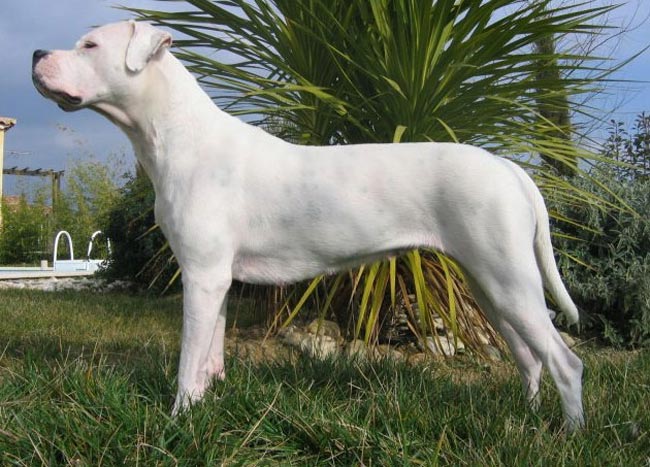
Dogo Argentino
9-15 years
Cane Corso vs Dogo Argentino
Midpoints ~10.5 vs ~12.0 years
Powerful working mastiff-types with similar decade-scale averages; lean muscle and joint care are non-negotiable.
Compare lifespans →
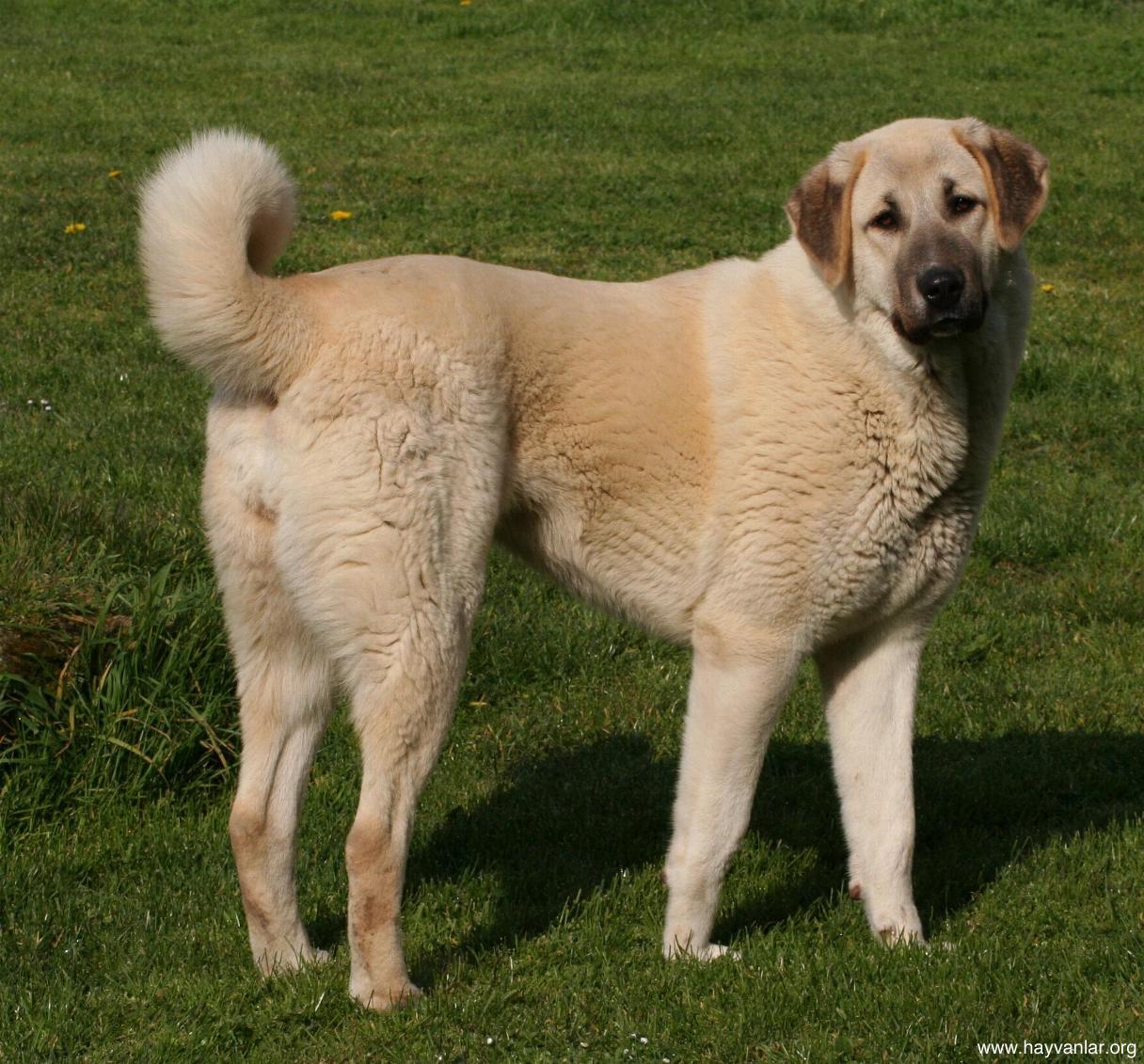
Anatolian Shepherd
11-13 years
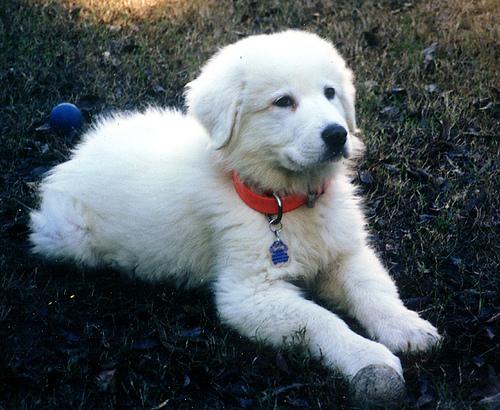
Great Pyrenees
10-12 years
Anatolian Shepherd vs Great Pyrenees
Midpoints ~12.0 vs ~11.0 years
Livestock guardian giants—published ranges vary; keep lean and plan for large-breed orthopedic aging.
Compare lifespans →
Great Pyrenees
10-12 years
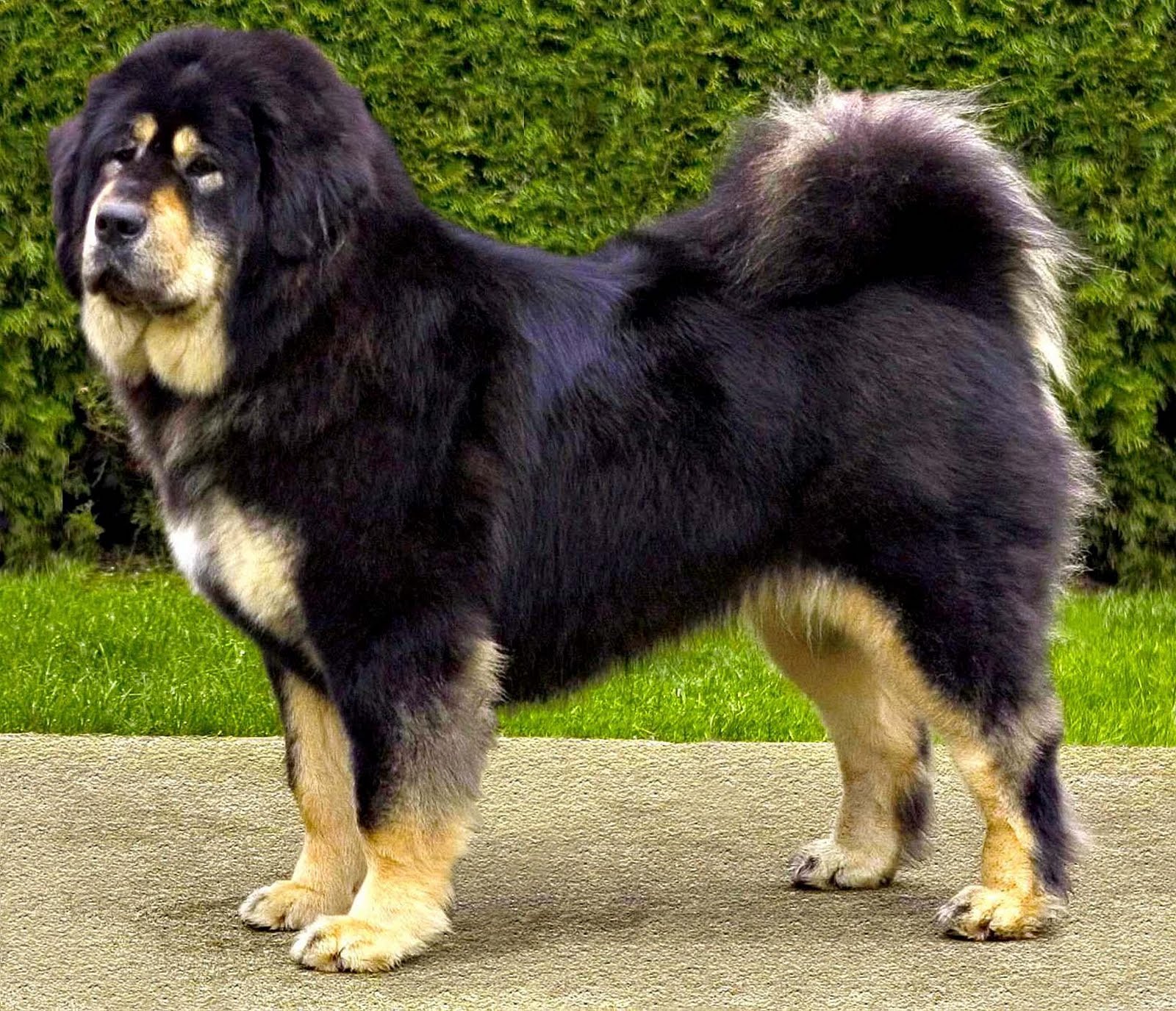
Tibetan Mastiff
10-12 years
Great Pyrenees vs Tibetan Mastiff
Midpoints ~11.0 vs ~11.0 years
Mountain guardians with large frames; longevity tracks size class—don’t chase extreme weight.
Compare lifespans →
Australian Shepherd
12-15 years
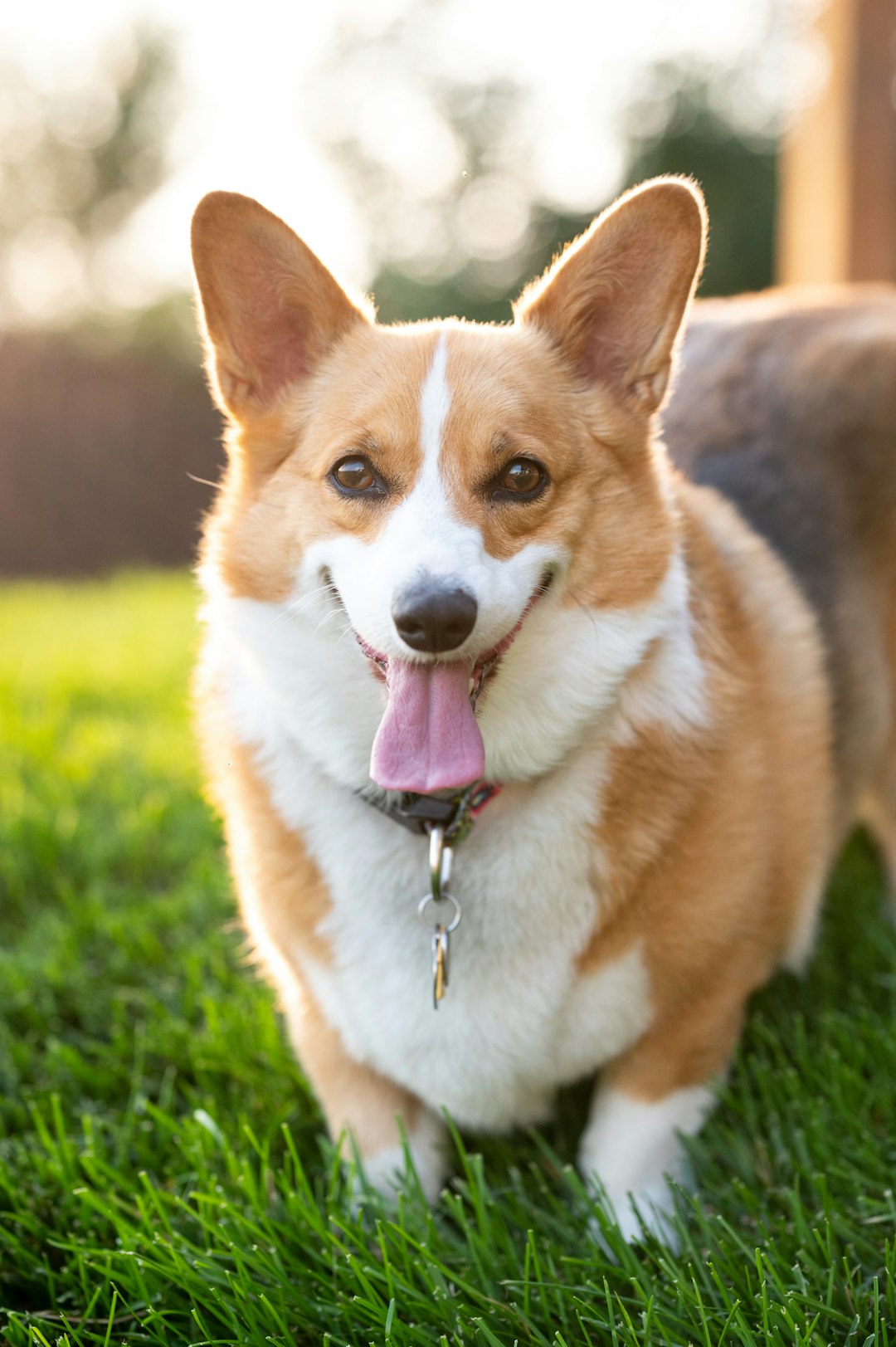
Pembroke Welsh Corgi
12-15 years
Australian Shepherd vs Pembroke Welsh Corgi
Midpoints ~13.5 vs ~13.5 years
Corgis are smaller herders that often outlive larger Aussies on averages; protect Corgi backs with weight control.
Compare lifespans →
Boxer
10-12 years
Bullmastiff
8-10 years
Boxer vs Bullmastiff
Midpoints ~11.0 vs ~9.0 years
Boxers are typically lighter and often listed with longer averages than heavy Bullmastiffs.
Compare lifespans →
Irish Wolfhound
6-8 years
Mastiff
6-10 years
Irish Wolfhound vs Mastiff
Midpoints ~7.0 vs ~8.0 years
Among the shortest average longevity bands in popular giants—plan senior screening early for both.
Compare lifespans →
Bernese Mountain Dog
6-8 years
Great Dane
7-10 years
Bernese Mountain Dog vs Great Dane
Midpoints ~7.0 vs ~8.5 years
Two breeds frequently discussed for shorter averages among large dogs—choose health-focused breeders carefully.
Compare lifespans →
Labrador Retriever
10-12 years
Rottweiler
9-10 years
Labrador Retriever vs Rottweiler
Midpoints ~11.0 vs ~9.5 years
Labs often show longer published averages than Rottweilers; both need lifelong joint-friendly fitness.
Compare lifespans →
Bernese Mountain Dog
6-8 years
Golden Retriever
10-12 years
Bernese Mountain Dog vs Golden Retriever
Midpoints ~7.0 vs ~11.0 years
Goldens typically outlive Bernese on population averages—cancer risk conversations matter for both families.
Compare lifespans →
Chihuahua
14-16 years
Labrador Retriever
10-12 years
Chihuahua vs Labrador Retriever
Midpoints ~15.0 vs ~11.0 years
Toy versus sporting size classes: smaller dogs often live longer on averages, but every individual varies.
Compare lifespans →
Great Dane
7-10 years

Poodle
12-15 years
Great Dane vs Poodle
Midpoints ~8.5 vs ~13.5 years
Extreme size contrast—toy Poodles commonly reach the mid-teens while Danes average nearer a decade or less.
Compare lifespans →
Beagle
12-15 years
German Shepherd
9-13 years
Beagle vs German Shepherd
Midpoints ~13.5 vs ~11.0 years
Medium hound versus large herding breed—Beagles often edge longer on published lifespan lists.
Compare lifespans →
Bulldog
8-10 years
Shih Tzu
10-16 years
Bulldog vs Shih Tzu
Midpoints ~9.0 vs ~13.0 years
Long-coated toy versus brachycephalic bulldog—airway and weight care can close or widen quality-of-life gaps.
Compare lifespans →
Presa Canario
9-11 years
Rottweiler
9-10 years
Presa Canario vs Rottweiler
Midpoints ~10.0 vs ~9.5 years
Large guardians with decade-scale averages; hips, bloat awareness, and lean conditioning support longevity.
Compare lifespans →
Boerboel
9-11 years
Mastiff
6-10 years
Boerboel vs Mastiff
Midpoints ~10.0 vs ~8.0 years
Heavy mastiff-types; English Mastiffs often sit lower on published ranges—neither is a small-dog lifespan.
Compare lifespans →
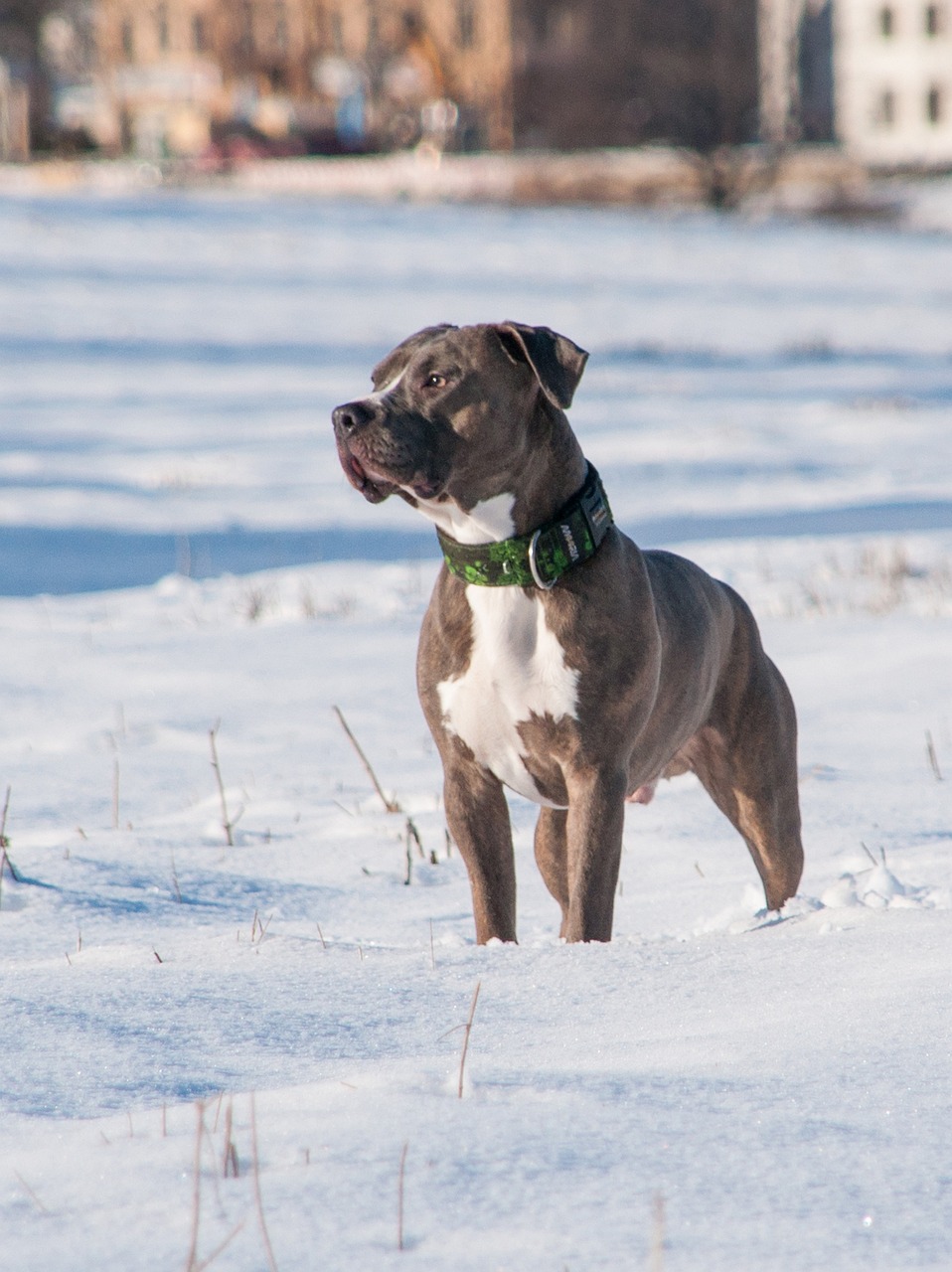
American Pit Bull Terrier
12-16 years
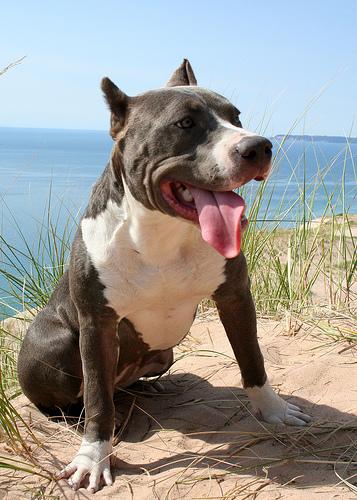
American Staffordshire Terrier
12-16 years
American Pit Bull Terrier vs American Staffordshire Terrier
Midpoints ~14.0 vs ~14.0 years
Closely related bull-and-terrier types with similar mid-teen potential when kept fit and healthy.
Compare lifespans →
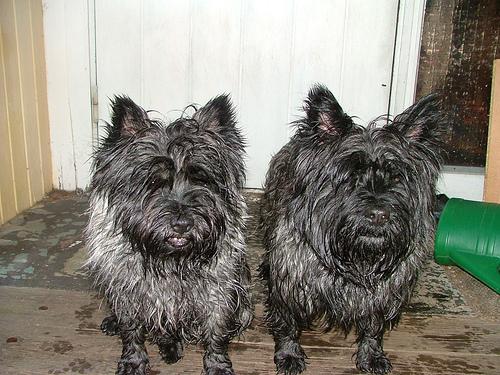
Boston Terrier
11-13 years
French Bulldog
10-12 years
Boston Terrier vs French Bulldog
Midpoints ~12.0 vs ~11.0 years
Small brachycephalic companions—heat and airway management shape comfortable senior years for both.
Compare lifespans →
Maltese
12-15 years
Yorkshire Terrier
11-15 years
Maltese vs Yorkshire Terrier
Midpoints ~13.5 vs ~13.0 years
Toy companions often cited with long lives; prioritize dental care and safe handling.
Compare lifespans →
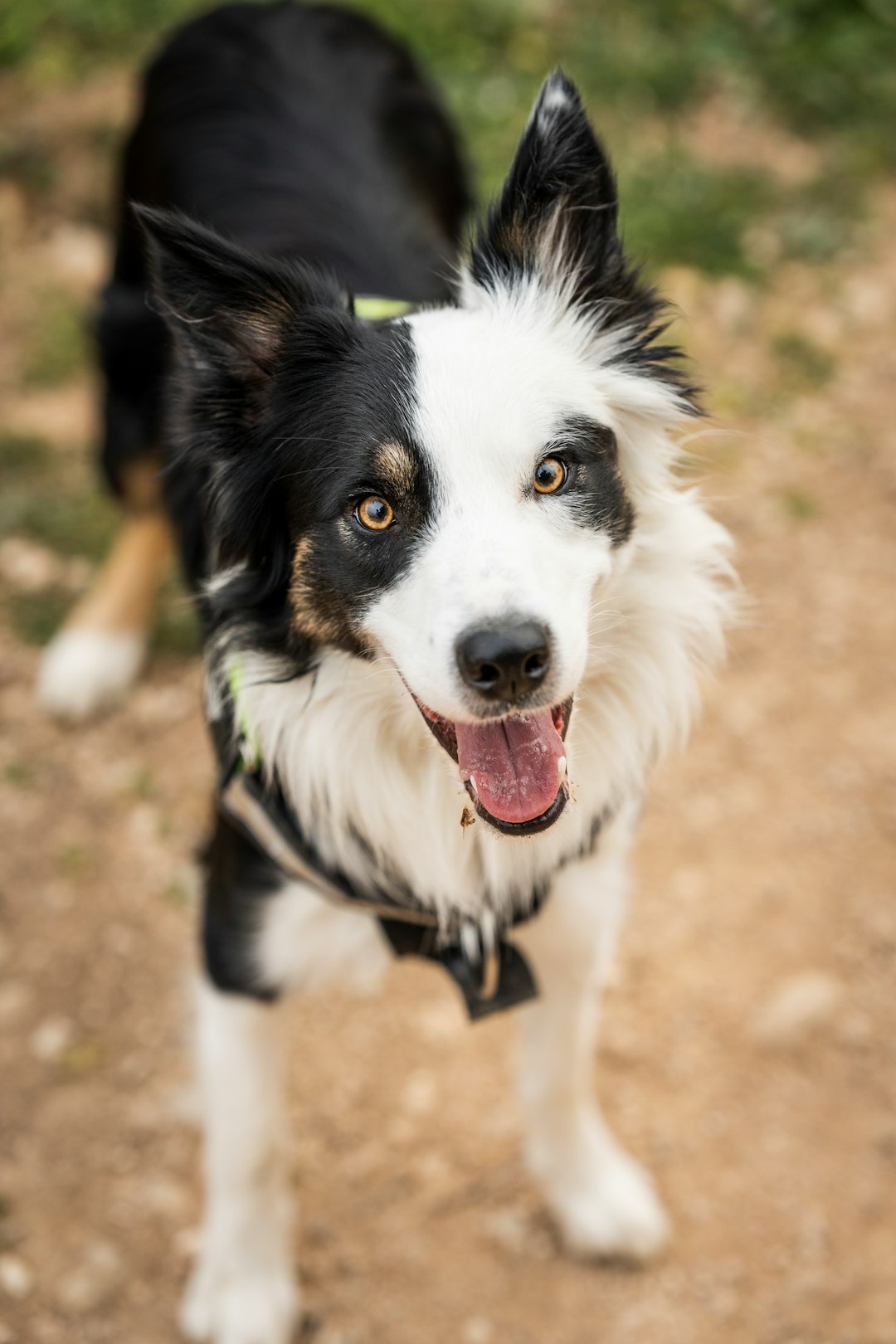
Collie
12-15 years
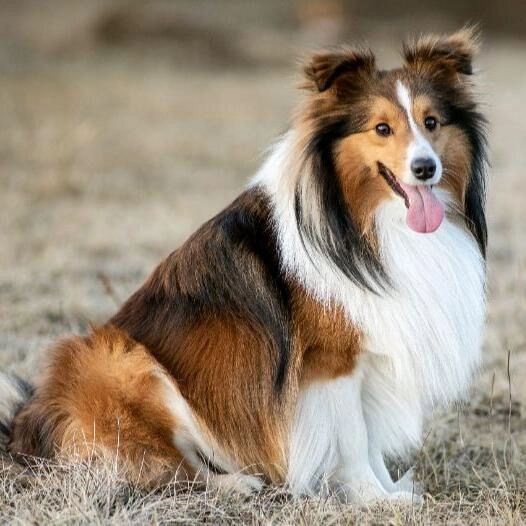
Shetland Sheepdog
12-14 years
Collie vs Shetland Sheepdog
Midpoints ~13.5 vs ~13.0 years
Shelties are smaller and often live longer on averages; both need herding-breed exercise and eye awareness.
Compare lifespans →

Vizsla
12-15 years
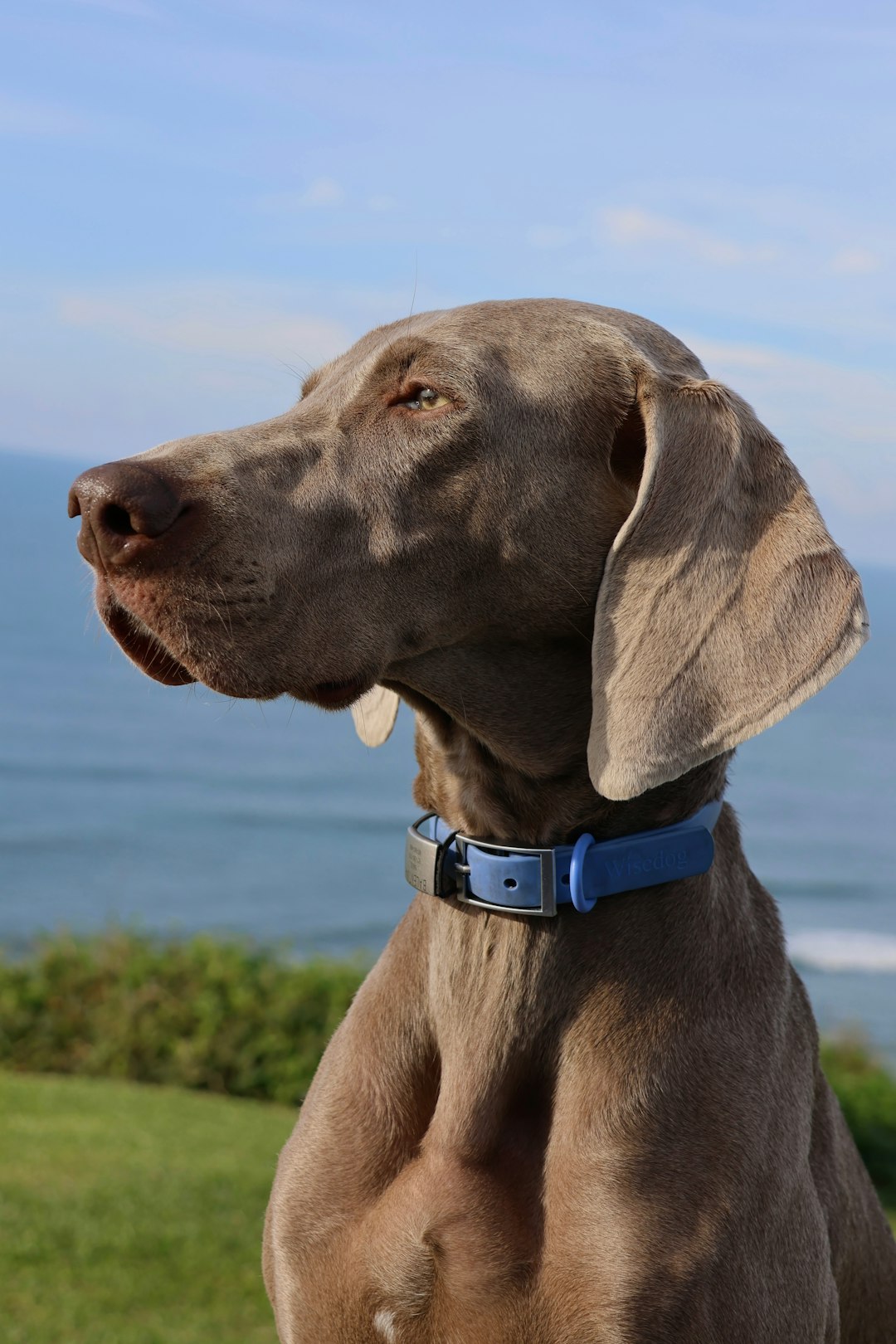
Weimaraner
10-13 years
Vizsla vs Weimaraner
Midpoints ~13.5 vs ~11.5 years
Athletic hunting companions with solid mid-range longevity when kept lean and well conditioned.
Compare lifespans →

Basset Hound
12-13 years

Bloodhound
10-12 years
Basset Hound vs Bloodhound
Midpoints ~12.5 vs ~11.0 years
Scent hounds—Bassets are lower and often longer-lived on averages; watch ears, weight, and backs.
Compare lifespans →
Chihuahua
14-16 years
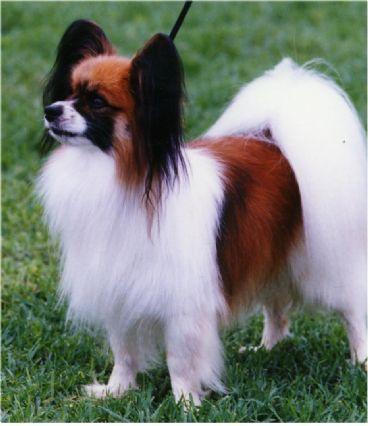
Papillon
13-16 years
Chihuahua vs Papillon
Midpoints ~15.0 vs ~14.5 years
Tiny companions with excellent longevity averages; protect from falls and keep up with dental cleanings.
Compare lifespans →

Bichon Frise
14-15 years
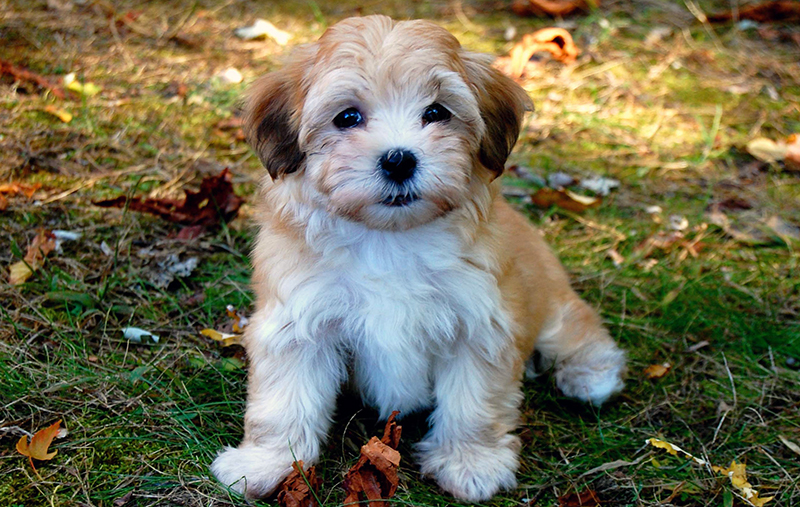
Havanese
14-16 years
Bichon Frise vs Havanese
Midpoints ~14.5 vs ~15.0 years
Small fluffy companions frequently enjoy long lives with good dental and coat care.
Compare lifespans →
Custom lifespan comparison
Pick any two breeds. Selection syncs to the URL so you can share it. Curated pairs unlock a deeper lifespan guide.
How to read lifespan ranges
Ranges like “9–11 years” describe typical published averages for the breed—not a countdown timer. Overlap between two breeds is normal.
Larger size classes tend to live shorter on average (AKC size and longevity). Within a size class, lean weight, preventive care, and health-tested lines usually matter more than a half-year midpoint gap.
Related hubs: size compare, shedding compare, puppy price compare, energy compare. Single-breed lifespan guides (from our published ranges):
- Labrador Retriever lifespan · 10-12 years
- French Bulldog lifespan · 10-12 years
- Golden Retriever lifespan · 10-12 years
- German Shepherd lifespan · 9-13 years
- Poodle (Standard) lifespan · 12-15 years
- Bulldog lifespan · 8-10 years
- Beagle lifespan · 12-15 years
- Rottweiler lifespan · 9-10 years
- German Shorthaired Pointer lifespan · 12-14 years
- Dachshund lifespan · 12-16 years
- Pembroke Welsh Corgi lifespan · 12-15 years
- Australian Shepherd lifespan · 12-15 years
- Yorkshire Terrier lifespan · 11-15 years
- Cavalier King Charles Spaniel lifespan · 9-14 years
- Doberman Pinscher lifespan · 10-13 years
- Boxer lifespan · 10-12 years
- Miniature Schnauzer lifespan · 12-15 years
- Cane Corso lifespan · 9-12 years
- Great Dane lifespan · 7-10 years
- Bernese Mountain Dog lifespan · 6-8 years
- Boerboel lifespan · 9-11 years
- Presa Canario lifespan · 9-11 years
Each guide cites our breed lifespan field plus AKC/OFA/AVMA/ASPCA references, then links into head-to-head lifespan compares.
Lifespan FAQs
- Which dog breeds live the longest?
- Small and toy breeds often top longevity lists (many Chihuahuas, Yorkies, and similar toys are cited in the mid-teens). Giant breeds like Great Danes and Mastiffs often average nearer a decade or less. Averages are not guarantees.
- How does the lifespan comparison tool work?
- Pick any two breeds to see published lifespan ranges, size, and common health topics side by side. If we have a curated lifespan guide for that pair, we’ll link it. You can also open the full breed compare tool.
- Are lifespan numbers guarantees?
- No. They are typical ranges from breed and veterinary education sources. Genetics, weight, preventives, and luck all matter. Use them for planning—not as a promise.
- Does size really affect how long dogs live?
- Population studies generally find larger body size associates with shorter average lifespan. Within the same size class, breeding and care often matter more than a one-year chart difference. See AKC’s size and longevity overview in References.
References
- How Long Will Your Dog Live? Size Matters — American Kennel Club (AKC)
- How to Choose the Right Dog Breed — American Kennel Club (AKC)
- Pet Ownership Resources — American Veterinary Medical Association (AVMA)
- General Dog Care — ASPCA