Lifespan matchup
Alaskan Malamute vs Siberian Husky: lifespan
Typical ranges (10-12 years vs 12-14 years), size context, and health factors—so you can plan, not just pick a “winner.”
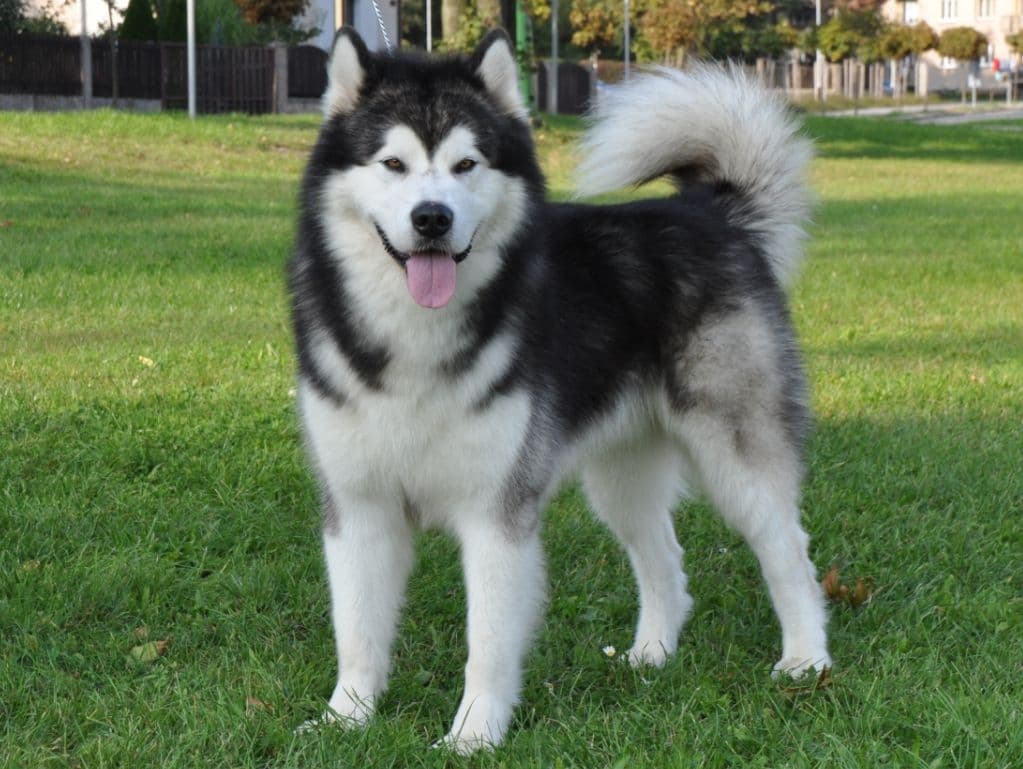
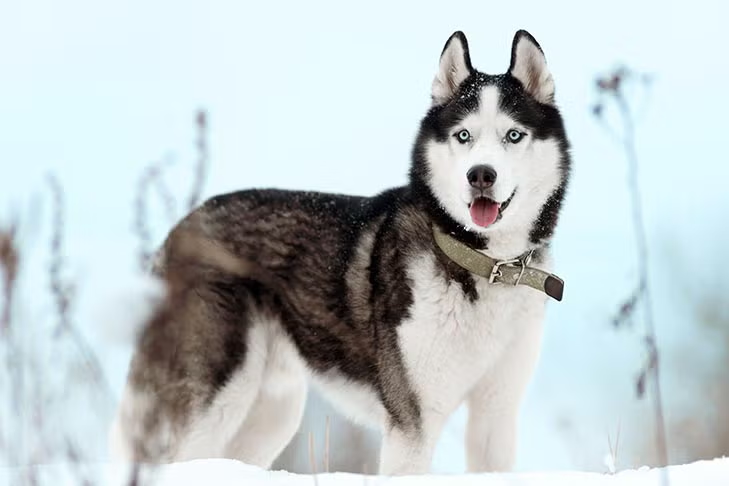
Northern breeds with solid mid-teen potential when fit; Malamutes are heavier—watch joints and weight.
Typical lifespan ranges
- Alaskan Malamute: 10-12 years (midpoint ~11.0 years)
- Siberian Husky: 12-14 years (midpoint ~13.0 years)
These figures are published breed averages—not a guarantee for any individual dog. Overlap between ranges is common.
Size and longevity context
Alaskan Malamute
large · 75-85 lbs · 23-25 inches
Energy 4/5 · Affectionate, Loyal
Siberian Husky
medium · 35-60 lbs · 20-23 inches
Energy 5/5 · Outgoing, Mischievous
Across dogs, smaller size classes often average longer lives than giants. Within the same size class, genetics and care usually matter more than a small midpoint gap.
Health factors that affect years
Alaskan Malamute
- Hip Dysplasia
- Chondrodysplasia
- Hypothyroidism
Siberian Husky
- Hip Dysplasia
- Eye Problems
- Hypothyroidism
Lean weight, preventive care, and health-tested breeding lines support quality years for either breed. A longer midpoint on a chart is not a substitute for daily management.
Planning verdict
Lean Alaskan Malamute
A Alaskan Malamute may suit you if you want a large companion typically listed around 10-12 years, with health topics to discuss including Hip Dysplasia, Chondrodysplasia, Hypothyroidism.
Lean Siberian Husky
A Siberian Husky may suit you if you prefer medium size and a published range near 12-14 years, watching for Hip Dysplasia, Eye Problems, Hypothyroidism.
FAQs
- Which lives longer, a Alaskan Malamute or a Siberian Husky?
- Published midpoint averages lean toward the Siberian Husky, but ranges overlap and individuals vary. Alaskan Malamute is commonly listed around 10-12 years (midpoint ~11.0 years) versus Siberian Husky at 12-14 years (midpoint ~13.0 years). On midpoints alone, Siberian Husky edges longer; that is not a guarantee for any one dog. Alaskan Malamute is large; Siberian Husky is medium. Size class is one of the strongest correlates of average lifespan.
- What is the lifespan of a Alaskan Malamute vs a Siberian Husky?
- Alaskan Malamute: typically about 10-12 years. Siberian Husky: typically about 12-14 years. These are population averages from breed education sources—not promises.
- Does size explain Alaskan Malamute vs Siberian Husky longevity?
- Often partly yes: Alaskan Malamute is large and Siberian Husky is medium. Across dogs, smaller size classes tend to live longer on average than giant breeds—but exceptions are common.
- What health issues affect Alaskan Malamute and Siberian Husky lifespan?
- Alaskan Malamute topics often include Hip Dysplasia, Chondrodysplasia, Hypothyroidism. Siberian Husky: Hip Dysplasia, Eye Problems, Hypothyroidism. Ask breeders for relevant clearances and plan preventive care with your vet.
- How can I help either breed live longer?
- Choose health-tested lines when buying, keep a lean body condition, use age-appropriate exercise, schedule regular vet care, and address breed-typical risks early. Longevity is mostly management plus luck—not a breed ranking trophy.
Related lifespan matchups
References
- How Long Will Your Dog Live? Size Matters — American Kennel Club (AKC)
- Pet Ownership Resources — American Veterinary Medical Association (AVMA)
- General Dog Care — ASPCA