PawPedia breed guide
Bulldog breeds
French, English, American, and related bull types—how the family splits, what flat faces need, and which profile to open next.
14 breeds · Updated 2026-08-15
Searching bulldog breeds can mean the wrinkled companion English type, the bat-eared French Bulldog, athletic American Bulldogs, or a whole neighborhood of related bull breeds. They share a stocky look and people-focus more often than identical care needs.
This guide covers 14 profiles—core bulldog types first, then related bull breeds people often mix into the same search. Flat-face health context: brachycephalic dog breeds. Kennel overviews: AKC French Bulldog, AKC Bulldog. Still choosing? Take the match quiz.
Core bulldog types
The names most people mean when they say “bulldog breed”:
- French Bulldog — 16-28 lbs, energy 2/5
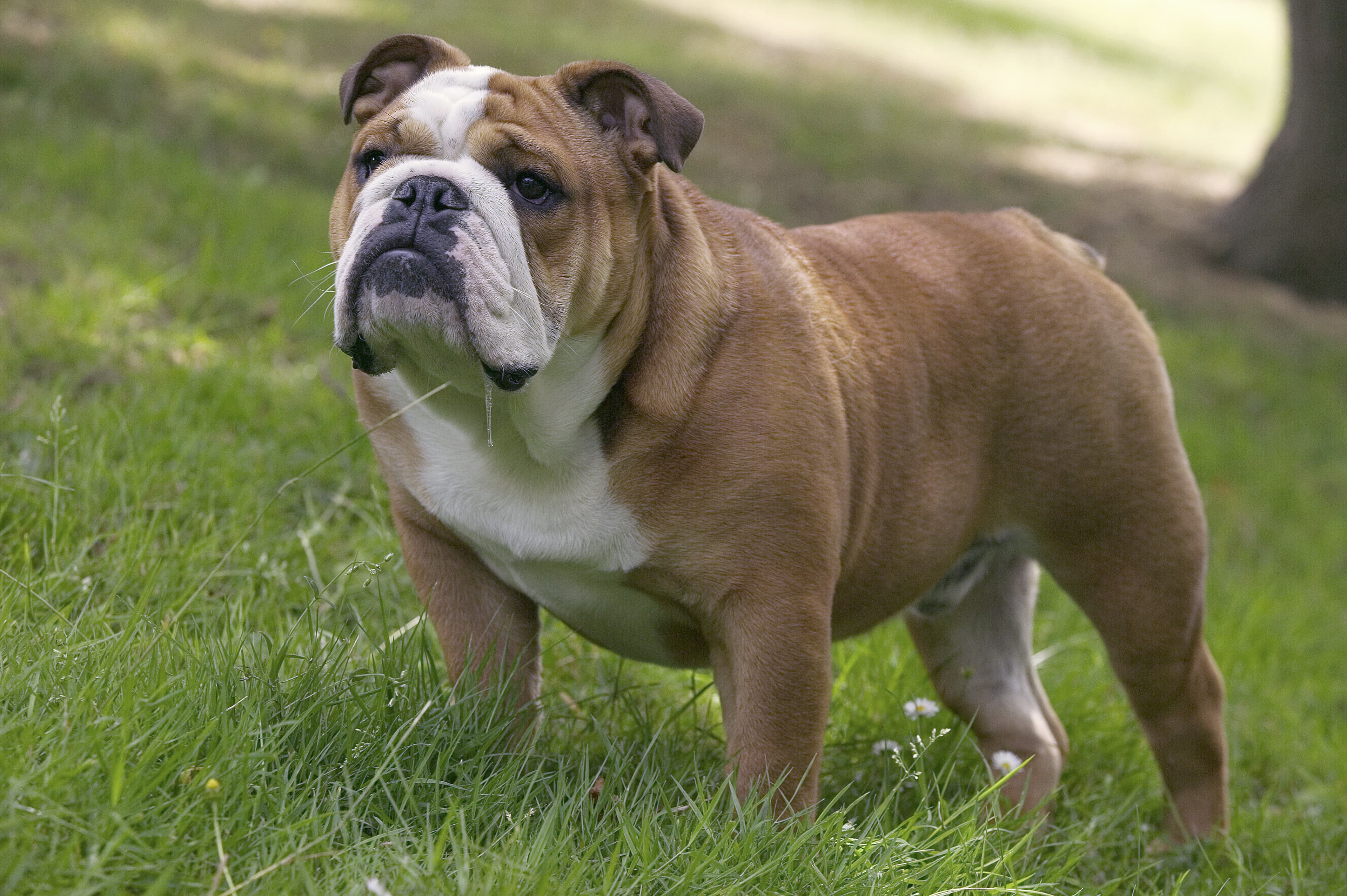
- Bulldog — 40-50 lbs, energy 2/5 (English Bulldog type)
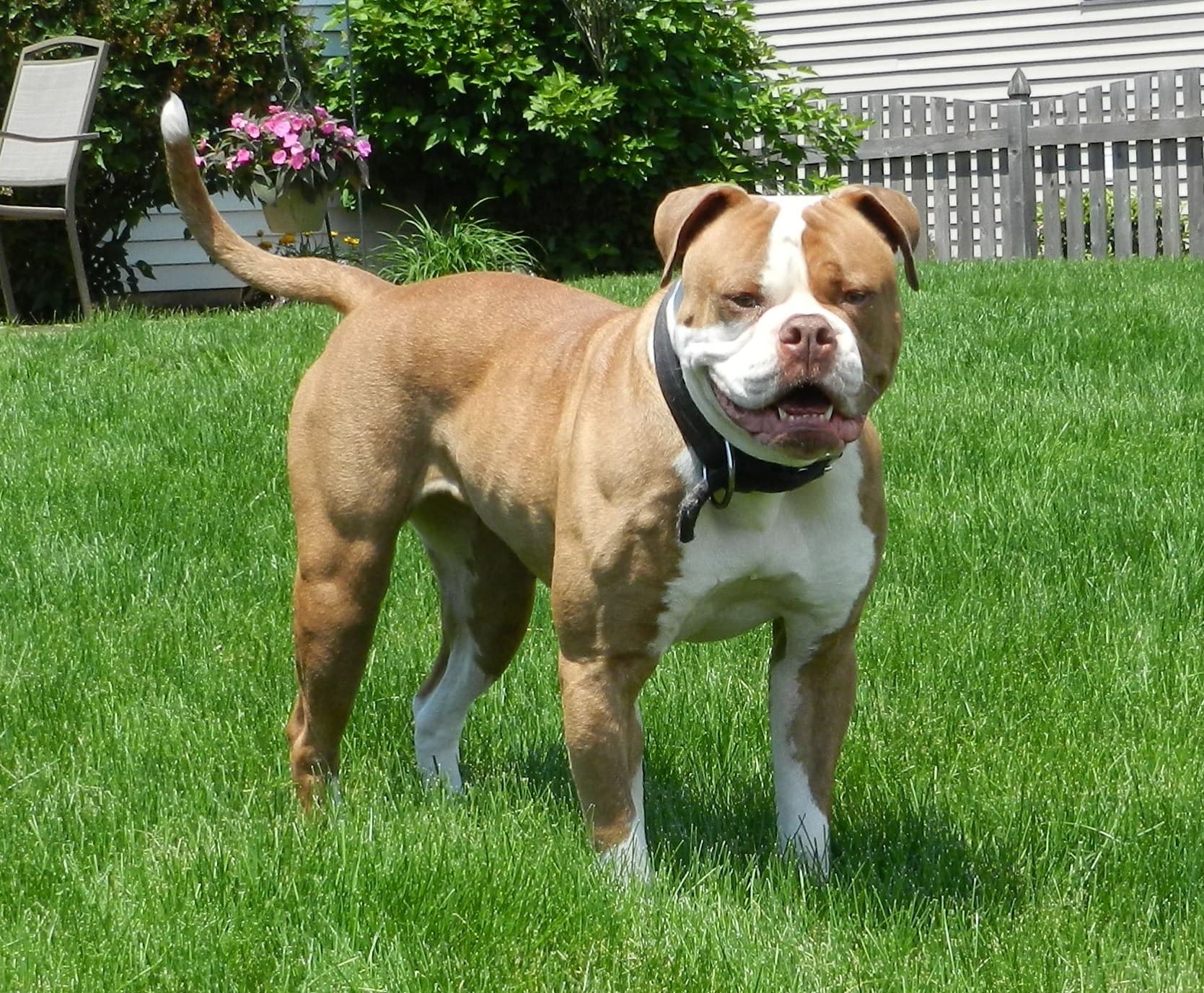
- American Bulldog — 60 - 120 lbs, energy 5/5
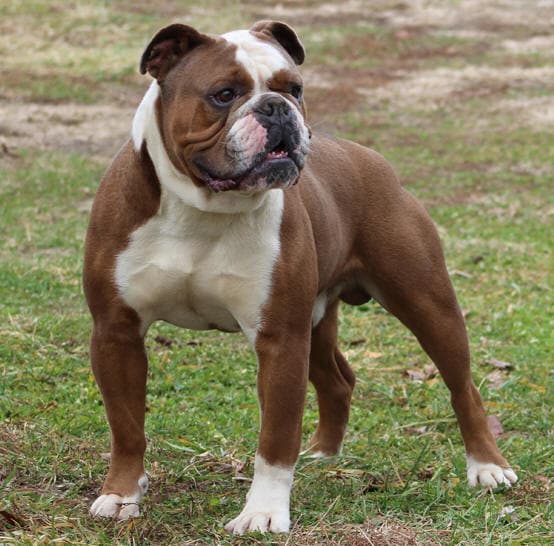
- Olde English Bulldogge — 65 – 85 lbs, energy 3/5
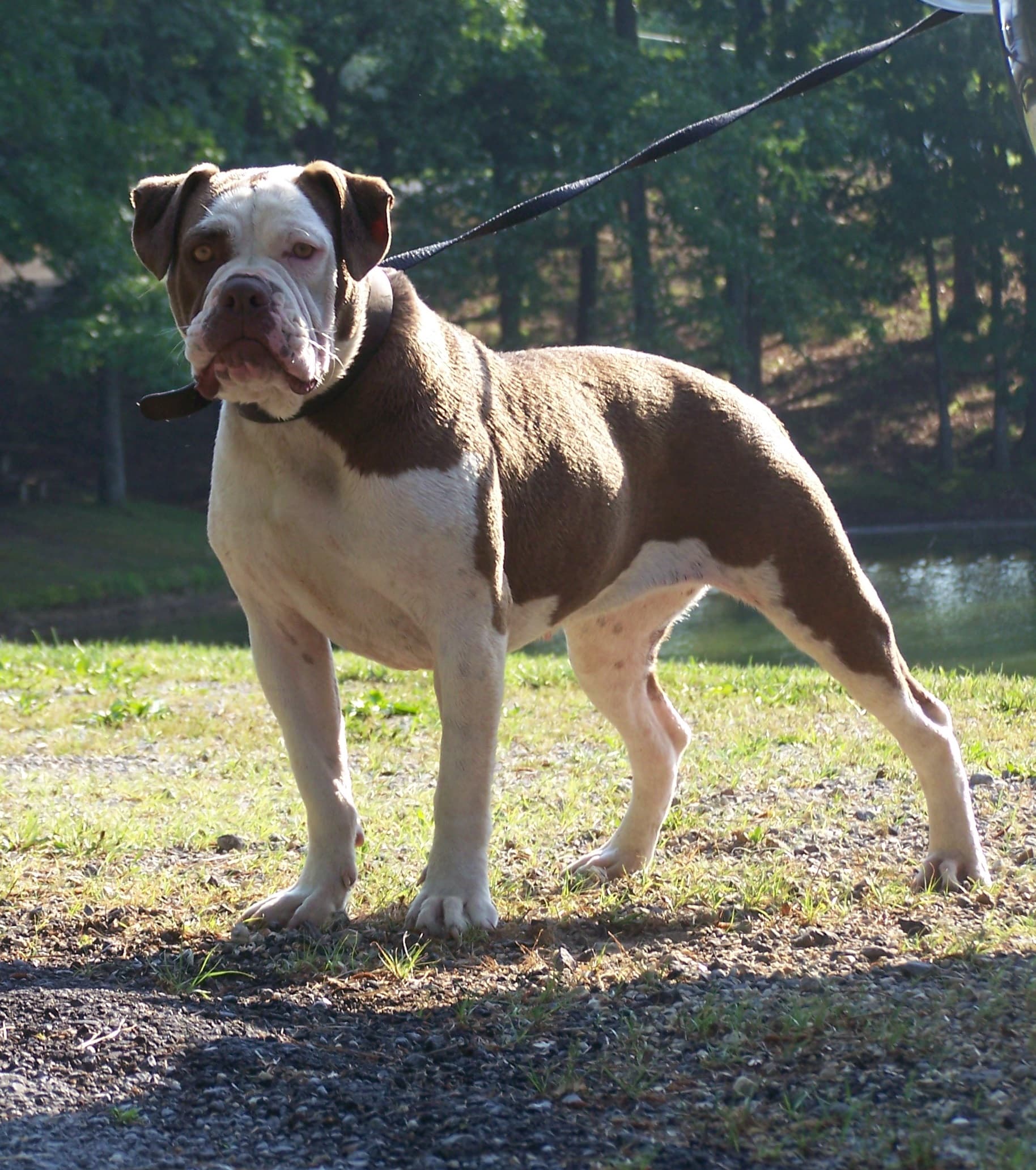
- Alapaha Blue Blood Bulldog — 55 - 90 lbs, energy 3/5
- American Bully — 30 - 150 lbs, energy 2/5
Start here: French Bulldog, Bulldog, American Bulldog, Olde English Bulldogge, Alapaha Blue Blood Bulldog, American Bully. Bully class pricing: American Bully cost.
French vs English Bulldog
French Bulldogs are compact companions—popular for apartments, bat ears, and lower mileage—but they still need heat management and airway-aware ownership. English Bulldogs (our Bulldog profile) are heavier and broader, often less athletic, with the same short-muzzle care themes plus wrinkle and joint attention.
Neither is a “wash and wear marathon dog.” Compare side by side in Compare, and read BOAS / flat-face care.
American Bulldog, Bully & other types
American Bulldogs tend to be larger and more athletic than English companions—training and secure containment matter. American Bullies are a separate companion breed with Pocket / Standard / XL styles. Olde English Bulldogge and Alapaha Blue Blood Bulldog are less common working-leaning types—meet lines and temperaments individually.
Care themes across bulldogs
Expect heat sensitivity for short muzzles, weight control, wrinkle and fold hygiene where applicable, and training that doesn’t rely on “stubborn” stereotypes—short, consistent sessions work better. Keep dogs lean; obesity worsens breathing and joints.
Veterinary BOAS overview: Cornell on BOAS. Next steps: match quiz, compare two types, or browse best small dogs if you want a Frenchie-scale companion.
Bulldog & related bull breed profiles
Browse 14 profiles. Open any breed for temperament, care, and lifestyle scores.

French Bulldog
Bulldog
American Bulldog
Olde English Bulldogge
Alapaha Blue Blood Bulldog
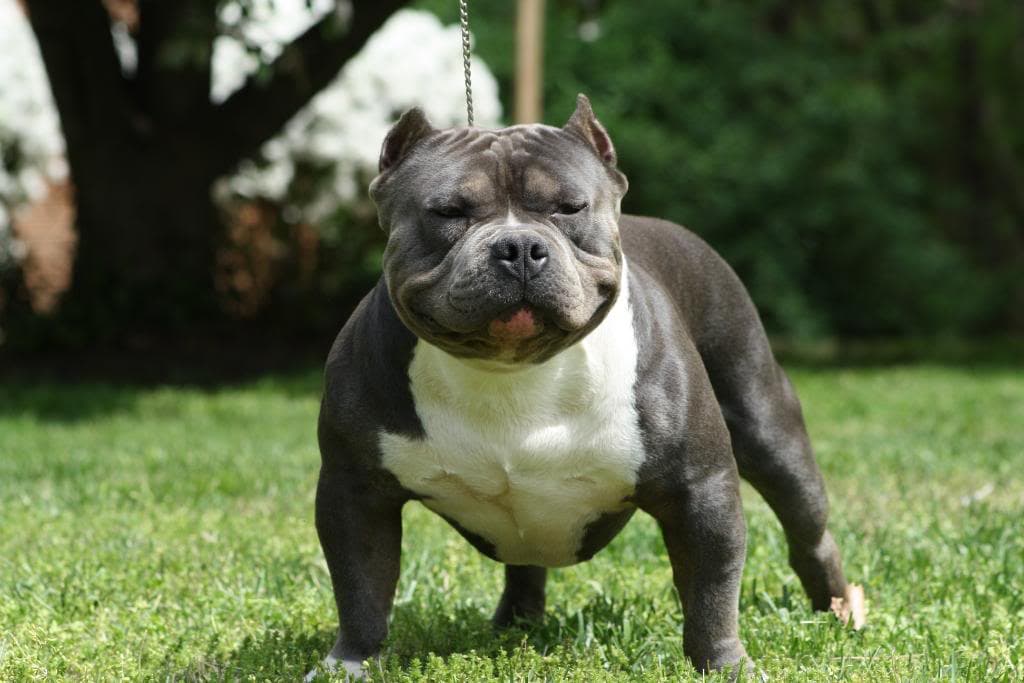
American Bully
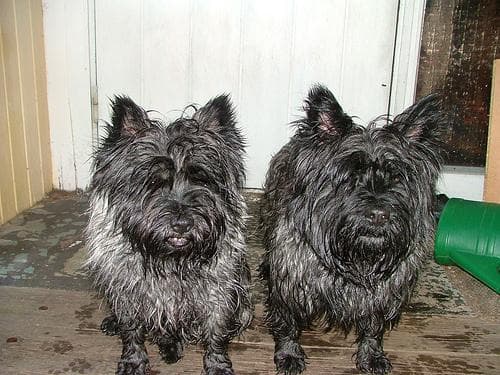
Boston Terrier
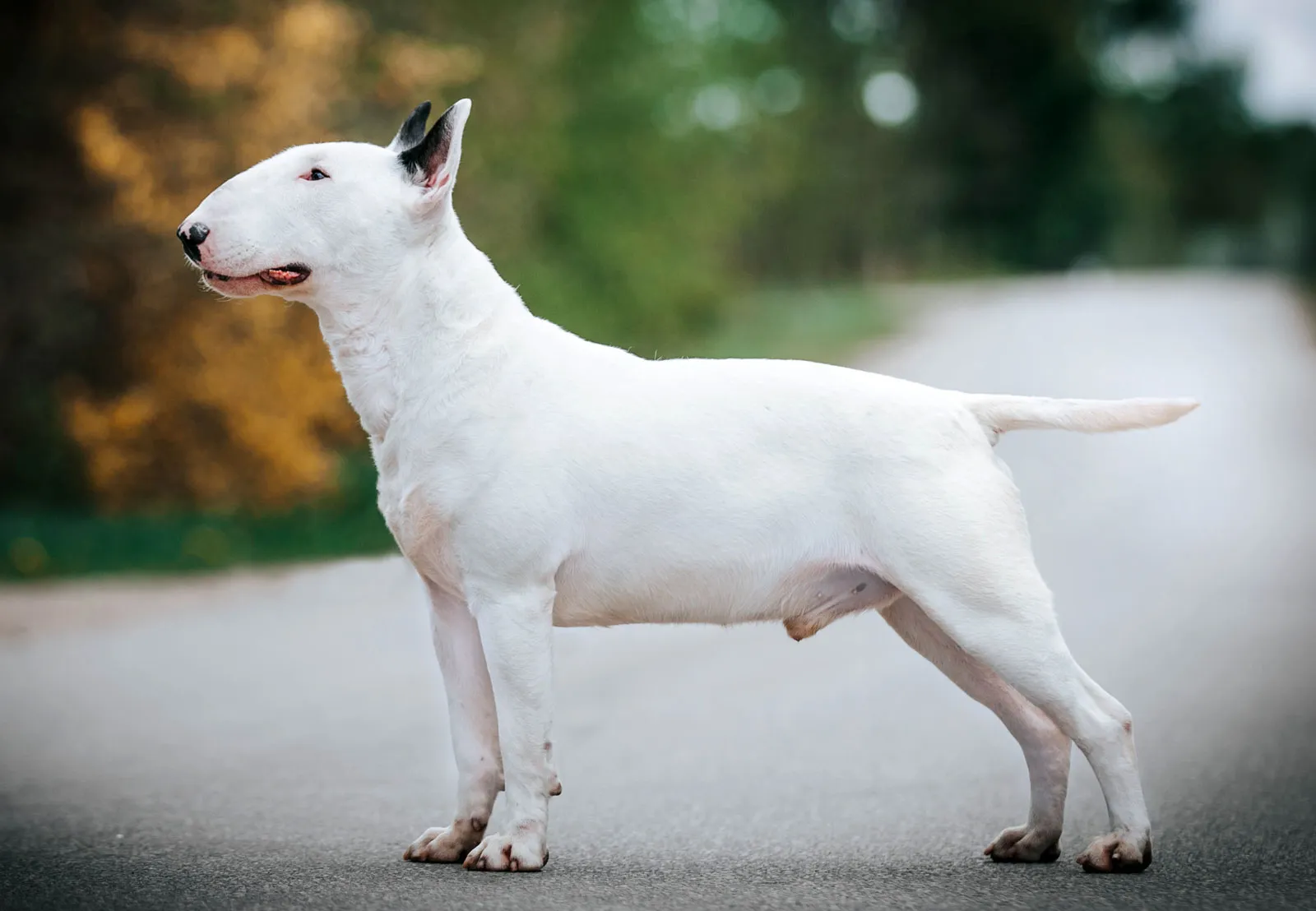
Bull Terrier
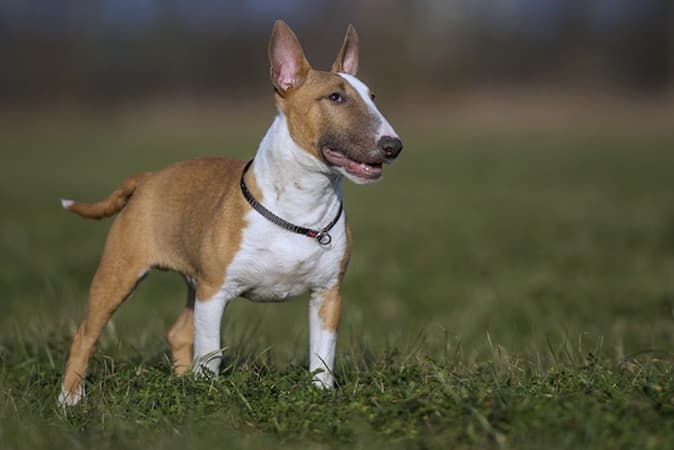
Bull Terrier (Miniature)
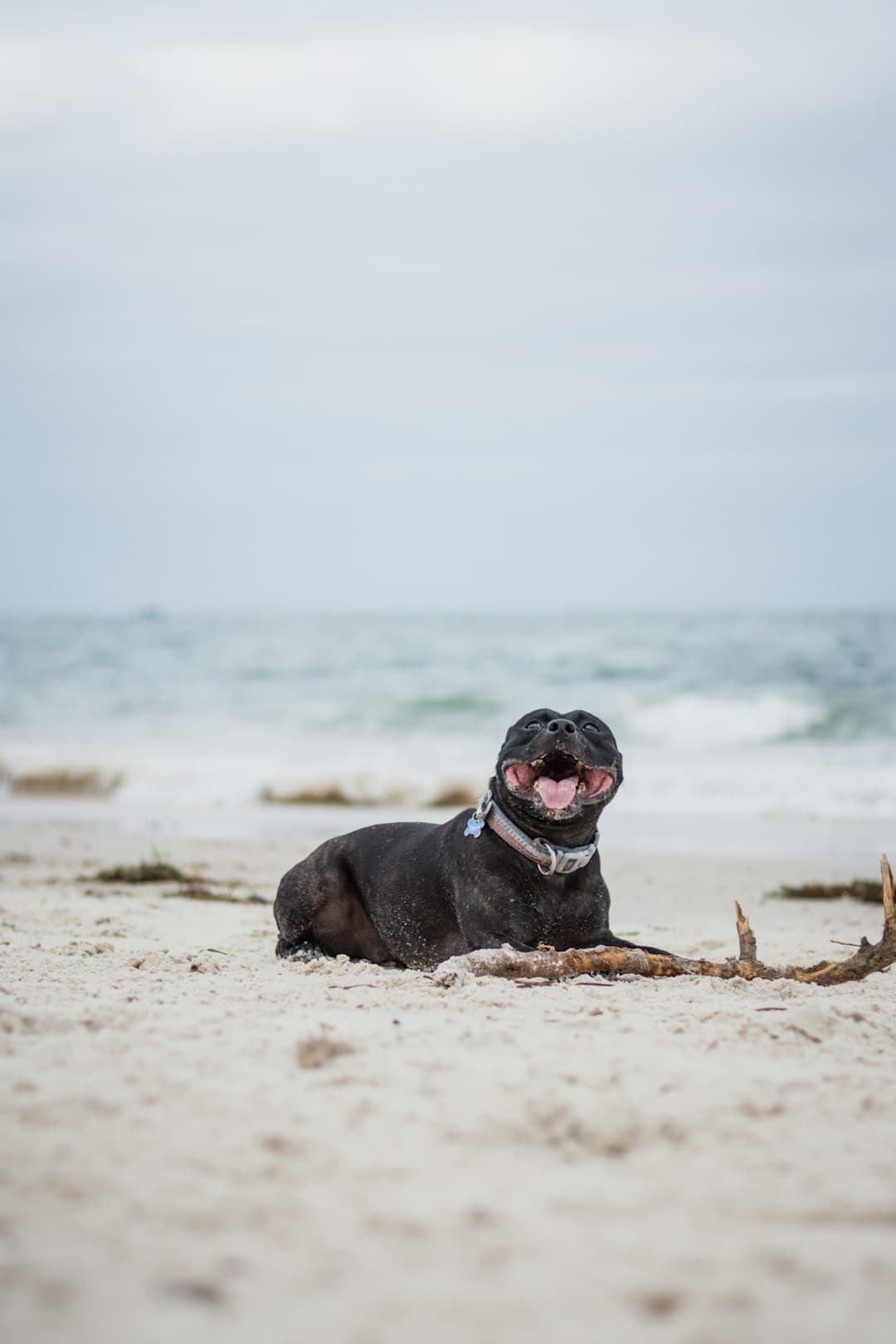
Staffordshire Bull Terrier
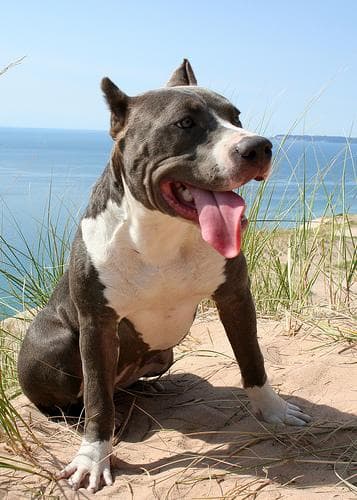
American Staffordshire Terrier
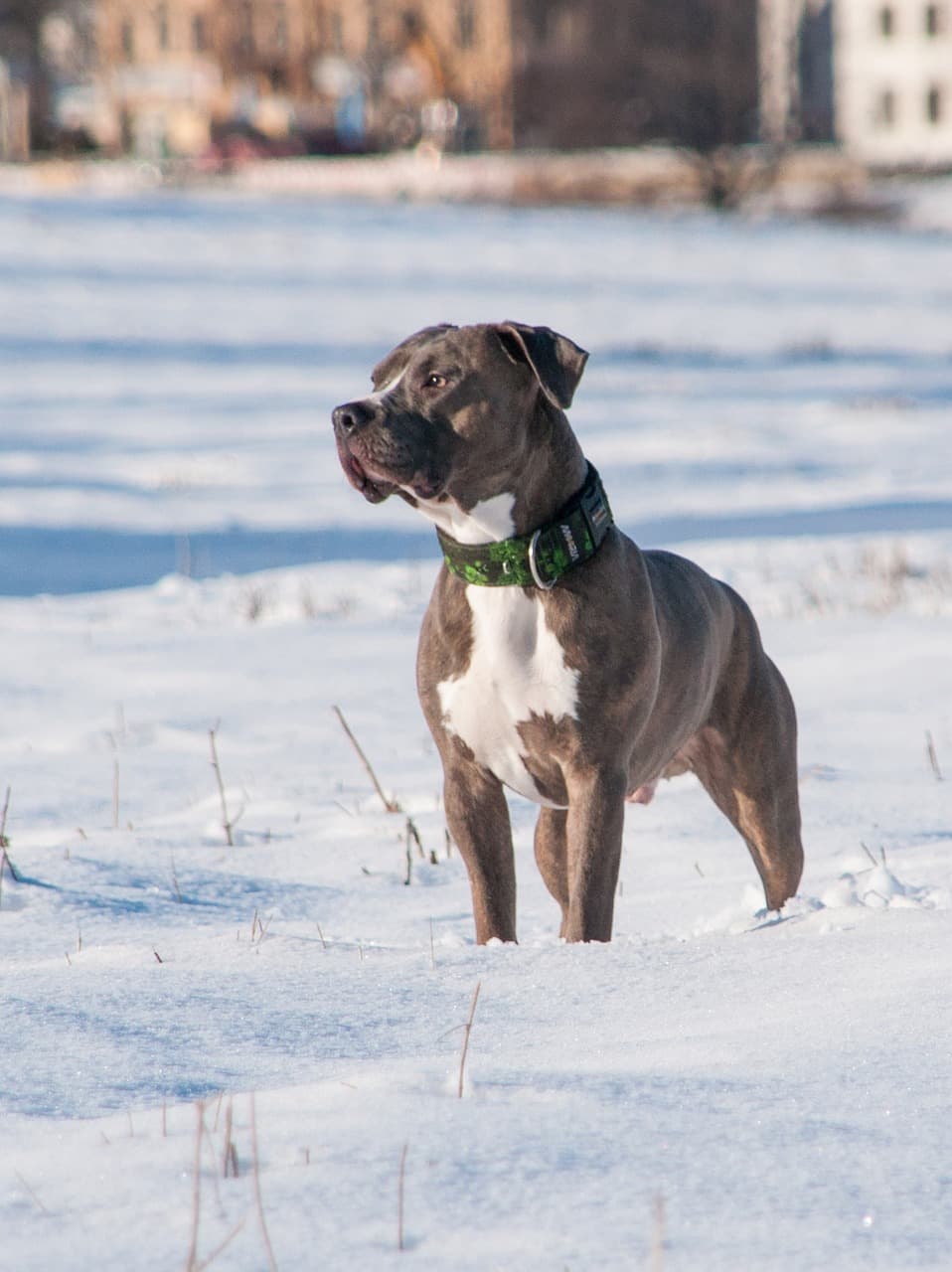
American Pit Bull Terrier
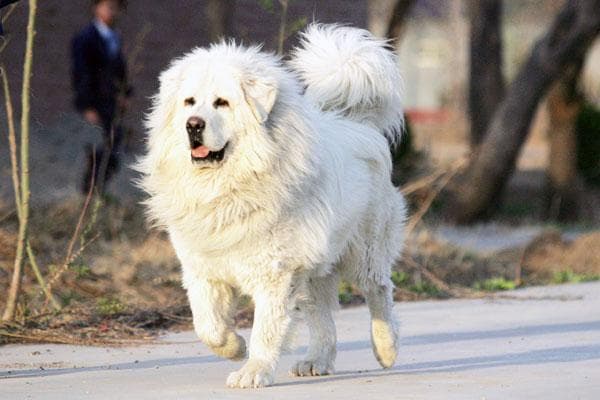
Bullmastiff
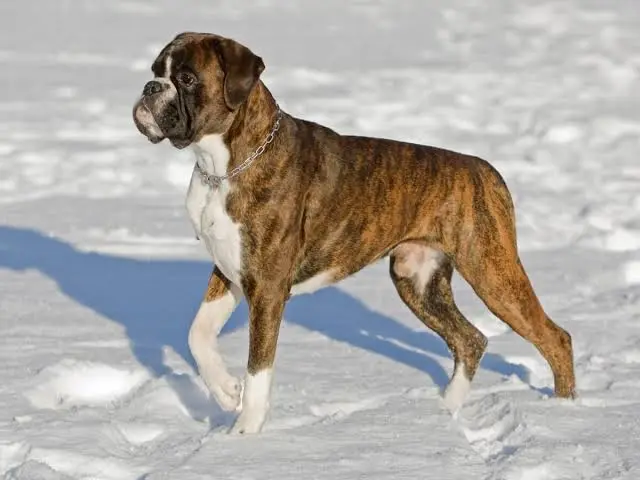
Boxer
Frequently asked questions
How many bulldog breeds are there?
It depends how you count. Core companion bulldogs people mean are usually French and English (AKC “Bulldog”), plus American Bulldog and newer types like Olde English Bulldogge and American Bully. Related “bull” breeds (Boston Terrier, Bull Terrier, Staffie, AmStaff, Pit Bull–type) share history but aren’t all the same breed.
What’s the difference between French and English Bulldogs?
French Bulldogs are smaller (often ~16–28 lbs) with bat ears and apartment-friendly fame. English Bulldogs are heavier, broader, and typically need even more heat and breathing awareness. Both are brachycephalic—see our flat-faced breeds guide.
Is an American Bulldog the same as an American Bully?
No. American Bulldogs are a working/companion mastiff-bulldog type, often larger and more athletic. American Bullies were developed as a companion breed with Pocket/Standard/XL styles (UKC). Compare both profiles.
Are bulldogs good family dogs?
Many are affectionate and people-focused when well socialized. Match energy and health needs to your home—and always supervise kids. Flat faces mean heat limits and possible higher vet costs.
Do all bulldogs have breathing problems?
Not every individual is severely affected, but short muzzles raise risk for BOAS (noisy breathing, heat intolerance). Prefer sound breathing in parents, keep dogs lean, and avoid extreme heat. Cornell’s BOAS overview is linked in References.
References
This guide summarizes publicly available breed-standard and veterinary education sources. Always consult your veterinarian for individual care.
- [1]French Bulldog Dog Breed Information — American Kennel Club (AKC)
- [2]Bulldog Dog Breed Information — American Kennel Club (AKC)
- [3]Brachycephalic Obstructive Airway Syndrome (BOAS) — Cornell University College of Veterinary Medicine
- [4]How to Choose the Right Dog Breed — American Kennel Club (AKC)
- [5]Pet Ownership Resources — American Veterinary Medical Association (AVMA)
- [6]General Dog Care — ASPCA