PawPedia breed guide
Types of service dogs
ADA service animals are dogs trained for disability-related tasks—guide, hearing, mobility, medical alert, psychiatric—not emotional support or therapy pets, and not a vest you can buy online.
11 breeds · Updated 2026-08-17
Under the ADA, a service animal is a dog of any breed or size that is trained to perform a task directly related to a person’s disability. Comfort by presence is not a task. That is why emotional support animals and therapy dogs are not service animals for public access under titles II and III.
This guide uses ADA.gov, DOT air-travel rules, HUD housing pointers, and AKC articles on types and breeds. It is not legal advice, a training program, or a registry. Official overview: ADA Requirements: Service Animals. Breed context: AKC Service Dog 101.
At a glance
- Definition (ADA): a dog individually trained to do work or perform tasks for a person with a disability. From March 15, 2011, only dogs are recognized as service animals under titles II and III (with a separate miniature horse provision).
- Not required: professional trainer, vest, ID, or online “registration.” Mandatory service-animal registration as a condition of public access violates the ADA.
- Staff may ask only two questions when it is not obvious: (1) is the dog a service animal required because of a disability? (2) what work or task has the dog been trained to perform?
- In training: not a service animal under the ADA until trained. Some state or local laws cover puppies still in training.
- Guide-dog breeds (AKC): most commonly Labrador Retrievers, Golden Retrievers, and German Shepherd Dogs. AKC: the first guide dogs in the 1920s were German Shepherds.
Roles: what the dog is trained to do
ADA and AKC describe jobs, not a closed list of “official types.” The same dog may do more than one task. ADA FAQs: some people use more than one service animal for different jobs.
- Guide dogs — ADA/AKC: help people who are blind or have low vision navigate. Best-known service role.
- Hearing dogs — alert people who are deaf or hard of hearing to important sounds (ADA example: someone approaching from behind). AKC: NEADS also trains high-energy shelter and rescue dogs as hearing-dog candidates.
- Mobility assistance — retrieve objects, pull a wheelchair, provide stability for someone who has difficulty walking (ADA examples). AKC: larger breeds such as Great Danes, Saint Bernards, and Bernese Mountain Dogs have the height and strength for mobility work.
- Medical alert / response — ADA: diabetes (alert to high or low blood sugar); epilepsy (detect onset of a seizure and help the person remain safe). AKC also describes allergen detection and other medical signals. A trained alert is a task; “the dog just knows” without training is not an ADA definition.
- Psychiatric service dogs — ADA examples: remind a person with depression or mental illness to take medication; lick a hand to alert to an oncoming panic attack; take a specific action to avoid or lessen an anxiety attack; for PTSD, enter a space, check that it is safe, and signal (may need to be off leash to do that job). AKC adds interrupting repetitive behaviors and turning on a light in a dark room.
- Autism-related tasks — ADA FAQs list preventing a child with autism from wandering away as an example of work a dog can be trained to do. That is task-based service work, not a separate federal “autism dog” license.
Service dog vs ESA vs therapy dog
Service dog: trained task tied to a disability; public-access rights under the ADA in places the public can go (restaurants, shops, hospitals, schools, hotels), with limited exceptions (for example, a sterile operating room or burn unit).
Emotional support animal: comfort by presence. Not a service animal under the ADA. AKC: ESAs do not get ADA public-facility access; some states allow more. Housing may follow HUD’s broader assistance-animal rules—see HUD, not a vest vendor.
Therapy dog: AKC: volunteer visits (hospitals, campuses, disaster comfort). Not a service dog under the ADA; no ADA public-access right, no special housing right, no special cabin access on commercial flights.
Breeds programs actually use
ADA: any breed. Municipal breed bans must make an exception for a service animal unless that individual dog is a direct threat. Popularity is about training programs, not a legal shortlist.
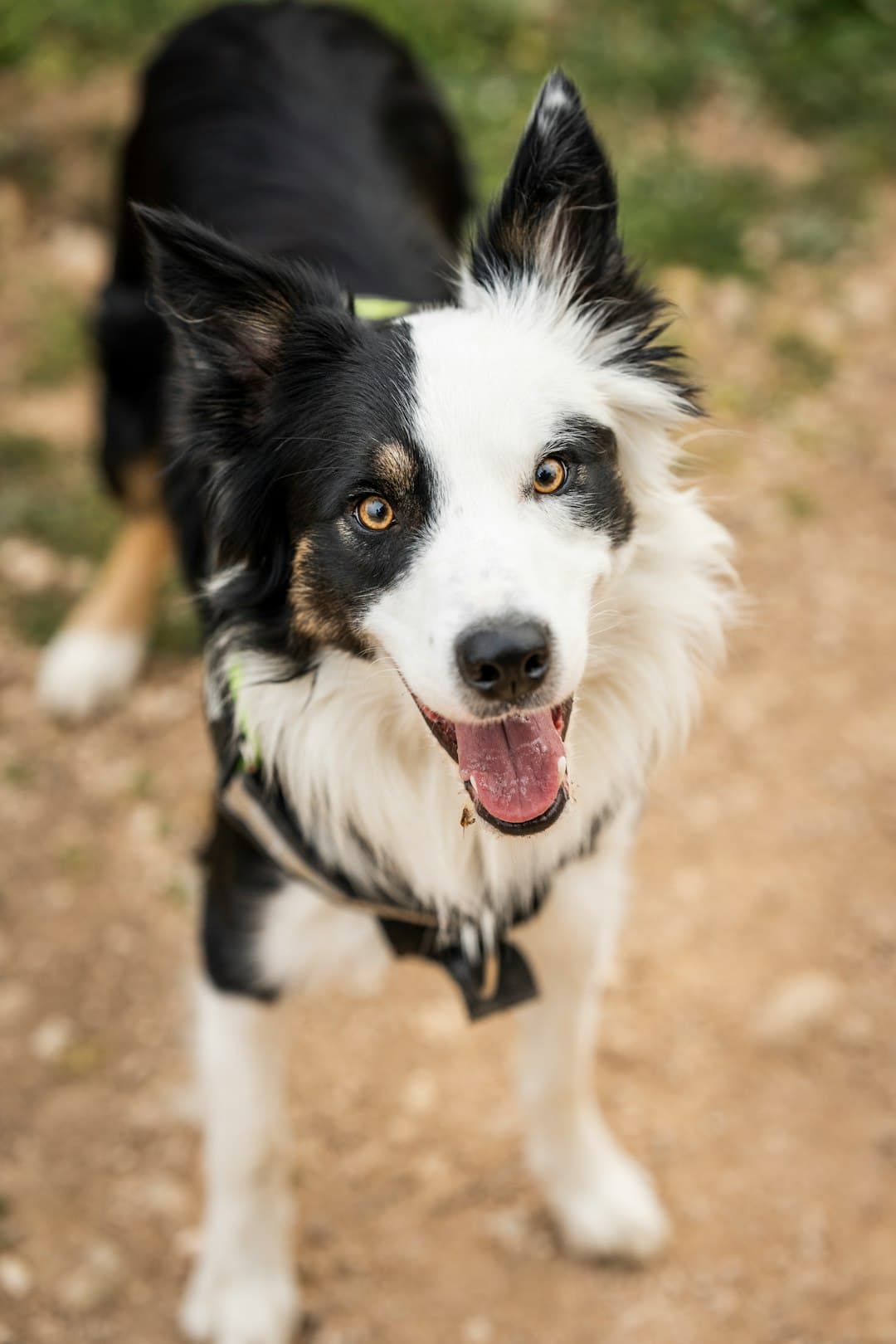
AKC’s popular-service-dog article leads with Labrador Retrievers, Golden Retrievers, and German Shepherd Dogs. AKC Service Dog 101: Canine Companions breeds Labs and Goldens; NEADS uses primarily Labs (and some shelter dogs for hearing work). AKC also discusses Poodles (Standard for mobility-style tasks; smaller varieties for less physical work), Bernese Mountain Dogs, Great Danes, Collies, American Staffordshire Terriers, and Pomeranians (including hearing and medical-alert roles).
AKC says Poodle coats have less dander than many coats. That is not “hypoallergenic.” See best dogs for allergies: AKC, AAAAI, and AAFA agree no dog is allergen-free.
Public access, housing, and air travel
Stores, restaurants, hotels, hospitals (public areas): ADA titles II and III. Handler must keep the dog under control (harness, leash, or tether unless that interferes with the work or the disability prevents it). Staff may ask someone to remove a dog that is not housebroken or is out of control. Allergies or fear of dogs are not, by themselves, reasons to deny access. Food establishments must generally allow service animals even if local health codes ban pets.
Miniature horses: ADA regulations have a separate rule for miniature horses trained to do work or tasks (DOJ: generally 24–34 inches at the shoulder, about 70–100 pounds). Covered entities must modify policies where reasonable, using four factors (housebroken, under control, facility can accommodate size/weight, presence will not compromise legitimate safety).
Housing: ADA.gov points to the Fair Housing Act and HUD. HUD describes assistance animals more broadly than ADA service animals. University housing and public housing can implicate both sets of rules. Confirm current HUD guidance with your provider.
Airlines: DOT / Air Carrier Access Act. A service animal is a dog trained to do work or tasks; emotional support, comfort, companionship animals, and dogs in training are not. Airlines may require DOT forms on health, behavior, and training (and a relief form on flights of 8+ hours). They may deny transport for safety, disruption, or health-entry rules.
Finding or training a service dog
Owner-training is legal under the ADA. The dog still has to perform trained tasks and stay under control in public. AKC lists foundation skills (house training, focus, socialization) and points to Canine Good Citizen as a benchmark—not a service certification.
Professional programs (nonprofit and for-profit) train public-access manners plus disability-specific tasks. AKC: dropout rates can run as high as 50–70%; the cost of training a service dog can exceed $25,000, sometimes including handler training and follow-up. Some organizations place dogs at no cost or with aid; others charge. Check reputation before you pay.
ADA.gov: papers sold online as “service dog certification” do not create ADA rights. Misrepresenting a pet as a service animal harms real teams; many states make that an offense. AKC tracks those laws and has a misuse-of-service-dogs policy.
Is a service dog the right path?
A service dog is a working partner for a documented disability-related need, not a public-access pet. If you want a companion breed without task training, start with the quiz or best family dogs—not a vest. If you need a trained team, work with a reputable program or a qualified trainer and your clinician; do not treat this page as medical or legal advice.
Compare Labrador Retriever, Golden Retriever, and German Shepherd, or use Compare. Working K9s are a different job: police dog breeds.
Breeds often trained for service work
Browse 11 profiles. Open any breed for temperament, care, and lifestyle scores.

Labrador Retriever

Golden Retriever

German Shepherd

Poodle (Standard)

Bernese Mountain Dog

Great Dane
Collie

American Staffordshire Terrier

Saint Bernard

Pomeranian
Papillon
Frequently asked questions
What qualifies a dog as a service dog?
Under the ADA, a service animal is a dog individually trained to do work or perform tasks for a person with a disability. The task must be directly related to that disability. ADA.gov: any breed and any size; not required to be professionally trained, certified, or to wear a vest.
How is a service dog different from an emotional support animal or therapy dog?
ADA FAQs: emotional support, therapy, comfort, and companion animals are not service animals because they are not trained to perform a specific job or task. If a dog’s mere presence provides comfort, it is not a service animal. Psychiatric service dogs are different: they are trained to take a specific action (for example, sensing an anxiety attack and helping avoid or lessen it).
Which breeds are commonly used as service dogs?
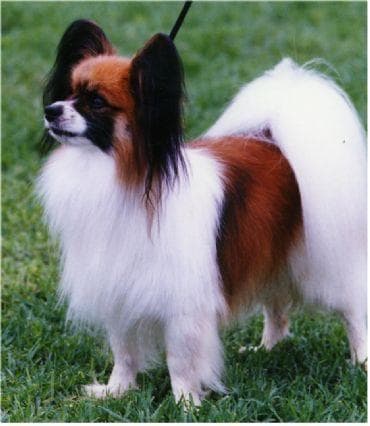
ADA: any breed can be a service dog. AKC: Labs, Golden Retrievers, and German Shepherds are the breeds people think of first and are popular with training organizations; the most common guide-dog breeds are those three. AKC also discusses Poodles, Bernese Mountain Dogs, Great Danes, Collies, American Staffordshire Terriers, and Pomeranians for various roles. Size must match the task—AKC notes a Papillon would not pull a wheelchair but could make an excellent hearing dog.
Do I need a service dog registry or ID vest?
No, not under the ADA. Covered businesses may not require documentation that the dog is certified, trained, or licensed as a service animal. ADA.gov: online “certification” papers do not convey ADA rights, and the Department of Justice does not recognize them as proof. Vests are optional; a vest alone does not make a dog a service animal.
Can I train my own service dog?
Yes. ADA FAQs: people with disabilities may train the dog themselves and are not required to use a professional program. Dogs in training are not service animals under the ADA until trained; some state or local laws cover animals still in training. AKC: professional dropout rates can run as high as 50–70%, and the cost of training a service dog can exceed $25,000.
Are service dogs allowed on planes and in housing?
Public businesses and state/local government: ADA. Air travel: the Air Carrier Access Act (DOT), not the ADA. DOT: a service animal is a dog trained to do work or tasks for a qualified person with a disability; ESAs, comfort animals, and dogs in training are not service animals. Housing often follows the Fair Housing Act (HUD), which uses a broader “assistance animal” idea than the ADA. Check HUD and your housing provider—this page is not legal advice.
References
This guide summarizes publicly available breed-standard and veterinary education sources. Always consult your veterinarian for individual care.
- [1]Service Animals — U.S. Department of Justice (ADA.gov)
- [2]ADA Requirements: Service Animals — U.S. Department of Justice (ADA.gov)
- [3]Frequently Asked Questions about Service Animals and the ADA — U.S. Department of Justice (ADA.gov)
- [4]Service Animals (Air Travel) — U.S. Department of Transportation (DOT)
- [5]Assistance Animals — U.S. Department of Housing and Urban Development (HUD)
- [6]Most Popular Service Dog Breeds — American Kennel Club (AKC)
- [7]Service Dog 101: Everything You Need to Know About Service Dogs — American Kennel Club (AKC)
- [8]Labrador Retriever Dog Breed Information — American Kennel Club (AKC)
- [9]Golden Retriever Dog Breed Information — American Kennel Club (AKC)
- [10]German Shepherd Dog Breed Information — American Kennel Club (AKC)
- [11]How to Choose the Right Dog Breed — American Kennel Club (AKC)
- [12]Pet Ownership Resources — American Veterinary Medical Association (AVMA)
- [13]General Dog Care — ASPCA