PawPedia breed guide
Korean Jindo dog
A medium hunting dog from Jindo Island, South Korea—legendary loyalty, sharp independence, and what living with a Jindo really asks of you.
1 breeds · Updated 2026-08-15
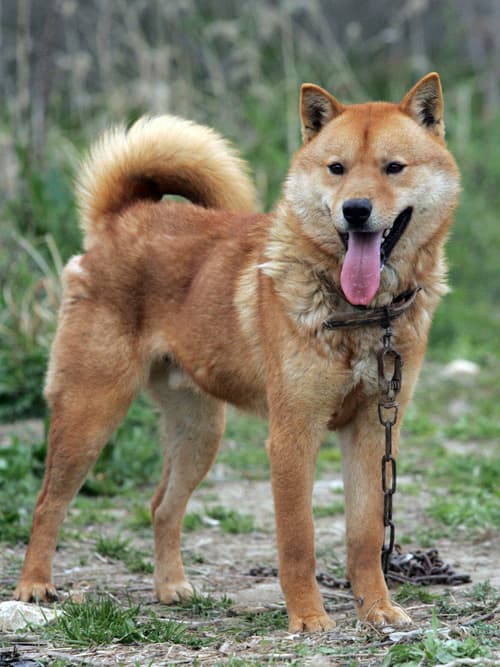
The Korean Jindo (진돗개) is South Korea’s celebrated island dog—bred on Jindo Island as a versatile hunter and home guardian. Searches for “Jindo dog” often highlight stories of loyalty; the day-to-day reality is an intelligent, independent partner who bonds tightly with their people and stays reserved with strangers.
Open the full Korean Jindo breed guide for scores and care notes. Kennel overviews: AKC Korean Jindo Dog (Foundation Stock Service) and the UKC Jindo standard. Comparing Asian spitz types? See Japanese dog breeds or take the match quiz.
Jindo at a glance
- Size: medium · 30 - 50 lbs · 18 - 22 inches
- Energy: 4/5 · lifespan 12-15 years
- Temperament lean: Loyal, Alert, Intelligent, Independent
- Coat: medium double coat — seasonal shed; colors include White, Red, Fawn, Black, and more
- Origin: South Korea
Korean Jindos are loyal, intelligent, and independent hunting dogs known for their devotion to family.
Island heritage & hunting roots
Originating on Jindo Island in South Korea, the breed was developed as a versatile hunting companion.
In Korea the breed is protected as a national cultural asset; dogs from Jindo Island carry special status under Korean preservation rules. Abroad, they’re less common than Shibas or Akitas but share the upright ears, curled or sickle tail, and self-reliant mindset of many East Asian hunting dogs.
UKC and FCI recognize the breed fully; AKC lists it in the Foundation Stock Service—useful context if you’re reading pedigrees or import paperwork. Hunting drive and home attachment are both part of the package: see also hunting dog breeds.
Living with a Korean Jindo
Exercise. High exercise requirements Secure fencing and purposeful outlets (walks, training games, scent or hunt-style work) beat free roaming. Many Jindos will try to leave if a yard isn’t escape-proof.
Grooming. Low to moderate maintenance Expect heavier seasonal coat blows; brush through them. They often stay relatively clean between baths.
Training. Trainable with positive reinforcement They’re smart but not eager-to-please like a Lab. Short, consistent, owner-led sessions with positive reinforcement work better than harsh methods or endless group-class chaos with strange dogs.
Social life. Aloof with strangers and often selective with other dogs—especially same-sex adults. Early, careful socialization helps; don’t expect a dog-park social butterfly.
Health. Ask breeders and your vet about screening appropriate for medium spitz breeds (hips, eyes, and overall soundness). Keep a healthy weight for an active frame.
Is a Korean Jindo right for you?
Strong fit if you want a loyal, athletic companion and can offer secure containment, daily exercise, and calm leadership—not if you need a cuddly greeter for every guest or a low-drive apartment couch potato.
Often compared with: Shiba Inu, Akita, Japanese Spitz. Put two side by side in Compare, browse Japanese dog breeds for related spitz types, or take the match quiz.
Korean Jindo breed profile
Browse 1 profiles. Open any breed for temperament, care, and lifestyle scores.
Frequently asked questions
What is a Korean Jindo dog?
The Korean Jindo is a medium spitz-type hunting and guardian dog from Jindo Island, South Korea. They’re known for strong loyalty to their people, independence, cleanliness, and wariness of strangers. In Korea the breed is a protected cultural treasure.
Are Jindos good family dogs?
They can be deeply bonded with their household, but they’re not a soft “everybody’s best friend” breed. They often prefer their own people, need early socialization, and may be reactive with unfamiliar dogs. Experienced owners who respect independence do best.
How much exercise does a Jindo need?
High. They were built to hunt and patrol. Daily walks plus secure off-leash or long-line work help; boredom shows up as escape artistry, barking, or inventing jobs. Secure fencing matters—many are clever climbers or diggers.
Do Jindos shed a lot?
They have a double coat and often shed heavily seasonally. Regular brushing through coat blows helps; they’re otherwise fairly clean and low-odor compared with many breeds.
Jindo vs Shiba Inu—what’s the difference?
Both are East Asian spitz types with independence and loyalty. Shibas are typically smaller; Jindos are medium hunters with strong guardian instincts. Compare both profiles or use Compare side by side.
References
This guide summarizes publicly available breed-standard and veterinary education sources. Always consult your veterinarian for individual care.
- [1]Korean Jindo Dog Breed Information — American Kennel Club (AKC)
- [2]Jindo Breed Standard — United Kennel Club (UKC)
- [3]How to Choose the Right Dog Breed — American Kennel Club (AKC)
- [4]Pet Ownership Resources — American Veterinary Medical Association (AVMA)
- [5]General Dog Care — ASPCA