Size matchup
Collie vs Shetland Sheepdog: size & weight
Typical weight (50-75 lbs vs 15-25 lbs) and height (22-26 inches vs 13-16 inches)—so you can tell who’s bigger on the metrics that matter.
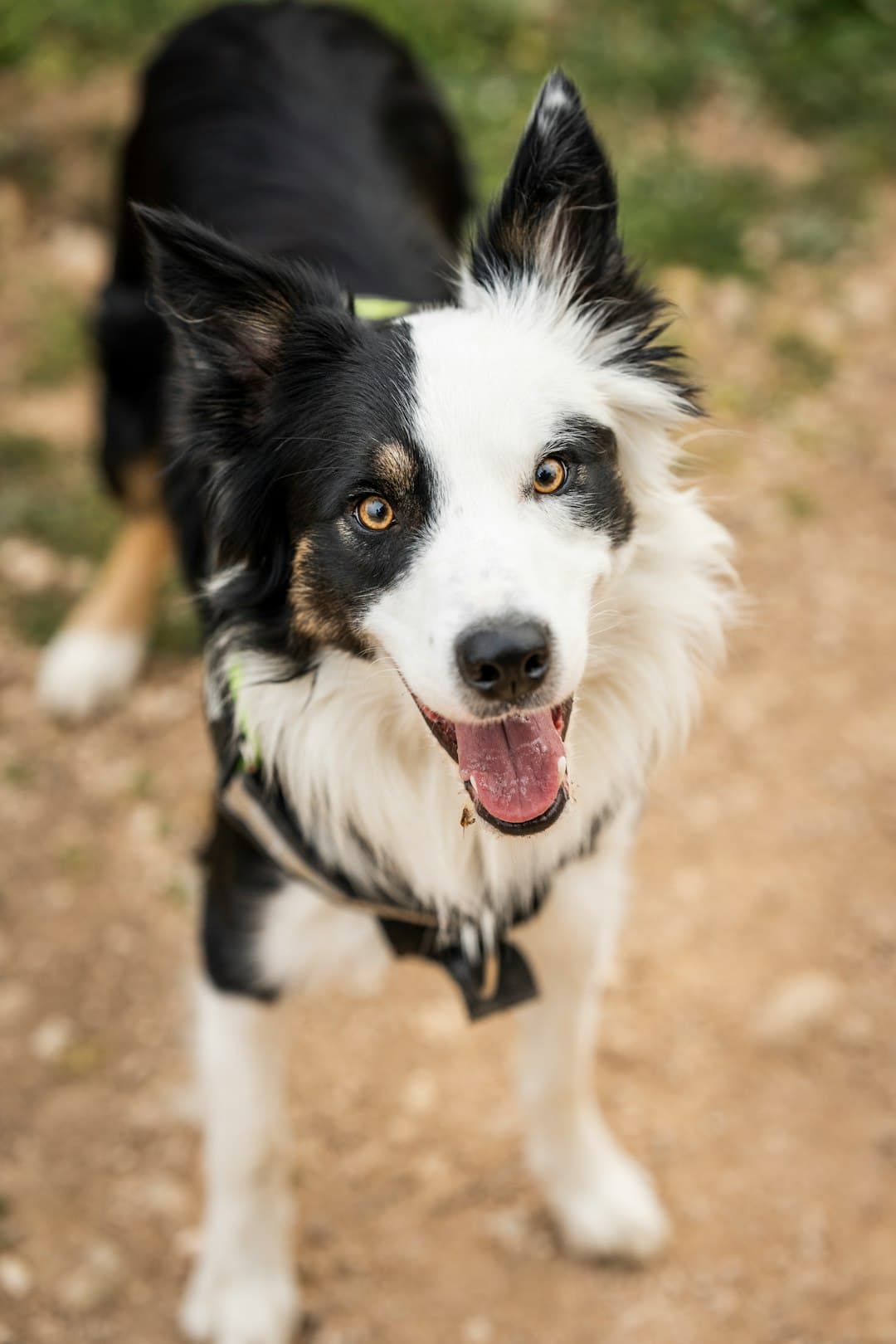
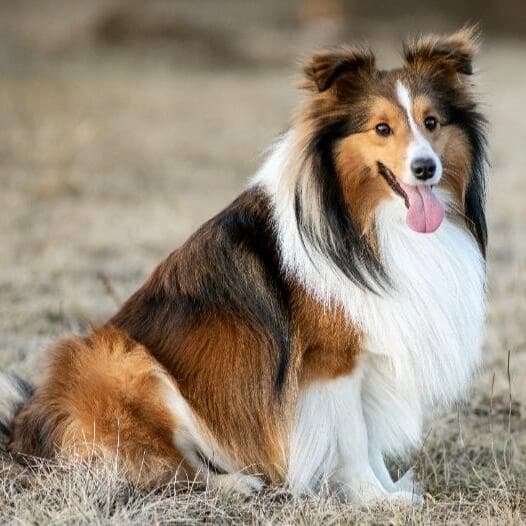
Shetland Sheepdog
small · energy 4/5
15-25 lbs
Weight mid ~20 lbs
13-16 inches
Height mid ~14.5 in
Shelties are smaller herding cousins; Rough Collies stand clearly taller and heavier.
Typical weight
- Collie: 50-75 lbs (mid ~63 lbs)
- Shetland Sheepdog: 15-25 lbs (mid ~20 lbs)
Collie usually tips the scale higher.
Typical height (withers)
- Collie: 22-26 inches (mid ~24.0 in)
- Shetland Sheepdog: 13-16 inches (mid ~14.5 in)
Collie is typically taller at the shoulder.
Size class & fit
Collie
large · lifespan 12-15 years
Gentle, Intelligent, Devoted
Shetland Sheepdog
small · lifespan 12-14 years
Intelligent, Loyal, Alert
Size drives food bills, car space, crate size, and how hard a jump lands on kids and seniors. Pair this page with lifestyle compare when temperament matters as much as inches.
Planning verdict
Lean Collie
Lean Collie if you want a large dog around 50-75 lbs and 22-26 inches, with energy 3/5.
Lean Shetland Sheepdog
Lean Shetland Sheepdog if you prefer small size near 15-25 lbs and 13-16 inches, with energy 4/5.
FAQs
- Which is bigger, a Collie or a Shetland Sheepdog?
- By typical weight/height midpoints, the Collie tends to be larger overall. Collie typically weighs about 50-75 lbs (mid ~63 lbs) versus Shetland Sheepdog at 15-25 lbs (mid ~20 lbs). Height at the shoulder is commonly listed around 22-26 inches vs 13-16 inches. Collie is large; Shetland Sheepdog is small. On typical midpoints, Collie tends to be the larger dog.
- Which is taller, Collie or Shetland Sheepdog?
- Collie is typically taller at the withers (22-26 inches vs 13-16 inches).
- Which weighs more, Collie or Shetland Sheepdog?
- Collie usually weighs more (50-75 lbs vs 15-25 lbs).
- Are Collie and Shetland Sheepdog the same size class?
- No—Collie is large and Shetland Sheepdog is small.
- Do males and females change the size comparison?
- Often yes. Males are commonly at the high end of weight/height ranges and females at the low end. Always check the actual dog (or parents) rather than breed averages alone.
References
- How to Choose the Right Dog Breed — American Kennel Club (AKC)
- How Long Will Your Dog Live? Size Matters — American Kennel Club (AKC)
- General Dog Care — ASPCA