Breed matchup
Siberian Husky vs Poodle (Standard)
Interactive head-to-head—swap sides, filter traits, and see who edges each lifestyle score before you read the full guides.
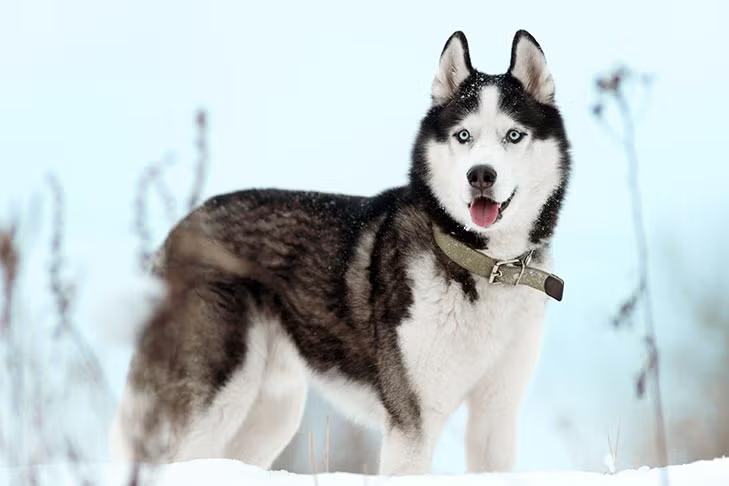
Siberian Husky

Poodle (Standard)
Head-to-head
Siberian Husky vs Poodle (Standard)
Derived comparison from breed profiles: Both land in a similar very high energy band. Poodle (Standard) scores higher with kids (4/5 vs 2/5). Siberian Husky sheds more (3/5). Beautiful, athletic dogs bred for sledding. Highly intelligent dogs with a distinctive curly coat.
Derived from breed profile scores—not a substitute for meeting dogs or consulting professionals.
Biggest differences
Weight
35-60 lbs
vs
45-70 lbs
Height
20-23 inches
vs
Over 15 inches
Lifespan
12-14 years
vs
12-15 years
Monthly cost*
$70–$130
vs
$90–$160
*Typical ownership cost band estimate—not a quote.
Lifestyle scores
Tap a trait for context. Filter by what matters most to you.
Lower-shed / hypoallergenic lean: Poodle (Standard). No breed is fully allergen-free.
Temperament
Typical breed leanings—individuals vary.
Siberian Husky
Beautiful, athletic dogs bred for sledding. Catalog temperament tags: outgoing, mischievous, loyal, and alert. Trainability about 3/5 and bark about 4/5—patience and clear boundaries matter more than force. Shedding is moderate (3/5) with a medium coat. On the home schedule, alone-time tolerance is low—plan enrichment or company for long workdays.
Poodle (Standard)
Highly intelligent dogs with a distinctive curly coat. Catalog temperament tags: intelligent, active, alert, and trainable. Trainability about 5/5 and bark about 3/5—consistent positive training usually pays off quickly. Shedding sits lower (1/5) than many breeds, still not allergy-proof. On the home schedule, alone-time tolerance is mid-range; a midday break helps many households.
Care side by side
Grooming, exercise, and training at a glance.
Siberian Husky
Extremely high energy. Needs extensive daily exercise including running.
Poodle (Standard)
High energy requiring daily exercise and mental stimulation.
Who should choose which?
Use this as a shortlist—then meet dogs and read full guides.
FAQs
What is the difference between a Siberian Husky and a Poodle (Standard)?
Derived comparison from breed profiles: Both land in a similar very high energy band. Poodle (Standard) scores higher with kids (4/5 vs 2/5). Siberian Husky sheds more (3/5). Beautiful, athletic dogs bred for sledding. Highly intelligent dogs with a distinctive curly coat.
Which is better for apartments, Siberian Husky or Poodle (Standard)?
Poodle (Standard) is the stronger apartment candidate (4/5).
Which is better with kids, Siberian Husky or Poodle (Standard)?
Poodle (Standard) scores higher with kids (4/5). Supervision still matters.
How do Siberian Husky and Poodle (Standard) compare on energy?
Siberian Husky: 5/5 (very high). Poodle (Standard): 4/5 (high). Match the higher-energy breed only if you can meet exercise needs daily.
References
This comparison summarizes publicly available breed-standard and veterinary education sources. Always consult your veterinarian for individual care, and meet dogs in person before deciding.
- [1]Siberian Husky Dog Breed Information — American Kennel Club (AKC)
- [2]Poodle (Standard) Dog Breed Information — American Kennel Club (AKC)
- [3]How to Choose the Right Dog Breed — American Kennel Club (AKC)
- [4]Pet Ownership & Responsible Care — American Veterinary Medical Association (AVMA)
- [5]General Dog Care — ASPCA
- [6]How Much Does Dog Ownership Cost? — American Kennel Club (AKC)
Related comparisons
Popular comparisons
Golden Retriever vs Labrador Retriever
German Shepherd vs Labrador Retriever
French Bulldog vs English Bulldog

Beagle vs Labrador Retriever
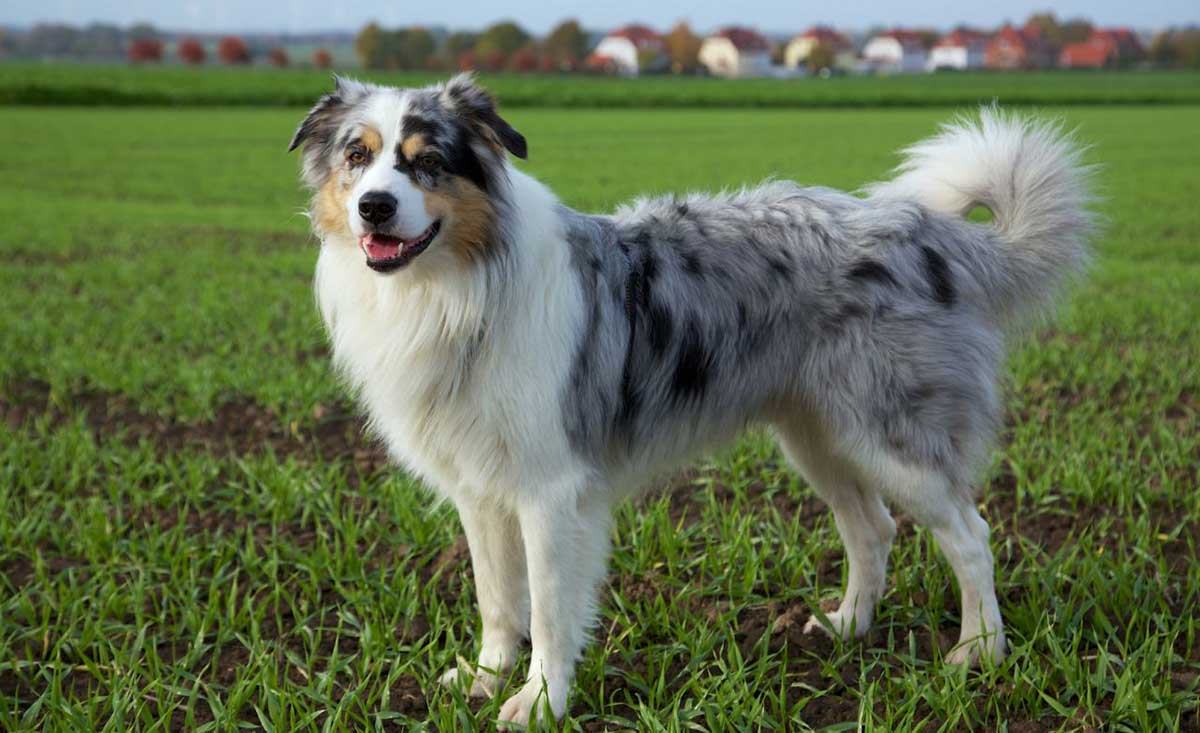
Border Collie vs Australian Shepherd
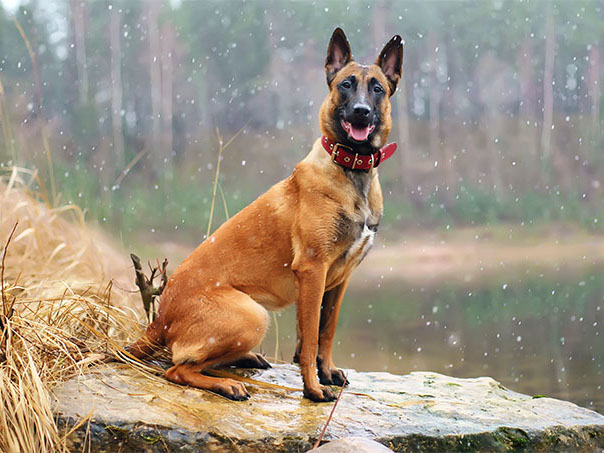
German Shepherd vs Belgian Malinois
Golden Retriever vs German Shepherd

Poodle (Standard) vs Labrador Retriever
Poodle (Standard) vs Golden Retriever
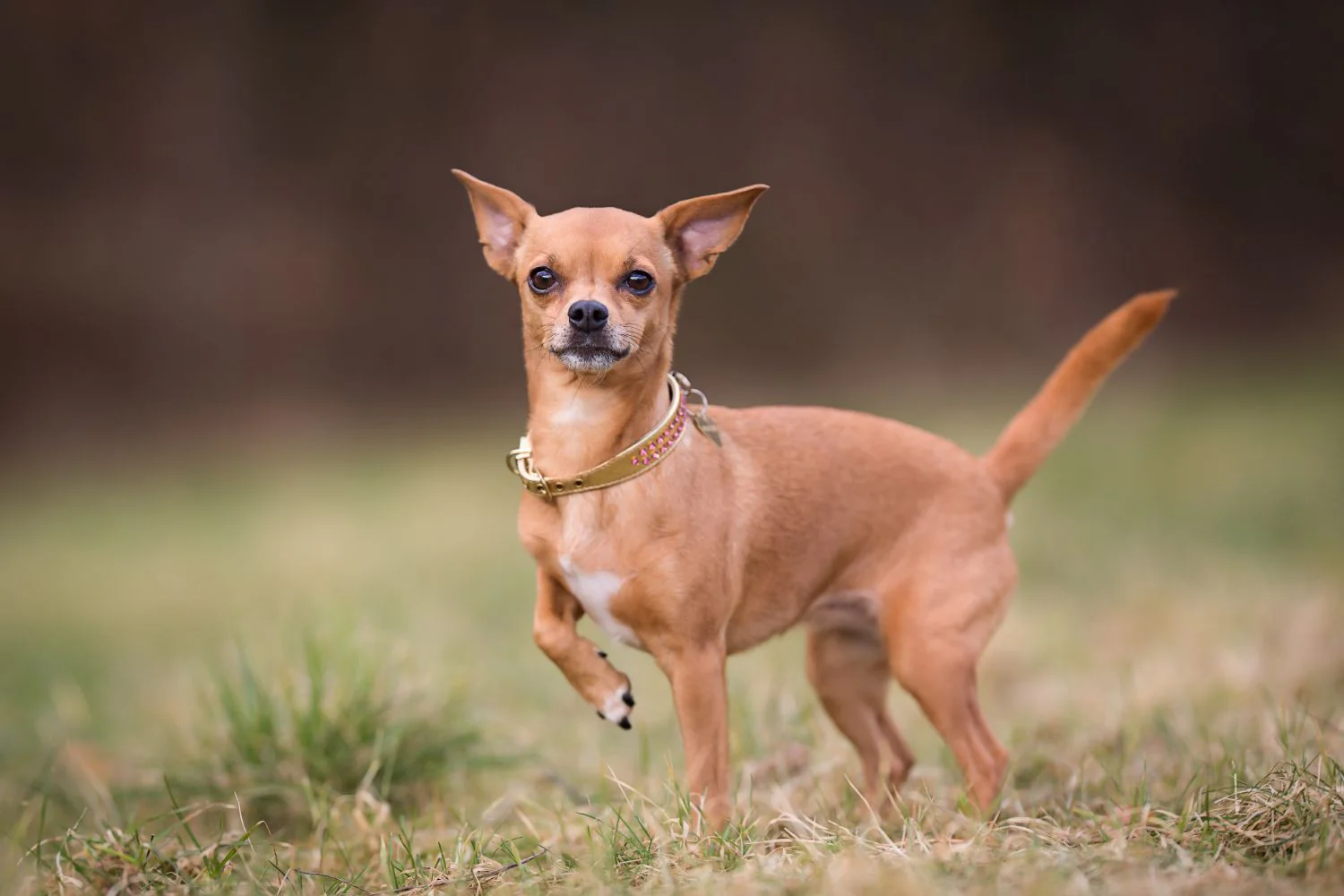
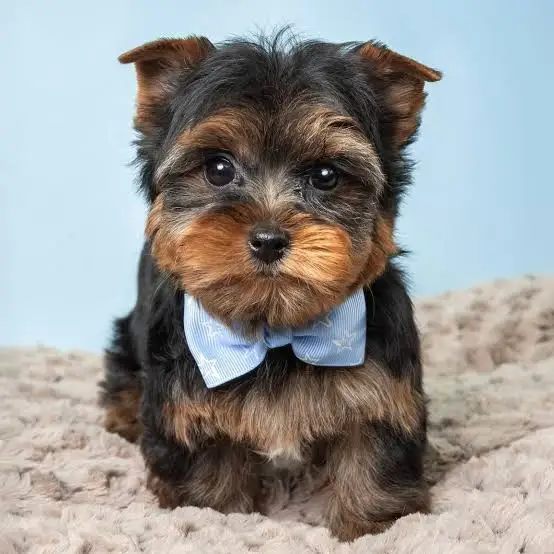
Chihuahua vs Yorkshire Terrier
Boxer vs Labrador Retriever
Rottweiler vs German Shepherd