PawPedia breed guide
Greyhounds
AKC’s champion sprinter—a gentle, independent sighthound that can hit about 40 mph, then occupy the sofa. Prey drive, thin skin, and anesthesia notes from official sources.
5 breeds · Updated 2026-08-17
Greyhounds are AKC Hound Group sighthounds—AKC calls them the champion sprinter of dogdom, gentle, noble, and sweet-tempered with an independent spirit. The club recognized the breed in 1885. They are built to chase by sight. Speed is real; so is the nap that follows.
Open the full Greyhound profile. Kennel overview: AKC Greyhound. Lifestyle fit: Is the Greyhound right for you?. Related: Whippets, hound breeds, rescue.
Greyhound at a glance
Catalog figures are our published profile. Weight also cites the AKC breed standard; height cites AKC’s lifestyle article (the written standard lists weight, not height).
- Our catalog: large · 60-70 lbs · 26-30 inches · energy 3/5 · lifespan 10-14 years
- AKC standard weight: dogs 65–70 lb; bitches 60–65 lb. Coat short, smooth, firm; color immaterial
- AKC lifestyle sizes: males about 28–30 in / 65–70 lb; females about 27–28 in / 60–65 lb
- Temperament lean: Gentle, Quiet, Independent, Affectionate
- Speed: AKC cites up to 40 mph; sprint then lounge
- Origin / AKC: Egypt (ancient sighthound type) · recognized 1885 · Hound Group
- Our lifestyle leans: apartment 1/5 (large-size model) · shedding 3/5 · bark 2/5
Tall, slender dog built for speed. Greyhounds are gentle, quiet, and make excellent family pets.
Sighthound: sprint, then sofa
One of the oldest dog breeds, dating back to ancient Egypt. Bred for coursing and racing.
AKC: Greyhounds have fascinated artists, poets, and kings for thousands of years. Hound Group sighthounds use speed and wide vision to chase swift prey. That prey drive does not clock out in a living room—squirrels, cats, and small dogs that run can still trigger chase. Secure fencing and a leash (or long line) in unfenced areas are the plan, not a hopeful recall.
AKC also says they are happy to lounge with their family and often nap rather than patrol the house. Our exercise note: Surprisingly low energy. Short bursts of exercise followed by long naps.
Living with a Greyhound
Exercise. Short, intense running in a fenced area plus daily walks beats a marathon jog. AKC lists lure coursing, Rally, and agility as sports that fit. Never leave a sighthound unsupervised with an unsecured gate.
Grooming. Very low maintenance. Occasional brushing and baths. AKC: weekly brushing and regular baths; short coat, little body fat—many need a coat in cold weather. Thin skin tears more easily than padded breeds.
Training. Gentle and trainable but can be sensitive. Responds well to positive methods. AKC: independent hunters can bore in long sessions—keep work short and positive.
Space. AKC’s apartment guide includes Greyhounds because many are quiet indoors. Our apartment score is 1/5 because the model penalizes large size. Fit is logistics plus a sprint outlet, not a studio with no walks. See best dogs for apartments. Short coat and lean build also appear on AKC’s hot-weather list—still not heat-proof.
Family, kids, and other pets
AKC: affectionate with their people, reserved with strangers; early socialization helps. Because they have very little fat, AKC says supervise interactions with small children to protect the dog. ASPCA still says never leave a baby or young child alone with any dog (dog-bite prevention).
Small pets that run are a sighthound question mark. Meet the individual dog. Compare kid-focused lists on best dogs for kids if that is your main filter.
Health, anesthesia, and adoption
Concerns on our profile: Bloat, Osteosarcoma, Heart Disease. The Greyhound Club of America’s AKC health statement lists ophthalmology screening (juvenile cataracts and progressive retinal atrophy) and cardiac screening. GCA educational notes also flag gastric torsion/bloat as an emergency, plus athletic injuries and thin skin.
Anesthesia. AKC, citing AAHA guidelines, notes Greyhounds may have prolonged recoveries after some anesthetics such as barbiturates. Tell your veterinarian the dog is a Greyhound before sedation or surgery.
Adoption. Retired racing Greyhounds are a common path. Do not assume every ex-racer is crate-trained, cat-safe, or a set age—ask the rescue. Puppy purchase: AKC has no per-breed price list (broad purebred band $500–$5,000). Start with dog rescue.
Is a Greyhound right for you?
Strong fit if you want a quiet, people-oriented sprinter, can offer a fenced run or lure-coursing outlet, and will manage prey drive and weather. Look elsewhere if you need a bombproof off-leash trail dog around wildlife, a heavy-coat winter specialist, or a high-drive jogging partner all day.
Often compared with: Whippet, Italian Greyhound, Saluki, Ibizan Hound. Side by side: Compare. Or take the breed match quiz.
Greyhound & related sighthound profiles
Browse 5 profiles. Open any breed for temperament, care, and lifestyle scores.

Greyhound

Whippet
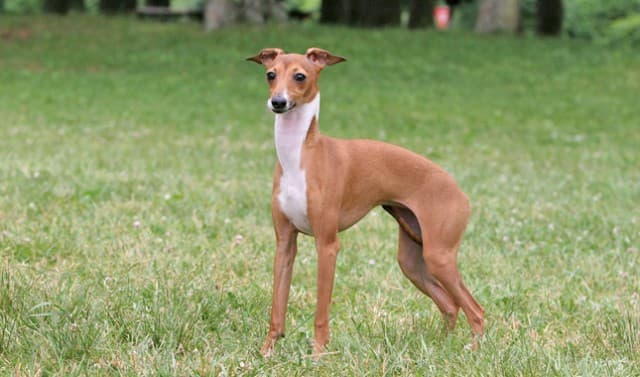
Italian Greyhound

Saluki
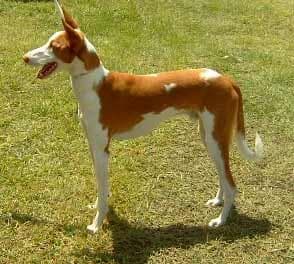
Ibizan Hound
Frequently asked questions
What is a Greyhound?
A Greyhound is an AKC Hound Group sighthound—the club calls it the champion sprinter of dogdom, gentle and sweet-tempered with an independent spirit. AKC recognized the breed in 1885. They hunt and course by sight, not scent.
How fast are Greyhounds?
AKC describes them as the cheetah of the dog world and capable of reaching speeds up to 40 miles per hour. Our catalog still notes the popular “45 mph couch potato” nickname—treat that as a nickname, not a measured record. They are sprinters, then nappers.
How big do Greyhounds get?
The AKC standard lists weight only: dogs 65–70 pounds, bitches 60–65 pounds. AKC’s lifestyle article typically cites males 28–30 inches / 65–70 lb and females 27–28 inches / 60–65 lb. Our catalog combines those as 60-70 lbs and 26-30 inches.
Are Greyhounds good apartment dogs?
AKC includes Greyhounds on its apartment-breeds list: many are calm indoors after a sprint. They are still large sighthounds with prey drive—need elevators/stairs logistics, a muzzle or leash plan for city wildlife, and safe fenced running. Our size-based apartment score is low because they are large; lifestyle fit is about energy indoors, not square footage alone.
Do Greyhounds need a lot of exercise?
AKC: they save energy for the next run and lounge a lot at home. Our catalog: energy 3/5 — Surprisingly low energy. Short bursts of exercise followed by long naps. Safe off-leash running needs a fence; recalls compete with moving prey.
Are Greyhounds good with kids and other pets?
AKC: affectionate with family, reserved with strangers; early socialization matters. They have little body fat, so supervise kids for the dog’s safety as well as the child’s (ASPCA: never leave young children alone with any dog). Prey drive can be high around small running pets.
Should I adopt a retired racing Greyhound?
Many people do, through Greyhound-specific rescue. Individuals vary—track history is not a temperament warranty. Ask the rescue about cats, kids, and stairs. See our dog-rescue hub. AKC’s broad purebred purchase band is $500–$5,000 if you go the puppy route; we do not publish a Greyhound-specific asking list.
References
This guide summarizes publicly available breed-standard and veterinary education sources. Always consult your veterinarian for individual care.
- [1]Greyhound Dog Breed Information — American Kennel Club (AKC)
- [2]Official Standard of the Greyhound — American Kennel Club (AKC)
- [3]Is the Greyhound the Right Breed for Your Lifestyle? — American Kennel Club (AKC)
- [4]Hound Group — American Kennel Club (AKC)
- [5]Breeds by Year Recognized — American Kennel Club (AKC)
- [6]Best Dogs For Apartments — American Kennel Club (AKC)
- [7]Best Dog Breeds for Hot Weather — American Kennel Club (AKC)
- [8]Dog Anesthesia: What Every Dog Owner Should Know — American Kennel Club (AKC)
- [9]Greyhound Club of America Health Statement — Greyhound Club of America (GCA)
- [10]How to Choose the Right Dog Breed — American Kennel Club (AKC)
- [11]Dog Bite Prevention — ASPCA
- [12]Pet Ownership Resources — American Veterinary Medical Association (AVMA)
- [13]General Dog Care — ASPCA